
Why More Americans Are Moving and Living in Portugal
Lisbon has become the ultimate mix of charm, sunshine, and value for US citizens craving a slower, richer life abroad. Whether you’re a freelancer chasing sunlight or a retiree swapping commutes for café mornings, the city delivers comfort with character.
Remote workers love that the digital nomad visa makes it easy to stay legally, while long-term planners still look at the golden visa or a standard residence permit for settling down.
Here’s what makes living in Portugal so magnetic:
-
Affordable rent—expect around €1,400 for a one-bedroom in central Lisbon.
-
Friendly locals who actually enjoy chatting in English.
-
A café culture built for work and people-watching.
From morning pastel de nata to riverside coworking, life here feels lighter, more human.

How a US Citizen Can Enter Portugal and Get a Residence Permit
If you’re a US citizen dreaming of tiled balconies and ocean views, Portugal offers several legal ways to make that life a reality. You’ll need a valid passport, proof of income, and a bit of patience with Portuguese immigration. Many Americans and remote workers have already made the move, drawn by mild weather, friendly locals, and simple bureaucracy compared to elsewhere in Europe.
Here are the main visa routes for living in Portugal long-term:
-
Digital Nomad Visa – For remote workers earning at least €3,280/month. It’s valid for one year and renewable up to five.
-
D7 Visa (Passive Income) – For freelancers or retirees with stable income or savings (minimum €9,120/year).
-
Work Visa – For professionals with a Portuguese job offer.
-
Golden Visa Program – Still active for select investments (like job creation or cultural projects) but closed to real estate purchases.

Applying for a Portuguese Residence Permit After the Digital Nomad Visa
Once you enter Portugal, you’ll need to register with Portuguese immigration (SEF) to get your Portuguese residence permit. This step formalizes your legal stay and lets you access healthcare, rent property, and pay taxes. Expect processing to take one to three months.
You’ll need:
-
A Portuguese tax number (NIF)
-
Proof of address and income
-
Health insurance
-
Two passport photos
Most residency permits last one or two years and can be renewed online—just make sure to schedule appointments early, as many expats say SEF slots fill up quickly in Lisbon.
From Golden Visa to Permanent Residency and Dual Citizenship

After five years of continuous stay, you can apply for permanent residency or even Portuguese citizenship. Many Americans choose this route for the lifestyle benefits and EU access. Becoming a Portuguese citizen can also lead to dual citizenship, meaning you can keep your U.S. passport while enjoying the perks of Europe-wide mobility.
If you become a tax resident, explore Portugal’s Non-Habitual Resident regime—it offers reduced taxes for up to ten years. Although reforms are ongoing, it’s still a smart incentive for newcomers living in Portugal long-term.
For updated visa and golden visa details, visit the Portuguese government immigration portal or the U.S. Embassy in Lisbon.
Understanding the Average Salary and Cost of Living in Lisbon
When Americans moving to Lisbon compare their expenses to life back home, the numbers are refreshing. According to Numbeo 2024, Lisbon is 48% cheaper than New York City, making it one of the best-value capitals in Western Europe. Rent, food, and transportation all fall well below U.S. prices—without giving up good Wi-Fi, great weather, or the perks of Portuguese culture.
In mainland Portugal, the average salary sits around €1,450/month before taxes, while the minimum wage is about €820. Many US citizens living here on the same income they earned remotely find they can save or simply enjoy more of life—think fresh seafood lunches for €12 and €1 espressos at the corner café.
Lisbon Living Costs vs U.S. Cities
| Category | Lisbon (EUR) | NYC (USD) | Austin (USD) | Miami (USD) |
|---|---|---|---|---|
| One-bedroom apartment (city center) | €1,400 | $3,500 | $2,300 | $2,800 |
| Groceries (monthly) | €300 | $600 | $500 | $550 |
| Transportation pass | €42 | $130 | $90 | $110 |
| Health insurance (private) | €80 | $400 | $350 | $380 |
| Lisbon’s lower living costs mean you can have a central flat, eat out regularly, and still spend less than you would in most other cities in the U.S. |
Everyday Expenses and Affordable Alternatives
Public transport works well—no car ownership required. A metro ride costs €1.80, and monthly passes make getting around cheap and easy. Local markets like Mercado da Ribeira offer organic produce at half supermarket prices. Utilities average €120/month, and health insurance plans range from €50–€100/month.

Here’s where your budget stretches:
-
Affordable cafés and bakeries offering full breakfasts under €5
-
Reliable job market for remote or freelance roles
-
Manageable upfront costs—most rentals require two months’ deposit
-
Taxes with progressive rates and a double taxation agreement between both Portugal and the U.S., meaning no double-paying on worldwide income
Learning Portuguese and Adapting to Local Life
While learning Portuguese helps with errands and making friends, most professionals speak English fluently. Most expats find Lisbon’s mix of affordability, safety, and sun an affordable alternative to pricier hubs.
From the city’s rich history to its relaxed rhythm, Portugal offers a quality of life that feels luxurious on a modest budget—especially when your remote paycheck goes further than ever.
Where Americans Moving to Lisbon Should Start Their Search
Lisbon isn’t just one vibe—it’s a city of layers, each neighborhood offering its own rhythm. From hilltop views in Alfama to riverside walks in Parque das Nações, expats moving here quickly learn that where you live shapes your version of living in Portugal. With reliable public transportation, exploring neighborhoods before you commit is easy—and essential.
Rental prices range widely depending on lifestyle. Expect to spend between €1,200 and €2,200 for a one-bedroom, and don’t forget: some landlords will ask for a tax number (NIF) and proof of sufficient funds before signing.
Alfama – History, Heart, and Hills

Lisbon’s oldest quarter feels like a movie set. Think narrow alleys, tiled houses, and spontaneous fado from open windows. It’s perfect for American retirees and artists craving authenticity and rich culture.
-
Average rent: €1,200–€1,600/month
-
Insider tip: Skip driving here. The streets are steep and made for walking.
-
Local pick: Grab espresso at Pois Café (€2) or work with a view at The Royal Café Lisboa.
Príncipe Real – Café Culture Meets Modern Comfort

This stylish district attracts creatives, family members of expats, and entrepreneurs alike. It’s known for leafy streets, boutique stores, and LGBTQ+-friendly spots that make newcomers feel part of the Portuguese community.
-
Average rent: €1,800–€2,200/month
-
Local pick: Copenhagen Coffee Lab (€3 flat white, best mornings), and cowork at Outsite Lisbon (€25/day).
-
Tip: If you’re buying property, this is one of the most desirable (and stable) investment zones.
Campo de Ourique – Quiet Charm with a Local Beat

For expats moving with kids or seeking calm, Campo de Ourique delivers. It’s walkable, full of markets, bakeries, and small parks where dogs outnumber tourists.
-
Average rent: €1,400–€1,800/month
-
Local pick: Mercearia Criativa for organic lunches under €10.
-
Insider tip: Many Portuguese citizens consider this the best mix of community and convenience.
Parque das Nações – Modern, Spacious, and Family-Friendly

Lisbon’s most futuristic district is where glass towers meet the river. Great for professionals or american retirees who want comfort and space without leaving the city.
-
Average rent: €2,000–€2,400/month
-
Local pick: Nosso Café (great Wi-Fi, €2 cappuccino) and IDEA Spaces cowork (€200/month).
-
Insider tip: Ideal for buying property under the Golden Visa route—if you’re investing through cultural or business channels rather than real estate.
From Neighborhoods to Belonging
No matter which area you pick, Lisbon’s rich culture and warm Portuguese community make it easy to feel at home. Compared to other cities in Europe, it’s still a place where your barista learns your name and Portuguese bureaucracy feels like a small price for the view.
Whether you’re chasing sunlight, passive income, or Portuguese citizenship, these neighborhoods prove that living in Portugal isn’t just about location—it’s about finding your rhythm.
How Americans Moving to Lisbon Can Adapt to Portuguese Culture
Settling in Lisbon means more than finding great coffee—it’s about under standing the Portuguese culture that shapes daily life. Americans moving here are often surprised by how relaxed everything feels. The pace is slower, bureaucracy takes its time, and lunch breaks can stretch well past an hour. Patience is the secret weapon to thriving here.

English is widely spoken, especially among non native speakers and younger locals. You can manage everyday life without stress, but learning the Portuguese language goes a long way in feeling like part of the city. Locals appreciate the effort, even if you just master “bom dia” and “obrigado.”
Learning the Portuguese Language: Schools and Meetups That Work
If you’re serious about improving, Lisbon has plenty of language schools that make it fun:
-
Easy Talk Lisboa – Small classes, friendly teachers, around €180/month.
-
Portuguese Connection – Great for beginners and non native speakers, central location near Avenida da Liberdade.
-
Tandem Meetups – Free social events mixing vibrant culture, wine, and conversation.
Local tip: Join the Lisbon Digital Nomads community—perfect for people who work online and want to balance productivity with connection.
Buying Property and Building a Local Life
Even if buying property isn’t your plan yet, getting involved in neighborhood life helps you integrate faster. Say yes to local markets, join a running club, or grab a pastel de nata at your corner café. Lisbon’s vibrant culture makes meeting people easy—it’s warm, welcoming, and deeply social.
By blending a bit of Portuguese language learning with curiosity and consistency, you’ll go from visitor to local in no time.

Why Remote Workers Choose Lisbon for Its Job Market and Connectivity
It’s easy to see why so many professionals choose Lisbon for remote work. The city blends beachside ease with startup energy—and the job market here is buzzing. Even if you’re not job-hunting, you’ll feel that entrepreneurial vibe in coworking spaces and cafés across the city. The internet is strong too: according to Speedtest’s Global Index, Portugal’s average speed is around 130 Mbps, which easily supports video calls and creative work.
Compared to the average monthly salary in Lisbon (about €1,450), remote workers earning in USD or GBP can enjoy a comfortable lifestyle. That’s why so many freelancers and passive income earners use Lisbon as their long-term base—it offers a global mindset with local charm.
Best Coworking Spaces in Lisbon’s Job Market
If your home desk gets dull, Lisbon’s coworking scene won’t disappoint. Here are a few community favorites:
-
Second Home Lisboa – Stylish, eco design, creative crowd, €250/month.
-
IDEA Spaces – Central and English-speaking, €200/month.
-
Outsite Cais do Sodré – A digital nomad classic, €35/day, right near the river.
Most are well-connected by public transportation, making it easy to hop between meetings or neighborhoods.
Café Culture for Productivity and People-Watching
Cafés here double as mini offices—order a coffee, plug in, and you’re set for hours. Locals and nomads share tables at places like:
-
Hello, Kristof – Minimalist style, strong Wi-Fi, and €3 flat whites.
-
The Mill – Aussie-style brunch, laptops welcome till 3 PM.
-
Fábrica Coffee Roasters – Great espresso and quiet corners for deep work.
Lisbon’s café scene is more than caffeine—it’s a way to feel connected, inspired, and productive while soaking in the city’s rhythm. With reliable Wi-Fi, scenic breaks, and easy public transportation, it’s no wonder remote workers choose Lisbon over anywhere else.

Understanding Health Insurance and Healthcare in Lisbon
One of the biggest perks of moving to Lisbon is how accessible medical care is compared to the U.S. The country’s public system—called SNS (Serviço Nacional de Saúde)—covers routine doctor visits, urgent care, and hospital treatments at low healthcare costs. A typical appointment might be €10–€15, while many medications are subsidized by the government.
Still, many expats prefer to add private health insurance for faster appointments and access to English-speaking doctors. Plans start at around €50–€100/month, depending on coverage and age. The difference in healthcare costs compared to the U.S. is massive—what might be one urgent care visit back home could cover a year of coverage here.
Best Private Health Insurance Options for Americans in Portugal
Private plans give you access to top-tier hospitals like CUF Descobertas, Lusíadas, and Hospital da Luz. They also make it easier to schedule specialists without long waits. Common options include:
-
Medis – Comprehensive coverage, excellent for expats.
-
Allianz Portugal – Strong international network.
-
AdvanceCare – Affordable entry-level plans.
Most plans let you combine health insurance with dental or optical coverage if needed.

Healthcare Costs and Everyday Safety
Lisbon continues to rank among Europe’s safest capitals—Numbeo 2025 lists it in the top 10 for safety and quality of life. Petty theft can happen in crowded areas, but violent crime is extremely rare. Common sense—like watching your bag on trams—goes a long way.
Here’s why locals feel secure in Lisbon:
-
Affordable health insurance and medical services
-
Reliable emergency response and 24-hour pharmacies
-
Welcoming neighborhoods where people look out for one another
Final Tip on Staying Healthy Abroad
Even if you rely mainly on the public system, having private health insurance gives peace of mind, especially during your first months abroad. Between the low healthcare costs and strong safety record, Lisbon makes it easy to feel both cared for and comfortable—no stress, just sunshine and solid coverage.
Setting Up a Portuguese Bank Account and Understanding Tax Basics
Before you start earning or transferring money, you’ll need a Portuguese bank account. It’s required for everything from paying rent to getting your residency permit approved. Opening one is straightforward—you’ll just need your passport, proof of address, and tax number (NIF). Most banks like ActivoBank or Millennium BCP let expats open a bank account in person or online, often with low fees and English-speaking staff.
Once that’s sorted, you can focus on taxes. Portugal’s famous Non-Habitual Resident (NHR) program officially phased out in 2024, but the new “tax incentive for scientific and innovative activities” offers similar perks for qualifying professionals. If you earn foreign income or dividends, this system may still help you prevent double taxation under certain visa types.
How to Prevent Double Taxation and Stay Compliant
U.S. citizens must still file with the IRS even while abroad—but that doesn’t mean you’ll be taxed twice. The Foreign Earned Income Exclusion and U.S.-Portugal tax treaties are designed to prevent double taxation, though they can get complex depending on your capital gains and investments.
To make life easier, many expats use bilingual accountants or international tax firms familiar with both systems. Expect to pay around €400–€700 per year for professional filing help.
Here’s what to prepare before tax season:
-
Proof of income and employment type (linked to your visa type)
-
Portuguese NIF and bank account details
-
Record of qualifying investments and any capital gains
Using Your Portuguese Bank for Everyday Life

A Portuguese bank makes daily transactions smooth. You can pay bills online, set up mobile payments, and receive transfers in euros without foreign exchange surprises. Local platforms like MB Way are integrated with most banks, allowing easy peer-to-peer payments and direct rent transfers.
And if you’re investing or saving, many banks offer favorable rates for those with qualifying investments, especially when tied to your residency or entrepreneurial activities.
Final Thoughts on Taxes and Residency
Portugal’s tax system might feel daunting at first, but with the right setup—bank account, residency permit, and professional guidance—you’ll navigate it easily. Whether you’re freelancing, consulting, or exploring a startup idea, the key is to stay organized early and work with an expert who understands cross-border taxation.
Lisbon rewards financial clarity with peace of mind—and maybe enough leftover euros for another pastel de nata.
The Rhythm of Everyday Life in Lisbon
Life in Lisbon moves to a slower, sunnier beat. Mornings start with the smell of espresso (€1) and the sound of trams gliding through the cobbled streets. Most locals take time to enjoy breakfast rather than rushing out the door, and that unhurried pace shapes the city’s charm. Lunches stretch long, terraces stay packed until late, and it’s perfectly normal to pause for a pastel de nata between meetings.

If you’re outdoorsy, Lisbon will spoil you. The weather stays mild year-round—think 280+ sunny days—and the riverfront is ideal for cycling or sunset runs. Public spaces like the Miradouros (hilltop viewpoints) and LX Factory offer endless ways to unwind, socialize, or simply take in the view.
Getting Around Lisbon: Public Transport Made Easy
Forget the car, Lisbon’s public transport pass costs just €42/month and covers metro, tram, and bus. Trains also connect to beach towns like Cascais or cultural gems like Sintra for just a few euros. For quick rides, the Gira bike-share and Bolt scooters keep things flexible and fun.
Local tip: Buy a “Viva Viagem” card (€0.50) and load it for cheaper fares—it works across all transport types.
Where to Eat, Work, and Soak It All In
Eating out is refreshingly affordable: a hearty lunch menu (soup, main, and drink) runs €12–€15. Lisbon’s food scene mixes traditional Portuguese flavors with global trends.
A few favorites locals swear by:
-
Time Out Market – Big variety, good energy, €15–€25 meals.
-
Nicolau Lisboa – Brunch favorite, laptop-friendly, €8 smoothie bowls.
-
Copenhagen Coffee Lab – Great Wi-Fi and calm corners for coworking (€3 cappuccino).
-
Ponto Final – For sunset dinners across the river (€20 mains, unbeatable view).
Markets and Local Life
For weekly shopping, head to Mercado de Campo de Ourique or Mercado da Ribeira—both filled with local produce, seafood, and a healthy dose of people-watching. Saturdays bring open-air flea markets like Feira da Ladra, where you can browse antiques and records before grabbing a bifana sandwich from a nearby stand.
Lisbon’s day-to-day life is built on simple pleasures—sunlight, connection, and community. Whether you’re hopping on a tram to Alfama or working from a riverside café, it’s easy to see why so many people come for a few months and end up staying for years.

The Realities of Finding Housing in Lisbon
If there’s one universal challenge newcomers face, it’s finding a place to live. Lisbon’s rental market has exploded in recent years, with demand far outpacing supply—especially in central areas like Príncipe Real and Alfama. Expect competition, high prices, and quick turnarounds. One-bedroom apartments can range from €1,400–€2,200 depending on location and furnishings.
To make the process smoother, start your search early and be ready to act fast when you find a good option. Many locals and expats now use platforms like Idealista, RentRemote, and Facebook housing groups to find trustworthy listings.
Local tip: Landlords often request a few months’ rent upfront or proof of stable income—come prepared with documentation.
Dealing with Paperwork and Bureaucracy
Lisbon is laid-back in lifestyle, but that easy pace can feel less charming when it comes to paperwork. From setting up a tax number to registering at city offices, bureaucracy can take time—and patience. Appointments at government offices fill up quickly, and responses sometimes move at a slower rhythm than expected.
Here’s how to make it easier:
-
Book appointments online whenever possible (especially with SEF and municipal offices).
-
Make copies of everything—digital and printed.
-
Bring proof of address, ID, and patience to every meeting.
Most long-term expats agree: once the initial hurdles are done, life runs smoothly.

Adjusting to the Culture and Pace
For many Americans, the cultural rhythm of Lisbon can take some getting used to. Dinner starts later, coffee breaks last longer, and there’s little sense of urgency compared to major U.S. cities. But that slower pace is also what makes the city so livable once you adapt.
The key is to lean into it—plan ahead, don’t rush, and enjoy the process. Locals value time spent with people over efficiency, so embrace that mindset.
Join local Facebook or Meetup groups like “Lisbon Digital Nomads” or “Expats in Portugal” for support, housing leads, and social events.
Finding Your Groove
Yes, Lisbon has its quirks—housing hunts, delayed paperwork, and the occasional cultural misunderstanding—but those challenges are part of the adjustment curve. Once you settle in, the sunshine, safety, and easy rhythm of daily life quickly make up for it. The reward for your patience? A city that feels more like home with every pastel de nata and tram ride.

Comparing Lisbon to Other Portuguese or U.S. Cities
Lisbon vs Porto: Two Sides of Portuguese Life
If Lisbon is all sunshine and buzz, Porto is its more contemplative sibling. Lisbon feels like a global hub—full of cafés, coworking spaces, and events—while Porto keeps things local and soulful. Rent in Porto is about 20–30% cheaper, with one-bedroom apartments starting around €1,000–€1,300 compared to Lisbon’s €1,500–€2,200 range.
The work-life balance differs too. Lisbon leans toward hustle and creative networking; Porto favors calm, with evenings along the Douro and fewer crowds. Both cities share a love of good food, local wine, and that easy Portuguese warmth, but Porto’s slower rhythm attracts writers and artists, while Lisbon appeals to entrepreneurs and digital nomads.
For short-term stays, Porto offers smaller but equally stylish coworking options—try Porto i/o (€150/month).
Lisbon vs Austin or Miami: Cost, Safety, and Climate
Comparing Lisbon to popular U.S. cities like Austin or Miami highlights just how livable Portugal’s capital is. Lisbon’s public transport pass costs €42/month, while similar mobility in Austin or Miami can easily top $150 with gas and parking. A meal out averages €12–€15—less than half of what you’d pay in Miami’s Wynwood or Austin’s South Congress district.
Weather-wise, Lisbon wins on mild temperatures (average 17°C year-round) and sunshine, while Miami matches the warmth but adds humidity. Austin might offer a creative spirit and tech scene, but Lisbon’s safety, walkability, and scenic coastline make daily life feel lighter.
Quick Comparison: Lisbon vs Other Major Cities
| City | Rent (1-Bedroom, Central) | Monthly Transport | Safety Ranking* | Expat Community Size |
|---|---|---|---|---|
| Lisbon | €1,500–€2,200 | €42 | 76/100 (safe) | Large and growing |
| Porto | €1,000–€1,300 | €35 | 82/100 (very safe) | Medium-sized |
| Austin (US) | $2,300–$2,800 | $150+ | 70/100 | Medium |
| Miami (US) | $2,800–$3,200 | $180+ | 65/100 | Large |
| *Source: Numbeo 2025 |
Choosing the Right Fit
If you crave cultural buzz, beach access, and endless networking, Lisbon delivers. Prefer a cozier community with lower rent and a slower tempo? Porto might be your match. For those coming from the U.S., Lisbon combines European charm with daily convenience—without the stress or sticker shock of Austin or Miami.
Whichever you choose, both Portuguese cities promise what most Americans crave: sunshine, simplicity, and a pace of life that reminds you to actually enjoy it.

Finding a Place to Call Home in Lisbon
Lisbon’s housing market can feel like a puzzle at first, but once you know where to look, it gets easier. The city offers a wide mix of short- and long-term options—from bright studio flats in Alfama to modern apartments in Parque das Nações. Expect rents between €1,400 and €2,200/month for a one-bedroom, depending on neighborhood and furnishings.
If you’re new to the city, short-term rentals are your best bet while you explore neighborhoods and get your bearings. They’re move-in ready, often include utilities, and save you from buying furniture before you know where you want to settle.
Best Platforms for Rentals in Lisbon
You’ll find reliable listings through:
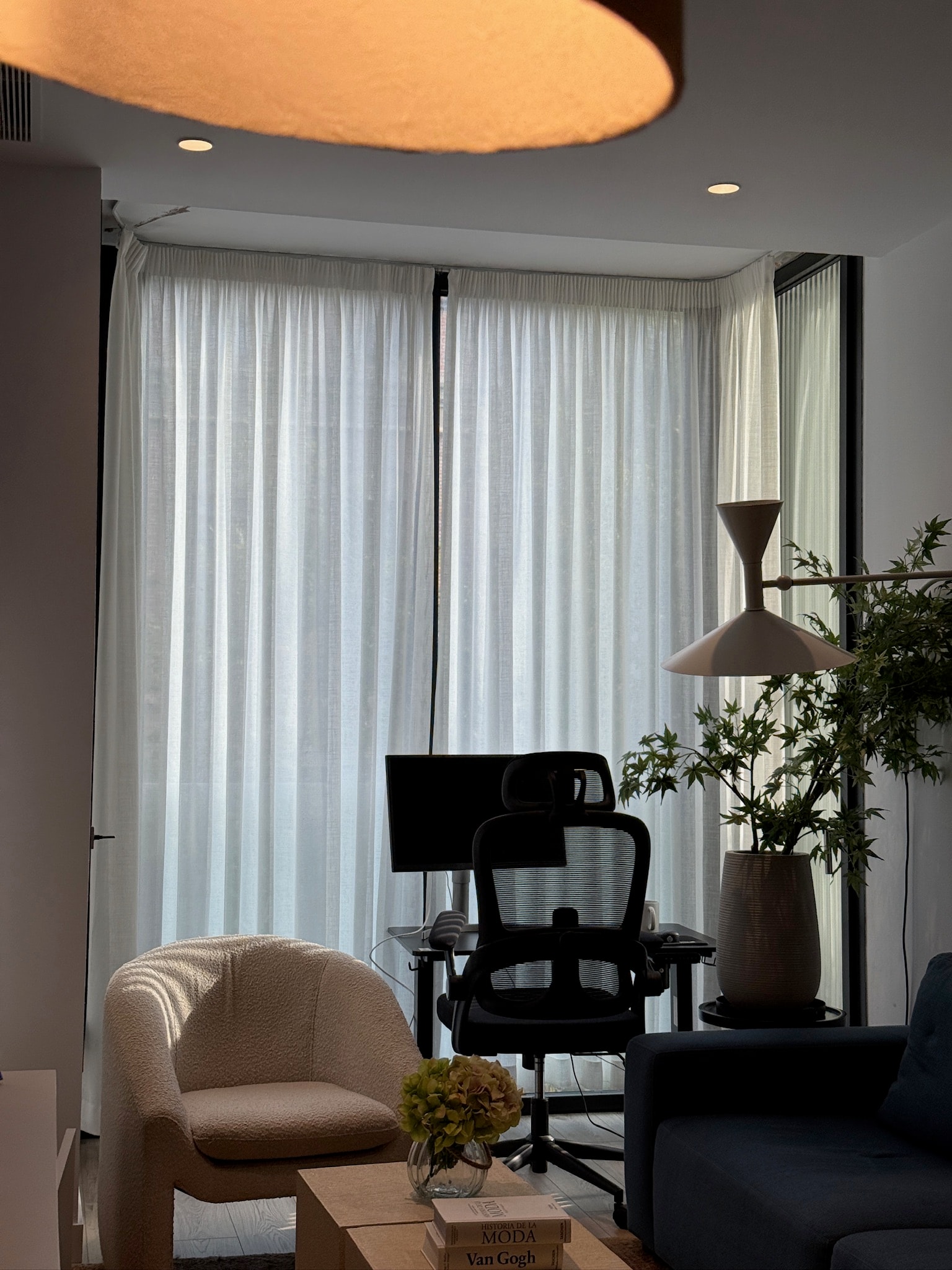
- RentRemote – Fully furnished apartments tailored for digital workers.
-
Idealista – The go-to local platform for all budgets and areas.
-
Flatio – Short-term rentals designed for stays of a few weeks to several months.
Each site allows you to filter by amenities like coworking setups, pet-friendly spaces, or flexible lease lengths.
Short-Term vs. Long-Term Housing Tips
For short stays, furnished apartments are the easiest and most predictable option. You’ll know exactly what’s included, and many come with flexible contracts. For longer stays, look into unfurnished rentals—cheaper month to month but often require a multi-month deposit and proof of income.
In competitive neighborhoods like Príncipe Real or Campo de Ourique, schedule viewings quickly—good apartments go fast.
Making the Move Smooth
Before signing, double-check utilities, internet speed, and proximity to public transport. Most leases will require a tax number (NIF), proof of identity, and sometimes a local guarantor. Landlords appreciate clear communication, so having your documents ready can make all the difference. Ready to make your move? Find your short-term rental in Lisbon.

Why Lisbon Just Works
Lisbon has a way of turning short visits into long stays. It’s the rare city that balances old-world beauty with modern comfort, making it easy to build a life that feels both grounded and adventurous. You get cobblestone charm, efficient transit, affordable meals, and sunsets that never get old—all in one place.
Safety, community, and simplicity are what seal the deal. Streets are walkable, neighborhoods are welcoming, and locals treat newcomers like friends rather than tourists. The rhythm of life here—long lunches, scenic commutes, and coffee that actually costs one euro—makes every day feel lighter.
What Makes Lisbon Feel Like Home
-
Reliable public transport and easy airport access
-
Sunny climate that lets you live outdoors year-round
-
Thriving international community and coworking scene
-
Great food, reasonable rent, and a city that values quality of life
Whether you’re chasing a new chapter or testing out remote life abroad, Lisbon is that rare mix of warmth and opportunity that makes it hard to leave. Book your furnished flat in Lisbon today.
