
Maya
Culture & Exploration Editor ·
Ibiza rewards the people who stay long enough to move past the headlines. Yes, the clubs are real. So is the coastline, the food, the markets, and the interior — and none of it requires a VIP wristband. This guide covers what the island actually looks like when you're not on a four-night package: where to be, what to spend, and what to skip. Whether you're here for a week or working remotely for the season, the decisions you make in the first 48 hours shape everything that follows.
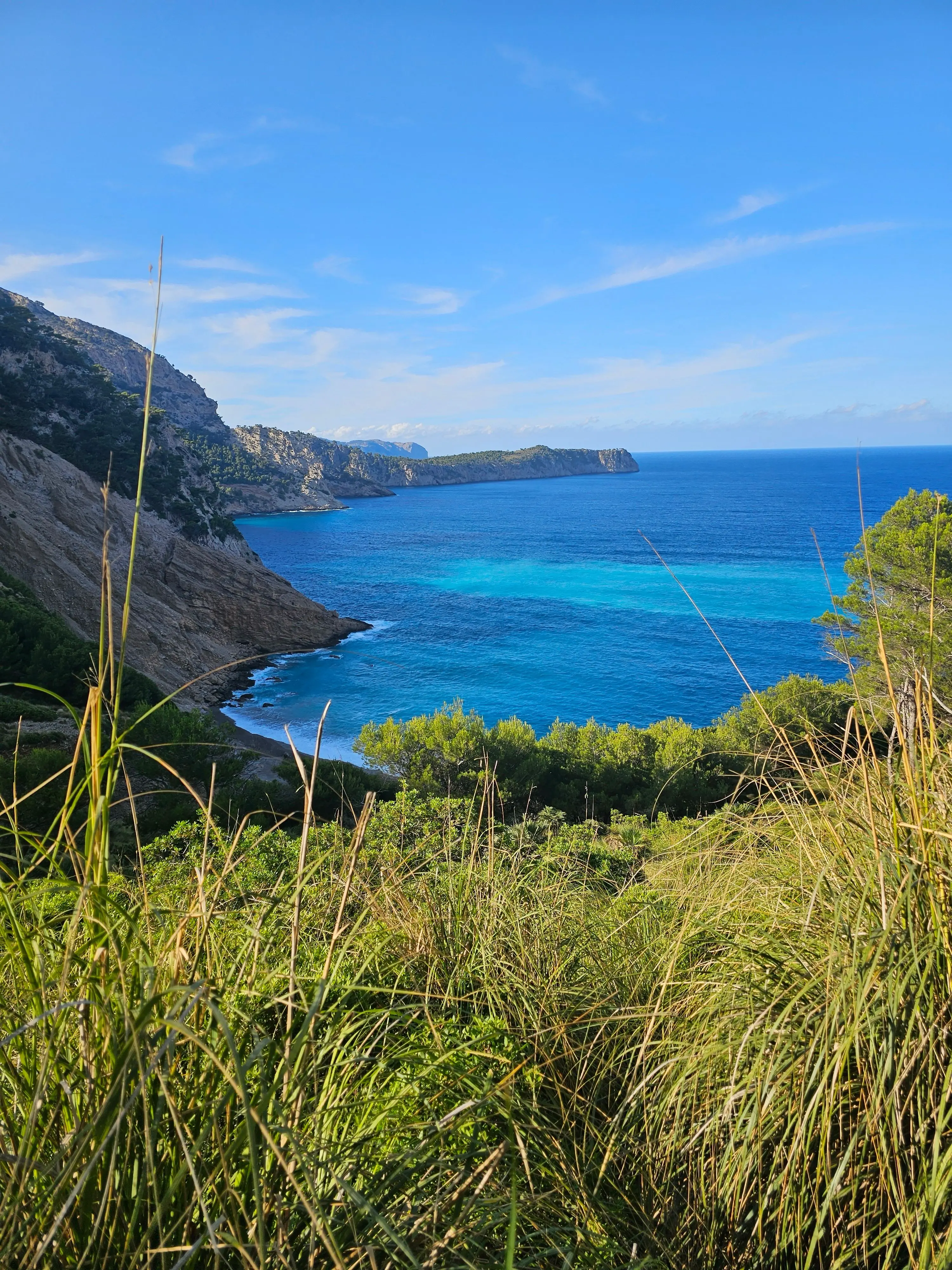
Where to stay and what each area costs you in real terms
The best beaches — and the ones worth the extra effort to reach
Beach clubs that are worth the price and those that aren't
Markets, food, and where the island eats when it's not performing
How to explore Ibiza Town, Dalt Vila, and the quieter north
Getting around without a hire car eating your whole budget
Where to Stay: Neighbourhoods, Costs, and Trade-Offs When You Explore Ibiza
Which Neighbourhood Actually Suits How You Work and Live
The area you pick will define your entire stay, and most people get it wrong by optimising for the wrong thing.
Ibiza Town (€1,800–€3,200/month) is cosmopolitan and walkable, but the energy that makes it exciting on Saturday will hollow out your focus by midweek.
Santa Gertrudis and San Rafael sit in the interior — village-quiet, central, and completely outside the party circuit, which is precisely the point.
Santa Eulalia (€1,200–€2,200/month) is the east coast's best-kept open secret: calm, well-connected by bus, and home to restaurants that punch well above their price points.
The north around Sant Joan (€1,100–€2,000/month) is for writers and slow-travel types who want the island stripped of its reputation.
If you're working during the day, proximity to nightlife is not a perk — it's a scheduling problem.
What You'll Actually Pay Across the Island
Ibiza's rental range is wider than most people expect, and where you land on it depends less on budget than on which version of the island you're willing to live inside.
San Antonio is the cheapest entry point at €900–€1,800/month, with sunset strip access built in — useful if that's what you came for, exhausting if it isn't.
Santa Gertrudis runs €1,400–€2,500/month for a slower pace and a genuinely central position that cuts driving time to almost everywhere else.
Ibiza Town tops out the range at €3,200/month, and at that price you're paying as much for the address as for the apartment.
Santa Eulalia consistently offers the best value-to-livability ratio on the island, especially for stays longer than a few weeks.
The gap between San Antonio and Ibiza Town isn't just financial — it's two completely different islands sharing the same coastline.
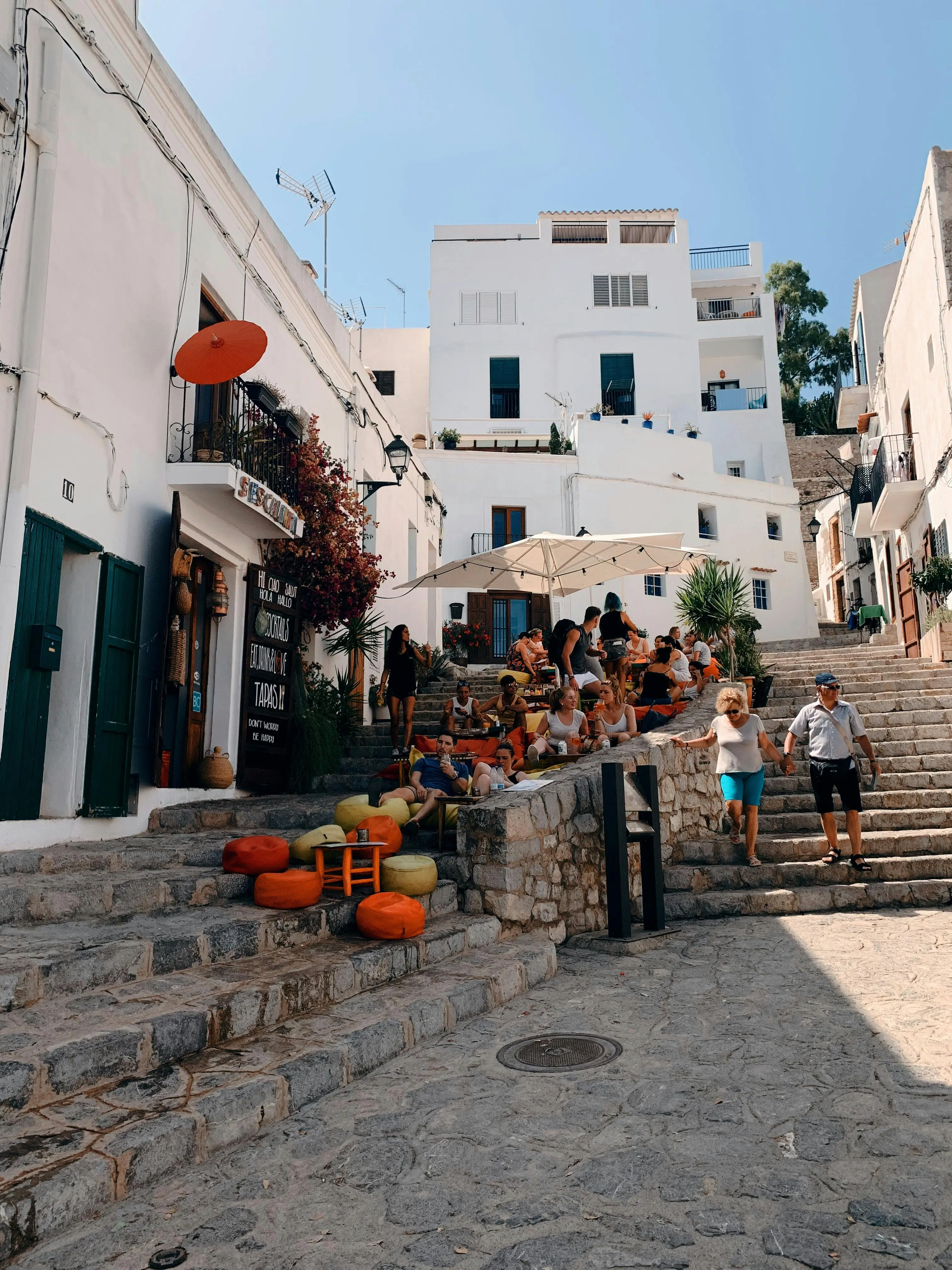
The Real Trade-Offs Nobody Mentions Before You Book
Every neighbourhood in Ibiza delivers on its promise about half the time, and the other half depends entirely on what you actually need from a place to live.
Ibiza Town's walkability is genuinely useful until noise, late hours, and tourist density start compressing your days.
Santa Eulalia's family-friendly reputation isn't a downgrade — reliable bus connections into Ibiza Town mean you're not choosing quiet over access, you're getting both.
The rural north offers the island's most dramatic natural setting, but car dependency is non-negotiable and the isolation compounds quickly over a long stay.
Santa Gertrudis trades beach access for central position and minimal noise — a worthwhile swap for anyone who isn't here primarily for the water.
The travellers who leave Ibiza disappointed are almost always the ones who booked the neighbourhood that sounded right rather than the one that matched how they actually spend their days.
Staying inside or within a five-minute walk of Ibiza Old Town costs more — expect €120 to €200 per night for a mid-range room — but it means you can walk home after dinner without needing a taxi at 1am.
Explore Ibiza Town and the Ibiza Old Town: Dalt Vila and What's Around It
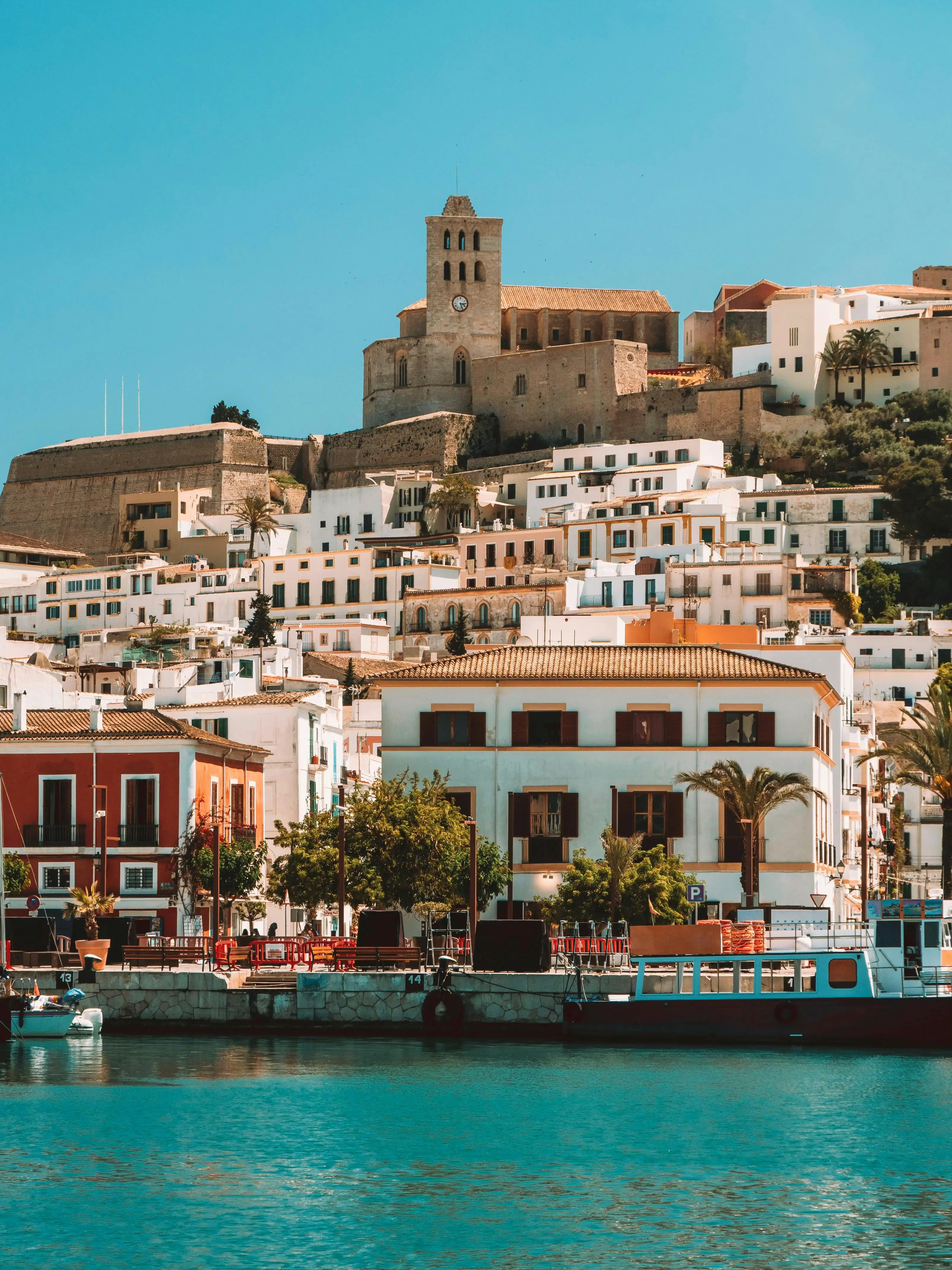
Ibiza Town is where the island's contradictions are most visible — a UNESCO World Heritage Site surrounded by rooftop bars. That tension is actually what makes it interesting to spend time in, as long as you don't confuse the tourist layer for the whole thing.
Dalt Vila: The Walled City Worth Slowing Down For
Dalt Vila isn't just a landmark you visit once — it's the part of this old town that earns repeat visits, especially in the morning before the tour groups arrive.
Dalt Vila ancient stone walls — free to walk, best before 10am when the light hits the limestone properly
Ibiza Museum of Contemporary Art — €4 entry, small but worth an hour, showcases rotating modern art exhibitions
Cathedral of Santa Maria — free entry, genuinely old, quiet even in peak season
Portal de ses Taules — the main gate into the walled city, absolutely stunning at golden hour
The cobbled climb to the top is steep enough to thin the crowds — most people turn back at the first terrace, which means the views from the top are almost always yours.
Explore Ibiza Town Below the Walls: Where to Actually Eat and Drink
The streets around the old town have the island's best ratio of quality to price, if you know which blocks to avoid.
La Brasa — garden terrace, mains around €18, go for the wood-grilled fish rather than the meat
Sa Punta — lovely restaurant on the marina, Mediterranean-leaning menu, book two days ahead in July and August
Croissant Show — breakfast from €4, opens early, the place locals use before the cafés on the waterfront quadruple the price
Walking the perimeter of Dalt Vila at dusk takes about 25 minutes and keeps you alongside the ancient stone walls the entire way — the northern stretch above the marina gives the clearest view of the harbour without the crowds at the main lookout point.
Avoid anything with a laminated photograph menu on the harbour front — you're paying for the view, not the food, and the view from Dalt Vila is better anyway.
Stunning Beaches, Cala Comte, Cala d'Hort, and the Es Vedra Coastline
Ibiza has over 124 miles of coastline, which means there's no shortage of options — and also no shortage of sandy beach experiences that disappoint because you picked the wrong one for what you actually wanted. The incredible beaches here separate into two categories: the ones you go to be seen, and the ones you go to be in the water.
Cala Comte: The Water Is the Point
Cala Comte is famous for its crystal-clear turquoise waters, and for once the reputation is accurate — but the car park fills by 10am in peak season and the beach bar queue is brutal after noon.
Cala Comte beach — soft white sand and multiple coves, arrive before 10am or after 5pm, the light is better anyway
Sunset Cala Conta — beach bar on the rocks, sundowners around €12, sunset views toward Formentera that are worth every cent
Cala Saladeta, a short walk north — pebbly beach, smaller, and almost always quieter than its neighbour
Cala Salada — 10 minutes north by car, lovely beach with a natural park backdrop, no sunlounger rental which keeps the crowd self-selecting
The water at Cala Comte is as good as anywhere in the Mediterranean Sea — but if you need a sunlounger and table service, Cala Comte is the wrong beach; go to a proper beach club and pay for the setup.
Cala d'Hort and Es Vedra: The Most Dramatic View on the Island
Es Vedrà rises 400 meters above the sea off Ibiza's southwest coast, and Cala d'Hort is where you go to sit across from it — this is the view people mean when they talk about the island's natural beauty.
Cala d'Hort beach — no facilities beyond a couple of restaurants, the water is cold and clear, stunning beaches of the rocky southwest type
Es Boldado — specialises in fresh seafood, sits directly above Cala d'Hort with Es Vedrà filling the window, absolutely delicious grilled fish for around €20–€28
Es Vedrà Coastal Trail — free to walk, takes 90 minutes at a relaxed pace, boat tours to the base of Es Vedrà leave from here in summer
This part of the southwest is where the island's natural beauty stops being a marketing phrase — the rock is genuinely strange and magnetic, and Cala d'Hort at sunset makes a strong case for being the best hour on the island.
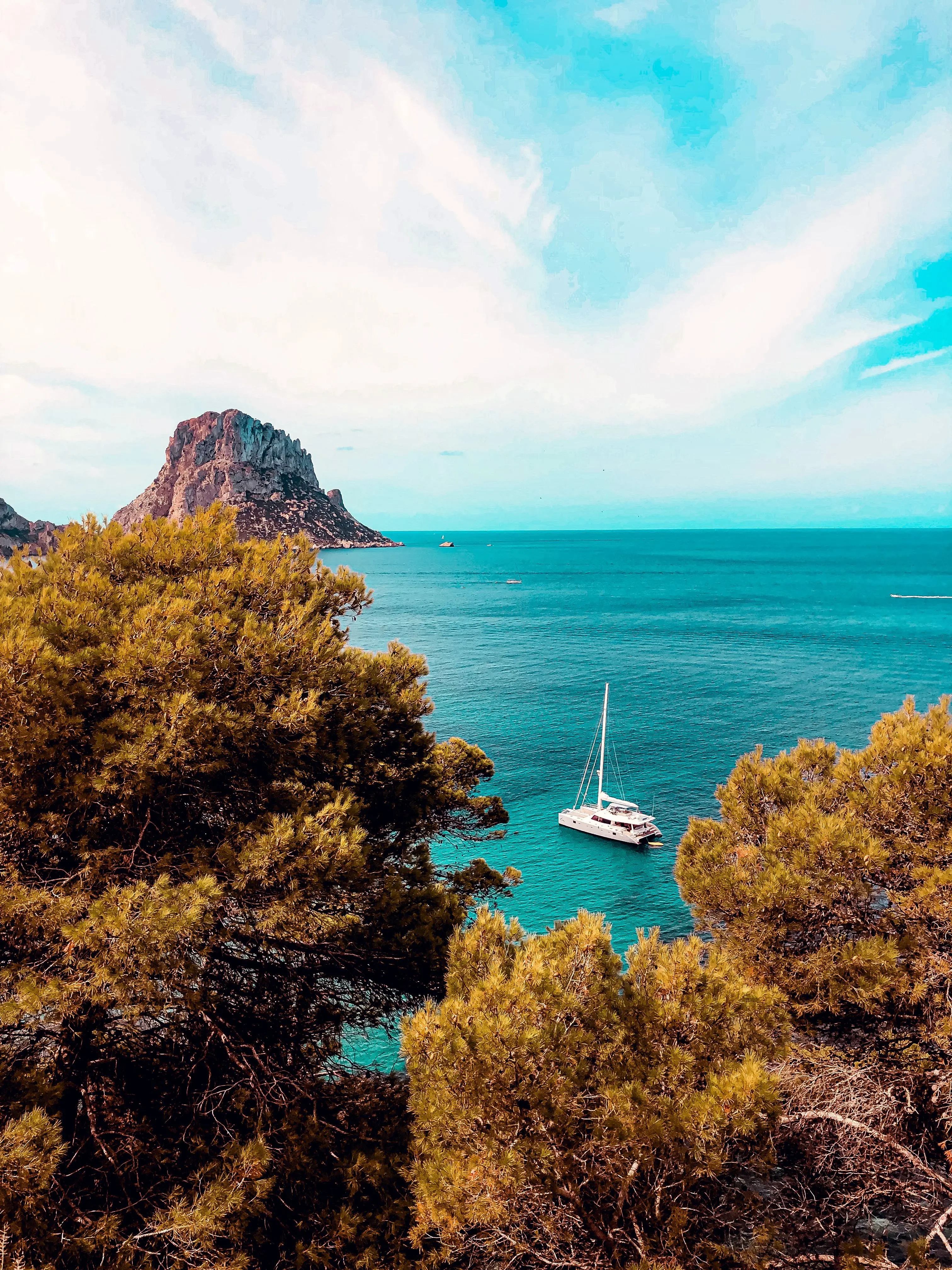
Rent a small boat from Santa Eulària des Riu for around €80 for a half-day and you can explore hidden coves along the east coast that no beach bus will ever reach. Want to explore Ibiza like a local? Find long term and mid term fully furnished apartments in Ibiza on RentRemote.
Beach Clubs, Cotton Beach Club, and How to Read the Price Tag Before You Sit Down
Beach clubs in Ibiza exist on a spectrum from genuinely excellent to aggressively mediocre, and the price difference between them is smaller than it should be. The ones worth paying for have something beyond a good-looking pool: a view, a menu that would hold up without the setting, or a crowd that isn't solely there to post the same photograph.
Cotton Beach Club: The One That Actually Earns the Spend
Cotton Beach Club consistently comes up when people talk about where to spend a full day — the food and the setting work together in a way that most beach clubs only manage on one axis.
Cotton Beach Club — day beds from €80 deposit against food and drink spend, the Cala Tarida location means calmer water than the party end of the island
Seafood menu with mains around €24–€35, delicious food that doesn't fall back on the setting as an excuse
Book at least a week ahead in July — Cotton Beach Club fills before most other clubs have opened their waitlists
Afternoon DJ sets are lower-key than the main party venues, which makes it usable for a relaxing holiday rather than just a high-energy one
Cotton Beach Club works because it doesn't try to be a nightclub that happens to have a beach — it knows what it is, and the ratio of food quality to ambient noise reflects that.
Cotton Beach Club sits beside one of the few genuinely secluded beaches on the south coast — Cala Tarida — where the water stays shallow and clear well into October when most of the island's larger beaches have emptied out.
Using Google Maps to Find Beach Clubs Without the Booking Fee Markup
Google Maps is the most reliable tool for checking beach club locations against the coast before you commit — satellite view shows you whether "beachfront" means sand or concrete.
Search "beach clubs" in Google Maps satellite mode to check if the venue is actually on the beach or just near it — a surprising number are the latter
Blue Marlin Ibiza — larger, louder, minimum spends around €150, built for beach parties rather than quiet lunches
Amante Ibiza — cliff-set above a cove on the east coast, Mediterranean menu, quieter than the west-coast clubs, book direct to avoid third-party fees
Rooftop bar options in Ibiza Town — Sky Bar at OKU Ibiza does sundowners from €14 without a day-bed minimum
The booking fee markup at some beach clubs runs 15–20% above the direct price — check Google Maps for the venue contact, call or email directly, and ask about walk-in availability before noon when the day beds often haven't been claimed.
Markets, the North, and Things to Do in Ibiza Spain Beyond the Beach
The interior of this island is where most visitors never go, and that's a mistake that costs them the best version of Ibiza. Sant Joan de Labritja, Santa Gertrudis, and the market circuit running from Las Dalias through to Benirràs Beach make a case for the north that the club reviews never quite capture.
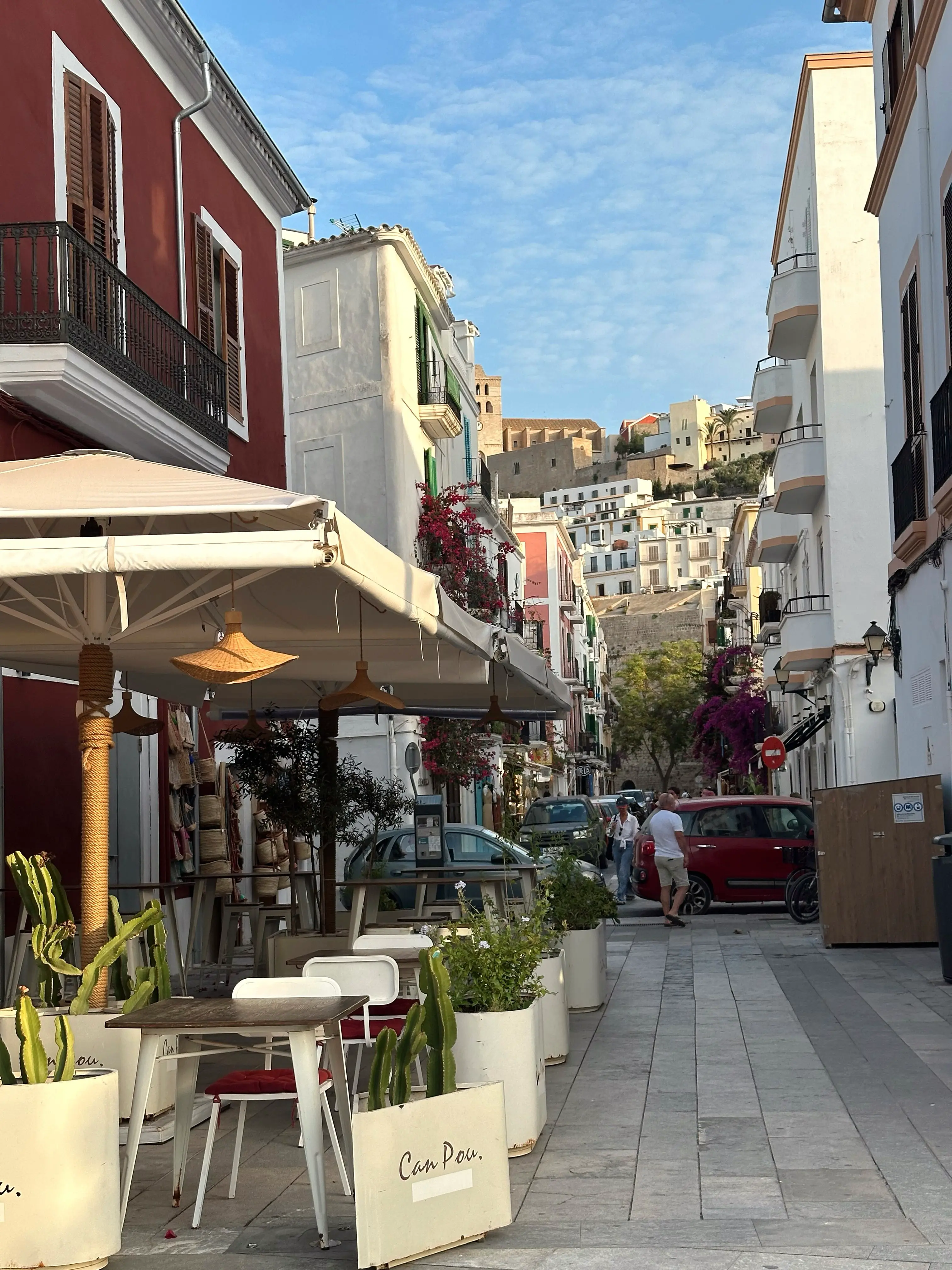
Sant Joan de Labritja: The Market Circuit Worth Rearranging Your Week For
Sant Joan de Labritja sits in the quiet north and anchors a market circuit that predates the island's party reputation by decades — the Sant Joan Market runs every Sunday from 10am to 4pm and has a genuinely local character that the larger markets have mostly traded away.
Sant Joan Market — free entry, 10am–4pm Sundays, boutique shops and food stalls, arrive before noon if you want first pick of the ceramics
Las Dalias de Ibiza — established in 1985, over 200 stalls of unique clothing and live music, Saturday is the main market, worth the drive from anywhere on the island
Mercado Benirras — Sunday evenings, drumming circles at sunset, discover hidden gems in the craft stalls before the drums start
Giri Café — Mediterranean and seasonal dishes in Sant Joan, amazing food sourced from the surrounding hills, mains around €18–€22
The north is where Ibiza's island's natural beauty makes the most sense — the drive through the pine hills between Sant Joan and Benirràs on a Sunday evening, with the market behind you and the drums starting, is as good as this island gets.
Farm to Table Restaurant Dining in Santa Gertrudis and the Interior
Santa Gertrudis is a 15-minute drive from Ibiza Town and feels like a different country — the square has a handful of café terraces, and the surrounding countryside holds some of the best farm to table restaurant options on the island.
Aubergine by Atzaró — a farm to table restaurant sourcing ingredients from its own organic garden, set menu around €65, book well ahead in peak season
Can Muson — farm to table dining experience in a converted finca, smaller and less formal than Atzaró, mains around €22–€28, absolutely delicious slow-cooked meat dishes
Cala Bonita — widely considered the best lunch spot on the island, east coast location, seafood-led menu, arrive without a reservation before 1pm or book three days ahead
The food in the interior isn't a consolation prize for not being on the beach — it's the reason some people visit Ibiza Spain and come back every year without once setting foot in a club.
After the Las Dalias hippie market on Saturday mornings, it takes less than 15 minutes to drive to Cala Nova, where the soft white sand is fine enough to feel like talc and the beach never gets as packed as Playa d'en Bossa.
Santa Eulalia: The East Coast Base That Makes Sense for Longer Stays
Santa Eulalia earns its reputation as a calm alternative to Ibiza Town not because it's dull, but because it's functional in a way the party areas never quite are when you're trying to work or sleep before 2am.
Santa Eulalia promenade — the paseo runs the length of a lovely beach, free, walkable, and genuinely pleasant for the kind of morning walk that sets a day up properly
Punta Arabí Hippy Market — over 500 stalls selling crafts, live music, and unique clothing; Wednesday and Friday mornings in summer at Punta Arabí
El Naranjo — long-running restaurant in the town centre, traditional Ibizan menu, locally sourced, mains around €16–€24
The east coast runs at a pace that's easier to sustain when your ibiza trip stretches past two weeks — and the bus to Ibiza Town runs until midnight, which means you're not choosing between the city and an early night.
Getting Around Ibiza: What No One Tells You Before You Arrive
The island is small enough to feel manageable on a map and chaotic enough to punish anyone who assumes that translates to easy. Getting around without a plan costs you time, money, and — in summer — your patience.

Renting a Car or Scooter: When It's Worth It and When It Isn't
If you're staying more than a week and want access to the hidden coves and rugged coastline that don't appear on any bus route, a rental is not optional — it's the price of admission to the real island.
Car rental from Ibiza Airport — from €35/day in shoulder season, often €60–€80/day in July and August; book two weeks ahead or pay whatever they ask
Scooter hire at Vesping Ibiza, Ibiza Town — from €25/day, 50cc is fine for flat routes, 125cc if you're doing mountain roads to the north
Parking spot in Ibiza Town in summer — genuinely difficult; the underground car park near Eivissa Centre is your best option, around €2.50/hour
North of the island — roads narrow sharply past Sant Joan; beautiful but slow, expect 45 minutes to cover 20 kilometres
The scenic landscapes of the north are only accessible this way — the pine forests, the rocky cliffs above the sea, the farm roads between whitewashed fincas — and none of it is reachable by bus before the beach crowds arrive.
Hiring a scooter for €35 to €45 a day is the single best way to discover hidden gems like Cala Mastella or the tiny beach bar at Es Torrent, both of which are essentially unreachable by public bus.
Buses and Boat Trips: The Underused Options
Most people dismiss the bus network after one confusing experience; the people who figure it out spend noticeably less without giving anything up.
Autocares Ibiza — the main bus operator; routes connect Ibiza Town to Sant Antoni de Portmany, Santa Eulalia, and the airport; single tickets from €1.75, day passes available in summer
Boat trip from Santa Eulalia port — day charters to nearby islands including Formentera from €35–€60 per person; the turquoise waters between the two islands are worth the crossing, especially mid-week when it's quieter
Water taxi between popular beaches on the south coast — runs in summer only, roughly €8–€15 per leg, connects Playa d'en Bossa to Ses Salines without the parking nightmare
A boat trip to Formentera on a Tuesday in June is one of the best days you can spend in this part of the Mediterranean — the nearby islands feel completely separate from the Ibiza party scene, and that contrast is the point.
Sant Antoni de Portmany is where most people go to watch sunset from the Café del Mar terrace, but arriving before 8pm in July is essential — the benches along the promenade fill up more than an hour before golden hour.
Sant Antoni de Portmany and the West Coast: More Than a Sunset Strip
Sant Antoni de Portmany has a reputation that's half deserved and half outdated. The strip near the port is still loud and aimed squarely at the package holiday crowd — but the coastline stretching north and south from the town tells a different story entirely.
Where to Actually Spend Time in Sant Antoni
The town itself rewards the 20 minutes it takes to walk past the obvious tourist drag and find the quieter streets around the church and the working port.
Can Cosmi, Sant Antoni de Portmany — a proper local bar that has been here for decades, coffee from €1.50, tortilla served until midday, no interest in attracting tourists and better for it
Cala Gració — a short walk north of Sant Antoni de Portmany, one of the few beautiful beaches within walking distance of the town, arrives crowded by 11am so go at 9am or after 5pm
The renovated promenade along the bay — good at dusk when the light hits the water; most hotels in Sant Antoni face this stretch, which explains why it gets crowded, but it is genuinely attractive at the right time
Es Molí de Sal — seafood restaurant on the waterfront, mains €18–€26, quieter than the strip restaurants because it's a 10-minute walk from the main drag
Sant Antoni de Portmany works as a base if you want the west coast beaches without Ibiza Town prices — but go in knowing that the party scene around the port does not quieten down until well past 3am.
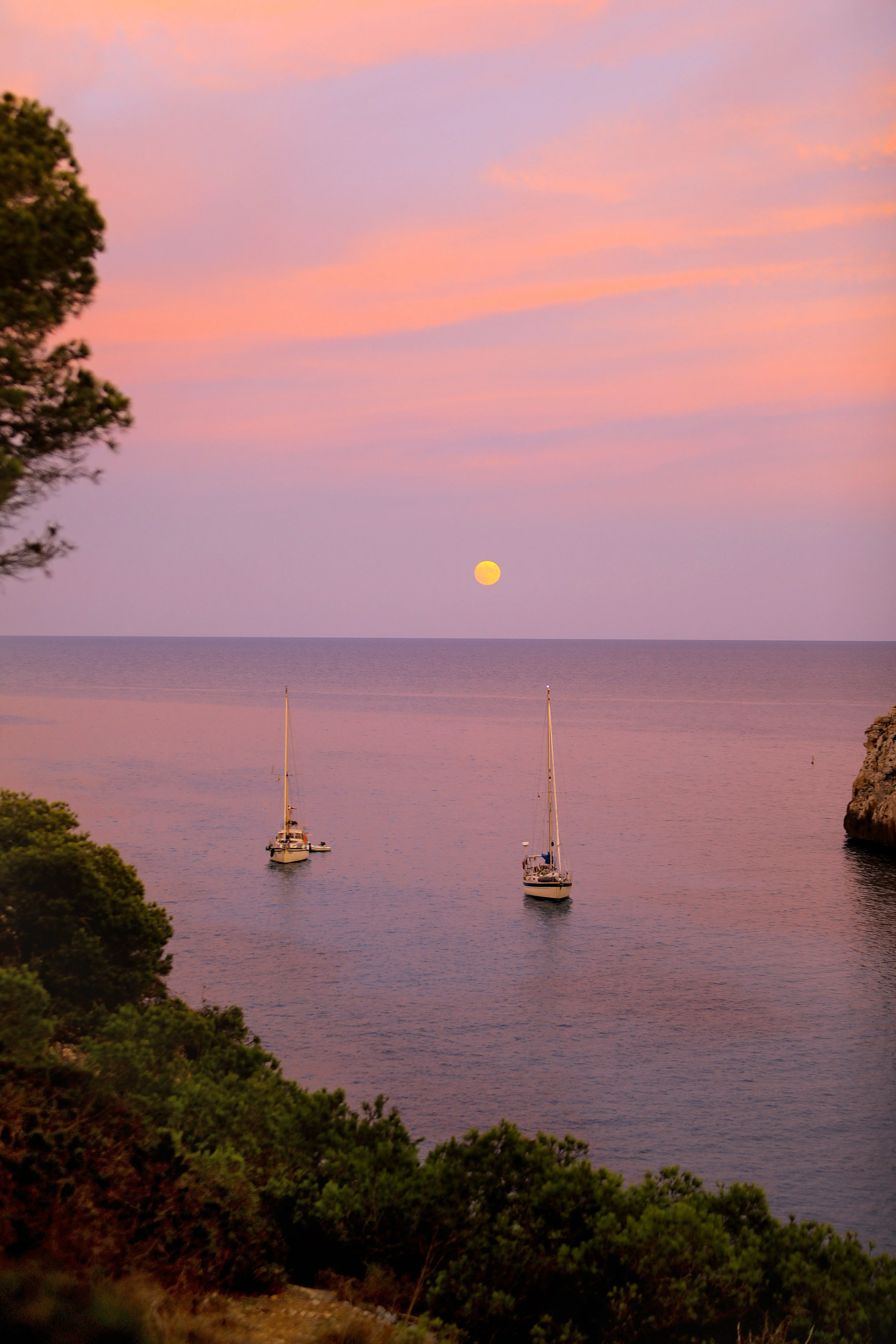
The West Coast Beaches Beyond the Sunset Strip
The coastline south of Sant Antoni de Portmany is where the island's reputation for beautiful beaches becomes something you actually believe rather than just accept.
Cala Tarida — wide sandy beach with clear water, calmer than Cala Comte because it's slightly harder to reach; park at the top and walk down, the beach bar serves solid food from €12
Cala Bassa Beach Club — sunbeds from €20, restaurant serves good paella at €16–€22 per person, gets very busy in August but is manageable in June and September
Cala Llentia — smaller, rockier, fewer people; the rocky cliffs on the north side are where the serious swimmers go; no facilities, bring water
The coastline west of Sant Antoni de Portmany rewards anyone willing to hike the Cap Nunó trail, where you can explore hidden coves tucked beneath limestone cliffs that see almost no tourist traffic before noon.
The rugged coastline here is what the photographs are actually showing when Ibiza appears in travel magazines — not the clubs, not the marina, but this stretch of rock and pine and sea.
Culture, Markets, and Live Music: The Parts of Ibiza That Stay With You
The island's cultural identity runs deeper than its nightlife export suggests, and most of it is accessible without a guest list or a table booking deposit.
Art Galleries and Independent Culture in Ibiza Town
The island's art scene is small but genuine — and concentrated enough in Ibiza Town's marina district that you can cover the interesting galleries in a single afternoon without a plan.
Galeria Cayón, Dalt Vila — one of the oldest art galleries on the island, rotating exhibitions of Ibizan and European artists, free entry, open Tuesday to Saturday
Vara de Rey — the main boulevard in Ibiza Town, lined with café terraces and worth a slow walk; it's not a gallery but this is where the island's creative community actually sits and talks
Ibiza's art galleries will not occupy a week, but they add enough texture to justify an afternoon away from the beach — particularly when the midday heat makes sitting anywhere outside feel counterproductive.
Culture, Markets, Amazing Food, and Live Music: The Pa
Not every good evening on this beautiful island ends at a superclub — and the alternatives have improved significantly in the past five years.
Las Dalias night market, Sant Carles — Saturday evenings in summer from 7pm, live music across two stages, around 200 stalls, free entry; one of the few places on the island where the peaceful atmosphere and the party scene coexist without tension
Teatro Pereyra, Ibiza Town — live music venue inside a 19th-century theatre, jazz and soul most nights from 9pm, no cover charge, cocktails from €10; a proper room with good acoustics rather than a bar with a speaker
Safari Disco Club, Sant Antoni de Portmany — the rare smaller club that programmes well without requiring you to spend €40 before you've had a drink; entry usually €15–€20, best nights are Thursday
Ibiza Rocks Hotel outdoor stage, Sant Antoni — free or low-cost live music events poolside several nights a week in summer; the beautiful pools and the rooftop layout make it work even if the acts vary in quality
The night market at Las Dalias runs at a different speed to everything else on a summer Saturday — if you love Ibiza but find the full-scale club experience exhausting, this is where you go instead.
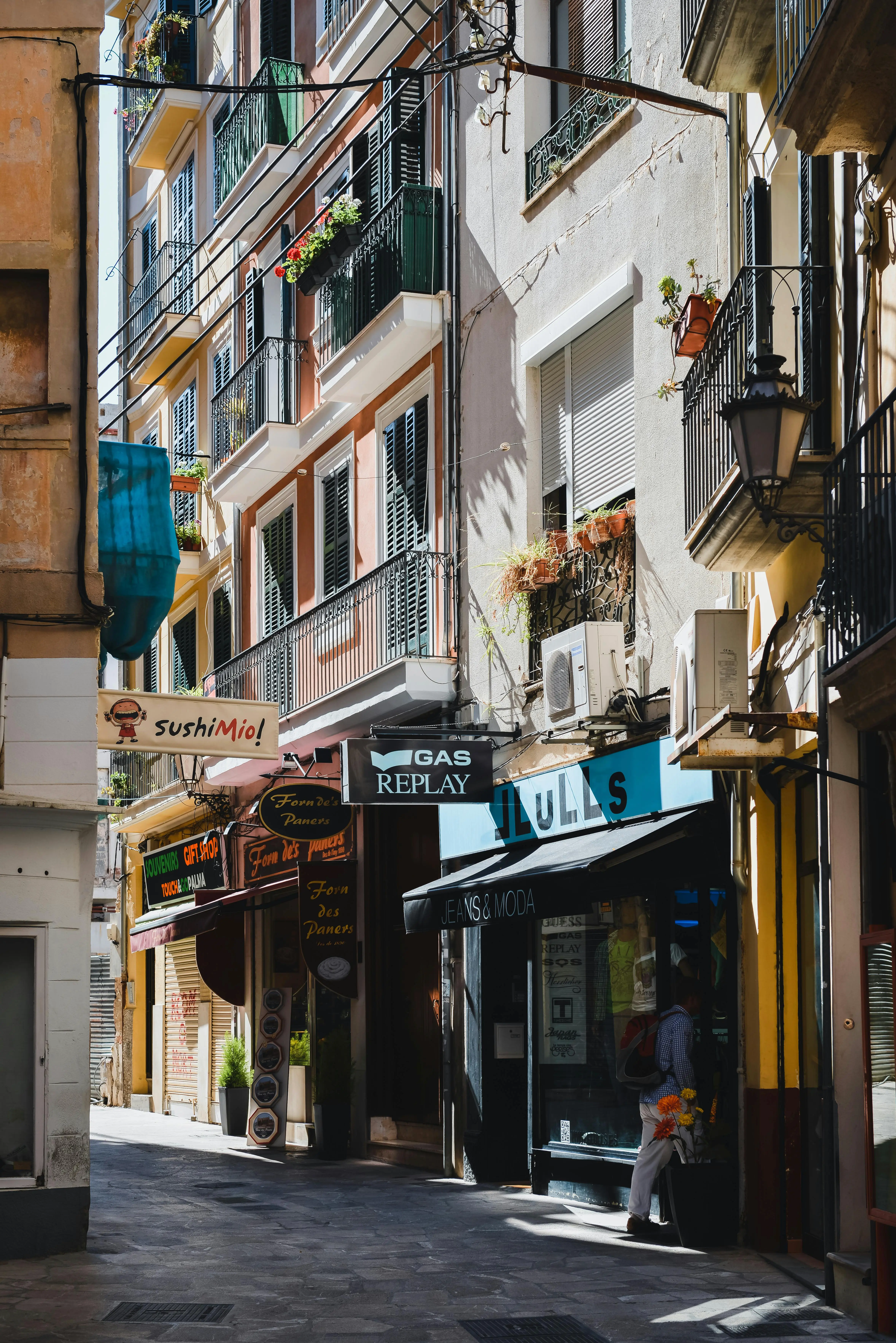
Day Trips: Using Ibiza as a Base for the Region
Formentera gets most of the attention, but Ibiza sits close enough to mainland Spain — roughly 90 minutes by fast ferry to Denia — that a day trip is genuinely feasible if you time the boats right.
Ferry from Ibiza Port to Formentera — Baleàlia or Trasmapi ferries, roughly €25–€40 return, crossing takes 30–60 minutes depending on service; the turquoise waters on arrival justify the fare immediately
Ferry to Denia on mainland Spain — Baleària runs this route, around €50–€80 return, allows a day on the Costa Blanca without giving up the Ibiza base; particularly useful for longer stays when the island's capital starts feeling small
Es Pujols beach, Formentera — the main town beach on Formentera, clear shallow water, better for swimming than most popular beaches on Ibiza; rent a bicycle at the port for €10 and you have the whole island covered in an afternoon
A trip to Ibiza that includes even one day on Formentera changes your reference point for what turquoise waters actually look like — and makes the return crossing feel like coming back to somewhere you already understand.
Is Ibiza Right for Your Next Extended Stay?
When Ibiza Actually Works for Remote Workers
The island has two completely different personalities, and only one of them is compatible with getting anything done.
September to June is the window — prices drop, crowds thin, and landlords negotiate on longer stays
Summer compresses everything: accommodation availability halves, road traffic doubles, and noise becomes a genuine productivity problem
Shoulder season brings the best of the island without the infrastructure strain that makes daily life exhausting
Winter months are genuinely quiet — some restaurants and beaches close, but the ones that stay open are the ones worth knowing
Arriving in July expecting to work normal hours is a choice you'll regret by day three.
Before booking a month-long stay, read at least one blog post written by someone who has actually wintered in Ibiza — many bars, restaurants, and co-working spots close entirely between November and March, which changes the experience completely.

The Budget Reality Behind the Beautiful Island
Ibiza is affordable if you know how it works, and expensive if you don't — the gap between those two outcomes is larger here than almost anywhere else in Spain.
A realistic minimum budget for a longer stay sits around €1,500 a month including food — below that, the options get thin fast
Tourist-facing convenience — supermarkets near the port, restaurants on the main strips — costs significantly more than the same thing ten minutes inland
The beaches, markets, and restaurants worth visiting rarely advertise and often require a walk or a local tip to find
Accommodation in the interior of the island runs cheaper than coastal towns and is quieter year-round
The island doesn't punish people for being on a budget — it punishes people for being in a hurry.
Who Should Actually Consider an Extended Stay Here
Ibiza rewards a specific kind of visitor, and being honest about whether you're that person saves a lot of wasted money and frustration.
Longer-stay visitors get the version of Ibiza that justifies the reputation — coast, culture, food, and easy ferry access to the rest of the Balearics
Anyone on a tight timeline who needs everything to be straightforward will find the island actively works against them
People with flexibility on schedule and budget find genuine variety here that other Mediterranean islands don't offer
Explore fully furnished apartments in Spain and find somewhere that fits how you actually work and live
The island is selective about who has a good time here, and it's worth deciding in advance which side of that line you're on.