
Lukas
Tech & Digital Nomad Cultural Editor ·
Ibiza rewards people who come prepared and punishes everyone else. The island runs on a six-month tourist economy, and the prices don't reset when the clubs close in October — landlords, restaurants, and supermarkets have already priced in the demand. Living in Ibiza year round is genuinely possible, but the cost of living here sits 20–30% above mainland Spain, and the gap is not theoretical: it shows up in your rent, your groceries, and your electricity bill simultaneously.

What a single person actually needs to budget per month in 2026
Rent in Ibiza Town, Santa Eulalia, and the island's quieter zones — and why the numbers vary greatly depending on the season
Food costs: menú del día, supermarket spending, and dining out without the high season markup
Transport on an island where public transport has real limitations
Utilities, insurance, and the expenses most people underestimate
How Ibiza compares to Mallorca on cost — with actual numbers
Cost of Living in Ibiza: The Honest Monthly Numbers
Budget €1,500 to €2,500+ per month as a single person and you are in the realistic range — the bottom of that figure assumes shared accommodation and cooking most meals, and the top assumes a one-bedroom apartment and a social life that involves restaurants more than twice a week. Most people land somewhere in the middle and are still surprised by how fast it adds up.
The Cost Breakdown: What Each Category Actually Costs
These figures reflect what residents and long-stay remote workers actually report paying in Ibiza in 2026.
Rent varies significantly by location — budget stays run lower in inland towns like Santa Gertrudis, while coastal areas like Ibiza Town push costs higher
Mid-range rent typically covers a furnished one-bedroom apartment with reliable internet suitable for remote work
Food and groceries cost less when shopping at local markets rather than tourist-facing supermarkets
Co-working spaces offer a cost-effective alternative to renting with a dedicated office setup
Transport costs depend heavily on whether you rent a car, scooter, or rely on buses between towns
Ibiza sits among the most expensive party destinations in the world, but year-round residents often pay less than tourists assume — a one-bedroom in Santa Eulària runs around €900 per month compared to €3,000 a night at a summer villa.
Renting in Ibiza: What Living in Ibiza Actually Costs for Housing
Housing is the biggest single expense you will face here, and the supply problem is structural, not cyclical. Demand for rental properties significantly exceeds supply on a small island with around 160,000 permanent residents — and a large portion of the available stock disappears into short-term holiday lets every summer. Basic long-term apartments in Ibiza often exceed €1,500 per month, and that is before you factor in the quality of what €1,500 buys.
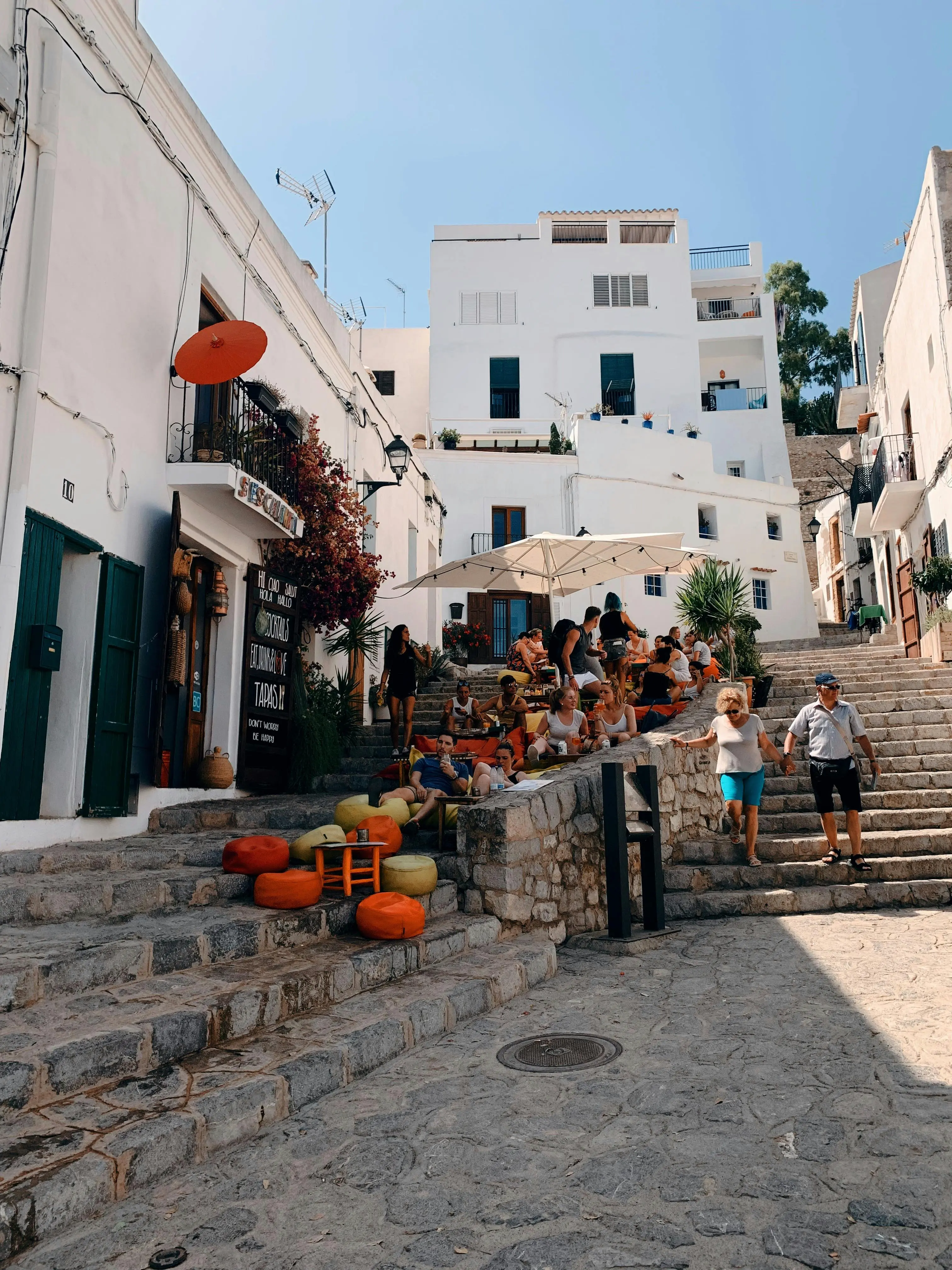
Ibiza Town: The Centre Costs What You Think It Costs
Renting in Ibiza Town — Eivissa — puts you closest to restaurants, services, and the ferry terminal, and the landlords price accordingly.
One-bedroom apartments: €1,500–€1,900/month for a basic flat; furnished options tend to start higher
Shared accommodation: €700–€900/month for a double room in a flat — the most economical route if you are living here solo
An 80 m² apartment averages €1,528/month — that is the going rate, not the asking price for something special
Many landlords prefer short seasonal contracts, which means negotiating a year-round lease requires patience and sometimes a premium
If you find a year-round contract in Ibiza Town at under €1,400 for a one-bedroom, take it — they do not come back around.
Santa Eulalia and the East: Marginally Quieter, Marginally Cheaper
Santa Eulalia is where families tend to settle, and the slightly lower profile means rent sits a bit below Ibiza Town — but the gap is narrower than you might expect.
One-bedroom apartments: €1,200–€1,600/month — still above what the same money buys in mainland Spain
Better chance of finding year-round contracts here than in Ibiza Town or the party-facing west of the island
Car is effectively non-negotiable: public transport connections to Ibiza Town run on a limited schedule and stop earlier than you want
Sant Josep, to the southwest, offers sea views and peace at similar prices — but the distance from services makes it better suited to people with flexible schedules
Santa Eulalia is the right base if you want residential life rather than tourist infrastructure — just account for the transport cost, because it will add €150–€200 a month if you are commuting by car.
The Seasonal Trap Every Long-Stay Renter Hits
Rent prices in Ibiza surge during summer because landlords can earn more in two months of holiday lets than in eight months of long-term rental — and the maths works out for them every time.
Many flats that are available October through April simply disappear from the market in May — your landlord will give you notice if you are lucky
Seasonal rental arrangements complicate planning significantly: you need either a year-round lease secured in advance or a backup plan for June through September
Property prices average €6,625 per m² as of April 2025, compared to €4,694 per m² in Palma de Mallorca — Ibiza's property market is priced like a luxury island, not a Spanish city
Explore fully furnished apartments in Ibiza early — winter is when the limited stock of year-round rentals actually surfaces
Every user of a long-term rental contract in Ibiza should know that landlords in Ibiza Nova routinely ask for three months' deposit upfront, pushing your move-in costs past €3,000 before you have paid a single utility bill.
The seasonal disruption is the part of living in Ibiza that catches people most off guard — it is not just inconvenient, it is an annual renegotiation of your entire housing situation.
Food Costs: What You Spend on Groceries and Dining Out
Grocery prices in Ibiza are higher than on the mainland — not marginally, but consistently and across most categories. Imported goods cost more because shipping costs to an island are real, and specialty items are priced for a market that includes wealthy seasonal tourists who do not comparison-shop.
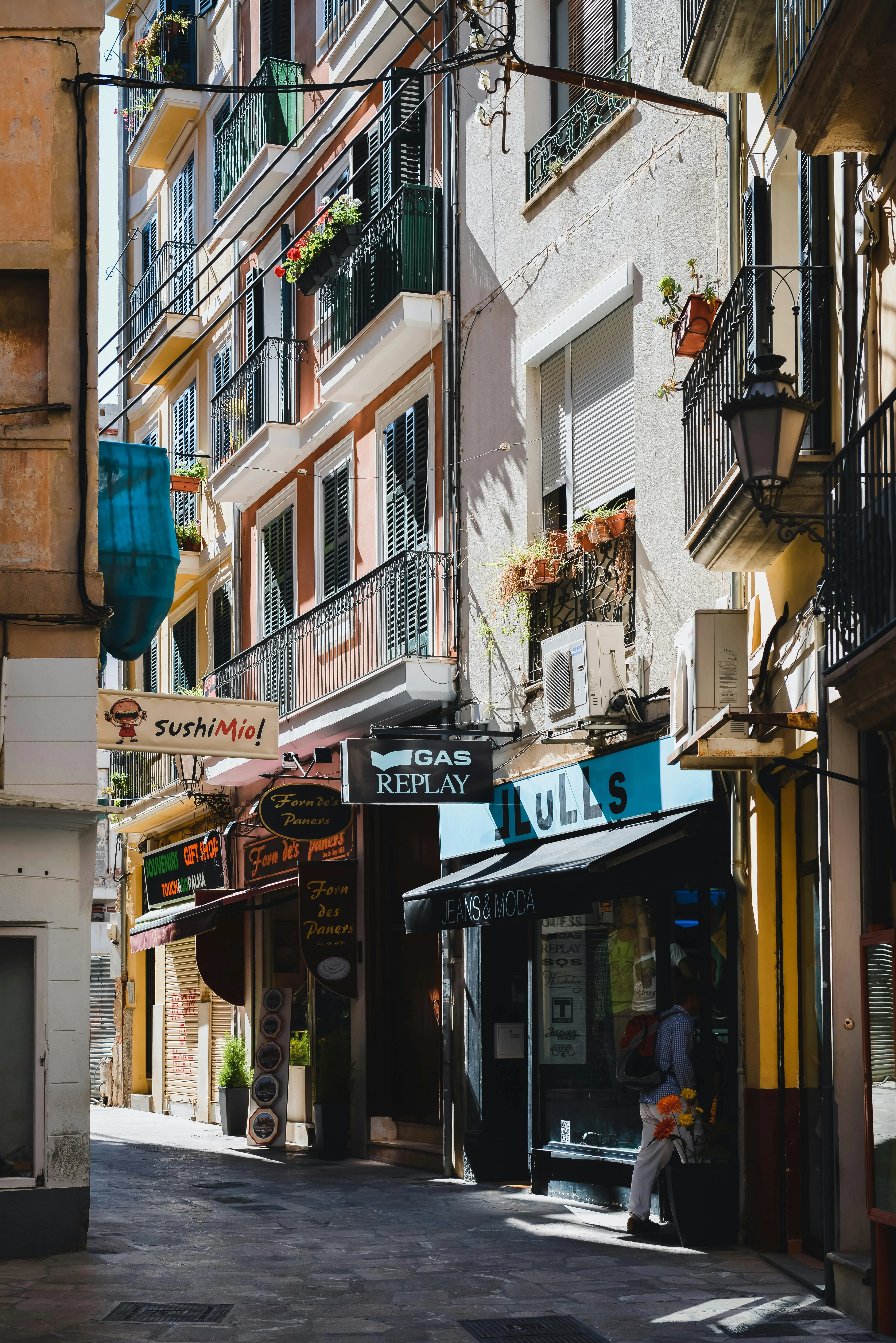
Supermarkets: Where to Shop and What to Expect
Mercadona is the most cost-effective option on the island and where most residents do their main weekly shop — it is not cheap by mainland standards, but it is the closest thing Ibiza has to affordable.
Weekly groceries for one person: €55–€75 at Mercadona for a standard basket of staples
The same basket at Spar in Ibiza Town or any tourist-facing convenience store runs 20–30% higher — avoid these for anything beyond top-ups
Imported specialty grocery items — olive oils from outside Spain, international cheeses, anything in a premium format — cost noticeably more than you would pay at home
Monthly grocery spend for a single person: €200–€280 if you cook consistently; €350+ if you factor in wine and imported products
The discipline that keeps food costs manageable here is shopping at Mercadona and not substituting with the island's many well-stocked but expensive delis — they are excellent, and they will quietly double your grocery spend.
Dining Out: Menú del Día vs. the High Season Restaurant Bill
The menú del día is the best cost-control tool available to anyone living in Ibiza — a three-course lunch with wine for €12–€15 at a local restaurant is the honest alternative to spending €35 per head at anything near the water.
Sa Nansa in Ibiza Town offers a lunch menu at around €14 — working locals eat here, which is the right signal
A mid-range dinner for two costs €70–€100 at a standard restaurant — a meal for two at a higher-end spot near the marina is closer to €120–€160
Eating at the bar costs less than at a table in many Ibiza restaurants — this is not a tip, it is how the pricing works, and locals use it
During high season, restaurants in tourist-facing areas in Ibiza Town add a surcharge through pricing alone — the same dish costs more in July than in November
If you are planning to dine out regularly, the menú del día keeps your monthly food budget honest — skip it and you are spending on a tourist schedule, not a resident one.
Can You Live Comfortably in Ibiza Year Round on a Remote Salary?
Yes — but the number needs to be real before you commit. Living comfortably as a single person in Ibiza requires a monthly take-home of at least €2,500, and that assumes you are not going to clubs every week or eating at restaurants every night. Digital nomads on €2,000 net per month will find the island tight in ways that other Spanish cities would not produce at that income level.
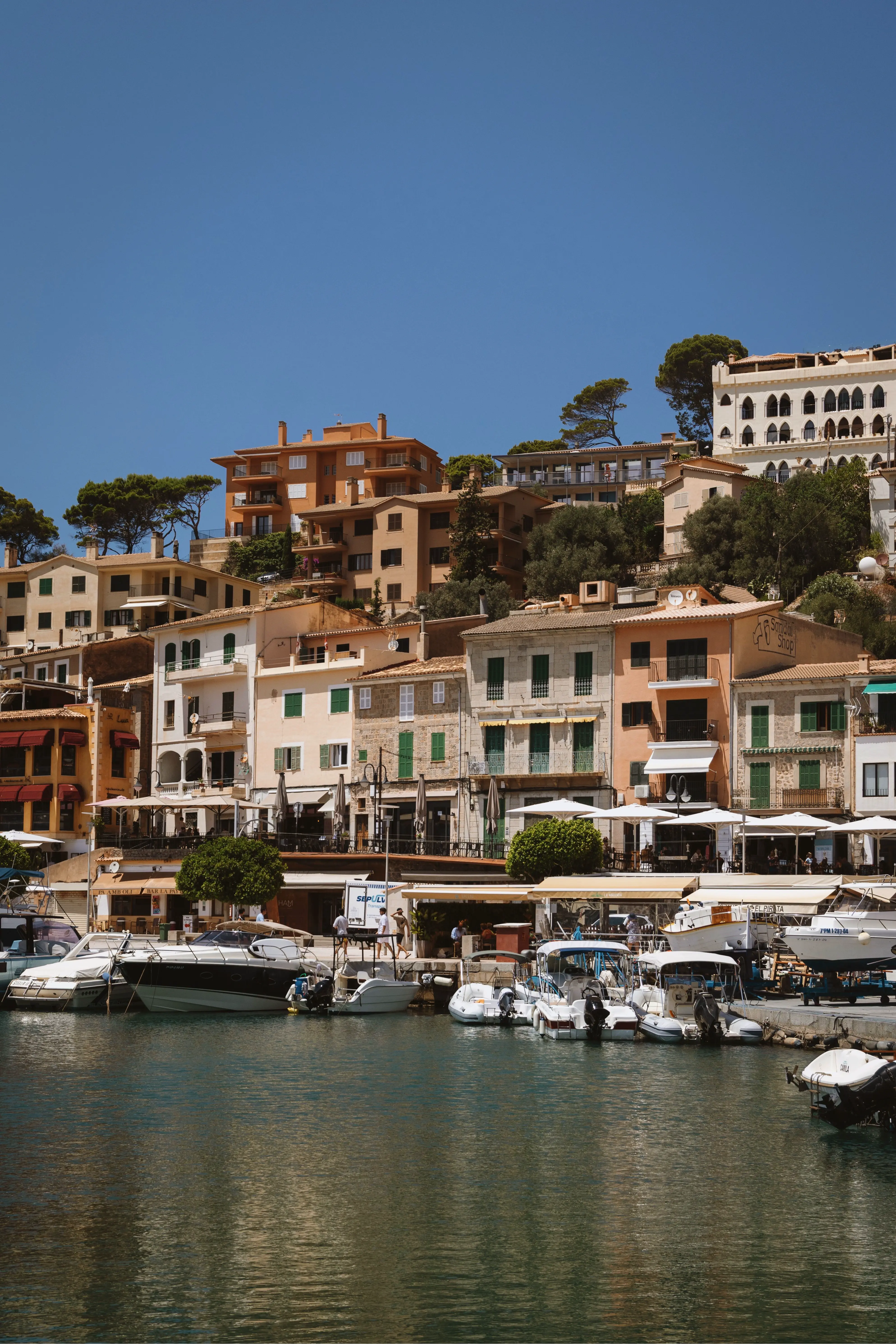
The Realistic Monthly Budget for a Single Person
Running the numbers honestly for a single person living year round in Ibiza, outside of the absolute budget floor and without the tourist-level spending:
Rent (one-bed apartment, year-round lease): €1,500–€1,800
Groceries + dining out (menú del día for weekday lunches, cooking evenings): €450–€600
Transport (car running costs or a mix of public transport and rentals): €150–€250
Utilities, electricity, internet: €200–€280
Insurance, phone, subscriptions, and incidental expenses: €150–€200
Total: €2,450–€3,130 per month — and that is a resident's life, not a tourist's one. The cost of living in Ibiza does not vary greatly depending on luxury choices alone; the baseline is just higher than most people expect before they arrive.
Ibiza vs. Mallorca: The Cost Comparison With Actual Numbers
Mallorca is the most direct comparison because it is a similar size, a similar lifestyle, and a similar climate — and it consistently comes out cheaper on the numbers that matter most.
Rent: an 80 m² apartment in Mallorca costs around €1,384 per month versus €1,528 in Ibiza — a gap of €144/month, or €1,728 per year
Property prices: €4,694/m² in Palma de Mallorca versus €6,625/m² in Ibiza — a 41% premium for Ibiza property
Mallorca offers a wider job market outside hospitality and tourism, which matters if your remote work situation changes
The cost of living in Ibiza runs higher on most categories: groceries, dining, and services all reflect the island's more concentrated tourism economy
Mallorca is not cheap, but next to Ibiza it looks significantly more reasonable — if cost of living is the primary driver of your decision, Mallorca wins the comparison on almost every line.
Year-round residents who skip the big clubs entirely still spend around €150 to €200 a month on entertainment — cinema tickets at Multicines Ibiza run about €9, and a meal out in Santa Eulària on a Friday night adds up faster than most people budget for.
What Living Costs Look Like by Neighbourhood — and Where the Real Savings Hide
The location you choose inside Ibiza changes your monthly outgoings more than almost any other single decision. The island is small, but the cost gradient between its corners is steep.
San Antonio: Cheaper Rent, Different Trade-Offs
San Antonio (Sant Antoni de Portmany) is where locals and long-term residents end up when Ibiza Town rents feel unsustainable — and the numbers do reflect that reality.
One-bedroom apartments in San Antonio: €1,100–€1,400/month on a year-round lease — roughly €300–€400 cheaper than equivalent Ibiza Town housing
Es Ventall on Carrer de Cervantes — menú del día around €11, used almost exclusively by locals, not visitors
Mercat Municipal de Sant Antoni — fresh produce cheaper than supermarket equivalents, busiest on Saturday mornings
Transportation cost increases if you work remotely from Ibiza Town occasionally — factor in fuel or the bus (line 3, roughly €2.50 per trip)
San Antonio is cheaper on rent, but it earns that discount — in summer, the West End area makes it genuinely hard to work from home, and the community of year-round remote workers is thinner here than elsewhere on the island.
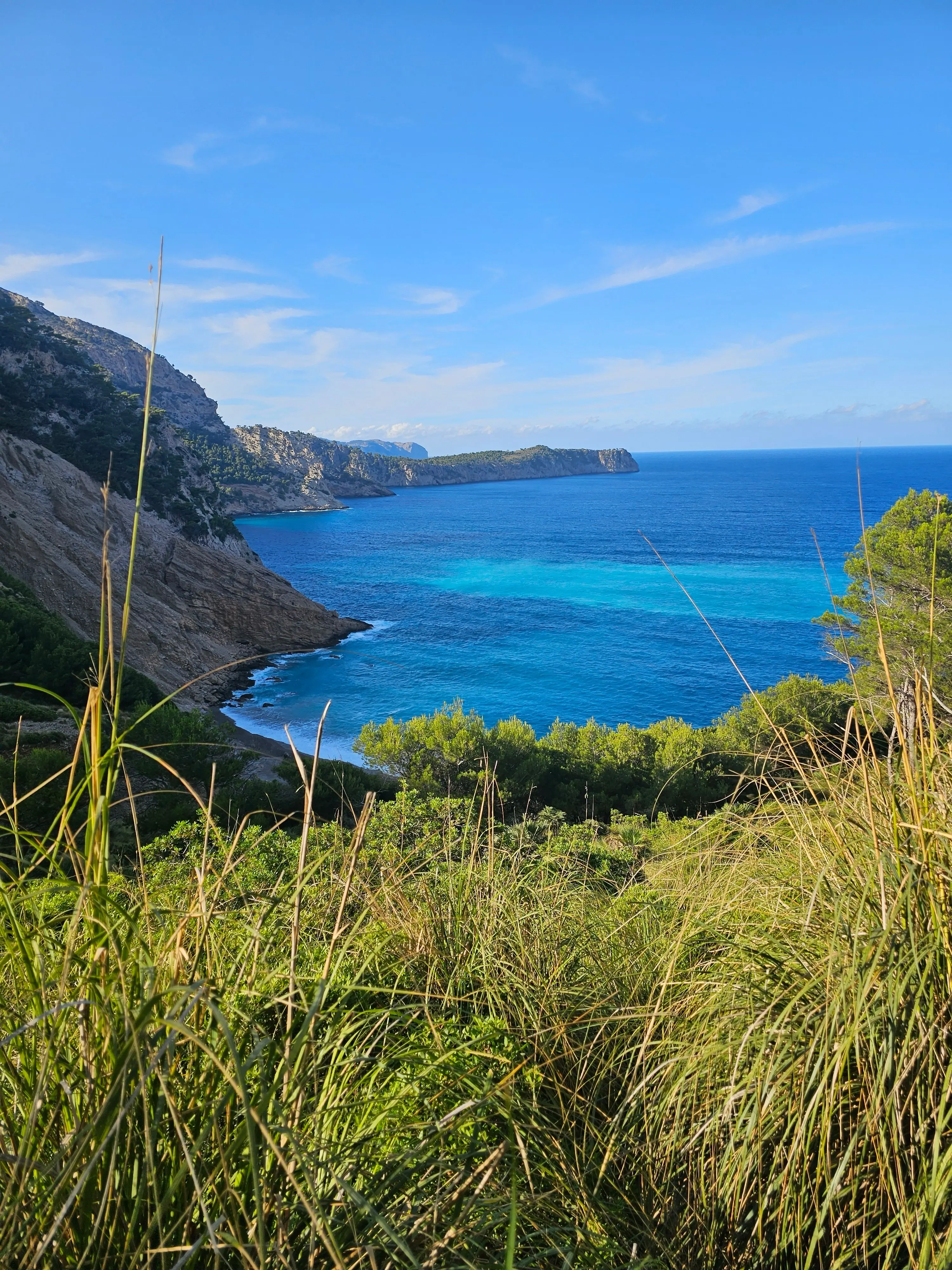
Browse Ibiza homes near this area
San José and the Rural South: The Hidden Cost of Quiet
The rural south — the municipalities around San José (Sant Josep) — looks affordable until you account for what the location actually demands of your transportation budget.
Rural finca rentals: €1,200–€1,600/month for more space, but a car is not optional — it is the difference between functioning and not functioning
Fuel costs for a car-dependent rural lifestyle: €120–€180/month depending on how much you move around the island
Caprabo Sant Josep — the main stores option for southern residents; range is narrower than Ibiza Town, prices are comparable
Maintenance costs on older rental properties in rural areas tend to surface as unexpected expenses — air conditioning units that haven't been serviced, water pressure issues, well-water systems that need monitoring
The quiet is real and the space is real, but the budget for rural living in Ibiza has to include a car, fuel, and a contingency for maintenance surprises that urban apartments rarely produce.
Internet, Utilities, and the Infrastructure You Actually Get
Ibiza's internet infrastructure has improved considerably, but it is not uniform — and where you live determines what connection speed you can realistically expect.
Fibre broadband (Movistar or Vodafone) in Ibiza Town and San Antonio: 600 Mbps packages around €40–€50/month — reliable for video calls and large file transfers
Rural and coastal properties: speeds vary from acceptable (100 Mbps) to genuinely problematic (4G home router as a backup) — verify the internet before you sign anything
Electricity utilities in winter run €80–€120/month — the summer spike from air conditioning drops sharply once the climate cools in October
Water bills are modest (€20–€35/month) but Ibiza has genuine water scarcity concerns — some rural properties rely on deliveries rather than mains connection
A remote worker's non-negotiable is connection speed, not square footage — and on Ibiza, those two things are often in direct tension with each other.
Find fully furnished apartments in Ibiza.
Healthcare, Legal Status, and the Costs Most People Don't Research Until They Arrive
The expenses that blindside most people planning long-term stays in Ibiza are not groceries or rent — they are the administrative and healthcare costs that don't appear in any blog post's monthly breakdown.

Healthcare Costs for Non-EU Residents and Self-Employed Workers
If you are not an EU citizen or not registered in Spain's social security system, healthcare on Ibiza is a private expense — and the island's single main hospital means some specialist care requires a ferry or flight to the mainland.
Policlínica Nostra Senyora del Rosari, Ibiza Town — the main private clinic option; GP consultations around €60–€90, specialist consultations from €120
Private health insurance for a healthy adult in their 30s: €80–€150/month depending on provider and coverage level — Adeslas and Sanitas are the most used on the island
A massage or physiotherapy session at a mid-range clinic: €55–€80 — the wellness industry is well established here, but prices reflect the island's general cost structure
EU citizens with a valid EHIC card access public healthcare via the Hospital Can Missés — but wait times for non-emergency appointments are long and some specialist services require referral to Palma
Budget a healthcare line item from month one — the cost of not doing so, on an island where a return flight to a mainland specialist can cost €200–€400 on short notice, is higher than the insurance premium.
Legal and Administrative Costs for Long-Term Residents
Staying in Ibiza legally beyond 90 days as a non-EU citizen requires navigating Spain's visa and residency system, and there are real costs attached to getting that right.
Spain's Digital Nomad Visa (Ley de Startups) application: government fees around €75, plus gestor or legal fees of €500–€1,500 depending on how much help you need with the paperwork
Empadronamiento (town hall registration) is free but requires a legal rental contract — which means informal or seasonal housing arrangements create a legal problem as well as a practical one
NIE (Foreigner Identity Number) processing at the Oficina de Extranjería, Ibiza: appointment waits of 4–8 weeks are common — budget time, not just money
Self-employed residents (autónomos) pay a minimum social security contribution of €230/month under the new quota system, which grants access to public healthcare and counts toward pension — the account for this needs setting up before you can invoice Spanish clients legally
None of these costs are ruinous individually, but together they add €1,000–€2,500 in first-year setup costs that most cost-of-living calculators for Ibiza quietly omit.
Education Costs If You Are Moving With Children
Ibiza has both state schools and a small number of private and international options — the education cost gap between them is significant enough to reshape a family budget entirely.
State school education is free for registered residents — Catalan and Spanish are the languages of instruction, which is worth knowing before you arrive with school-age children
Morna International College — the main English-language private option; fees from approximately €9,000–€14,000 per year depending on year group
After-school activities and private tutoring are an additional expense that families consistently underestimate — €150–€400/month is a realistic range once children are settled and enrolled
For families whose children need English-medium education, the cost of living in Ibiza jumps by a school fee that rivals what you might pay in London or Dublin — factor that before the island becomes a decision.
If your home country is outside the EU, you will need private health insurance from day one in Ibiza — expect to pay at least €80 to €150 per month for a basic policy through a provider like Sanitas or Adeslas.
Winter in Ibiza: What the Costs Actually Look Like When the Island Empties
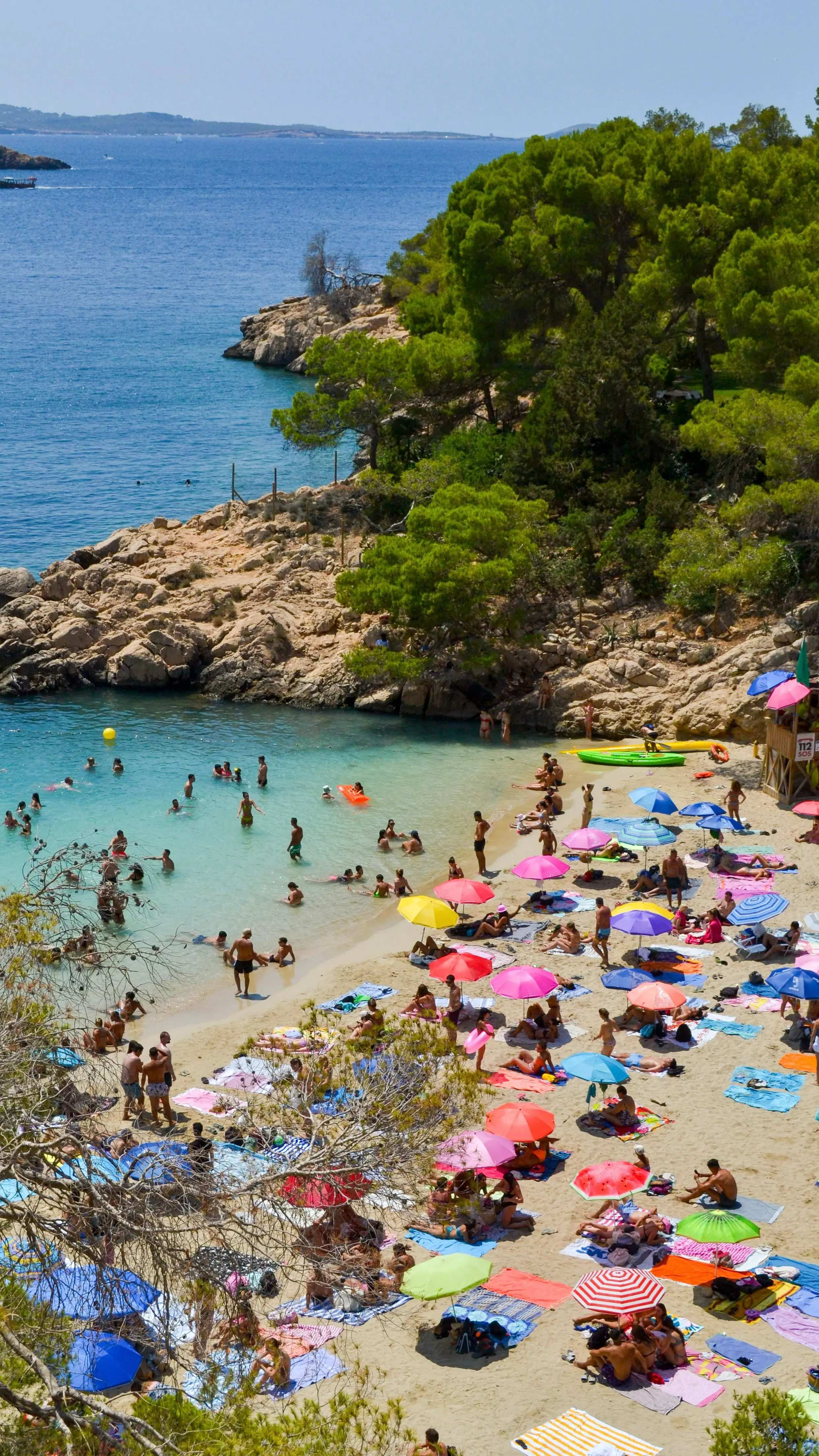
The version of Ibiza that costs the least is the one most visitors never see: October through April, when the population drops, the restaurants revert to local pricing, and the island becomes something genuinely liveable.
How the Budget Changes in Low Season
Winter is not a workaround or a hack — it is simply a different island, and the cost structure reflects that honestly.
Rent in winter: some landlords offer reduced rates for off-season leases (November–March), particularly in San Antonio and the rural north — €1,000–€1,300 for a one-bedroom is achievable with some negotiation
Restaurant prices drop noticeably — Es Rebost de Can Prats in Sant Josep runs a winter menú del día at €12–€14, a price point that disappears entirely by June
Flights to and from the mainland are dramatically cheaper in winter — €30–€70 return to Barcelona versus €150–€300 in peak summer, which matters if you travel regularly for client meetings or to visit friends
Some businesses and stores close entirely from November to March — verify that your local infrastructure (pharmacy, grocery, gym) stays open before committing to a specific area for a winter lease
The climate in winter is mild by Northern European standards — average temperatures of 12–16°C — but the reduced community of year-round residents means social life takes more effort to build than in summer.
The Real Trade-Off of Wintering in Ibiza
The financial case for staying through winter is genuine — but the lifestyle adjustment is real enough that it changes whether the budget saving is actually worth it for your particular situation.
Grocery costs in winter: €280–€380/month for a single person cooking most meals — slightly lower than summer because the tourist-facing premium reduces when tourist volumes drop
The community of remote workers and digital nomads in Ibiza thins significantly after October — if peer connection matters to your work rhythm, you may be building that network from scratch
Coworking Santa Eulalia (Ibiza Town) — open year-round, day passes around €18; it becomes the natural social hub for the small winter remote-worker population
Internet and utilities costs in winter are lower (no air conditioning load) but heating a poorly insulated older property can offset some of that saving — ask about insulation and heating systems before signing a winter lease
The weather in Ibiza from November to March is mild enough — rarely below 10°C — that you will not pay the heating bills you would in Madrid or London, which meaningfully lowers your monthly outgoings.
Winter in Ibiza is genuinely underrated as a base — lower costs, slower pace, the island's actual culture on display rather than its tourism product — but it suits people who can generate their own structure rather than relying on the island to provide it.
Is the Cost of Living in Ibiza Worth It? An Honest Assessment
When Ibiza's Costs Actually Make Sense
The financial case for Ibiza is almost entirely a winter argument.
Between October and April, long-term rental prices drop significantly compared to summer peak rates
The island has direct flights to six countries, making it genuinely practical as a European base rather than an isolated retreat
Internet infrastructure and healthcare in Ibiza Town function reliably year-round, not just during tourist season
The winter community is smaller and more navigable, which changes the texture of daily life in ways that affect your actual spending
Summer is a different calculation entirely, and unless your income significantly outpaces the cost baseline, the numbers do not work in your favour.

How Ibiza Compares to Other European Options
Against the Spanish mainland or most other European islands, Ibiza will lose on headline cost almost every time.
Comparable properties in mainland Spanish cities typically cost less per month for long-term furnished rentals
The Mediterranean climate and physical landscape are genuine differentiators, but they come at a consistent premium
Long-term residents here made a deliberate choice — that self-selection creates a specific kind of community that is hard to find elsewhere in Spain
Explore your options through fully furnished apartments in Spain before committing to a specific location
Ibiza does not pretend to be a budget destination, and the residents who stay for years are generally not the ones who arrived hoping it would be cheaper than expected.
Ibiza is one of the most expensive places to live in the country — housing costs in San José or Talamanca regularly exceed those in Barcelona, which puts it in a different category from almost every other Spanish island.
In our opinion, the island only makes financial sense if you can work remotely or run a business, because local salaries in Sant Antoni average around €1,200 a month — not nearly enough to cover rent and food comfortably.
The Honest Verdict on Whether It's Worth It
What Ibiza offers financially is a very specific trade, and it is only worth making if you understand exactly what you are buying.
The quality-of-life premium — climate, landscape, community — is real, but it is not equally valuable to every person or every working situation
People who thrive here long-term tend to arrive with clear income, clear expectations, and no illusions about the cost structure
The island rewards those who treat the winter as the primary season and summer as the exception, not the other way around
Signing a lease before understanding which category you fall into is the most common and most expensive mistake people make
Know whether the premium is worth it to you personally before you commit — that clarity matters more than any specific price comparison.