Jordi
Writer ·
Ibiza's reputation precedes it in the wrong direction. Most people arrive thinking clubs and leave thinking — why didn't I stay longer? The island genuinely works as a place to live: year round sunshine, beautiful beaches, a tight international community, and a slower pace that mainland Spain only approximates. The trade-offs are real, though. The housing market is punishing, limited public transport makes a car non-negotiable outside the main towns, and the seasonal economy shapes everything from rental contracts to social life.

Which neighbourhoods actually suit long-term residents — and which ones are built for tourists
What living costs look like month to month, with real numbers
How the housing market works, including long term rentals and buying property
Employment opportunities across seasons and what the job market actually offers
Whether you need to speak Spanish to function day to day
How international schools and family infrastructure hold up year round
Living in Ibiza: What the Island Actually Demands — Including Whether You Need to Speak Spanish
The Seasonal Reality Nobody Warns You About
Ibiza in winter is a genuinely different island, and whether that version suits you depends on how honest you are with yourself about what you actually need from daily life.
Many businesses — beach bars, restaurants along Playa d'en Bossa, nightlife venues — close from November through March without exception
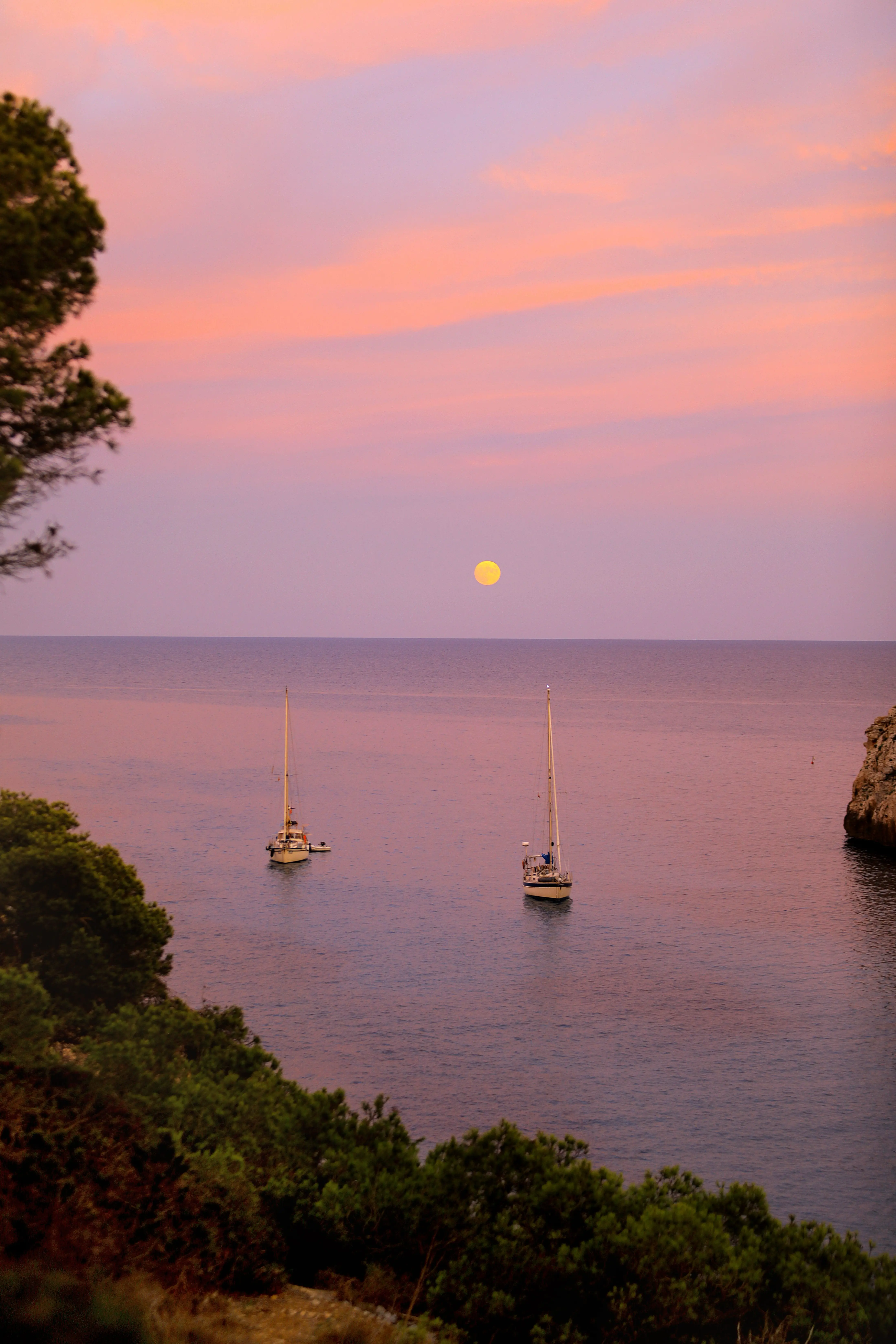
What remains in winter: pine forests, quiet coves, village markets, and a tight-knit local community that most long-term residents describe as the best version of the island
The adjustment period runs longer than expected — most newcomers report it takes three to four months before the slower pace starts to feel like a feature rather than a flaw
Cultural life — Kings Day, village festivals, local markets — is real but entirely self-directed; it will not find you
The people who thrive here in the off-season are the ones who stopped waiting for the island to entertain them.
Getting Around Without a Car Is Not Realistically an Option
Public transport in Ibiza is adequate enough in summer to fool you into thinking you can manage without a vehicle — you cannot, at least not outside the main towns.
The bus network covers Ibiza Town and major resorts reasonably well from June through September, then contracts sharply after October
Rural areas around Sant Josep and Santa Gertrudis have minimal to no viable bus connections year-round
If you are renting a finca outside a main town, factor in daily driving as a fixed cost of living, not an occasional inconvenience
Taxis exist but are expensive and unreliable outside peak season — they are not a substitute for your own transport
The limited public transport is not a problem the island is working to fix — it is simply how Ibiza is structured, and your life here gets planned around that fact from day one.
Who Actually Lives Here and How Quickly You Fit In
Ibiza's permanent resident population is unusually international for an island of its size, and that makes finding your footing socially faster than you might expect.
The island's resident population sits at around 164,265 in 2025, with expatriates making up over 30% of that figure
The expat community is established and organised — there are professional networks, social groups, and informal communities across nationalities that predate the remote work era
Winter is when the genuine social fabric becomes visible; summer's transient energy masks how connected the permanent community actually is
Ibizan Town offers the most cosmopolitan day-to-day experience; village life elsewhere on the island runs closer to traditional Spanish rhythms
The international mix means you are unlikely to feel isolated here — but integration into the local Ibizan community is a separate, slower project that takes real effort and some Spanish.
Island life in Ibiza moves at a slower pace than most people expect — the post office in Santa Eulària closes at 2pm and does not reopen, which catches most new arrivals off guard in their first week.
The Best Neighbourhoods for Living in Ibiza Year Round
Where you live on this island determines your quality of life more than almost any other single decision. Ibiza Town suits people who want urban density and can afford it. The villages suit people who want quiet and can tolerate the isolation. Almost nobody is happy in the tourist zones once the summer ends.
Neighbourhood | Monthly Rent | Vibe | Best For | Key Advantage |
|---|---|---|---|---|
Ibiza Town (Eivissa) | €1,600–€2,200 | Urban, historic, busy | Singles, couples without cars | Walkable, services year round |
Santa Eulalia | €1,400–€2,000 | Calm, residential, family-oriented | International families | Best beaches near town, good schools |
Sant Josep | €1,200–€1,800 | Rural, peaceful, scenic | Remote workers, couples | Sea views, quieter roads |
Santa Gertrudis | €1,300–€1,900 | Village, artsy, tight-knit | Long-term expats, creatives | Community feel, central location |
San Antonio | €1,000–€1,600 | Seasonal, loud in summer | Summer workers only | Lowest rents on the island |
Ibiza Town: The Island's Logistical and Cultural Hub
Ibiza Town is the only part of the island where you can live without a car and still handle daily life — but that convenience comes at the highest rent on the island.
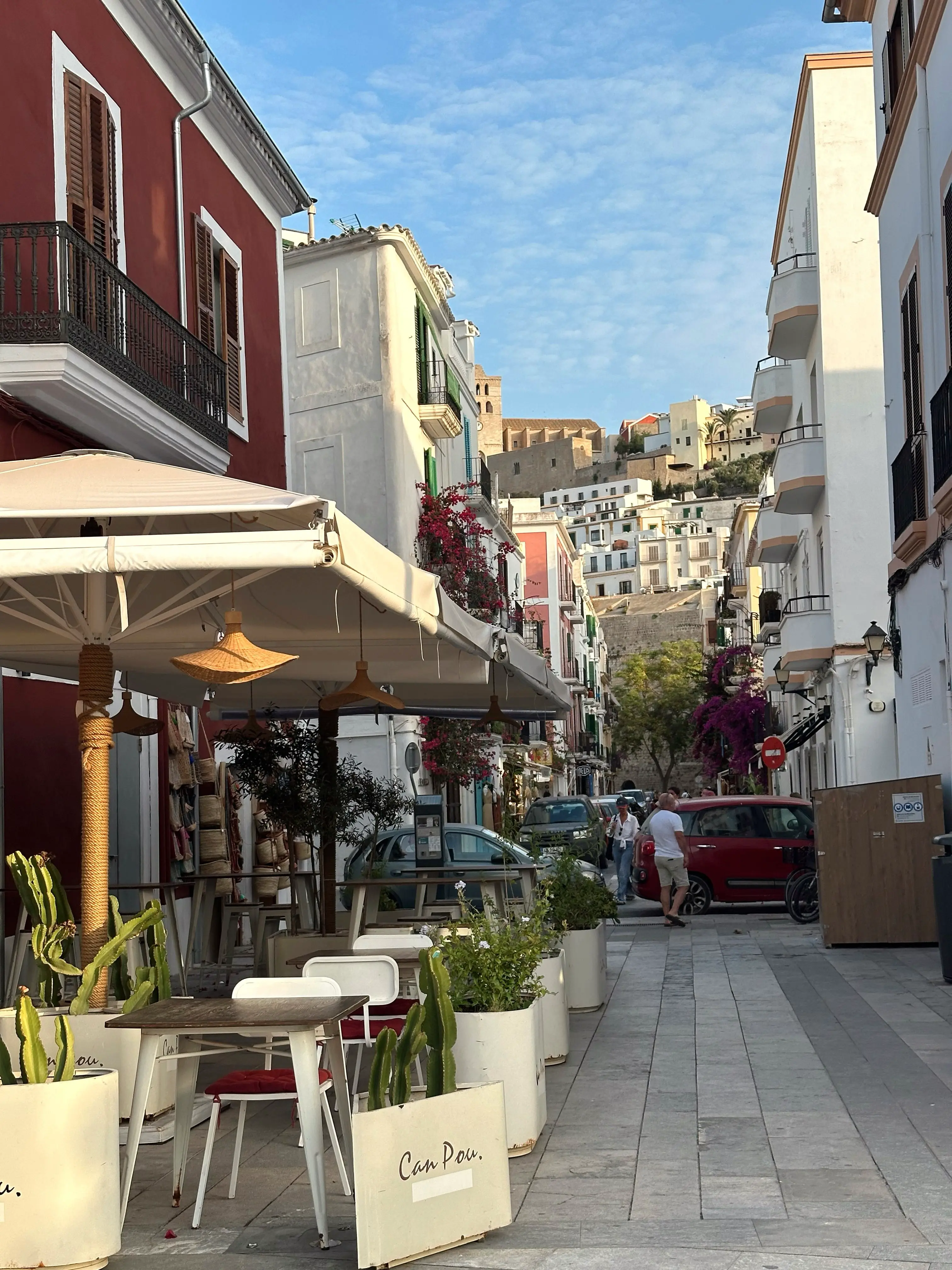
Mercat Vell — the old market in the port area, open mornings, good for fresh produce and running into people you know
Apartments in the port area from €1,600/month; expect to pay closer to €2,200 for anything with outdoor space
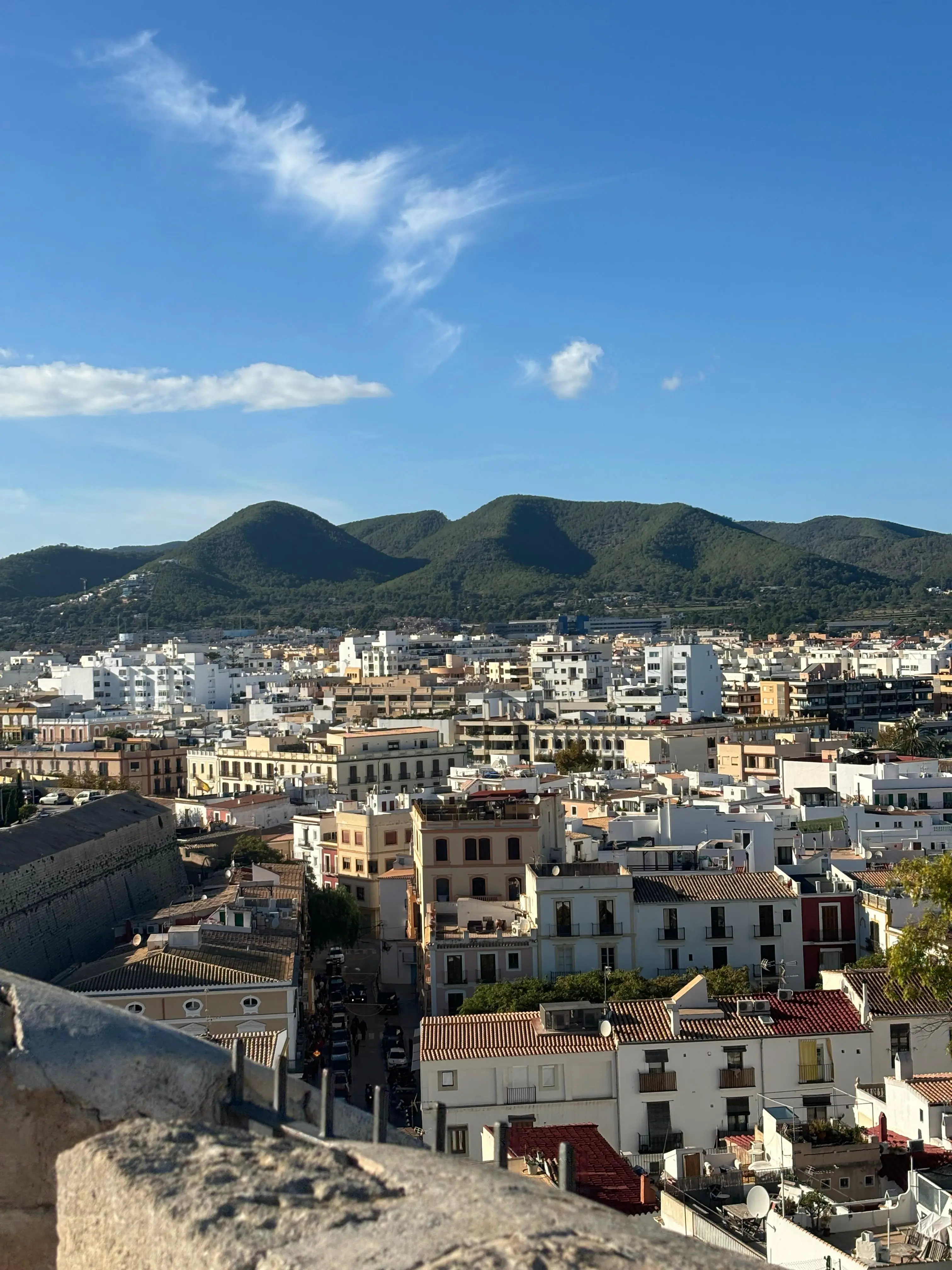
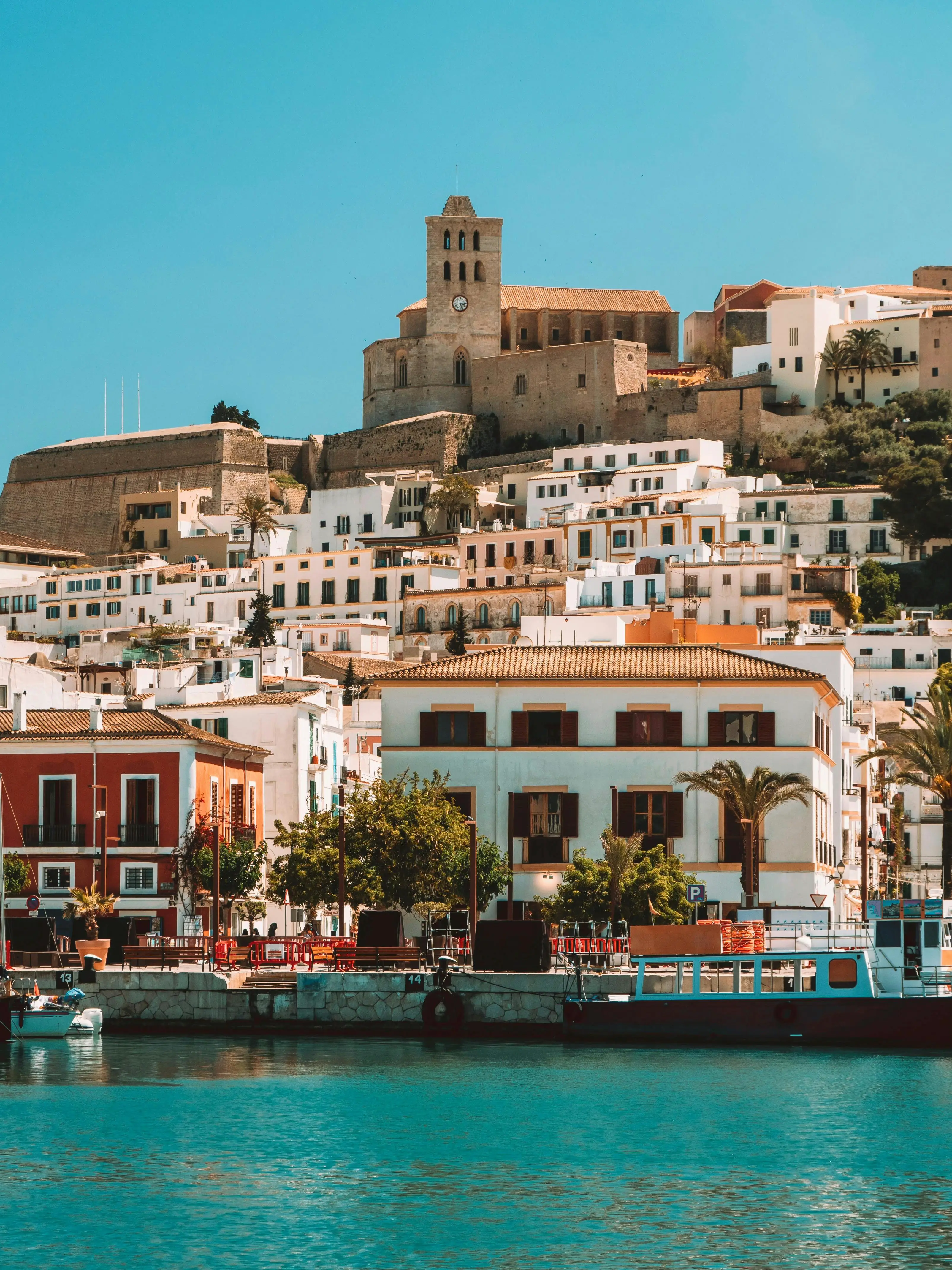
Dalt Vila — the UNESCO-listed old town, walkable from the port, full of independent restaurants and bars that stay open year round
Over 53,000 inhabitants make this the only part of the island that genuinely feels like a city in winter
If you need the island to function as a real base rather than a seasonal retreat, Ibiza Town is where you start looking — fully furnished apartments in Ibiza are most consistently available here.
Browse Ibiza homes near this area
Sant Josep: Peace, Sea Views, and a Car in the Driveway
Sant Josep offers a rural retreat that genuinely delivers on the promise — the sea views are impressive, the pace is slow, and the beautiful beaches along the southwest coast are ten minutes away rather than an hour.
Cala Carbó — one of the quieter coves accessible from Sant Josep, essentially empty outside summer
Long-term rentals here run €1,200–€1,800/month for a two-bed; significantly less than Ibiza Town for considerably more space
Sant Josep village square — small, functional, has a pharmacy, a couple of year-round bars, and a weekly market
Traditional life is more visible here than anywhere else on the island — this is not a tourist construct
Sant Josep works best for people who have already done the urban experiment elsewhere and know they want the opposite — it rewards that decision quickly.
Browse Ibiza homes near this area
Santa Gertrudis: The Village That Long-Term Expats Actually Stay In
Santa Gertrudis has a tight-knit village atmosphere that functions year round, which puts it in a different category from most of the island's smaller settlements.
Bar Costa — the social centre of the village, been there for decades, cheap enough for a daily coffee, busy even in January
Villas and houses from €1,300/month; the central location means you are 15 minutes from Ibiza Town without being inside it
Iglesia de Santa Gertrudis — the church square is where the village actually happens, market days included
The expat presence here skews older and longer-established than in Ibiza Town — people who arrived for a few months and never left
Santa Gertrudis de Fruitera is the neighbourhood that gives you the most honest access to local life — the village square has the same families eating Sunday lunch there in January as in July, which almost nowhere else on the island can claim.
Dalt Vila rewards residents willing to pay the premium — rents run €1,500 to €2,500 per month for a one-bedroom, but the rich culture of the old town, with its UNESCO-listed walls and year-round local festivals, makes it unlike anywhere else on the island.
Browse Ibiza homes near this area
Living Costs in Ibiza: What a Single Person Actually Spends
Ibiza expensive is not just a reputation — it is a monthly reality that catches people off guard even when they think they have budgeted correctly. The cost of living in Ibiza runs significantly higher than mainland Spain, and the gap widens sharply in summer months when tourist pricing bleeds into everyday spending.
Rent and Housing: The Number That Sets Everything Else
Average rent starts at €1,500 per month for an 80 m² apartment, and that figure assumes you are not looking during high season when rental prices can triple in tourist-adjacent areas.
Ibiza Town and Santa Eulalia carry the highest rents on the island — expect €1,600–€2,200 for a one-bed with anything approaching a view
Long term rentals are typically available from October to May; landlords frequently switch to tourist lets in summer, which tightens supply sharply
Landlords in Ibiza often require formal work contracts — freelancers and remote workers need to document income carefully or expect rejections
Many flats are let seasonally, which means the annual lease you want is competing with the short-term let your landlord prefers
Build your budget around rent first and work backwards — the housing market here does not flex around you, and the difference between €1,500 and €1,800 a month is a lifestyle decision, not just a financial one.
Ibizan life costs more than most Spanish mainland cities — a weekly shop at Mercadona in Ibiza Town runs roughly €80 to €100 for a single person, compared to around €60 in Valencia for the same basket.
Food, Transport, and Daily Spending for a Single Person
Budget at least €1,200 monthly excluding rent to live comfortably — and that number assumes you are cooking at home more than eating out, which takes discipline when the local restaurant scene is this good.
Groceries in Ibiza run 17% more expensive than the UK — Spar Ibiza and local supermarkets are functional but not cheap
A meal for two at a mid-range restaurant costs around €80; daily coffee and lunch out for a single person adds up to €25–€35 without effort
A car costs €200–€400/month in insurance and fuel once you factor in the distances involved — limited public transport makes this non-optional for most areas
Mercadillo Las Dalias in Sant Carles — the Saturday market, good for produce and cheaper than supermarket pricing on some items, genuinely social
A single person spending carefully can live on €2,700–€3,000/month all in — but "carefully" in Ibiza means resisting a restaurant culture that is genuinely excellent and persistently expensive.
Employment Opportunities in Ibiza: High Season, Low Season, and the Gap Between
Tourism accounts for 80% of Ibiza's GDP, which tells you almost everything about the job market. High season employment opportunities can increase by 70% between May and October — and then contract just as fast. Many seasonal workers leave the island entirely when businesses close in November, which is either a warning or irrelevant, depending on what you do for work.
High Season Work: Who It Suits and What It Costs You
If your income depends on the seasonal economy, high season in Ibiza pays well — but long hours and expensive rent mean the money does not stack the way it looks on paper.
Hospitality and nightlife jobs dominate — bar staff, hotel positions, boat crew, and event work are all available from May onward
Many locals rely on summer earnings to sustain through the winter months, which means competition for the best-paying roles is serious
Playa d'en Bossa hotel strip — the densest concentration of seasonal hospitality hiring on the island, with positions ranging from entry-level to management
Ibiza's unemployment rate sat at 5.8% in 2025 — low by Spanish standards, but that figure is summer-weighted
High season work funds a lifestyle; it rarely funds a future on the island unless you are building something alongside it.
Remote Work and Self-Employment: The More Sustainable Option
Self-employed workers in Ibiza increased by 2.7% in 2025, and that trend reflects a real shift — more people are arriving with income already in place rather than hoping to find it on arrival.
You need a tax identification number (NIE) to work legally in Spain — apply at the Oficina de Extranjería in Ibiza Town before you need it, not after
Co-working options are limited compared to mainland Spain — Cowork Group Ibiza in Ibiza Town is the most established option, with day passes and monthly memberships available
If moving from outside the EU, proof of income is necessary for visas — the passive income and freelance routes both require documented financial stability
Reliable internet in rural areas is patchy — fibre coverage in Ibiza Town and Santa Eulalia is solid, but finca internet often means mobile broadband
Remote work suits this island well in one specific sense: you can earn at European rates and spend at Ibiza prices, which is a better deal than it sounds once you account for the quality of life on offer in the winter months when the island is genuinely yours.
The Real Cost of Living in Ibiza: What to Budget for Your First Year
The cost of living in Ibiza is not just high — it is high in ways that catch people off guard. Rent is the obvious one, but the gaps open up in the details: a coffee in Ibiza Town's tourist belt costs €3.50, the same coffee three streets inland costs €1.80, and that gap compounds into hundreds of euros a month if you have not done your research before you arrive.
Groceries, Food, and Eating Out
How much you pay for food depends almost entirely on whether you are buying like a tourist or living like a local.
Es Verger in Almunt — lamb shoulder for two at €28 total, a local institution that the summer crowd mostly misses
Weekly groceries for one at Eroski in Ibiza Town run €70–€90 if you shop the own-brand range and avoid the import aisle
A menú del día at a working café in Santa Eulalia costs €11–€13 with wine included — order the set menu, not à la carte, and your lunch cost stays sane
Dining out in the south of the island near the beach clubs adds a 40–60% premium with no corresponding improvement in quality
The island rewards residents who know where to eat and punishes anyone who wanders in without a plan — that is as true at €14 lunches as it is at €180 dinner tables.
Transport, Utilities, and the Costs That Add Up Quietly
A car is not a luxury here — it is a monthly line item you need to build into your budget from day one.
Fuel averages €1.62/litre in 2025; if you are driving a modest hatchback 800km a month, budget €90–€110 in fuel alone
Electricity bills in a mid-size apartment run €80–€130/month in summer due to air conditioning — the bills are lower in winter but rarely below €50
Internet: fibre packages through Movistar or Orange in Ibiza Town cost €35–€50/month; rural fibre exists but is not guaranteed at any specific finca address
Car insurance for a non-Spanish resident in their first year on the island typically costs €600–€900 annually — more if your UK or non-EU licence needs converting
The honest monthly budget for a single person renting a one-bedroom apartment, running a car, and eating sensibly sits at €2,400–€3,000 — before rent, which is its own conversation.
Healthcare, Taxes, and What Self-Employment Actually Costs
If you are self-employed, Spain's tax system will take a bit of adjustment — not because it is uniquely punishing, but because the social security structure is different from the UK and most non-EU countries.
Autónomo (self-employed) registration requires monthly social security contributions starting at €230/month in 2025 under the new income-based quota system
Private health insurance for a healthy adult under 45 costs €60–€100/month with companies like Adeslas — worth having alongside public coverage, which requires registration
Spanish income tax is progressive: up to €12,450 is taxed at 19%, rising to 47% above €300,000 — for most remote workers earning €40,000–€70,000, the effective rate lands around 26–30%
The first year is the most expensive administratively: NIE, gestoria fees, account setup, and registration costs collectively run €400–€700 if you use a local gestor (which you should)
Use a local gestor from the start — the €80–€120/month fee pays for itself in the first quarter when you do not file something incorrectly and spend the rest of the year correcting it.
International Schools, Family Life, and Building a Community in Ibiza
Moving to Ibiza with a family changes the calculus significantly — the island is genuinely good for children in ways that are not obvious from the outside, but the schools situation requires serious research before you commit to a location.
Schools and Education Options
The schools question is the one that most families underestimate until they are already here trying to navigate it.
Academy International School near Santa Eulalia offers English-medium education from ages 3–18, with fees starting at approximately €6,500/year at primary level
Spanish state schools are free and genuinely well-regarded on the island — but your child will need functional Spanish within six months, and the transition is harder the older they are
The Balearic curriculum includes Catalan as a compulsory language alongside Spanish, which surprises families arriving from the UK or elsewhere outside the country
School places in Ibiza Town fill fast — if you are planning to arrive in September, start the enrolment process in January or accept that your first-choice school will not have space
Families who plan the school situation before signing a lease are the ones who avoid the worst outcome: a house in the wrong town, two kilometres from the school, with no direct bus route.
The British curriculum is taught at Morna International College near Santa Eulària des Riu, where annual fees run to roughly €10,000 per child — families moving from the UK tend to prioritise proximity to this school when choosing which part of the island to live in.
Building a Social Life and Finding Your Community
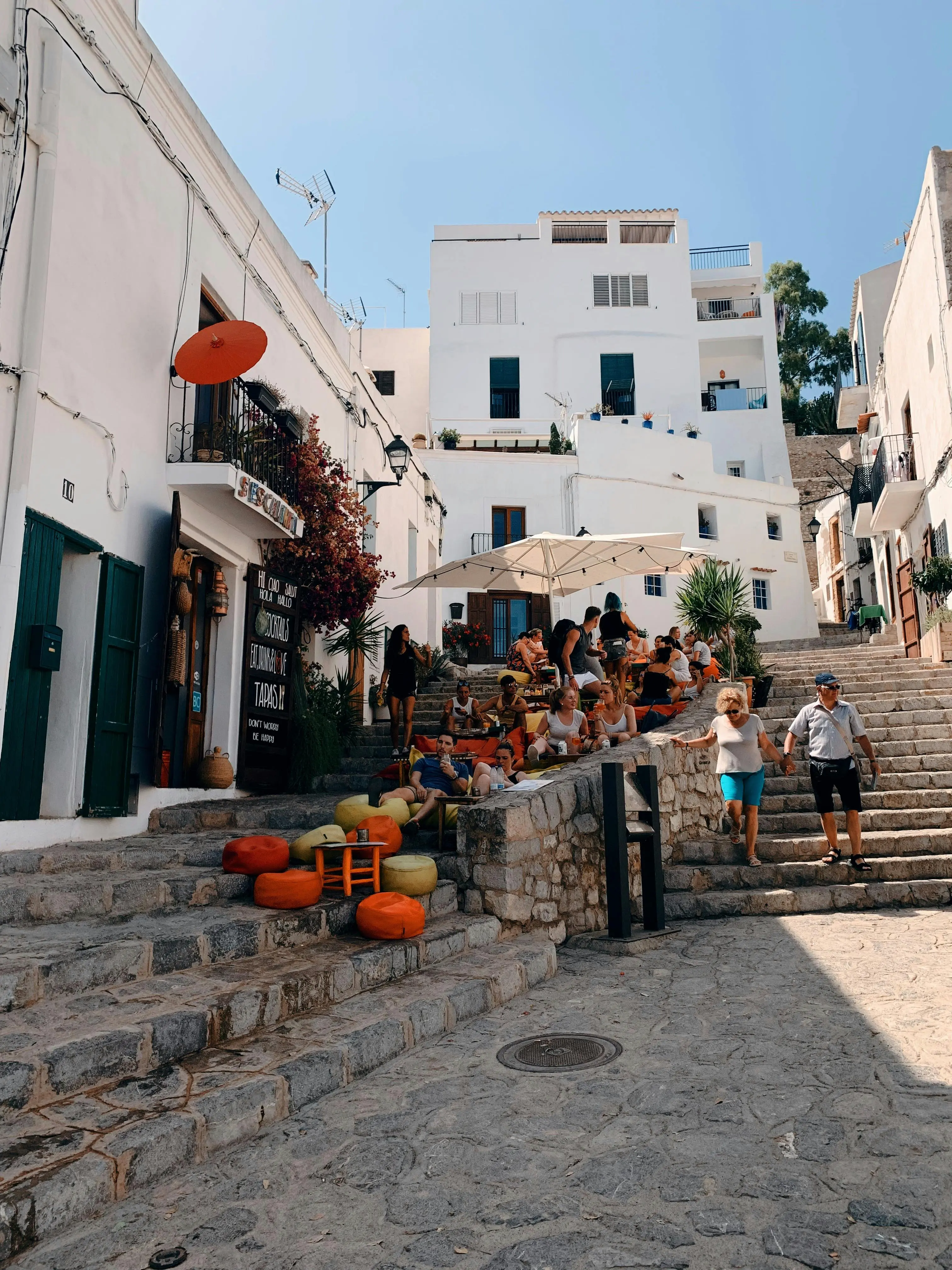
The community in Ibiza is real and it is warm, but it is not automatic — you have to find the version of it that matches how you actually want to live.
Ibiza Expat Network runs regular meetups and a well-used Facebook group with over 12,000 members — it is the fastest way to find practical advice from people already living the life you are planning
The Saturday market in Santa Eulalia is where resident families actually shop and talk — arrive before 10am and you will meet more long-term residents in an hour than a week of tourist-facing socialising
Language matters more than people expect: Spanish gets you everywhere, but the local community is partly Catalan-speaking, and making the effort to understand that earns you more goodwill than any expat shortcut
Winter is genuinely when friendships form — the summer crowd is transient; the people you meet in November are the ones still here in March, and those friends are the island's real social infrastructure
The lifestyle rewards patience: the first three winter months are the loneliness test, and the people who pass it tend to stay for years.
Finding Accommodation in Ibiza: Buying Property, Renting, and How the Market Really Works
The rental market in Ibiza does not operate like most European cities — it is seasonal, it is competitive, and the good apartments are rented through word of mouth before they ever appear on a listing site. Understanding how it works saves you months of frustration.
When to Look and What to Expect
Timing your accommodation search is not a detail — it is the difference between a good apartment and whatever is left over.
The window for securing a year-round rental opens in October and closes by late November — landlords who want stable tenants prefer to fill their properties before the winter rather than gamble on spring availability
Summer-only tourist rentals dominate the platform listings on Idealista and Fotocasa from March onward, which means the rent you see advertised in April is not the rent available to long-term residents
Local Facebook groups — specifically "Ibiza Long Term Rentals" and the Ibiza Expat Network — list properties two to three weeks before they appear on any aggregator
Furnished one-bedroom apartments in Ibiza Town typically require one month's rent as a deposit plus the first month upfront — some landlords ask for two months' deposit for non-Spanish tenants in their first year
If you arrive in June expecting to find a reasonable long-term rental, you will either pay a significant premium for what remains or spend the summer in short-term accommodation while you wait for the market to reset in autumn.
Property prices in Ibiza Town's Dalt Vila neighbourhood now regularly exceed €5,000 per square metre, which means a modest two-bedroom apartment costs more than a large family villa would in many parts of mainland Spain.
What a Furnished Apartment Actually Gets You
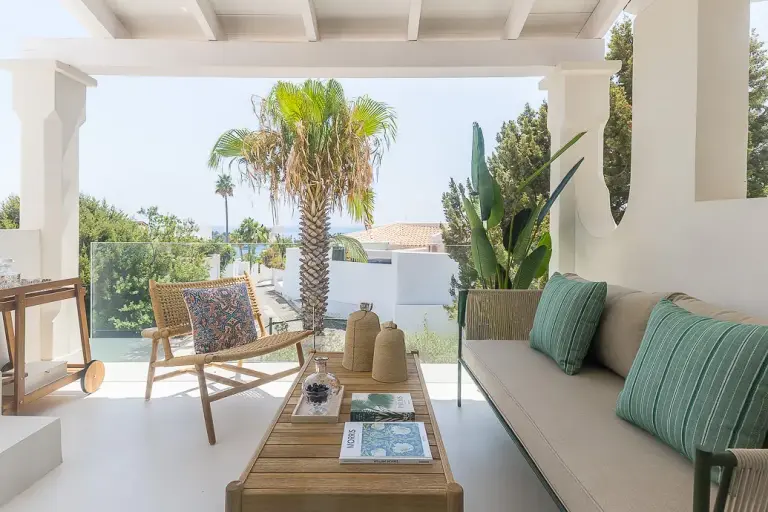
Furnished accommodation in Ibiza covers a wide range — from genuinely well-equipped apartments to properties where "furnished" means a mattress and a microwave.
A properly furnished one-bedroom in Santa Eulalia — kitchen equipment, linen, reliable WiFi, air conditioning — costs €1,500–€1,800/month on a 12-month contract; the same unit on a tourist letting rate costs €180–€250/night in July
Fully furnished apartments in Ibiza listed on RentRemote are vetted for remote working suitability — stable internet and workspace setup, not just a sofa and a beach view
Bills-included rental agreements exist but are rare — most landlords in Ibiza separate utilities, which matters in summer when air conditioning adds €50–€80 to your monthly cost
Short-term furnished lets in the Marina Botafoch area offer walking access to Ibiza Town without the noise of the old town centre — useful if you plan to stay two to four months before committing to a longer contract
The idea of testing the island before signing a year-long lease is sensible — and a well-chosen furnished short-term rental is how you do that without ending up in a tourist trap that tells you nothing about what it actually costs to live here.
Year round sunshine is real here — Ibiza averages over 300 sunny days annually — but between November and February those days are short, the island is largely shut, and you will need a car and a plan to avoid feeling stranded in a ghost town.
Is Ibiza Expensive Enough to Rule You Out? An Honest Conclusion
Ibiza suits a specific type of person, and that person is not who the island's reputation suggests. The ones who thrive here long-term are not chasing the nightlife — they have usually left that behind. They are remote workers, freelancers, and families who want year-round sun, a manageable size, and a community that is genuinely diverse without being anonymous.
The island does not suit people who need urban density, a varied jobs market, or affordable rent in the way that mainland Spain's cities provide. If you are moving from the UK or elsewhere in Europe expecting Ibiza to be both a good-value base and the island of your summer imagination, you will find the trade-offs harder than expected in your first year. The tourism economy shapes everything — the cost, the housing market, the social rhythms — and living well here means understanding that, not resisting it.

If you go in clear-eyed, with income secured, a car arranged, and your accommodation sorted before you land, Ibiza pays back the effort with a quality of life that is genuinely hard to find elsewhere. Explore fully furnished apartments in Spain to start that search properly.