Worst Time to Visit Buenos Aires: Why Timing Your Trip Makes All the Difference
In the southern hemisphere, Buenos Aires runs on a reversed calendar. While the northern hemisphere is wrapped in winter, Argentina’s capital sweats through summer heat and crowded boulevards. The seasons here don’t just shift the weather — they reshape daily life.
Knowing when to go (and when not to) makes all the difference:
-
Best time to visit: April–June and September–November — pleasant weather, mild temperatures, and fewer crowds.
-
Worst time to visit Buenos Aires: December–February — high humidity, warm temperatures, and high prices.
-
Low season: June–August — cooler winter months with fewer tourists and lower prices.
Each season tells a different story, from jacaranda-lined spring streets to slow summer afternoons. For travelers and remote workers, timing your trip means finding that perfect balance between good weather, rhythm, and affordability.

What Makes the High Season the Worst Time
The summer high season in Buenos Aires changes everything about how the city feels. Days stretch long and humid, the pace slows, and locals trade the capital for the coast.
For visitors, it’s a lesson in extremes—vivid colors, sultry nights, and a heat that tests even the most determined traveler.
December to February: Hot, Humid, and Restless
When the summer high season arrives, Buenos Aires trades elegance for intensity. Average temperatures rise above 30 °C (mid-80s °F), daytime highs linger late into the evening, and tropical air covers the city like a blanket.
During these months:
-
Peak tourist season: January and February bring crowds and high prices across hotels and flights.
-
Weather extremes: Expect sticky humidity, sudden rainy days, and occasional heavy rain.
-
City life shifts: Many locals head to coastal towns, leaving quieter neighborhoods behind.
-
Travel comfort: Outdoor activities become draining; air-conditioned cafés and coworking hubs are essential.
-
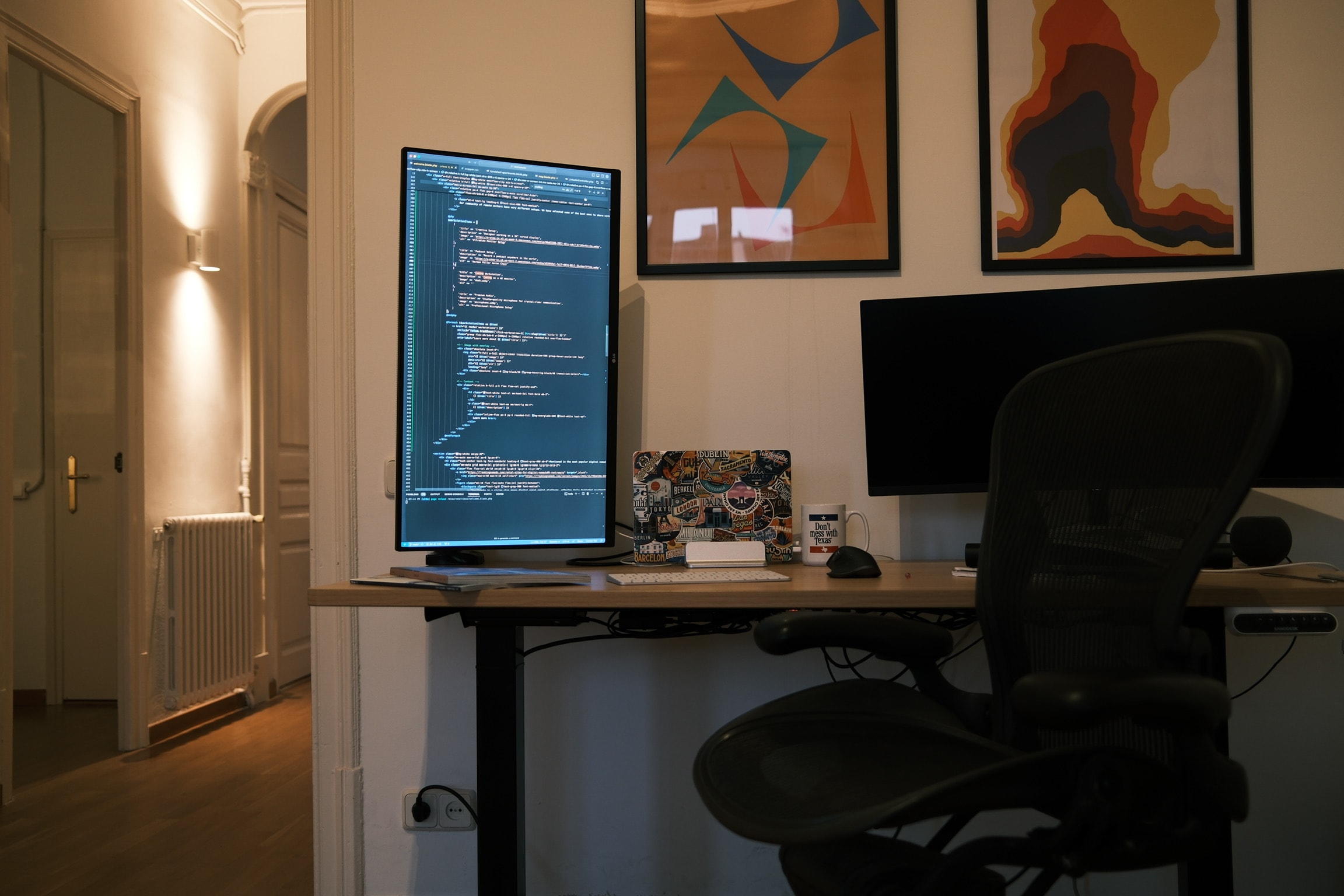
Remote work reality: Even with strong Wi-Fi, the summer heat tests focus — especially in older apartments without AC.
Though challenging, the city still pulses with life — late-night tango, shaded plazas, and festival buzz. Yet for most visitors, the high season remains the worst time to visit Argentina if you value comfort or consistent routine.

Why the High Season Feels So Intense
1. Heat and humidity
The summer months in the southern hemisphere bring dense air and glaring sun. The weather drains energy quickly, and shade is precious.
2. Crowds and high costs
This is the high season, meaning full flights, busy cafés, and many travelers competing for space. High prices stretch every budget.
3. Interrupted rhythm
Locals take off for vacation, leaving a hollowed-out city life — empty residential blocks paired with tourist-packed landmarks.
4. Rain and mosquitoes
Frequent rainy days break the heat but bring bugs. Mosquito repellent is essential if your trip continues into northern Argentina or humid regions.
5. Limited comfort for long stays
For digital nomads, coworking hubs stay open year-round, but the summer high season is far from the ideal weather for productivity.
When to pivot instead:
-
Visit in late February or early March for lower humidity and shoulder season calm.
-
Or plan for spring or fall, when temperatures drop, energy returns, and the city feels alive again.

Season-by-Season Guide to Buenos Aires
Across four seasons, the city reinvents itself. Understanding these shifts means knowing not only the worst time to visit but also when Buenos Aires feels most alive. Here’s how each period shapes your trip and what kind of rhythm to expect across Argentina.
Summer (December–February): High Prices and Humid Weather
Buenos Aires in summer is bright, bold, and brutally warm. The season stretches across these muggy months, bringing crowds, longer nights, and air so thick it hums.
-
Temperatures: Highs average in the mid-80s °F, with humidity near tropical levels.
-
Weather: Afternoon storms and sticky evenings define the city; locals seek air-conditioned bars or coastal escapes.
-
Costs: It’s the priciest time to visit Buenos Aires, with high prices for flights and stays.
-
Experience: Great for nightlife, hard on stamina — plan slow mornings and shaded cafés.
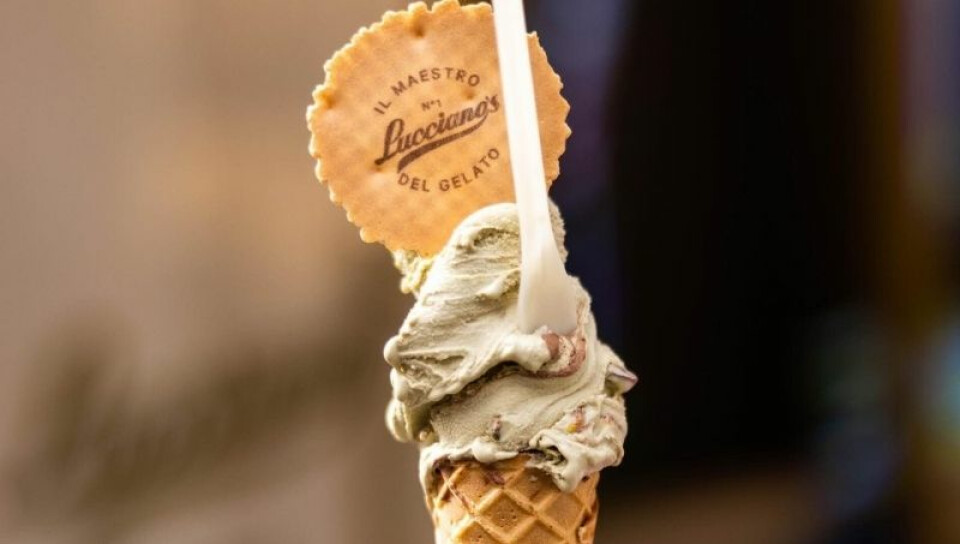
Cool off with a helado (ice cream) from Cadore or Lucciano’s before catching sunset drinks at Alvear Roof Bar. When the heat peaks, locals escape to Tigre’s river delta for weekend kayaking or take short trips to Argentina’s wine country in Mendoza, where Andean breezes ease the summer heat.
Fall (March–May): Mild Temperatures and Fewer Crowds
Fall softens the city’s edges. Trees turn golden, plazas quiet down, and locals linger outdoors again. It’s the shoulder season—a sweet spot between high-season chaos and winter calm.
-
Weather: Mild temperatures and lower humidity make walking pleasant.
-
Atmosphere: Fewer crowds mean easier reservations and space to breathe.
-
Budget: Ideal for budget-conscious travelers; Argentina tours often discount this period.
-
Range: Daytime highs start in the 70s °F and dip toward the 50s as the months progress.
Stroll along Avenida de Mayo when jacaranda petals start to fall, or join locals in Palermo’s parks for outdoor mate picnics. March often brings the city’s book fair and pop-up wine tasting events, while April and May are perfect for weekend getaways to northern Argentina — Salta and Cafayate’s vineyards shimmer during the harvest season.

Winter (June–August): Low Season with Fewer Tourists
When winter months arrive, Buenos Aires slips into its low season. It’s a calmer rhythm — cool air, slower streets, and lower rates across the board.
-
Weather: Temperatures drop to the high 50s–low 60s °F; occasional rain and overcast skies appear.
-
Crowds: Fewer tourists mean quieter museums and cozy cafés.
-
Value: Lower prices on stays and flights make it appealing for long-term visits.
-
Feel: Many activities move indoors — a more introspective side of the city.
This is the season for tango halls and comfort food. Head to Café Tortoni for history, La Ventana for an intimate show, or El Querandí for a classic tango festival performance. If you’re staying long-term, use June and July for day trips — explore El Calafate in Patagonia or ski in Bariloche’s Lake District, both in full swing during winter.

Spring (September–November): Best Time to Visit for Good Weather
Then comes spring, the city’s natural encore — and arguably the best time to visit. Buenos Aires wakes up under canopies of purple jacarandas, the air is light, and the mood is optimistic.
-
Weather: Good weather, comfortable temperatures, and blue skies define the season.
-
Nature: October and September bloom bright, while late spring brings festivals and open-air concerts.
-
Crowds: Still fewer than in summer but with full city energy.
-
Balance: Ideal mix of affordability, light, and warmth — the perfect time to visit Argentina for work and wandering alike.
Plan morning walks through Recoleta Cemetery before the rainy days of November roll in, or spend weekends in San Telmo Market for antiques and live music. The Festival Nacional del Folklore and open-air milongas fill the plazas, while rooftop cafés like Salvaje Bakery offer city views under pleasant weather.

Beyond Buenos Aires — Argentina Tours and Regional Seasons
Outside the capital, Argentina’s seasons tell their own stories. Those who visit Argentina beyond Buenos Aires find snow-dusted ski resorts, vineyards in full harvest season, and tropical waterfalls glowing under summer light. Planning around these regional rhythms means you can catch each destination at its best time to visit — whether that’s August snow in Patagonia or September sunshine in the vineyards.
Northern Argentina: Heat, Salt, and Folklore
In the northern hemisphere’s opposite summer, the highlands of northern Argentina blaze under color and culture.
-
Salta and Jujuy: Expect arid plains, red canyons, and markets lined with woven textiles.

-
Festival Nacional del Folklore (Córdoba): Held each January, it celebrates local traditions with guitars, dancing, and gaucho parades — an unmissable tango festival for music lovers.
-
What to pack: A light jacket for cool desert nights, mosquito repellent for humid zones.
-
Travel tip: Budget-conscious travelers often pair the north with nearby wine valleys for scenic drives and affordable lodging.
Wine Country and the Andean Foothills
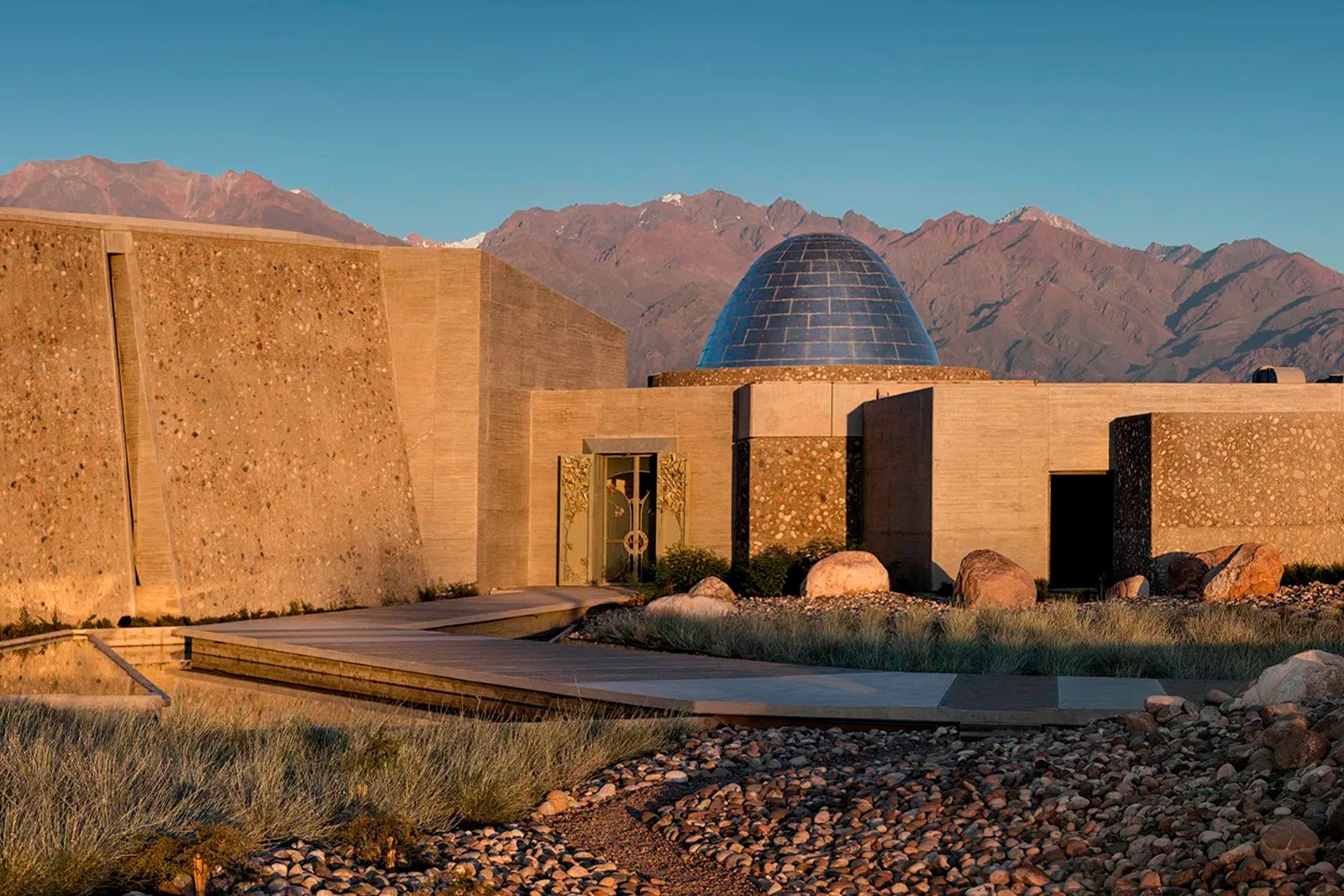
Few regions match Mendoza’s wine country when it comes to beauty and balance. The harvest season (February–April) is the best time to visit if you want vineyard tours, cellar tastings, and cool evening air.
-
Expect temperatures in the 70s °F by day and crisp 50s °F at night — ideal for patio dinners.
-
Wine tasting routes stretch from Luján de Cuyo to Uco Valley, with boutique hotels set among vines.
-
August and September bring mild weather and fewer crowds, especially for those booking Argentina tours that combine Mendoza with Bariloche or Iguazú Falls.
-
Cultural touchpoint: Don’t miss the annual Vendimia Wine Festival, a celebration of harvest, fireworks, and folklore.
Patagonia, Lake District, and the Deep South
Heading south means a complete seasonal flip — summer heat in the Northern Hemisphere is winter here and this gives you a chance to visit Argentina in all its seasonal glory. Argentina’s Lake District and Patagonia redefine landscape scale, shifting from glaciers to rainforest in a single flight.
-
Lake District (Bariloche): Summer (December–February) brings glassy lakes and outdoor activities like trekking and kayaking making it the best time to visit Argentina for explorers.
-
Winter months (June–August): Ski resorts like Cerro Catedral and Chapelco open, making August prime for snow adventures.
-
Puerto Madryn: By late September, whales breach offshore — one of South America’s most unforgettable sights.
-
El Calafate and Iguazú Falls: Opposite extremes of the country; glaciers in one, tropical spray in the other. Both are essential stops if you visit Patagonia.
When to go: The shoulder months (March or October) offer good weather, lower prices, and fewer tourists — ideal for a more flexible, less crowded trip through Argentina’s most dramatic regions.

For Digital Nomads: Living and Working Through Buenos Aires’ Seasons
Remote workers experience the city differently. The year-round rhythm of cafés, coworking lofts, and leafy parks can either fuel productivity or drain it, depending on the season. Knowing what to expect helps balance focus with the pull of city life.
Summer Challenges
The summer heat strains concentration; cafés rely on fans more than full AC.
Choose coworking hubs with climate control and quiet zones.
Early mornings or late nights are the most workable hours.
Where to work and cool off:
-
AreaTres** (El Salvador)** – spacious, modern, and air-conditioned.
-
Urban Station** (Palermo Hollywood)** – flexible passes, quiet rooms, reliable Wi-Fi.
-
Full City Coffee House or Lattente – craft cold brews and calm interiors.
-
Plaza República del Perú** (MALBA)** – shaded benches and open Wi-Fi for short breaks.
When focus fades, locals escape to Tigre’s waterfront or Mendoza’s wine country for weekend resets surrounded by breeze and vineyards.

Fall and Spring Sweet Spots
Mild temperatures and comfortable conditions make both fall and spring ideal for outdoor work and café breaks.
These are the true shoulder months — steady Wi-Fi, steady mood, and lighter rent contracts.
Neighborhoods like Palermo, Recoleta, and Belgrano thrive with balance and creativity.
Best coworking and café picks:
-
Huerta Cowork** (Palermo Soho)** – patio seating under trees.
-
La Maquinita** (Godoy Cruz)** – quiet, affordable, and social.
-
Cocu Boulangerie or Birkin Coffee Bar – sunlit cafés perfect for morning calls.
When you need fresh air:
-
Walk through Parque Tres de Febrero for an easy midday reset.
-
Visit San Telmo’s weekend markets for art, food, and light networking.
During September and October, festivals and great weather fill the city — an ideal mix for productivity and exploration.
Winter Focus
Winter months bring slower days, fewer distractions, and lower prices.
Layer up; temperatures drop, but coworking spaces stay cozy.
Perfect for deep work, writing, or long-term projects.
Places to focus and recharge:
-
**WeWork Libertador **(Palermo) – panoramic skyline views and quiet lounges.
-
Casa Brandon** (Villa Crespo)** – community hub for writers and creatives.
-
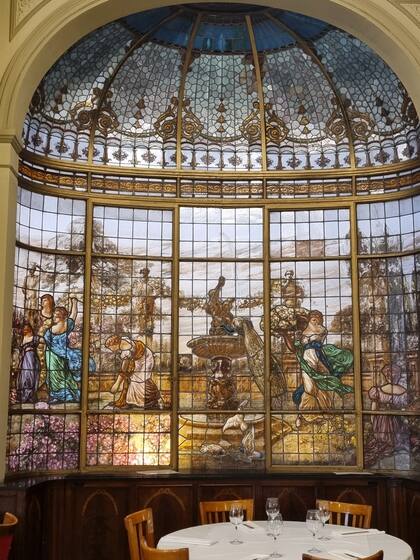
Las Violetas** (Almagro)** or Café Registrado** (Retiro)** – classic cafés with warm service.
Weekend inspiration:
-
Short winter trips to El Calafate or Puerto Madryn for nature and reflection.
-
Cultural nights at Café Tortoni or El Querandí, where tango warms the city’s slower pulse.
Digital nomads who time their stay wisely find Buenos Aires an adaptable base — lively in January, focused in July, and perfectly balanced by September. The key is to follow the city’s seasonal rhythm rather than fight it.
Learn everything you need to know about Buenos Aires' most preferred neighborhoods by digital nomads who live to work remote — from Palermo Chico to Retiro.
Visiting During the Worst Times: Tips and What to Expect
Even at its toughest, the city never really slows; it just shifts cadence. If you’re here during the stickiest weeks or the quietest winter stretch, plan like a porteño: start early, pause when the streets shimmer, and pick your moments between showers and shade.
| Situation | What Locals Do | What Travelers Can Copy |
|---|---|---|
| Midday heat | Errands before 10 a.m.; dinner late | Work early, siesta, explore after dusk |
| Rainy days | Museums, bookstores, neighborhood cafés | Save outdoor walks for clear windows |
| Mosquito spikes after storms | Repellent + screened windows | Choose apartments with screened patios |
| June–July lull | Slow plans, indoor culture | Deep-work weeks; detour to ski resorts near Bariloche |
| Festival surges & large crowds | Avoid peak hours | Book ahead, go early or late for space |
| Sudden cool evenings | Layers on terraces | Pack a light jacket for nighttime breezes |
| Small adjustments go a long way: pick shady streets, rotate in cool galleries on rainy days, and set your routine to mornings and late evenings. If the heat lingers, hop north for desert light in northern Argentina or west to wine country—both easy add-ons to a longer stay. |
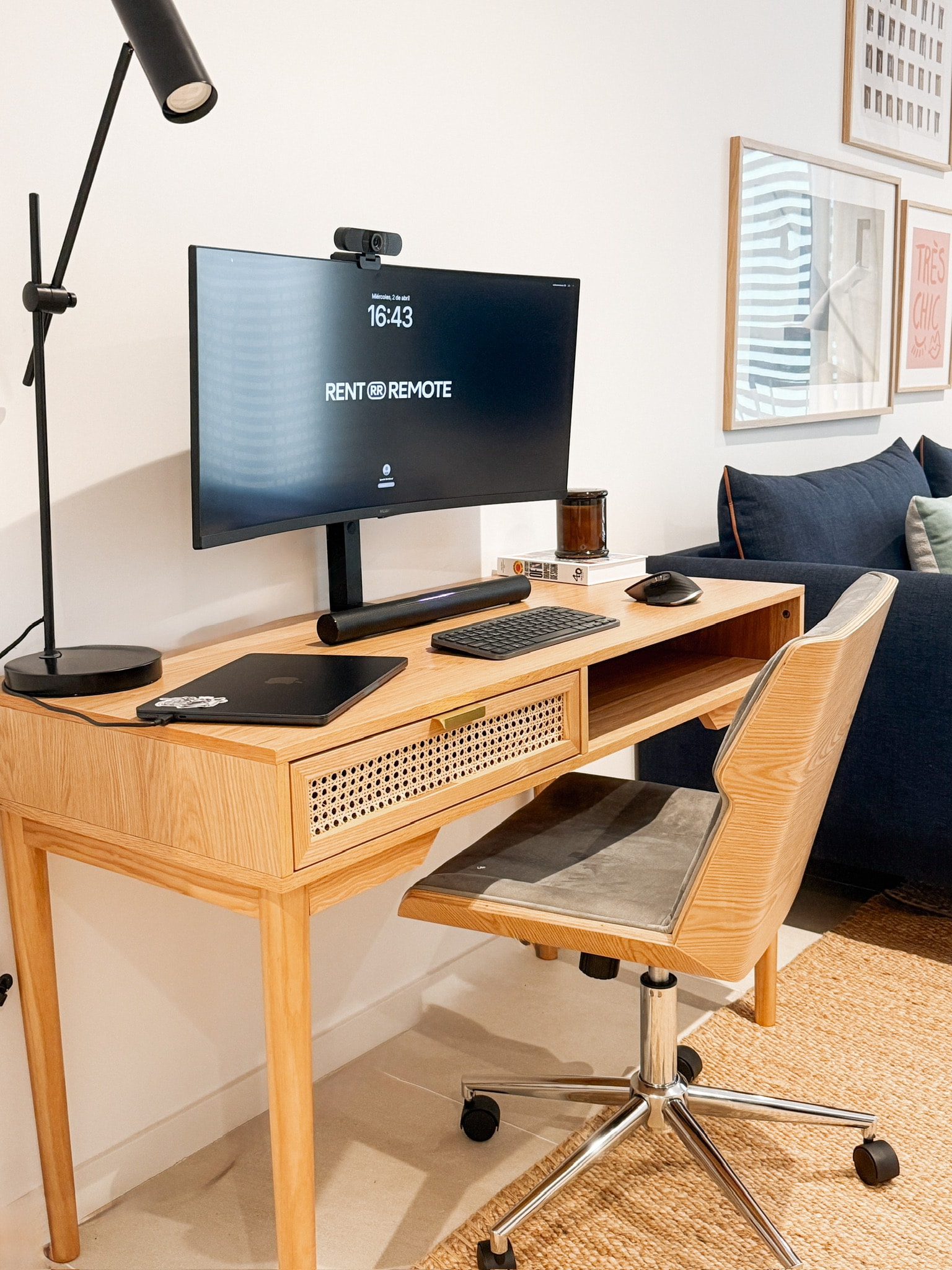
Looking to keep a solid base while you wait out the heat? Browse apartments in Buenos Aires—good AC, high speed WiFi, and a quiet workspace make the week smoother.
Best and Worst Times to Visit Argentina
Navigating the seasons across Argentina gives you more than just a better climate—it unlocks region by region. Below you’ll find the key windows and practical suggestions for combining urban stays, outdoors adventures, and cultural detours.
Festival Nacional del Folklore: Córdoba in Mid-January

-
Why it matters: this music and dance festival draws thousands and bursts with local traditions, making it one of the high points in the folk calendar.
-
Planning tip: book 4-6 weeks in advance if you want decent lodging; arrive the week before for fewer crowds and better access.
-
Best time window: the first half of January before international tourism peaks.
El Calafate: Patagonia’s Winter Brilliance
-
What you’ll find: quiet trails, glacier tours with crisp air, fewer travellers than during summer, and dramatic light from the lake district region.
-
Dates to watch: June, July, and early August—temperatures drop, but days stay clear, making this a great time to visit Argentina for nature and focus.
-
Practical tip: layer your clothing, bring a waterproof shell and plan for early sunsets.
Iguazú Falls: Subtropical Power in Spring

-
Why choose it now: the falls swell post-spring rains, trails open again, and post-peak large crowds ease off.
-
Best window: October to early November. You’ll still see the full force of the waterfalls without the surge of high-tourism.
-
Bonus: Combine with a city leg in Buenos Aires, timing your base stay to the shoulder months.
National Landscape Map
| Region | Prime Months | What To Expect |
|---|---|---|
| City stays & culture | April–June, Sept–Nov | Comfortable temperatures, fewer crowds, lower air-conditioning burden |
| Coastal & beach experiences | Dec–Feb (summer) | Long days, high humidity, high prices, energetic nightlife |
| Mountain & snow escapes | Jun–Aug | Low season, fewer tourists, ski resorts in full swing |
| Vineyards & wine country | Mar–May (harvest) | Wine tasting, wine country warmth, mini shoulder-season deals |
How to Build a Balanced Itinerary
-
Start in the capital: choose a comfortable stay in Buenos Aires during a mild window (e.g., late March or mid-October).
-
Add one nature leg: tack on 5-7 days to El Calafate or Iguazú Falls, depending on whether you prefer frost or forest.
-
End with ease: return to your Buenos Aires base or fly out after a relaxed few days, ensuring your final leg is light on transit.
-
Avoid the extremes: skip heavy heat (Dec–Feb) and ultra-cold without full gear (late July) if your goal is rhythm, comfort, and productivity.

Finding Your Own Rhythm in Argentina
Every season in Argentina invites a different pace. Some travelers chase glaciers, others music, and many find the city itself is the real performance. From the Buenos Aires Tango Festival in August to the parties that spill into the streets, timing your journey becomes part of the story you tell.
If your goal is connection, the best seasons aren’t always the most obvious ones. Wander wine country during the harvest season, or visit Patagonia when the crowds thin and the light turns silver over the lakes. Join Argentina tours that link Iguazú Falls with the capital, tracing how mild temperatures up north meet crisp air in the south.
The best time to visit depends less on the calendar and more on what kind of rhythm you want: the heat and color of a festival, the quiet focus of a low season stay, or a slow month built around time to visit Argentina at your own tempo. Wherever you start, the country rewards curiosity—one journey blending landscapes, stories, and people into something you’ll carry long after the trip ends.
Explore apartments in Argentina and find your next stay, from cultural corners in Buenos Aires to quiet Patagonia bases fit for every traveler.