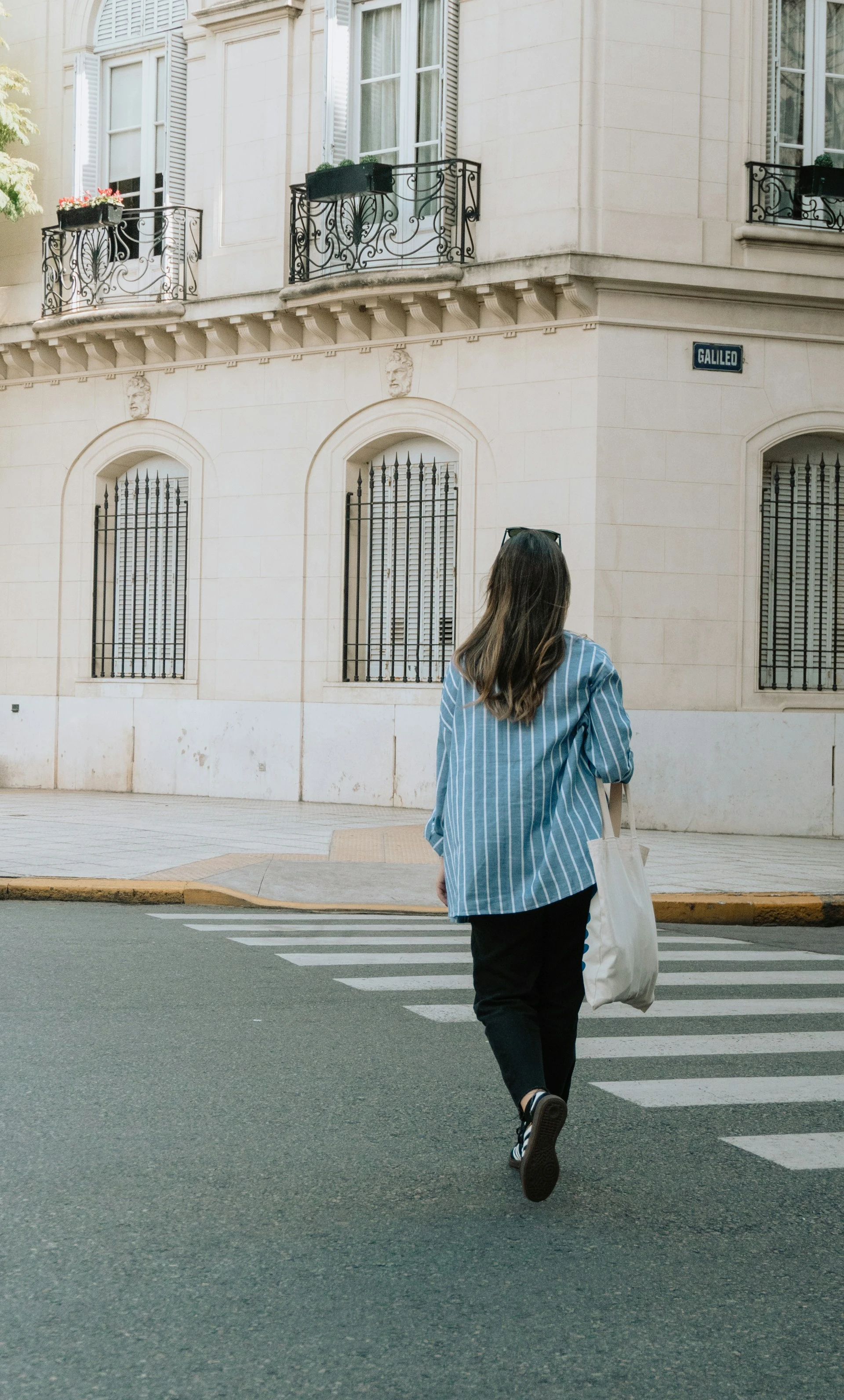
Few capitals in South America hit all the senses at once quite like Buenos Aires. It’s where café chatter spills into the streets, tango music rises from corner bars, and Art Nouveau façades glow pink in the late-afternoon sun. The city feels European and unmistakably Latin at the same time — equal parts romance, rhythm, and rebellion. Walk long enough, and you’ll hear half the world’s languages within a few blocks.
Buenos Aires sits on the Río de la Plata, a cosmopolitan city of neighborhoods that each carry their own personality. From cobblestone alleys lined with antique shops to leafy parks filled with mate-drinking locals, it’s a place that rewards curiosity as much as planning. And despite its grandeur, it’s incredibly affordable, especially for visitors arriving with dollars or euros.
What draws travelers here:
-
Ornate landmarks around Plaza de Mayo and the historic core
-
Late dinners, live music, and a café culture that never clocks out
-
Color-splashed houses in La Boca and Sunday markets in San Telmo
-
Design boutiques, lovely parks, and rooftop bars across Palermo and Recoleta
-
A rhythm of life that stretches well past midnight — and somehow feels effortless
It’s one of those beautiful cities that convinces you to slow down, walk more, and let the day unfold like a story.

Downtown Buenos Aires Highlights: Plaza de Mayo, Avenida de Mayo & Café Tortoni
This stretch of the capital is its political and architectural heart — a corridor of monuments, marble façades, and cafés that tell Argentina’s story in real time.
Downtown Buenos Aires captures that mix of power and history better than anywhere else in the capital.
Start at Plaza de Mayo
The square is the historic meeting point where every major protest and celebration has echoed for more than two centuries.
What to see here:
-
Casa Rosada – the pink-washed presidential palace and symbol of national power.
-
Metropolitan Cathedral – where Pope Francis once led mass, blending neoclassical pillars with colonial heritage.
-
Pirámide de Mayo – the oldest national monument, right in the square’s center.

Walk Avenida de Mayo
Step onto Avenida de Mayo, a showcase of architectural styles from Art Nouveau to Art Deco. The façades alone make it one of the city’s major sights.
Stop along the way:
-
Café Tortoni – Buenos Aires’s oldest coffee shop, perfect for a cortado under chandeliers.
-
Palacio Barolo – a Dante-inspired tower whose guided tour (€10) ends with 360-degree views of the entire city and a story straight out of Dante’s Divine Comedy.
End at Plaza del Congreso
Keep walking west until you reach Plaza del Congreso, where statues, fountains, and lawns invite locals to rest after work.
Follow this route on Google Maps and you’ll see how these city blocks connect Buenos Aires’s past and present — a seamless blend of history, poetry, and pastry crumbs.
Downtown might gleam with polish, but it never loses the pulse of daily life.

Visit San Telmo and La Boca: Street Art, Tango Dancers, and Local Culture
If downtown shows the city’s face, San Telmo and La Boca reveal its heart. This is where tango dancers rehearse on street corners, artists paint entire walls overnight, and markets smell of grilled chorizo and strong coffee. The air hums with local culture — messy, proud, and endlessly photogenic.
Don’t miss:
-
Mercado de San Telmo – a mix of food stalls and antique markets, open daily; on Sundays, the surrounding streets turn into a fair packed with performers and souvenir shops. Grab an empanada (€2) or an alfajor and just watch the crowd.
-
Plaza Dorrego – Buenos Aires’s oldest square, prime for people watching and free tango shows.
-
Calle Defensa – lined with vintage stores, indie galleries, and street murals that trace the barrio’s immigrant history.
-
El Zanjón de Granados – an underground archaeological site revealing tunnels from the 18th century.
A short taxi ride (or brave walk) south takes you to La Boca, once home to Italian immigrants who painted their tin houses with leftover ship paint. Today its Caminito Street bursts with color — street art, dance, and the roar of nearby Boca Juniors fans. Stop at a local parrilla for steak under €10, or sip Malbec while sketching the scene. It’s chaotic, yes, but absolutely worth visiting.
End the day along the Rio de la Plata in Puerto Madero. The modern skyline and Puente de la Mujer bridge feel worlds away from the barrios you just explored. That contrast — heritage and reinvention, brass band and Bluetooth speaker — is what keeps Buenos Aires worth visiting long after the first trip.

Palermo Soho to Recoleta Cemetery: A Beautiful City of Parks and Hidden Gems
North of the center, the mood softens. Wide avenues, shaded sidewalks, and lovely parks make Palermo the city’s open-air living room. Morning joggers circle the Bosques de Palermo, couples rent boats on the lake, and freelancers settle into cafés with free WiFi and strong cortados. This is the district that proves the capital can slow down without losing its edge.
Where to wander:
-
Palermo Soho – boutique stores, design studios, and hidden gems for brunch or coworking. Try Lattente for espresso or Full City Coffee House for laptop-friendly mornings.
-
Palermo Hollywood – relaxed bars, live music, and the city’s best steak at Don Julio (reserve ahead) or La Cabrera.
-
Japanese Garden – an oasis of koi ponds and maples, ideal between meetings. Entry €3.
-
Museo de Arte Latinoamericano** (MALBA)** – the capital’s modern art anchor, showcasing Latin American art from Frida Kahlo to Berni. Admission €5.
A few minutes north, Recoleta Cemetery turns sightseeing into meditation. Mausoleums rise like miniature palaces; inside rest presidents, poets, and Eva Perón. The neighborhood surrounding it mirrors the grandeur — elegant luxury hotels, Parisian façades, and bookshops like El Ateneo Grand Splendid, housed in a restored theater complete with balcony seating.

El Ateneo Grand Splendid and the City’s Most Beautiful Bookstores
Step inside El Ateneo Grand Splendid, often simply called El Ateneo—a restored theatre now ranked among the world’s most beautiful bookstores. Locals linger in its balcony café beneath stage lights, and it perfectly captures why Buenos Aires is such a beautiful city built for readers, dreamers, and wanderers.
Grab a seat under the stage lights, coffee in hand, and understand why National Geographic once called it one of the most beautiful bookstores in the world.
Palermo and Recoleta show a different rhythm — greener, slower, and quietly confident. After the energy of San Telmo and La Boca, it feels like exhaling in style. Learn everything you need to know about Palermo on RentRemote's Buenos Aires neighborhood guides.

Cultural Significance of Buenos Aires: Best Opera Houses, Museums, and Live Music
Buenos Aires lives for performance. Theatres, galleries, and live stages dot the entire city, giving every week a new excuse to go out. The cultural significance of art here can’t be overstated — this big city has more than 160 museums and 300 theatres, rivaling many in Latin America for its creative energy.
Where the music never stops:
-
Teatro Colón – One of the best opera houses in South America, famous for its marble staircases, gold-leaf balconies, and world-class acoustics. Guided tours (€12) let you explore behind the scenes and hear how the sound carries perfectly from stage to ceiling.
-
Centro Cultural Kirchner – Argentina’s largest cultural center, hosting free concerts, digital art, and film screenings. It’s proof of how this cosmopolitan city treats creativity as a public right, not a luxury.
-
Museo de Arte Latinoamericano (MALBA) – Modern icons of Latin American art, from Frida Kahlo to Antonio Berni, line sleek white walls in Palermo (€5).
-
La Usina del Arte – A converted power station in La Boca turned concert hall, offering jazz nights, kids’ workshops, and weekend markets. Entry is free.
-
Street art tours – In Barracas, Colegiales, and Palermo Soho, walls serve as canvases for social movements and pop surrealism. Expect to pay around €15 for a small-group walk with a local artist.
Buenos Aires’s local culture isn’t confined to galleries — it’s everywhere: in a band warming up in a bar, in tango echoing from an open window, in a mural painted after midnight. Few major sights reveal a city’s soul like these do.

Public Transportation and City Tours: How to Get Around Buenos Aires Easily
The best time to visit Buenos Aires depends on what kind of traveler you are. Spring (September–November) brings jacaranda blooms, while fall (March–May) offers mild weather and cheaper stays. December to February can be hot, but it’s also when the nightlife is at its most alive.
Getting around this huge city is remarkably easy. The public transportation system includes six subway lines, countless buses, and ride-sharing apps like Uber or Cabify. Most attractions are clustered by area — you can explore the downtown Buenos Aires core and neighborhoods like Palermo, San Telmo, and Recoleta with just a rechargeable SUBE card (€1 fare per ride).
Travel smart:
-
City tours – Start your trip with a guided overview. Companies like BA Free Walks run tip-based routes through Avenida de Mayo and Calle Florida, covering important historical figures and political sites.
-
Biking – Buenos Aires offers free EcoBici rentals with app-based checkouts. Safe routes link parks, Bosques de Palermo, and riverside trails along the Rio de la Plata.
-
Direct flight options – Daily connections from other cities in South America and Europe make it easy to plan a Buenos Aires itinerary that fits regional travel.
-
Currency & cost tips – Argentina’s dual exchange rate means you’ll get better value by withdrawing pesos via Western Union transfers or licensed exchanges.

Walking remains the best way to visit San Telmo markets or photograph façades along Avenida de Mayo. Each barrio is compact, and most major sights are within a few blocks. That combination — big in scale but local in rhythm — is what makes exploring Buenos Aires so rewarding.
Where to Eat and Stay in Buenos Aires: From Calle Florida to Luxury Hotels
Buenos Aires takes food seriously. Between its Italian roots, steakhouse traditions, and bustling café scene, you could plan an entire Buenos Aires itinerary around meals. Dinner rarely begins before 9 p.m., and lingering until midnight is perfectly normal.
What to try:
-
Asado – The national ritual. Visit Don Julio or La Cabrera in Palermo Hollywood for perfectly grilled cuts (€20–25).
-
Empanadas & street snacks – Sold everywhere, best around San Telmo Market and Calle Defensa.
-
Café Tortoni – A timeless coffee shop where literary figures once met. Order a submarino (hot milk with a chocolate bar) for €4.
-
Helado – Buenos Aires’s answer to Italian gelato; the dulce de leche flavor is a must.
-
Malbec & local wine tastings – Found in Palermo Soho wine bars; tastings start around €10.

Where to stay:
-
Recoleta – Elegant and central, close to El Ateneo Grand Splendid and Recoleta Cemetery; home to some of the city’s finest luxury hotels.
-
San Telmo – Great for creatives who prefer boutique stays and walking to antique markets.
-
Palermo Soho & Hollywood – The go-to for digital nomads: coworking cafés, leafy blocks, and plenty of nightlife.
-
Puerto Madero – Sleek towers with skyline views and quick access to Puente de la Mujer and the Río de la Plata.
Buenos Aires blends elegance with informality — you might end one night at a rooftop speakeasy and the next sharing wine on cobblestones. It’s this eclectic mix of styles that keeps visitors comparing it to other cities yet realizing none feel quite the same.
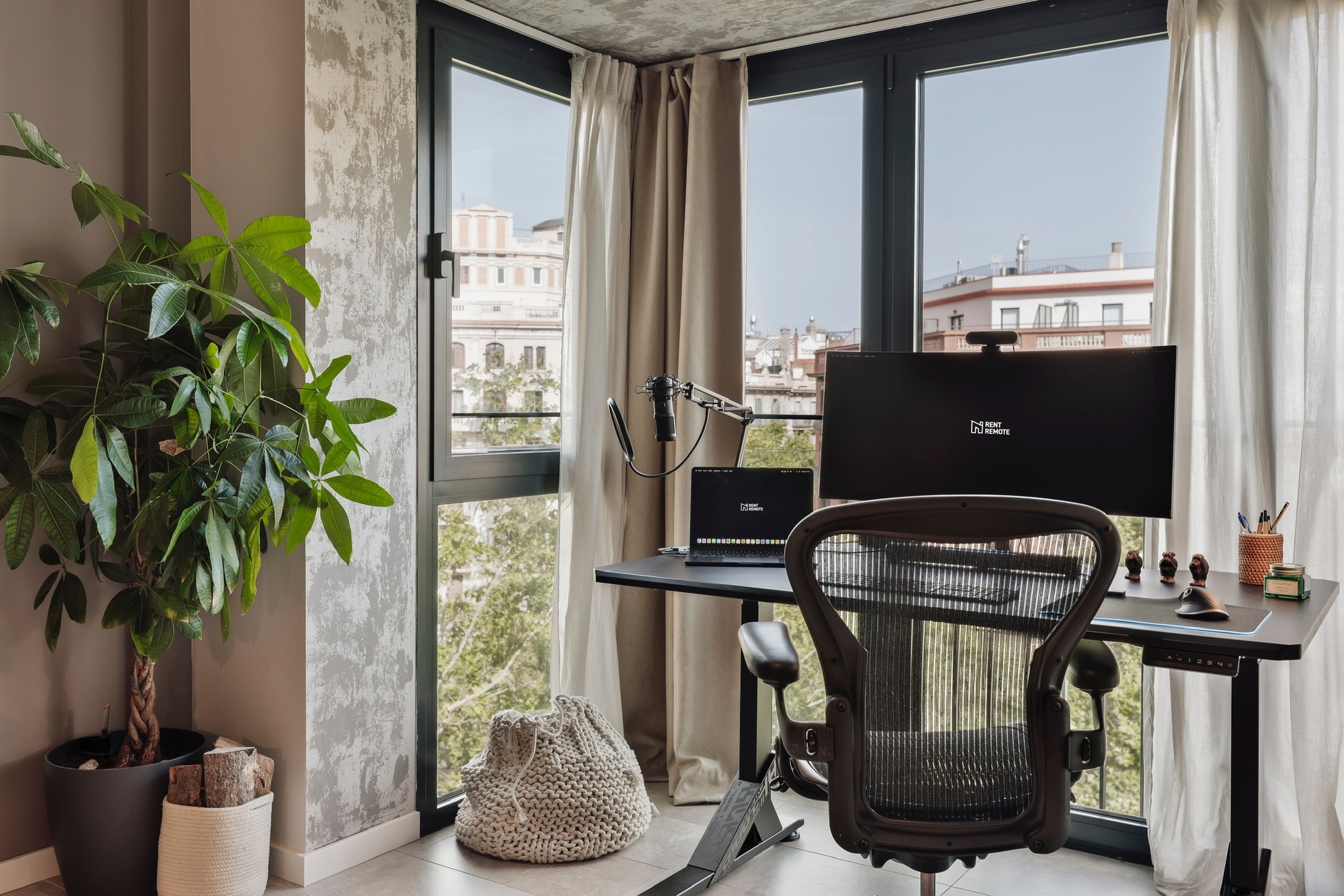
Thinking of extending your stay? Browse RentRemote’s furnished apartments in Buenos Aires and live like a true Buenos Aires local.
Best Day Trips from Buenos Aires: Tigre Delta, Río de la Plata & Colonia
Even a big city like this benefits from open horizons. A short train or ferry ride takes you to calm rivers, colonial towns, and grassy estancias — proof that a single day trip can feel like another country.
Easy escapes:
-
Tigre Delta – A tranquil web of waterways where you can kayak, picnic, or visit riverside restaurants. Boat tours (€20) leave hourly from Retiro Station.
-
Colonia del Sacramento** (Uruguay)** – Just an hour away by ferry. Its cobblestone lanes, pastel façades, and sea breeze make it one of the most popular day trips in South America.
-
Estancia El Ombú de Areco – A traditional ranch two hours northwest; spend the day horseback riding, eating asado, and learning gaucho traditions.
-
La Plata – The provincial capital, known for its university scene, cultural centers, and the neo-Gothic Cathedral.
Whether by train, ferry, or car, each route reveals a quieter rhythm — a reminder that even in Argentina’s beautiful city, there’s always somewhere else calling your name.
Plan your own Buenos Aires itinerary with nearby escapes — check out the complete guide to a short weekend away in the Tigre province — using RentRemote’s travel guides.

Buenos Aires Itinerary Tips: Planning Your Visit to the Paris of South America
Spend a few days here and you’ll see why locals call it the city that never sleeps — and mean it as a compliment. The rhythm isn’t rushed; it’s simply absolutely packed with things worth seeing, tasting, and hearing. Visiting BA is less about ticking off major sights and more about joining the flow of life between cafés, plazas, and late-night conversations.
To make the most of all this, plan your route around neighborhoods instead of individual stops. Morning strolls might take you across the cobblestone streets of San Telmo, while afternoons unfold by the Río de la Plata, watching joggers trace the waterfront. Even the everyday moments — a chat in a coffee shop, a walk under the jacarandas, a glance at a mural — reveal a city that thrives on detail.
Why Buenos Aires works for long stays:
-
Connectivity: frequent direct flights from Europe and other cities in South America make arrivals easy.
-
Lifestyle: markets, live music, and midnight dinners create a rhythm that balances work and play.
-
Affordability: still one of the most incredibly affordable capitals for nomads.
-
Atmosphere: that mix of European charm and Latin warmth gives every district its own personality.
-
Community: expats and locals mingle naturally through city tours, coworking cafés, and tango nights.
Buenos Aires invites you to slow down without stopping. It’s a beautiful city that rewards wandering and reminds you that work can fit comfortably beside wanderlust.

Is Buenos Aires Worth Visiting for Digital Nomads and Travelers?
Few capitals combine European charm and Latin passion quite like Buenos Aires. From coworking cafés to leafy plazas and cobblestone streets, the city manages to feel both grand and approachable. Visiting BA means adapting to its rhythm—late dinners, long walks, and unexpected encounters that remind you why this is one of the most beautiful cities in South America.
What makes Buenos Aires worth visiting:
-
Neighborhoods with their own personality, from creative San Telmo to chic Recoleta
-
Affordable rents and a strong café scene for remote workers
-
Walkable districts where major sights sit just a few blocks apart
-
A cultural identity built on music, art, and conversation
-
Easy day trips to rivers, vineyards, and colonial towns
The city isn’t a checklist; it’s a living moodboard. When you wander through a market or watch tango dancers under the streetlights, you realize all this energy is exactly why people keep coming back.

Why Buenos Aires Is Still the Paris of South America
So, is Buenos Aires worth visiting? Absolutely. The city’s blend of European charm, fiery tango dancers, and late-night café culture makes every block a story. If you’re planning your first trip, this guide will show you exactly how to visit Buenos Aires like a local.
Buenos Aires is more than a stop on a South America route; it’s a cosmopolitan city that rewards anyone willing to walk, listen, and stay up a little later than planned. From El Ateneo Grand Splendid’s quiet balconies to San Telmo Market’s noisy aisles, it’s a place that never loses its curiosity about life.
If you're considering moving to this gorgeous corner of the world, explore RentRemote’s curated furnished apartments in Argentina—each with a dedicated workspace, local tips, and everything you need to live, work, and wander.