Sophia
Wellbeing & Living Editor ·
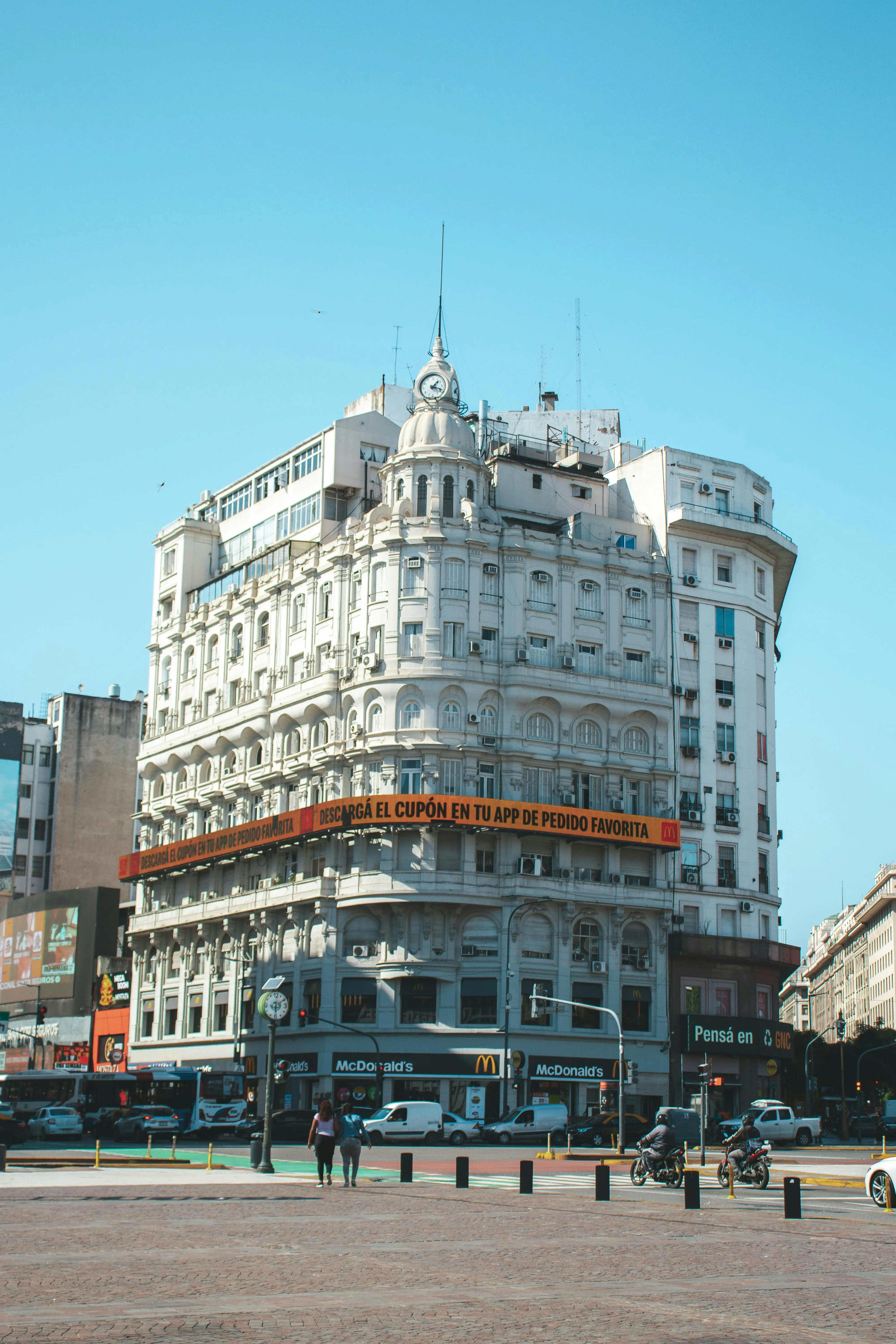
Buenos Aires is one of the most exciting destinations in South America, but choosing where to stay can feel overwhelming. This big city is defined by its neighborhoods, each with its own personality—from the cobblestone streets of San Telmo to the leafy parks of Palermo and the sleek waterfront skyline of Puerto Madero. When planning a trip to Argentina, one of the most common decisions travelers face is the classic hotel vs apartment in Buenos Aires debate.
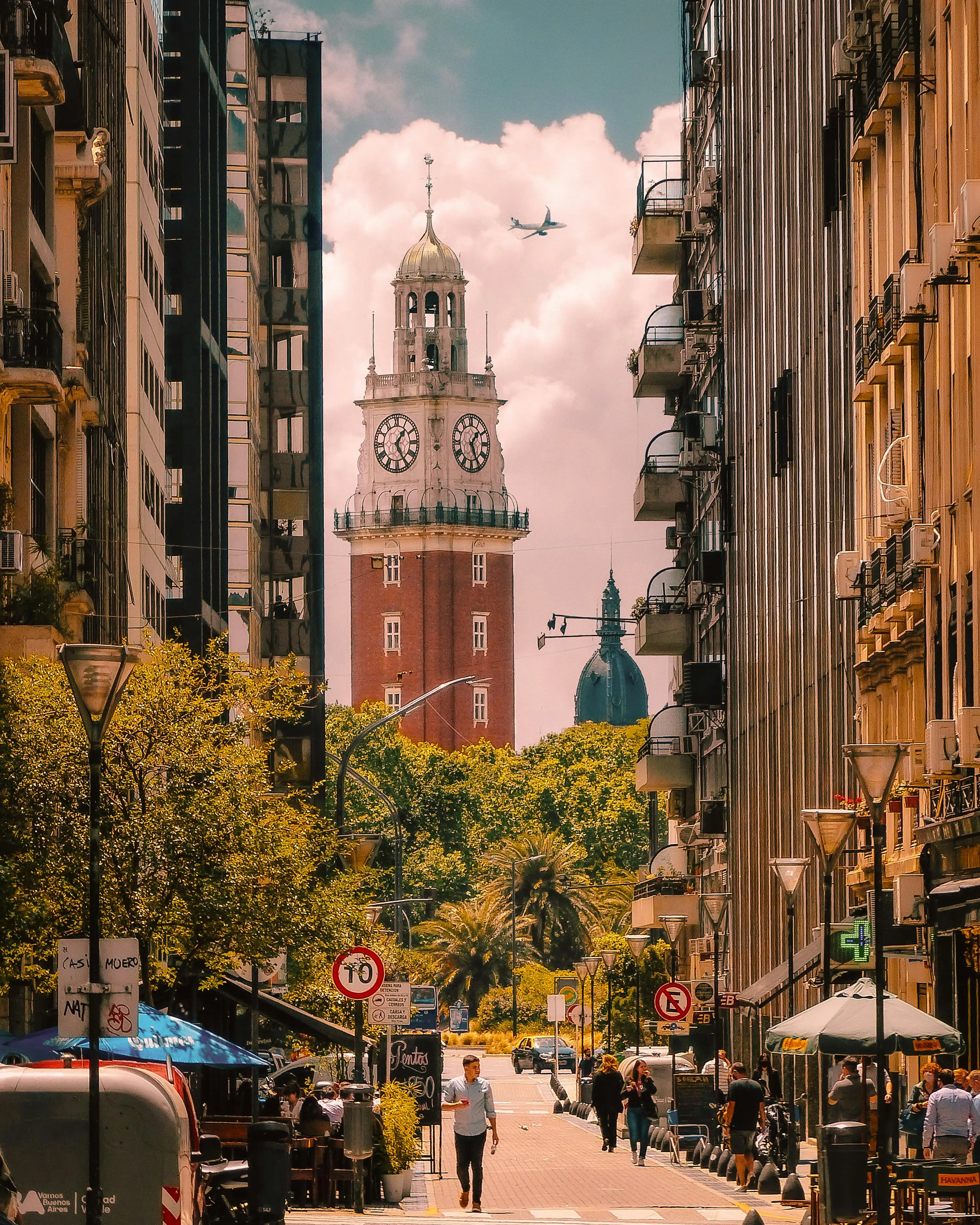
Both options have advantages. A hotel offers convenience and service, while an apartment often provides more space and a chance to experience daily life like a local. The right choice depends on how long you plan to stay, your budget, and the type of experience you want while visiting Buenos Aires.
This guide will help you decide by breaking down:
The key differences between a hotel and an apartment in Buenos Aires
Where to stay near major sights like Plaza de Mayo, Avenida de Mayo, and San Telmo Market
The best neighborhoods for travelers, including Palermo Soho, Palermo Hollywood, and Villa Crespo
Examples of best hotels, boutique stays, and apartment rentals with great amenities
Local places worth exploring, from great restaurants in Palermo to tango nights around Plaza Dorrego
Whether you want a luxury hotel with a rooftop pool or a cozy apartment steps from trendy bars and street art, the right base can transform your experience in this unforgettable city.
What to Know Before Visiting Buenos Aires: Hotel vs Apartment
Choosing between a hotel and an apartment in Buenos Aires usually comes down to how you want to experience the city. Some travelers prefer the simplicity of checking into a hotel with full amenities, while others enjoy settling into an apartment and exploring the neighborhood like a local. Because Buenos Aires is a big city with distinct districts, where you stay can shape everything from your daily routine to where you spend your evenings.
Below is a closer look at what each option typically offers.
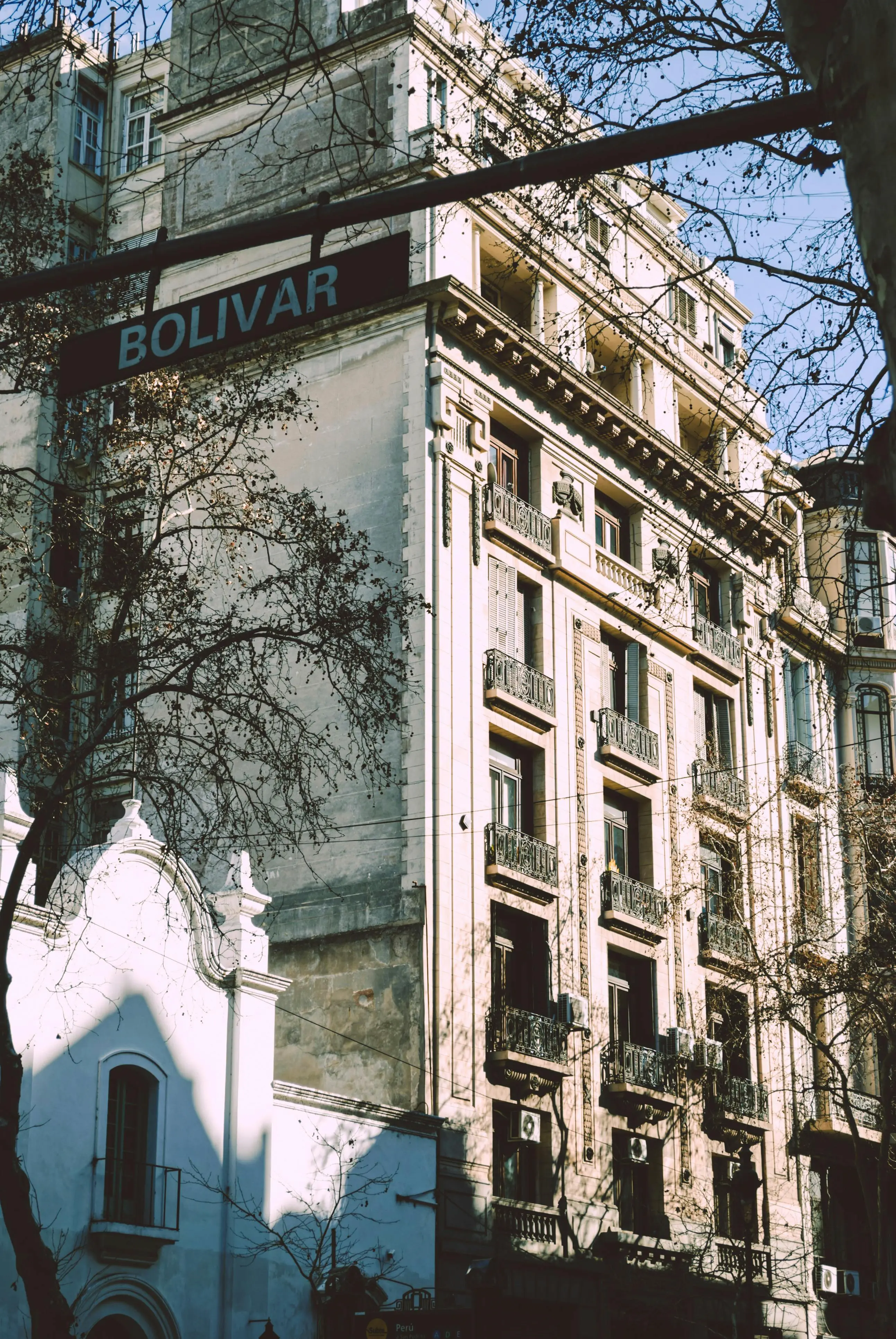
What Staying in a Hotel in Buenos Aires Looks Like
A hotel provides the traditional hospitality experience many tourists expect when visiting Buenos Aires. The biggest advantage is convenience: most hotels offer daily housekeeping, on-site staff, and services that make short trips easier.
Typical hotel features include:
24/7 front desk support and concierge assistance
Daily cleaning, laundry services, and optional breakfast
Shared common areas like lounges, rooftop terraces, or a pool
Security staff and monitored entrances
Many of the best hotels are located within walking distance of major landmarks and dining districts. If you want to stay close to the main sights, neighborhoods like Recoleta and Puerto Madero offer several standout properties.
Local hotel examples worth considering:
Alvear Palace Hotel (Recoleta) – one of the most famous luxury hotel experiences in Argentina, with spa facilities and elegant salons.
Faena Hotel (Puerto Madero) – known for its dramatic design, tango shows, and large outdoor pool overlooking the redeveloped docks.
Home Hotel (Palermo Hollywood) – a stylish boutique hotel with a garden oasis and excellent service near some of the great restaurants in the area.
Hotels are often the easiest option if your trip is short or if you prefer staying near all the action.
What Staying in an Apartment in Buenos Aires Looks Like
Renting an apartment offers a completely different way to experience the city. Instead of hotel corridors and elevators, you’ll likely find yourself living among locals in residential buildings and quieter neighborhoods.
Typical apartment advantages include:
More living space with separate bedrooms and living areas
Fully equipped kitchens for cooking instead of eating out every night
Lower rent when staying several days or longer
Greater privacy and a more residential environment
Apartments are especially common in Palermo Soho, Villa Crespo, and other districts where cafés, bakeries, and small grocery stores shape daily life.
Local apartment-friendly areas to explore:
Villa Crespo – a bit quieter than Palermo, with vintage shops and bakeries like Malvón serving excellent brunch.
Palermo Soho – lively streets filled with street art, cafés, and trendy bars near Plaza Serrano.
San Telmo – historic buildings with balconies overlooking cobblestone streets and antique markets.
Many modern apartment buildings now include fast Wi-Fi and workspaces, making them appealing to digital nomads who want a great place to work during the day and explore the city at night.
Ultimately, the decision between a hotel and an apartment in Buenos Aires often depends on whether you want a serviced stay or a local home base while exploring the town and its many neighborhoods.
Cost Comparison: Hotel vs Apartment in Buenos Aires
For many travelers, price is the deciding factor when choosing between a hotel and an apartment in Buenos Aires. Accommodation costs vary widely across the city, depending on the neighborhood, the level of luxury, and the time of year you visit. Understanding the typical price range can help you plan a realistic budget before your trip to Argentina.
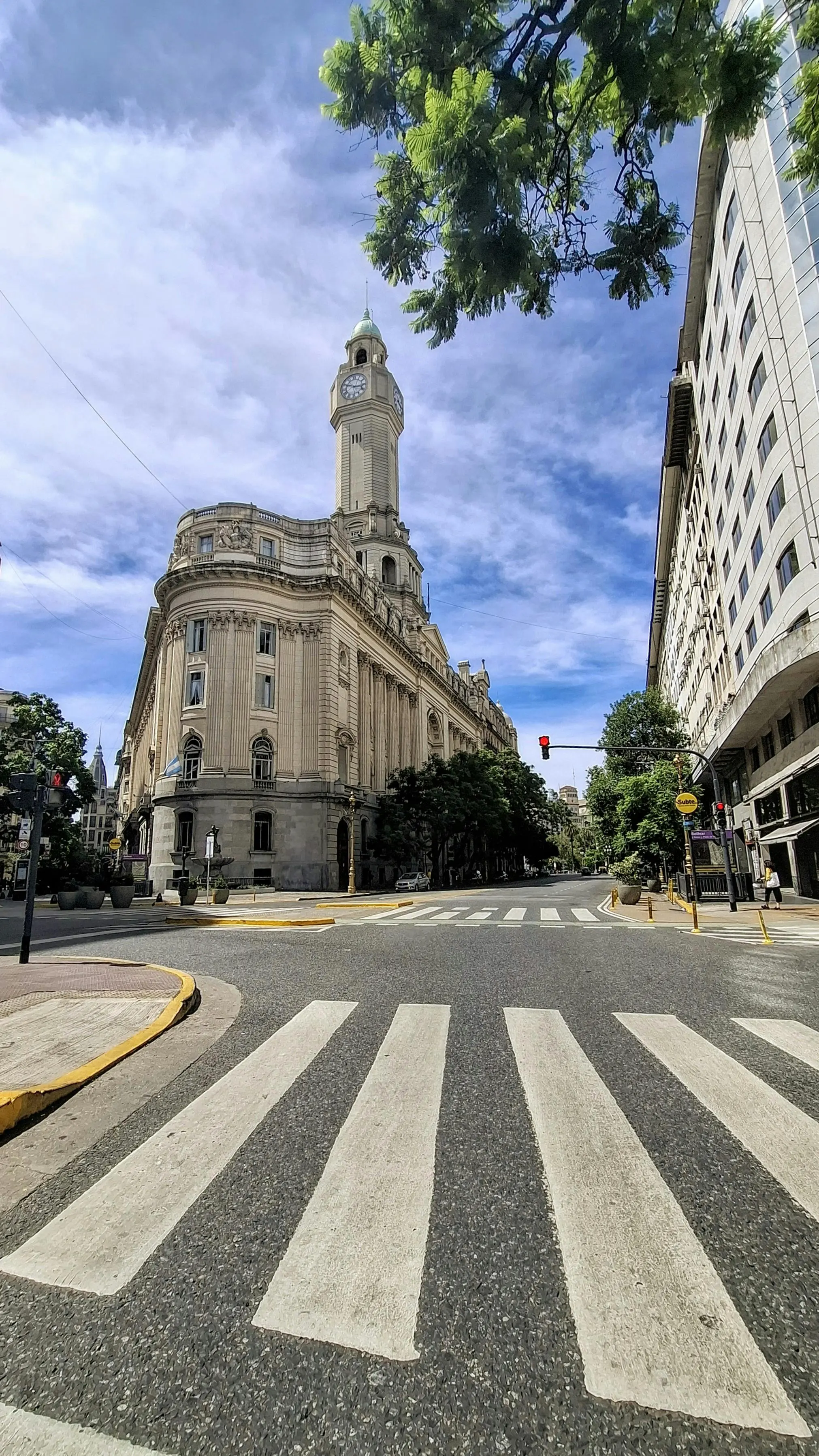
In general, hotels offer convenience and premium amenities, while apartments provide more space and often better value for longer stays.
Typical Hotel Prices in Buenos Aires
Hotels in Buenos Aires range from affordable boutique stays to high-end luxury properties. Prices increase significantly in prime districts such as Recoleta, Puerto Madero, and Palermo.
Average price ranges:
Mid-range hotel: $120–$180 per night
Four-star luxury hotel: $180–$250 per night
Boutique hotel in Palermo: $130–$200 per night
Hotels in areas with a central location often charge higher rates because they place visitors close to the main sights and dining districts.
Local hotel examples worth considering:
Hub Porteño (Recoleta) – a refined boutique hotel near elegant avenues and some of the city’s best cultural landmarks.
Palo Santo Hotel (Palermo) – eco-friendly property with a rooftop garden and small pool, perfect during hot summer days.
Hotel Madero (Puerto Madero) – modern luxury stay with large rooms and easy walking distance to waterfront restaurants.
These hotels typically include services such as housekeeping, concierge assistance, and in some cases breakfast.
Typical Apartment Rental Prices
Renting an apartment in Buenos Aires can significantly reduce accommodation costs, particularly for longer stays. Many travelers find that weekly or monthly rates make apartments a better good value option.
Typical apartment price ranges:
Studio or one-bedroom apartment in Palermo: about $45–$80 per night
Larger two-bedroom apartment in residential areas: $70–$120 per night
Luxury apartment in Recoleta or Puerto Madero: $120–$200 per night
Apartments often include features that help travelers save money, such as:
Fully equipped kitchens
Laundry machines
Larger living areas for families or groups
For example, staying in Villa Crespo allows visitors to enjoy a more residential environment while still being a short walk or taxi ride from Palermo’s nightlife.
Local apartment-friendly areas worth considering:
Villa Crespo – lively cafés, wine bars, and bakeries popular with locals
Palermo Soho – near great restaurants, craft cocktail spots, and design shops
San Telmo – historic buildings close to San Telmo Market and antique fairs
Quick Price Comparison
Accommodation Type | Realistic Average Price | Notes |
|---|---|---|
Budget apartment | $70–$110/night | small studio |
Mid-range apartment | $100–$160/night | 1-bedroom |
Luxury apartment | $180–$300/night | Palermo / Puerto Madero |
Boutique hotel | $140–$220/night | Palermo / Recoleta |
Luxury hotel | $250–$450/night | 5-star |
While hotels offer comfort and service, apartments tend to deliver better value for longer visits. Many travelers find that renting an apartment lets them stretch their budget while enjoying daily life in one of the city’s vibrant neighborhoods.
Best Neighborhoods in Buenos Aires: From Palermo Soho to Other Neighborhoods Beyond
Where you stay in Buenos Aires matters almost as much as what you do. The city is defined by its neighborhoods, each with its own atmosphere, architecture, and nightlife. Some areas attract tourists with historic landmarks and famous markets, while others have a quieter residential feel where you’ll see more locals going about their daily routines.
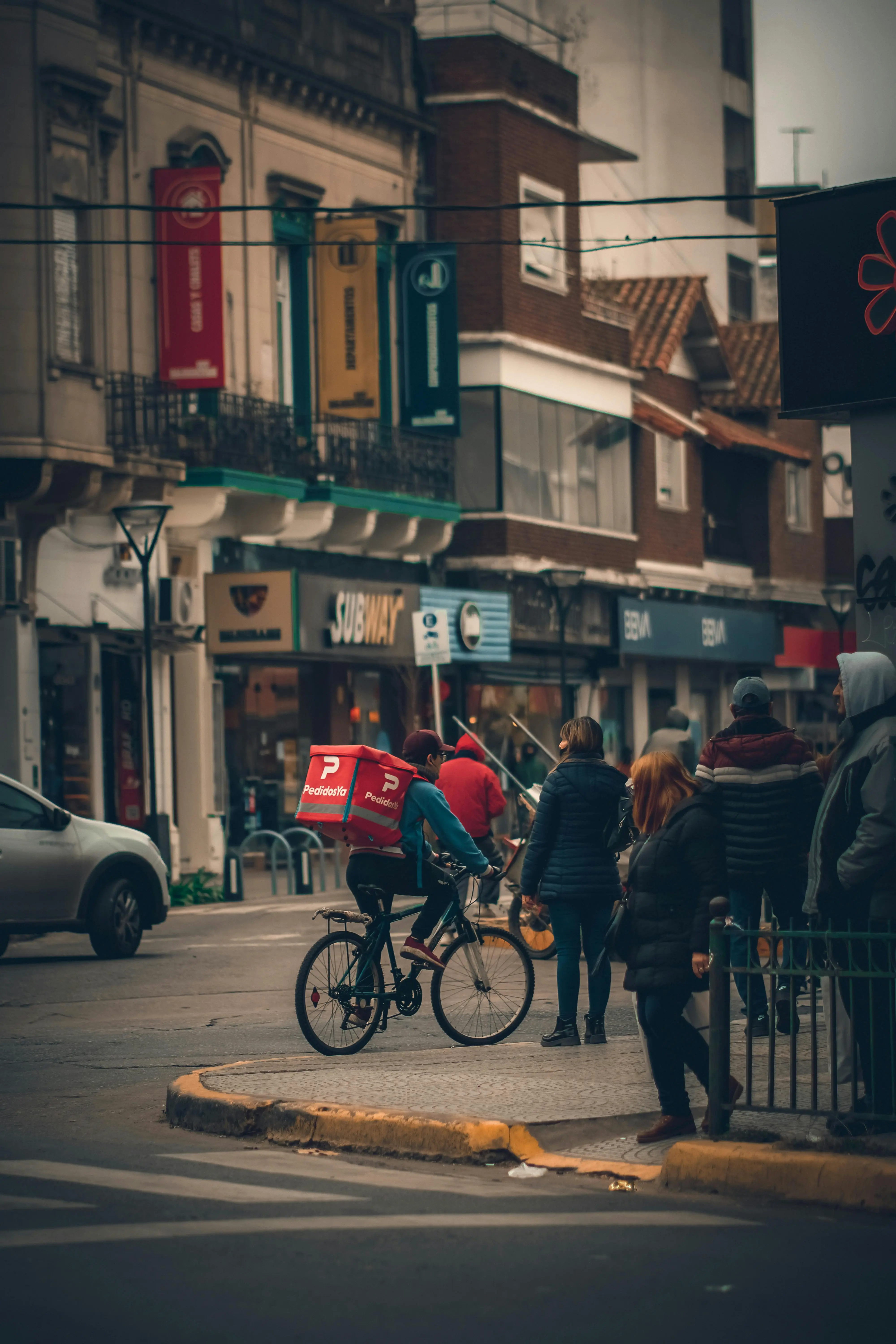
For travelers visiting Buenos Aires, choosing the best area usually means balancing location, safety, restaurants, and nightlife. The districts below are among the best neighborhoods for both hotels and apartment rentals.
Palermo Hollywood: Restaurants, Trendy Bars, and Creative Energy
Palermo Soho is widely considered the best area to stay in Buenos Aires. It combines leafy parks, creative culture, and an incredible dining scene, making it a favorite neighborhood for travelers and digital nomads.
Highlights of the area include:
Plaza Serrano, the social heart of the district and a hotspot for people watching
Colorful murals and street art along Calle Gorriti and Calle Honduras
Boutique shops, cocktail lounges, and trendy bars
Some of the great restaurants in the city, including Don Julio and Niño Gordo
Many apartments here sit on quiet streets but remain in close proximity to cafés, bakeries, and nightlife.
Local spots worth visiting:
Don Julio – world-famous parrilla for Argentine steak
Cuervo Café – excellent coffee stop during a morning walk
Parque Las Heras – one of the best green spaces in Palermo for a break from the city
Palermo Soho stays lively well into the night, so it’s perfect if you want to be near all the action.
Browse Buenos Aires homes near this area
San Telmo: History, Markets, and Tango
San Telmo offers a completely different atmosphere from Palermo. Known for its historic buildings and cobblestone streets, this district is one of the most atmospheric parts of Buenos Aires.
Key attractions include:
San Telmo Market, packed with antique stalls, bakeries, and casual eateries
Plaza Dorrego, where outdoor tango performances take place on weekends
Vintage shops and art galleries hidden along narrow streets
Easy walking distance to Plaza de Mayo and Avenida de Mayo
Food and culture highlights:
La Brigada – a classic steakhouse loved by both visitors and locals
El Banco Rojo – famous for casual Argentine street food and huge empanadas
Sunday antique market stretching through Defensa Street
San Telmo has plenty of apartments inside historic buildings, many with balconies overlooking the lively streets below. The neighborhood has a bohemian vibe and stays busy late into the night, especially around the plaza.
Browse Buenos Aires homes near this area
Puerto Madero: Modern Luxury by the Waterfront
If you prefer sleek modern buildings and upscale dining, Puerto Madero is one of the most polished districts in the city. This redeveloped waterfront area is known for luxury hotels, wide boulevards, and scenic river views.
Reasons travelers stay here:
Some of the best hotels in Buenos Aires
Waterfront restaurants and cocktail lounges
Excellent security and modern infrastructure
A short distance from the historic center
Local highlights include:
Puente de la Mujer, the iconic pedestrian bridge designed by Santiago Calatrava
Reserva Ecológica Costanera Sur, a large nature reserve with trails and birdlife
Cabaña Las Lilas, one of the best steakhouses in Argentina
Puerto Madero also has several luxury apartment towers with views over the river, often featuring amenities like a pool, gym, and private common areas.
Villa Crespo: A Quieter Residential Neighborhood Near Palermo
Beyond the well-known districts, several other neighborhoods offer great value and a more local atmosphere.
Villa Crespo
Located just west of Palermo, Villa Crespo has a relaxed residential feel and a strong food scene. It’s popular with young professionals and remote workers.
Local recommendations:
La Crespo – deli famous for Jewish pastries and sandwiches
Frank’s Bar – hidden speakeasy cocktail bar
Mercat Villa Crespo – modern food hall with multiple restaurant stalls
Recoleta
Often described as the “Paris of South America,” Recoleta is the most elegant town-like district in Buenos Aires. It’s known for grand boulevards, museums, and refined luxury hotels.
Must-see spots:
Recoleta Cemetery, one of the most famous landmarks in Argentina
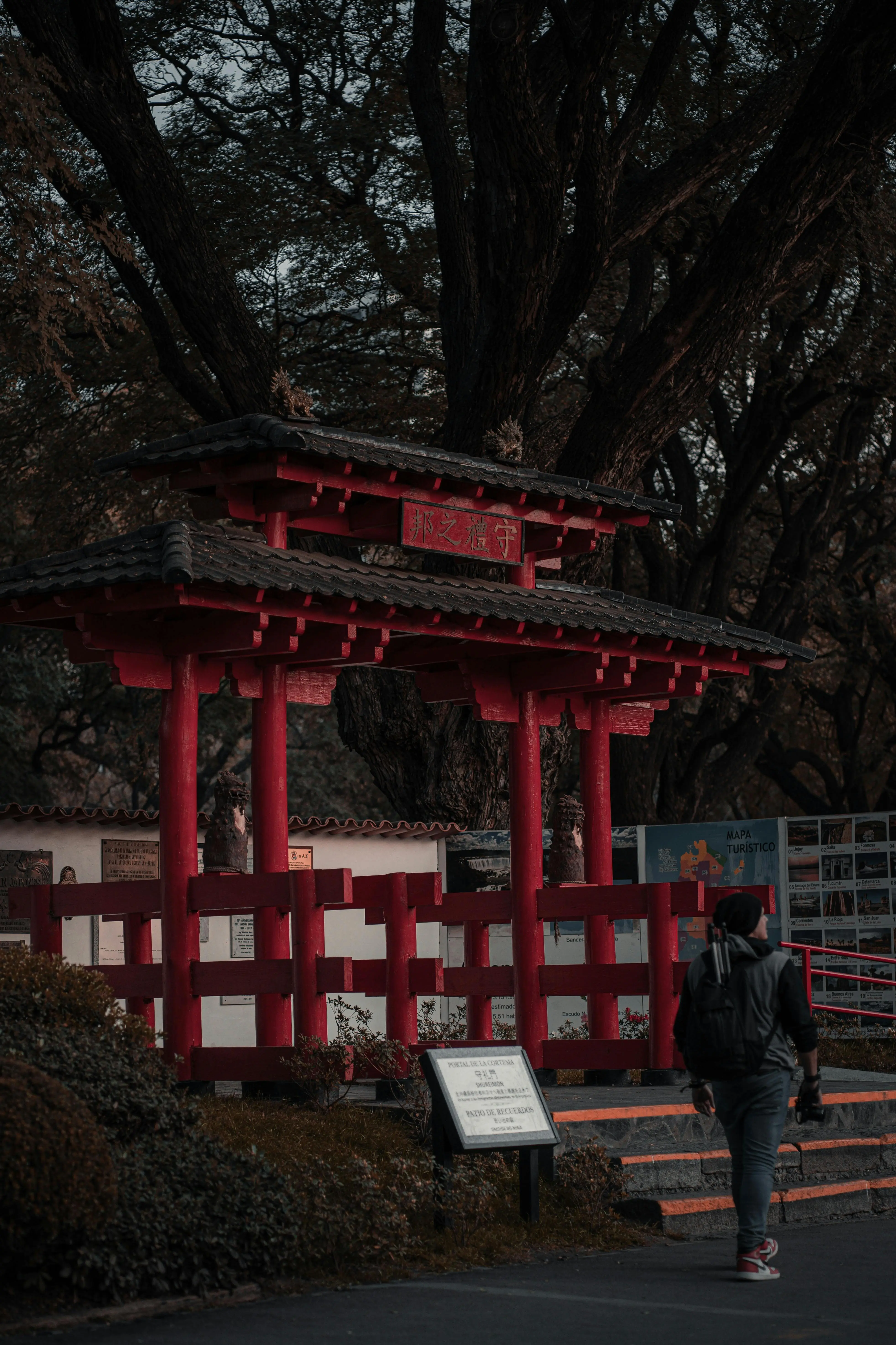
Japanese Gardens, one of the most peaceful oasis-like parks in the city
These neighborhoods all offer different experiences, but each places visitors close to the culture, food, and energy that make Buenos Aires one of the most fascinating cities in the world. Explore San Telmo in our neighborhood guide.
Browse Buenos Aires homes near this area
Getting Around Buenos Aires: Choosing a Stay Near the Main Sights
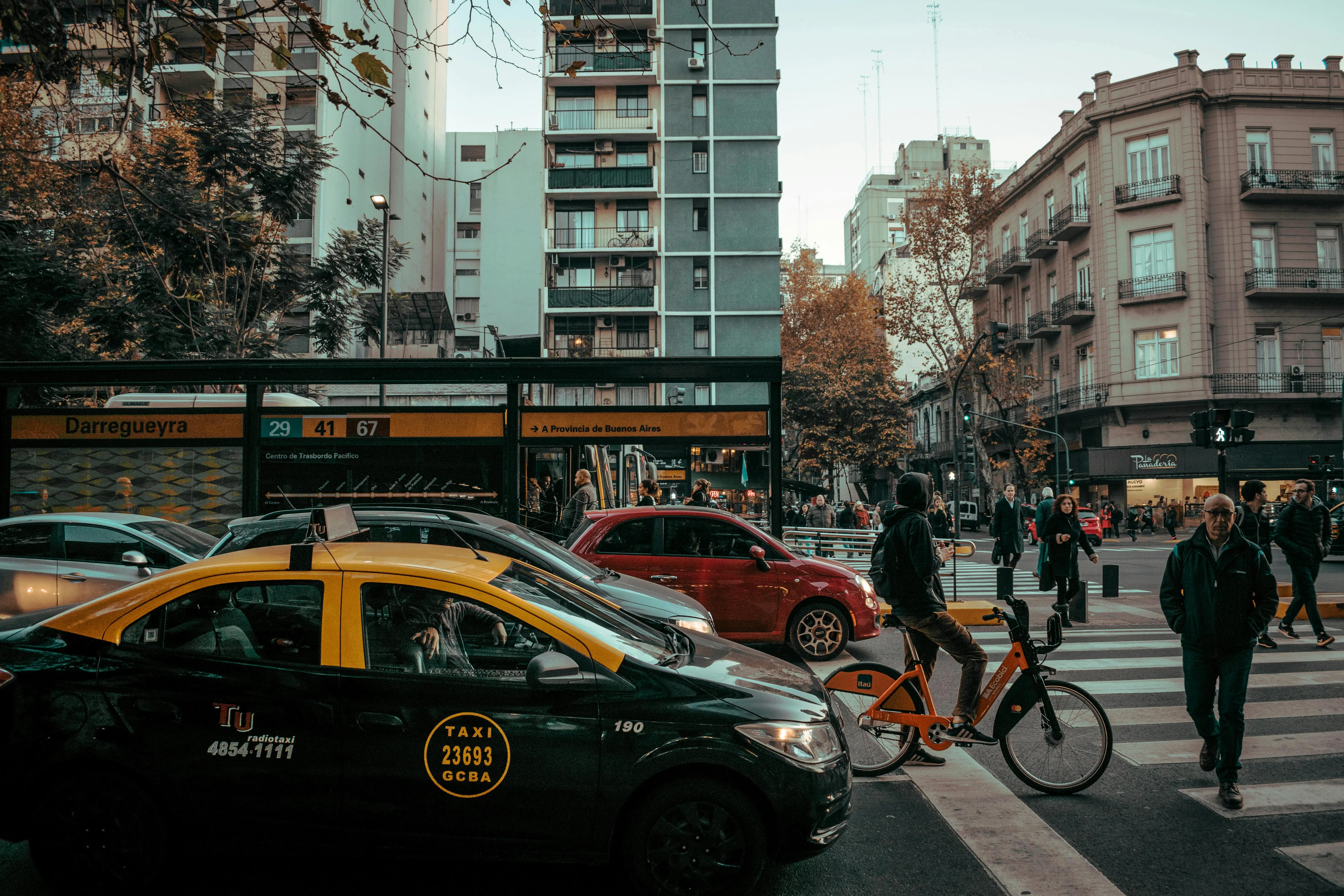
One of the biggest advantages of visiting Buenos Aires is how walkable many districts are once you choose the right neighborhood. The city is large, but many of the main sights are clustered within relatively small areas, making it easy to explore multiple districts during a single trip.
Many tourists prefer to stay close to historic landmarks in the center of Buenos Aires, especially during their first visit to Argentina. Areas near Plaza de Mayo place you in a central location surrounded by architecture, museums, and major avenues.
Key places within easy reach of the historic center include:
Casa Rosada, the presidential palace overlooking Plaza de Mayo
Avenida de Mayo, known for its grand European architecture
Café Tortoni, one of the oldest cafés in the city
The historic Congress building at the western end of the avenue
From this part of town, travelers can easily reach multiple districts by taxi, subway, or bus.
Exploring Buenos Aires Neighborhood by Neighborhood
Unlike many cities in South America, Buenos Aires is best experienced by exploring its distinct neighborhoods. Each one feels almost like its own small town, with unique architecture, food scenes, and nightlife.
Some areas place you closer to historic culture, while others are known for parks, dining, or nightlife.
Local spots worth adding to your itinerary include:
Parque Tres de Febrero, one of the most beautiful parks in the city, famous for its rose gardens
El Ateneo Grand Splendid, a historic theater converted into one of the most impressive bookstores in the world
Mercado de San Telmo, where food stalls, antiques, and live music fill the historic market hall
Reserva Ecológica Costanera Sur, a natural oasis along the river with walking trails and wildlife
Exploring these areas during the day and returning at night to restaurants, bars, or tango shows is part of what makes Buenos Aires such a memorable destination.
Because the city is so neighborhood-driven, where you stay will determine how easily you can move between districts and experience the best of Argentina’s capital.
Best Hotels in Buenos Aires for Comfort, Style, and Great Locations
Choosing among the best hotels in Buenos Aires depends largely on the type of experience you want during your trip. Some travelers prefer historic properties with European elegance, while others look for modern towers with skyline views and large wellness facilities.
Many hotels in Buenos Aires offer extensive amenities, including spas, rooftop lounges, and large pool areas designed to make long days of exploring more comfortable. For short stays, these properties offer a simple “check-in and relax” experience with reliable service and convenient access to the main cultural districts.
Below are a few favorite hotels frequently recommended by experienced travelers.
A Boutique Hotel Experience in Palermo Soho
If you prefer a smaller property with personality, a boutique hotel can provide a more intimate stay. Many boutique properties in Palermo Soho occupy renovated historic houses and emphasize design, quiet courtyards, and personalized service.
A few standout options include:
Home Hotel Palermo — a stylish property known for its lush garden pool and relaxed atmosphere
Legado Mítico — a literary-themed hotel celebrating famous figures from Argentina
CasaSur Palermo Hotel — a contemporary property offering spacious suites and wellness services
This part of Buenos Aires is also ideal for exploring cafés, bakeries, and cultural spots during the day. Nearby places worth visiting include:
Museo Evita, dedicated to Eva Perón
Parque Tres de Febrero, a massive park complex with lakes and walking paths
El Preferido de Palermo, a classic Argentine restaurant serving traditional dishes
Favorite Hotels in Puerto Madero and Recoleta
Travelers seeking upscale comfort will find some of the most elegant properties in Puerto Madero and Recoleta. These districts are known for polished architecture, waterfront promenades, and high-end accommodations.
Popular choices include:
Alvear Palace Hotel — one of the most famous hotels in Argentina, inspired by French palace design
Faena Hotel Buenos Aires — a dramatic property designed with theatrical interiors and a celebrated tango venue
Hilton Buenos Aires — a large waterfront hotel with an impressive outdoor pool
Staying in these areas also places you near several attractions and cultural sites.
Nearby highlights include:
Reserva Ecológica Costanera Sur, a peaceful nature reserve along the river
Museo Nacional de Bellas Artes, home to an extensive art collection
Floralis Genérica, a giant metal flower sculpture in Recoleta
Many of these hotels combine attentive service with high-end amenities, making them ideal for travelers who want a seamless and comfortable stay while exploring Argentina’s capital.
For shorter trips, hotels like these provide a straightforward base with professional hospitality and reliable facilities. However, travelers planning longer stays often start comparing them with apartment options, especially when space and flexibility become priorities.
How to Find an Apartment in Buenos Aires for Longer Stays
Travelers planning a longer trip often decide to rent an apartment instead of staying in a hotel. Apartments in Buenos Aires typically provide larger living areas, full kitchens, and flexible booking options, which can make extended stays more comfortable.
The apartment market in Buenos Aires has expanded significantly in recent years, especially in districts popular with international travelers and remote workers. Many buildings now include modern amenities such as security, shared pool areas, and well-designed common areas. Some newer apartments also feature high-speed internet and dedicated workspaces, which are important for digital nomads working remotely while exploring Argentina.
Popular districts for apartment rentals include Palermo Soho, Palermo Hollywood, Villa Crespo, and San Telmo. These areas place travelers in close proximity to cafés, bakeries, bookstores, and cultural venues, creating a comfortable base for experiencing everyday life in Buenos Aires.
When searching for an apartment, it helps to look for:
Fully furnished units with reliable WiFi
Flexible monthly pricing that fits your budget
Kitchens and laundry machines for longer stays
Secure buildings with staffed entrances
Quiet streets that still provide access to cultural districts
Several platforms specialize in furnished rentals designed for remote workers and long-term travelers. RentRemote, for example, curates apartments specifically for people working while traveling, often including ergonomic workstations and stable internet connections.
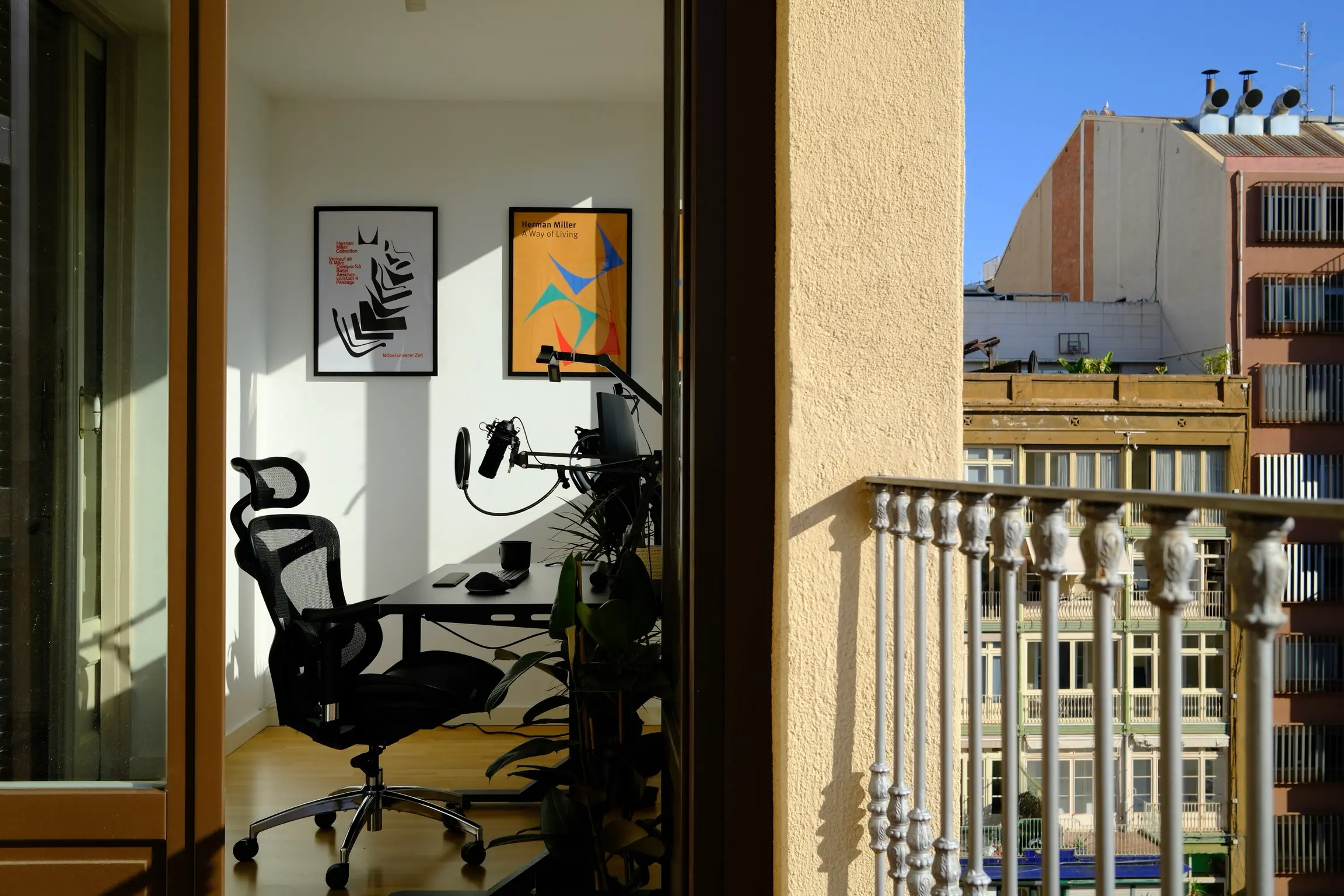
Browse fully furnished apartments in Buenos Aires designed for remote workers and longer stays.
Choosing the right apartment can make settling into Buenos Aires much easier, especially if you plan to spend several weeks discovering different districts across the town and surrounding areas of Argentina.
Planning Your Stay in Buenos Aires: Final Thoughts on Hotels vs Apartments
Planning accommodation in Buenos Aires often comes down to the style of travel you prefer. Some travelers enjoy the structured comfort of a hotel, while others prefer the flexibility of an apartment that allows them to settle into daily life during their trip to Argentina.
Hotels offer simplicity for shorter visits, especially if you want a straightforward base between sightseeing and evening outings. Many properties provide a range of amenities, including spa facilities, lounge areas, and swimming pool areas that make it easy to relax after a full day of exploring.
Apartments, on the other hand, give travelers more space and independence. Having a kitchen, laundry access, and a larger living area can make a noticeable difference for anyone staying longer than a few nights. This setup also allows visitors to explore local bakeries, neighborhood cafés, and markets at their own pace.
Another factor is the atmosphere of each neighborhood. Some districts are lively late into the night, while others offer a calmer environment that many travelers appreciate when they want time to rest between excursions.
Whether you choose a hotel or an apartment, the most important part is finding a place that fits the rhythm of your travel plans. With thoughtful planning, Buenos Aires can quickly become one of the most memorable stops on any journey through Argentina.
Explore fully furnished apartments in Argentina designed for longer stays and remote-friendly travel.