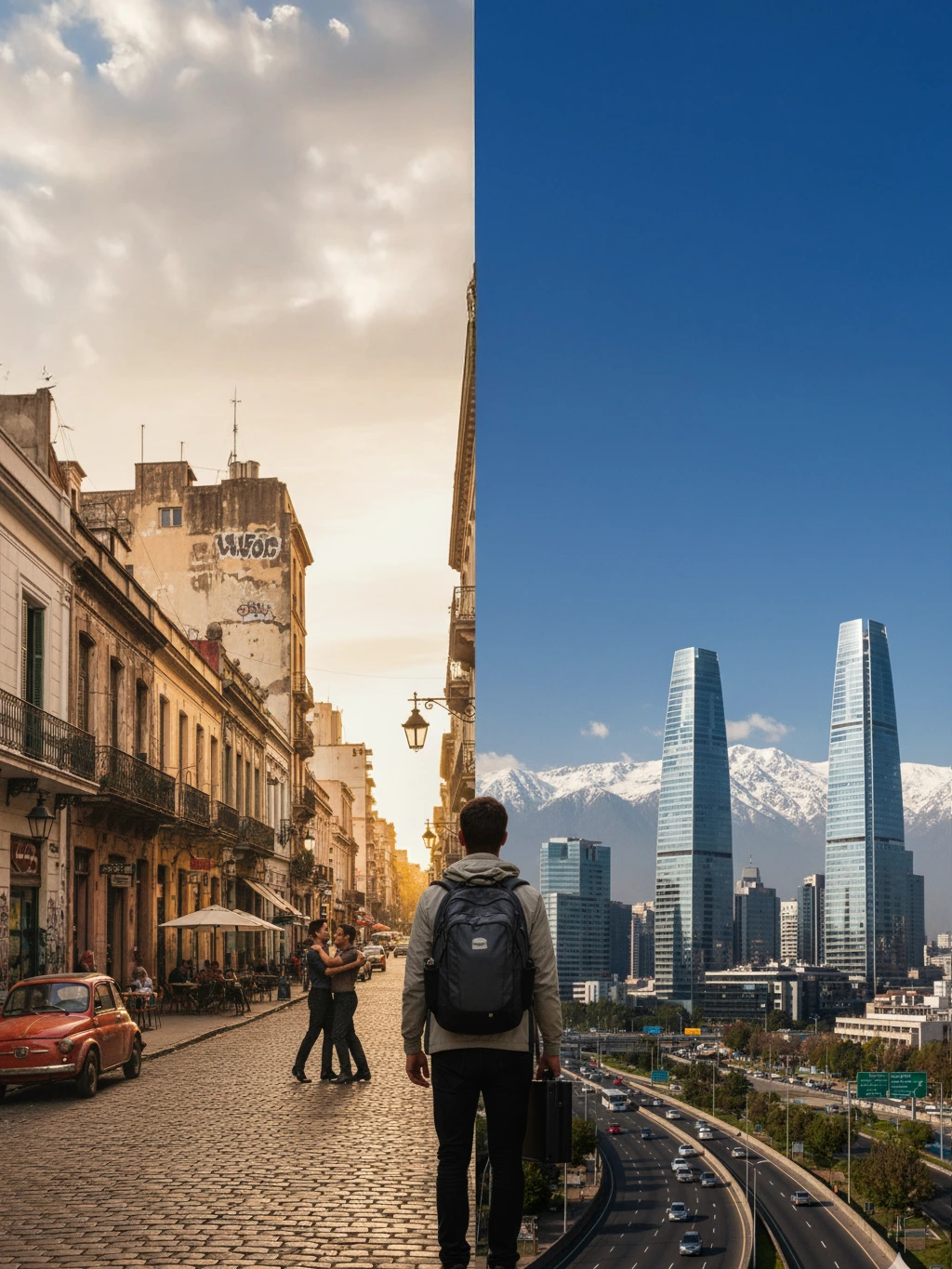
Buenos Aires or Santiago — Which Latin American Capital City Should You Choose?
If you’re weighing Buenos Aires or Santiago, you’re already looking in the right part of Latin America. These two South American capitals share a continent but couldn’t feel more different. One dances to the rhythm of tango and late-night cafés; the other hums with mountain air and clean-lined modernity. Both promise culture, connection, and a pace of life that rewards curiosity.
Each capital city offers its own version of energy, community, and creative freedom. Before you decide where to unpack your laptop or plan your next trip, here’s what makes them distinct.
What to expect in this guide:
-
A side-by-side look at two iconic cities shaped by history and ambition
-
Insights on neighborhoods, food, nightlife, and day-to-day living
-
Practical tips to help you choose your next base in South America

Visiting Buenos Aires: Argentina’s Heart of Art, Tango, and Nightlife
Buenos Aires is the kind of city that pulls you in slowly, then refuses to let go. To visit Buenos Aires is to step into a rhythm where art, coffee, and conversation blend into daily life. This capital city feels European at first glance—thanks to its boulevards and Belle Époque architecture—but it’s pure South American at heart. The vibrant atmosphere lives in its people: warm, expressive, and proud of their culture.
Here, you don’t just sightsee—you participate. You’ll wander through Palermo Soho’s design shops, sip Malbec in San Telmo’s cobbled streets, and lose track of time listening to street musicians in Recoleta. Whether you’re chasing inspiration, music, or just a good steak, Buenos Aires always answers with energy and elegance.
Neighborhoods to Explore — From Palermo Soho to Recoleta
Every barrio has a distinct character. You could spend a week exploring and still feel like you’ve only scratched the surface.
Must-see areas:
-
Palermo Soho: Boutique stores, leafy plazas, and weekend street markets make it perfect for slow mornings.
-
San Telmo: A cultural stronghold with tango halls, antique shops, and Sunday fairs where locals gather.
-
Recoleta: Refined, residential, and home to El Ateneo, one of the world’s most beautiful bookstores.
-
Puerto Madero: Sleek riverfront promenades lined with upscale restaurants and sunset views.
Each district tells a story—from creative revival to historical preservation—making Buenos Aires one of the most walkable cities in South America.

Art, History, and Tango Everywhere
Few cities in the world live and breathe art the way Buenos Aires does. The legacy of Spanish conquistadors sits beside avant-garde galleries and political murals.
Cultural landmarks worth visiting:
-
Teatro Colon: Renowned for acoustics and architecture; book a guided tour or catch an evening performance.
-
Museo Nacional de Bellas Artes: Argentina’s national art museum, housing European and local masters.
-
La Boca: Color-splashed streets where tango performances spill into the open air.
-
El Ateneo Grand Splendid: A former theatre turned bookstore—an icon of creative reuse.
These sites reflect a culture shaped by European influences yet deeply proud of its local roots.
Eat, Drink, and Indulge Like a Porteño
In Buenos Aires, food isn’t just about taste—it’s about identity. Every meal carries a bit of family history and plenty of social life.
Where to start:
-
Steakhouses (Parrillas): Try Don Julio or La Cabrera for perfect cuts and world-class Malbec.
-
Local Cafés: Café Tortoni for timeless charm; LAB Cafe in Palermo for modern coffee culture.
-
Neighborhood Markets: San Telmo Market for empanadas, olives, and that first taste of dulce de leche.
-
Fine Dining: Mishiguene or Aramburu for novel cuisine rooted in Argentine tradition.
Even on a tight budget, you’ll find great food and a plethora of flavors—from Italian pastas to Patagonian lamb.

Why Buenos Aires Captures So Many Lives
For many travelers and nomads, Buenos Aires feels like a second home. It offers easy access to the rest of South America, a thriving creative scene, and an endless supply of parks, bars, and late-night clubs that keep the night alive.
The locals—known as porteños—are social by nature, quick to share a story, a tango, or a glass of wine. In this modern yet nostalgic city, you don’t just observe life—you join it.
Exploring Santiago Chile — Modern City, Mountain Views, and Wine Country
At the foot of the Andes Mountains, Santiago Chile balances energy and order like few cities in South America. The Chilean capital feels both cosmopolitan and grounded—a modern city that wakes to espresso bars and ends the day under snow-tipped peaks. It’s a place where conversations about politics mix easily with plans for weekend hikes or wine tasting trips.
Visitors come for the scenery, stay for the rhythm. From rooftop terraces to leafy parks, Santiago’s clean design and mountain backdrop invite you to slow down without ever feeling bored. Whether you’re exploring the cultural core, tasting local vintages, or watching the sun set over the Chilean Coastal Range, there’s plenty here to make you fall in love with Santiago.
Neighborhoods and Green Spaces in the Chilean Capital
Each district in Santiago Chile reveals a different layer of daily life—from business districts to bohemian enclaves.
Where to explore:
-
Las Condes: The polished heart of Santiago’s business and shopping scene, full of rooftop bars and boutique hotels.
-
Parque Bicentenario: Ideal for joggers, picnickers, and sunset watchers; its lagoons and sculptures make it one of the city’s most photogenic parks.
-
Bellavista: A colorful quarter near the Andes Mountains, known for murals, jazz clubs, and nightlife that runs past midnight.
-
Lastarria: Artsy streets, galleries, and small restaurants serving Chile’s take on modern comfort food.
Together these districts show how Chile's capital blends sophistication with spontaneity.

Wine Country Within Reach: Casablanca Valley and Beyond
You don’t have to leave town long to understand why Chile dominates the world of wine. Within an hour, you’re among vines stretching toward the coast.
Top experiences:
-
Casablanca Valley: Cool-climate vineyards specializing in Chardonnay and Sauvignon Blanc; perfect for a half-day wine tasting. Visit Winery Casas del Bosque when in the area.
-
Maipo Valley: Just south of Santiago, home to legendary reds like Cabernet Sauvignon. Maipo Wine Tours offers guided tours of the entire region.
-
Local Tip: Many wineries offer tastings paired with cheese or chocolate—book ahead for small-group tours.
-
Sustainable Estates: Look for organic producers experimenting with eco-friendly harvesting.
Add a coastal detour after your tasting—Valparaíso’s street art and marine life-filled harbors are only two hours away.

Outdoor Adventures — Where Modern Life Meets the Mountains
Santiago’s greatest luxury is how quickly city life turns into wilderness. Crisp air, breathtaking views, and trails start right from the metro line.
Best spots for outdoor escapes:
-
Cerro San Cristóbal: Take the funicular or hike for panoramic views of the modern city framed by the Andes Mountains.
-
El Colorado** & Farellones:** Ski resorts an hour away; ideal for weekend getaways.
-
Cajón del Maipo: A canyon southeast of Santiago Chile with turquoise rivers and stunning landscapes perfect for photography.
-
Coastal Trips: Drive west toward the Chilean Coastal Range for cool breezes and small surf towns.
These spots make Santiago one of the most outdoor-friendly cities in South America.
People, Culture, and Everyday Life
For all its order and efficiency, Santiago still knows how to celebrate. Locals value equality, progressive ideas, and community—Chile legalized same sex marriage in 2022, adding to the city’s inclusive reputation.
Cultural highlights:
-
Museo de la Memoria y los Derechos Humanos: A moving look at the country’s history and democratic journey.
-
Barrio Italia: Design studios and antique stores tucked among cafés—great for meeting new friends or fellow travelers.
-
Mercado Central: The city’s seafood mecca; try a bowl of paila marina and watch vendors banter across the aisles.
-
Events & Nightlife: From open-air film festivals to jazz clubs, Santiago’s creative pulse runs late into the night. Club Amanda is a preferred favorite amongst regular club goers.
It’s easy to see why many travelers—and digital nomads—end up extending their stays or moving here entirely.

Buenos Aires vs Santiago: Comparing Two Cities in South America
If you’re deciding between Buenos Aires or Santiago, you’re really comparing two very different versions of South America’s urban life. Both are capital cities defined by culture, architecture, and ambition—but how they express that energy couldn’t be more distinct.
Buenos Aires thrives on conversation, chaos, and creativity. Santiago, meanwhile, channels its focus through mountain air, design, and a love for balance. These two cities represent the continent’s dual spirit: one artistic, one analytical—each equally magnetic.
Head-to-Head Comparison
Here’s a quick look at what separates and connects the two cities—from food to weather, from wine to work culture.
| Category | Buenos Aires, Argentina | Santiago, Chile |
|---|---|---|
| Overall Vibe | Passionate, bohemian, loud | Clean, modern, outdoorsy |
| Cost of Living | Lower; ideal for a planned budget | Higher; geared toward professionals |
| Climate | Humid subtropical | Dry Mediterranean |
| Culture & Lifestyle | Art, tango, and late night cafés | Hiking, wine tasting, and city parks |
| Food & Drink | Steakhouses, gourmet cuisine, and Malbec | Seafood, local produce, and Chardonnay |
| Architecture | French and Italian influences, Art Deco | Glass towers and green design |
| Community | Social, expressive locals | Organized, reserved but welcoming |
| Access | Ministro Pistarini International Airport | Arturo Merino Benítez International Airport |
| Outdoor Life | Urban energy | Breathtaking views and nearby Andes Mountains |
| Progressiveness | Inclusive, legalized same sex marriage early | Equally progressive, diverse communities |
Pros of Buenos Aires
If you crave passion, art, and spontaneity, Buenos Aires Argentina has your name on it.
What makes it stand out:
-
Culture: Deep history and artistic energy; tango still fills neighborhood plazas.
-
Affordability: You can live well on a modest budget without missing out on nightlife or great cuisine.
-
Architecture: A blend of European design and local character that feels timeless.
-
Energy: The city never seems to sleep—music, people, and stories flow through every corner.
-
Community: Porteños love conversation; it’s easy to make friends and feel part of daily life.
Pros of Santiago
For travelers who prefer structure, sustainability, and scenery, Santiago Chile offers a refined take on modern South America.
Reasons to choose Santiago:
-
Stunning Landscapes: The Andes Mountains are never far from view.
-
Quality of Life: Clean, efficient public transport and safe, walkable districts.
-
Culture: A balance of nature, design, and civic pride.
-
Outdoor Freedom: Quick escapes to beaches, vineyards, and hiking trails.
-
Innovation: Chile leads the region in digital growth, education, and equality.
Which Capital City Wins?
There’s no single answer. It depends on what kind of life you’re after.
-
Choose Buenos Aires if you want passion, community, and creative fire.
-
Choose Santiago if you want order, mountains, and momentum.
-
Choose both if your idea of adventure means seeing how two cities can redefine what living in South America feels like.
Either way, both countries give you a fair share of culture, connection, and reasons to see the world a little differently.
Curious about moving to Buenos Aires without the hassle of finding long term rentals as a digital nomad? Explore RentRemote's fully furnished apartments in Buenos Aires — curated with high speed WiFi, ergonomic workstations, and access to the heart of downtown Buenos Aires.

Immersing in Culture and History Across Latin America
Both Buenos Aires Argentina and Santiago Chile reward those who go beyond sightseeing. The real charm begins when you slow down, observe, and immerse yourself in the habits and stories that shape daily routines. These two countries show how Latin America blends artistic tradition, social warmth, and a sense of shared history.
Travelers often find that this region doesn’t just display heritage—it invites you to participate. Street performances, festivals, and preserved historical sites reveal how the old and new coexist gracefully.
Tracing the Past — From Spanish Conquistadors to City Icons
Both cities hold reminders of early explorers and revolutions that redefined the world.
What to explore:
-
Buenos Aires: The pink façade of Casa Rosada, and Teatro Colon, one of the most celebrated theatres in the world, tell stories of civic pride and resilience.
-
Santiago Chile: The Museo Histórico Nacional in Plaza de Armas traces the journey from the conquistadors to modern governance.
-
Recoleta Cemetery: A striking outdoor museum of mausoleums and sculptures—each a chapter in Argentina’s national history.
-
UNESCO World Heritage Site: Nearby Valparaíso, a coastal gem, offers painted hillsides and winding alleys recognized for cultural significance.
Each landmark offers its own form of cultural immersion, connecting travelers to centuries of identity-making.
Art, Architecture, and Influence from Europe to the Andes
Across Latin America, artistic expression often mirrors its colonial and continental ties. European migration shaped more than facades—it influenced how people live, design, and think.
Where to see it:
-
Buenos Aires: The wide boulevards echo Paris, yet the personality remains unmistakably Argentine. The blend of European influences gives the city a timeless elegance.
-
Santiago: Sleek museums and minimalist galleries pair mountain views with modern thought.
-
El Ateneo: Once a grand theatre, now a literary sanctuary that captures the creative soul of the country.
-
Architecture Tours: Guided walks around Palermo, Recoleta, and Bellavista reveal how artisans reimagined European styles for new climates.
This artistic cross-pollination is what makes both countries feel both familiar and thrillingly foreign.
Beyond the Capitals — Landmarks That Redefine Exploration
Outside the main cities, national treasures continue to tell stories of endurance and pride.
Not-to-miss experiences:
-
Perito Moreno Glacier (Argentina): A breathtaking natural wonder—symbol of the nation’s environmental legacy.
-
Casablanca Valley (Chile): A contrast of vineyards and wine tasting routes amid rolling hills.
-
Colonia del Sacramento** (Uruguay):** A short ferry from Buenos Aires, this UNESCO World Heritage Site feels frozen in time with cobblestone streets and river views.
-
Art and Design Trails: Museums in Paris and Europe may inspire, but few places fuse beauty and resilience like these Latin American landscapes.
Here, every person finds a different connection—some through art, others through memory, and some through the thrill of walking where history still breathes.
Experience Latin America Like A Local
To truly immerse yourself here is to listen more than you plan, to engage more than you photograph.
Ways to connect meaningfully:
-
Attend a tango performance in a local theatre or a poetry reading in Bellavista.
-
Visit markets where food becomes conversation—vendors remember your face, not your order.
-
Join free walking tours led by residents passionate about their neighborhoods’ evolving identities.
-
Spend evenings in plazas where friends meet after work, musicians improvise, and the energy feels as real as the architecture around you.
That’s the essence of cultural immersion in Latin America—it’s participatory, emotional, and always alive.
Living and Working in a Modern Capital
Choosing a long-term base in Buenos Aires Argentina or Santiago Chile means joining a generation that prizes flexibility, creativity, and connection. Both places attract professionals who want reliable Wi-Fi, good coffee, and a sense of community. Each country has adapted quickly—coworkings, serviced apartments, and creative hubs now line their busiest streets.
Remote workers find it easy to immerse themselves in local life without losing productivity. Whether you prefer historic cafés or sleek rooftop lounges, both capitals make the transition between work and leisure seamless.
Spaces That Keep You Productive
Buenos Aires:
-
Palermo Soho: Bright coworkings hidden behind murals; ideal for design teams and start-ups.
-
San Telmo: Restored townhouses where freelancers share espresso and ideas.
-
Recoleta: Quiet corners near leafy parks—perfect for writers or consultants.

Santiago Chile:
-
Las Condes: Modern towers with skyline views, reliable Wi-Fi, and built-in coffee bars.
-
Providencia: Mid-range coworkings surrounded by bakeries and metro stops.
-
Parque Bicentenario: Nearby cafés double as outdoor meeting spots when you need fresh air.

Work-Life Balance, Latin-Style
Locals know that success isn’t measured only in hours logged. Breaks, meals, and conversation matter just as much.
Daily rhythm to expect:
-
Mornings start slow—café con leche or cortado before the first meeting.
-
Long lunches stretch into early afternoon; business often happens over steak or seafood.
-
After dark, bars and clubs fill with coworkers unwinding to live music or quiet cocktails.
-
Weekend escapes: park picnics in Palermo or bike rides around Parque Bicentenario.
In both capitals, it’s easy to see why nomads who once visited Santiago or spent a few weeks in Buenos Aires often end up staying months.
Community and Connection
Networking feels natural here. Locals value conversation and newcomers are welcomed quickly.
How to build your circle:
-
Join coworking events in Las Condes or Palermo; expat and start-up meetups happen weekly.
-
Take language classes—learning Spanish accelerates friendships faster than any app.
-
Explore open-air concerts and art fairs; they’re magnets for creatives.
-
Make local friends through football matches, hiking groups, or simple plaza chats.
It’s no surprise that so many visitors fall in love Santiago or keep returning to Buenos Aires Argentina—both make remote working feel like living, not just passing through.
Why These Capitals Work for Nomads
What stands out most:
-
Reliable infrastructure and easy access to regional airports.
-
Affordable yet stylish rental options.
-
Lively food and social scenes that encourage real connection.
-
Abundant parks, public art, and safe neighborhoods for evening walks.
For remote professionals seeking balance, these capitals prove that productivity and pleasure can share the same address.
Need a longer stay? Explore fully furnished apartments in Argentina — they include ergonomic setups, high-speed internet, and spacious rooms that double as creative studios.
Two Cities, One Unforgettable Journey
After exploring Buenos Aires Argentina and Santiago Chile, most travelers agree: comparing Buenos Aires or Santiago is less about choosing and more about discovering what kind of traveler you are. These two countries may share borders, but their rhythms, landscapes, and creative pulses feel worlds apart within Latin America.
Each person who visits finds a different connection. Some fall for the dramatic opera halls of Teatro Colon, others for a morning hike above Santiago’s skyline or a ferry ride from Buenos Aires to Uruguay. Both cities make it easy to immerse yourself in local stories—street art, maté rituals, neighborhood chatter—and still end your day somewhere calm, with a glass of wine and a sense that you’ve lived more than you planned.
Why Both Cities Deserve a Spot on Your Map
Buenos Aires offers emotional depth and cultural immersion—its historical sites, tango halls, and cafés echoing Paris lend it unmatched charm.
Santiago, on the other hand, wins hearts for its mountain calm, design-driven energy, and easy access to outdoor escapes.
Quick inspiration for your next journey:
-
In Buenos Aires: tour Teatro Colón, stroll through Recoleta’s quiet lanes, and end your night at Puerto Madero watching city lights dance on the river.
-
In Santiago: revisit what you’ve visited Santiago for—clear air, creative locals, and communities that make you love Santiago a little more each day.
Both are gateways into how Latin America reinvents itself—balancing progress with passion, tradition with innovation.
Keep Exploring Beyond the Obvious
If you’re still deciding which vibe suits you best, don’t stop here. Each neighborhood tells its own story—from bohemian blocks to leafy business hubs and creative art zones.
Discover more through our neighborhood guides — they’ll help you see how these capitals’ character shifts from sunrise markets to midnight music. Start with Retiro and Nuñez in Buenos Aires.
Wherever you land, between Buenos Aires Argentina and Santiago Chile, you’ll find that adventure isn’t about distance—it’s about connection, expression, and the quiet satisfaction of calling somewhere new “home,” even for a while.