The Best Time to Visit Buenos Aires for Weather, Comfort, and Cost
Wondering about the best time to visit Buenos Aires? The truth is, this city is a year-round gem—each season shows a new side of Argentina. But if you’re working remotely or planning to visit Argentina for a while, timing makes a difference.
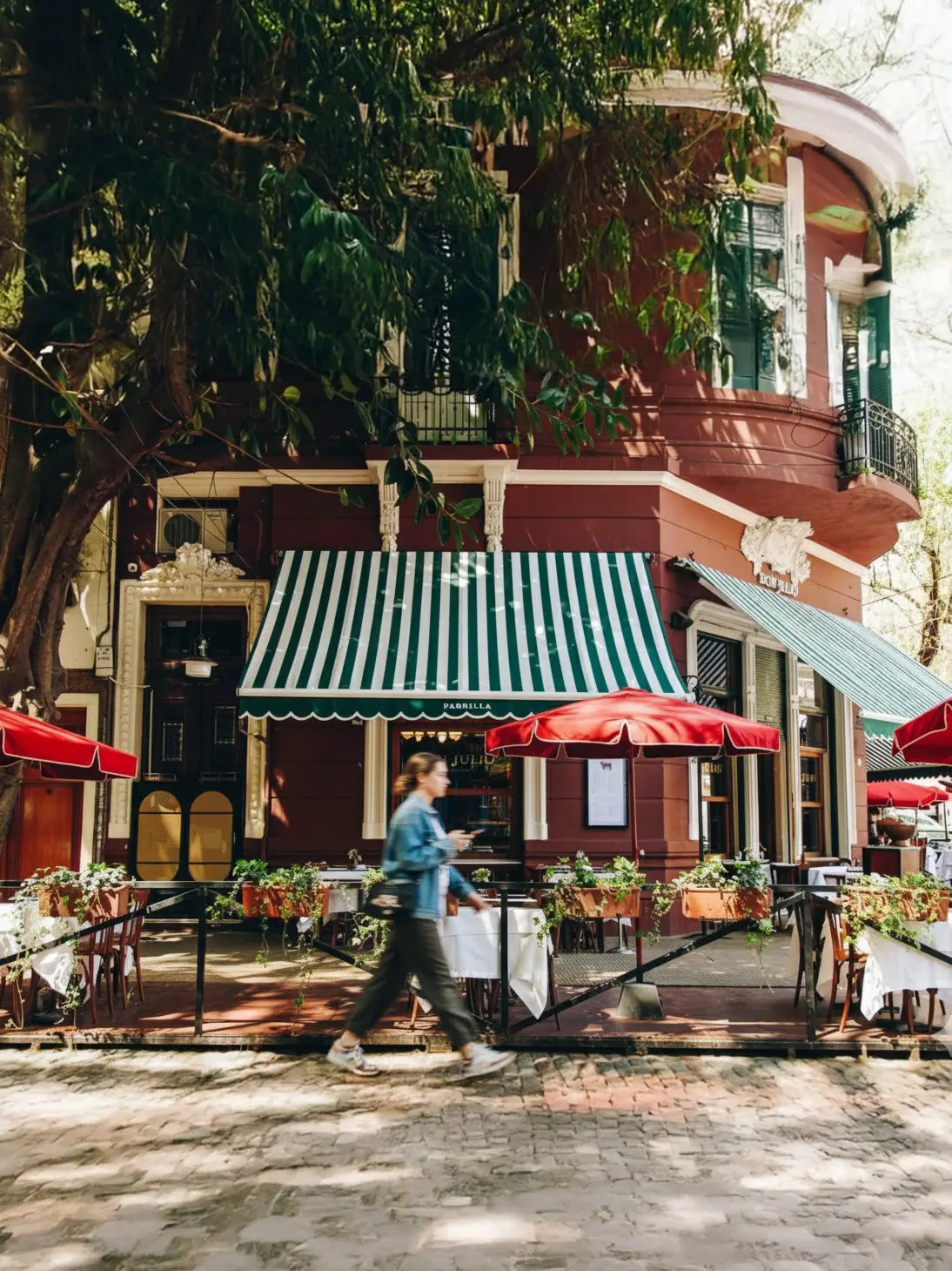
Between fall (March–May) and spring (September–November), the country hits its stride: warm days, cool nights, and cafés perfect for laptop sessions. Skip summer, when heat and humidity drive prices up during high season.
Here’s why timing your time to visit matters:
-
Comfortable weather for walks and coworking
-
Lower rents compared to high season
-
A calmer, more balanced city vibe

High Season in South America: heat, late nights, and packed streets
If you visit Argentina in high season (Dec–Feb), expect hot afternoons (think 30–35°C temperatures), buzzing rooftops, and rising visitor numbers. Hotels surge, parks fill with tourists, and midday sightseeing can drag. Better plan Recoleta or Palermo Chico for A/C and a relaxed atmosphere. For color and drums, catch neighborhood Carnival parades (corsos)—free to watch, with a holiday long weekend Mar 3–4, 2025, and city corsos across Jan–Mar.
Summer quick hits:
-
Best for night-owl outdoor activities and terrace dinners
-
Peak pricing on stays and services; book early
-
Corsos = free events; arrive early for good curb spots
A Great Time to Visit Argentina: fall’s golden balance
Fall (Mar–May) is often the best time to visit Buenos Aires. It offers:
-
Gentle temperatures, around 20–25°C and 40% less rain than Januay
-
Less tourists, easier café tables, smoother commutes, and overall fewer lines
-
For film lovers: BAFICI (indie cinema screening) typically runs in early April (2025’s edition was scheduled Apr 1–13)
-
Other arthouse premieres scattered around town—easy to pair with Palermo strolls and after-screening empanadas.

Low Season in the South: winter’s calm, deals, and focus
June–Aug is low season—cool (about 8–16°C) and great for heads-down projects. Museum days pair well with quiet cafés around Plaza de Mayo and the south side. Desks are easy to snag (e.g., Huerta Cowork from ~ARS 45,000/month), and both flights and monthlies often drop 20–30% versus summer. Tango takes center stage: Tango BA and the Dance World Cup run Aug 20–Sep 2, 2025—city-run shows, classes, and championship rounds.
Winter wins:
-
Cheaper stays than high season; quiet streets for exploring
-
Desk availability without waitlists
-
Plenty of free events and indoor sets across the city
Visit Argentina in spring: jacarandas, café revival, easy exploring
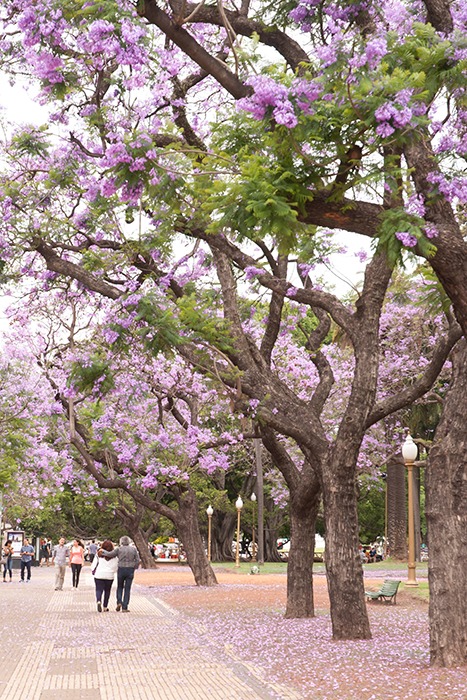
By Sep–Nov the north of the city pops purple with jacarandas and 18–24°C temperatures—prime for bikes, Bosques de Palermo loops, and laptop-friendly patios. Expect lively plazas, pop-up culture, and price tags below peak. For art and open-air wandering, spring is your “don’t miss” time to visit. Bosques de Palermo is the emerald reset between calls; swing by after lunch for a lap around the lakes. (City tourism notes spring as ideal, with trees in blossom.)
Spring staples:
-
Jacaranda bloom in November = postcard world vibes
-
Bosques de Palermo for outdoor activities and people-watching
-
Plenty of trip flexibility without summer crowds across the seven continents set of bucket lists
Rainy Season and Summer Months: January to February
If you visit Argentina during the rainy season, pack light clothes—and patience. Average temperatures hover around 31°C by day and 22°C at night, with plenty of humid afternoons and sticky subway rides. Buenos Aires residents often escape the town for the coast, leaving half the city quiet but scorching.
This period is the hot peak of summer months, when tourists fill rooftop bars and hotels raise prices. Expect long rainy days, busy events, and higher flight fares.
Tips for your trip:
-
Avoid booking in early January unless you love heat—try March or April for more pleasant weather and fewer tourists
-
Many restaurants close for the holidays after Christmas and Independence Day breaks
Shoulder Season Magic: March to May
March through May marks the shoulder season, when temperatures average 20–25°C, cafés reopen, and the rain eases off. For remote workers, this is the best time to visit—you can balance work and exploration without fighting tourists for a seat at your favorite café.
Accommodation costs dip by up to 20%, and Buenos Aires residents return from vacation, giving the city its rhythm back. April still sees occasional rainy days, but you’ll find great deals on hotels and coworking spaces.
-
Ideal for longer stays or slow travelers planning to visit Patagonia later in the country’s cooler months
-
Expect mild average temperatures and shorter queues at major events

Winter Calm: June to August
Come June, July, and August, the city slows down. Average temperatures range from 8°C at night to 16°C during the day—cool, crisp, and perfect for productive nomad life. It’s still low season for tourists, so hotels and apartments drop 20–30%.
Don’t miss the Buenos Aires Tango Festival in August, a signature Argentina moment that draws dancers from around the world. While rainy days are rare, pack a light jacket for evening walks through San Telmo or Palermo.
Cafés fill with chatter, coworking desks stay available, and fewer tourists mean quieter streets
Warming Up Again: September to November
The northern hemisphere starts cooling down, but Argentina warms up beautifully. From September through November, average temperatures sit between 18–26°C, with a touch more rain but still pleasant weather. Parks turn lush, and terrace dining comes back to life.
October and November feel like a return to action—just before the summer rush. Prices rise slightly, but nowhere near the hot December spike. It’s also the ideal time to plan your next trip south to visit Patagonia before it gets too crowded.

Why you’ll like this stretch:
-
Balanced temperatures and post-winter energy across the town
-
Manageable rainy days and plenty of events before peak season
-
Still enough fewer tourists to enjoy Buenos Aires at your own pace
The Cheapest Time to Visit Buenos Aires: Winter Wins for Your Wallet
If saving money is your goal, June through August is hands-down the best stretch to visit Argentina. While the northern hemisphere basks in sunshine, the country enjoys cool, crisp days—and prices that drop right along with the temperature. Flights from Europe and the U.S. often fall 25–40%, and apartment rentals follow the same trend.
A furnished one-bedroom in Palermo averages USD 500–700/month during winter, compared to USD 900+ in December. Coworking spaces also join the discount wave, with flexible desks starting near ARS 40,000/month and day passes 20% off.
Cost Comparison: Winter vs. Summer
| Category | Winter (June–August) | Summer (December) | Savings Estimate |
|---|---|---|---|
| Flights (Europe/US → Buenos Aires) | From USD 750–950 | From USD 1,100–1,300 | 25–40% cheaper |
| One-Bedroom Apartment (Palermo) | USD 500–700/month | USD 900–1,100/month | Up to 35% less |
| Coworking Desk (WeWork / La Maquinita) | ARS 40,000–50,000/month | ARS 60,000–70,000/month | 20–30% cheaper |
| Cappuccino at Café Crespin | ARS 2,200 | ARS 2,200 | Same price—but fewer lines |
| Local Transit (SUBE Card) | ARS 250 per ride | ARS 250 per ride | Steady year-round |
Why Winter Travel Makes Sense
-
Budget-friendly flights between the north and Argentina make long stays affordable.
-
Lower monthly rentals free up your budget for steak dinners or weekend getaways.
-
Café workdays feel cozier and calmer—perfect for productivity.
And if you like mild transitions, aim for October instead. Prices are still friendly, the air feels fresh, and you’ll settle into the country just before the rush returns. Winter might be the most underrated moment to enjoy Buenos Aires—without sacrificing comfort or style.

Summer in Argentina: Carnival and Rooftop Rhythms
From late December through February, Buenos Aires goes all in on Carnival. Neighborhoods light up with parades, drums, and spontaneous dance-offs. Streets fill with dance halls spilling music until dawn, and rooftops transform into party hubs. Hotels and apartments in Palermo and San Telmo get snapped up fast—book early if you’re visiting around Carnival weekend.
What to expect:
-
Fewer crowds during the final weeks of February as people travel inland or north
-
Street parades are free, but rooftop access often costs around ARS 3,000–5,000
-
Warm nights ideal for late dinners and drinks outdoors
Fall in Argentina: Film and Book Lovers’ Heaven
By April and May, the cultural calendar shifts to cinema and literature. The Buenos Aires International Film Festival (BAFICI) takes over art-house theaters across the country, offering screenings for under ARS 2,000. Soon after comes the Buenos Aires Book Fair—Latin America’s largest—where authors, workshops, and readings fill La Rural convention center.
These months bring fewer crowds, so rates for rentals and coworking spaces stay steady. It’s a quiet but inspiring window for creatives who want to visit Argentina beyond the usual sightseeing.

Jun-Jul-Aug-Sep: Tango, Art, and Winter Warmth
Between June, July, August and September, Buenos Aires embraces its cultural heartbeat—tango. Dance halls across neighborhoods like Almagro and Balvanera fill nightly, leading up to the world-famous Buenos Aires Tango Festival in August. Entry is often free or very affordable, with workshops for every skill level.
Insider tips:
-
Arrive early—finals draw huge audiences from around Argentina and abroad
-
Fewer crowds at tourist sites make it easier to mix work and leisure
-
For a taste of the scene year-round, try La Viruta or Salon Canning (entrance from ARS 4,000–6,000)
October to December: Marathons and Blooming Streets
From October onward, the country wakes up again with energy. The Buenos Aires Marathon draws thousands of runners through historic avenues, while November paints the city purple with jacarandas. By December, concerts and pop-up markets fill parks and plazas, signaling summer’s arrival.
If you prefer to move at your own pace, October and November bring a perfect mix of mild air and fewer crowds. Hotel prices climb slightly, but coworking spots remain easy to book.
Highlights:
-
Marathon registration from USD 100–150, depending on distance
-
Post-race brunch at Café Crespin—locals swear by the pancakes
-
Live bands and art fairs through mid-December, perfect for an energizing end to the year

Best Time for Digital Nomads: Work, Wi-Fi, and Good Coffee
If you’re remote-working your way through Buenos Aires, March–May and September–November are your best bet. These months balance warm air, steady internet, and affordable apartments—ideal for deep work or creative focus. While February’s humidity can fry your focus, by July things cool off enough for cozy café days and long coworking sessions.
Coworking spaces like WeWork, La Maquinita, and AreaTres make it easy to settle in quickly. Expect desks from ARS 45,000–70,000/month, strong connections, and a community of nomads and entrepreneurs who actually get things done.
Cafés worth your laptop time:
-
Full City Coffee House – Specialty beans, calm mornings, lattes from ARS 2,500
-
LAB Training Center – A hybrid café-coworking hub with strong Wi-Fi and generous outlets
-
Cuervo Café – Creative vibe, best before 10 a.m., great for early risers in July who want to grab a window seat
Insider tip: Avoid February’s humidity—it’s when most porteños head to the coast and Wi-Fi slows to a crawl. Stick to July or the shoulder months for stable energy, better deals, and your pick of productive spots.

Worst Time to Visit Buenos Aires: When Heat Wins and Wallets Lose
If you’re planning to work or explore in January–February, brace yourself—it’s the hardest stretch for digital nomads. Temperatures hover near 35°C with sticky humidity, and the city’s A/C systems work overtime. Rents and flight prices climb, while many smaller shops, cafés, and even coworking spots take summer breaks.
Finding focus becomes tricky when you’re sweating through your keyboard by noon. Add in the inflated rates for apartments and limited café seating, and it’s easy to see why most travelers give these months a pass.
If you’re visiting during this window:
-
Start work early before the midday heat sets in
-
Choose apartments with verified A/C—expect to pay 10–20% more than average
-
Escape north to Mendoza for wine country charm, or head south to Patagonia for cooler hikes and better air
For anyone eyeing productive days and comfortable nights, simply shift your visit to March or later—you’ll still catch the city’s energy, minus the burnout.

Local Insights: The Months When Buenos Aires Truly Shines
Ask anyone who knows the rhythm of Buenos Aires, and they’ll tell you—the city feels alive between March–May and September–November. Terraces fill, music drifts through parks, and after-work mate sessions stretch into sunset. Even July, despite its chill, has its own charm—locals wrap up in scarves, sip cortados in cafés, and lean into the cozy energy that defines the middle of the year.
These are the months when the city’s personality shows up most clearly. It’s not about big festivals or perfect forecasts—it’s about those small, everyday rituals that make the city feel like a friend.
Local-approved ways to experience it:
-
Watch open-air performances in San Telmo’s plazas—many happen even in July
-
Sip mate at Parque Centenario at sunset (yerba mate packet around ARS 2,000)
-
Hunt for vinyl and crafts at Feria de Mataderos on Sundays—great for budget gifts
-
Browse weekend markets in Palermo with a coffee from Cuervo Café (latte ~ARS 2,500)
Whether it’s an autumn afternoon in a park or a brisk July morning in a café, Buenos Aires rewards those who slow down, grab a seat outside, and let the rhythm of daily life do the rest.
Find Your Ideal Time to Visit Buenos Aires
After exploring every corner, rhythm, and neighborhood vibe, it’s clear that Buenos Aires rewards travelers who plan with intention. The key isn’t chasing perfect weather—it’s syncing your trip with what you want from your stay.
If you thrive on energy, March–May brings long afternoons and café life that encourages conversation. Prefer to slow down? June–August offers crisp air, fewer distractions, and cheaper rentals—perfect for deep focus and creative projects. Either way, the weather rarely stops you from exploring; it just shapes how you experience the city.
When planning your remote stay:
-
Align your work rhythm with local weather—cooler months suit productivity, warmer ones spark connection
-
Choose flexible rentals so you can adapt as weather shifts throughout the year
Explore RentRemote’s furnished apartments in Buenos Aires to find your ideal work-and-travel base. Compare monthly rental options in Buenos Aires and pick the setup that matches your goals, budget, and daily routine.
