
Sophia A
Wellbeing & Living Editor ·
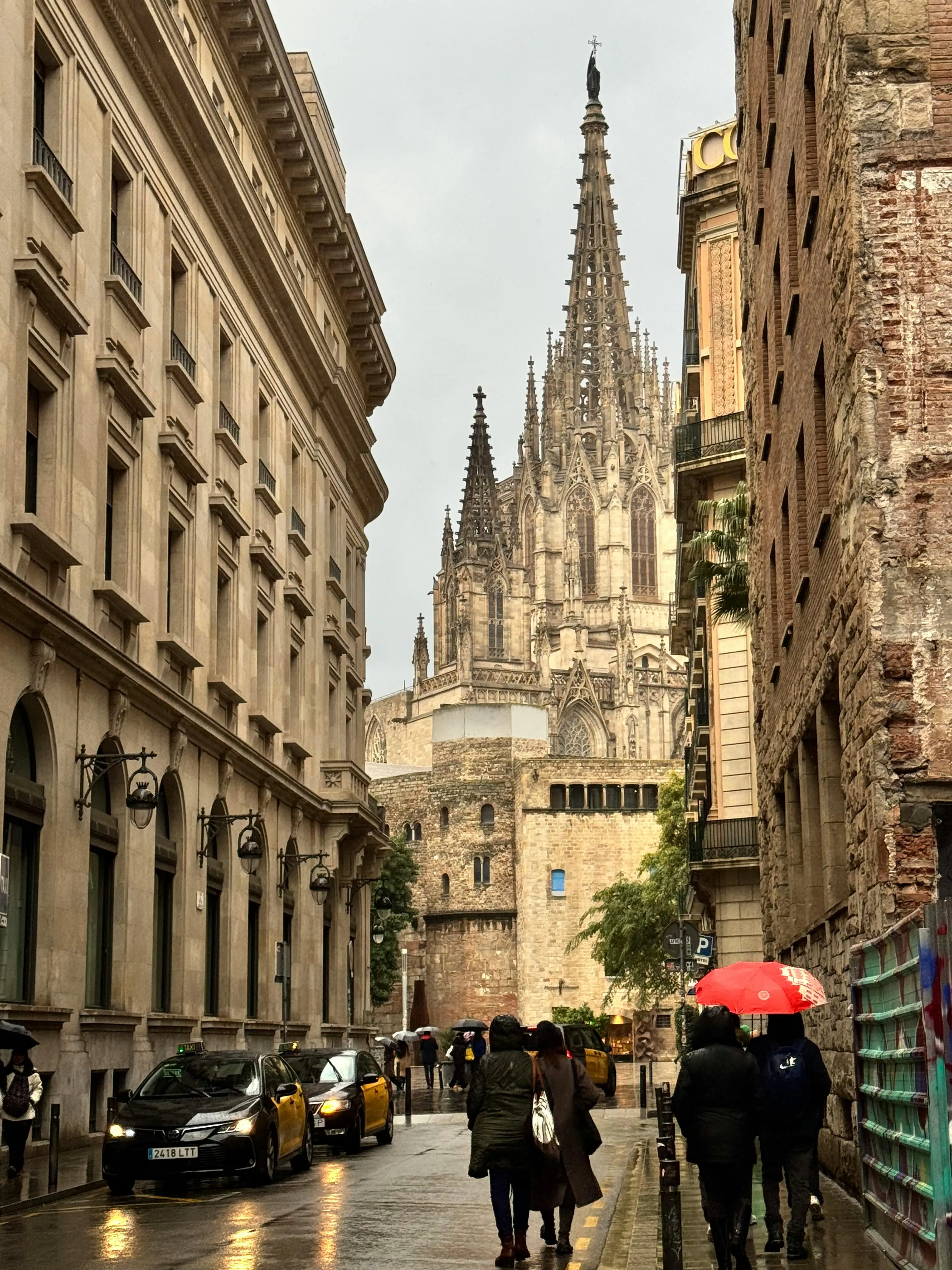
Barcelona’s Gothic Quarter is where the city’s story begins. Known locally as Barri Gòtic, this atmospheric part of Barcelona is defined by narrow streets, medieval buildings, and layers of history that stretch back to ancient Barcino, the Roman settlement founded over 2,000 years ago. Walking through Barcelona’s Gothic Quarter means moving through time—past Roman walls, Gothic architecture, hidden courtyards, and public squares that have shaped the old city for centuries.
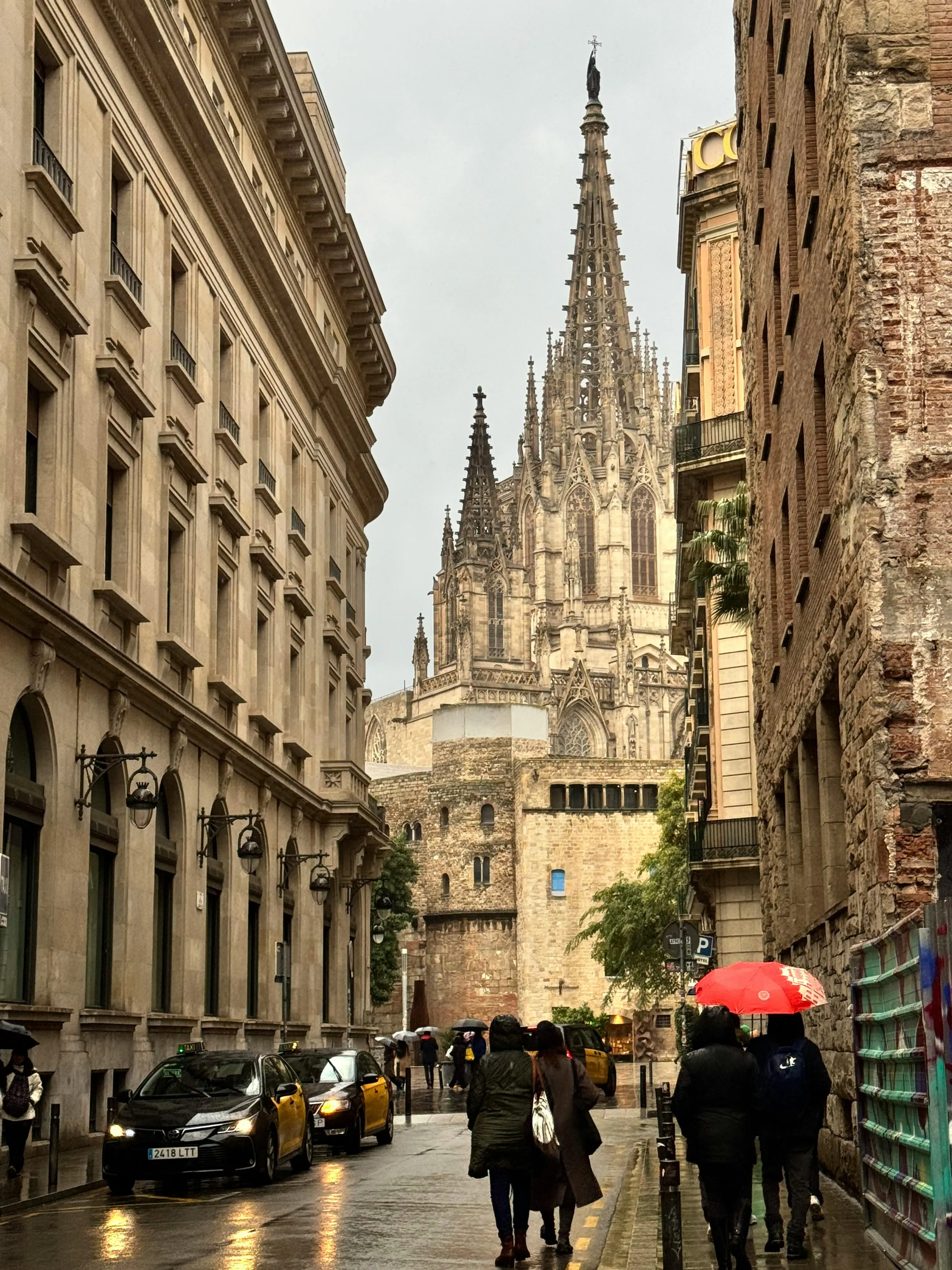
This is a pedestrian-friendly area in the city center, bordered by Plaça de Catalunya and La Rambla, and best explored slowly on foot. Getting lost here is part of the experience. Quiet streets open into lively plazas, historic churches sit beside modern street art, and tapas bars fill the air with music and conversation as night falls.
In this guide, you’ll discover:
-
Historic landmarks like Barcelona Cathedral and El Pont del Bisbe
-
Hidden alleys, courtyards, and the Jewish Quarter
-
Where to eat, drink, and people watch after dark
-
How to explore the Gothic Quarter on your own or with a guided tour
This is one of the most enchanting places to visit in Barcelona, and it rewards curiosity at every turn.
Walking Through Barcelona’s Gothic Quarter: Orientation + Key Highlights
The Gothic Quarter, or Barri Gòtic, sits in the heart of the city center and is the oldest part of Barcelona. It borders La Rambla, El Born, and Raval, but stands apart thanks to its preserved medieval layout. This is where walking becomes the main mode of discovery—no cars, no rush, just winding alleys, stone façades, and centuries of history layered into every block. If you’re wondering where to begin your walk, start here.
Start at Plaça de Catalunya and Walk South
Plaça de Catalunya is the main transport hub connecting metro lines, buses, and the Aerobus from the airport. From here, you can walk downhill directly into the Gothic Quarter.
-
Take the Aerobus from Barcelona-El Prat to Plaça de Catalunya
-
Metro Lines L1 and L3 both stop here
-
Grab a coffee and begin your walk toward La Rambla
Don’t Miss These Stops: Barcelona History Museum and Beyond
**Barcelona Cathedral **(Cathedral of the Holy Cross and Saint Eulalia)
This iconic Gothic building dominates the skyline and sits at the core of the Quarter.
-
Dedicated to Saint Eulalia, whose tomb lies beneath the altar
-
The inner courtyard is home to 13 white geese
-
Free entry early mornings; rooftop access available
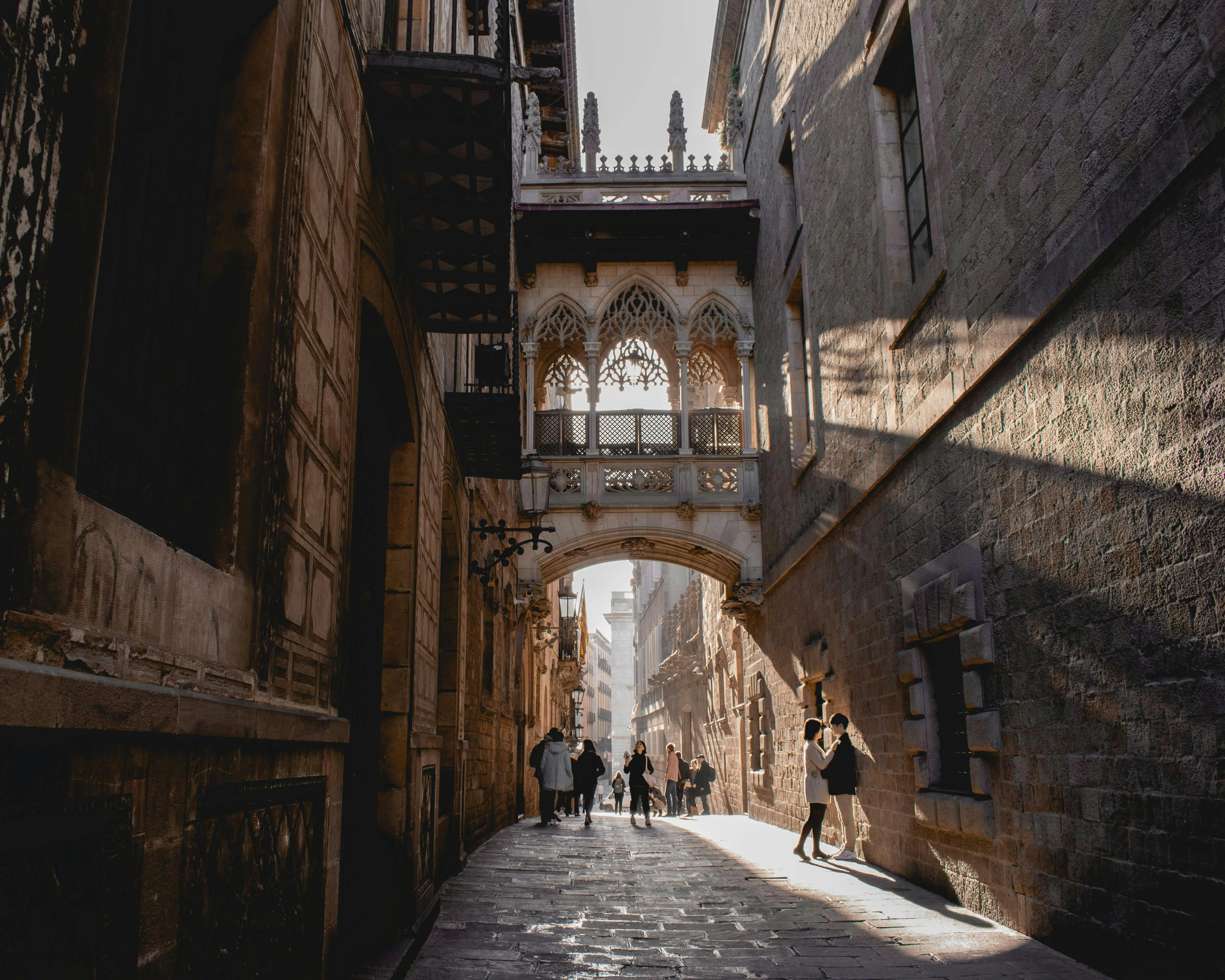
El Pont del Bisbe** (Bishop’s Bridge)**
This ornate neo-Gothic bridge is one of the most photographed spots in the neighborhood.
-
Connects Casa dels Canonges with the Palau de la Generalitat
-
Look underneath for the skull pierced by a dagger, a nod to Gothic symbolism
-
Found along Carrer del Bisbe, just behind the cathedral
Plaça del Rei
A 14th-century public square surrounded by historic buildings.
-
Once the seat of royalty, home to Palau Reial Major
-
Entry point for the **Barcelona History Museum **(MUHBA)
-
Explore underground Roman streets preserved below
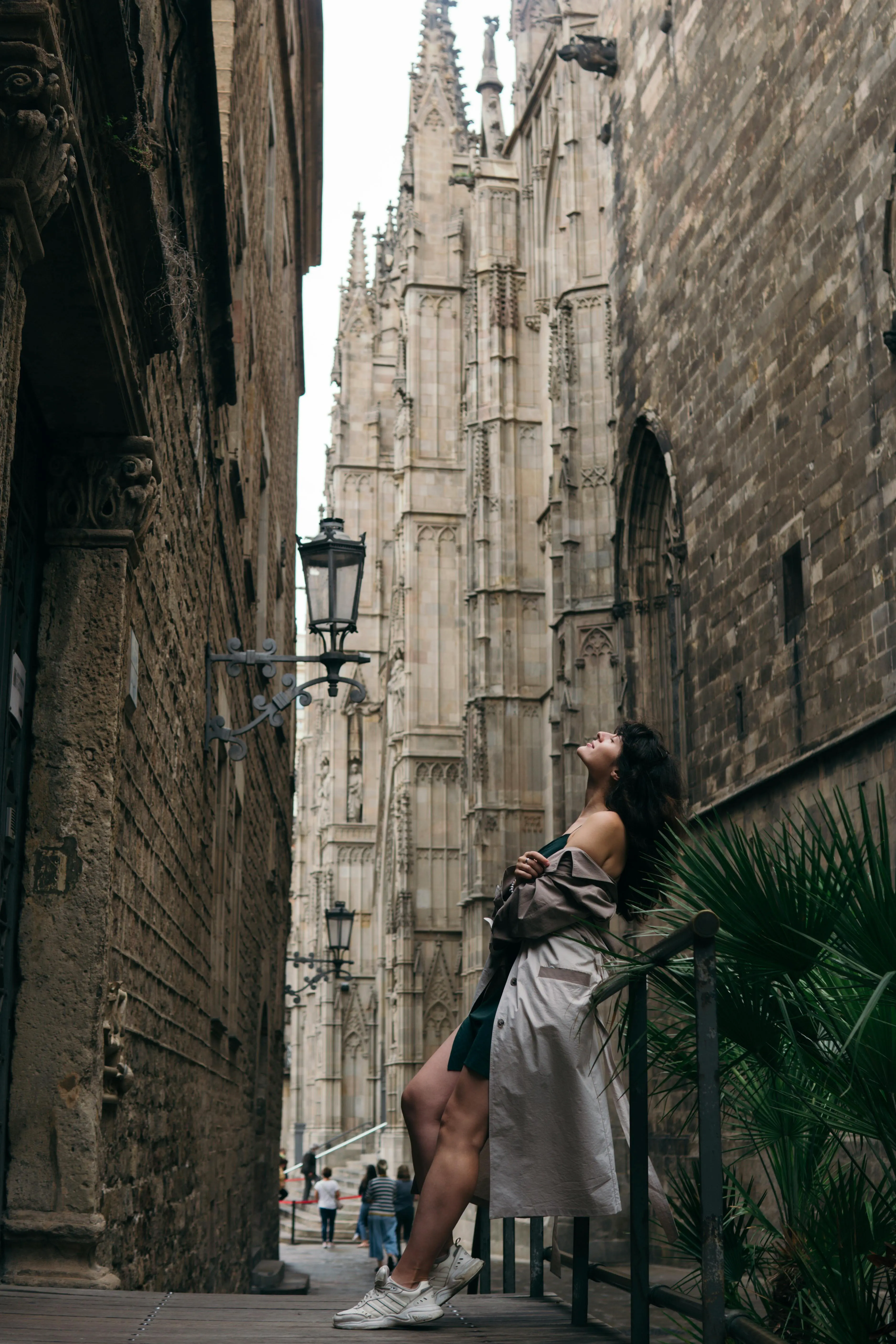
Plaça Reial
Just off La Rambla, this palm tree–fringed square is ideal for both sightseeing and socializing.
-
Designed in the 19th century with Gaudí-designed lampposts
-
Hosts concerts, events, and late-night gatherings
-
Surrounded by tapas bars, including Les Quinze Nits
Walking through these sites gives you a glimpse of how Barcelona grew from an ancient Roman settlement to the cultural capital it is today.
Thinking of setting up base here? RentRemote offers fully furnished apartments in Barcelona, just steps from the city’s most historic quarter.
Gothic Landmarks and Hidden Courtyards Worth Slowing Down For
The deeper you wander into Barcelona’s Gothic Quarter, the more the neighborhood reveals itself—not through grand entrances, but through narrow alleys, worn stone paths, and courtyards that open like quiet invitations. This isn’t a place to rush. It’s one to experience slowly, with your head tilted up and your pace turned down.
Historic Churches and Sacred Spaces
Barcelona Cathedral
One of the most architecturally important buildings in the district, the cathedral took nearly 150 years to complete.
-
A hallmark of Gothic architecture in the old town
-
Final resting place of Saint Eulalia, a 13-year-old martyr
-
The interior cloister houses 13 white geese, one for each year of her life
-
Rooftop terraces provide sweeping views across the quarter
Basílica de Santa Maria del Pi
Located near Plaça del Pi, this 14th-century church is a calmer alternative to the cathedral.
-
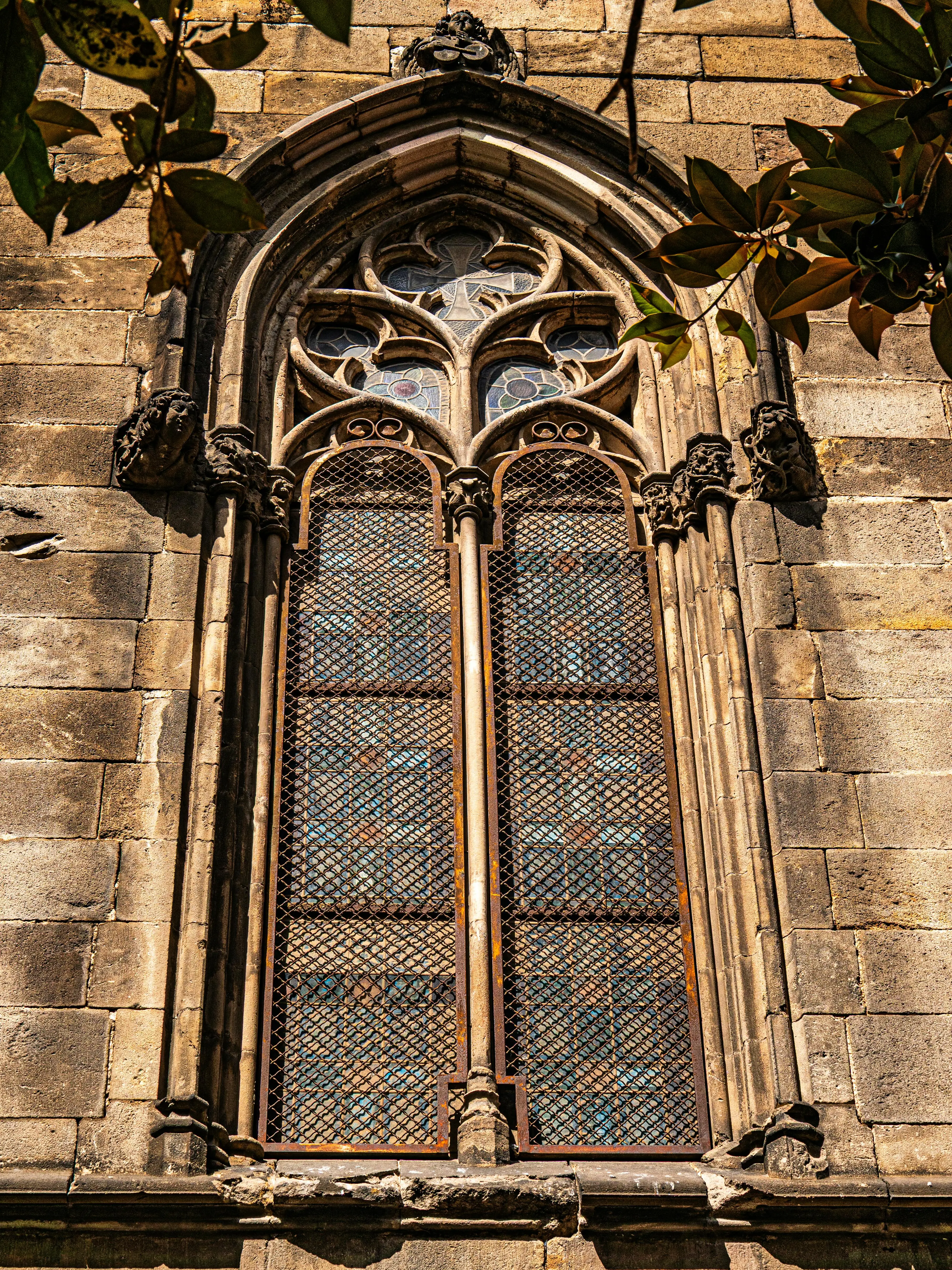
Famous for its rose window and stained-glass artistry
-
Hosts a weekend artisan food market in the adjacent square
-
Ideal for travelers seeking beauty in stillness
Santa Maria del Mar
Technically in El Born, but spiritually tied to the Gothic Quarter, this church reflects the power of the city’s medieval working class.
-
Built by local merchants and shipbuilders
-
Known for perfect symmetry and luminous interiors
-
Often included in walking tours for its cultural relevance
Courtyards, Roman Layers, and Lesser-Known Squares
Plaça del Rei
Step into this public square, and you’re surrounded by 14th-century nobility.
-
Once home to the Palau Reial Major, now part of the Barcelona History Museum
-
Descend into the underground ruins to explore preserved streets from ancient Barcino
-
The square feels most powerful at dawn or dusk, when the crowds thin
Temple of Augustus
You’ll find it quietly standing in a hidden courtyard off Carrer de la Palla.
-
Four nine-meter Roman columns dating back over 2,000 years
-
One of the city’s most authentic connections to its Roman settlement past
-
The kind of place even locals forget exists
Casa de l’Ardiaca
Just beside the cathedral, this former ecclesiastical residence now houses city archives.
-
Look for the fascinating window with carved swallows and ivy—a former postbox
-
The inner courtyard is peaceful and shaded, often missed by passersby
Streets That Tell Their Own Story
Carrer del Bisbe
A favorite for photographers, this corridor links some of the city’s most important buildings.
-
Walk beneath El Pont del Bisbe to see the skull pierced by a dagger—an intentional Gothic flourish
-
The path leads to Casa dels Canonges, once the residence of Catalan presidents
-
Best explored early in the day, before foot traffic builds
Plaça Sant Felip Neri
Perhaps the most emotionally resonant corner of the quarter.
-
Church walls still bear the scars of bombing during the Spanish Civil War
-
Surrounded by uneven stone, a central fountain, and whisper-level quiet
-
A space of reflection more than spectacle
The Jewish Quarter** (El Call)**
Tucked within the oldest part of the city center, this area preserves traces of a lost world.
-
Visit MUHBA El Call to see archival exhibits and historic inscriptions
-
Nearby streets are narrow, quiet, and filled with discreet markers from the past
-
A core part of the history of Jewish life in Spain before the 15th century
This is what sets Barri Gòtic apart—not just what’s preserved, but how it’s revealed. The most powerful places aren’t necessarily the grandest; they’re the ones that ask you to stop, listen, and look again.
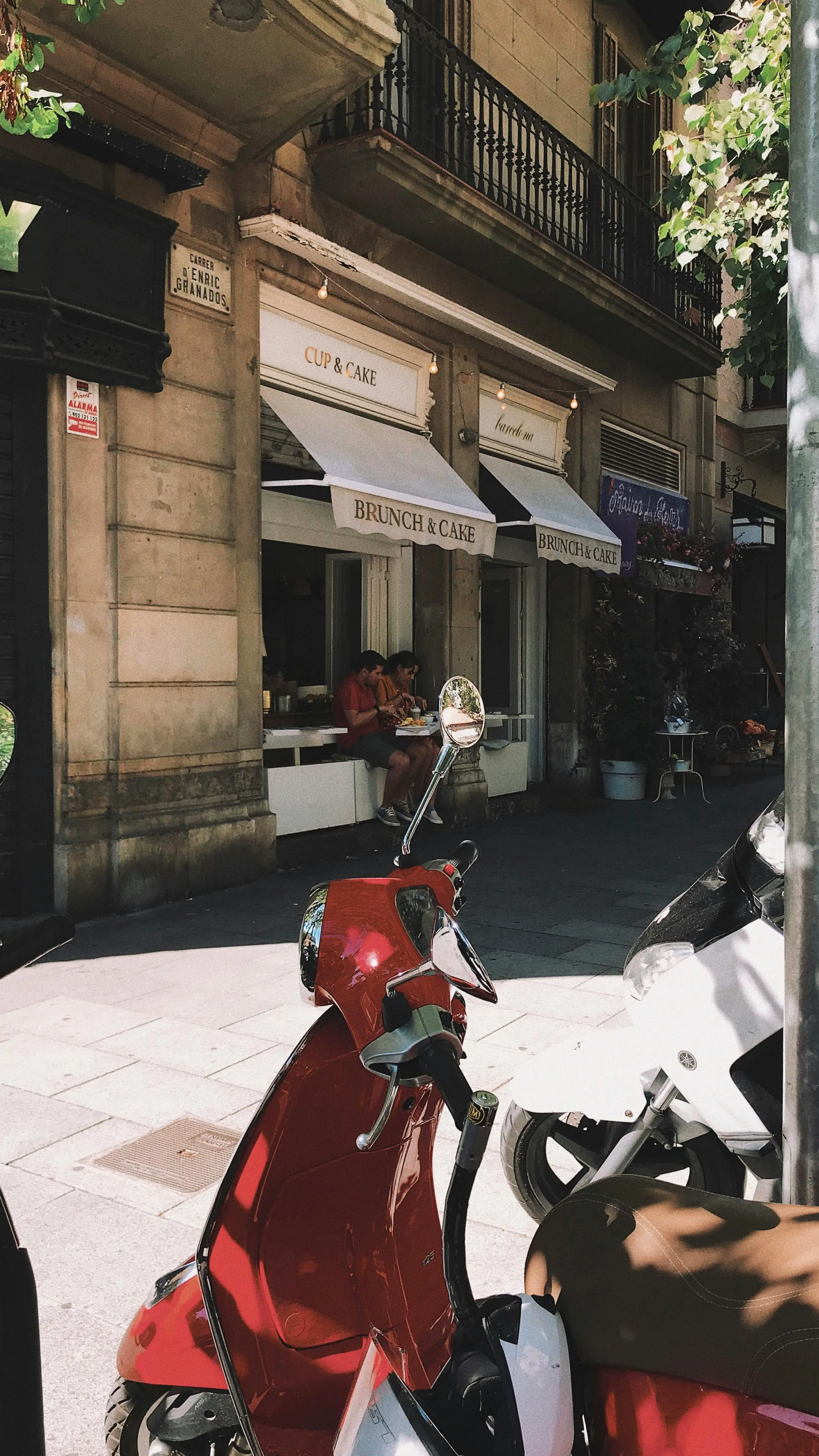
Tapas, Chocolate, and Cocktails: Where to Eat and Drink
The Gothic Quarter isn’t just a feast for the eyes—it’s a destination for food lovers, late-night drinkers, and anyone looking to unwind after a day of walking. From century-old xocolaterias to lively tapas bars and cocktail speakeasies hidden behind pastrami counters, this neighborhood delivers on flavor and atmosphere.
Tapas Bars and Local Favorites
Les Quinze Nits
Located in Plaça Reial, this popular restaurant offers a broad Mediterranean menu in a beautiful open-air setting.
-
Tapas and paella served all day
-
Outdoor terrace is ideal for warm evenings
-
Great balance of price and location
Bodega Biarritz 1881
A small, cozy spot tucked into a side street, loved for its warm service and creative tapas.
-
No menu—just a rotating selection of fresh dishes
-
Usually packed, but worth the short wait
-
Try the Iberian ham or cheese-stuffed peppers
Tosca Tapas Bar
Just across from the cathedral, this sleek yet unpretentious spot is great for wine pairings and small plates.
-
Excellent Spanish wines by the glass
-
Perfect for a relaxed lunch or early dinner
-
Known for house-made croquettes and anchovies
Cafés and Sweet Stops
Calle Petritxol
A must-visit for chocolate lovers, this narrow street is packed with tradition.
-
Famous for its xocolaterias and art galleries
-
Don’t miss thick hot chocolate with churros at Granja La Pallaresa
-
Quiet in the mornings, bustling by midday
Els 4 Gats
An iconic café once frequented by Picasso and Gaudí, filled with modernist charm.
-
Located on Carrer de Montsió near the cathedral
-
Offers coffee, light bites, and strong artistic vibes
-
Great second-floor seating for people-watching
Nightlife and Speakeasies
El Bosc de les Fades
A fairytale-themed bar near the Wax Museum and La Rambla.
-
Forest-like interior with waterfalls and twinkling lights
-
Ideal for relaxed drinks or first-time visitors
-
Prices are reasonable for the ambiance
Paradiso Bar
Consistently ranked one of the best bars in the world, hidden behind a pastrami shop in El Born.
-
Inventive cocktail menu served with theatrical flair
-
Expect a short wait and a very memorable experience
-
Bartenders are known for pushing boundaries with flavor and presentation
Never
Dark, moody, and perfect for a quieter night out.
-
Gothic-themed interior, craft cocktails
-
Quirky crowd and offbeat playlists
-
A hidden gem just outside the main tourist drag
Whether you’re in the mood for a strong coffee on a sunny square, or a smoky cocktail served in a teacup, the Gothic Quarter offers endless surprises for your palate.
Guided Tours and DIY Routes Through Barri Gòtic
With so much layered history and so many small passageways, it's easy to miss key moments in Barcelona’s Gothic Quarter unless you’re guided—or really patient. While self-guided exploration is rewarding, a good walking tour can uncover stories hidden behind ordinary doors and stones. Whether you prefer to join a group or go at your own pace, both options offer rich experiences.
Best Ways to Join a Guided Tour
-
Highly rated pay-what-you-wish walking tours through the Gothic Quarter
-
Local guides bring the medieval district to life with engaging storytelling
-
Includes highlights like the Jewish Quarter, ancient ruins, and civic buildings
-
Small group or private tours led by historians and archaeologists
-
Excellent if you want deeper insight into Catalonia’s political and architectural past
-
Often includes lesser-known stops like the Palau de la Generalitat or smaller chapels
Jewish Heritage Walks
-
Specialized routes through El Call, the medieval Jewish Quarter
-
Visit one of the oldest synagogues in Europe, dating back to the 3rd–4th centuries
-
Learn about the social and religious life of this once-thriving community
Planning Your Own Walking Route
The Gothic Quarter is entirely walkable and well-suited for a slow, curiosity-led approach. A self-guided route allows for flexibility and lingering in spots that speak to you.
Start at Plaça de Catalunya
-
Use Google Maps to mark major landmarks
-
Begin by heading south toward Carrer del Bisbe and the cathedral
Suggested Loop (2–3 hours, with stops):
-
Barcelona Cathedral – Morning light is ideal for photography
-
Carrer del Bisbe – Continue under the Pont del Bisbe
-
Plaça del Rei – Pause at the Barcelona History Museum
-
Detour to the Temple of Augustus via Carrer de la Palla
-
Wind through El Call, the Jewish Quarter
-
Rest at Plaça Sant Felip Neri or the shaded fountain at Plaça del Pi
-
Wrap up in Plaça Reial for a drink or late lunch
Tips for Exploring on Foot:
-
Wear shoes with good grip—the paving stones get slick in rain
-
Try to explore early or just after sundown for fewer crowds
-
Stop often: many of the courtyards, shops, and galleries are easy to miss unless you peek in
Walking through Barri Gòtic without a rigid plan is part of its charm. Whether led by a guide or following your own instinct, the best finds are often unplanned turns into hidden courtyards, conversations with artists, or a surprising sculpture overhead.
Artisan Goods and Boutique Finds in Barri Gòtic
For those who enjoy shopping that feels personal, wandering through the Gothic Quarter offers more than standard souvenirs. This part of the old city blends tradition with creativity—where centuries-old storefronts now host handmade espadrilles, local design collectives, and thoughtful gifts that go beyond the cliché.
Where to Browse and Buy
Carrer d’Avinyó
One of the most dynamic streets for boutique shops, vintage stores, and casual art galleries.
-
Popular with local designers and independent brands
-
Great place to find one-of-a-kind fashion pieces or handmade accessories
-
Also home to bars and cafés for a mid-shop pause
La Manual Alpargatera
Located on Carrer d’Avinyó, this shop has been crafting traditional Catalan espadrilles since the 1940s.
-
Espadrilles made by hand using jute and cotton
-
Offers classic and modern styles
-
A functional, stylish souvenir rooted in local culture
Calle Petritxol
Known for its chocolate shops, this narrow street also features local art studios and framed print galleries.
-
Affordable Catalan artwork
-
Handmade paper, ceramics, and stationary
-
Quiet atmosphere ideal for browsing without the crowds
Plaça Nova and Nearby Streets
The area around Plaça Nova blends historic charm with a mix of artisan stalls and small design stores.
-
Often includes pop-up craft markets on weekends
-
Good area for browsing ceramics, leather goods, and locally produced home items
-
Less commercial than the central shopping avenues
Museu Picasso Gift Shop (in nearby El Born)
Even if you skip the museum itself, the gift shop is worth a stop.
-
Stocked with reproductions, books, and design items inspired by Picasso’s early years
-
Walkable from the eastern edge of the Gothic Quarter
Tips for Shopping in the Gothic Quarter
-
Avoid peak afternoon hours when crowds swell near La Rambla
-
Many shops open late (10–11am) and close for lunch—plan your timing
-
Bring cash for artisan markets or small workshops
The Gothic Quarter isn’t about fast fashion or high-end malls. It’s about finding something made with care—a scarf from a local weaver, a handmade print from a backroom gallery, or a pair of shoes that still smell like rope and leather. These aren’t just mementos; they’re pieces of the neighborhood you get to carry home.
Nightlife Along La Rambla and Les Quinze Nits: Where Barcelona's Gothic Quarter Comes Alive
As the sun sets and streetlamps flicker on, Barcelona's Gothic Quarter shifts into something quieter, darker, and more cinematic. The same narrow alleys that feel ancient by day take on a new mood—soft music spills from open windows, conversations hum from terraces, and shadows stretch across centuries-old stone. This isn’t nightlife that needs flash. It thrives on atmosphere.
Tapas and Drinks at Les Quinze Nits and Beyond
Colom Restaurant (Plaça Reial) is one of the most iconic places to begin the evening, but the surrounding restaurants and tapas bars keep the square busy long after sunset.
-
Traditional cuisine that is truly underrated
-
Central, affordable, expect wait time
-
Exceptional Paella and seafood
Paradiso (El Born)
-
Ranked among the world’s top cocktail bars
-
Hidden behind a pastrami shop near Barri Gòtic
-
Creative drinks and theatrical presentation
-
Dive bar known for rock music, lively energy, and reasonably priced drinks.
-
Eclectic crowds make it a great place to end your night with local flavor
Evening Walks Along Carrer del Bisbe and El Pont del Bisbe
The Gothic Quarter is at its most magical after dark. As locals settle in and shops close, quiet settles over the old city, especially around Carrer del Bisbe and El Pont del Bisbe.
-
The del Bisbe corridor is hauntingly beautiful under lantern light
-
Walk beneath the bishop's bridge for one of the most atmospheric nighttime scenes in Barcelona
-
Nearby Plaça del Rei and the Barcelona Cathedral offer stunning nighttime backdrops for quiet walks
This is nightlife done Gothic-style—less flash, more feeling. Whether sipping vermouth in a lively public square or drifting through silent courtyards, the Gothic Quarter after dark is a living poem made of stone, shadow, and sound.
From Barcelona Cathedral to the Jewish Quarter: Why This Walk Through History Stays With You
Walking through the Gothic Quarter is more than sightseeing—it’s a living journey through centuries. You begin at Barcelona Cathedral, with its towering spires and quiet cloisters, pass under the arches of El Pont del Bisbe, and eventually find yourself tracing Roman foundations beneath the Barcelona History Museum. These aren’t staged attractions; they’re embedded into the city’s daily rhythm.
Wander into the Jewish Quarter, and the tone changes—narrow corridors, quiet signage, and subtle remnants of a once-thriving community. The contrast is powerful. Around the next corner, a sunny square fills with children playing football, street musicians, and café tables crowded with late breakfasts and lingering wine glasses.
What makes Barcelona’s Gothic Quarter unforgettable isn’t just its landmarks—it’s how they layer. Roman columns in a hidden courtyard. A bridge carved by Joan Rubió that hides a skull-pierced symbol. Shadows of the Spanish Civil War beside buildings that glow gold at sunset. It’s a place where medieval times press gently against modern life.
Whether you’re on a long stay or just a short trip, this part of the city offers something hard to name but easy to feel. A sense that the old and the new don’t just coexist—they lean on each other.
Want to base yourself near this story-rich neighborhood? Explore our fully furnished apartments in Spain and make your next chapter one worth remembering.