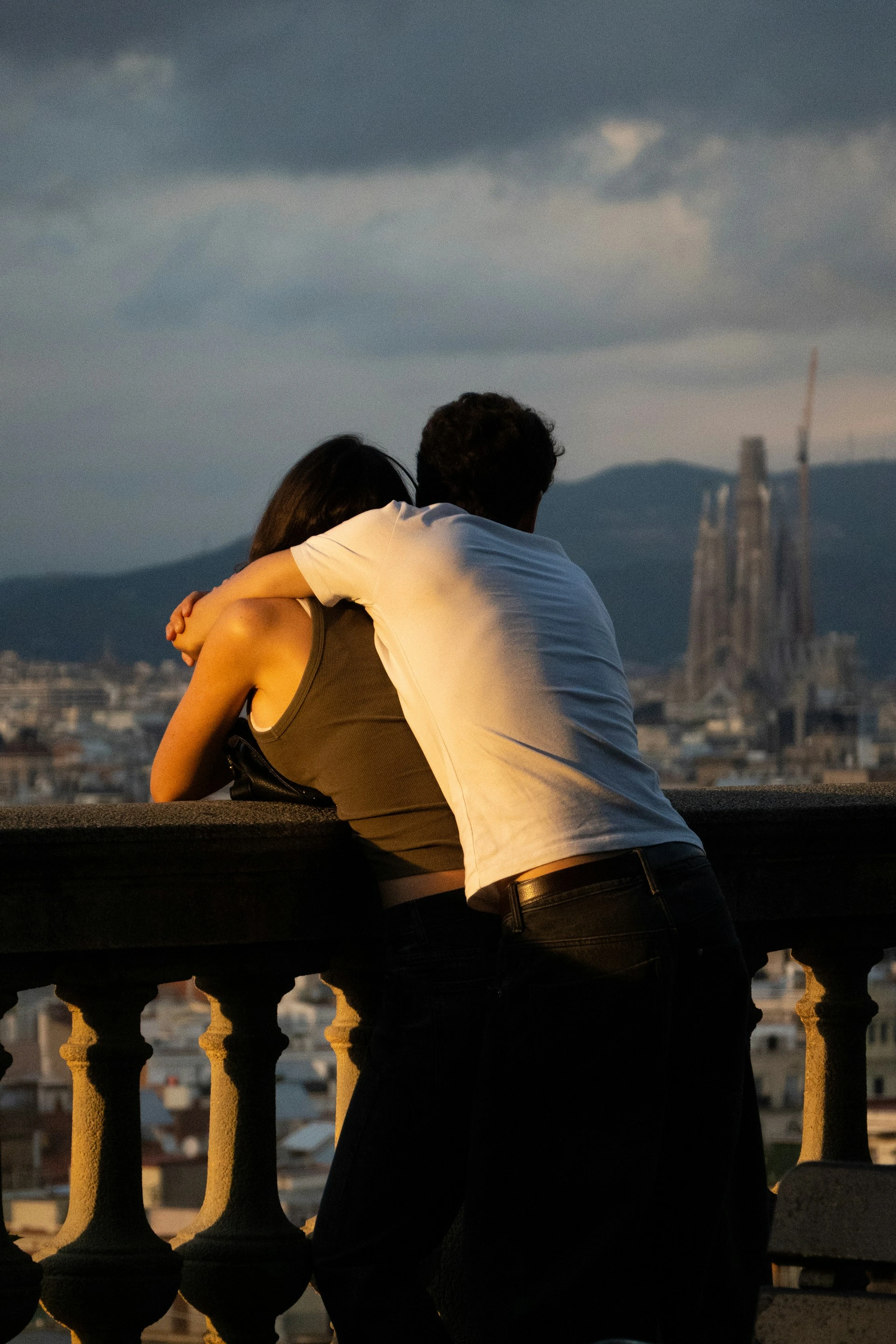
3 days in Barcelona Spain is enough to feel the pulse of the city — a blend of Gothic intrigue, seaside calm, and modernist wonder. From Gaudí’s UNESCO World Heritage Sites to vermouth bars tucked into medieval lanes, every hour offers a different rhythm.
The trick is balance: seeing famous landmarks without sprinting between them. Most attractions sit within walking distance or a few metro stops, so you can slow down, eat late, and live like a local.
In three days, you can:
-
Wander the Gothic Quarter and climb the Barcelona Cathedral.
-
Snack through La Boqueria Market on Las Ramblas.
-
Marvel at Gaudí’s masterpieces — Sagrada Familia, Casa Batlló, Casa Milà, Park Güell.
-
Toast sunset from the Bunkers del Carmel above the city center.

Barcelona Itinerary: 3 Perfect Days (Snapshot)
You can fit centuries of art, architecture, and delicious food into 3 days in Barcelona if you plan smartly. Group sights by neighborhood to save transit time and keep the pace relaxed.
Day 1 – Old City & Markets
-
Explore the Gothic Quarter’s narrow streets and hidden squares.
-
Visit the Barcelona Cathedral and nearby MUHBA Roman ruins.
-
Stroll the famous street La Rambla and stop at La Boqueria Market.
-
Dine in El Born, known for its creative vibe and Spanish tapas.
Day 2 – Gaudí & Eixample Icons

-
Visit La Sagrada Familia — Gaudí’s most famous landmark.
-
See Casa Batlló, Casa Milà (La Pedrera), and Casa Vicens.
-
End the day at Park Güell for sunset.
Day 3 – Views, Parks & Sea Air
-
Ride the cable car ride up Montjuïc for gardens and city views.
-
Relax in Parc de la Ciutadella and visit the Arc de Triomf.
-
Finish on Barceloneta Beach with seafood and sangria.

Day 1: Old City Center, Markets & Waterfront
Begin where Barcelona itself began — the old city center. The Gothic Quarter is a living museum of Roman walls, medieval courtyards, and narrow streets draped with balconies. Everything lies within a short walk, so you can spend the whole morning wandering without a map.
Top stops for the morning:
-
La Rambla – Barcelona’s famous street, best before 10 AM.
-
Barcelona Cathedral – rooftop ticket €9; free before noon.
-
Plaça Reial – palm-filled square ideal for a coffee at Ocaña.
-
MUHBA Roman Ruins – excavated tunnels beneath the city.
La Rambla – Barcelona’s Famous Street
Few places define visiting Barcelona like La Rambla (locals call it Las Ramblas). Stretching from Plaça de Catalunya to the Mediterranean Sea, it’s equal parts promenade and performance.
Quick guide:
-
Morning espresso at Café Zurich.
-
Joan Miró mosaic near Liceu Metro Station.
-
Side detour into La Boqueria for fruit juice (€2).
-
Avoid crowds after 4 PM — and keep an eye out for pickpockets.
Locals often use “Las Ramblas” to describe the five connected streets that form the city’s most famous street. Walking the full length of Las Ramblas from Plaça de Catalunya to the Columbus Monument is almost a rite of passage for anyone following a Barcelona itinerary for their first 3 days in Barcelona.
Barcelona Cathedral – Gothic Grandeur
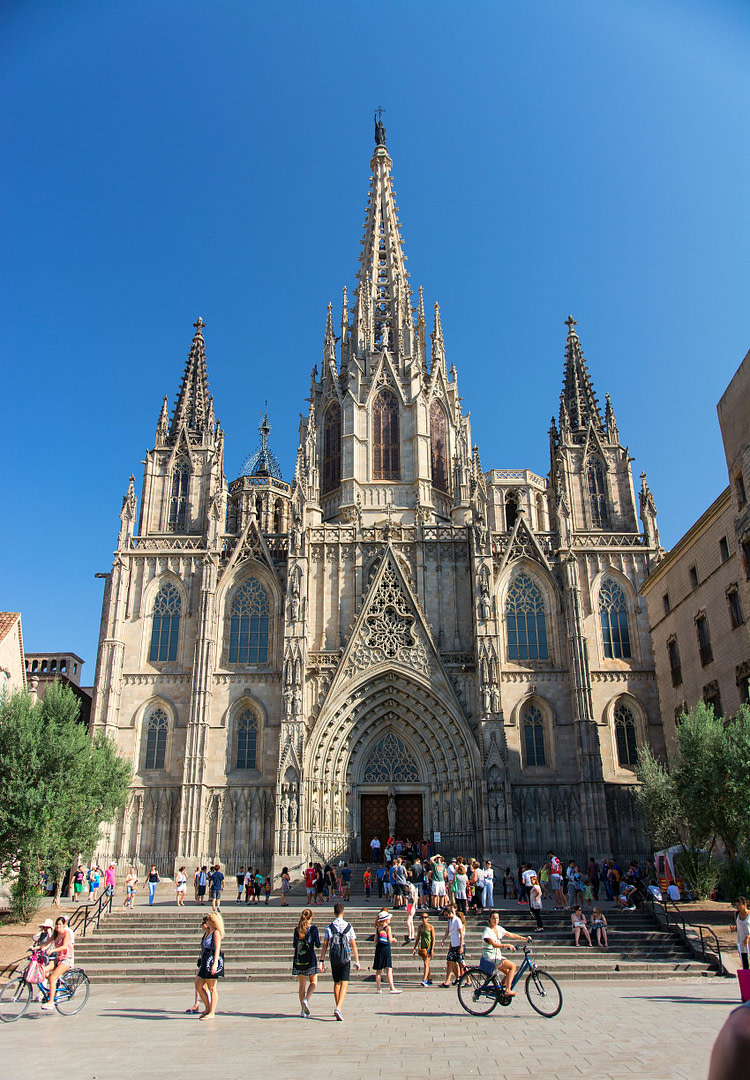
The Barcelona Cathedral rises over Pla de la Seu like a stone crown. Built between the 13th and 15th centuries, it’s a masterpiece of stunning architecture and one of the most famous landmarks in the Gothic Quarter.
What to do:
-
Visit the cloister to meet its 13 resident geese.
-
Take the elevator to the rooftop terrace for city views across the old city.
-
Listen for the bells — they still mark the hours for the quarter.
Outside, cafés spill into the square; grab churros at La Palleressa before moving toward La Boqueria Market.
La Boqueria Market – A Feast for the Senses

Halfway down La Rambla, the La Boqueria Market is an explosion of color and scent — the heart of Barcelona’s vibrant food scene.
What to try:
-
El Quim de la Boqueria – fried eggs with baby squid (€14–18).
-
Bar Pinotxo – classic Spanish tapas and cava at the counter.
-
Fresh juices and jamón cones for a grab-and-go lunch.
Come early for space to move; by noon, long lines form around the seafood stalls.
El Born – Evening in the Creative Quarter
Cross east to El Born District, one of Barcelona’s most charismatic neighborhoods. Known for narrow streets, boutique shops, and galleries, it’s where locals meet after work for vermouth and conversation.
Evening plan:
-
Explore Santa Maria del Mar, the Catalan Gothic gem.
-
Visit the Picasso Museum (tickets €14; book ahead).
-
Catch flamenco at Palau Dalmases.
-
Dine at Cal Pep or Bormuth for seafood-forward tapas (€25 pp).
End with a stroll to Barceloneta Beach; the sea breeze carries the last guitar chords from El Born’s bars.

Day 2: Gaudí’s Masterpieces & Eixample Icons
On the second of your 3 days in Barcelona, this part of your Barcelona itinerary dives into Gaudí’s world of imagination — where curves replace corners and color replaces monotony.
The Eixample district is an open-air gallery of Gaudí’s masterpieces and Catalan Modernisme. Its grid layout makes walking tours effortless, with every avenue revealing another architectural flourish. Expect colorful mosaics, wrought-iron balconies, and the smell of espresso from corner cafés.
Sagrada Familia – Gaudí’s Living Cathedral
Nothing defines Barcelona Spain like the Sagrada Familia, Gaudí’s lifelong project and a UNESCO World Heritage Site. Construction has stretched for over a decade — in truth, since 1882 — but its spires still inspire awe.

Visitor essentials:
-
Entry ticket: €26–33 online; book at least a week in advance, tickets sold out fast.
-
Best time: mid-morning when sunlight ignites the stained glass.
-
Guided tour: worth it for insights into Gaudí’s geometry and symbolism.
-
Self guided visit: use the official audio app to go at your own pace.
Outside, relax in Plaça de Gaudí Park and reflect by the pond while admiring this blend of faith, nature, and stunning architecture.
Casa Batlló & Casa Milà (La Pedrera) – Modernist Icons
Walk or take the metro two stops to Passeig de Gràcia, the city’s elegant showcase of famous landmarks. Here stand two of Gaudí’s masterpieces: Casa Batlló and Casa Milà** (La Pedrera)** — both UNESCO World Heritage Sites.

Casa Batlló:
-
A swirl of glass, ceramic, and imagination; roof tiles resemble a dragon’s scales.
-
Open 9 AM–9 PM; skip-the-line entry ticket €30.
-
Visit early evening for photos without glare.
Casa Milà (La Pedrera):
-
Also called simply Casa Milà, its wavy stone façade glows at sunset.
-
Climb the rooftop terrace (€28) for city views across central Barcelona.
-
The night tour uses projection mapping to animate the chimneys.
Nearby café stops: El Nacional (for tapas under a glass roof, €20–25) or Brunch & Cake (for coffee and smoothie bowls).
Tip: The Eixample grid makes every site a short walk apart — an architectural dream for any walking tour lover.
Casa Vicens – Gaudí’s First Masterwork
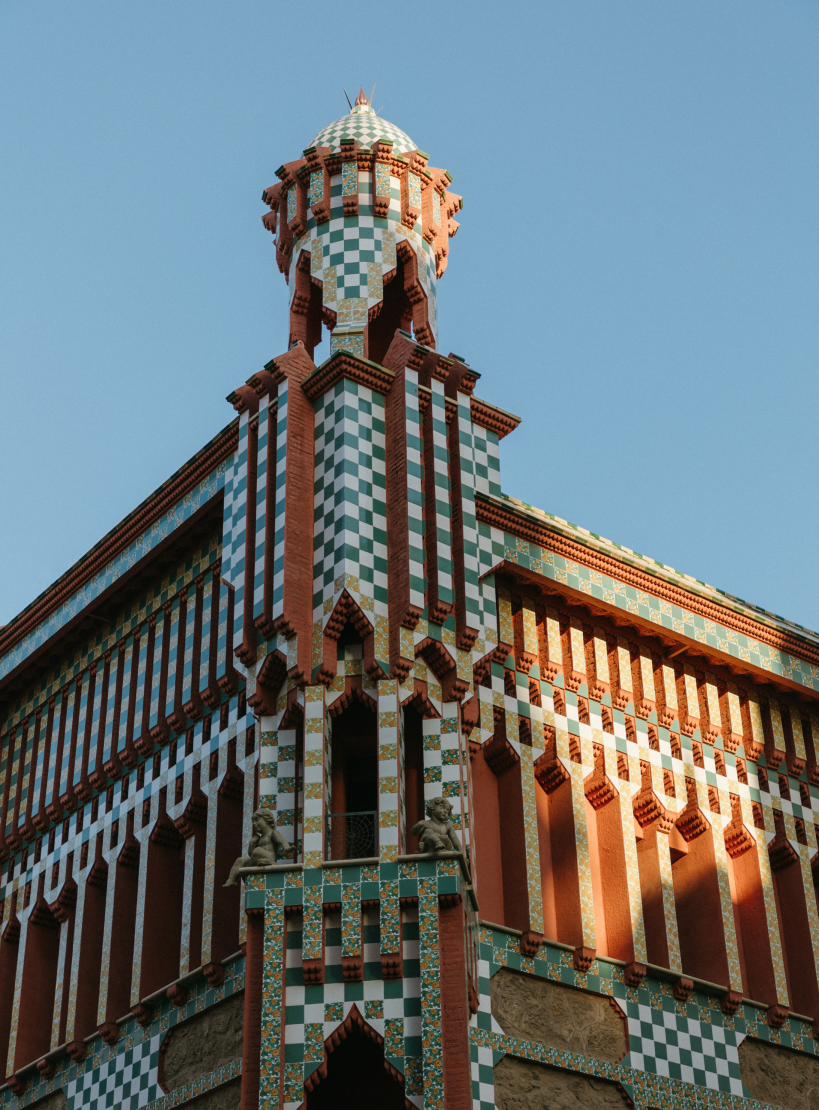
Tucked into Gràcia, Casa Vicens was Gaudí’s first major commission (1888) and a hint of the genius to come. Tile-covered walls, iron palms, and Moorish arches make it one of the most underrated UNESCO World Heritage Sites in the city.
Why visit:
-
Quieter than La Pedrera or Casa Batlló.
-
Exhibits on early Modernisme and Gaudí’s inspirations.
-
Entry €16; includes garden access and café.
Afterward, wander Gràcia’s squares — Plaça del Sol for drinks or Marcelino 1968 for lunch (€20–30). The neighborhood’s village-like charm and creative pulse make it a favorite among remote workers and design students.
Park Güell – A Mosaic Wonderland

Many travelers say no Barcelona itinerary feels complete without at least one lazy afternoon in Park Güell, tracing the bench mosaics and catching buskers at sunset. If you only have 3 days in Barcelona, this park delivers a perfect mix of design, history, and open-air calm.
Finish the afternoon in Park Güell, perched high above the city center. Originally designed as a private estate, it’s now one of the most beloved tourist attractions in Europe.
What to know:
-
Entry ticket: €10–12; book in advance to avoid long lines.
-
Monumental Zone: home to the dragon stairway and serpentine bench.
-
Best time: late afternoon for golden light and cooler air.
From the colorful mosaics of the terrace, you’ll spot the towers of La Sagrada Familia and the Mediterranean Sea beyond. Bring water and comfortable shoes — the climb is steep but rewarding.
End your evening with tapas in Gràcia or head to the Bunkers del Carmel for sunset — locals swear it’s the best view in the largest city on the Mediterranean.
Day 3 – Montjuïc Hill, Parc de la Ciutadella & Barceloneta Beach
Your final day slows the tempo and widens the view. From hillside gardens to harbor breeze, this route reveals why visiting Barcelona feels like moving through a living gallery.
Montjuïc Hill – Gardens, Museums & Cable Car Ride

Plan your final day around sunlight and skyline views. After the Magic Fountain lights fade, Montjuïc’s terraces make an ideal endnote for any Barcelona itinerary.
Take the port-side cable car ride to Montjuïc Hill and watch the Mediterranean Sea unfold below. The ride ends near the fortress, where pine-scented paths lead to museums and sculpture gardens.
What to see and do:
-
Montjuïc Castle (€12) – once a military post during the Spanish Civil War, now a lookout with breathtaking city views.
-
Fundació Miró – vibrant modern art and rooftop café (€15).
-
Magic Fountain – nightly light-and-music shows Thu–Sun, free.
-
Olympic Ring – a quick wander through the 1992 stadiums.
Lunch at Terrassa Martínez for seafood paella (€30 pp) or a glass of cava with views across the largest city on the Mediterranean.
Parc de la Ciutadella & Arc de Triomf – Green Escape in the City Center
Once a fortress, Parc de la Ciutadella became the city’s lungs after the 1888 Exhibition. The park is ideal for morning jogs, picnics, or remote-work breaks on shaded benches.

Highlights:
-
Cascada Monumental, a fountain partly designed by Gaudí early in his career.
-
Boat lake (€8 per half hour).
-
Musicians performing under palms near the Arc de Triomf, just a short walk away.
Grab coffee at Camping Mar or Espai Mescladís, both with Wi-Fi. This area’s city center energy makes it a local favorite for freelancers taking a late-morning break.
Bunkers del Carmel – Sunset Over the City
End your day high above central Barcelona at the Bunkers del Carmel, a relic from the Spanish Civil War turned community lookout.
Why go:
-
Panoramic city views from sea to mountains.
-
Locals gather with snacks and guitars at dusk.
-
Free entry, always open; bring layers for the breeze.
The climb (20 minutes uphill) rewards you with the best skyline photos of your amazing trip.

Barceloneta Beach – Seaside Living
Few places capture everyday Barcelona Spain like Barceloneta Beach. Morning joggers share the sand with sun-seekers, while the smell of grilled prawns drifts from chiringuitos — the beloved beach bars.
Local favorites:
-
Can Majó – classic seafood paella (€28–32 pp).
-
La Cova Fumada – rustic tapas and house vermouth (€20 pp).
-
Vai Moana Beach Bar – smoothie bowls, Wi-Fi, coworking vibe (€10).
After lunch, wander toward Port Vell Marina or rent a paddleboard (€15/hr). The mix of salt air and skyline defines the rhythm of this European city.
Culture, Art & Music
Barcelona’s creative pulse hums through stone walls and glass domes. These stops reveal the city’s quieter brilliance beyond its famous landmarks.
Picasso Museum – Tracing Genius in El Born
Set inside five medieval palaces joined by archways, the Picasso Museum in the El Born District holds 4 000 works — sketches, ceramics, and early oils that show a young artist learning his craft.
Insider tips:
-
Arrive by 10 AM to skip long lines (tickets €14).
-
Tuesdays are calmest; Thursday evenings are free.
-
Stop at Café Adagio nearby for coffee (€3) or pintxos lunch.
Combine this with a walk through the Mercat de Santa Caterina — a colorful alternative to La Boqueria Market.
Santa Maria del Mar – The Soul of El Born
A few blocks away, Santa Maria del Mar rises in simple stone elegance. Built by the shipbuilders of medieval Barcelona, it’s famed for its perfect proportions and calm light.
Experience:
-
Climb the towers (€10) for unmatched city views.
-
Visit the Fossar de les Moreres memorial beside the apse.
-
Attend evening mass or a local choir performance.
Afterward, wander the narrow streets toward Bormuth for anchovy tapas (€6 plate) or Bar del Pla for natural wine.
Visiting Santa Maria del Mar after dark offers a different calm — the echo of the organ under stained glass lingers long after you leave. Many locals pair it with an evening stroll through the Gothic Quarter, a ritual repeated by anyone mapping out their own Barcelona itinerary.
Palau de la Música Catalana – A Masterpiece of Sound and Light
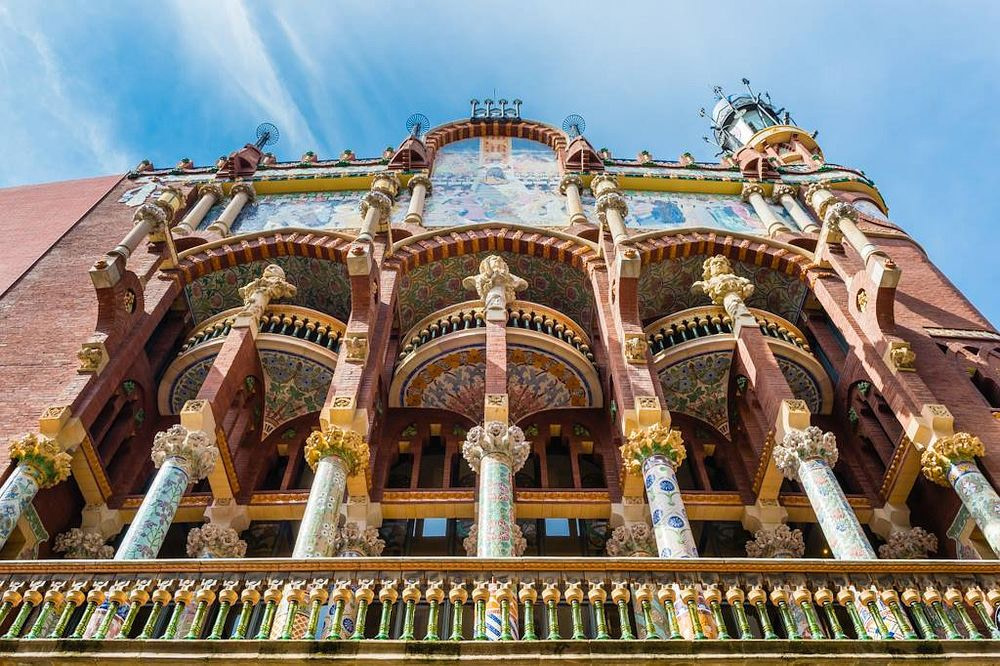
Designed by Lluís Domènech i Montaner (1905–1908), the Palau de la Música Catalana is a jewel of Catalan Modernisme and a UNESCO World Heritage Site. The glass ceiling glows like a sunrise frozen in color.
How to explore:
-
Guided tour (€22) or self-guided visit (€16).
-
Admire colorful mosaics and sculpted columns in the foyer.
-
Stay for a recital — the acoustics make it one of Europe’s most beautiful concert halls.
This venue, part of the De la Música Catalana complex, sits a short walk from La Rambla and the Gothic Quarter, perfectly placed for anyone visiting Barcelona on a tight schedule.
FC Barcelona Museum – More Than a Club
The FC Barcelona Museum celebrates over a century of passion and trophies. Even non-fans feel the emotion here.
What to expect:
-
Guided tour of Camp Nou (€28) includes players’ tunnel and dugout.
-
Multimedia exhibits and Messi’s memorabilia.
-
Shop the retro jersey collection or café overlooking the pitch.
Pair this stop with a tram ride through the Les Corts district — a chance to glimpse daily life far from the tourist attractions.
Barcelona Spain – When to Go & Getting Around
Barcelona’s seasons each cast a different light on the city. Spring and autumn are ideal for walking tours through the Gothic Quarter, sipping vermouths near La Rambla, or catching a choral performance at the Palau de la Música Catalana. Summer hums with festivals and beach life, while winter brings crisp skies and quieter streets around Sagrada Familia and Casa Milà.
Transport tips for visiting Barcelona Spain:
-
Public transportation is fast, safe, and multilingual. The metro station grid connects nearly every district, from Parc de la Ciutadella to Park Güell.
-
The Barcelona City Pass and Barcelona Pass grant unlimited metro rides and discounted entry tickets for famous landmarks like Casa Batlló, La Pedrera, and the Palau de la Musica.
-
Trams and buses run late; the NitBus network operates after midnight.
-
From El Prat Airport, Metro Line 9 Sud (€6) takes you to the city center in 30 minutes; taxis average €35–40.
-
Walking remains the easiest way to appreciate the stunning architecture — most attractions are within walking distance or just a short walk apart.
If you’re staying longer than 3 days in Barcelona, rent a city bike or try an e-scooter guided tour through Eixample’s wide boulevards. It’s a breezy way to reach less crowded icons like Casa Vicens or the concert halls of the Palau De la Musica Catalana foundation.

Where to Eat & Stay – Luxury Hotels & Local Flavor
Whether you’re here for 3 days in Barcelona or longer, choosing lodging close to the Gothic Quarter or El Born District makes sightseeing effortless — most famous landmarks are within a short walk.
Tapas & Markets
-
La Boqueria Market – classic stalls plus El Quim de la Boqueria for squid and eggs (€18).
-
Mercat de Santa Caterina – a calmer local market beneath a roof of colorful mosaics; perfect for lunch between coworking sessions.
-
Tapeo Born – contemporary Catalan tapas (€25 pp) in the heart of El Born.
-
Bar Cañete – theatrical counter dining near Las Ramblas, popular with concertgoers from the Palau de la Musica.

Seafood & Beach Bars
-
Xiringuito Escribà – modern seafood and cava by the sea.
-
Vai Moana Beach Bar – smoothies, laptop tables, and live DJs — the perfect balance for digital nomads visiting Barcelona.
-
Can Solé – century-old seafood house tucked between famous landmarks of the port.

Luxury Hotels & Rooftop Terraces
-
Hotel Arts Barcelona – modern rooms, a rooftop terrace above the Mediterranean Sea, and spa views toward Parc de la Ciutadella.
-
Majestic Hotel & Spa – a short walk from La Pedrera, with skyline city views and nightly piano sets.
-
Sir Victor Hotel – minimalist interiors and coworking-friendly café in central Barcelona.
-
The Hoxton Poblenou – pool terrace, creative studios, and easy metro access.
Architecture buffs should visit Casa Milà at sunset — projections illuminate its rippling façade — or enjoy a jazz concert atop the Palau de la Musica, part of the wider De la Musica Catalana complex. Both spaces blend art, sound, and skyline like nowhere else.
Barcelona eats late and laughs loud. Meals stretch past midnight, plates appear endlessly, and every neighborhood offers its own flavor of Spanish tapas, seafood, and storytelling. Whether you want candlelit corners in El Born District or rooftop cocktails above Casa Milà, the city has you covered.
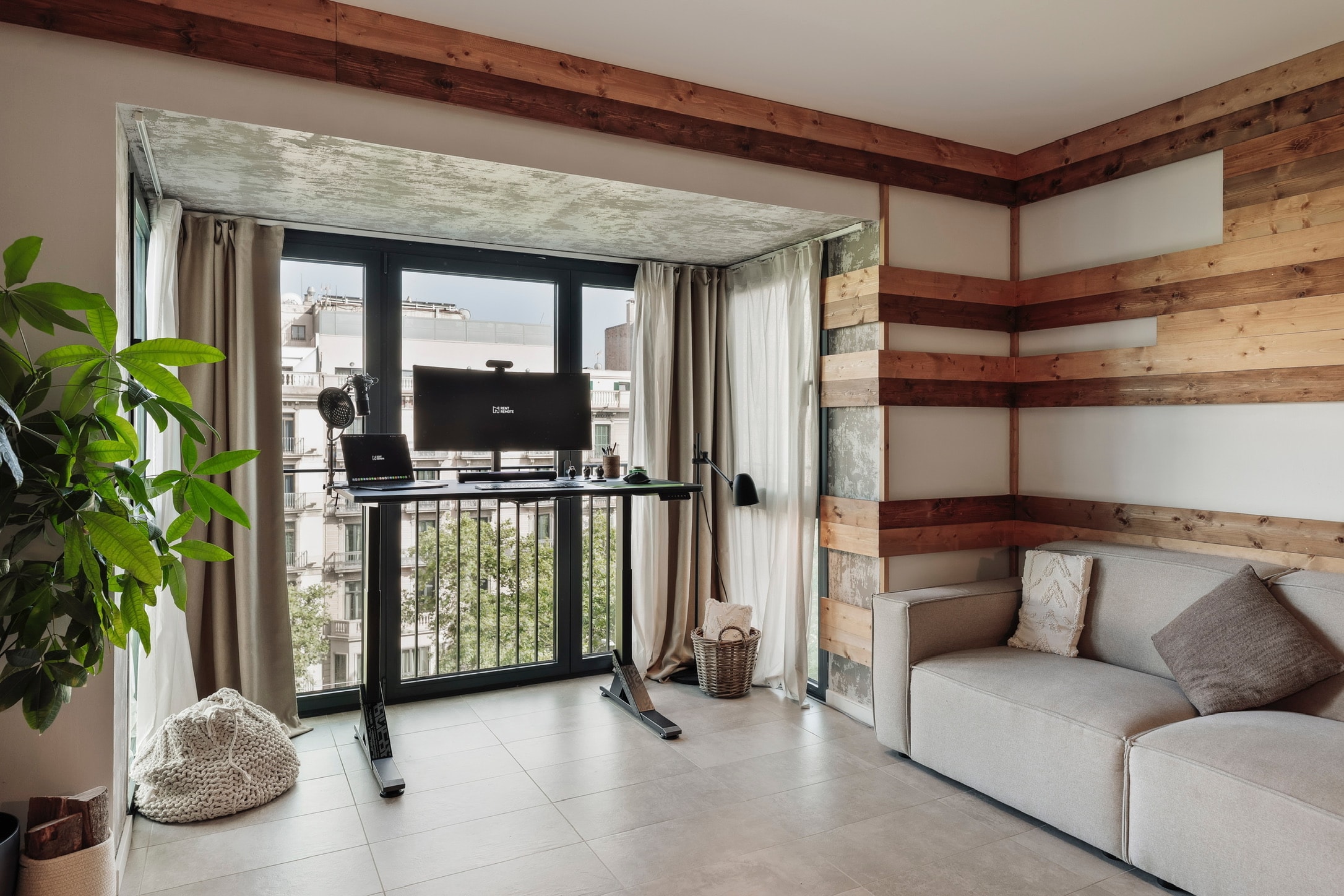
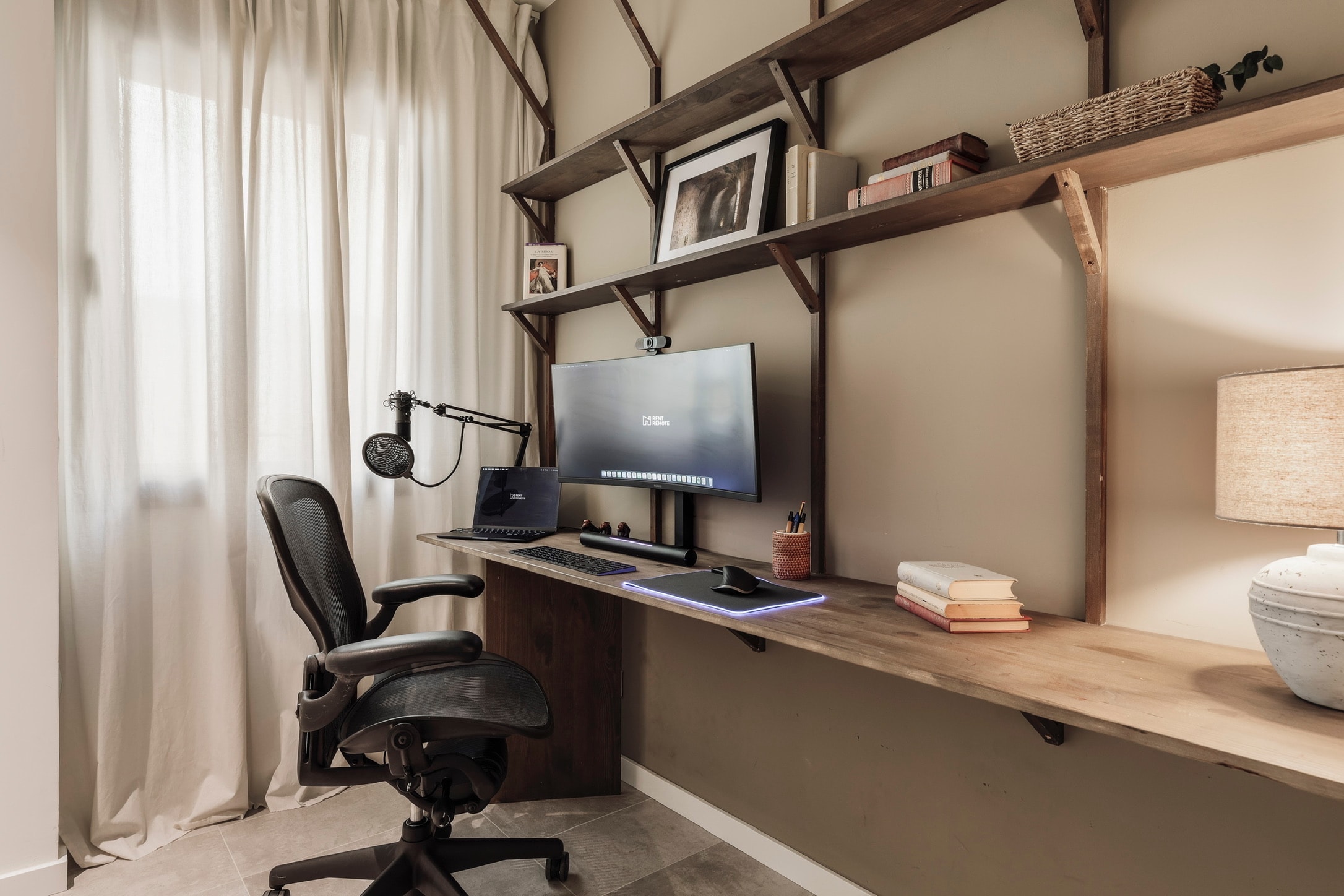
Thinking of staying longer? Browse our curated apartments in Barcelona with high-speed Wi-Fi, ergonomic desks, and balconies overlooking the Spanish capital's creative quarters.
Day Trips from Barcelona
Even with the richest Barcelona itinerary, a day beyond the old city center reveals Catalonia’s wilder beauty. Each day trip adds a change of pace without losing the warmth of the Mediterranean Sea.
-
Montserrat – jagged peaks, monastery choir, and panoramic trails; book a guided tour (€55 including train + funicular).
-
Girona – medieval walls and a preserved Jewish Quarter; 1 hr by train from central Barcelona.
-
Sitges – art galleries, film festivals, and relaxed beaches perfect for remote work breaks.
-
Costa Brava – rugged coves, whitewashed fishing towns, and the birthplace of Dalí; rent a car for the full coastal drive.
Pro tip: The Barcelona Pass includes bundled options for Gaudí sites and day trips, ideal for travelers balancing sightseeing and coworking.
Many routes stop by Casa Vicens or Park Güell on the return leg — a treat for fans of Gaudí’s masterpieces.
Each day trip adds contrast to city life — monasteries, medieval towns, or beach hideaways — and deepens what 3 days in Barcelona can’t contain. If you crave more variety, include a fourth day trip to Tarragona’s Roman amphitheater or wine country in Penedès.

Planning Your Stay in Barcelona Spain
Between famous landmarks, food markets, and sea air, Barcelona rewards those who linger. Spend mornings tracing Gaudí’s mosaics, afternoons in the cafés of El Born, and evenings at the Palau de la Música or Casa Milà’s rooftop terrace watching the skyline glow.
If you’re mapping your own Barcelona itinerary, consider alternating art days with leisure ones — pair Park Güell with Barceloneta Beach, or combine the Palau de la concert hall with tapas in the Gothic Quarter.
For remote workers, coworking hubs like Aticco Bogatell and La Vaca Coworking offer day passes (€15–20) and sea-view desks. When it’s time to unplug, nothing beats a walk along the promenade — proof that life here moves at the perfect pace.
Plan your Mediterranean coastal escape — explore remote-work-ready flats in Spain along the Costa Brava or mountain getaways near Montserrat. Extend your 3 days in Barcelona into a journey through Catalonia.