
Barcelona has a way of pulling people in for longer than planned. What starts as a short visit often turns into a few productive months, a university term, or a remote work stint that deserves more than a cramped hotel room. That’s where monthly apartment rentals Barcelona come into play—offering a middle ground between tourist accommodation and long-term leases, without locking you into a year-long commitment.

For digital nomads, professionals on temporary assignments, students, and couples, renting an apartment by the month makes it easier to live comfortably while staying flexible. You get a real home, often fully furnished, with the space and privacy needed for daily routines, work calls, and downtime. Compared to hotels, monthly rentals are typically more cost-effective and far better suited for longer stays, especially when you factor in kitchens, living areas, and reliable internet.
This guide breaks down how monthly rentals work in Barcelona, where to look, what to budget for, and which neighborhoods make the most sense depending on how you plan to live and work in the city.
Why Monthly Rentals Make Sense for Remote Professionals in Barcelona
Remote professionals don’t experience Barcelona in short bursts. Your days are shaped by meetings, deadlines, and focused work blocks, with the city fitting around that structure rather than interrupting it. Monthly rentals make this possible by offering stability and comfort without forcing you into long-term commitments that don’t match project-based or flexible work.
Monthly Rentals vs Hotels and Long-Term Leases
Hotels are convenient for short visits, but they’re rarely designed for daily work. Small rooms, shared spaces, and inconsistent internet become limiting once workdays stack up. Monthly apartment rentals offer a more livable setup, with room to separate work from rest and settle into a routine.
Long-term leases in Barcelona often require year-long commitments, multiple months of deposit, and unfurnished spaces. For remote professionals staying one to six months, monthly rentals remove that friction while still providing a sense of home.
Why monthly rentals work better than the alternatives:
-
More space than a hotel room, with separate living and sleeping areas
-
Furnished interiors that don’t require setup or purchases
-
Flexible contracts that fit short term or project-based stays
-
Better value over time compared to nightly hotel rates
Built Around Real Remote Work Routines
Apartments designed for monthly stays increasingly reflect how remote professionals actually work. Reliable internet, practical layouts, and quieter interiors matter far more than decorative extras when you’re spending most of your day at home.
Many apartments in Barcelona are configured to support focused work, especially in residential neighborhoods where daytime noise is lower. Natural light, ventilation, and enough space for a proper workstation can significantly improve productivity over longer stays.
Common features remote professionals look for in monthly rentals:
-
Consistent high-speed WiFi suitable for video calls
-
Layouts that allow a dedicated work corner or separate room
-
Functional furnishings rather than purely decorative ones
-
Sound insulation suited to calls during local business hours
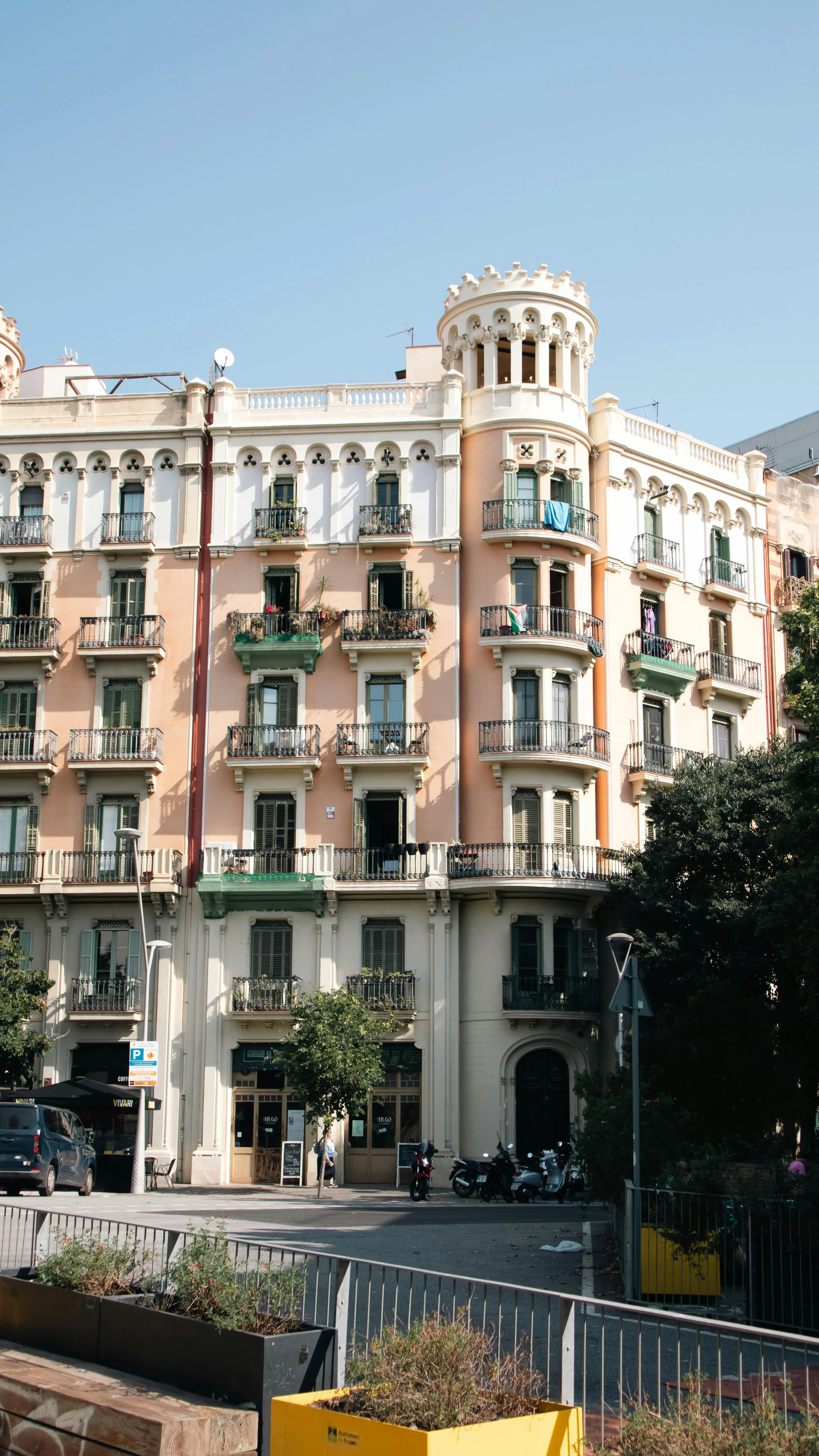
Living Locally Without Overcommitting
Monthly rentals also make it easier to live like a local without locking yourself into a long-term lease. You have time to learn the rhythms of your neighborhood, understand commute patterns, and build routines that support both work and downtime.
For many remote professionals, that balance—having a comfortable base while staying flexible—matters more than luxury finishes or short-term convenience. Monthly rentals provide enough structure to feel settled, without the commitment that can limit future plans.
This approach lets you work efficiently while actually enjoying life in Barcelona, rather than counting down nights or adapting your schedule to accommodation constraints.
Furnished Apartments in Barcelona: What Remote Professionals Can Expect
Furnished apartments dominate the monthly rental market in Barcelona, especially for stays longer than a few weeks. For remote professionals, this isn’t about convenience alone—it’s about removing friction on arrival and making sure your living space supports full-time work from day one. Most furnished apartments are designed for immediate move-in, which matters when your work schedule doesn’t allow time for setup or troubleshooting.
What “Fully Furnished” Actually Means in Practice
In Barcelona, fully furnished doesn’t just mean a bed and a sofa. Monthly rentals are typically equipped to support daily life, including cooking, working, and hosting guests without improvisation. This is particularly common in apartments aimed at professionals and longer stays.
What you’ll usually find in a fully furnished apartment:
-
A proper bed, storage, and seating suited for daily use
-
A fully equipped kitchen with cookware, appliances, and basic utensils
-
Internet already installed and ready to use
-
Core furnishings that prioritize function over short-term décor
Some apartments go further, offering layouts that make it easier to separate living and working areas—something that becomes essential if you’re spending full days at home.
Amenities and Facilities That Matter for Workdays
Beyond furnishings, amenities play a bigger role the longer you stay. In central Barcelona apartments, small details can significantly affect your work routine, especially in older buildings where layouts and infrastructure vary.
Common amenities remote professionals prioritize:
-
Reliable elevators in multi-story buildings
-
Air circulation and natural light for long workdays
-
On-site or responsive maintenance support
-
Shared facilities such as gyms, rooftops, or communal areas in newer developments
Providers like RentRemote, for example, focus on furnished apartments in vibrant neighborhoods and often include access to building-level amenities such as gyms or pools, which can be a bonus if you’re balancing work with fitness.
Services Included in Monthly Furnished Rentals
Many furnished monthly rentals include light services that reduce day-to-day hassle. This is where apartments begin to differ from traditional long-term leases and feel closer to a managed living setup—without tipping into hotel territory.
Services often included or available:
-
Regular cleaning or optional housekeeping
-
Maintenance support during the stay
-
A single point of contact for issues or extensions
Agencies like aTemporal specialize in furnished rentals for demanding clients and offer personalized support through multilingual account managers, which can be especially helpful if you’re managing work alongside relocation logistics.
Choosing a furnished apartment in Barcelona allows remote professionals to settle quickly, stay productive, and focus on work rather than setup. It’s a practical foundation for longer stays, especially when your apartment doubles as your primary workspace.

Apartments in Barcelona: Types, Sizes, and Layouts to Know Before You Book
Apartments in Barcelona vary widely depending on the neighborhood, building age, and intended length of stay. For remote professionals, the differences go beyond square meters—layout, light, noise, and building infrastructure all shape how comfortable it feels to work from home over several months. Knowing what’s typical in different parts of the city helps set realistic expectations before you book.
Common Apartment Types You’ll Find Across the City
Most monthly rentals fall into a few standard formats, but where they’re located often determines how well they function for remote work.
Typical apartment types and where they work best:
-
Studios – Common in El Raval and parts of El Born, often compact and best suited for short workdays or hybrid schedules
-
One-bedroom apartments – Widely available in Eixample and Gràcia, offering better separation between work and rest
-
Two-bedroom apartments – Popular in Poblenou and Sant Antoni, often used as a bedroom plus dedicated office
-
Three-bedroom apartments – More frequent outside the historic center, useful for teams, families, or longer stays
For most remote professionals, a one-bedroom apartment in a quieter, residential area offers the best balance of comfort and cost.
Space, Layout, and Day-to-Day Work Comfort
Barcelona apartments can feel smaller than listings suggest, especially in older buildings. A smart layout often matters more than total space, particularly if you’re working full-time from home.
Layout features that make longer stays easier:
-
A separate room or alcove that can function as a workspace
-
Natural light in the main living area, common in Eixample’s wide-street blocks
-
Storage space for luggage and work equipment
-
Sound insulation, especially important in lively areas like El Born or near major streets
Apartments near pedestrian streets or interior courtyards tend to be quieter during the day, which can make a noticeable difference for calls and focused work.
Historic Buildings vs Newer Developments
Barcelona’s housing stock ranges from centuries-old buildings to modern residential complexes. Each comes with trade-offs that remote professionals should weigh carefully.
What to expect from different building types:
-
Historic buildings (El Born, Barri Gòtic): character, central location, but often no elevator and thinner walls
-
Mid-century buildings (Eixample, Sant Antoni): better layouts, higher ceilings, and more consistent infrastructure
-
Newer developments (Poblenou): elevators, modern insulation, and sometimes shared facilities like gyms or terraces
Many professionals gravitate toward Eixample or Poblenou for longer stays because they combine livable layouts with reliable building standards.
Choosing the right apartment in Barcelona isn’t about finding the largest space—it’s about finding one that supports your daily routine without friction. Paying attention to layout, building type, and neighborhood character upfront helps ensure your apartment feels like a functional home for work, not just a temporary stop.
Best Neighborhoods for Monthly Apartment Rentals in Barcelona
Where you live in Barcelona shapes your entire work routine. Noise levels, walkability, café culture, and building quality vary sharply from one area to the next. For remote professionals staying longer than a few weeks, choosing the right neighborhood matters just as much as choosing the apartment itself.
El Born: Central, Walkable, and Lively
El Born appeals to remote professionals who want to live in the middle of the city’s historic core. Streets are narrow, apartments are often in older buildings, and daily life happens on foot. It’s an energizing place to live, but not always the quietest.
Why El Born works well for some professionals:
-
Easy walking access to Plaça Catalunya, the waterfront, and multiple metro lines
-
Strong café culture for breaks between calls, including spots like Cafés El Magnífico and Hidden Café
-
A mix of one-bedroom and compact apartments suited to solo stays or couples
Things to keep in mind:
-
Older buildings often lack elevators
-
Street noise can be noticeable, especially near bars and late-night areas
Eixample: Space, Light, and Consistency
Eixample is one of the most popular areas for remote professionals renting monthly. Its wide streets, grid layout, and mid-century buildings make daily life easier and more predictable.
What makes Eixample a strong long-stay option:
-
Larger apartments with better layouts and natural light
-
Reliable building infrastructure, including elevators and sound insulation
-
Easy access to coworking-friendly cafés like Federal Café and Three Marks Coffee
Eixample tends to be more expensive than outer neighborhoods, but many professionals find the comfort worth the price over longer stays.
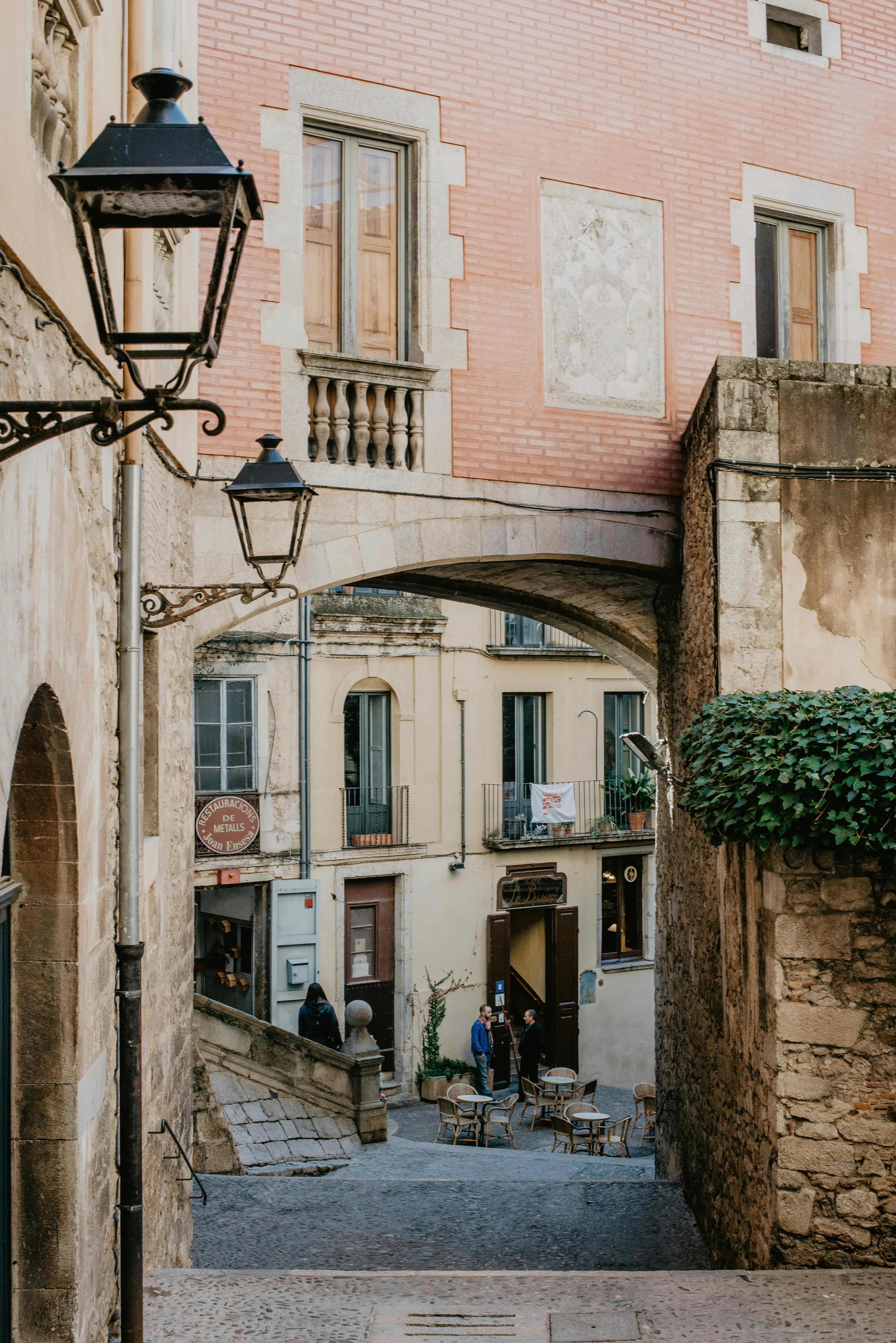
Gràcia: Local Feel with Creative Energy
Gràcia attracts remote professionals who want a neighborhood atmosphere without giving up access to the city center. It feels more residential, with small plazas and independent businesses shaping daily life.
Why Gràcia works for longer stays:
-
Quieter streets compared to central tourist zones
-
Strong local café culture, including places like SlowMov and Onia Coffee
-
Apartments that feel more residential than short-term oriented
Gràcia apartments are often smaller, but the slower pace and community feel appeal to professionals who prioritize routine and focus.
Poblenou: Modern Living Near the Sea
Poblenou has become a favorite for tech workers and remote professionals looking for newer buildings and more space. It offers a different rhythm from the historic center, with wider streets and modern developments.
Why Poblenou stands out:
-
Newer apartments with elevators and better insulation
-
Proximity to the beach for post-work downtime
-
Coworking hubs and cafés like Betahaus and Little Fern Coffee
Poblenou suits professionals who want modern comforts and don’t mind being slightly removed from the city’s historic core.
Choosing the best neighborhood depends on how you work and unwind. Some professionals thrive in the energy of central areas, while others need quieter streets and newer buildings to stay productive. Understanding how each neighborhood functions day to day makes it easier to choose a base that supports both work and life in Barcelona.
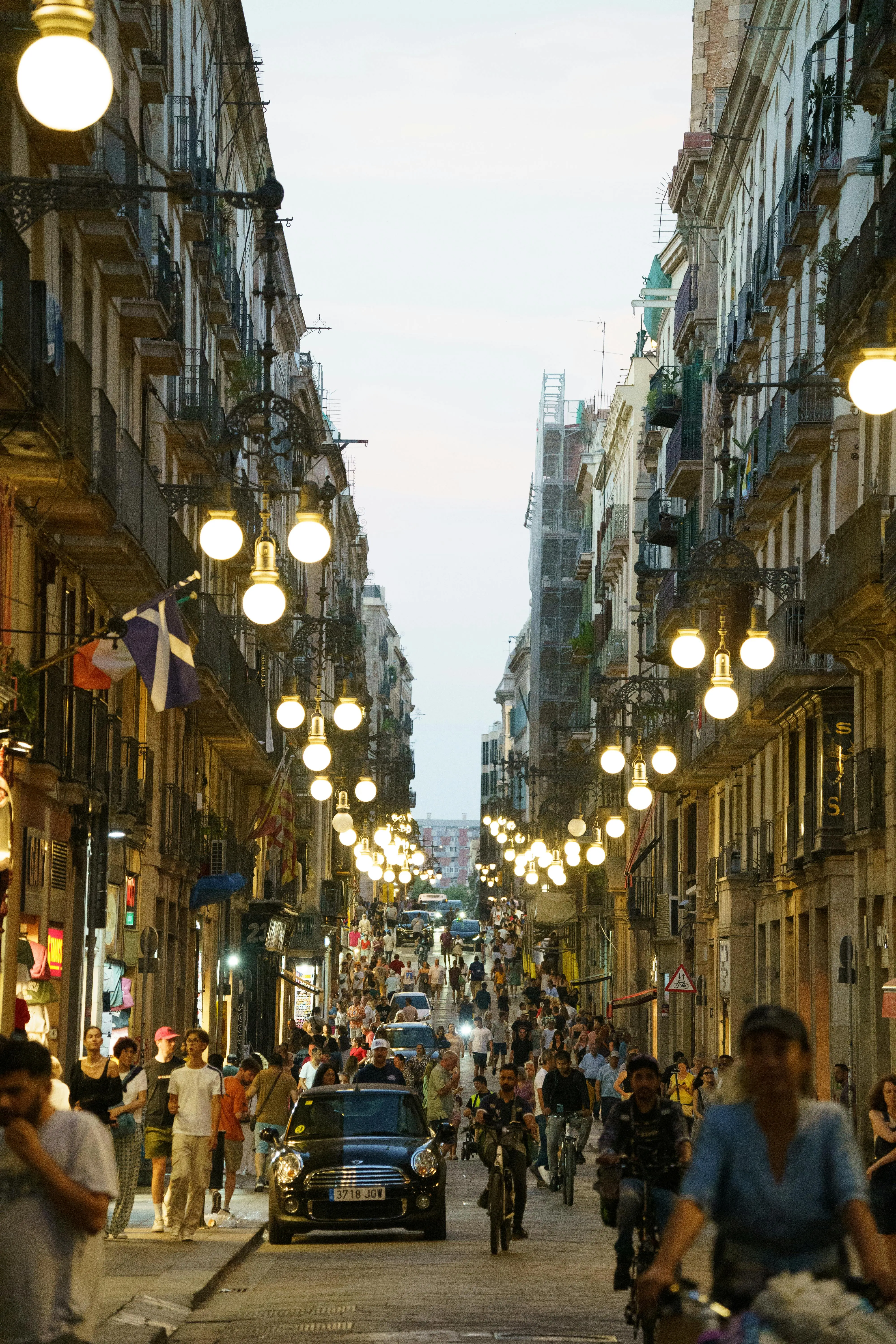
Browse Barcelona homes near this area
Rent in Barcelona: Prices, Costs, and Budget Planning for Monthly Stays
Renting in Barcelona requires a realistic view of costs, especially if you’re staying for more than a few weeks and working remotely. Prices vary widely by neighborhood, building quality, and season, and monthly rentals often bundle services differently than long-term leases. Understanding what you’re actually paying for helps avoid surprises once you settle in.
Typical Monthly Prices by Apartment Type
Monthly rent in Barcelona is driven primarily by location and size. Central areas command higher prices, while neighborhoods further out or with newer housing stock may offer better value for space.
Current price ranges you’ll commonly see:
-
Studios: €900–€1,200+, often in El Born, Gràcia, or near universities
-
One-bedroom apartments: €1,050–€1,580+ on average, especially in Eixample and Sant Antoni
-
Two-bedroom apartments: €1,800–€2,500+, more common in Poblenou or renovated Eixample blocks
-
Three-bedroom apartments: €2,500–€3,000+, usually outside the historic center
During summer months, demand increases and prices tend to rise, particularly in central neighborhoods close to the beach or tourist zones.
Utilities, Deposits, and Ongoing Costs
Monthly rentals don’t always include everything in the headline price. Knowing what’s typically separate helps with accurate budgeting.
Common additional costs to check:
-
Utilities: €80–€150 per month, depending on usage and contract terms
-
Internet: Often included in furnished rentals, but confirm speed and reliability
-
Deposit: Usually 1–2 months’ rent, lodged with Incasol as required by law
-
Cleaning or service fees: Sometimes included, sometimes billed monthly
Some managed apartments bundle utilities and maintenance into a single monthly figure, which simplifies budgeting for remote professionals.
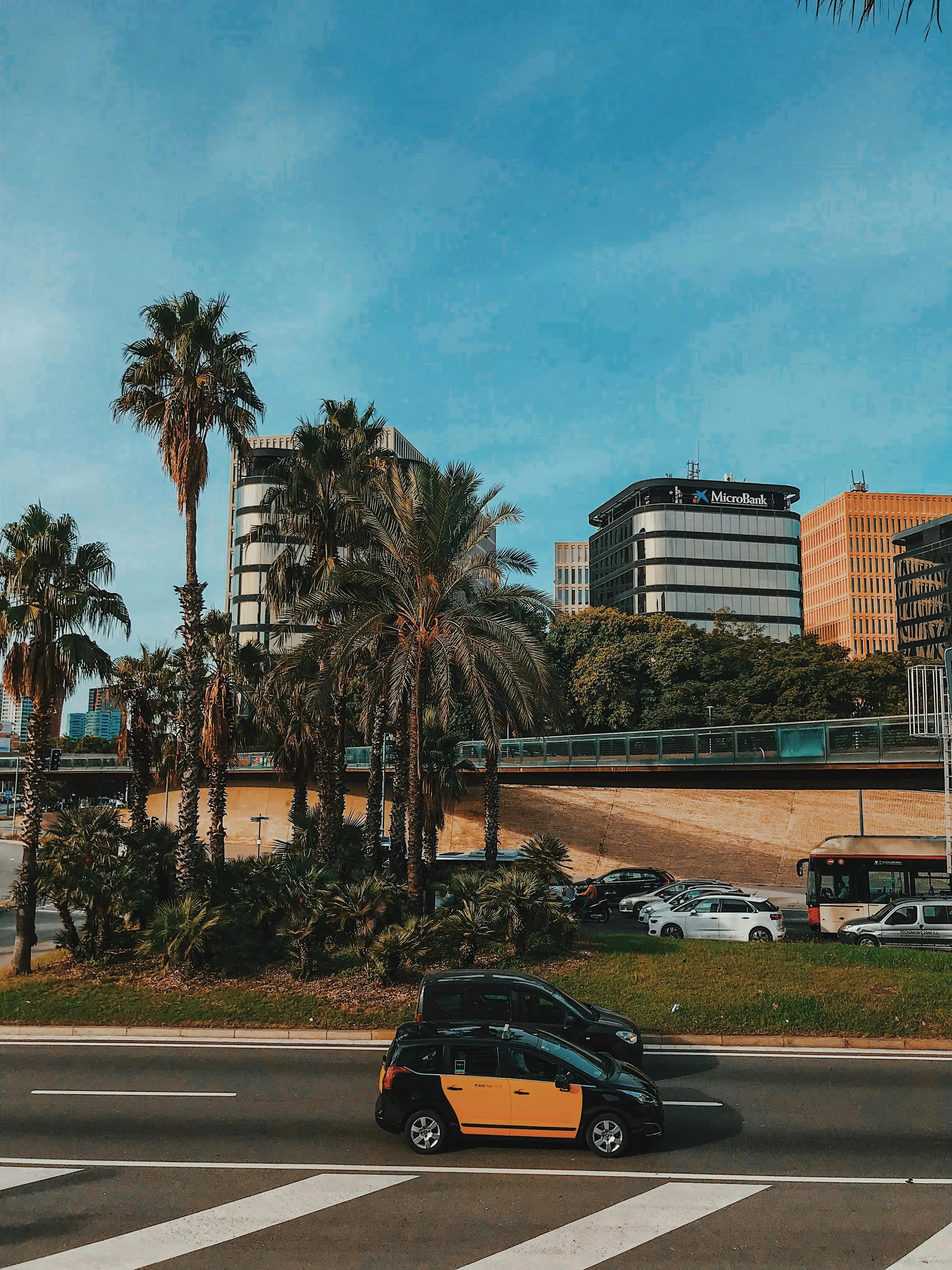
Central Areas vs Outer Neighborhoods
Where you choose to live has a direct impact on rent. Central districts like El Born, Barri Gòtic, and parts of Eixample are consistently more expensive due to demand and walkability. Areas like Poblenou or Sant Andreu often offer better value for larger apartments and newer buildings.
Remote professionals often weigh:
-
Paying more for central walkability and character
-
Choosing slightly outer neighborhoods for space and quieter workdays
-
Balancing commute time against rent savings
Platforms like Idealista and Fotocasa are widely used to compare prices across neighborhoods, while agencies such as aTemporal or LOCA BARCELONA tend to focus on furnished, higher-quality options aimed at medium stays.
Planning your budget upfront makes it easier to choose the right apartment and avoid stretching costs over a longer stay. A clear understanding of rent, utilities, and deposits helps ensure your time in Barcelona stays focused on work and living well—rather than renegotiating expectations mid-stay.
Rent Short Term in Barcelona: Rules, Legal Limits, and What to Check Before You Sign
Short-term and monthly rentals in Barcelona are tightly regulated, and the rules matter more than many remote professionals expect. Understanding how temporary contracts work—and what’s legally required—can save you from unexpected issues mid-stay, especially if you plan to work from the city for several months.
Temporary and Seasonal Rentals: How They Actually Work
Monthly rentals in Barcelona usually fall under temporary or seasonal contracts, not standard long-term leases. These contracts are designed for stays longer than tourist visits but shorter than permanent residency.
What typically defines a legal short-term rental:
-
Minimum stays of 32 days or longer, which separates them from tourist licenses
-
Contract durations ranging from 1 to 11 months
-
A stated temporary reason for the stay, such as work assignments, studies, or relocation
From 2026 onward, a new Catalonia Housing Law requires clearer justification for temporary contracts. Landlords must document the reason for the short-term stay to avoid the contract being reclassified as a long-term lease.
What Remote Professionals Should Verify Before Booking
Not all listings are structured the same way, even if they look similar online. Before committing, it’s important to check how the contract is classified and what flexibility you actually have.
Key points to confirm before you book:
-
Contract type (temporary vs long-term) and allowed duration
-
Whether extensions are possible if your project runs longer
-
Deposit amount and how it’s registered with Incasol
-
What happens if you need to leave early
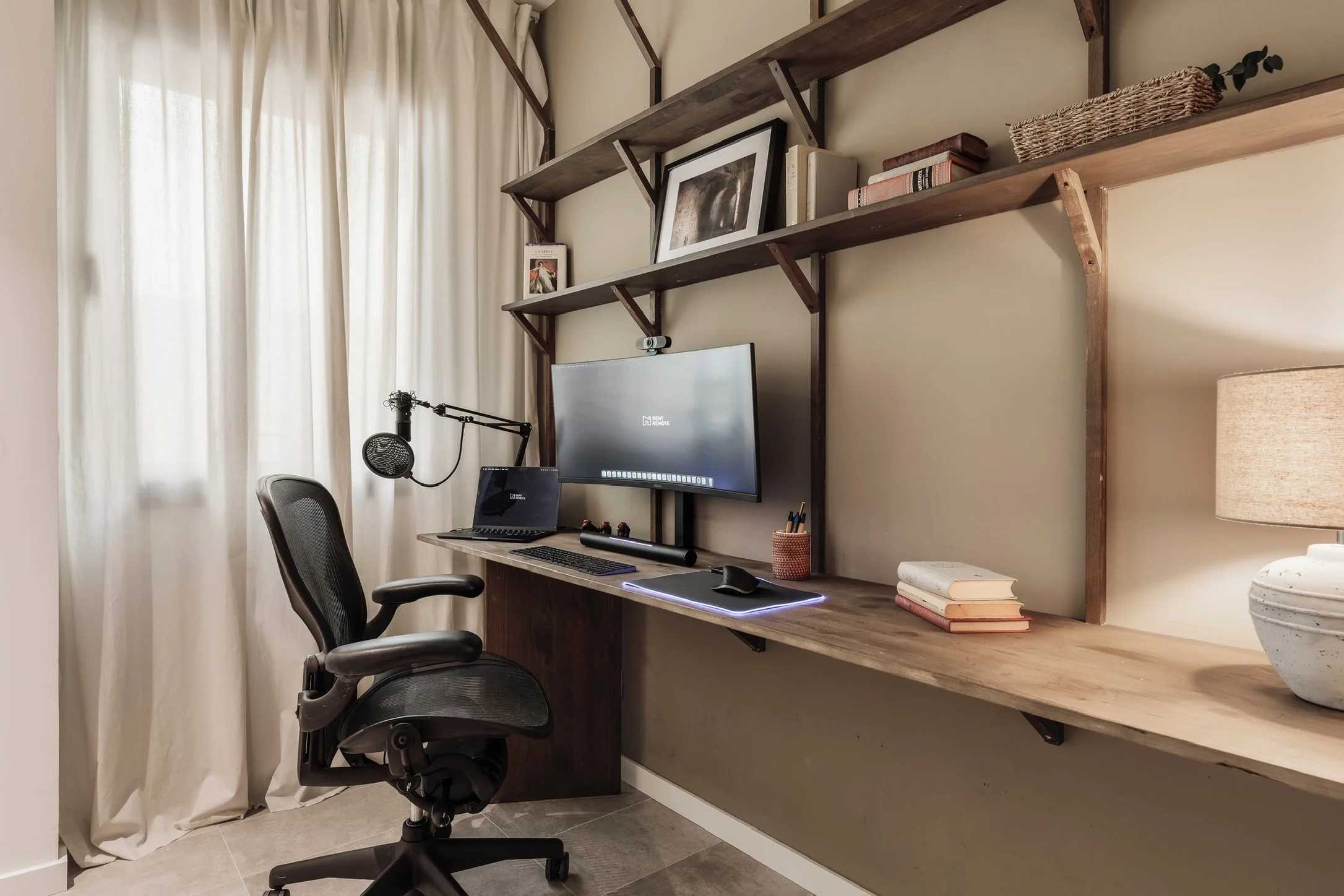
Agencies that specialize in medium-term rentals—such as aTemporal or LOCA BARCELONA—tend to handle this paperwork more consistently than informal listings, which reduces legal ambiguity for professionals staying several months. Alternatively check out the fully furnished apartments in Barcelona listed on RentRemote to find apartments curated for digital nomads and remote workers where all the properties are verified, pre-installed with high speed WiFi, ergonomic workstations, and all the equipment needed to plug in and start working.
Location, Regulation, and Practical Impact
Regulations don’t affect every neighborhood equally. Central districts like El Born, Barri Gòtic, and Eixample are more closely monitored due to high demand and past pressure from short-term tourism. This has made professionally managed monthly rentals more common in these areas, while informal arrangements have become riskier.
Remote professionals often prefer:
-
Managed apartments with clear temporary contracts
-
Providers familiar with local regulations and documentation
-
Listings that clearly state minimum stay and legal classification
Taking time to confirm these details upfront helps ensure your stay remains smooth and uninterrupted. When your apartment doubles as your workspace, legal clarity becomes part of staying productive—not just a formality.
Where to Find Apartments for Rent in Barcelona as a Remote Professional
Finding the right apartment in Barcelona isn’t just about availability—it’s about filtering noise from options that actually work for longer stays and remote work. Listings are spread across platforms, agencies, and managed providers, each offering different levels of reliability, flexibility, and support. Knowing where to look helps remote professionals move faster and avoid mismatched rentals.
Online Platforms for Barcelona Apartments
Most searches begin on large listing websites, which are useful for understanding price ranges and neighborhood patterns. These platforms give a broad view of apartments in Barcelona, but listings can vary widely in quality and clarity.
Commonly used platforms include:
-
Idealista – The most widely used local website, with the largest volume of listings
-
RentRemote - Great for finding fully furnished apartments with workstations and high speed WiFi
-
Fotocasa – Helpful for cross-checking prices and availability
-
Spotahome and Flatio – Often used for furnished apartments aimed at medium stays
These platforms work best for early-stage search and comparison. For remote professionals, it’s important to verify minimum stay rules, contract type, and whether the apartment is genuinely suited for working from home.
Agencies Focused on Monthly Rentals
Dedicated rental agencies play a major role in Barcelona’s monthly rental market, particularly for temporary housing and professionally managed apartments. They tend to offer clearer contracts and more consistent standards than individual listings.
Established agencies include:
-
AB Apartment Barcelona – Known for furnished apartments across central neighborhoods
-
Stay Unique and Long Stay Barcelona – Focus on medium and longer stays with managed properties
-
aTemporal – Specializes in high-quality apartments for demanding clients, with over 300 properties located in central areas and multilingual account management
-
LOCA BARCELONA – A short term rental specialist with more than ten years of experience in property management
Agencies are often a safer route for professionals booking from abroad or planning a stay of several months.
Managed Options Designed for Remote Professionals
Some providers focus specifically on digital nomads and professionals, offering serviced apartments or fully managed rentals with predictable standards. These options prioritize consistency and service over variety.
Common choices include:
-
HousingAnywhere, popular with students and professionals seeking furnished monthly rentals
-
Blueground, which offers fully furnished apartments with access to building amenities like gyms or pools
-
Cotown, which focuses on coliving for those prioritizing community
These providers are often well-suited to professionals who value reliability and minimal setup time.
A More Curated Way to Search
For remote professionals who don’t want to juggle multiple platforms, RentRemote offers a more focused approach. Instead of broad listings, it curates furnished apartments that are already set up for remote work—prioritizing reliable internet, functional layouts, and locations that support longer stays. This can simplify the search process, especially if you’re balancing relocation planning alongside a full work schedule.
With so many apartments for rent spread across platforms and agencies, having a more curated starting point can save time and reduce guesswork. If you’d rather skip listings that aren’t designed for longer stays or remote work, exploring fully furnished apartments in Spain through RentRemote offers a simpler way to focus on places that are already set up for productive, comfortable living.
Pets Allowed, Preferences, and Special Requirements for Monthly Stays
For longer stays in Barcelona, the small details quickly become non-negotiable. Remote professionals aren’t just looking for a place to sleep—they’re looking for an apartment that fits their routine, supports workdays, and adapts to personal needs. This is where preferences like pets, guests, and flexibility start to matter just as much as location or price.
Pets Allowed Apartments in Barcelona: What’s Realistic
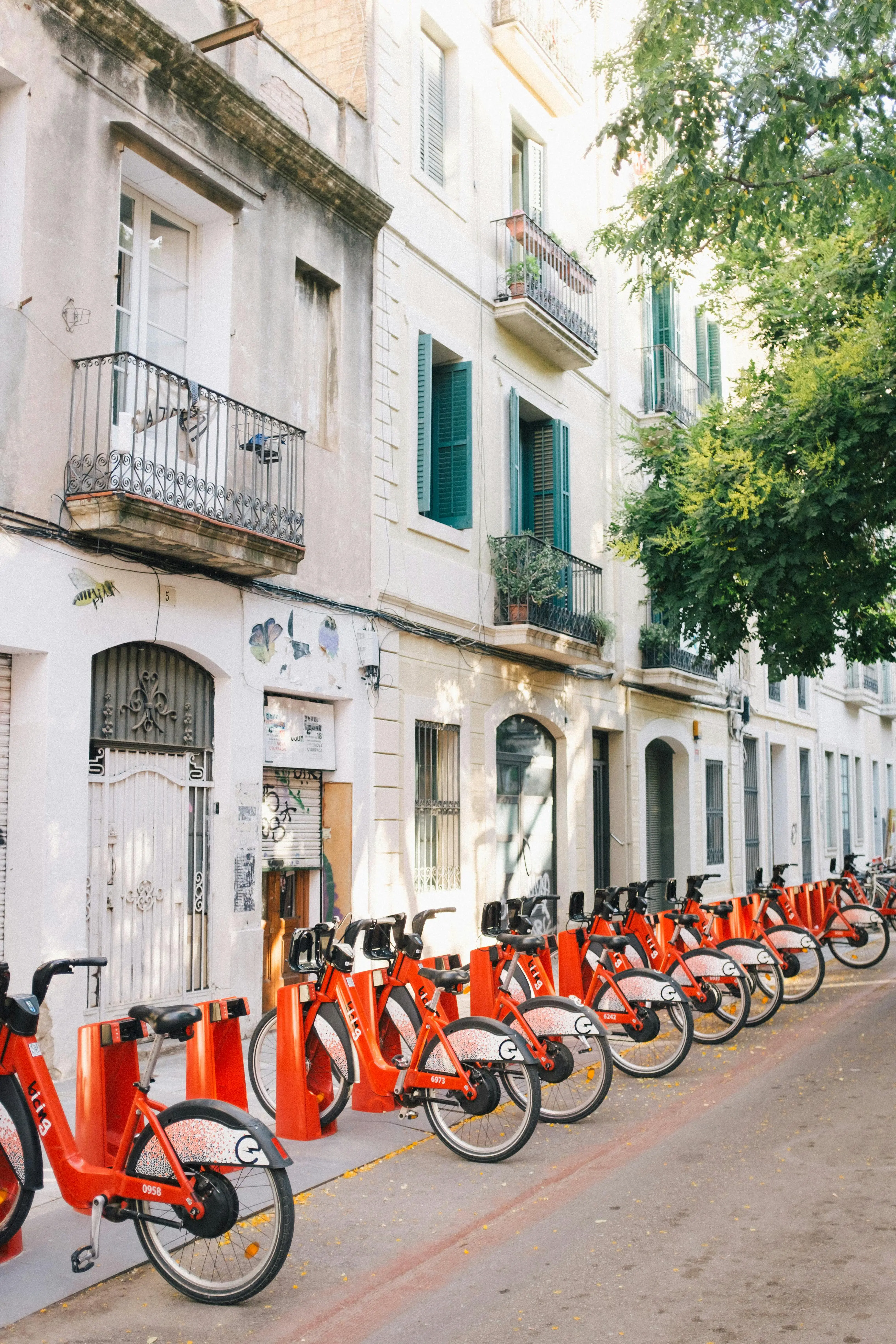
Finding pets allowed apartments in Barcelona is possible, but it requires patience and realistic expectations. While demand is high, availability is more limited in central neighborhoods, especially in older buildings with strict community rules.
What to know when searching with pets:
-
Many landlords prefer smaller pets and may request additional deposits
-
Newer buildings in areas like Poblenou or Sant Andreu tend to be more pet-friendly
-
Managed properties and agencies are more transparent about pet policies than private listings
-
Outdoor space, such as balconies or nearby parks, can matter more than apartment size
Professionals traveling with pets often have better luck with furnished apartments designed for monthly rentals rather than informal short term listings.
Matching Apartments to Personal Preferences
Beyond pets, monthly rentals need to align with how you actually live and work. Preferences around layout, noise levels, and flexibility can make or break a longer stay—especially when your apartment doubles as your workspace.
Common preferences remote professionals prioritize:
-
Quiet interiors suitable for calls during business hours
-
Space to host occasional guests without disrupting work routines
-
Flexible contracts that allow you to extend a stay if projects run longer
-
Buildings with reliable elevators, storage, or shared facilities
Apartments closer to residential streets rather than nightlife zones tend to offer a more consistent day-to-day experience.
Guests, Flexibility, and Length of Stay
Policies around guests and flexibility vary widely across rentals in Barcelona. Some monthly rentals allow short visits from friends or family, while others restrict overnight stays entirely.
Key details to check before you book:
-
Guest policies and any limits on overnight stays
-
Whether the apartment allows contract extensions by the month
-
Notice periods required if plans change
-
What level of support is available if issues arise mid-stay
Professionally managed rentals often provide clearer terms and better support, which can be especially valuable if your stay evolves over time.
When preferences are matched correctly, a monthly rental becomes more than accommodation—it becomes a comfortable, workable home. Taking the time to clarify pets, flexibility, and guest policies upfront makes it far easier to settle in and focus on work during a longer stay in Barcelona.
Monthly Rentals vs Traditional Stays: Real Costs, Trade-Offs, and What You Actually Get
When you compare monthly rentals to short stays in Barcelona, the difference becomes clear once you put real numbers on the table. For remote professionals staying a month or longer, the gap isn’t just about nightly rates—it’s about space, predictability, and how much friction you’re willing to tolerate during a full work schedule.

What a Month Really Costs: Apartments vs Hotels
Short stays price convenience into every night. Over time, that premium adds up quickly—especially in central neighborhoods.
Typical monthly costs in Barcelona (realistic ranges):
-
Hotel (mid-range, central): €120–€180 per night → €3,600–€5,400 per month
- Examples in Eixample or El Born often include limited workspace and shared facilities
-
Studio apartment (monthly rental): €900–€1,200+
-
One-bedroom apartment: €1,050–€1,580 on average
-
Two-bedroom apartment: €1,800–€2,500+
Even before factoring in meals or workspace needs, monthly rentals often cost less than half of a comparable hotel stay for the same duration.
Daily Living Costs That Change the Equation
Beyond rent, how you live day to day has a real impact on overall spend—especially if you’re working full time.
Typical monthly add-ons for rentals:
-
Utilities: €80–€150, depending on usage
-
Internet: Often included in furnished monthly rentals
-
Groceries: €200–€300 if you cook regularly
-
Coffee and casual meals: €2.50–€4 per coffee; menú del día €12–€14
A fully equipped kitchen makes a measurable difference. Cooking even half your meals can easily save €300–€500 per month compared to eating out daily during a hotel stay.
Space and Work Comfort: The Hidden Cost of Short Stays
Hotels are optimized for nights, not workdays. Even well-reviewed properties tend to limit how comfortably you can work eight hours a day.
What monthly rentals offer instead:
-
Separate living and sleeping areas
-
Space for a real workstation rather than a desk corner
-
Quiet daytime environments, especially in residential blocks
-
Storage for luggage, equipment, and longer stays
A one-bedroom apartment in Eixample or Poblenou often provides double the usable space of a hotel room at a lower monthly cost—something that becomes critical during long workweeks.
Real-World Comparison by Neighborhood
Central hotel stay (El Born or Eixample):
-
High nightly cost
-
Limited workspace
-
Daily cleaning schedules and shared areas
-
Best suited for short visits, not extended work
Monthly rental in residential zones (Eixample, Gràcia, Poblenou):
-
Predictable monthly price
-
More space and privacy
-
Better layouts for remote work
-
Easier to maintain routine during longer stays
Professionals staying longer than a few weeks consistently find that apartments provide better value—not because they’re cheaper across the board, but because they’re designed for living, not turnover.
For remote professionals planning a longer stay in Barcelona, monthly rentals tend to outperform traditional accommodation on cost, comfort, and practicality. Once work becomes part of your daily routine, having the right space matters far more than short-term convenience.
Monthly Apartment Rentals Barcelona: Finding the Right Fit for a Longer Stay
Choosing monthly apartment rentals Barcelona is ultimately about aligning your stay with how you actually plan to live and work in the city. For longer stays, the goal isn’t just securing apartments for rent, but finding temporary housing that feels stable, functional, and easy to manage over time. That’s what turns a rental into a perfect apartment rather than a compromise.
The most successful searches take a structured approach. Comparing best neighborhoods early helps narrow down best areas based on noise, layout, and access to daily essentials. Being clear about dates, preferences, and budget makes it easier to evaluate Barcelona apartments realistically and avoid options that don’t support longer stays. For many professionals, furnished apartments with clear contracts offer the strongest balance of comfort and flexibility.
Monthly rentals also come with practical benefits that short stays rarely match. More space, a fully equipped kitchen, and predictable costs make it easier to settle into routine. Compared to a hotel, apartments in Barcelona allow you to live locally, manage your own schedule, and stay productive without constantly adapting to short-term accommodation rules.
Using a focused website like RentRemote can simplify the process by filtering apartments in Barcelona specifically for longer stays and remote work. Instead of sorting through hundreds of listings, users can search with clearer intent, match properties to real needs, and move from browsing to action with fewer steps. That added clarity helps professionals accept the right option with confidence rather than rushing decisions.
In the end, renting in Barcelona works best when you treat it as a living decision, not a booking task. With the right search strategy, support, and understanding of the market, monthly rentals can become an ideal temporary home—one that supports work, comfort, and daily life throughout your stay.