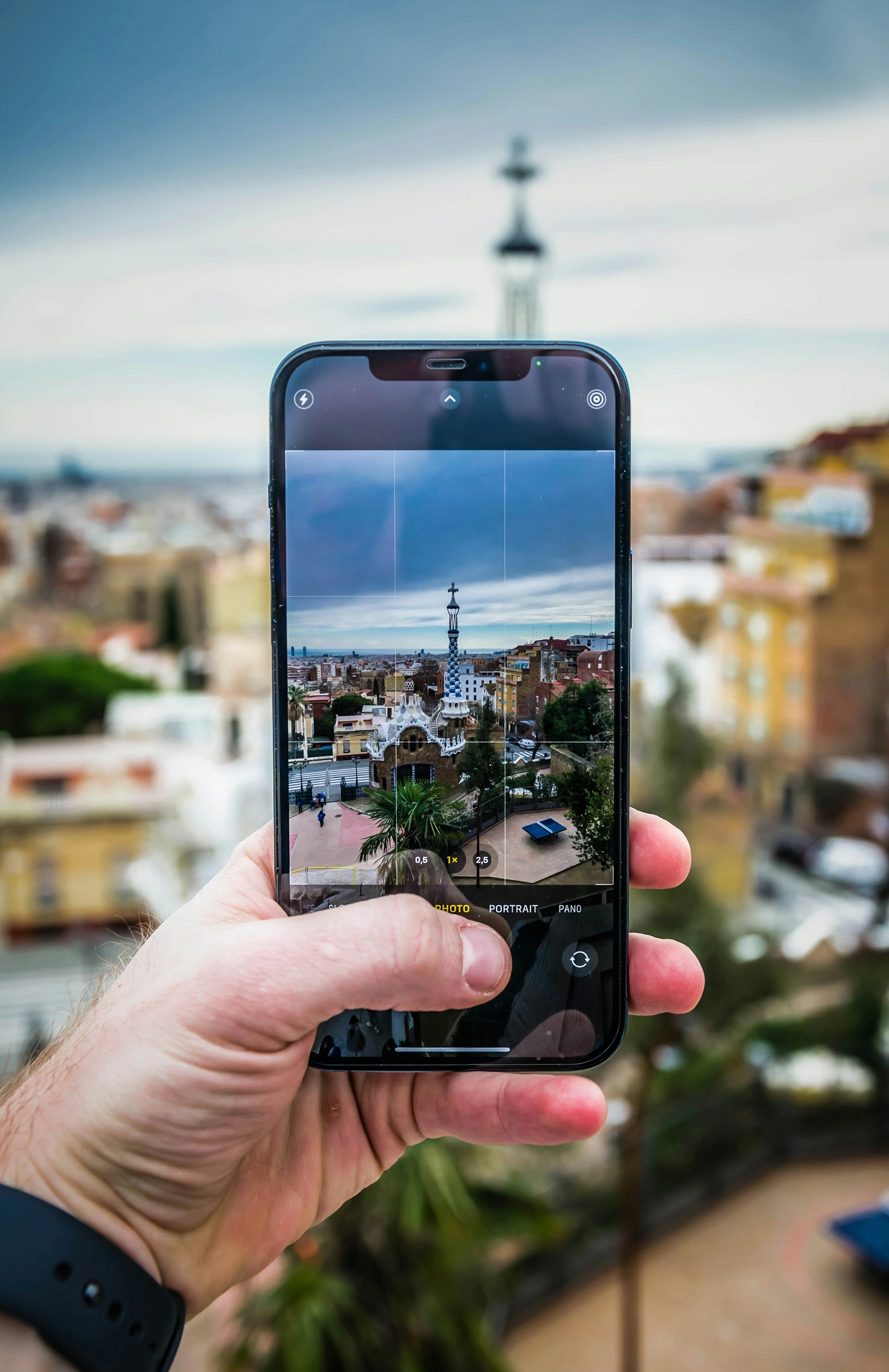
Is Barcelona Worth Visiting? A Local’s Honest Take on Spain’s Most Visited City
Every year, millions of travelers ask the same question: is Barcelona worth visiting? The short answer is yes—but not for the reasons you might expect. Barcelona isn’t just one of the most visited cities in Spain; it’s a layered coastal capital shaped by rhythm, architecture, and everyday life. Between the Mediterranean breeze and the sound of scooters echoing through ancient streets, this is a city that moves at its own pace.
A trip here offers contrasts you won’t forget: beaches next to basilicas, tradition beside technology, and locals who treat daily life like an art form.
Quick takeaways for your first visit:
-
A walk from Sagrada Família to the Mediterranean Sea shows the city’s full personality.
-
Visit Barcelona for the balance: art, sunshine, and café culture in equal measure.
-
You’ll find something deeper than sightseeing: a city that rewards curiosity.

Why Barcelona Is Worth Visiting (and When It’s Not)
Barcelona is one of those cities that lives up to its reputation—most of the time. Its skyline is defined by Gaudí’s creativity, its streets hum with music, and the Mediterranean sets the rhythm for everything from meal times to morning runs. Still, not every moment here feels postcard-perfect. Knowing what makes Barcelona worth visiting, and when to avoid it, helps you plan a trip that feels balanced rather than rushed.
What Makes It Worth It
Few cities manage to blend beauty, culture, and convenience as effortlessly as Barcelona.
Here’s what makes it a must visit for so many travelers:
-
Architecture with personality: From Sagrada Familia to Casa Batlló, every building feels alive.
-
Easy movement: The metro is clean, reliable, and covers nearly every neighborhood.
-
Outdoor rhythm: Tapas terraces, walking promenades, and beaches where locals actually swim.
-
Food culture: Fresh seafood, tapas, and market dining at La Boqueria or small restaurants in El Born.
-
Work-life blend: Reliable WiFi, coworking cafés, and sea-view apartments attract remote workers year-round.
When to Skip the Hype
Even a great city has its flaws. These are the times and moments that might make you rethink your visit to Barcelona:
| What to Know | Why It Matters |
|---|---|
| High season (June–August) | Overcrowded tourists, long queues at attractions, and higher hotel prices. |
| Touristy areas like Las Ramblas | Pickpockets and inflated menus can sour an otherwise great day. |
| Late-night noise | Central neighborhoods can stay loud until morning—especially near the city centre. |
| Overbooking | Big events can fill every hotel, so book ahead or aim for shoulder months. |
| Budget stress | Barcelona isn’t cheap anymore; expect extra costs for “view” seats or drinks near beaches. |
| In short: Barcelona’s beauty is undeniable—but knowing when and how to experience it turns a crowded weekend into a genuinely memorable trip. |

The Gothic Quarter and Ciutat Vella — Where Roman Times Still Echo
Step into the Gothic Quarter, and Barcelona’s modern pulse slows to the rhythm of its past. The area, part of Ciutat Vella, feels like a film set built for wandering—narrow streets, crooked balconies, and centuries-old stone facades that have seen everything from Roman settlers to modern street artists. It’s the old city at its most atmospheric: compact, moody, and endlessly photogenic.
What to See and Do
Before you get lost in its maze, know where to linger:
-
Barcelona Cathedral – The heart of the Gothic Quarter, with gargoyles, cloisters, and panoramic views from the rooftop.
-
Plaça del Rei – Once the seat of royal power; now a quiet square for people-watching.
-
Casa Padellàs** (Barcelona History Museum MUHBA)** – Walk through ruins dating back to Roman times beneath the modern streets.
-
Tapas and wine – Classic Spanish flavors at Bar del Pla or Bormuth, where patatas bravas still taste like tradition.
-
Stay local – Many hotels here are tucked inside restored stone houses with floor to ceiling windows and balconies that overlook the city’s oldest plazas.
Why It’s Worth Exploring
The Gothic Quarter isn’t just an architectural gem—it’s where you feel Barcelona’s contrasts most clearly. Monks once walked where musicians now play, and artisans share space with design boutiques. It’s the perfect place for travelers who prefer history they can touch, not just read about.
Explore RentRemote’s neighborhood guides to discover more areas like Eixample and El Born, each with its own rhythm and character.

Exploring El Born and the de la Ribera Quarter – Art, Design, and the Picasso Museum
Just east of the Gothic Quarter, El Born feels like the stylish younger sibling that grew up reading art books and staying out late. This compact neighborhood in the old city blends creativity and tradition—its street plan still follows medieval lines, yet the spaces between are filled with concept stores, galleries, and late-night restaurants. Together with the de la Ribera quarter, it forms one of Barcelona’s most characterful districts, perfect for slow walking and café hopping.
What to See in El Born
A stroll through El Born reveals more than pretty façades. Every corner hints at history, design, or a good meal.
-
Picasso Museum – Housed in five linked palaces, this museum showcases Picasso’s early years in Barcelona and how the city’s energy shaped his art. It’s one of the most visited museums in Spain, so book early.
-
Basílica de Santa Maria del Mar – A Catalan Gothic masterpiece in the heart of de la Ribera; climb its tower for panoramic views of rooftops and the Mediterranean horizon.
-
Passeig de la Princesa and Carrer de la Comerç – Great for shops selling artisan jewelry, handmade notebooks, and slow fashion.
-
Born Market** (Mercat del Born)** – A vast iron-and-glass structure that’s now a cultural center; traces of 18th-century ruins sit below the floor—an open reminder of the city’s layered past.
-
Tapas stops – Try Mosquito for dim sum-style plates, or Cal Pep for fresh seafood. Both are favorites with locals and visitors alike.
Why It Belongs on Your Barcelona Bucket List
El Born and de la Ribera are the antidote to overplanned sightseeing. The rhythm here comes from locals chatting outside bars and designers sketching beside laptops. It’s ideal for travelers who like a bit of texture in their days—a place to wander without agenda, to people watch between galleries and tapas.
If you want to understand Barcelona’s creative side, start here—where the past hasn’t been replaced, just reimagined.

Barceloneta Beach and the Mediterranean Lifestyle
Barcelona isn’t just a city; it’s a seaside state of mind. Nowhere captures that better than Barceloneta Beach, the sandy stretch where old fishermen’s houses meet rooftop cocktails and beach volleyball. This former town turned urban coast has become a ritual for locals and visitors alike — where mornings start with a run by the Mediterranean Sea, afternoons drift into tapas, and evenings stretch until night.
The beach sits just a short walk from the city centre, connecting to Nova Icaria and the Olympic Port. Whether you come to swim, snack, or simply people watch, this is where the day unfolds to the rhythm of the waves.
Things to Do on a Sunny Day
Bring a towel, curiosity, and an appetite — Barceloneta Beach rewards all three.
-
Eat like a local: Try Can Ramonet for traditional paella, La Mar Salada for fine dining seafood, or Rangoli for a twist of Indian flavor by the marina. These seafood restaurants serve Catalan classics without the tourist markup if you arrive before the lunch rush.
-
Grab drinks and small plates: Surf House Barcelona and El Vaso de Oro both combine tapas, cocktails, and a laid-back energy perfect for an after-swim unwind.
-
Explore nearby beaches: Nova Icaria offers calmer waters and family-friendly sands; Bogatell is lined with beach bars and jogging paths.
-
Walk or cycle the Passeig Marítim de la Barceloneta: This walking route runs parallel to the sea, framed by palm trees and late-night buskers.
-
Catch the sunset: The area behind the W Hotel is unbeatable for panoramic views and photos — especially when the skyline glows pink over the Mediterranean.
Good to Know Before You Go
| Tip | Why It Matters |
|---|---|
| Free entry | All beaches here are public — no fees, no fences. |
| Bring shade | Umbrella rentals can add extra cost; BYO to save money. |
| Stay hydrated | Tap water is safe, but kiosks sell cheap bottled options. |
| Beat the crowds | Early mornings or late evenings mean more sea, fewer tourists. |
| Respect the vibe | Locals swim year-round; don’t treat the beach as a selfie studio. |
Why Barceloneta Stays on Every Barcelona Bucket List
It’s easy to see why this stretch of coast defines Barcelona’s rhythm. From late breakfasts at beach cafés to midnight swims under the Mediterranean stars, Barceloneta Beach keeps the city’s energy grounded in salt and sunlight.
Parc de la Ciutadella and Arc de Triomf — Barcelona’s Green Heart
When you need a break from stone streets and skyline spires, Parc de la Ciutadella is where Barcelona exhales. Once a fortress, now a cultural hub, this 19th-century park covers 70 acres of lakes, lawns, and palm-lined paths that locals treat as their backyard.

On weekends you’ll see painters, drummers, and yoga groups scattered between fountains and banyan trees. Just a short walk north, the red-brick Arc de Triomf marks the gateway between old and new city center life.
Top Spots Around Parc de la Ciutadella
Whether you’re visiting for an afternoon picnic or a long walk, these stops make the park a must visit:
-
Cascada Monumental – A dramatic fountain designed by Josep Fontserè (and a young Gaudí), complete with winged horses and golden chariots.
-
Lake de la Ciutadella – Rent a rowboat for half an hour and drift past ducks and palm reflections.
-
Museu d’Art Modern de la Ciutadella – One of the oldest museums in Barcelona, featuring Catalan sculpture and early 20th-century design.
-
Barcelona Zoo – Family-friendly, centrally located inside the park, with shaded cafés and air conditioned indoor exhibits.
-
Passeig de la Ciutadella – The street that wraps around the park, ideal for people-watching or grabbing coffee from kiosks that open early.
Walk from Arc de Triomf to the Park
The Arc de Triomf and Parc de la Ciutadella are joined by the palm-lined promenade Passeig de Lluís Companys de la Ciutadella, one of the prettiest walking routes in the city’s centre.
-
Start at Arc de Triomf metro station – Line 1 drops you right beneath the monument.
-
Take a slow stroll down the promenade – Buskers play jazz, and skaters weave between families.
-
End inside the park – Grab a bench near the pond or join locals practicing guitar under the shade.
Local Tips for a Relaxed Visit
-
Bring snacks – Cafés inside charge a premium; nearby bakeries on Carrer de la Princesa are cheaper.
-
Go early – The park glows beautifully before 10 a.m., with softer light and fewer crowds.
-
Combine with culture – After your stroll, head toward El Born or the Gothic Quarter for brunch and boutique shops.
-
Closest metro station – Arc de Triomf (Line 1) offers quick city centre access and connects easily to other attractions.

Why It Belongs on Every Barcelona Bucket List
Parc de la Ciutadella and the Arc de Triomf capture another side of Barcelona’s rhythm — leafy, creative, and free. It’s the kind of place that makes you forget time, surrounded by art students sketching lions and joggers circling the fountains. For anyone who loves seeing how locals actually live, this is the greenest lens through which to visit Barcelona.
Architectural Icons: From Casa Batlló to Casa Milà and La Sagrada Familia
Few cities in the world wear their imagination on their sleeves like Barcelona. Every corner seems touched by a designer’s hand — but none more famously than Gaudí’s.
His buildings feel alive: scaled façades inspired by coral reefs, staircases that curl like seashells, and stained glass that ripples like the Mediterranean.
Exploring these landmarks isn’t just about architecture — it’s a glimpse into Catalonia’s restless creativity.

Gaudí’s Masterpieces You Can’t Miss
Start your route in the elegant Eixample district and you’ll see why these belong on every Barcelona bucket list.
-
Casa Batlló – A kaleidoscope of color on Passeig de Gràcia, this icon feels half fairytale, half ocean wave. Climb up to the terrace for panoramic views across the city, or explore the attic where light filters through blue-tiled skylights.
-
Casa Milà** (La Pedrera)** – Just a few blocks away, this limestone marvel looks carved by wind. The rooftop’s warrior-like chimneys are as striking as the interiors—especially on summer nights, when the building glows from within.
-
La Sagrada Familia – No visit to Barcelona is complete without standing beneath Gaudí’s unfinished masterpiece. The spires rise over the city center, blending faith and geometry into something entirely human.
It remains one of Spain’s top attractions, still under construction but open daily.
-
Park Güell – On a hillside north of the city, this whimsical park is scattered with tiled benches, pavilions, and archways that frame gorgeous views of the Mediterranean Sea.

Tips for Seeing Gaudí’s Side of Barcelona
-
Book early. Entry slots for La Sagrada Familia and Casa Batlló vanish quickly—reserve online to avoid long crowds.
-
Time it right. Early mornings bring golden light; evenings are quieter and easier for photography.
-
Walk the golden mile. Start at Casa Milà, stroll down Passeig de Gràcia past modernist shops and cafés, and finish at Casa Batlló—it’s one of the most scenic walking routes in the city’s core.
-
Use the metro. Diagonal and Passeig de Gràcia metro stations link most stops, and Sagrada Familia has its own.
-
Slow down. Don’t treat these as checkboxes. Each site rewards patience — from hidden mosaics to tiny details in wrought-iron balconies.
Why It’s Worth the Journey
These landmarks explain why Barcelona remains one of the world’s most visited cities. They fuse imagination, identity, and endurance — proof that in Catalonia, art isn’t an event, it’s a way of building life itself.
Food Markets and Tapas Trails: From La Boqueria to Boqueria Market
Food is the soul of Barcelona, and nowhere is that more obvious than in its markets. From early morning deliveries to midnight bites, the city runs on flavor and rhythm. If you’re hungry to experience daily life beyond guidebook attractions, follow the scent of sizzling olive oil to La Boqueria Market, the beating heart of the city’s food scene since the 13th century.
What to Taste Inside La Boqueria Market
Bustling, colorful, and loud in the best way, Boqueria Market is a feast for every sense. You’ll find locals doing their weekly shopping beside chefs scouting ingredients for Michelin-star menus. Skip the tourist traps on the edges and dive straight into the stalls that make the market legendary.

-
El Quim de la Boqueria – Famous for fried eggs with baby squid and a perfect glass of cava.
-
Pinotxo Bar – A family-run counter serving market-fresh tapas for more than 50 years. Order the chickpeas with morcilla.
-
Kiosko Universal – Grilled prawns, artichokes, and razor clams served on the spot—one of the restaurants that defines the market’s no-nonsense style.
-
Organic corners – Fresh juices, local honey, Iberian ham, and handmade chocolate sold by third-generation vendors.
-
Shops for souvenirs – Bring home Catalan olive oil or saffron blends from spice stalls tucked behind the seafood aisles.
Markets Beyond the Mainstream
If you’ve already ticked off La Boqueria, visit Barcelona’s other food spaces where you’ll eat shoulder-to-shoulder with locals instead of tourists.
-
Mercat de Santa Caterina – Near the Barcelona Cathedral, this modernist market’s rainbow-tiled roof hides gourmet bakeries and cheese counters worth an afternoon.
-
Mercat de Sant Antoni – A more local affair in Eixample, where fashion stalls meet artisan food. Go early for coffee and pastries before the crowds arrive.
-
Mercat de la Concepció – Known for its flower market and long produce aisles; great for stocking up if you’re staying in a flat or long-term hotel apartment.
-
Palo Alto Market – A weekend mix of street food, music, and design stalls — a creative showcase of Barcelona’s evolving culture.

How to Eat Like a Local
-
Arrive before noon — once the crowds roll in, seats vanish fast.
-
Don’t order everything at once; bar-hop your way through several tapas stalls instead.
-
Keep small change for bar counters — many don’t take cards.
-
If prices seem too high, you’ve strayed into touristy areas.
-
Ask for the “menú del día” (lunch menu) — it’s how locals save money without missing out on quality.
Why It Matters
The markets of Barcelona reveal what really fuels the city — community, craft, and conversation. Between a plate of patatas bravas and a glass of vermouth, you’ll understand why food here isn’t just sustenance; it’s a social language.
Many vendors still use Spanish and Catalan side by side, get ready to learn a few words from them if you plan on staying here or visiting often.
Day Trips from Barcelona: Small Towns, Big Views
As much as Barcelona’s streets inspire, sometimes the best way to understand Catalonia is to leave the city for a day. Just beyond the skyline lies a mix of mountain monasteries, vineyard-dotted valleys, and coastal towns that feel frozen in another time. These day trips are easy, scenic, and full of local character—proof that Spain’s magic extends far beyond its most visited cities.
Coastal Escapes
Perfect for sea breezes and slow lunches.
-
Sitges – A seaside town known for art deco villas and a broad promenade lined with tapas bars. Hop on a 40-minute train from the city center and spend the afternoon swimming or exploring its museums.
-
Tossa de Mar – A medieval fortress town on the Costa Brava with beaches framed by cliffs. Climb the old walls for views that stretch across the Mediterranean horizon.
-
Vilanova i la Geltrú – A quieter coastal alternative to Barceloneta Beach, with working harbors and waterfront restaurants serving the day’s catch.
Countryside & Mountain Getaways
For those who prefer green valleys and silent paths.
-
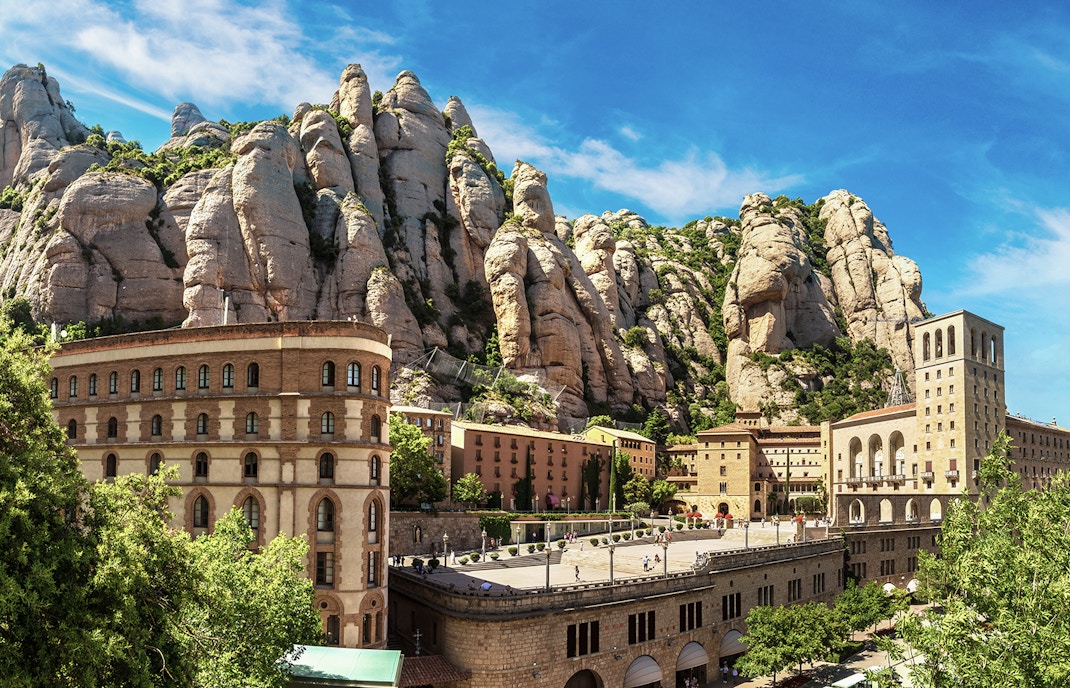
Montserrat – A spiritual refuge high in the hills, home to a Benedictine monastery and black Madonna statue. The cable car ride offers gorgeous views across Catalonia’s interior.
-
Penedès Wine Region – Just an hour away, this countryside is famous for cava. Spend the morning touring vineyards and tasting sparkling wine paired with local cheese.
-
Cardona – A town where history quite literally sparkles. Visit its salt mines and hilltop castle—one of the region’s most underrated attractions.
Parks and Cultural Stops
If you want a balance of fresh air and artistry:
-
Park Güell – Within Barcelona’s limits yet far from downtown noise. Gaudí’s mosaic benches and archways make it a favorite for visitors who love design and open space.
-
Vic – A historic town inland from the coast, with a grand plaza and open-air market that ranks among Spain’s most photogenic weekend destinations.
-
Girona – A medieval walled city that doubles as a film set. The cathedral steps and riverside cafés make this one of Catalonia’s must-see cultural corners.
Tips for Planning the Perfect Day Trip
-
Use regional trains from Sants or Passeig de Gràcia; most towns are reachable within two hours.
-
Carry cash—small shops and cafés outside Barcelona often don’t take cards.
-
Pack layers: coastal winds can cool quickly by evening.
-
Avoid tourist traps by eating where you hear Catalan spoken.
-
Start early; you’ll have time to wander back before night without rushing.
Whether it’s tasting cava under vine-covered hills or catching your breath on a park bench above the Mediterranean, these day trips from Barcelona remind you that the world’s most memorable journeys often start with a short train ride.
Where to Stay: From Barcelona Cathedral Hotels to Quiet Corners
Choosing where to stay can shape your entire trip. Around the Barcelona Cathedral, history and modern comfort blend in the city’s most atmospheric quarters — morning bells echo off Gothic stone, and cafés fill with chatter from both locals and travelers on their first trip to Spain. Staying nearby puts you within easy reach of metro lines, tapas bars, and architectural icons that make Barcelona worth visiting in every season.
Best Areas to Stay in Barcelona
-
Near Barcelona Cathedral (Ciutat Vella) – Ideal for travelers who want to wake up surrounded by centuries of history. Boutique hotels here often mix old arches with air conditioned comfort and terraces overlooking hidden courtyards. You’re steps away from plazas, shops, and some of the city’s most beautiful streets.
-
Eixample District – The grid-lined heart of the city center, perfect for architecture lovers. From here, you can walk to Sagrada Familia, Casa Batlló, or Casa Milà, all while enjoying elegant cafés and art galleries.
-
El Born & Barceloneta – If you want creative energy and late dinners, El Born offers cultural flair, while Barceloneta Beach provides sea views and lively evenings. Both neighborhoods stay active day and night, blending coastal relaxation with urban rhythm.
-
Gràcia – Quieter and full of charm. Expect family-run restaurants, artisan shops, and local life that feels far removed from downtown crowds.


Accommodation Tips
-
Book ahead if you’re visiting during summer or holidays — boutique stays fill quickly.
-
Use the metro for quick connections between neighborhoods; lines L1 and L3 cover most attractions.
-
Look for apartments or long-stay hotels with air conditioned interiors and reliable Wi-Fi — especially if you plan to work remotely.
-
For culture-focused travelers, choose areas like Eixample or Ciutat Vella, where you’ll feel the heartbeat of Catalonia from your doorstep.
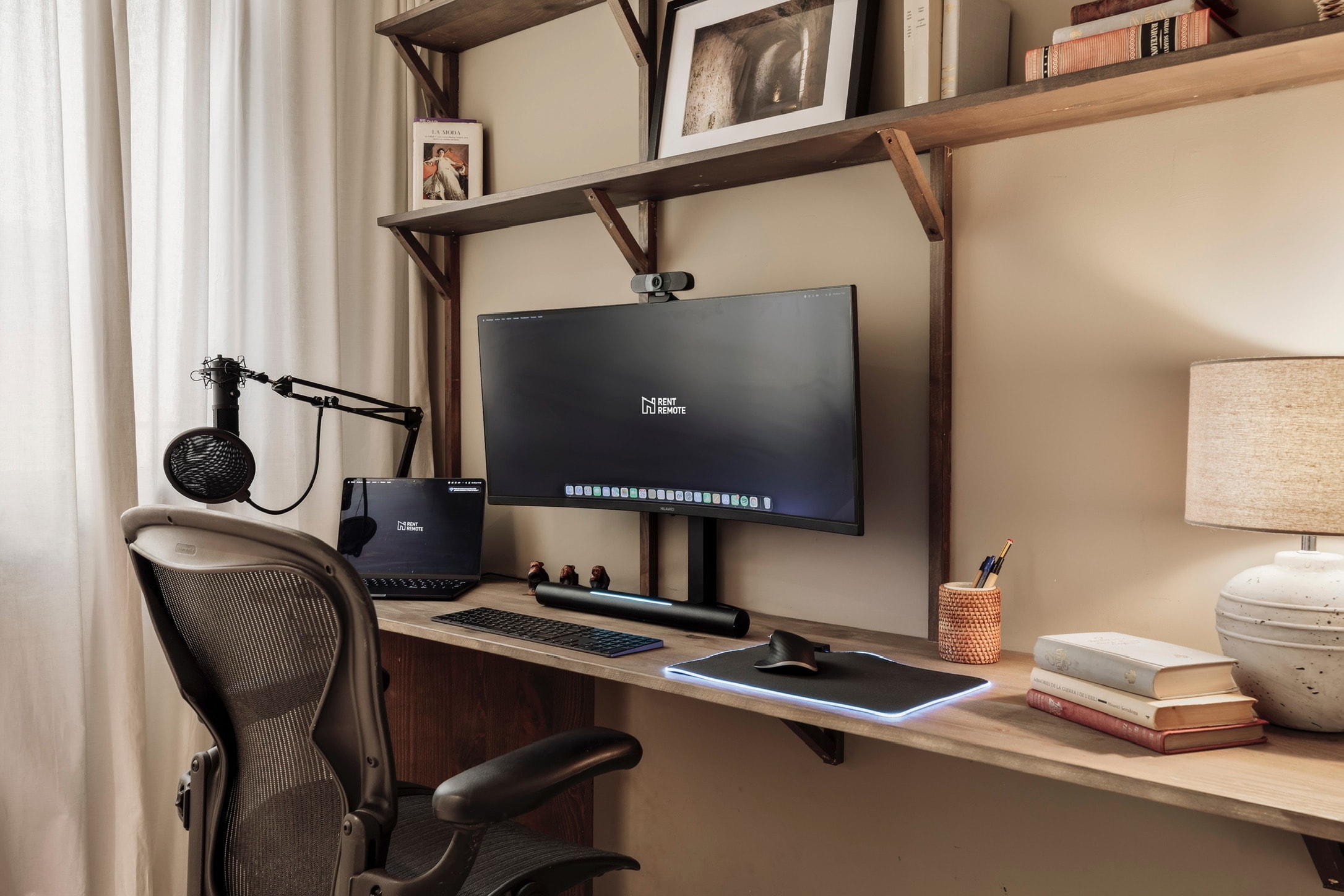
Browse RentRemote’s verified fully furnished apartments in Barcelona — curated for comfort, convenience, and creative travelers who see home as part of the journey. RentRemote apartments come with high speed WiFi, ergonomic workstations, and access to the best locations in Barcelona.
Visiting La Sagrada Família: Barcelona’s Endless Work of Art
Few landmarks in Spain capture the imagination quite like La Sagrada Família. Designed by Antoni Gaudí and still under construction after more than a century, it’s both an architectural marvel and a living expression of Catalonia’s devotion to craft. For many travelers, seeing it in person turns an ordinary itinerary into something unforgettable — the moment they understand why Barcelona feels unlike anywhere else in the world.

What to Know Before You Go
-
Timing matters. Early morning or late afternoon brings the best light inside the nave; stained glass spills color across the marble like watercolor.
-
Book online. Entry is timed, and same-day tickets often sell out, especially during peak months.
-
Don’t rush. The interior is meant to be walked slowly — each column, arch, and ceiling tells a story of nature and faith.
-
Look up. From outside, cranes hover above the towers, but inside, the ceiling feels alive — a forest of stone rising toward the sky.
-
Nearby stops. Pair your visit with a stroll through the nearby Eixample grid or relax in cafés facing the basilica’s park.
Why It’s Worth the Visit
Whether it’s your first visit or a return trip, La Sagrada Família embodies everything that makes Barcelona special: imagination, patience, and a touch of unfinished beauty. For architecture lovers, it’s more than a sight — it’s a lesson in ambition, proof that some ideas can take generations to build and still feel modern.
So Why Is Barcelona Worth Visiting?
Few cities manage to stay relevant year after year, but Barcelona does it without trying. Between its work-ready lifestyle, walkable districts, and landmarks like La Sagrada Família, the city balances creativity with everyday rhythm.
Whether it’s your first visit or you’re coming back for another trip, what stands out is how easy it is to live well here. Good public transport, compact neighborhoods, and that mix of business and leisure make it one of Spain’s most practical urban bases. Its mix of Spanish charm and Catalan independence gives the city a balance you won’t find elsewhere.
If you explore beyond the center, you’ll see what makes Catalonia unique — design, food, and culture that never feel forced. The city’s not perfect, but it stays authentic. And that alone is why Barcelona is worth visiting.

FAQs
What should I do on my first visit to Barcelona?
Start with the essentials — the Sagrada Família, Park Güell, and the Gothic Quarter. These are the places that reveal the city’s mix of creativity and history. If time allows, spend a morning exploring local museums or markets before watching the skyline fade into evening light.
Is the Sagrada Família worth seeing if I’m short on time?
Absolutely. Even a brief stop inside La Sagrada Família leaves a lasting impression. Book tickets online to skip queues, and visit early for a quieter look at its stained glass and soaring towers.
When do most visitors prefer to come?
Most visitors arrive between March and May or September and October, when the weather is mild and crowds manageable. Shoulder seasons let you visit Barcelona comfortably without missing any major sights.
What’s the best area to stay for my first trip?
For a first trip, stay near the Barcelona Cathedral if you love history, or in Eixample for design and convenience. Both are central, safe, and well connected to metro lines that link the city’s main attractions.
I’m a big fan of architecture — what else should I see?
If you’re a big fan of Gaudí’s work, add Casa Milà, Casa Batlló, and Park Güell to your list. Each offers a different view of his genius and a deeper understanding of Catalonia’s artistic identity.
How many days do you need to visit Barcelona properly?
Four to five days works best: two for the city center and landmarks, one for day trips, and another for the coast. That’s enough to explore without feeling rushed — ideal for balancing sightseeing with café downtime.
Why is Barcelona still worth visiting today?
Because it’s constantly reinventing itself. From the unfinished spires of the Sagrada Família to the energy of new creative spaces, Barcelona continues to bridge tradition and innovation in ways few places in Spain can. It’s a city that rewards curiosity, where every street corner hides a story — and every return visit feels like seeing it for the first time.