Cities Close to Barcelona to Visit: Coastal Charm, Medieval Towns & Mountain Escapes
If you’re searching for cities near Barcelona to visit, think beyond Gaudí rooftops and beach crowds. A short train ride from Barcelona Spain opens the door to landscapes that change fast—coastal villages on the Costa Brava, mountain monasteries hidden in the clouds, and day trip destinations where time slows down.
Expect to find:
-
Seaside towns alive with music and Mediterranean light.
-
Medieval villages with narrow cobblestone streets and quiet plazas.
-
Roman ruins, art museums, and wine valleys that reward slow travelers.
-
Easy routes for both day trips from Barcelona and weekend escapes.
For most visitors and remote workers alike, these nearby towns prove how varied Catalonia can be—art, food, and history all within two hours. It’s less about distance and more about contrast: city mornings, countryside afternoons, and evenings by the sea.

What Makes a Great Day Trip from Barcelona
A perfect day trip from Barcelona doesn’t just fill the hours—it feels like a reset. Within two hours, you can trade city pace for vineyard hills, fishing ports, or medieval lanes that seem frozen in time. The key is balance: easy access, walkability, and a story worth discovering between trains.
How Far You Can Go
Catalonia is compact but packed with variety. Most day trip destinations sit within 150 km of the Catalan capital, making them reachable in under two hours by public transport.
-
High-speed trains (Renfe AVE and Avlo) connect major hubs like Girona, Tarragona, and Figueres.
-
Regional Rodalies trains reach smaller coastal towns such as Sitges, Vic, and Blanes.
-
Buses run hourly to places trains skip—ideal for beach towns on the Costa Brava.
-
Car rentals work best for multi-stop countryside routes like Penedès or Montseny Natural Park.
For those planning multiple stops, use Rome2Rio or Omio to compare combinations of trains and local buses—both apps update in real time.
Timing Your Trip
Barcelona mornings are famously slow, so plan departures around mid-morning and return before evening rush hour. For a smoother rhythm:
-
Leave between 9 a.m. – 10 a.m. for coastal escapes or vineyard visits.
-
Take the early train station departures (7–8 a.m.) if hiking in Montserrat Mountain or further north.
-
Keep an eye on train tickets with flexible return options—many regional lines allow open return within the same day.
If you’re joining a day tour or guided walk, confirm the return time: Catalan trains stop early in smaller towns, and last departures often leave before 9 p.m.
What to Look For in a Day Trip
Every traveler has a style—some chase monuments, others chase sunlight. These traits usually define the most rewarding trips:
-
A compact old town with narrow streets, small museums, and cafés for spontaneous detours.
-
Clear signage and routes that invite exploration at your own pace.
-
A mix of historic landmarks and natural beauty, not just one or the other.
-
Local markets or festivals that let you glimpse everyday Catalan life.
-
Reliable public transportation or walkable links from the train station.
Try to avoid packing multiple towns into one day unless you’re using a guided tour that handles transport—otherwise, you’ll spend more time on schedules than sights.
Recommended Apps and Tools
Staying organized makes short adventures feel longer. A few tools that keep both travelers and digital nomads on track:
-
Renfe App – buy and scan high-speed train and regional tickets on your phone.
-
Moovit – check real-time public transport updates and platform changes.
-
Rome2Rio – compare all routes from central Barcelona to small towns.
-
Komoot or AllTrails – ideal if your day tour includes light hiking around Montserrat Monastery or coastal paths.
-
Google Maps Offline – download maps before going off-signal in rural or mountain areas.
Sample One-Day Itinerary
If you’d rather skip the planning, here’s a simple structure used by many locals:
-
Morning: Take the high-speed train from Sants Station to Girona or Tarragona (≈ 1 hour).
-
Late Morning: Explore the old town, grab a coffee on a sun-lit terrace.
-
Afternoon: Visit a nearby Romanesque church or local market.
-
Evening: Return to Barcelona for dinner in El Born or Gràcia.
Even with a single stop, you’ll experience new food, architecture, and conversation—proof that great day trips from Barcelona are more about depth than distance.

Coastal Escapes on the Costa Brava
Heading north from Barcelona, the Costa Brava offers the perfect blend of blue horizons and stone-paved history. These day trip destinations stretch from Blanes to the French border, mixing seaside calm, hidden coves, and old towns that spill straight onto the sand. Whether you’re after sea air or café views for remote work, every coastal village has its own rhythm.
Sitges: Beaches, Festivals, and Mediterranean Energy

Just 39 km south of central Barcelona, Sitges is the easiest escape for a one-day break. Trains run every 20 minutes, dropping you near the promenade.
Why visit:
-
Seventeen beaches to match every mood—family-friendly, nudist, or party.
-
Historic old town filled with narrow streets and whitewashed houses.
-
Renowned film and carnival festivals that light up the seafront.
-
One of Europe’s most LGBTQ-friendly destinations, with nightlife to match.
Local tip: Grab seafood at El Cable or sunset drinks at Vivero Beach Club before catching the last train station return.
Blanes: Gateway to the Costa Brava

Known as the first town of the Costa Brava, Blanes combines broad beaches with scenic coastal walks.
Highlights:
-
Ideal day trip from Barcelona—just 1 hour by regional train.
-
Long seafront promenade lined with cafés and local shops.
-
Water sports galore: sea kayaking, paddleboarding, or sailing.
-
The Marimurtra Botanical Garden offers shade and Mediterranean Sea views.
Nomad note: Wi-Fi-friendly spots like Cafè La Nou let you check in on work between swims.
Calella de Palafrugell: Postcard Coves & Coastal Music

A smaller coastal village perfect for travelers who prefer quiet corners. Calella de Palafrugell is known for stunning coves, rocky inlets, and slow afternoons under pine trees.
Don’t miss:
-
Sea kayaking or paddleboarding along the jagged coastline.
-
The Cap Roig Festival, where international artists play in a cliff-side garden.
-
Whitewashed arcades and narrow cobblestone streets near the beach.
Travel tip: Best reached by bus from Girona or rental car from Barcelona Spain (~2 hours).
Begur: Cliffside Hikes and Hidden Beaches

Begur sits high above the coast, its medieval castle ruins watching over turquoise coves. This is the Costa Brava at its most cinematic.
What to see:
-
Twenty kilometers of shoreline divided by cliffs and natural beauty.
-
Scenic coastal path linking Aigua Blava, Sa Tuna, and Fornells.
-
Wine lovers can pair seafood lunches with local Empordà wines.
-
The old town’s terracotta houses and tiled balconies are ideal for an afternoon wander.
Hiking tip: The trail from Platja Fonda to Sa Tuna offers some of the most photogenic views on the Costa Brava.
Sant Pol de Mar: Quiet Shores and Local Charm

An often-overlooked stop an hour north of the city, Sant Pol de Mar balances tranquility with accessibility.
Why go:
-
Compact old town of narrow streets that spill into the sea.
-
Calm, uncrowded beaches framed by fishermen’s cottages.
-
Short train station walk—no buses or transfers required.
-
Great for a half-day tour when you just need fresh air and silence.
Try Cuina Sant Pol for a long seafood lunch before the afternoon return.
Cadaqués: The Artist’s Village by the Sea

Perched near the French border, Cadaqués feels like a dream—white-brick houses, Romanesque church spires, and waves tapping at cobbles.
Known for:
-
Former home of Salvador Dali, who painted here for decades.
-
Coastal village charm surrounded by mountains and beaches.
-
Photography spots at the harbor and the Church of Santa Maria.
-
Day trips take around 2 hours by car or 3 hours by public transport.
Thinking to stay longer? Its cafés and galleries make it tempting to turn your visit into a weekend trip. Check out fully furnished apartments in Barcelona that are best suited for your weekend getaways.
From quick swims in Sitges to the cliff trails of Begur, these coastal escapes show why Catalonia’s shoreline is more than just sand—it’s a mosaic of culture, cuisine, and sea-soaked calm.

Historical & Medieval Towns Near Barcelona
Not all escapes are about beaches. Some of the best day trips from Barcelona lead inland—to medieval towns and Roman cities where time lingers between arches and bell towers. These are places for slow walks, long lunches, and cobbled streets that whisper Catalonia’s layered history.
Girona: Ancient Walls and a Timeless Old Town
An hour north by high-speed train, Girona blends old-world calm with modern flair. Its medieval old town (Barri Vell) overlooks the Onyar River, where colorful houses reflect in the water.
What to explore:
-
Narrow cobblestone streets from the Middle Ages, lined with artisan shops.
-
The Cathedral of Girona, featured in Game of Thrones.
-
The Jewish Quarter—one of Europe’s best preserved.
-
Walk the Roman walls for panoramic views of the city.

Recharge: Café Espresso Mafia offers quiet tables and strong coffee for remote work or journaling.
Tarragona: Rome by the Sea
Once known as Tarraco, Tarragona is a living museum of the ancient world—complete with sea views. Only an hour by train, it’s one of the most popular day trip destinations for history lovers.
Must-see highlights:
-
The 2nd-century Roman amphitheatre facing the Mediterranean Sea.
-
Roman ruins recognized by UNESCO as a World Heritage Site.
-
The remains of the Roman Circus and Roman temple in the old quarter.
-
Archaeological Museum and Cathedral of Tarragona for context and cool shade.
Pro tip: Skip the midday heat by visiting early, then have seafood at El Llagut near the port.
Vic: A Hidden Gem of Catalan Culture
Halfway between Barcelona and the Pyrenees, Vic captures Catalonia’s historic heart. It’s famous for its Saturday market and preserved architecture that mixes Romanesque churches with Gothic facades.
What to do:
-
Visit the Sant Pere Cathedral and 2nd-century Roman temple.
-
Wander the Plaça Major—one of Spain’s most atmospheric town squares.
-
Browse local cheese and cured meats at the weekly market.
-
Take a guided walk through the museum district to learn about regional art.
Remote tip: Grab a seat at Fleca L’Espiga d’Or bakery—fast Wi-Fi, great pastries, and windows overlooking the plaza.
Pals: A Hilltop Village Frozen in Time
Inland from the Costa Brava, Pals is a perfectly preserved medieval village built from golden stone. The streets curve like a labyrinth, leading to a quiet lookout above the countryside.
Don’t miss:
-
The 13th-century Romanesque church of Sant Pere, the Església de Sant Pere.
-
The circular towers that once guarded the town.
-
Artisanal shops selling ceramics and olive oil.
-
A slow lunch at El Pedró for traditional Catalan food.
Getting there: Around two hours by car from Barcelona—pair it with nearby Peratallada for a full day tour.
Peratallada: Cobblestone Calm and Hidden Courtyards
If Pals is charming, Peratallada is its quieter sibling. This medieval town has fewer crowds but the same fairy-tale architecture.
Highlights:
-
A 13th-century Romanesque church and bell tower.
-
Narrow, ivy-covered cobbled streets.
-
Handcrafted pottery studios and stone archways.
-
Outdoor cafés perfect for long afternoons.
Fun fact: “Peratallada” literally means “carved stone”—a nod to how the town was built directly into the rock.
Palau-Sator & Torrent: Tiny Treasures of the Empordà
For travelers chasing authenticity, these two medieval villages near Pals are worth the detour.
Why go:
-
Palau-Sator has narrow lanes, a 15-meter tower, and a well-kept medieval town square.
-
Torrent is even smaller—population under 200—but mixes old stone homes with modern design studios.
-
Ideal for photography walks or quiet work breaks in the sun.
Bring snacks; cafés here close early, and the peace is part of the reward.
Each of these towns turns a simple day trip from Barcelona Spain into a walk through history—Roman ruins, medieval castles, and timeless streets built for wandering.
Art, Surrealism & Cultural Day Trip Destinations
Some Barcelona day trips don’t need a beach or a mountain—they’re about creative genius. From modernist facades to surrealist art that bends imagination, these stops reveal Catalonia’s deep artistic pulse. Whether you’re plotting a full day tour through museum corridors or a half-day wander by fast train, every route offers color, story, and inspiration.
The Dali Museum: Figueres’ Surreal Masterpiece
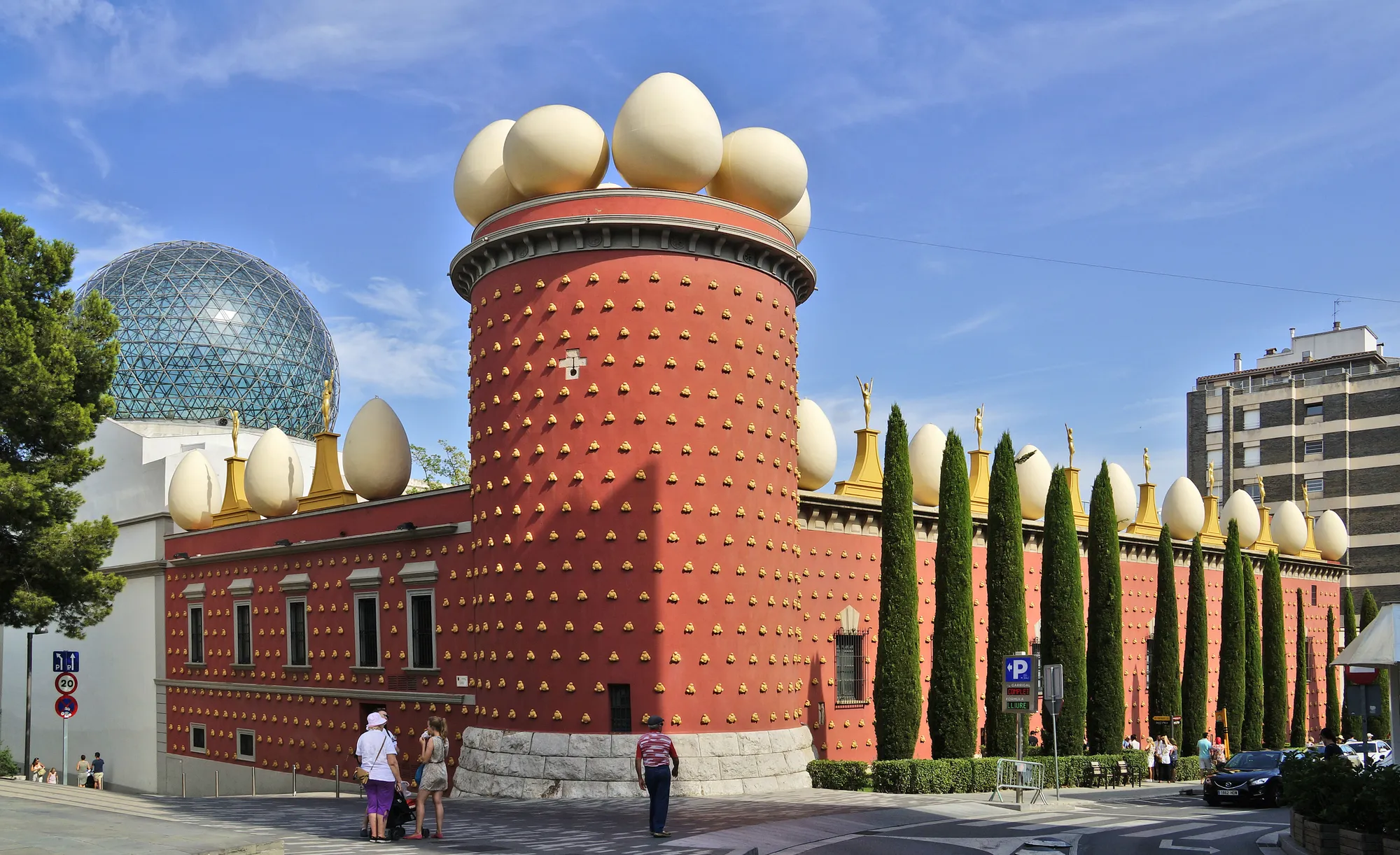
Figueres, about two hours from the city by high-speed train, is home to the legendary Gala Dalí Castle & Museum, one of Spain’s most unusual art museums. Designed by Salvador Dali himself, it’s considered the largest surrealist object in the world.
Why it’s worth visiting:
-
Houses over 1,500 works of surrealist art by Dalí, from sculptures to sketches.
-
The rooftop dome and golden figurines make it a monument of eccentric genius.
-
Staff at the tourist office near the station can direct you to guided routes through the old quarter.
-
Easy pairing with Cadaqués or the coast if you want a full day tour.
Local tip: Book train tickets early; Renfe’s morning fast train sells out quickly in summer.
Cadaqués, the Seaside Muse
Just beyond the Costa Brava, Cadaqués is where Dalí painted, Picasso vacationed, and time slowed to watercolor rhythm. Reaching it requires a winding drive or bus from Figueres, but the reward is pure Mediterranean charm.
Don’t miss:
-
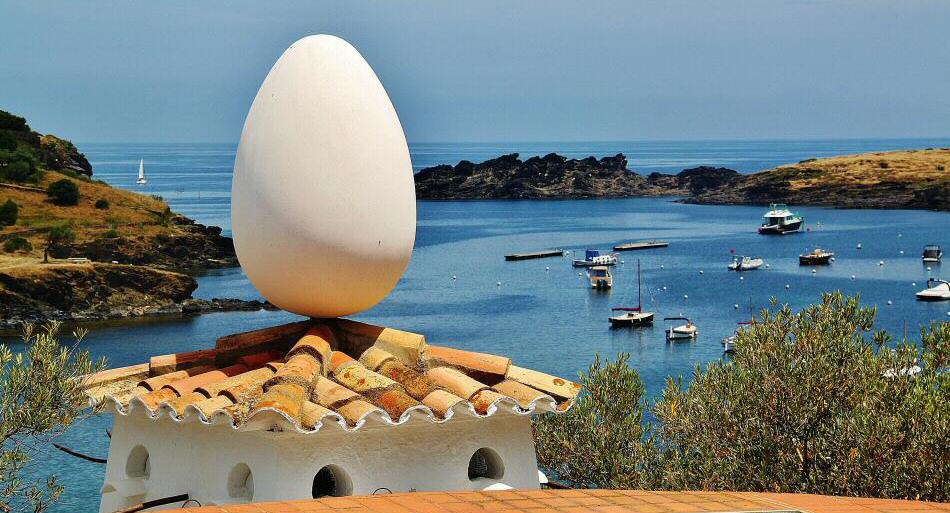
Dalí’s house-museum in Port Lligat, frozen exactly as he left it.
-
Art museums and small galleries tucked into narrow streets near the bay.
-
A short coastal day tour walk to Cap de Creus Natural Park for sea views.
-
Bar Melitón—a spot where both Dalí and Lorca once lingered.
Why it’s worth visiting: Few places capture the tension between wild landscape and artistic calm quite like Cadaqués.
Barcelona’s Own Art Circuit
Before you even leave town, the Catalan capital holds masterpieces within reach. Ideal for travelers with limited free time or those planning an entire itinerary around culture.
Top stops:
-
Museu Picasso – hundreds of early works tracing Pablo Picasso’s growth in Barcelona.
-
MNAC** (Museu Nacional d’Art de Catalunya)** – Romanesque frescoes and modernist icons under one roof.
-
Fundació Miró – airy hilltop gallery overlooking the Mediterranean Sea.
-
Palau de Maricel in Sitges – sculpture, ceramics, and sea-view balconies for your inner romantic.
Pro tip: Group these into a flexible day tour; most sites sit on the same metro line, making them easy to explore at your own pace.
Girona’s Cultural Side
Beyond its medieval town, Girona hides creative depth—perfect for travelers who want history with a modern beat.
Highlights:
-
Art museums featuring Catalan painters and temporary design shows.
-
Quiet cafés near the Onyar River to journal between visits.
-
Seasonal photography festivals that attract artists from across Europe.
Pair it with a guided walk through the old town walls and end the day in a riverside tapas bar—it’s one of the most balanced cultural day tours from Barcelona Spain.
From Dalí’s dreamscapes to Picasso’s first sketches, these destinations prove that creativity is Catalonia’s true landscape and begs of visitors to leave the beaten track. Whether you stay in the city or follow the rails north, art is always just a fast train away.

Nature & Mountain Weekend Trips: Full Day Tours Beyond Barcelona
For travelers craving altitude and quiet, Catalonia’s sacred mountains and cross-border valleys turn short weekend trips into something spiritual. Here, jagged peaks meet monasteries carved into stone, and natural parks double as sanctuaries for hikers and remote workers seeking calm.
Montserrat Mountain: Sacred Peaks and Timeless Views
Just 60 km northwest of Barcelona, Montserrat Mountain rises in dramatic spires, its silhouette visible even from the highway. It’s one of the region’s most worth visiting escapes—both a nature reserve and a place of religious significance.
Why go:
-
Take the rack railway or cable car up the cliffs for panoramic views.
-
Visit the 11th-century Montserrat Monastery, home to Benedictine monks.
-
See the Black Madonna statue at La Moreneta, believed by many to have miraculous powers.
-
Explore short hiking loops to hidden chapels or longer climbs toward the jagged mountains.
Nomad tip: Pack light layers—temperatures shift quickly at altitude, and sunrise coffees near the peaks are unbeatable.
Travel logistics:
-
The Montserrat tour from Plaza Espanya includes train + funicular combo tickets.
-
Fast trains run hourly; the full route (including the rack railway) takes about 90 minutes.
-
Stop by the tourist office at the base for trail maps and monastery schedule updates.
Andorra: A Hidden Country in the Pyrenees Mountains

Beyond the Catalan border, Andorra offers alpine air, ski slopes, and boutique cafés for longer weekend trips. Nestled in the Pyrenees Mountains, this tiny country feels worlds away yet remains just three hours from Barcelona by bus.
Highlights:
-
The Madriu-Perafita-Claror Valley, a UNESCO-listed natural park, with scenic walking trails.
-
Towering mountains ideal for rock climbing, cycling, or relaxed spa afternoons.
-
Summer hiking trails that cross high passes and rivers.
-
Winter skiing at Grandvalira, one of Europe’s largest theme park-style resort zones for snow lovers.
Cultural stops:
-
Visit the historic Church of Sant Esteve and small art museums in Andorra la Vella.
-
Enjoy local wine and cheese tastings—a quiet indulgence for post-hike evenings.
Why it’s unforgettable:
The contrasts—crisp mountain air, fast Wi-Fi, and quiet luxury—make Andorra one of Catalonia’s most unforgettable experiences for travelers and remote professionals alike.
Planning Your Entire Itinerary
If time allows, combine both destinations into one uplifting circuit:
-
Day 1: Morning Montserrat tour, evening return.
-
Day 2-3: Full day tour or overnight stay in Andorra’s alpine valleys.
You’ll cover monasteries, markets, and mountain trails in a single long weekend—proof that even the busiest traveler can fit unforgettable experiences into a short escape from Barcelona Spain.
Practical Travel Tips for Nomads and Barcelona Day Trips
Once you’ve mapped your route through Barcelona Spain, logistics turn good plans into smooth travel. These quick adjustments keep both tourists and remote professionals on schedule—without draining data or patience.
Getting Around Efficiently
Every extra minute spent queuing is one less you’ll spend exploring. Luckily, Catalonia’s public transport system is built for convenience.
Smart moves:
-
Buy digital train tickets through Renfe to skip lines.
-
Use Moovit for live delays and transfers.
-
Most barcelona day trips start from Sants or Passeig de Gràcia train station—arrive 20 minutes early.
-
Regional buses reach small villages and beaches the rails miss.
-
Walking distances from stations are short—expect a short walk to reach main squares.
Packing and Pacing
Weather shifts fast between coasts and mountains. Keep your bag light but flexible:
-
A scarf or light jacket for train AC and evening breezes.
-
External battery and SIM for mid-journey calls.
-
Portable keyboard or laptop stand for work sessions on the go.
When planning barcelona day trips, remember that slower can mean better. Add “buffer hours” to wander at your own pace, take photos, or share coffee with locals. A little free time often leads to your best stories.
Hidden Corners to Recharge
Not every worthwhile stop needs a ticket. A few restful alternatives for nomads who prefer quiet to queues:
-
Girona’s Arab Baths, built in the 12th century—cool stone arches and echoing light.
-
The Medieval Synagogue in the Jewish Quarter, one of Europe’s oldest.
-
Sitges’ coastal trail to sea caves and tide pools just beyond town.
-
Cafés in Cadaqués honoring Salvador Dali with art-covered walls and quiet wifi-ready tables.
Each spot is low-stress and genuinely worth visiting—ideal for a few hours between check-ins or Zoom calls.
Ready to work wherever you wander? Explore RentRemote’s fully furnished apartments in Spain — complete with ergonomic workstations and reliable Wi-Fi for productive stays that feel like home.

Start Planning Your Next Escape from Barcelona Spain
Exploring beyond the city isn’t just about sightseeing—it’s about finding new rhythms. Within a few train rides, you can trade deadlines for fresh air, unforgettable experiences, and the kind of local encounters that make every trip personal. Whether it’s tracing Roman footsteps in Tarragona, hiking Montserrat’s sacred mountains, or sharing espresso in a seaside café, the landscapes around Barcelona remind travelers why mobility matters.
For nomads, these places redefine “remote work.” They’re where productivity meets perspective—proof that the right setting can change not only your view, but your mindset.
FAQs
What makes Tossa de Mar one of the best places near Barcelona?
Tossa de Mar blends sandy beaches, a walled medieval town, and hilltop sea views just 90 minutes near Barcelona. Its cobbled streets lead to the 14th-century lighthouse, making it one of the most scenic day escapes near Barcelona for travelers who want calm with culture.
How do I reach Montserrat and see the Virgin Mary statue?
From central Barcelona, take the train toward Montserrat and transfer to the cable car or rack railway for the climb. Inside the basilica, the Virgin Mary statue—also known as the Black Madonna—is a highlight of Catalan spirituality and easily reachable by public transportation or a half-day guided tour.
Which medieval towns near Barcelona are worth visiting?
Pals and Peratallada are the most atmospheric medieval towns near Barcelona, both wrapped in honey-colored stone and flowered balconies. Each medieval town offers cafés, local art, and quiet lanes that feel unchanged by time—perfect for exploring at your own pace.
Where can I enjoy authentic wine tasting near Barcelona?
The Penedès region, about an hour near Barcelona, is the heart of Catalan cava production. Vineyards like Codorníu and Freixenet host wine tasting sessions where you can sip sparkling wine straight from the source or pair it with local cheese in the vineyard garden.
What is the Dali Museum, and is it easy to reach?
The Dali Museum in Figueres, about two hours near Barcelona, was designed by Salvador Dali himself as a living surrealist artwork. Inside, visitors find rooms filled with sculptures, paintings, and optical illusions—making the Dali Museum one of Europe’s most unusual cultural landmarks.
Are there other cultural stops to add after a wine tasting or beach visit?
Yes—combine Girona’s art museums and Arab Baths with a stop in Tossa de Mar or a quick vineyard detour for another round of wine tasting. Each experience shows a different rhythm of life near Barcelona, where art, sea, and slow travel come together naturally.