Lukas
Tech & Digital Nomad Cultural Editor ·
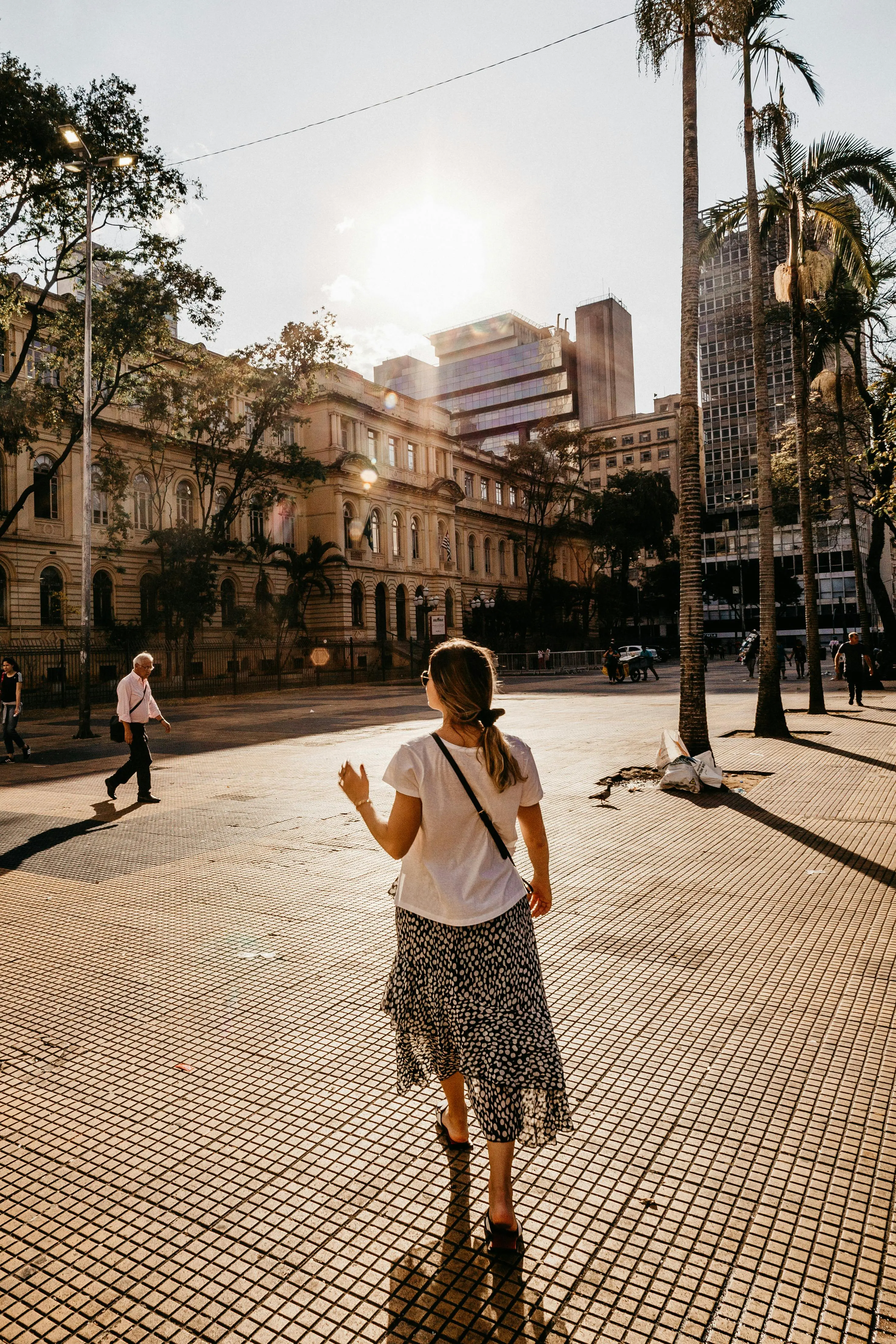
Barcelona doesn't reward improvisation the same way other cities might. The neighborhood you pick determines whether you're walking to Parc de la Ciutadella for lunch breaks or spending 40 minutes on the metro to reach anything useful. The city center offers medieval charm but comes with tourist crowds year-round. Gràcia gives you pedestrian-only streets and a community atmosphere, but you're farther from Barcelona's main sights. Poblenou puts you near the beach with modern apartments, but nightlife means a metro ride. Each choice trades convenience for character, and knowing which trade-off suits your rhythm makes the difference between settling in and constantly second-guessing your base.
Which neighborhoods offer the best balance of walkability, local life, and easy access to coworking spaces
Where to stay in Barcelona based on your budget, work schedule, and tolerance for crowds
Monthly rent expectations across central and residential areas, from Gothic Quarter studios to Gràcia two bedroom apartments
Honest trade-offs: which areas get loud after midnight, where tourists outnumber locals, and where quiet streets mean fewer late-night food options
Transport connections that matter — metro stops that actually save time versus ones that add friction to your daily routine
Understanding Barcelona's Geography: Where the Best Neighborhoods Are and Why Location Matters
Barcelona's layout follows a predictable pattern once you understand the distinction between the old city and the districts that came later. The historic center — Barri Gòtic, El Born, and El Raval — sits closest to the port, where narrow streets follow medieval logic rather than grids. Head northwest and you hit L'Eixample, the 19th-century expansion where Barcelona expanded into wide avenues and right-angled blocks. Gràcia was once a separate village before the city absorbed it, which explains why it still feels distinct. Poblenou stretches along the coast northeast of the old town, transitioning from industrial past to tech hub present. Knowing this helps you predict what a neighborhood will feel like before you visit.
The Old City Versus the Eixample: What the Difference Actually Means
The old city charm comes with medieval street layouts that Google Maps struggles to navigate — and so will you for the first week.
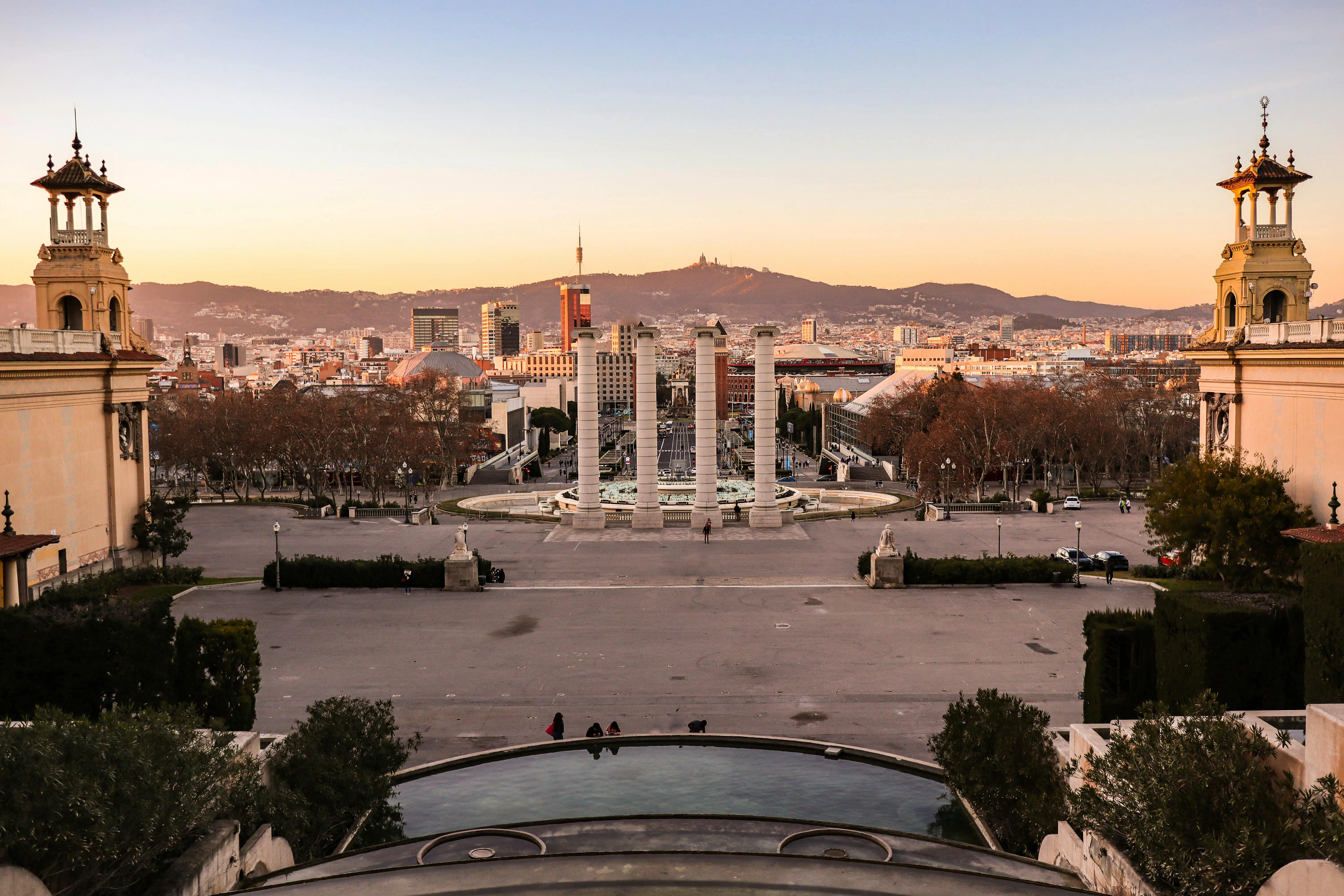
The city radiates outward from Plaça de Catalunya, where the medieval Old Town meets the modernist grid of L'Eixample.
Gothic Quarter and El Born: narrow streets, no vehicle access in many areas, buildings from the 1300s with ground floor cafés
L'Eixample: wide sidewalks, Passeig de Gracia shopping, modernist architecture including La Pedrera
Old town apartments: smaller, darker, often walk-ups — but you're within walking distance of everything central
Eixample flats: larger, more light, elevators standard — rents €200–400/month higher for comparable size
Tourist density: old city stays busy year-round; Eixample quiets down outside Passeig de Gracia corridor
Beach Access Versus Central Location: You Usually Pick One
Barceloneta and Poblenou put you near Barcelona's beaches, but the city center is a 20-minute metro ride minimum.
Barceloneta: beach vibes, seafood, packed weekends April–October
Poblenou: modern lofts, Rambla del Poblenou for evening walks, better for families than solo remote workers
Central Barcelona (Gòtic, Born, Eixample): 30–40 min walk to beach, but everything else is closer
Metro lines L4 (yellow) and L1 (red) connect beaches to city center in 15–20 min
If you need the beach more than twice a week, live near it — occasional trips don't justify the commute trade-off
Browse Barcelona homes near this area
Metro Connections That Save Time Versus Ones That Add Friction
Barcelona's metro system works well, but not all metro stops are equal when it comes to reducing daily hassle.
Diagonal station (Gràcia border): connects L3, L5 — reaches Plaça de Catalunya in 6 minutes
Jaume I (Gothic Quarter): L4 line, frequent service, but stairs only — difficult with luggage or groceries
Sant Antoni metro stop: L2 line, less crowded than central stations, newly renovated neighbourhood above
Poblenou station: L4 yellow line, well connected but requires metro for most errands beyond the immediate area
Walking beats metro for distances under 20 minutes — Barcelona's layout rewards foot traffic more than most cities
Best Barcelona Neighborhoods for First-Time Visitors
If you've never visited Barcelona or you're testing the city for a month before committing longer, start with neighborhoods that don't require local knowledge to navigate. Gràcia, El Born, and Sant Antoni offer the best mix of infrastructure, walkability, and neighbourhood character without the trade-offs that make other areas difficult for newcomers. The Gothic Quarter works if you accept the tourist density. Poblenou suits families or people who prioritize space and green spaces over being central. Each of these neighborhoods gives you enough of what matters — coworking proximity, amazing food options, metro access — that you won't spend your first two weeks troubleshooting basic logistics.
The beauty of choosing where to stay in Barcelona is that the metro connects every neighborhood efficiently within 30 minutes.
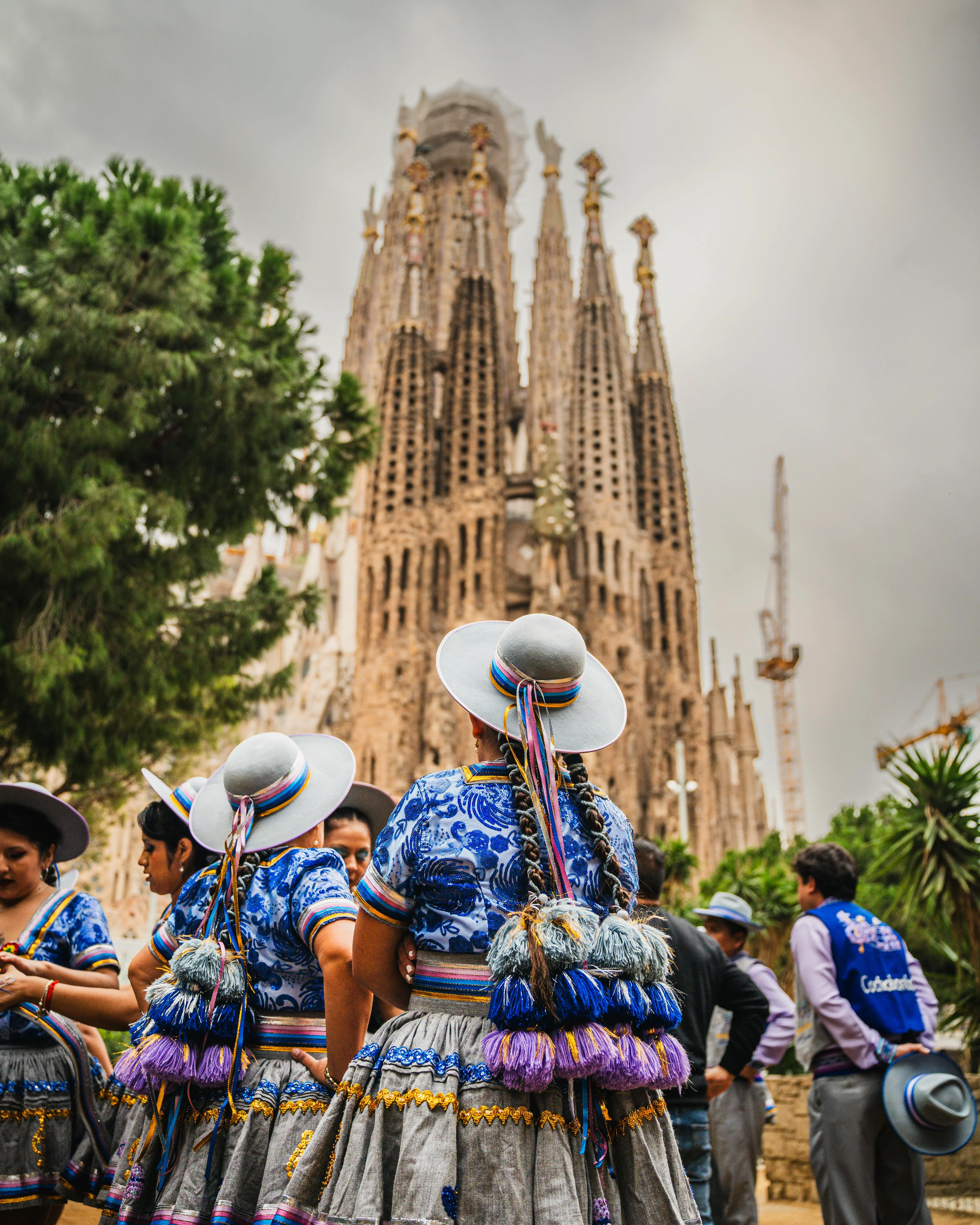
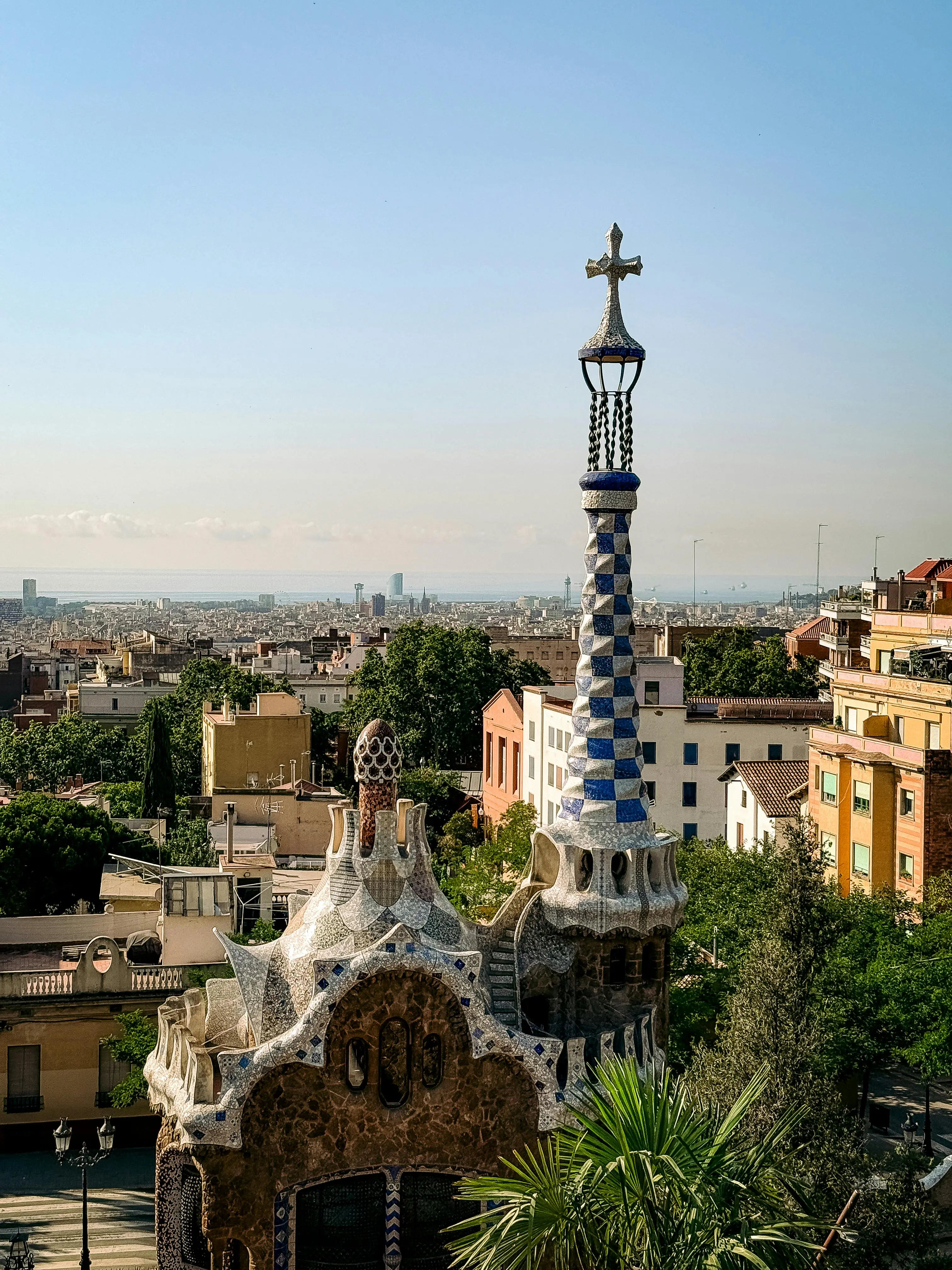
Gràcia sits uphill near Park Güell, Gaudí's whimsical mosaic park that offers panoramic city views.
Gràcia offers a great location that balances local character with easy access to the city center via the L3 metro line.
Neighborhood | Monthly Rent | Vibe | Best For | Key Advantage |
|---|---|---|---|---|
Gràcia | €900–1,400 | Bohemian, local, pedestrian squares | Remote workers wanting community atmosphere | Feels like a village inside the city |
El Born | €1,100–1,800 | Medieval charm, nightlife, tourists | First-timers who want central location | Walking distance to everything |
Sant Antoni | €950–1,500 | Trendy, foodie-focused, recently renovated | People prioritizing local restaurants and markets | Great cafés, fewer tourists than Born or Gòtic |
Gothic Quarter | €1,000–1,700 | Historic, atmospheric, crowded | Short stays, those who romanticize old city | Maximum Barcelona postcard aesthetic |
Poblenou | €1,000–1,600 | Modern, spacious, beach access | Families, tech workers, people needing space | Newer builds, bigger layouts, quieter |
L'Eixample (Dreta) | €1,200–2,000 | Upscale, wide streets, luxury shopping | Higher budgets, those wanting polish | Easy access to Sagrada Familia, high end hotels nearby |
Gràcia: The Favorite Neighborhood for People Who Want Barcelona Without the Tourism
Gràcia works because it gives you an independent spirit and local vibe while keeping you well connected to the rest of the city — and you'll know within three days whether the bohemian pace suits your rhythm.
If you want to stay in Barcelona near major attractions, the Gothic Quarter puts you within walking distance of most iconic sites.
Federal Café — flat whites €3.20, reliable WiFi until 3pm, Australian-style brunch; go early or expect a wait
Studios from €900/month, one-bed from €1,100, two bedroom apartments from €1,400 near Plaça del Sol
OneCoWork — day pass €18, quiet, primarily residential building so no foot traffic noise
Metro stop Fontana (L3 green line) reaches Placa de Catalunya in 8 minutes
Plaça de la Virreina — where locals gather for evening vermut, outdoor seating, less polished than central squares
Festa Major de Gràcia every August transforms streets into art installations — book accommodations early or avoid if you need quiet
Pedestrian only streets mean fewer delivery trucks at 7am, more café seating, better for walking everywhere
El Born: Central Location and Medieval Atmosphere, But You Pay for Both
El Born puts you in the historic center right around Santa Maria del Mar, with easy access to everything that matters, and the trade-off is simple: higher rent, more tourists, louder nights.
Hidden Coffee Roasters — coworking €20/day, natural light, rooftop terrace, quieter than ground floor cafés
One-bed apartments €1,100–1,500/month, studios from €950 on side streets off Carrer de la Princesa
Santa Maria del Mar — 14th-century basilica, free entry mornings, Gothic architecture without the crowds of La Rambla area
Jaume I metro stop (L4 yellow line) connects to Barceloneta beach in 10 minutes
El Xampanyet — cava €2, anchovies €6, standing room only, closes by 11pm; this is La Ribera's version of a neighborhood bar
La Ribera section of El Born quieter than streets near Parc de la Ciutadella — rent €100–200/month less, same walkability
Tapas bars stay open late; if you need silence after 10pm, request apartments on interior courtyards
Sant Antoni: Recently Renovated Market, Local Atmosphere, and a More Affordable Alternative to El Born
Sant Antoni became one of Barcelona's trendier neighborhoods in the last five years, and it still offers better value than the old city while keeping you close enough to walk most places.
Satan's Coffee Corner — espresso €2, no laptop policy weekends, best flat white in Sant Antoni; go weekday mornings
One-bed flats €950–1,300/month, short walk to both L'Eixample and El Raval
Mercat de Sant Antoni — recently renovated, pedestrianized perimeter, tapas bars and local restaurants surround the building
Sant Antoni metro stop connects L2 (purple line) — Passeig de Gràcia in 4 minutes
Federal Café Sant Antoni — all-day menu, surprisingly spacious, laptop-friendly until 5pm
Carrer del Parlament: independent shops, wine bars, coffee shops — locals outnumber tourists most days
Sunday book market around Mercat de Sant Antoni — second-hand books, prints, coins; worth visiting once to test the neighborhood on a weekend
Gothic Quarter and El Raval: Historic Center Charm With Real Trade-Offs
The Gothic Quarter delivers maximum medieval atmosphere and puts you within walking distance of every tourist attraction Barcelona offers. El Raval sits next door with cheaper rent, more street art, and a grittier edge. Both neighborhoods make sense for short visits or people who romanticize old city living, but the trade-offs become obvious after two weeks: small apartments, inconsistent WiFi in older buildings, and streets that never fully empty of tourists. If you stay in Barcelona long-term, you'll likely move to Gràcia or Sant Antoni once the novelty wears off. But for testing the city or prioritizing central access over space, these neighborhoods still work.
Gothic Quarter: Maximum Barcelona Aesthetic, Minimum Space and Quiet
Barri Gòtic is the oldest part of Barcelona, and living here means embracing narrow streets, tourist foot traffic, and apartments that prioritize location over square footage.
El Born, adjacent to the Gothic Quarter, has fantastic restaurants like El Xampanyet serving traditional tapas since 1929.
Milk Bar & Bistro — brunch €12–16, American-style pancakes, WiFi works but no power outlets; better for meals than coworking
Studios €1,000–1,400/month, one-bed €1,300–1,700, often walk-ups in historic buildings with no elevator
Plaça Reial — palm trees, arcades, fun bars, live music — beautiful but loud until 2am; don't rent apartments directly on the square
Liceu metro stop (L3 green line) central hub, reaches Diagonal in 12 minutes
Caelum — pastries €3–5, medieval basement café, sells sweets from Spanish convents; touristy but atmospheric
La Rambla runs through the neighborhood — avoid streets directly adjacent if you want fewer crowds
Carrer Avinyó and Carrer Ferran: better café density, slightly quieter than Plaça Sant Jaume area
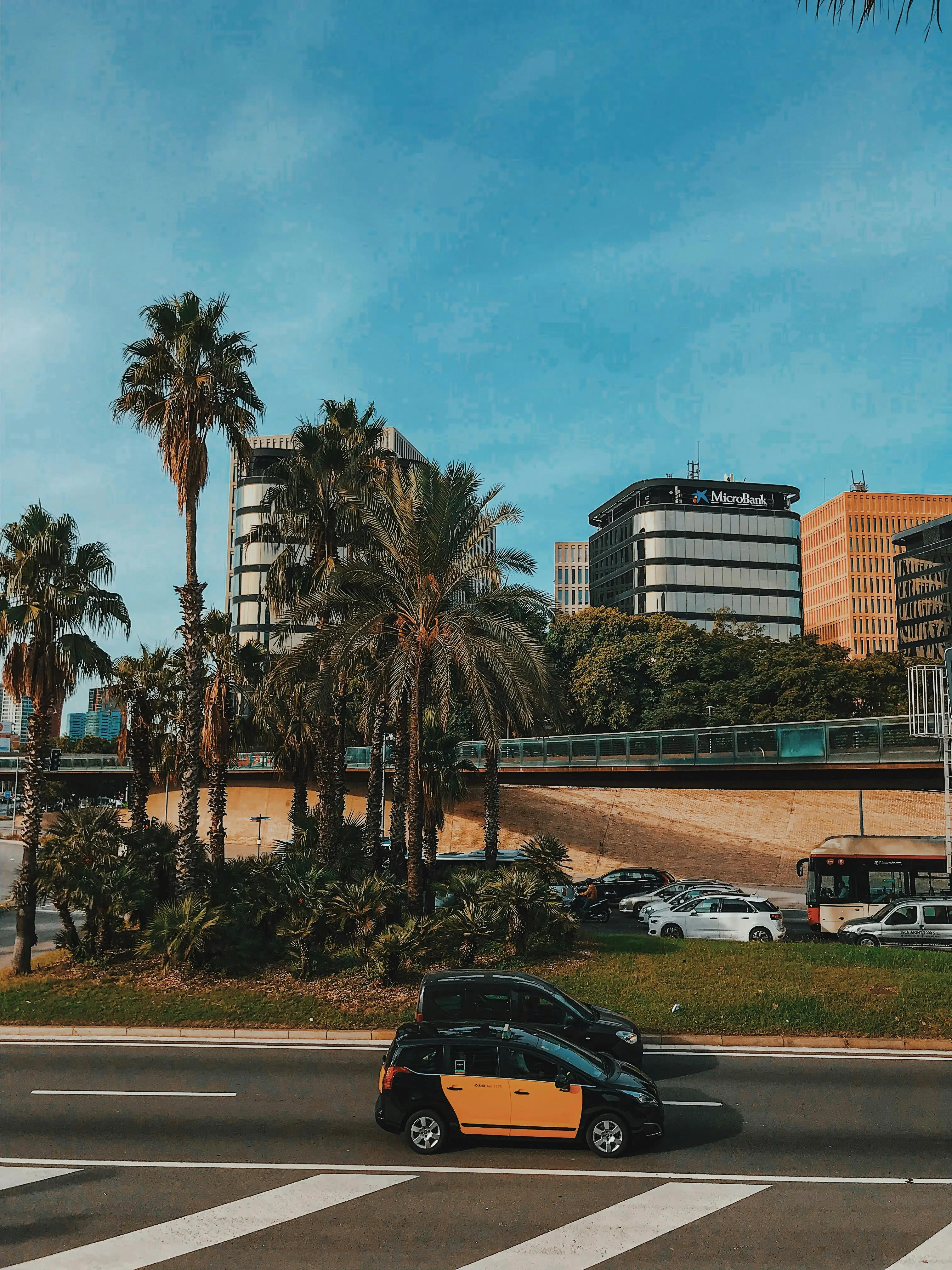
El Raval: Multicultural, Artistic, Cheaper Than Gothic Quarter — and Grittier
El Raval offers central location at lower prices than other neighborhoods in the old city, but you're trading polish for edge and accepting that some streets feel safer than others after dark.
Granja Petitbo — coffee €2.50, quiet mornings, local atmosphere, closes at 5pm
Studios from €800/month, one-bed €950–1,300, more affordable than Gothic Quarter or El Born
MACBA (Museum of Contemporary Art) — free entry some evenings, skate plaza outside, contemporary art focus
Parallel metro stop (L2, L3) well connected, but El Raval spreads wide — confirm walking distance to metro before booking
Bar Muy Buenas — vermut €3, pintxos €2, locals gather here midday, no English menu
Upper Raval (near MACBA) cleaner and safer than lower section near the port — rent reflects this, €100–200/month difference
Carrer Joaquín Costa: vintage shops, cocktail bars, younger crowd — lively nightlife means noise after midnight
When the Gothic Quarter or El Raval Make Sense Despite the Downsides
Both neighborhoods work best for short stays or people who value the historic center atmosphere enough to accept smaller apartments and persistent crowds.
First-time visitors testing Barcelona for 2–4 weeks before deciding on a longer-term base
People working flexible hours who can explore main sights during weekday mornings when tourist density drops
Solo travelers who want walking distance to cultural attractions without relying on metro schedules
Gothic Quarter if you prefer polished old city charm and can afford €200/month more for the aesthetic
El Raval if you want a more local vibe, appreciate street art, and prioritize budget over feeling completely safe at 2am
Both neighborhoods: request modern rooms or recently renovated flats — older buildings often have weak water pressure and unreliable heating
Neither neighborhood suits people who need quiet for focused work or large layouts for long-term living
L'Eixample, Poblenou, and Other Neighborhoods: Beach Vibes and Modern Living
Once you understand what you're optimizing for — space, proximity to Sagrada Familia, beach access, luxury accommodations, business district convenience — the choice becomes simpler. L'Eixample gives you wide streets, upscale shopping along Passeig de Gràcia, and a central location without medieval constraints. Poblenou offers modern apartments near the beach in a primarily residential area that used to build textiles and now builds startups. Pedralbes and Les Corts serve people with higher budgets or families needing schools and green spaces. These neighborhoods don't compete directly with Gràcia or El Born because they solve different problems. Know what problem you're solving before choosing.
L'Eixample (La Dreta): Where First-Time Visitors Go for Upscale Proximity to Major Sights
La Dreta de l'Eixample puts you within a short walk of Sagrada Familia, Park Guell metro connections, and Passeig de Gràcia's high end hotels and luxury shopping — and you pay a premium for that fantastic location.
Poblenou's Rambla del Poblenou is lined with trendy boutiques and specialty coffee shops catering to the creative community.
L'Eixample's main artery, Passeig de Gràcia, features Gaudí's Casa Batlló and La Pedrera alongside luxury shops.
Many remote workers choose to stay in Barcelona's Poblenou for its coworking spaces and beachfront cafés.
Nomad Coffee — specialty roasts €3–4.50, laptop cutoff at 2pm weekends, beans from global roasters
One-bed apartments €1,200–1,800/month, two bedroom apartments €1,600–2,200, larger floor plans than old city equivalents
Sagrada Familia — pre-book tickets online €26, visit before 10am to avoid crowds, nearby metro stop connects L2 and L5 lines
Diagonal metro stop (L3, L5) gives easy access to beaches, old town, and Gràcia in under 15 minutes
Casa Batlló — Gaudí building on Passeig de Gràcia, €35 entry, skip unless you're into modernist architecture deeply
Wide sidewalks make walking easier than in Gothic Quarter, but less charming — prioritize function over atmosphere here
Carrer de Còrsega: quieter than Passeig de Gràcia, local restaurants, independent shops, better for residential feel
Poblenou: Modern Lofts, Beach Proximity, and Space for Families or Remote Teams
Poblenou transformed from industrial district to tech hub over the last 15 years, and the neighborhood still offers surprisingly spacious apartments and easy access to Barcelona's beaches without old city density.
Satan's Coffee Corner Poblenou — same owners as Sant Antoni location, €2.20 espresso, more space than the original
One-bed from €1,000/month, two bedroom apartments €1,300–1,600, modern buildings with elevators standard
Rambla del Poblenou — pedestrianized boulevard, tapas bars, local markets, fewer tourists than central Barcelona
Poblenou metro stop (L4 yellow line) connects to city center in 20 minutes, but most errands require metro unless you're near Rambla
Platja del Poblenou — less crowded than Barceloneta, 10-minute walk from most Poblenou apartments, open year-round
22@ district: coworking spaces, tech startups, modern offices — good for networking if you're in that world
Primarily residential means limited nightlife compared to El Born or Gothic Quarter — plan on metro rides for evening socializing
Browse Barcelona homes near this area
Pedralbes, Les Corts, and Residential Districts for Families or Longer Stays
These neighborhoods make sense if you're staying in Barcelona for six months or longer, need proximity to international schools, or want a luxury lifestyle away from tourist infrastructure.
Pedralbes: upscale homes, historic buildings, green spaces — monthly rent €2,000+ for fully furnished apartments in Barcelona, but international schools within walking distance
Les Corts: business district, Camp Nou football stadium, mix of offices and residential towers — quieter than city center, well connected by metro
Parc de Cervantes — rose garden, running paths, playground, free entry — better for weekend walks than daily necessity
Les Corts metro stop (L3 green line) reaches Placa de Catalunya in 12 minutes
Private rooms and boutique hotels cluster near Camp Nou during football season — book early if visiting September–May match days
Both neighborhoods lack the café culture and independent spirit of Gràcia or Sant Antoni — prioritize if you need space and schools over street life
Explore Gràcia in our neighbourhood guide if you want more detail on the best Barcelona neighborhood for remote workers seeking local community
Booking Apartments and Hotels in Barcelona: What Actually Determines Price and Availability
Barcelona's rental market splits between short-term tourist apartments (heavily regulated since 2017) and mid-term furnished rentals (one month minimum). The difference affects what you can book, where you can stay in Barcelona, and how much you'll pay.
Short-Term vs. Mid-Term Rentals: Legal Restrictions Shape What You Can Book
Barcelona banned most short-term tourist licenses in the city center in 2017, which means legitimate Airbnb options mostly disappeared from Gothic Quarter, El Born, and El Raval — if you see listings there under 30 days, they're often unlicensed.
You can find a nice hotel in Eixample Dreta for €80-120 per night with modern amenities and central location.
Apartments near Plaça Universitat command premium prices due to their great location between multiple metro lines.
Booking platforms like RentRemote and Booking.com offer the widest selection when you stay in Barcelona for a month or longer.
Licensed tourist apartments require a registration number (starting with "HUTB") displayed in the listing — book only these if staying under a month
Mid-term rentals (30+ days) operate under different rules: more availability in central Barcelona, lower monthly rates than daily tourist pricing
Gràcia and Eixample have more licensed short-term options than Gothic Quarter or El Raval
Expect €80–150/night for licensed tourist apartments in central Barcelona, €1,200–1,800/month for mid-term one-beds
Many landlords prefer two-month minimums — negotiate if you need exactly 30 days but can commit to consecutive dates
Boutique Hotels, Luxury Hotels, and High End Hotels for First Visits or Short Stays
If this is your first time in Barcelona or you're staying under a week, a boutique hotel in Eixample or El Born removes the apartment-hunting friction and gives you a central location to test neighborhoods before committing.
Cotton House Hotel — Eixample, €180–250/night, modern rooms, rooftop terrace with panoramic city views, walking distance to Passeig de Gràcia
Mercer Hotel Barcelona — Gothic Quarter, €200–300/night, historic buildings converted to luxury hotel, ground floor restaurant, fantastic location for Barcelona's main sights
Hotel Casa Fuster — Gràcia border, €150–220/night, Modernist architecture, rooftop bar with Park Guell views, metro station outside
High season (June–September) adds 30–50% to base rates — book March–May or October–November for better value
Most boutique hotels include breakfast but not daily cleaning for stays over three nights — clarify before booking
Private rooms in hostels work if you're under 35 and staying near La Rambla or Barceloneta — €40–70/night, shared kitchen, more social atmosphere
When to Book and What Seasonal Patterns Actually Affect Availability
Barcelona's peak season runs June through September, but remote workers find better deals and availability in shoulder months when the city still functions at full capacity.
April–May and October–November: best balance of weather (18–24°C), lower prices, fewer tourists at main sights
August: locals leave for vacation, many local restaurants and independent shops close for 2–4 weeks, rent drops but neighborhood life quiets
Festa Major de Gràcia (mid-August): week-long street festival, book Gràcia apartments three months ahead if attending, avoid if you need quiet work days
Mobile World Congress (late February): tech conference fills hotels and coworking spaces, prices triple in Eixample and near Fira de Barcelona, book four months out or avoid entirely
December–February: coldest months (8–15°C), but not freezing — heating costs add €50–100/month, Barcelona's beaches empty but the city remains walkable
Two bedroom apartments book faster than studios in all seasons — solo travelers have more last-minute options
Safety, Scams, and What to Watch For in Barcelona's Tourist-Heavy Neighborhoods
Barcelona ranks as one of Europe's safest major cities for violent crime, but pickpocketing and tourist scams concentrate heavily in Gothic Quarter, La Rambla, and metro stops near Plaça de Catalunya — awareness matters more than fear.
Pickpocket Hotspots and How Thieves Actually Operate on La Rambla and Metro Lines
Professional pickpocket teams work Barcelona's busiest tourist corridors using distraction techniques that target phone users and backpack wearers — you won't notice until they've gone.
La Rambla between Liceu and Drassanes: highest theft zone in the city, keep phone in front pocket, wear backpack on chest, avoid stopping for street performers
Metro lines L3 (green) and L1 (red) at Plaça de Catalunya, Liceu, and Passeig de Gràcia: crowded platforms and train cars, hold bags in front, don't use phone near doors
Sagrada Familia entrance queues: teams work the line while tourists photograph the basilica — zipped jacket pockets or money belt safer than open bags
Beach boardwalk at Barceloneta: bag snatching while you swim or sunbathe, never leave belongings unattended, use waterproof pouch for phone and cards
Parc Güell entrance: distraction scams (fake petitions, bird poop trick), decline all interactions from strangers approaching with clipboards or maps
If pickpocketed: file police report at nearest station for insurance, cancel cards immediately, expect zero item recovery but report required for claims
Apartment Scams: Red Flags When Booking Rentals in El Born, Gothic Quarter, and Other Neighborhoods
Rental scams target remote workers booking online from abroad — the scam apartment looks perfect, the price slightly undermarket, and the landlord always has a reason why you can't video call or visit first.
Never wire money or pay full deposit before seeing apartment in person or via live video tour — legitimate landlords accommodate this
Verify HUTB license number for short-term stays: search Barcelona tourism registry online, cross-check address matches listing
Reverse image search apartment photos — scammers steal images from real hotels and boutique listings
Request landlord's DNI (Spanish ID) or company registration number, verify via video call before transferring money
Use platforms with payment protection (RentRemote, Spotahome, HousingAnywhere) over direct WhatsApp transfers to "landlords" you've never met
If deal feels too good (€800/month for two-bedroom in El Born), it's a scam — market rate exists for a reason
Arrive with backup hotel night booked in case apartment doesn't exist — this happens more than platforms admit
Safe Neighborhoods vs. Areas That Feel Sketch After Dark
Barcelona's residential neighborhoods feel safe walking home after midnight, but specific streets near tourist zones and El Raval's southern blocks require more awareness after dark.
El Raval south of Carrer de l'Hospital: open drug market, aggressive panhandling after 11pm — walk around via Parallel metro instead of cutting through
Gothic Quarter narrow streets near Plaça Reial: drunk tourists, pickpockets working late crowds — main streets like Via Laietana safer than side alleys
Gràcia, Sant Antoni, Eixample, Poble Sec: well-lit, locals walking dogs at all hours, low crime rates even past midnight
Barceloneta boardwalk after dark: empty stretches between beach bars, occasional bag snatching — stick to lit restaurant areas or walk via street parallel to beach
Metro after midnight: mostly safe but fewer passengers, L1 and L3 lines through city center have more incidents than other lines
Women walking alone: Barcelona safer than many European cities, but standard precautions apply (avoid empty parks, trust instinct on deserted streets)
Practical Details That Affect Your Daily Routine in Barcelona
Barcelona's infrastructure works well once you learn its rhythms — how metro zones affect your commute, when shops actually open, and which neighborhoods have coworking spaces that don't cut laptop time at two hours.
Public Transport: Metro Coverage, T-Casual Passes, and Easy Access to Main Sights
Barcelona's metro reaches all neighborhoods covered in this guide except Park Güell and upper Gràcia — you'll use it daily unless you stay within the old city walking zone.
If you stay in Barcelona during summer, expect higher accommodation prices from June through August.
T-Casual pass: €11.35 for 10 trips within Zone 1 (covers all Barcelona neighborhoods in this guide), valid 90 days, shareable between people
Metro runs 5am–midnight Sunday–Thursday, 5am–2am Friday, 24 hours Saturday — after hours you'll need taxi or Cabify
L3 (green line) connects most tourist attractions: Plaça de Catalunya, Liceu (La Rambla), Drassanes (port), but gets extremely crowded 8–9am and 6–7pm
L4 (yellow line) reaches Barceloneta, Poblenou, and connects to airport via L9 — less crowded than L3 for daily commutes
Most metro stations lack elevators — carrying luggage up stairs is standard, ground floor apartments near metro stops solve this
Buy T-Casual at any metro station machine (takes card or cash), rechargeable for subsequent purchases
Walking distance from city center neighborhoods (Gothic Quarter, El Born, El Raval) to most tourist attractions: Sagrada Familia 35 min walk, Park Güell 50 min uphill — metro makes more sense than walking
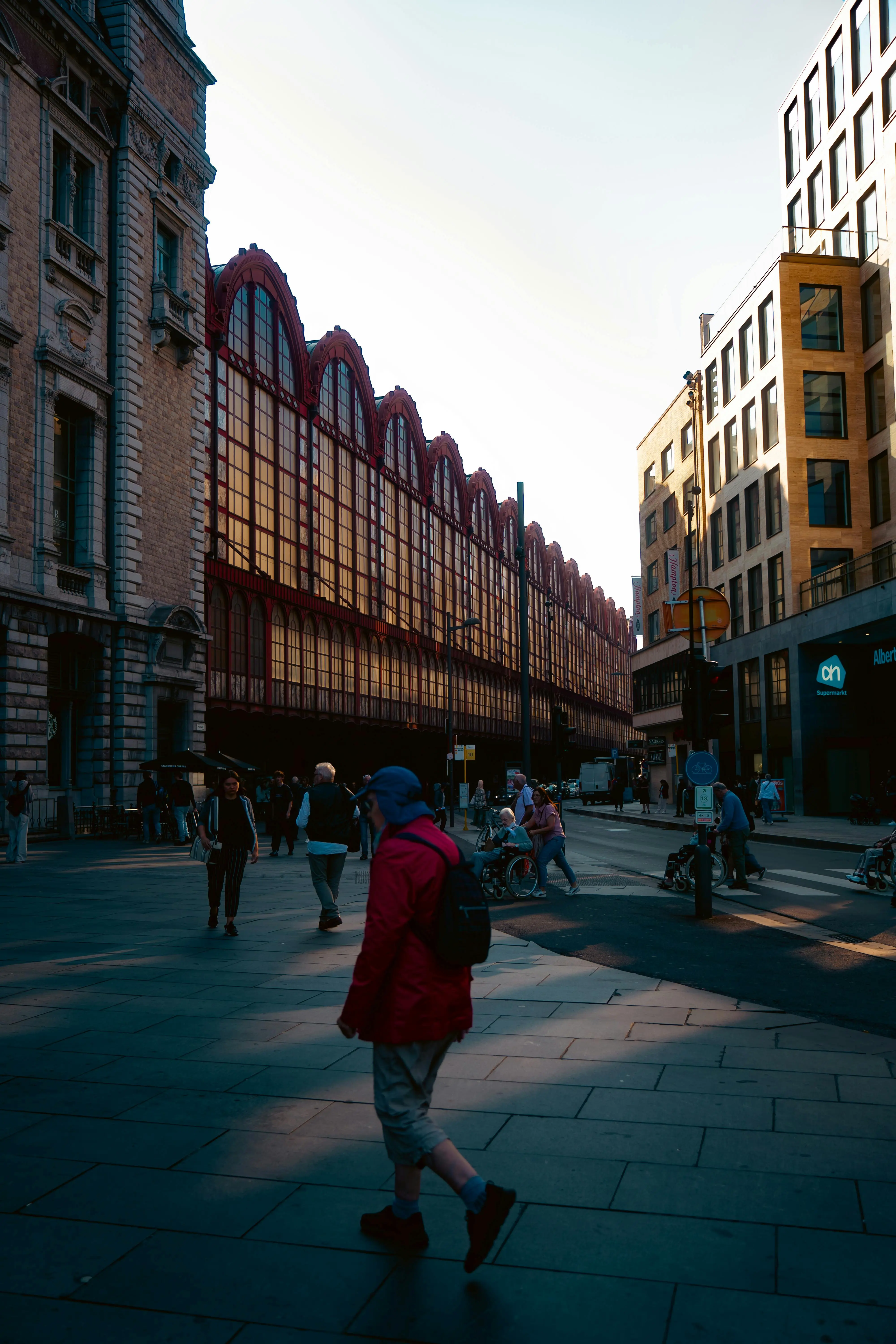
Coworking Spaces, Coffee Shops with Reliable WiFi, and Laptop-Friendly Cafés Across Neighborhoods
Barcelona's café culture doesn't prioritize laptop workers the way Lisbon or Berlin does — most coffee shops have unofficial time limits, and you'll feel the pressure after two hours even if nobody says anything.
Betahaus Barcelona — Gràcia, day pass €20, month pass €180, reliable WiFi, meeting rooms, well connected to L3 metro at Fontana
CREC Coworking — Eixample, coworking €15/day, coffee shop €2.50 espresso, no laptop time limit in designated work area
Federal Café (Federica Montseny) — Sant Antoni, €3 flat white, WiFi password on receipt, 2-hour unspoken limit, locals gather for brunch not work
MOB Bailén — Eixample near Sagrada Familia, €17/day pass, quieter than central Barcelona locations, rooftop terrace for calls
Most cafés switch WiFi off during lunch (1–3pm) to turn tables — plan morning or late afternoon work blocks
Libraries (Biblioteca Jaume Fuster in Gràcia, Biblioteca Sant Pau in El Raval): free, quiet, sometimes require residency card for computer access but reading rooms open to all
If budget allows, coworking beats café-hopping after the first week — decision fatigue from finding new spots daily costs more than €180/month pass
Shopping, Eating, and Local Life: Store Hours, Market Days, and What Closes When
Barcelona runs on schedules that frustrate northern European and American routines — lunch happens at 2pm, dinner starts at 9pm, and many shops close entirely on Sundays.
Supermarkets close 9–10pm weekdays, 3pm Saturdays, fully closed Sundays except Carrefour Express and small Pakistani-owned shops in tourist areas
Restaurants open dinner service 8pm but locals arrive 9–10pm — showing up at 7pm marks you as tourist, limited kitchen availability
Siesta closures: smaller shops and local restaurants shut 2–5pm Monday–Saturday, reopen for evening hours until 8–9pm
Mercat de Sant Antoni — Sunday flea market, book and stamp collectors, locals gather for coffee at surrounding bars, photo ID sometimes required to enter covered market section
La Boqueria on La Rambla: tourist trap pricing (€8 fruit cups), but back stalls near Santa Maria del Pi entrance have better value tapas bars
Grocery delivery: Glovo and Uber Eats operate citywide, 30–60 minute delivery, surcharge 20–30% over in-store prices but worth it Sundays
Pharmacies rotate Sunday duty — green cross lit outside means open, each Barcelona neighborhood has one pharmacy open every Sunday
Language, Culture, and Community Atmosphere in Barcelona
Barcelona operates bilingually in Catalan and Spanish, and locals notice when tourists assume everyone speaks English — learning basic Spanish and acknowledging Catalan identity changes how neighborhoods receive you.
Spanish vs. Catalan: What You Need to Know About Language in Day-to-Day Life
Most Barcelona residents speak Spanish (Castilian), Catalan, and functional English, but starting conversations in Spanish or Catalan signals respect that affects service quality in local restaurants and shops.
Catalan is the official language of Catalonia — street signs, metro announcements, government services default to Catalan first
"Bon dia" (good morning) in Catalan vs. "Buenos días" in Spanish — locals appreciate either, but Catalan shows you tried
Menu boards in El Born, Gràcia, and Sant Antoni often list dishes in Catalan only — Google Translate camera function solves this instantly
Service workers in Gothic Quarter and Eixample tourist zones switch to English immediately, but neighborhood spots in Poble Sec and Sants expect Spanish
Learning numbers in Spanish matters for markets and small shops — "¿Cuánto cuesta?" (how much) more useful than phrase book pleasantries
Traditional Catalan culture appears in neighborhood festivals, sardana dancing on Sundays at Plaça de la Seu, and political independence flags on balconies — these aren't decorations, they're identity statements
Catalan Independence Context: Why You See Yellow Ribbons and "Estelada" Flags Throughout Barcelona
Catalonia's independence movement isn't abstract politics here — it's daily life, visible in yellow ribbons tied to balconies and street debates about autonomy from Spain.
Yellow ribbons symbolize political prisoners from the 2017 independence referendum — you'll see them in residential neighborhoods more than tourist areas
"Estelada" flags (Catalan flag with blue triangle and white star) represent pro-independence sentiment, distinct from official Catalan flag without star
September 11 (Diada) is Catalonia's national day — massive demonstrations in central Barcelona, many shops and restaurants close, metro crowded all day
Don't call Barcelona "Spain" without acknowledging Catalonia as a nation — locals correct this politely but firmly
Politics don't affect tourists directly, but understanding the context explains why some conversations turn tense when discussing Spanish national identity
Other neighborhoods vary in independence support intensity — Gràcia and Sant Antoni display more flags than Eixample or Les Corts
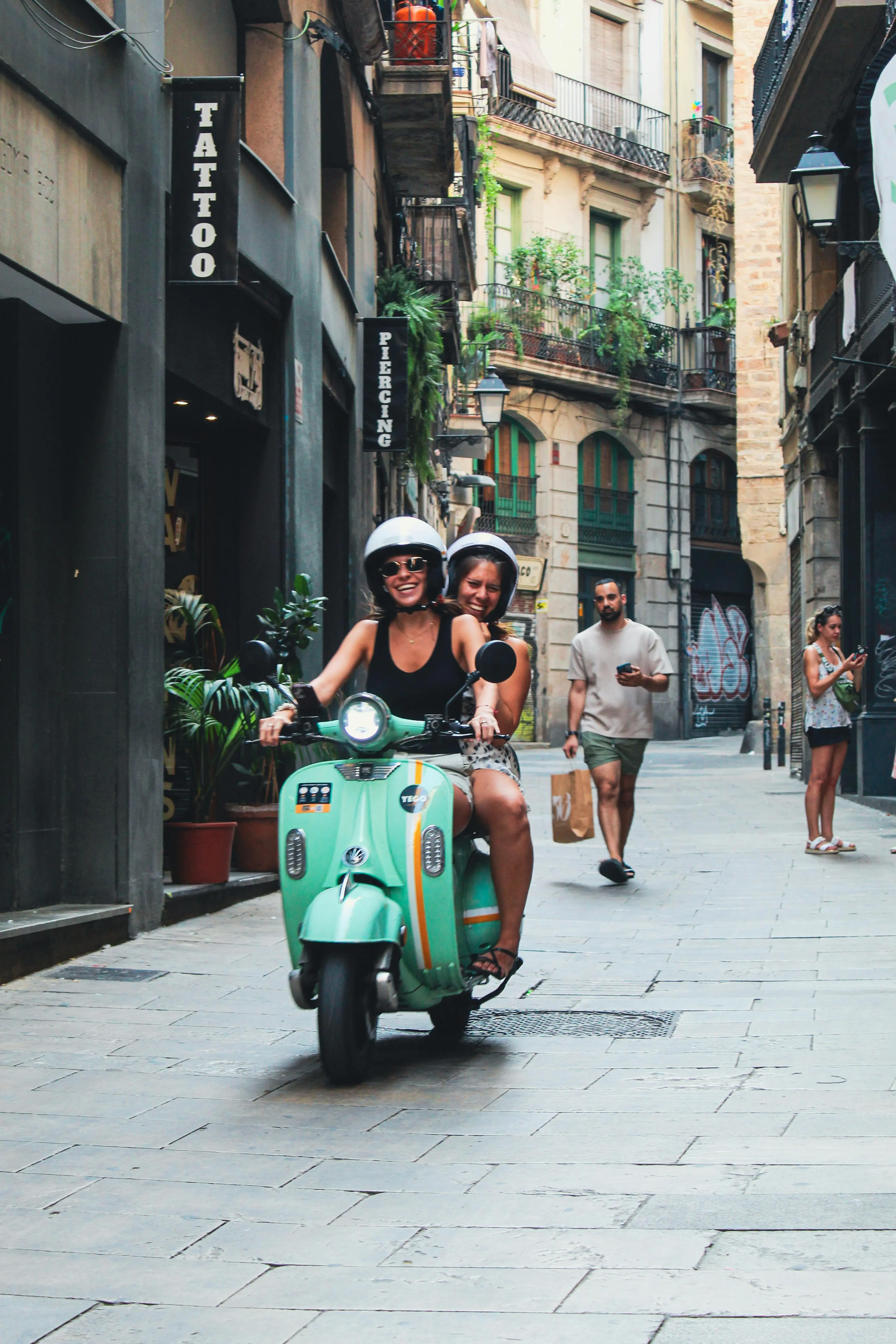
Barcelona Social Norms: Dining Times, Tipping, and Neighborhood Etiquette That Affects Local Vibe
Barcelona's social rhythms differ from northern Europe and North America — adjusting your schedule to match local timing improves restaurant service and neighborhood integration.
Tipping: round up to nearest euro for coffee (€2.50 becomes €3), leave 5–7% for sit-down meals, 10% considered generous — service charge included in prices
Dinner reservations essential after 9pm weekends in Gràcia and Sant Antoni — call ahead or book via TheFork app
Bar counter service: order and pay at bar first, then sit with your drink — table service costs 20–30% more at same establishment
Beach etiquette: topless sunbathing standard, towel placement respected, loud music and alcohol technically banned but loosely enforced
Sunday markets and parks: families dominate mornings, bring a book or headphones if working from green spaces, don't spread out laptop at popular picnic spots
Noise ordinances: neighbors complain about noise after 10pm weekdays, midnight weekends — hardwood floors transmit sound, ask landlord about building rules before hosting gatherings
Air conditioning: most apartments lack central AC, portable units standard, electricity bills spike June–August if running constantly
Final Thoughts: Choosing Your Favorite Neighborhood to Stay in Barcelona
Barcelona rewards those who pick a neighborhood and commit to it rather than trying to sample everything in two weeks. The best Barcelona neighborhoods don't reveal themselves in three-day visits — they require grocery runs, repeated coffee shop visits, and enough time to walk the same streets at different hours. Gràcia suits remote workers who want local community atmosphere over proximity to La Rambla. Sant Antoni balances old city energy with residential quiet. Eixample offers the most fully furnished apartments in Spain with modern amenities and central location. Gothic Quarter and El Born work for first-time visitors accepting the tourist density trade-off. If you've visited Barcelona before, skip the obvious choices and test Poble Sec or Poblenou for vibrant neighborhoods that feel primarily residential but stay well connected to the city center. Your favorite neighborhood depends on whether you prioritize walking to main sights, finding two bedroom apartments with space to work, or living where locals gather rather than where guidebooks point. Most remote workers test one neighborhood for a month, then move to another for comparison — this costs more than committing upfront, but it solves the problem of booking based on blog descriptions rather than your own rhythm.