Lukas
Tech & Digital Nomad Cultural Editor ·
Freemans Bay sits close enough to the city centre that you can walk to a meeting, but far enough from Queen Street that you won't hear it from your apartment. It's a former bay — filled in through land reclamation across the nineteenth and early twentieth centuries — that became a working-class neighbourhood, then a disreputable quarter, then a desirable neighbourhood, in roughly that order. Today it covers 1.02 km² with a population density of around 4,000 people per km², which means density without claustrophobia. The trade-off is price: this is not the cheapest suburb in Auckland, and it knows it.
This guide covers:
The neighbourhood's history and why it shaped what Freemans Bay looks and feels like now
Where to work, eat, and spend an afternoon without leaving the suburb
How rents compare across neighbouring suburbs
Victoria Park, Western Park, and what large parks actually add to daily life here
Getting around — on foot, by bike, and by transit
Who Freemans Bay suits and who will find it frustrating
What Freemans Bay Auckland Actually Is: History, Character, and How It Got Here
Most inner city suburbs have a history that gets cleaned up for real estate listings. Freemans Bay's is worth knowing because it explains the streetscape you actually walk around in.
From Former Bay to Now Inner City Suburb
The former bay was named after James Stuart Freeman, an early colonial official, and European settlement began in the 1840s on what was then a tidal inlet off the Waitematā Harbour.
Land reclamation through the mid-to-late 1800s filled in the ancient shoreline, creating the flat reclamation area where Victoria Park and the surrounding streets now sit
The Auckland Gas Company established operations in the area in the nineteenth century — the gasometer structure near the City Works Depot site is a direct remnant of that industrial period
Asphalt works, industrial yards, and working wharves made this a functioning labour district, not a residential aspiration — by 1930, 39% of the male population were unskilled workers
Union activity was strong here through the early twentieth century, and living conditions in parts of the suburb were poor enough that Freemans Bay earned a reputation as a disreputable quarter in upper class Auckland commentary of the period
Understanding that this was genuinely working-class territory — dirt floors, overcrowded housing, considerable extent of poverty — makes the current property prices land with appropriate irony.
Urban Development, Gentrification, and What Changed After the Second World War
The Second World War and the Great Depression both left marks on Freemans Bay, but it was a postwar planning decision that changed its trajectory permanently.
Freemans Bay was declared for urban development in 1951 by Auckland City Council, which triggered large-scale demolition of older housing stock
The Auckland Council replaced much of the original built fabric with state housing, which housed families through the 1960s and 1970s — some of that social housing character persisted into the 1980s
Gentrification began in the 1980s and 1990s as comparatively wealthy buyers moved into what had become, by that point, an affordable inner suburb — recent single dwelling houses replaced some of the older stock, and heritage homes on streets like College Hill began to be renovated rather than demolished
The city suburb now registers as one of Auckland's more affluent inner neighbourhoods — 32% of residents live in single-person households, which reflects the mix of professionals, couples without children, and remote workers who now make up most of the population
Freemans Bay had an estimated population of 4,080 in 2025 — small enough that you'll recognise faces at your regular café within a week.
The suburb takes its name from James Stuart Freeman, an early Auckland settler who owned land in the area during the 1840s, which is why you'll still find the name carved into the stonework of older institutional buildings nearby.
Neighbourhoods Within Freemans Bay: College Hill, Franklin Road, and Victoria Street West
Freemans Bay isn't uniform — the northern end near College Hill feels different from the flatter streets near Victoria Street West, and that difference matters when you're choosing where to rent.
College Hill: Heritage Homes and the Quiet Northern Edge
College Hill rises steeply from the flat reclamation land below, and the gradient keeps the foot traffic low and the views over St Marys Bay and the Waitematā Harbour genuinely good.
Heritage homes on the upper streets here are mostly converted into apartments or owner-occupied — expect higher rents and quieter nights
College Hill Road — the ridge walk gives you harbour views that you do not get from the flat streets below; it is also where you feel the wind off the water
St Marys Bay begins just over the ridge to the north — different suburb, similar price point, fewer cafés
Recent single dwelling houses mixed with older villas mean the streetscape is uneven but characterful, which is a polite way of saying some neighbours have renovated and some have not
If your work requires quiet mornings with no ambient café noise, College Hill is where you find that — just accept the walk down to everything else.
Browse Auckland homes near this area
Franklin Road: The Most Photographed Street in the Suburb
Franklin Road is the street that estate agents always mention first, and for once the reputation is earned — it is genuinely one of the better residential streets in inner Auckland.
The street features many beautiful old homes and townhouses in various states of renovation, ranging from immaculate villas to modest apartments carved from larger houses
It runs between Ponsonby Road and the park end of the suburb, which means you are genuinely walkable to Ponsonby's coffee and restaurant strip without living in it
Christmas lights on Franklin Road are a neighbourhood institution — noted here not as a tourist tip but as a signal of how tight the community identity is on this particular street
Housing options here include grand homes at the upper end of the market, compact apartments, and lofts converted from older residential stock
Franklin Road rents at a premium because it has earned it — but the premium is real, not imagined, so check your budget before you commit.
Browse Auckland homes near this area
Victoria Street West: The Working Edge of the Suburb
Victoria Street West is where Freemans Bay meets the city centre, and the character shifts noticeably — more traffic, more commercial activity, and the kind of pedestrian density that signals you are walking toward something, not away from it.
City Works Depot sits on Victoria Street West — a converted heritage site that now houses cafés, eateries, and creative businesses; Odette's Eatery here is worth the wait for weekend brunch but go before 10am or expect to queue
Best Ugly Bagels is also on the City Works Depot site — around NZ$8–12 for a bagel, reliably good, and one of the few places in Auckland where the queue is worth it on a weekday morning
Sweat Shop Brew Kitchen — craft beer on Victoria Street West, afternoon drinks from around NZ$10–14 per pint, solid food menu; one of the better options if you're done for the day by 4pm
Karangahape Road — the broader cultural and hospitality strip — is walkable from this end of the suburb in roughly 10–15 minutes
Victoria Street West is where you end up when you want to feel like you live in the city rather than near it — the distinction matters if you're trying to decide which end of Freemans Bay to rent in.
Browse Auckland homes near this area
Neighbourhood Comparison: Freemans Bay and Its Neighbouring Suburbs
Where Freemans Bay Sits in the Inner Auckland Market
Freemans Bay occupies a genuinely useful middle position — close enough to the CBD to walk in, far enough away that your apartment doesn't vibrate when a bus accelerates.
Freemans Bay rentals run NZ$2,400–3,200 per month for a one-bedroom, which buys you walkability, large parks, and a neighbourhood that has actual residents rather than just foot traffic
Ponsonby, immediately to the northwest, costs NZ$2,600–3,600 and delivers the best restaurant strip in inner Auckland — but weekend noise and café congestion are part of the deal
Grey Lynn to the west comes in at NZ$2,000–2,800, offering more space for the money and a quieter rhythm, which makes it better suited to longer stays or anyone prioritising budget over proximity
The CBD itself ranges NZ$2,200–3,400, but below level 10 the street noise is constant, and the environment functions as commercial rather than residential
The price gap between Freemans Bay and Grey Lynn is real, but so is the difference in how quickly you can be somewhere useful on foot.
The Quieter Alternative: St Marys Bay
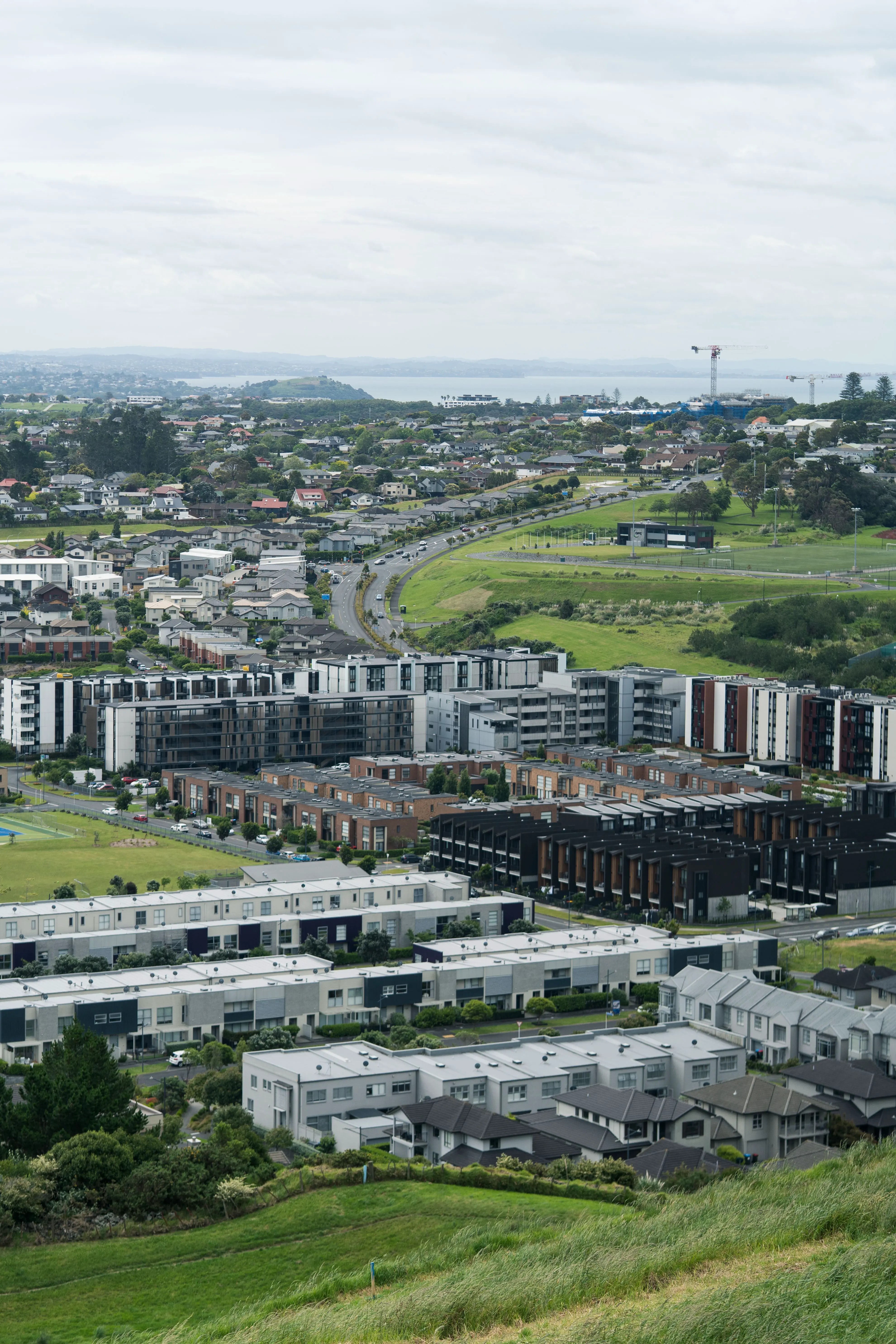
St Marys Bay is the option most people overlook, and it deserves more attention from remote workers who want harbour proximity without the foot traffic that comes with Freemans Bay's parks and café routes.
Rents sit at NZ$2,500–3,400 for a one-bedroom — broadly comparable to Freemans Bay, but the housing stock skews older and larger, which often means more room for an actual home office setup
The neighbourhood is genuinely quiet: fewer pedestrian cut-throughs, less café density, and a residential character that holds through the weekend
Harbour views are accessible at street level in a way they simply aren't from Freemans Bay or Ponsonby, which sit further inland
If your work requires concentration more than it requires being near a good flat white, St Marys Bay is the more honest choice at a similar price point.
Browse Auckland homes near this area
Which Neighbourhood Actually Fits Your Working Pattern
The neighbourhood comparison only resolves cleanly once you know whether your remote work needs proximity, quiet, or both — because those don't point to the same suburb.
If you need zero commute to central offices or coworking spaces at least a few days a week, the CBD is the only genuinely efficient answer, noise and all — browse fully furnished apartments in Auckland to compare what that actually costs across neighbourhoods
Freemans Bay earns its premium for workers who want a full neighbourhood identity — grocery runs on foot, parks for a midday break, and the CBD reachable without a vehicle
Ponsonby makes sense if your social life is part of how you stay sane during long remote stints, and you're willing to pay for the density and energy that comes with it
Grey Lynn is the rational pick for anyone on a longer lease or a tighter budget who doesn't need to be within fifteen minutes of the waterfront every day
Freemans Bay has Odettes Eatery in City Works Depot as a reliable all-day dining option, whereas comparable inner-city neighbourhoods like Ponsonby tend to close their kitchens by 3pm outside of dinner service.
Most people who pick Ponsonby because it looks exciting on a map end up wishing they were in Freemans Bay by the third week — the café strip is great to visit, less great to live beside.
Victoria Park, Western Park, and Why Large Parks Change a Neighbourhood
Freemans Bay has two large parks in or adjacent to it — which is unusual for a suburb of 1.02 km² — and they serve different purposes. Neither is decorative.
Victoria Park: The Suburb's Social Anchor
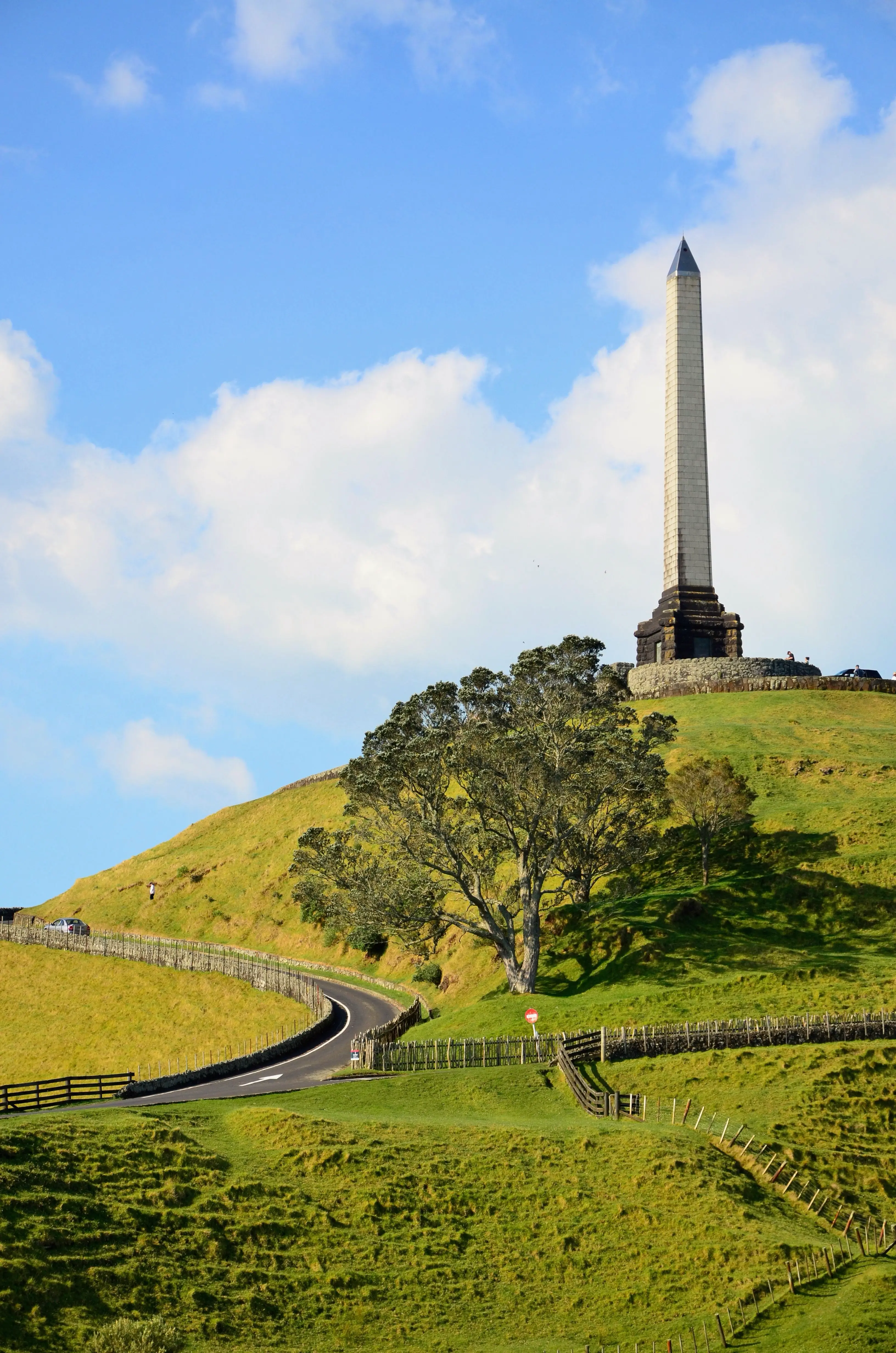
Victoria Park was created in 1905 on the reclamation area near the ancient shoreline, and it is the reason the flat lower section of Freemans Bay feels spacious rather than dense.
The park features a children's playground, a sports oval used for weekend football and cricket, and the Victoria Park Market on its southern edge — the market hosts various eateries including Vietnamese and Indian options, open most days from mid-morning
Victoria Park Market — more than just a food stop; the market's converted gasometer building is a direct connection to the Auckland Gas Company industrial history of the suburb
The sports oval hosts club sport on Saturdays — if you need quiet weekend mornings, you will know about it, but it clears by early afternoon
A flying fox sits in the playground end of the park — worth mentioning only because the noise carries on school days and that is relevant if you work from a ground-floor apartment nearby
Victoria Park is the kind of public facility that makes a suburb work at the daily level — not a destination, just infrastructure you use without thinking about it.
Browse Auckland homes near this area
Western Park: Where You Go When You Need Quiet
Western Park sits on the ridge above the suburb, closer to Ponsonby, and it is entirely different in character from Victoria Park — steeper, more tree-covered, and almost always less occupied.
Western Park — free entry, open daily, public facilities including toilets and paths; not a manicured space but a genuinely useful green buffer between the suburb and Ponsonby Road
The park connects College Hill to Ponsonby Road on foot without touching any main roads, which matters if you are a regular runner or cyclist
Less foot traffic than Victoria Park means it is where you go for actual quiet — the lower park has more visitors, but 10 minutes up the path and you have it largely to yourself on weekday mornings
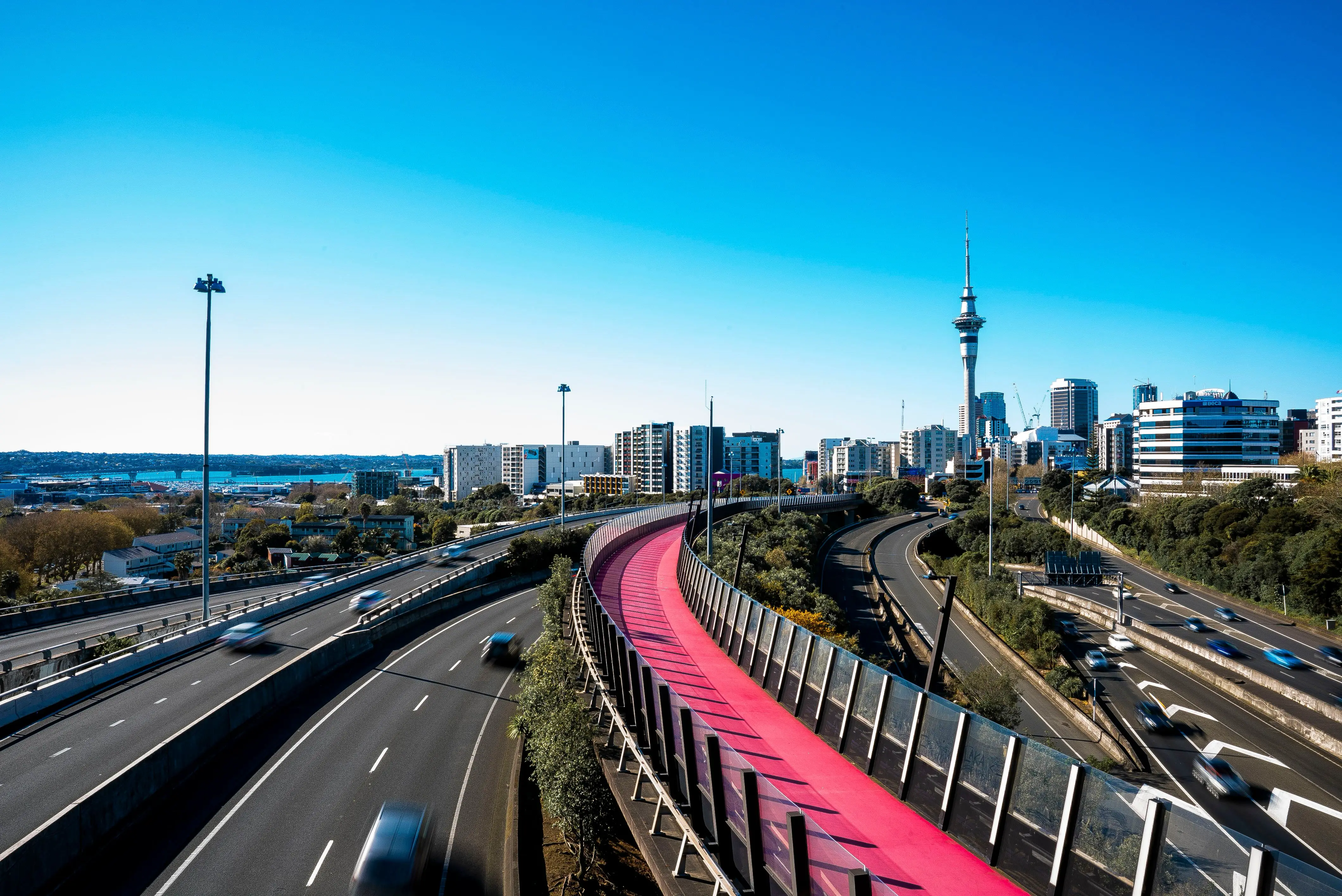
The Nelson Street Cycleway is close by, providing bike access to the city centre — cycling to the CBD from this end of the suburb takes under 15 minutes in reasonable conditions
Western Park is not a reason to choose Freemans Bay, but once you live here, totally concealing yourself in it for an afternoon becomes part of the rhythm — and that is not something you get in the CBD.
Auckland City Council maintains both Victoria Park and Western Park, meaning the lawns are reliably mown and the public toilets are unlocked by 7am — a small but real difference when you're staying nearby.
Browse Auckland homes near this area
The Land Beneath Freemans Bay: Reclamation, Infill, and What It Means for Housing Today
A significant portion of Freemans Bay is not original land — it is filled harbour, reclaimed incrementally from the 1870s onward, and that history shapes the suburb's housing stock in ways that matter if you are choosing where to live here.
How Reclaimed Land Changed the Suburb's Shape
The western shoreline of the original bay was progressively filled over several decades, pushing the suburb's footprint south and west toward what is now the motorway corridor — and the reed beds and tidal flats that John Bathgate Reed surveyed in the nineteenth century are under asphalt now.
Te Tō and Te Koranga were traditional Māori landing sites along the original shoreline — both names reference the pulling and dragging of waka, which tells you exactly what the foreshore looked like before reclamation began
Reclaimed land in the south of the suburb tends to be flat, which sounds useful, but it also means those streets sit closest to the motorway and carry the most noise
The original land — the ridge streets running north toward St Marys Bay — is where the character villas sit and where the housing is most expensive; you are paying, in part, for elevation and pre-reclamation ground
Development pressure on the filled land has intensified since Auckland Council rezoned large portions of the suburb for higher density; townhouses and small apartment blocks are replacing what was there
Understanding where the original bay was is not just history — it tells you which streets have the best aspect, which are noisiest, and where the new townhouses are going up fastest.
What the Housing Stock Actually Looks Like Now
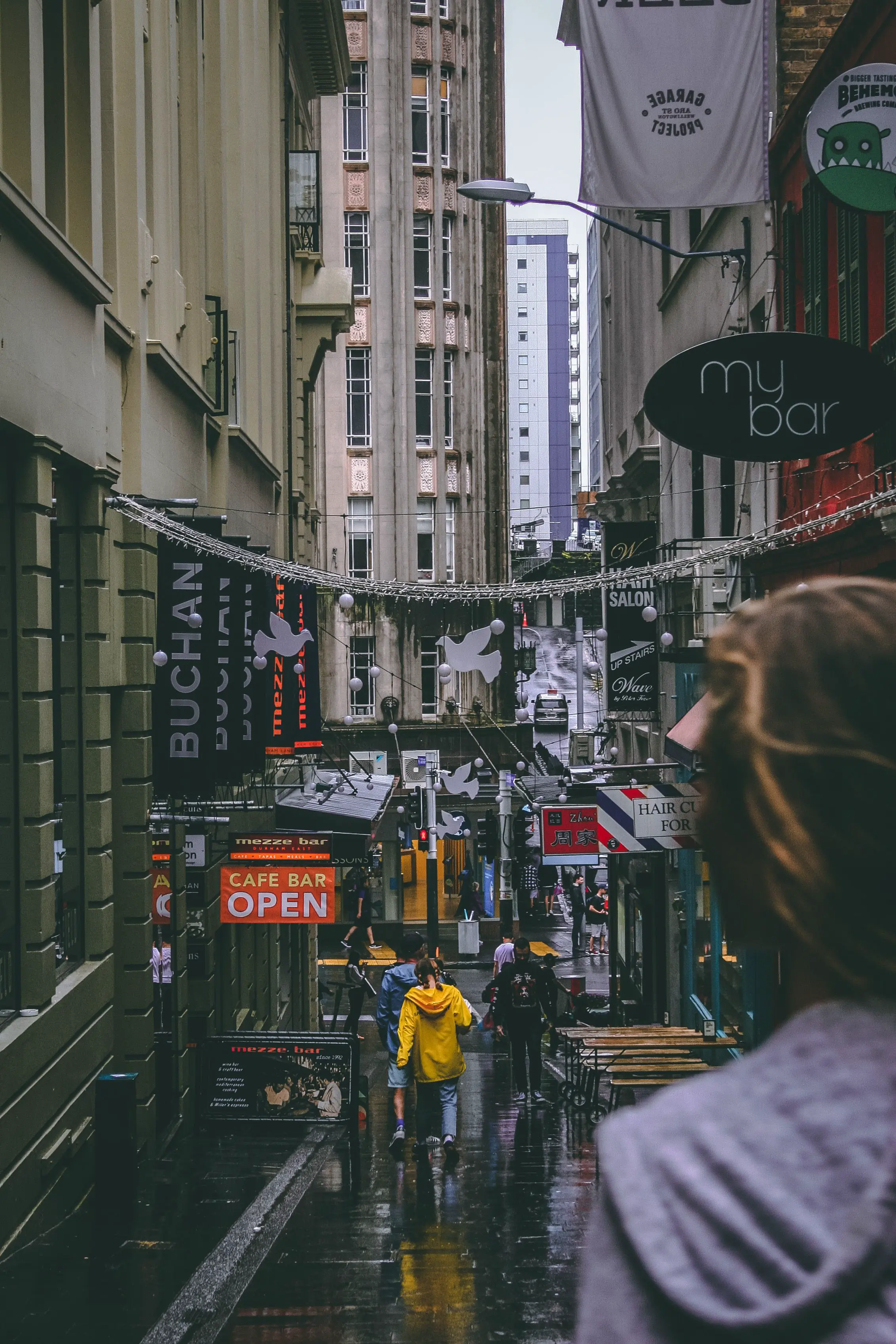
Freemans Bay is not a suburb where you will find one type of housing — it runs from early-twentieth-century villas to purpose-built apartment towers, and the mix between them changes street by street.
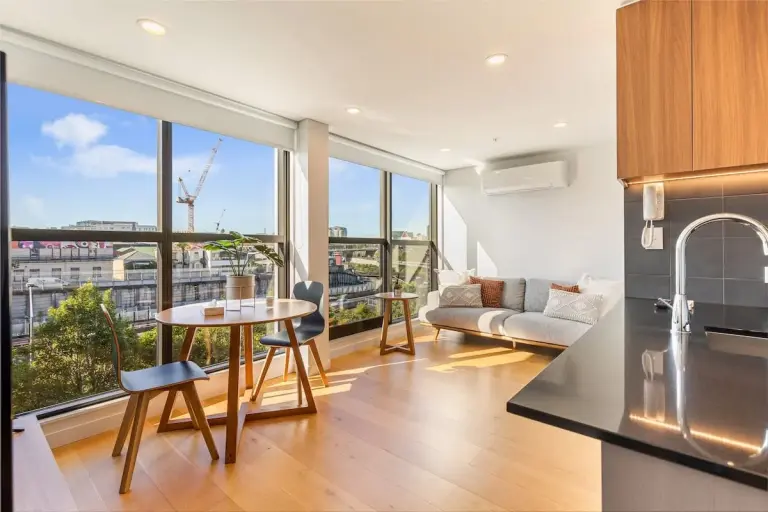
Flats and converted villas dominate the ridge streets — most of what is available to rent is a one- or two-bedroom conversion, sometimes with shared outdoor space, rarely with parking
Townhouses are concentrated toward the south and along the streets closest to the Victoria Street West corridor, where council zoning allows medium-density development
Purpose-built apartments are rarer here than in the CBD — the suburb's small footprint and heritage overlay on some streets has slowed large-scale apartment development compared to nearby Parnell or Newmarket
Furnished short-term rentals exist but move quickly — the suburb's location means competition is real, and the best-positioned flats on Franklin Road or Anglesea Street rarely sit vacant for long
If you want a fully furnished apartment in Auckland in Freemans Bay specifically, booking three to four weeks ahead of your arrival date is not overcaution — it is standard practice for this suburb.
What was once tidal mudflat and working waterfront is a now inner city suburb dense enough that a two-bedroom apartment on Hepburn Street sells for well over $1 million.
Eating, Drinking, and Working in Freemans Bay
Ponsonby Road is two minutes on foot from most of the suburb, and most residents treat it as their high street — which means Freemans Bay itself has less retail than you might expect for a suburb of its density, but access to everything Ponsonby offers without paying Ponsonby rents.
Where to Eat When You Are Not Cooking
The eating options within the suburb proper are more limited than the suburb's reputation might suggest, but the walk to Ponsonby Road is short enough that most residents stop thinking of it as a boundary after the first week.
Tinfeny's Ponsonby — dinner for two runs $80–$120; it is a proper sit-down restaurant, not a café that serves dinner; book on weekends
Little Bird Kitchen — breakfast and lunch, plant-based, on Ponsonby Road; açaí bowls around $20, worth going before the Saturday morning crowd hits
IMA Cuisine — Middle Eastern, lunch from $18, one of the more consistent kitchens on the strip; the line moves fast at midday so it works as a lunch break without losing an hour
Richmond Road Bottle Store — wine and craft beer retail on Richmond Road; useful for not travelling into the CBD every time you want a decent bottle
The honest trade-off is this: Freemans Bay's dining scene is borrowed from Ponsonby, and that is fine as long as you do not mind paying Ponsonby prices every time you eat out.
Coffee and Work-From-Café Culture
The suburb has enough café density to sustain a work-from-café habit, but the better options are concentrated in a two-block stretch rather than spread evenly across the suburb.
Kokako — on Surrey Crescent, ethically sourced beans, flat whites around $6; opens at 7am, which matters if you keep early hours; busy from 8:30 onward
Dizengoff — a Ponsonby institution, not technically in Freemans Bay but close enough to walk; no laptop culture on weekend mornings, but weekday afternoons are fine for working
The Peoples' Barista — smaller, on Union Street, reliably good espresso; fewer tables than Kokako but quieter mid-morning on weekdays
None of these replace a proper coworking space for a full-day working session, but all three work for the 9–11am or 2–4pm blocks that most remote workers actually need café seating for.
Best Ugly Bagels on College Hill is genuinely worth the short walk from most Freemans Bay accommodation — a Montreal-style sesame bagel with cream cheese and lox runs around $14 and takes about three minutes to make.

Coworking and Getting Actual Work Done
Freemans Bay does not have a standalone coworking building within the suburb boundary, which is a real gap — the closest serious options are a short walk east toward the CBD or north toward Ponsonby.
BizDojo Auckland — on Teed Street in Newmarket, day pass around $35; not walking distance from Freemans Bay but worth the bus if you need a full professional setup for a day
Precinct Flex Britomart Place — east toward Britomart, day pass from $40; faster to reach by bike than bus during peak hour; better suited to residents whose work requires CBD client meetings
The suburb's apartment buildings with communal working lounges are increasingly common in new developments — if this matters to you, filter for it specifically when searching
If your working pattern involves more than two dedicated desk days a week, factor the coworking commute into your decision — Freemans Bay's central location makes it manageable, but it is not zero effort.
Getting Around: What the Suburb's Location on the City Centre Fringe Actually Means for You
Freemans Bay's location is its clearest advantage — the CBD is a 15-minute walk east, Ponsonby is five minutes north, and the motorway on-ramps sit to the south for anyone who needs to drive. That range covers most of what residents actually need week to week.
Walking and Cycling
This suburb is genuinely walkable in a way that most Auckland suburbs are not, and that is not a small thing in a city where car dependence is the default.
The walk to Britomart — Auckland's central transport hub — is around 20 minutes on foot through Victoria Street West; it is flat for most of it and passable in any weather
The Nelson Street Cycleway connects the suburb directly to the CBD by bike; the ride takes under 10 minutes from the southern end of the suburb, and the cycleway is separated from traffic for most of its length
Ponsonby Road is uphill from the lower streets — not aggressively steep, but enough that residents in the flatter south end of the suburb notice it on the return walk after dinner
Two large parks — Victoria Park and Western Park — mean that walking routes within the suburb itself can avoid main roads almost entirely if you choose them
The walk score here is among the highest in Auckland, and after a week you will find yourself defaulting to walking for most trips under 30 minutes — which, in this suburb, covers almost everything you need daily.
Public Transport from Freemans Bay
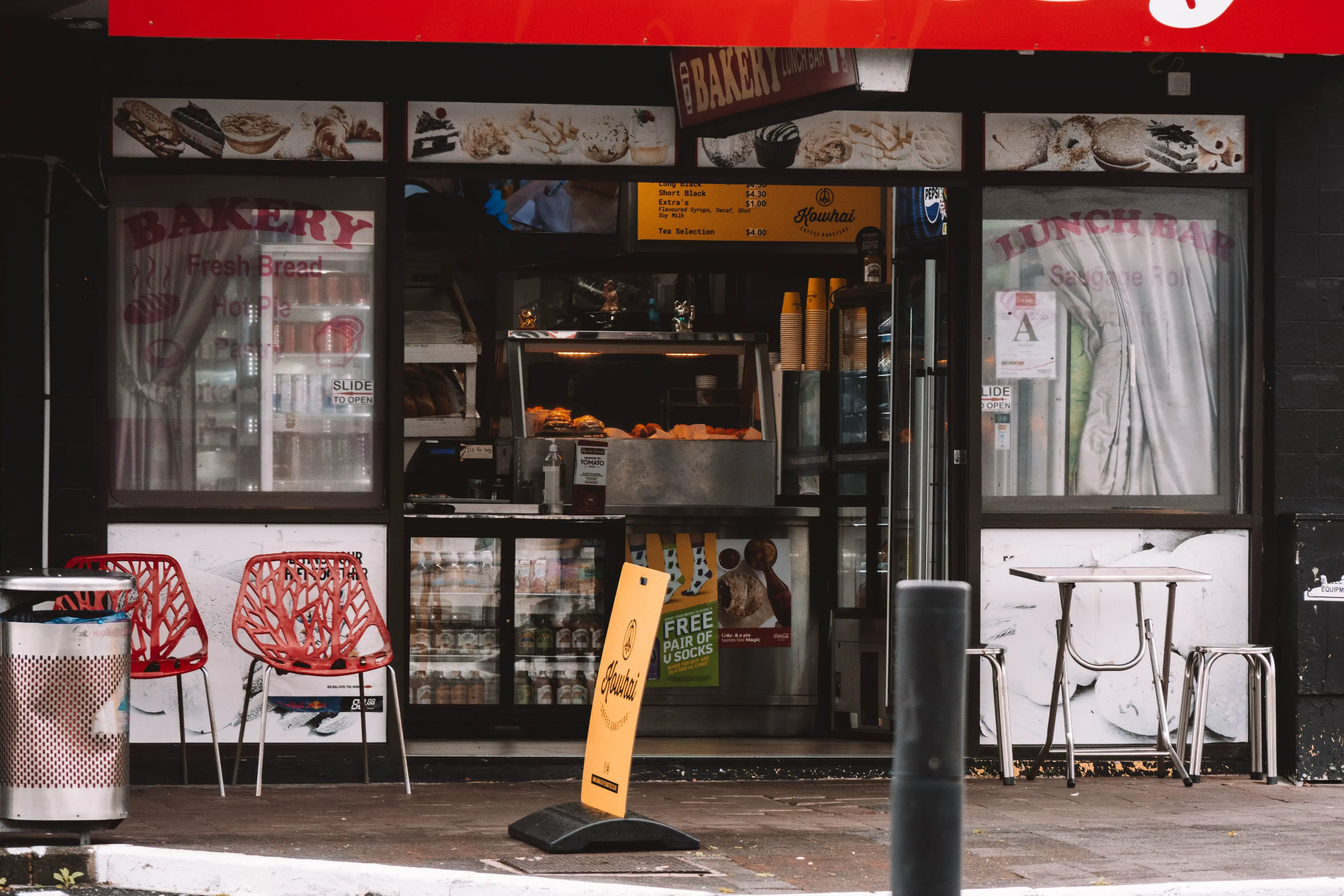
Bus coverage is reasonable but not frequent enough to be the spine of your transport life — you supplement it with walking and cycling rather than depending on it alone.
The 22 bus runs along Ponsonby Road and connects toward the city centre and Newmarket; frequency drops to every 15–20 minutes outside peak hours, which is worth knowing before you plan around it
Several public facilities and schools in the area mean the bus is busy in the morning school window — roughly 8:00 to 8:45 — if that timing intersects with your commute
Victoria Park bus stop on Victoria Street West is the most useful access point for city-bound buses from the south of the suburb; plan around 10 minutes' walk from the ridge streets to reach it
Auckland's rail network does not directly serve this suburb — the nearest heavy rail station is Grafton or Newmarket, both requiring a bus connection or a 25-minute walk
For remote workers whose meetings are distributed across the city rather than concentrated in the CBD, a bike plus occasional Uber is a more reliable combination than bus-only — the network covers the suburb, but the frequency requires patience.
Is Freemans Bay the Right Base for Your Auckland Stay?
Who Freemans Bay Actually Works For
This suburb suits a specific remote worker profile — someone who wants city proximity without city noise, and who values residential texture over hotel-district convenience.
Long-stay workers benefit most: the neighbourhood's character accumulates over weeks, not nights
Walkability is genuine, not marketed — the CBD, Ponsonby, and the waterfront are all reachable on foot
The settled, year-round residential feel is real and noticeably different from the CBD's transient energy
Remote workers who need coworking within five minutes of their desk will find the CBD a better fit
If you are arriving for a week, the premium is hard to justify; if you are staying for a month, it starts to make sense.
Freemans Bay has several public facilities within a ten-minute walk — Victoria Park, the Western Park playground, and public tennis courts — which makes it a more practical base than the CBD if you're travelling with children.
The Honest Limits of the Suburb
Freemans Bay has real drawbacks that its appeal can obscure, and going in clear-eyed about them saves frustration once you are committed to a lease.
Furnished apartments at the quality end are limited in supply and move fast — search early
The eating and coworking infrastructure you will use daily is mostly borrowed from Ponsonby and the CBD
Budget is the sharpest constraint: Grey Lynn and Kingsland offer a similar residential feel at meaningfully lower rents
Inner-west alternatives are worth comparing if your monthly housing budget is under pressure
The suburb earns its premium, but only if you are the person it is designed for — not if you are rounding up to something that sounds good on paper.
Making the Decision and Finding a Place
If the brief is a walkable, well-located base in Auckland with real street life and a short commute to wherever you need to be, Freemans Bay delivers that honestly.
Confirm your coworking plan before committing — the nearest dedicated spaces are in Ponsonby and the CBD, not the suburb itself
Compare Freemans Bay listings against Grey Lynn and Kingsland to calibrate whether the location premium is worth it for your budget
Furnished apartments in this tier move quickly; search before your arrival date, not after landing
Browse fully furnished apartments in New Zealand to see current availability across Freemans Bay and comparable Auckland inner suburbs
The suburb does not oversell itself — what you see walking around on a Tuesday morning is exactly what you get at week three.