
Daniel
Productivity & Remote Living Analyst ·
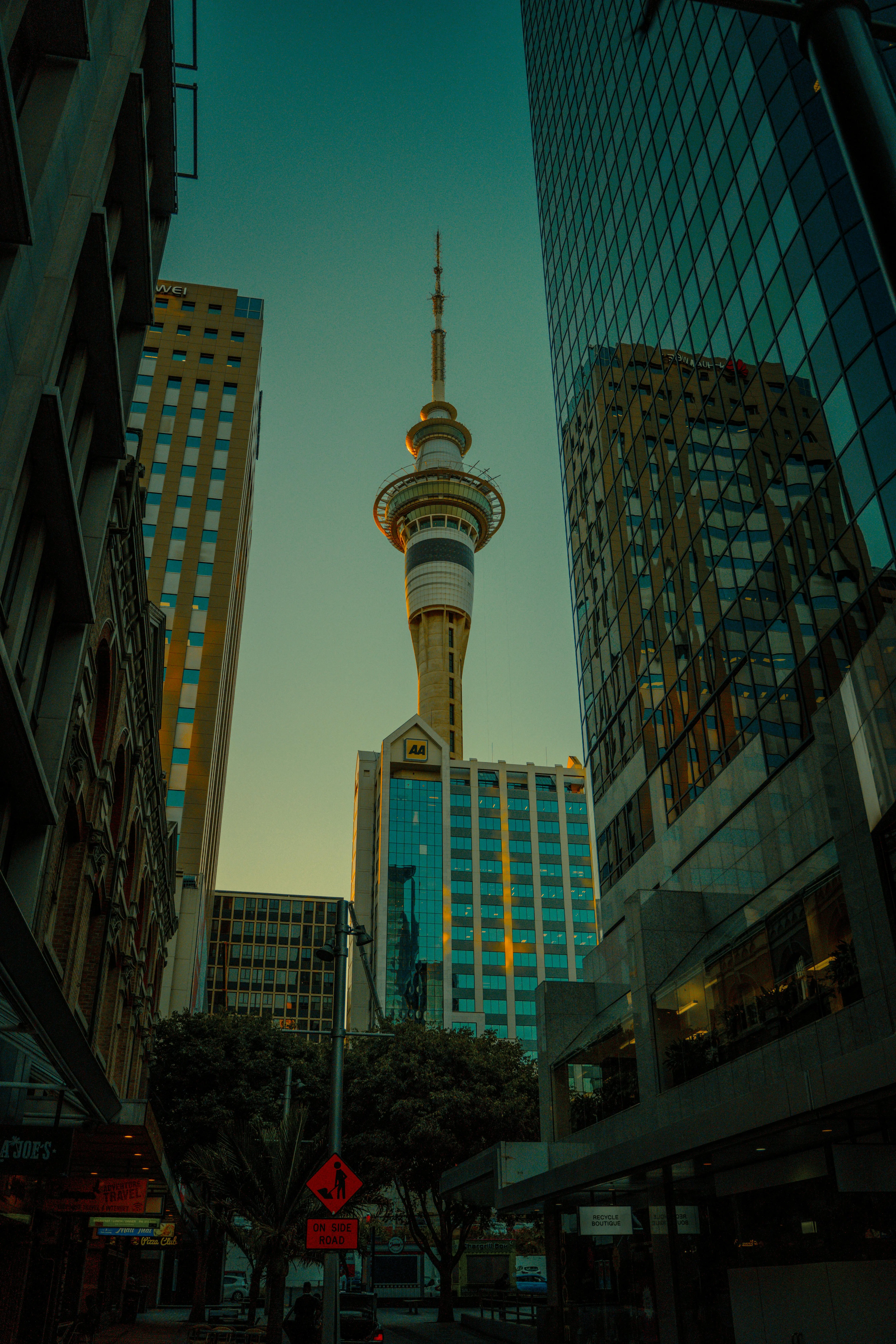
Auckland city centre works for remote workers in a way that a lot of Pacific cities don't — it's compact, the waterfront is genuinely walkable, and the café infrastructure is strong enough that you don't need a coworking desk on day one. The trade-off is cost: this is one of the most expensive cities in the Southern Hemisphere, and the central business district prices that in immediately. What you get for that cost is a city that combines real urban density with water on three sides and some of the best day-trip access in the country.
Which neighbourhoods inside Auckland CBD actually suit remote work — and which ones just suit tourists
What you'll realistically spend on rent, food, and transport month to month
Where to work from: cafés, coworking spaces, and public spaces that hold up across a full week
How to get to Auckland city centre from Auckland airport without getting overcharged
What's worth your time culturally — and what's a half-day, not a full one
The neighbourhoods that border the city centre and whether they're worth the short commute
Understanding Auckland City Centre: Neighbourhoods, Layouts, and Where You Actually Want to Be
Auckland CBD is not one thing. Queen Street runs north to south and is the main street spine of the city centre, but the character shifts dramatically depending on which block you're standing on — and that matters when you're choosing where to sleep for a month.
The Auckland CBD Core: Queen Street and the Central Business District
The central business district around Queen Street is where the density is highest and the trade-offs are sharpest.
SkyCity Grand Hotel — luxury end of the market, well located, but you're paying for the Sky Tower address more than anything else
Commercial Bay — Auckland's premier shopping centre and waterfront dining complex, five minutes from most CBD accommodation
Aotea Centre — anchors the civic precinct; Civic Theatre is directly adjacent and worth knowing for evening programming
Budget hostels cluster on the upper end of Queen Street — beds under $20/night exist, but the buildings are old and the walls are thin
If you need fast access to everything and don't mind trading quiet for convenience, the core CBD delivers — just know that the streets below Aotea Square get louder after 10pm on weekends.
Browse Auckland homes near this area
Viaduct Harbour and Wynyard Quarter: The Waterfront End
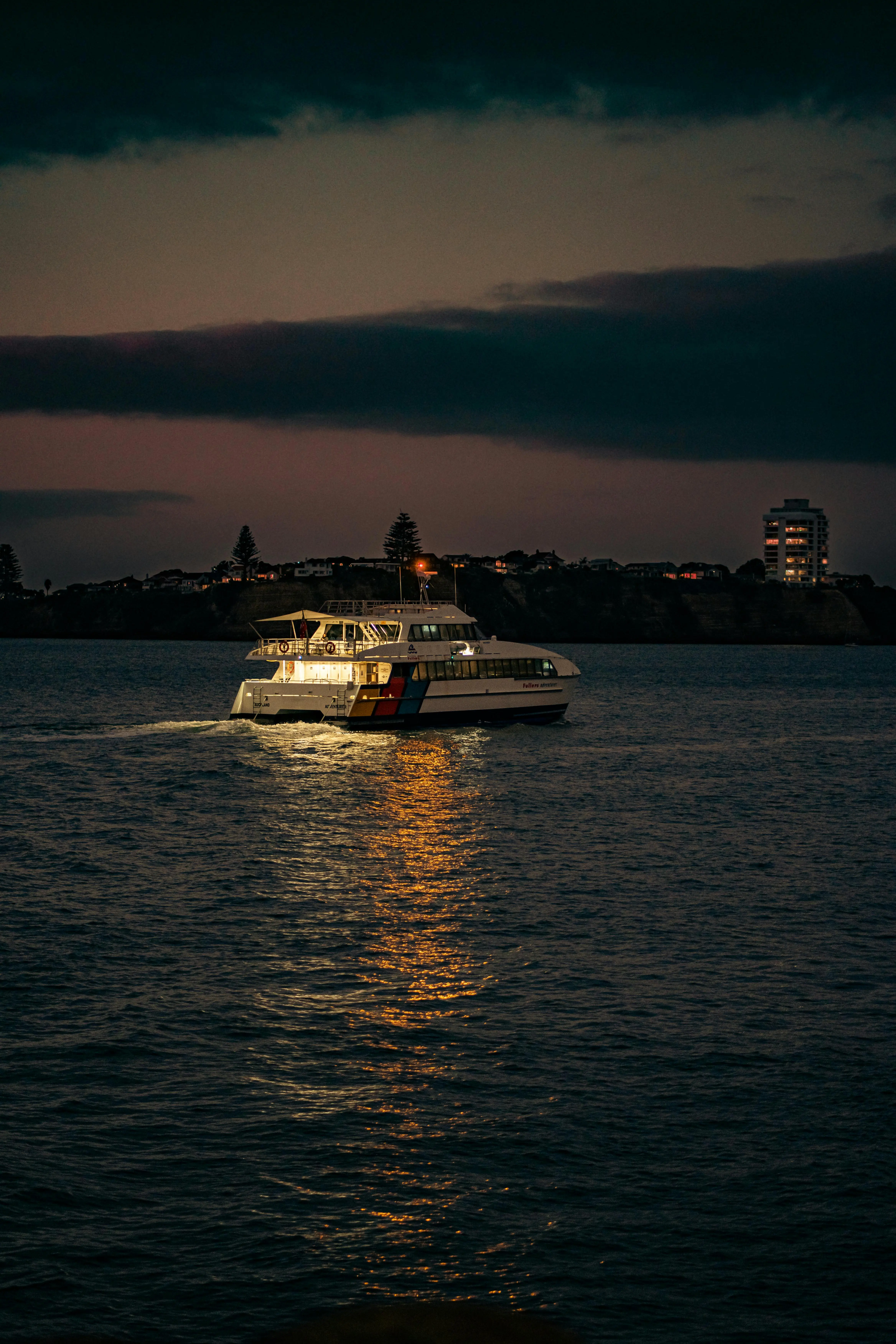
The waterfront precinct feels like a different city from upper Queen Street, and that's not a criticism — it's a reason to consider it seriously as your base.
Viaduct Harbour — scenic, high-end dining, genuinely pleasant to walk through at any time of day; evenings get busy but mornings are calm
Wynyard Quarter — newer development, better apartment stock than the core CBD, and quieter on weekday evenings
New Zealand Maritime Museum — opened in 1993, located right on the harbour; worth two hours for context on New Zealand history and the city's relationship with the water
Furnished apartments in Wynyard Quarter run higher than the CBD average — budget NZD $2,800–$3,500/month for a one-bedroom
The Viaduct area is where you end up staying if you came for a month and found yourself extending — the waterfront access removes a specific daily friction that you don't notice is there until it's gone.
Browse Auckland homes near this area
Karangahape Road and K Road: The Edge of the Centre
Karangahape Road — K Road — sits at the top of the CBD grid and is the closest Auckland gets to a neighbourhood with actual character that hasn't been smoothed out for visitors.
Independent shops, eateries, and live music venues line K Road — it's denser and cheaper than Ponsonby Road, which sits just west
K Road is a hub for Auckland's rainbow community nightlife — this is something to know before you book, not after
Rent is lower than the waterfront end: one-bedrooms from NZD $2,200/month in the streets immediately off K Road
Artspace Aotearoa — opened in 1987, independent contemporary art space on K Road; free entry, usually worth the 45 minutes
K Road suits remote workers who want proximity to the CBD without the hotel-corridor feel of Queen Street — the trade-off is that it's louder at night and the apartment stock is older.
Te Komititanga — the public square outside Britomart train station — is the clearest landmark for orienting yourself when you first arrive in the CBD, and most short-stay rentals in the lower city centre are within a 5-minute walk of it.
Browse Auckland homes near this area
Neighbourhood Comparison: Auckland City Centre Areas at a Glance
Where to Base Yourself: Neighbourhoods by Budget
Rent in central Auckland varies by nearly NZD $1,500 a month depending on which street you land on, so getting this decision right matters before you start browsing listings.
Auckland University precinct: NZD $2,000–$2,600/month — lowest rents closest to the CBD, functional over fashionable
Karangahape Road (K Road): NZD $2,200–$2,700/month — best café-to-rent value ratio in the centre, genuinely independent scene
CBD Core / Queen Street: NZD $2,400–$3,000/month — everything walkable, but the street-level noise is relentless
Viaduct / Wynyard Quarter and Ponsonby Road: NZD $2,800–$3,500/month — newer apartment stock and quieter streets command a clear premium
The gap between K Road and Wynyard Quarter looks small on paper until you're paying it every month for six months.
Browse Auckland homes near this area
Matching Your Work Style to the Right Area
The neighbourhood you choose shapes your daily rhythm more than any single amenity — an area that suits a two-week sprint can wear thin fast on a three-month stay.
CBD Core / Queen Street: best for short stays where maximum access to transport and errands matters most
Viaduct / Wynyard Quarter: suits longer stays — modern apartment stock, waterfront morning runs, noticeably quieter by evening
K Road: built for culture-first remote workers who want independent cafés, live music, and a neighbourhood with an actual identity
Ponsonby Road: leafy, slower-paced, restaurant-dense — the right call if you need quieter streets and don't mind being slightly further from the waterfront
Remote workers who prioritise focus over convenience consistently end up in Ponsonby or Wynyard Quarter after their first Auckland stay.

Planning a Stay Longer Than Three Weeks
Furnished apartment stock in Auckland moves quickly in summer, and the best-value listings in Wynyard Quarter and K Road rarely sit on the market for more than a few days.
Wynyard Quarter inventory turns fast from November through February — book at least six weeks ahead for quality waterfront apartments
K Road offers the strongest short-to-medium stay value if you're budget-conscious but unwilling to sacrifice neighbourhood character
Browse fully furnished apartments in Auckland early — filtering by neighbourhood saves time once you know where you want to land
Staying in the middle of the CBD near Queen Street puts you equidistant from Britomart in the east and Victoria Park in the west — useful if you are splitting your time between coworking spaces on Wyndham Street and evening dining in the Viaduct.
Committing to a neighbourhood before you filter listings makes the whole search faster and cuts out the paralysis that comes from comparing too many variables at once.
Working From Auckland CBD: Cafés, Coworking, and Public Spaces That Hold Up
Auckland city centre has many cafés — the question is which ones are actually viable for a four-hour work session and which ones are set up for flat whites and leaving.
Cafés Worth Taking Your Laptop To
The best working cafés in the CBD are not the ones closest to Queen Street — they're one or two streets off the main street, where the foot traffic drops and the tables get wider.
Open Coffee — Karangahape Road location, strong WiFi, counter seating with power, flat white NZD $6; gets busy from 9–10:30am then quiets down
Daily Bread — Ponsonby Road, better for a long morning than an afternoon, closes early; coffee NZD $5.50
Little Bird Unbakery — Ponsonby, plant-based, quieter than most, reliable WiFi; good for a three-hour stretch before noon
Victoria Park Market — the market itself is more retail than work-friendly, but the café strip on the eastern edge works well on weekday mornings
The café density in this city centre is genuine, but the power outlets are not — bring your own battery pack or you'll be managing your screen time by 2pm.
Coworking in the Auckland CBD
Dedicated coworking in Auckland's central business district is strong enough that you don't need to improvise with cafés if that's not your preference.
BizDojo Auckland — day pass NZD $45, located in the CBD core, reliable infrastructure, events programme that's actually useful if you're in the city for a month
The Workshop Ponsonby — NZD $38/day, newer building, quieter than BizDojo, better views; book ahead in January and February
recinct Flex @ GridAKL — higher end, hot desk from NZD $55/day, good if you have client calls and need a private booth option
Albert Park is free, has benches and decent mobile signal — not a substitute for a desk, but useful for an hour between calls when the weather holds
Monthly coworking memberships typically run NZD $400–$600 — at that price point, the calculus of a furnished apartment with fast home WiFi starts to look better around week three.
Getting to Auckland City Centre: From Auckland Airport and Around the Region
Auckland airport is 21km south of the city centre and the journey options are genuinely varied — but some of them waste your time and some waste your money, and they're not always the same ones.
From Auckland Airport to the Auckland CBD
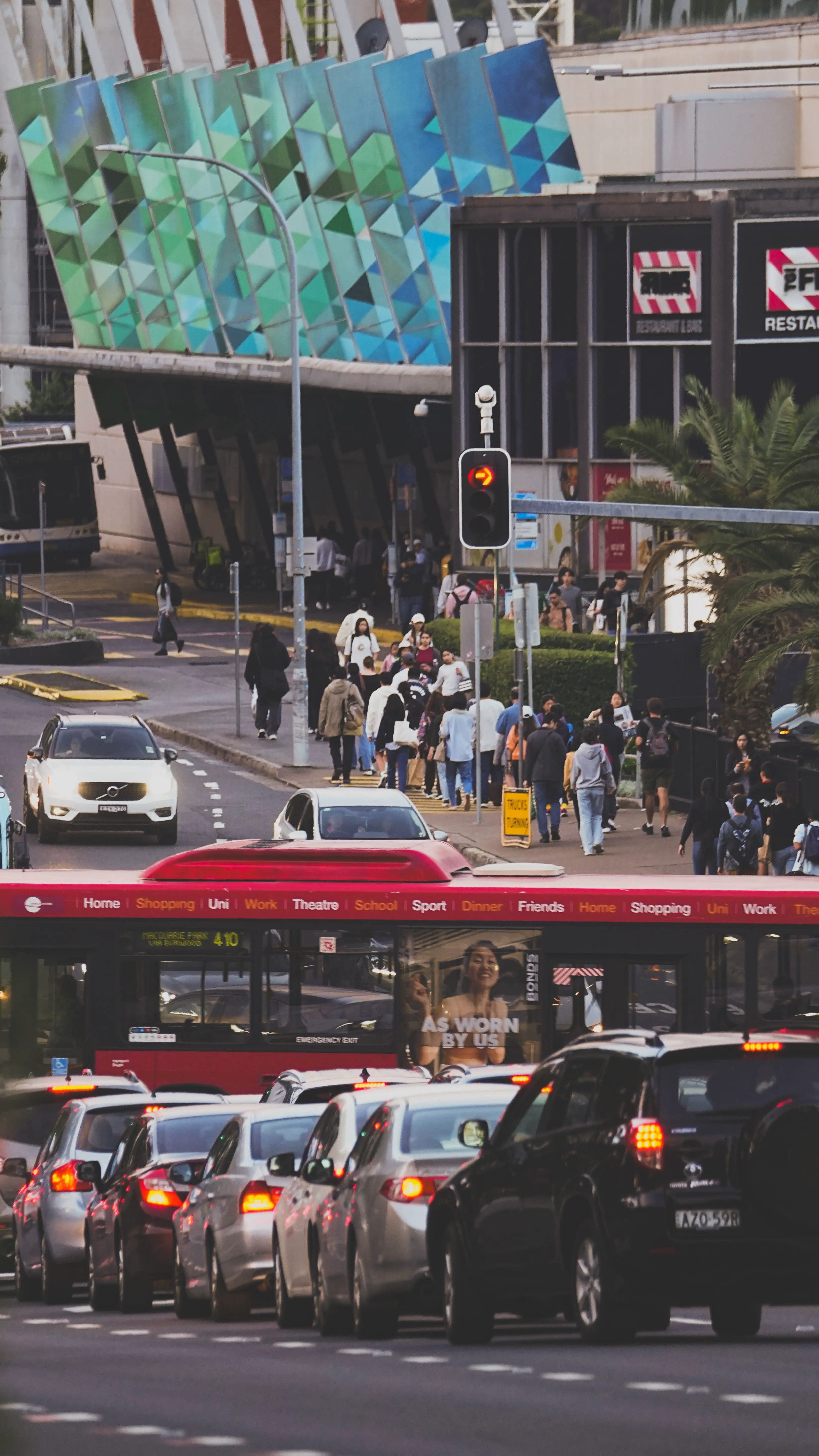
The SkyBus is the most reliable option for solo travellers arriving at Auckland airport — NZD $18 one way, runs every 10–15 minutes during peak hours, drops you on Queen Street near the main CBD hotels.
SkyBus — NZD $18 one way, NZD $32 return; runs 24 hours, no booking required, 45–70 minutes depending on traffic
Uber and taxis run NZD $65–$90 to the city centre depending on time of day — only worth it if you have heavy luggage or arrive between midnight and 5am
Public transport via AT Metro bus (Route 380 to Manukau, then train) is the cheapest option at NZD $3.50 but takes over 90 minutes with connections — not practical on arrival
Holiday Inn Express — located in Auckland's city centre, five minutes' walk from the SkyBus stop on Queen Street; one of the more practical modern hotel options for a first night before you pick up apartment keys
If you're landing on a weekday between 7:30am and 9am, budget an extra 20 minutes — the southern motorway into downtown backs up reliably and the SkyBus is not immune to it.
Public Transport Inside the Auckland City Centre
The Auckland CBD is compact enough that you won't use public transport for most daily movement — but for reaching the North Shore, west coast beaches, or other areas outside the centre, it's how you'll actually do it.
AT HOP card — NZD $10 card fee, loads via app, works on all buses and trains; the monthly pass saves money from day six onwards if you're commuting anywhere outside the CBD
Ferry from Auckland Ferry Terminal — near the Waitematā station, runs to the North Shore (Devonport, NZD $7.50 each way) and Waiheke Island (NZD $18 return on weekdays)
Bus services run along the main streets of the CBD including Queen Street and Karangahape Road — useful for reaching Ponsonby Road without the uphill walk
The City Rail Link will connect the two major CBD railway stations when complete — for now, most train services terminate at Britomart, a short walk from the waterfront
The public transport network here is genuinely better than Auckland's reputation suggests — the problem is frequency after 9pm, when you're essentially back to rideshares for anything outside walking distance.
Culture and Landmarks in Auckland City: What's Worth Your Time and What Isn't
Auckland city doesn't have the gallery density of Sydney or Melbourne, but what it does have is genuinely good — the Auckland Art Gallery is not a tourist obligation, it's a serious institution, and the Māori cultural holdings at the War Memorial Museum are some of the most significant in the country.
Auckland Art Gallery Toi o Tāmaki: More Than a Half-Day
The Auckland Art Gallery opened in 1888 and the main building is striking enough that people photograph the ceiling before they look at the collection — but the collection is the reason to go.
Auckland Art Gallery Toi o Tāmaki — free entry for the permanent collection, located on the edge of Albert Park; plan two hours minimum for the New Zealand and Pacific galleries alone
The contemporary wing shows rotating exhibitions that change every 8–12 weeks — worth checking the programme if you're in the city for more than a month
The café inside the gallery is decent and quieter than anything on the surrounding streets before noon
Gus Fisher Gallery — opened in 2001, run by Auckland University, free entry, smaller and more focused than the main Auckland Art Gallery; five minutes' walk from the CBD core
The Auckland Art Gallery is the one institution in the city centre that rewards a second visit — the permanent collection is deep enough that you'll notice different things the second time through.
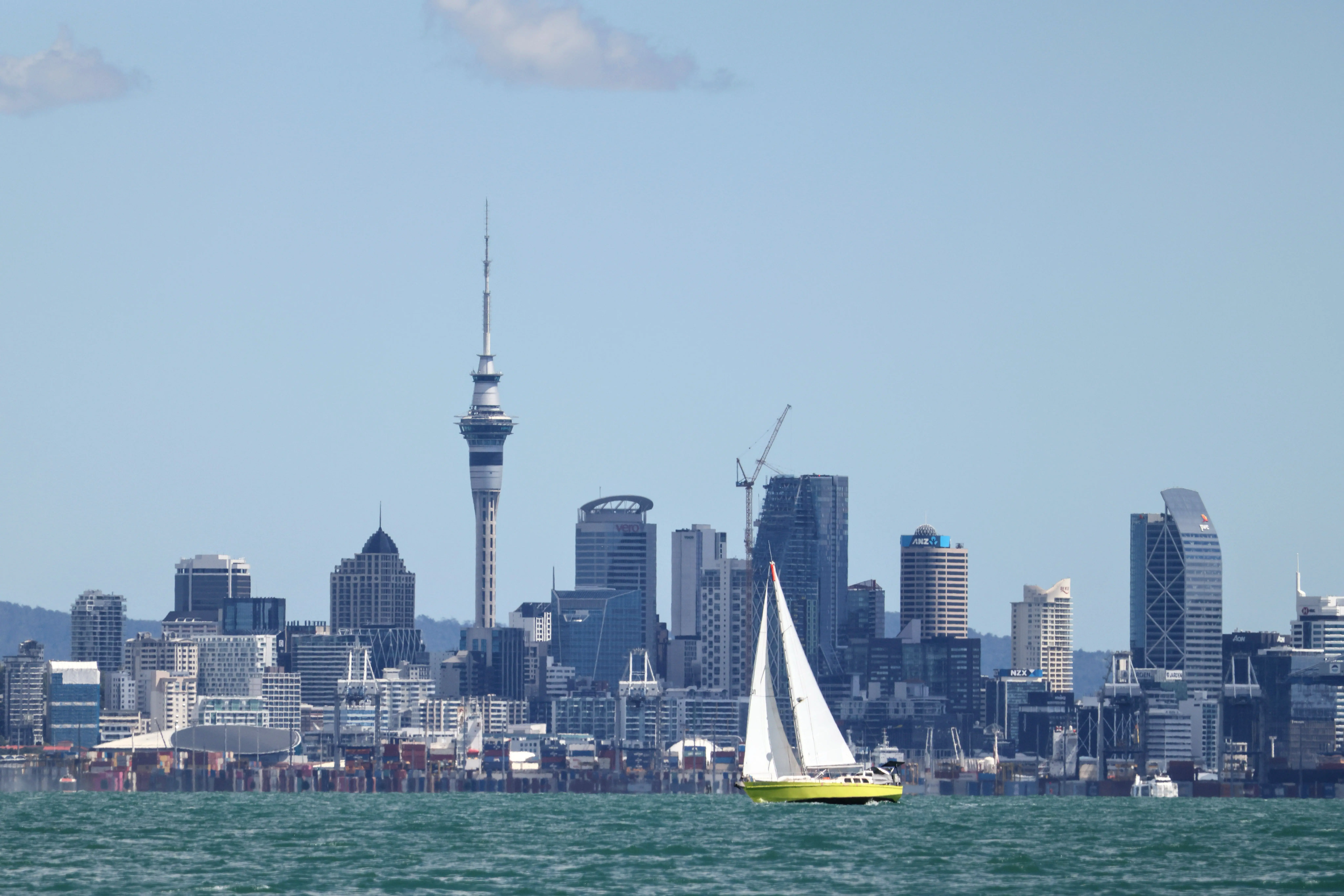
History, Heritage, and the West Coast
New Zealand history sits everywhere in this city centre, but it concentrates in a few specific places — and one of those places requires leaving the CBD entirely, which is worth it.
Auckland War Memorial Museum — focuses on Māori culture and New Zealand history; located in the Domain parklands, 20 minutes' walk from the CBD; the Māori court is the best single room in any Auckland institution
St Paul St Gallery — opened in 2004, AUT-run, located near K Road; punches above its size for contemporary New Zealand art
One Tree Hill — a significant historical site with extensive parklands, 8km south of the city centre; the volcanic summit has 360-degree views and context for the city's Māori history that the CBD alone won't give you
West coast beaches (Piha, Karekare) sit 45–50 minutes from downtown by car — beautiful beaches with serious surf and hiking trails, but no public transport direct from the city centre; you need a car or a tour
The west coast day trip is the one thing most remote workers who stay in Auckland for a month wish they'd done in week one rather than week four — the hiking trails are better than anything within the city limits, and the contrast with downtown is jarring in the best way.
The New Zealand Maritime Museum sits right on the Viaduct Harbour and charges $20 adult entry — if you only have one afternoon for culture, this covers both the America's Cup history and the broader story of Polynesian seafaring in a single visit.
For neighbourhood-level detail on where to base yourself within Auckland, Explore Auckland neighbourhood guide before you lock in a location.
Getting Around Auckland CBD Without a Car
The city centre is compact enough that you will cover most of it on foot — but the moment you want anything beyond the CBD boundary, the transport picture changes fast.
Public Transport from the CBD
The AT HOP card is the one purchase you make on day one and stop thinking about — it covers buses, trains, and ferries at a discount over cash fares.
Waitematā Train Station — the central train and bus hub, situated at the bottom of Queen Street; trains run to Newmarket, Grafton, and west Auckland from here; trains are reliable, but the network is not dense by European standards
AT HOP monthly pass (bus + rail, two zones) — roughly NZD $220; covers most of the inner suburbs but not airport runs
Auckland Link Buses — the City Link (50 cents) and Inner Link (NZD $1 with AT HOP) cover the CBD to Ponsonby, K Road, and Newmarket; runs every 7–10 minutes at peak; this is your default for anything within 4km
Devonport Ferry — NZD $16 return from downtown to the north shore; 12-minute crossing, the best value harbour view in the city
If you are planning to stay longer than a month and want to reach west or south Auckland regularly, the honest advice is that you will miss a car — public transport runs thin once you clear the inner suburbs.
Getting to the Airport
The airport is 21km south of the CBD, and there is no rail link — which is an expensive gap for a city this size.
Uber/taxi from the CBD to Auckland Airport — roughly NZD $55–$75 depending on time of day; budget NZD $70 for a morning run during peak hours
Northern Express bus from central bus stops — NZD $18–$22 with AT HOP, takes 45–55 minutes without traffic; not door-to-door but serviceable if your accommodation is near a stop
Parking at the airport — NZD $30–$45 per day in the short-stay car park; if you are renting a car for a week-long trip south, factor this in before you decide to self-drive
The airport question is one of those costs that catches people off guard on the first trip — budget it into your monthly transport total from the start rather than treating it as a one-off.
The New Zealand Maritime Museum, the Ferry Building, and the Wynyard Quarter are all within a flat 15-minute walk of each other, which means you can cover the entire waterfront strip on foot without needing a bus or rideshare.
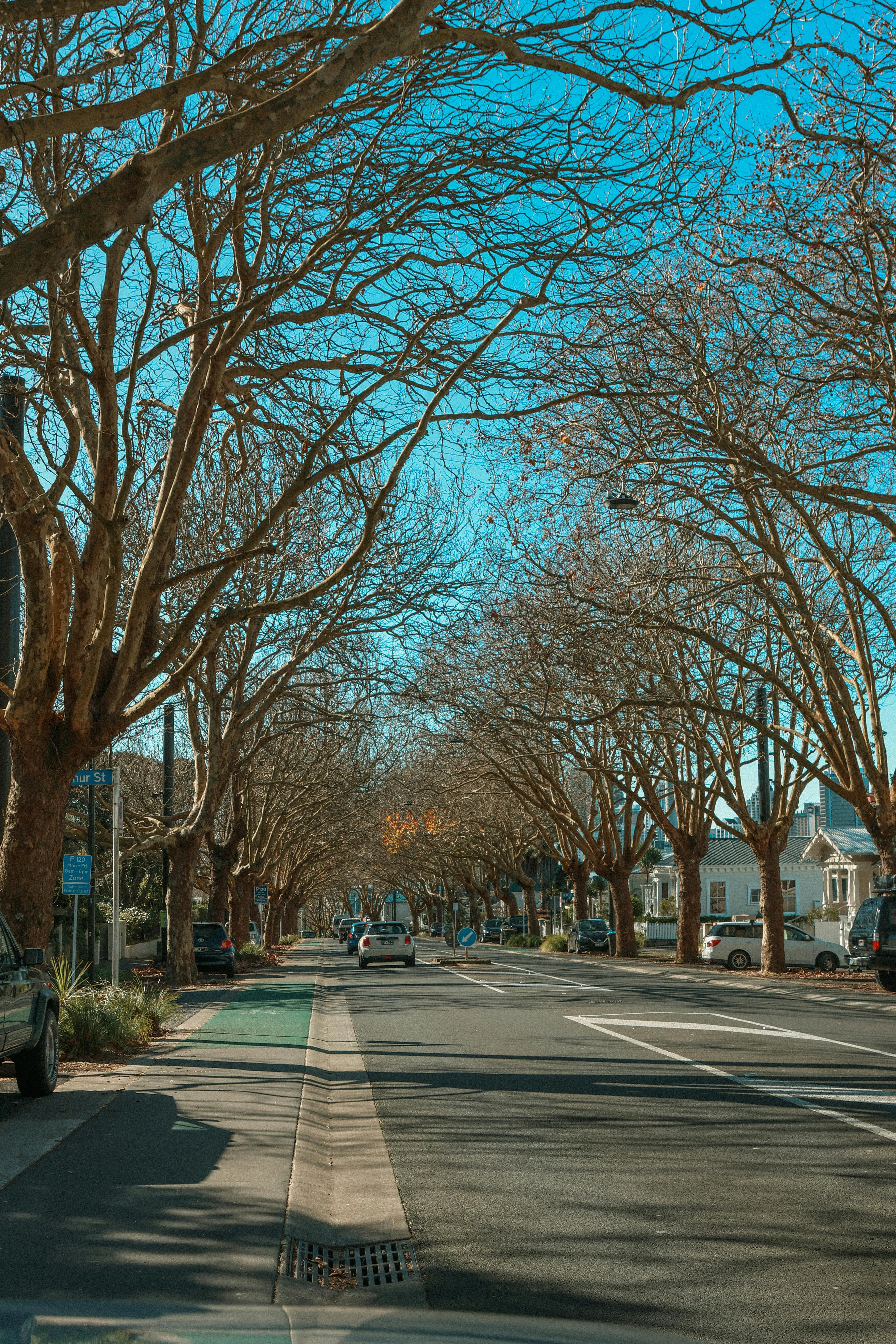
Cycling and Walking in the CBD
The city centre is more walkable than most first-time visitors expect, but the hills between the CBD core and suburbs like Ponsonby are steep enough to matter if you are carrying a laptop.
Onzo Bike Share — docked e-bikes available at central locations; NZD $1 to unlock plus per-minute rates; useful for the flat harbour routes, less so for anything heading uphill toward K Road
Waterfront cycle path — runs from the CBD east toward St Heliers; flat, well-maintained, good for a morning ride before the business day starts
Walking from the CBD to Ponsonby — 25 minutes uphill; walking from the CBD to Britomart to the ferry terminal — 10 minutes flat; know which direction you are heading before you decide your shoes
The east-west flat route along the harbour is genuinely pleasant for a daily commute to a coworking space — the north-south routes into the suburbs will remind you that Auckland is built on dormant volcanoes.
Food, Coffee, and Where to Actually Eat in the CBD
Auckland's food scene in the CBD has genuine range — but you need to move off Queen Street to find the version that local business owners and residents actually use.
Coffee Worth Walking To
The Auckland coffee culture is genuinely strong, and the CBD has enough good cafes within a 15-minute radius that you won't need to go far — but the best ones fill up fast.
Eight Thirty Coffee — situated on Fort Street in the CBD core; single-origin filters and reliable flat whites; opens at 7am, which matters if you keep early hours; grab a window seat before 8:30am or accept standing
Kokako — technically in Grey Lynn, 10 minutes from the CBD; the most consistent espresso in the inner-city area; the in-house roasting means beans stay fresh in a way that chain coffee doesn't
Caffe in Common — the closest thing the CBD has to a reliable all-day café; on Elliott Street; good for a mid-morning catch-up with a colleague or client; gets loud after noon
Auckland coffee is not cheap — a flat white runs NZD $6–$7 across most good cafes — but the standard is high enough that it doesn't feel like a bad trade.
Restaurants and Lunch for Under NZD $20
The CBD has a genuine lunch problem: the best value options are in the food courts and side streets, not the restaurant that catches your eye from the main road.
Cafe Hanoi — a covered laneway off Queen Street; NZD $13–$18 for a solid lunch; particularly good for banh mi and Vietnamese options
The Grove — the serious end of central Auckland dining, situated on St Patrick's Square; tasting menus from NZD $145 per person; this is not an everyday restaurant for most people staying long-term, but it's the right call when you need to impress a client
Mezze Bar — on Vulcan Lane; small plates from NZD $14–$22; reliably good for early evening food before the dinner rush; the outdoor seating is the best people-watching corner in the CBD
Food court at Atrium on Elliott — unglamorous, but NZD $10–$14 for a filling lunch; the kind of place that keeps a weekly budget intact during a long stay
If you are planning a monthly budget, the honest version includes at least three lunch meals per week from somewhere like Imperial Lane — trying to eat at restaurant level every day in Auckland's CBD is the fastest way to blow a food budget.
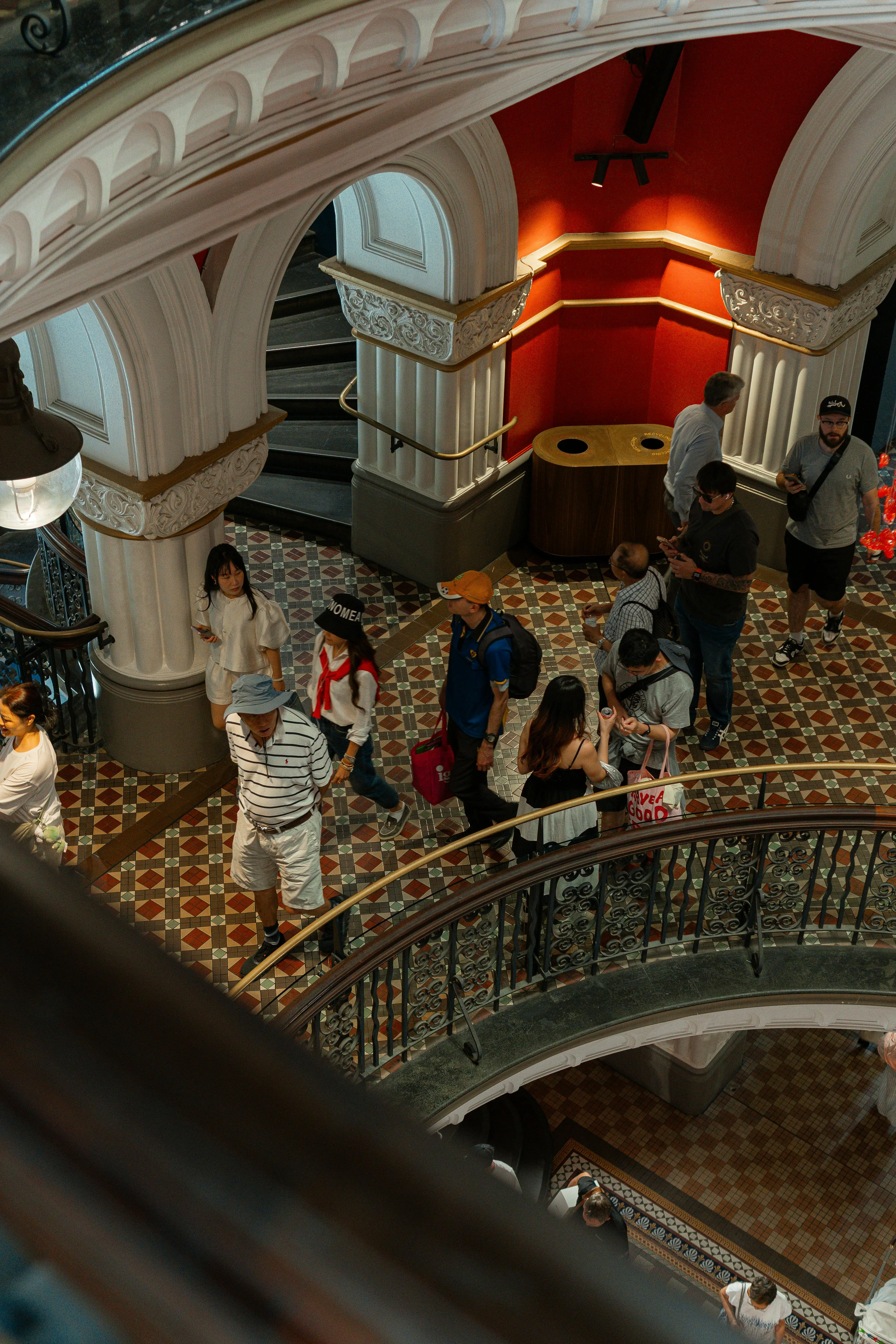
Galleries, Boutiques, and What to Do When You Are Not Working
The CBD has a tighter cultural footprint than a city this size might suggest — but it concentrates well, and the galleries are worth your time on a slow afternoon.
Te Papa Tongarewa — New Zealand's national museum is in Wellington, not Auckland; if you want the full national collection, that's a 1-hour flight south; in the CBD, the Auckland Art Gallery houses the best permanent collection available
Silo Park — open green space north of the CBD near the waterfront; free outdoor events run through summer (December–February); the Friday night markets run weekly in season with food vendors and local boutiques, NZD $0 entry
High Street and Chancery — the two streets in the CBD most worth walking for independent shops and boutiques; more interesting than Queen Street for retail, and less tourist-facing
Objectspace — a design and craft gallery on Ponsonby Road, 15 minutes west of the CBD; free entry; the best place in the inner city area to see New Zealand contemporary design and craft work
The CBD gallery circuit is small enough to cover in a single afternoon — the more interesting art spaces are one suburb out, which makes a Tuesday afternoon wander through Ponsonby genuinely worth building into your week.
Victoria Park Market on Victoria Street West is worth the 10-minute walk from the Viaduct — the weekend food stalls stay open until 4pm and the lunch crowds are smaller than the waterfront spots.
Practical Notes Before You Arrive: From Modern Hotel to Apartment
A few things that save time and money if you know them before your first week, rather than after it.
Accommodation Beyond Hotels
Hotel accommodation in the central CBD is expensive and works against you on longer stays — a furnished apartment wins on cost and liveability from about week two onward.
CBD hotel rates for a standard room: NZD $180–$280 per night; at the lower end, that's NZD $5,400 for a month — roughly double the cost of a furnished one-bedroom apartment in the same area
Furnished one-bedroom apartments in the CBD core or Britomart area: NZD $2,400–$3,000/month; includes a kitchen, which immediately changes your food budget
Short-stay property platforms show supply in suburbs like Parnell and Newmarket at slightly lower rates than the CBD core — NZD $2,000–$2,400/month for a one-bedroom — with a 15-minute bus ride into the central business district
Lease terms: most furnished apartments in the CBD work on 30-day minimum stays; a few property managers in Grafton and Newton will negotiate two-week minimums off-peak
If you are staying three weeks or more, the furnished apartment is not a lifestyle upgrade — it's the financially rational choice, and the kitchen alone justifies the switch from hotel within days.
Staying Connected and Working Efficiently
New Zealand's urban broadband is fast, and the CBD is covered well — the connectivity question mostly resolves itself as long as you confirm fibre before you sign a lease.
Fibre broadband is standard in most Auckland CBD buildings built after 2010; older buildings in the Britomart and CBD heritage space occasionally have VDSL rather than fibre — ask specifically before signing
Spark, Vodafone NZ, and 2degrees are the three main mobile carriers; a prepaid SIM with 30GB data costs roughly NZD $29–$35/month; 5G coverage in the CBD central area is solid across all three
Textile Loft— the east Auckland outpost of the coworking chain; day pass NZD $45; quieter than the CBD locations and better suited to heads-down work days; situated on Parnell Road, 15 minutes from the CBD
Spaces Commercial Bay Tower — CBD coworking space on Fort Street; hot desk from NZD $35/day, dedicated desk from NZD $450/month; the rooftop terrace is the best detail if you need a break between calls
The coworking options in the CBD have expanded enough in the last five years that you have real choices — the question is whether you need the social layer a shared space provides, or whether a fibre-connected apartment desk is enough.

Seasonal Timing and What It Changes
Auckland's climate is mild but not uniform, and the season you arrive in shapes both your daily comfort and your accommodation options.
Summer (December–February) — the best weather, the most activity at Silo Park and the harbour, and peak pricing for short-stay accommodation; book at least six weeks ahead if you want the CBD core during this window
Winter (June–August) — grey and rainy but not cold by European standards; furnished apartment availability increases and prices soften; the city does not shut down, it just slows slightly
Shoulder season (March–May, September–November) — the best value window for longer stays; weather is still workable, beaches in east Auckland are quieter, and short-stay property rates drop noticeably
If you have flexibility on timing, March through May is the version of Auckland that most remote workers report as the sweet spot — decent weather, lower costs, and a city that feels like it's operating at its actual pace rather than its tourist pace.
Is Auckland CBD the Right Base for You?
What Auckland CBD Actually Delivers
Auckland is built for remote workers who want English-language infrastructure, serious urban amenities, and the outdoors within reach — and the CBD puts all three closer together than most cities in this part of the world.
Compact, walkable harbour-facing core that covers most daily needs within twenty minutes on foot
A coworking scene that has matured properly over the past few years, with reliable fast fibre throughout the central suburbs
Day-trip access to the Waitematā Harbour, Waitākere Ranges, and Waiheke Island without owning a car
Strong café culture and a dense enough hospitality strip that working from good coffee is a genuine daily option
The city is not trying to be Southeast Asia or Europe — it is a well-built Southern Hemisphere hub, and within that category it does the job honestly.
Who Will Struggle Here
Auckland has real limitations that no amount of good infrastructure fixes, and the people who leave frustrated are usually the ones who didn't take those limitations seriously before arriving.
Cost of living sits at a level that punishes tight budgets quickly — groceries, rent, and eating out all run closer to Sydney or London than to Lisbon or Chiang Mai
Public transport is functional but thin — anyone without a car will find meaningful parts of the city genuinely inaccessible
The CBD goes quiet well before midnight, most nights of the week, without exception
Anyone arriving with Southeast Asian cost expectations will find the adjustment jarring rather than manageable
None of those things are on the verge of changing, so factor them in as fixed conditions rather than temporary inconveniences.
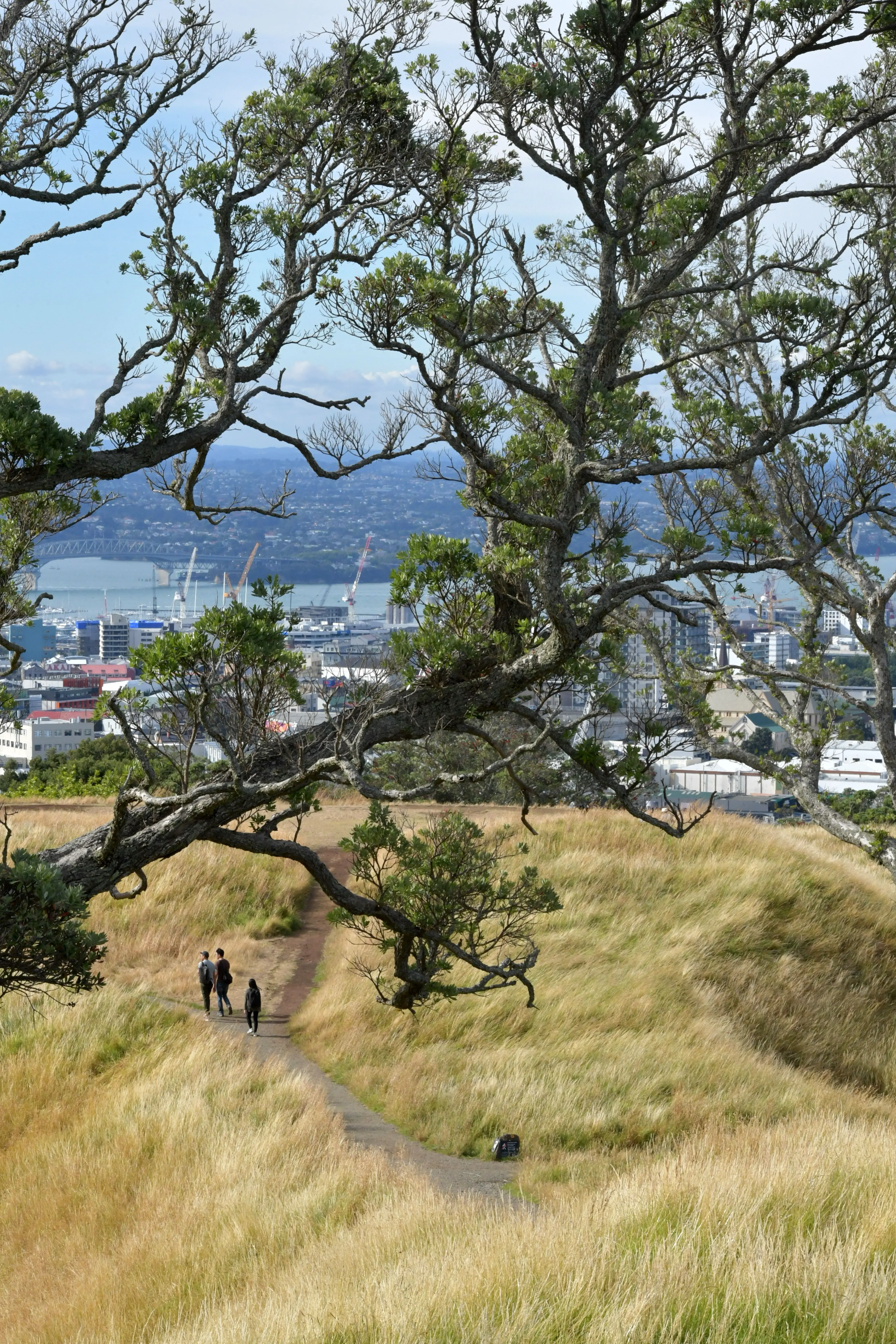
Who Should Commit to Auckland CBD
For remote workers with a comfortable budget and a stay of three months or longer, Auckland CBD pays back the investment in ways that shorter visits don't fully reveal.
The infrastructure — fibre, coworking, furnished apartments, walkable errands — is genuinely mature and saves time at the operational level
Harbour-facing urban living with real greenery accessible on weekdays, not just long weekends, is a quality-of-life advantage that compounds over a longer stay
English as the working language removes the low-level friction that accumulates in non-English-speaking cities over months
The city rewards those who stay long enough to build a local rhythm rather than treating it as a two-week stopover
Find your fully furnished apartments in New Zealand and plan the specifics from there — the city works best when you arrive with the logistics already settled.