

















Which Digital Nomad Visas Lead To Citizenship: A Complete Guide
Explore the essentials of digital nomad visas and citizenship. Learn the requirements, benefits, and steps to thrive as a global traveler. Read more!
The Digital Nomad's Visa-Citizenship Question
Visa-hopping sounds fun—until it isn’t. After a while, even the most adventurous remote workers start craving something more stable than a 90-day countdown.
Not everyone wants to be in a new timezone every month. Some want roots. A neighborhood café. A local gym. A plan.
That’s where digital nomad visa programs with a path to citizenship come in. These aren’t just short-term passes—they’re your first real step toward permanent residency, tax benefits, and maybe even dual citizenship.
From Tourist to Local
Some countries are making it easier for remote workers to stick around—legally, long-term.
Thinking long-term? Here’s where your remote job can unlock more than just a good view.
What to Look For in a Foreign Country:
-
A digital nomad visa that can transition into a permit to obtain citizenship
-
Transparent tax rules
-
Flexible path to permanent residency
-
Friendly to dual citizenship seeker
Can a Digital Nomad Visa Really Lead to Citizenship?
Short answer? Sometimes. But not always.
Most digital nomad visa programs are built for short-term stays. You get to enjoy the view, log into work, and skip the tourist visa shuffle. But when it comes to permanent residency or EU citizenship, the rules change.
Still, there are paths forward—especially for digital nomad visa holders willing to trade some flexibility for long-term benefits.
According to the Migration Policy Institute, over 50 countries have launched digital nomad visa schemes since 2020—but only a handful are designed with residency or citizenship in mind.
Why Most Countries Keep It Temporary
Nomad visas are usually tied to remote employment and foreign income. That means you’re not taking a local job or using public services, so it makes sense they’re designed as “come visit, not stay forever” offers.
But if you're eyeing something more permanent, keep reading.
The Long Game: From Visa to Permanent Residency
Some countries let visa holders transition to a residence permit after proving you're more than just a passing guest. What usually helps?
-
Holding a valid passport from a visa-friendly country
-
Living there legally for 2–10 years
-
Switching from digital nomad visa to a long-term residence permit
-
Filing income tax locally (yes, that means you’ll need to become a tax resident)
-
Learning the local language or passing a civic integration test
This is true for the Portugal digital nomad visa, for example, where nomads can apply for permanent residence after five years, and obtain citizenship a year later if other conditions are met.
Spain Digital Nomad Visa: Another One to Watch
The spanish digital nomad visa is brand new—and promising. It allows remote workers to stay up to five years, with a clear transition path to permanent residency. Bonus: you get visa-free travel across the Schengen zone during that time.
Expect to pay around €75 for the initial visa, and roughly €600–€1,000 for legal help, if needed. Spain taxes foreign income at a reduced rate (15%) during the first four years, which makes it especially attractive for early-stage digital nomad visa holders.
Most countries don't offer this flexibility. But the few that do? They’re worth considering if you're tired of packing every three months.
Countries Where a Digital Nomad Visa Can Lead to Citizenship
Some countries offer digital nomad visas just to say "welcome." Others say, "stay a while—and maybe forever." If you’re thinking beyond the up to one year visa stamp and dreaming of permanent residence, here’s where it gets interesting.
A 2023 report from the OECD highlighted that while over 50 nations now offer nomad visas, only a few connect them to residence permits or future citizenship. Let’s look at the ones that do.
🇵🇹 Portugal: The Golden Child of Western Europe
The Portugal digital nomad visa is one of the most solid options out there.
Start with a digital nomad residence permit, stay for five years, and you're eligible for citizenship—as long as you’ve kept up with paying taxes, maintained a clean criminal record, and passed a basic Portuguese language test.

-
Minimum monthly income: €3,040 (4x Portugal’s minimum wage)
-
Visa application form: Standard + NIF (tax number) + local bank account
-
Health insurance: Required
-
Tax perks: The Non-Habitual Resident scheme offers reduced tax rates for up to 10 years
-
Cost of living: Around €1,500/month in Lisbon, less in smaller towns
-
Bonus: You get visa-free access to the entire European Union}

🇪🇸 Spain: The New Contender with Long-Term Promise
The Spanish digital nomad visa launched in 2023 and it's already drawing interest. It’s valid for one year, extendable up to five. From there, you can apply for permanent residency, and later Spanish citizenship (after 10 years total).

-
Minimum income requirement: €2,334/month
-
Digital nomad visa requirements: Proof of remote work, valid health insurance, a clean criminal record, and a Spanish address
-
Double taxation agreements: Spain has many, but you’ll still need to pay taxes locally after 183 days
-
Monthly income: At least 200% of the Spanish minimum wage
-
Local tip: Barcelona and Valencia are attractive destinations with thriving nomad communities
-
Pro move: Get a gestor to help with your visa approval—worth every euro
🇬🇷 Greece: The Quietly Excellent Option
Greece’s digital nomad visa is flexible and offers a conversion path to a residence permit. After 7 years of legal residence, you can apply for citizenship.

-
Monthly income requirement: €3,500/month
-
Required documents: Proof of work, valid health insurance, and a clean criminal record
-
Affordable living: €1,000/month gets you a nice apartment in Athens
-
Local employment: Not allowed on this visa—must work remotely
-
Tax bonus: 50% exemption on income tax for up to 7 years if you register properly
-
Extra option: Greece also offers passive income routes beyond the standard nomad track

🇮🇹 Italy: A New Arrival Worth Watching
Italy’s digital nomad visa officially launched in 2024. Early details suggest it’s meant for highly qualified remote workers and may allow a future transition to permanent residence, though the citizenship pathway is still a bit blurry.

-
Minimum income: Likely around €2,700/month
-
Visa application form: Includes housing proof and health insurance
-
Local tip: Consider lesser-known gems like Bologna or Lecce for affordable living and fewer crowds
-
Pro tip: Italian bureaucracy is real—factor in time and extra paperwork

🇭🇷 Croatia: Great Starter, But Read the Fine Print
Croatia’s nomad visa is great for up to a year, but it doesn’t automatically lead to permanent residency. To stay longer, you’ll need to switch visa types, often to a residence permit tied to family reunification or local work.

-
Minimum income: ~€2,500/month
-
Digital nomad visa requirements: Remote work, no local employment, health insurance, and proof of funds
-
Cost of living: Around €1,200/month in Zagreb or Split
-
Local vibe: Great seaside towns, strong expat scene, but tough path to citizenship

🇨🇷 Costa Rica: Long-Term Thinking Without the EU
Costa Rica’s Rentista visa isn’t a typical digital nomad visa, but it’s often used by remote workers. It requires proof of foreign income, but leads to permanent residency in 3 years and citizenship after 7.

-
Monthly income requirement: $2,500
-
Health insurance: Required (local or private)
-
Residency tip: Must deposit $60,000 in a Costa Rican bank to qualify
-
Local favorite: Santa Teresa or Nosara—surf by day, Zoom by night
-
Downside: Bureaucracy can be slow, so get help from a local migration lawyer

🇲🇺 Mauritius, 🇲🇹 Malta & Others: Great for a Year (Just a Year)
Some places—like Mauritius and Malta—have excellent digital nomad visa programs, but they’re designed for short stays and do not lead to citizenship unless you change visa categories.

These destinations offer:
-
Fast processing times
-
Visa approval within weeks
-
Valid for up to one year, sometimes renewable
-
Beautiful surroundings and affordable living
-
But: No pathway to residence permit, permanent residency, or citizenship without extra steps

Planning to stay longer than a sabbatical? Choose a country that thinks long-term—just like you.
What You Need to Know Before Committing to a Nomad Visa
So, you’ve got your eye on a foreign country, with reliable WiFi signal, and the promise of better weather. Before jumping into a nomad visa application, there are a few things to consider—especially if your goal is permanent residency.
Most digital nomad programs are designed for a temporary stay visa or temporary residency. They’re perfect for a year (or two) of adventure, but if you’re thinking long-term—like residency permit or permanent residence—you’ll want to play it smart from the start.

According to a 2022 report by the World Bank, over 30% of digital nomads plan to stay in one country longer than their visa allows. Don’t be that statistic. Getting this wrong can jeopardize your entire visa status.
Key Questions Before You Apply
Ask yourself:
-
Do I want to become a tax resident in this country?
-
Will I be okay with integration requirements (language tests, civic knowledge)?
-
Can I meet the minimum income requirement over several years?
-
Is this a country where I see myself building a routine—not just passing through?

Read the Fine Print
Not all european countries treat remote work the same. Some are more welcoming. Others are strict about whether self employment counts. And even if the country allows remote workers, that doesn’t always mean there’s a clear path to a temporary residence permit, let alone citizenship.
Watch Out for These Traps
Overstaying a tourist visa or misusing a digital nomad permit can block your shot at permanent residency down the line. Immigration authorities do look at your history. Play by the rules now so you’re not stuck later.
Also: Some programs don’t let you bring family members unless you apply under a different category. Others ask for bank statements, a local bank account, or proof of long-term housing.

Pro Tip: Hire Local Help
Always talk to an immigration lawyer before committing. Yes, it’ll cost you—anywhere from €200 to €1,000 depending on the country—but it’s cheaper than flying home because you misunderstood the required documents.
Final Considerations
Nomad life isn’t just about moving. It’s about moving forward. If you’re chasing permanent residency, take the time to think like a local—not a tourist. The location independent lifestyle is about freedom, but freedom works best with a little structure.

Nomad Visa vs Residency Permit vs Citizenship: What’s the Difference?
If you're a digital nomad planning to stay longer than a long weekend, it pays to understand how your legal status affects your future. There’s a big difference between landing a digital nomad visa and holding a permanent residence permit—and knowing the gap can save you a lot of paperwork (and disappointment) down the line.
Let’s break it down like a local would explain it at a café in Lisbon—probably while recommending the Portugal digital nomad visa over another temporary resident visa.
1. Digital Nomad Visa = Stay Awhile, Work Remotely
This is your golden ticket for remote workers. It’s designed for people with sufficient income, working for clients or companies outside the country. Think of it as a permission slip to work remotely while living in a foreign country—legally.

Most countries that offer digital nomad visas allow you to stay from 6 months to 2 years. You usually can’t work for a local company, and you’ll need a valid passport, proof of self employment or remote work, and meet a monthly income threshold.
Some popular digital nomad visa countries (like Spain and Croatia) require at least €2,000/month to qualify.
But remember: This is still a short-term fix. It's not meant for settling down—yet.
2. Residency Permit = Let's Make It Official
Ready to unpack your suitcase for real? A residency permit means the country is okay with you sticking around long-term. Depending on the country, this could mean access to public healthcare, the ability to rent property without extra paperwork, or even enrolling in local schools.

Residency programs often allow local work, especially if you transition out of the digital nomad track. Some other European countries, like Estonia or Germany, offer paths from temporary resident visa to permanent residency—but usually require integration steps like language tests or tax registration.
In Portugal, for example, successful applicants under the Portugal digital nomad visa can apply for permanent residence after 5 years. You’ll need to pay taxes, live there continuously, and keep your documents in order.
3. Citizenship = All In
This is the finish line. Citizenship gives you full rights: visa free travel, voting, public benefits, and the legal security of truly belonging. You’ll often need to live in the country for 5–10 years, prove cultural and language knowledge, and sometimes renounce other citizenships (though many countries allow dual).
Not all digital nomad visa paths lead here—but some do, especially in the European Union. Just know: it’s a process. And no, doing yoga in Bali for a year won’t make you Indonesian.

Quick Recap
Here’s what you’re really choosing between:
-
Digital Nomad Visa: Short-term permission to live and work remotely in a foreign country. Think 6–24 months.
-
Residency Permit: Legal long-term stay. Often allows local work and leads to permanent residence permit.
-
Citizenship: Full rights in your new country. Often requires years of residency and local integration.
Most countries won’t hand you a passport just because you brought your laptop and some bank statements. But if you pick the right place, follow the steps, and stick around, that tourist visa could turn into something a lot more permanent.
What’s the Easiest Country for Nomads to Get Citizenship?

Where can a digital nomad visa actually take you all the way to citizenship?
First, the disclaimer: there’s no one-size-fits-all answer. “Easy” depends on your passport, your language skills, and how much patience you’ve got for paperwork. That said, a few countries do stand out.
According to a 2023 report by Global Citizen Solutions, Portugal and Spain remain top picks for remote workers pursuing EU citizenship, thanks to their clear paths from temporary residency to permanent residency, and eventually, full citizenship.
Portugal: EU Access with a Side of Pasteis de Nata
The Portugal digital nomad visa gives you a clean path: nomad visa → temporary residency → permanent residency → citizenship (after 5–6 years total).

-
Income tax: Reduced rate with the NHR regime (for now)
-
Monthly cost of living: €1,200–€1,800 depending on the city
-
Health insurance: Required
-
Bank account: Mandatory for most applications
-
Local favorite: Porto for wine, surf, and fewer crowds than Lisbon
Spain: Slower but Solid
The Spain digital nomad visa launched in 2023 and is already drawing attention. While citizenship takes longer here (10 years for most), the process is structured—and it allows remote workers to build a life slowly but surely.

-
Affordable cost: Around €2,000–€2,500/month for mid-tier cities like Valencia
-
Health insurance: Yes, and it must be local
-
Bank account: Required after arrival
-
Local favorite: Granada for a low-key lifestyle with high quality of life
Costa Rica: Fast Track, No EU
Costa Rica doesn’t offer a digital nomad visa that leads directly to citizenship—but its Rentista visa is a well-loved alternative.
If you’re after lifestyle, low stress, and a faster route to naturalization, this is it: permanent residency after 3 years, citizenship after 7.
-
Remote employment: Allowed under Rentista, but technically not under the digital nomad visa
-
Income requirement: $2,500/month or $60,000 in a Costa Rican bank
-
Temporary stay visa: Usually renewed annually
-
Affordable cost: Around $1,500/month to live well in beach towns like Nosara
-
Health insurance: Required, public or private

So, What’s “Easiest” Depends on You
Before you commit, ask:
-
Are you okay with paying income tax locally?
-
Can you open a local bank account and get health insurance?
-
How long are you willing to stay?
-
Do you want EU visa-free travel?
-
Are you starting from a temporary stay visa or something more robust?
Some countries offer digital nomad visas just to attract short-term workers. Others are building real bridges to citizenship. Pick the one that fits your version of remote life—not someone else’s Instagram highlight reel.

Remote Work as a Legit Path to Belonging
A few years ago, working from a beach with decent WiFi sounded like a fantasy. Now, remote work has redefined what’s possible—for careers, families, and futures.
This shift isn’t just about skipping the commute or swapping suits for linen shirts. For many remote workers, it’s become a serious pathway to something deeper: belonging.

The rise of digital nomad visa options has made it clear—self employment and flexibility no longer mean instability. According to Nomad List, nearly 40% of digital nomads in 2023 said they’re actively pursuing residency programs or long-term legal status in the country they love most. That’s not a travel trend. That’s a life decision.
Freedom and Stability Can Coexist
You don’t have to pick one or the other. You can wake up in Valencia, log into work from your balcony, and start building a life that works for you.
Whether you’re applying for the Portugal digital nomad visa, calculating your monthly income to meet local requirements, or figuring out if your family members can join later—you’re not just escaping the 9–5. You’re designing a future.
And that future should include a comfortable place to work that doesn’t involve balancing your laptop on a hotel bed.
RentRemote: Built for the Lifestyle You’re Building
We know what remote workers need because we live it too. RentRemote provides fully furnished apartments with real workstations (yes, the kind with a monitor and ergonomic chair) in cities that support your goals—not just your Instagram.
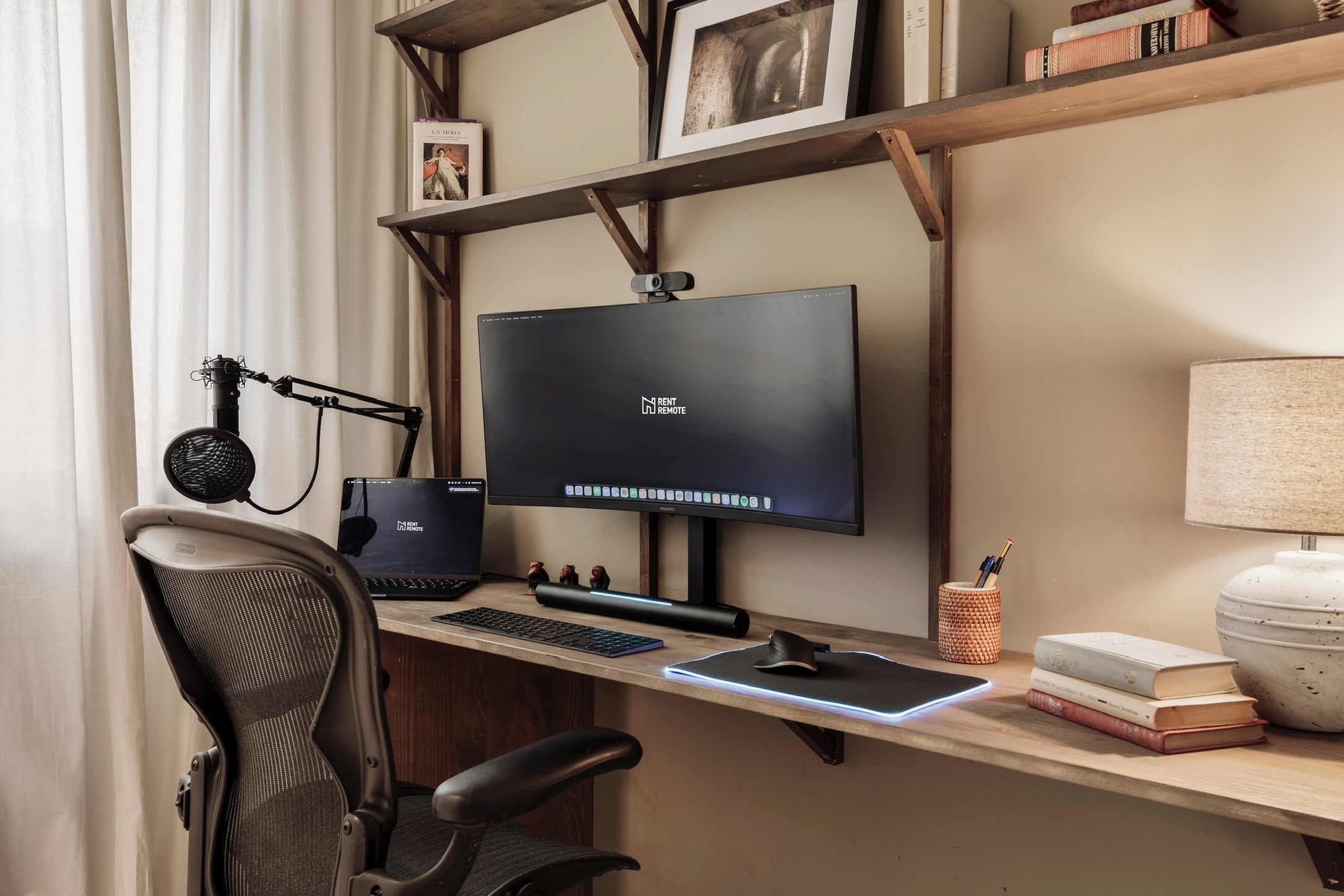
Whether you’re in Lisbon, Athens, or San José, we’ve got spaces that offer:
-
Affordable living costs with premium setups
-
Proper desks and WiFi that won’t fail mid-call
-
Short-term stays while you explore nomad visa options
-
Locations with visa options for self employment and valid passport holders
-
Comfort for solo travelers and family members alike
Thinking long-term? We’ve got your short-term stays covered. Explore RentRemote’s work-ready homes across the world—so you can focus on building your future.
FAQs – From Digital Nomad Visas to Citizenship
Can a digital nomad visa lead to citizenship?
Yes, a digital nomad visa can be the first step toward citizenship, but not all paths are created equal. Most countries treat the nomad visa as a temporary solution for remote workers, meaning you’ll usually need to switch to a residency permit—like a temporary or permanent resident visa—after your initial stay. From there, countries like Portugal, Spain, and Greece allow long-term residents to apply for citizenship after meeting requirements like local income tax contributions, language proficiency, and continuous residence.
Which countries offer citizenship after a nomad visa?
Several digital nomad visa countries have clear paths to naturalization, but the process varies:
-
Portugal: Citizenship possible after 5 years of legal residence.
-
Spain: Offers permanent residency after 5 years, citizenship after 10.
-
Greece: Citizenship after 7 years of legal residence.
-
Costa Rica: Rentista visa holders can apply for permanent residency in 3 years, citizenship after 7.
Each country has specific monthly income thresholds, required documents, and health insurance policies, so plan accordingly.
How long do I need to stay to get citizenship?
In most cases, you’ll need 5 to 10 years of uninterrupted legal residence. The timeline depends on the foreign country, your visa status, and whether the country counts time spent under a nomad visa toward permanent residence. For example:
-
Portugal: 5 years
-
Greece: 7 years
-
Spain: 10 years
-
Costa Rica: 7 years
Also, many residency programs require you to prove integration—like language skills or cultural knowledge—before you're eligible for citizenship.
Do I have to switch visa types?
Yes, in most cases. A digital nomad visa is designed for temporary residency—not full integration. To get citizenship, you’ll likely need to transition to a residency permit or permanent residence permit. This typically involves registering a bank account, enrolling in health insurance, and demonstrating ongoing self employment or remote employment with sufficient income. Failing to switch at the right time can reset your legal residence clock or disqualify you altogether.
What’s the best visa for long-term relocation?
If you're serious about making a foreign country your base, start with a digital nomad visa in a country that allows upgrades. Look for nations with structured residency programs, low income tax burdens, and reasonable minimum income requirements.
Here’s a quick list to consider:
-
Portugal digital nomad visa: Ideal for remote workers looking for EU access and short citizenship timeline.
-
Spain digital nomad visa: Strong healthcare and infrastructure, longer path to citizenship.
-
Costa Rica Rentista visa: Quick to permanent residency, great for lifestyle-focused nomads.
Wherever you land, make sure you meet the digital nomad visa requirements—including valid passport, proof of income, and sometimes housing contracts—to ensure a smooth transition.