









Romania Digital Nomad Visa 2026: Requirements, Costs, and How to Apply
Complete guide to Romania digital nomad visa 2026. Income requirements, application process, 10% flat tax, cost of living in Bucharest, Cluj-Napoca, and Brasov.
Romania isn't the first country that comes to mind when you think "digital nomad destination." But it probably should be. An EU member state with some of the fastest internet in Europe, a flat 10% income tax rate, and a cost of living that's a fraction of Western Europe? That's a strong pitch.
Romania launched its digital nomad visa back in 2022, and it remains one of the most practical options for non-EU remote workers who want a legal base in Europe. Here's the complete breakdown: requirements, costs, application process, taxes, and what daily life actually looks like for nomads in Romania.

Romania Digital Nomad Visa: The Basics
Romania's digital nomad visa is designed for non-EU and non-EEA citizens who work remotely and earn income from outside Romania. That includes remote employees working for foreign companies, freelancers with international clients, and business owners running companies registered abroad.
Key details at a glance:
- Initial duration: 90 days
- Extension: Up to 12 months once you're in Romania
- Renewal: Another 12 months after the first extension (24 months total possible)
- Income requirement: Minimum €3,700/month (approximately €44,400/year) from foreign sources
- Application: In person at a Romanian embassy or consulate
- Processing time: A few weeks on average
The income threshold is higher than some alternatives (Moldova requires just $1,500 to $2,000/month), but it's comparable to Portugal's D8 visa and lower than several Western European options.
Who Qualifies?
You need to fit into one of these categories:
- Remote employee working for a company registered outside Romania
- Freelancer or independent contractor with clients outside Romania
- Business owner running a company registered in another country
The key requirement across all categories: your income must come from foreign sources. You cannot use this visa to work for Romanian clients or companies.
Required Documents
Gather these before your embassy appointment:
- Valid passport with at least 6 months of validity remaining
- Bank statements covering the last 6 to 12 months, showing consistent income of at least €3,700/month
- Employment contract, freelance contracts, or proof of business ownership confirming your remote work arrangement
- Private health insurance valid in Romania for the duration of your stay
- Proof of accommodation in Romania (rental agreement, hotel booking, or a letter from a host)
- Clean criminal record certificate from your country of residence or citizenship
- Completed visa application form
- Visa fee payment
Some embassies require documents to be translated into Romanian, notarized, or apostilled. Check with your specific embassy before your appointment, as requirements can vary.
Step by Step Application Process
1. Find Your Romanian Embassy or Consulate
Romania processes digital nomad visa applications in person only. There's no online application system. Find your nearest Romanian embassy or consulate and check their specific requirements.
2. Book an Appointment
Most Romanian embassies require appointments booked in advance, either online or by phone. Book early, as slots can fill up, especially during peak travel seasons.
3. Prepare Your Documents
Get everything translated, notarized, or apostilled as required by your specific embassy. Make copies of everything. Organize documents in a clear order.
4. Attend Your Visa Appointment
Bring all original documents plus copies. You may need to provide biometrics (fingerprints and photo). Be prepared to answer questions about your work, income sources, and plans in Romania. The interview is usually straightforward.
5. Wait for Processing
Most applications are processed within a few weeks. You'll typically receive notification by email or phone.
6. Enter Romania
Once approved, you have 180 days to enter Romania. Your initial visa allows a 90-day stay. After arriving, you can apply for a 12-month extension through the local immigration office (Inspectoratul General pentru Imigrări).
Taxes: The 10% Flat Rate
Romania's tax system is one of its biggest selling points for nomads. Here's how it works:
The 183-day rule: If you spend fewer than 183 days in Romania within a 12-month period, you're generally not considered a tax resident. Your income from foreign sources typically won't be taxed in Romania.
If you do become tax resident: Romania uses a flat 10% income tax rate. Compare that to progressive rates in Western Europe that can hit 40% to 50%, and you can see why Romania is attractive for higher earners.
Social contributions: Tax residents may also owe social security and health insurance contributions, which can add another 25% to 35% on top of income tax. However, the rules for digital nomad visa holders and their specific obligations are worth discussing with a local tax advisor, as the situation can vary based on your employment structure.
Compare this to other EU options:
- Portugal's NHR regime was modified in recent years and now offers less favorable terms for new applicants
- Spain's Beckham Law offers a 24% flat rate, but only on Spanish-source income
- Georgia offers 1% under its small business status, but it's not in the EU

Cost of Living: Your Money Goes Further
Romania is significantly cheaper than Western Europe. Here's what to expect in Bucharest (the most expensive Romanian city) based on current 2026 data:
Housing:
- One-bedroom apartment in the city center: €500 to €700/month
- One-bedroom apartment outside the center: €350 to €500/month
- Furnished apartments for remote workers are available through platforms like RentRemote
Food and Dining:
- Meal at an inexpensive restaurant: €12 to €13
- Mid-range restaurant meal for two: €60 to €65
- Monthly groceries for one person: €200 to €300
- Coffee (cappuccino): €3
Transportation:
- Monthly public transport pass: €20 (99.50 RON)
- Single bus/metro ticket: under €1
- Taxi rides: very affordable, typically €2 to €5 for city trips
- Bolt and Uber are widely available
Total monthly budget: A comfortable lifestyle in Bucharest runs €1,200 to €1,800/month, including rent. In Cluj-Napoca or other secondary cities, expect to pay 10% to 20% less.
Best Cities for Digital Nomads in Romania
Bucharest
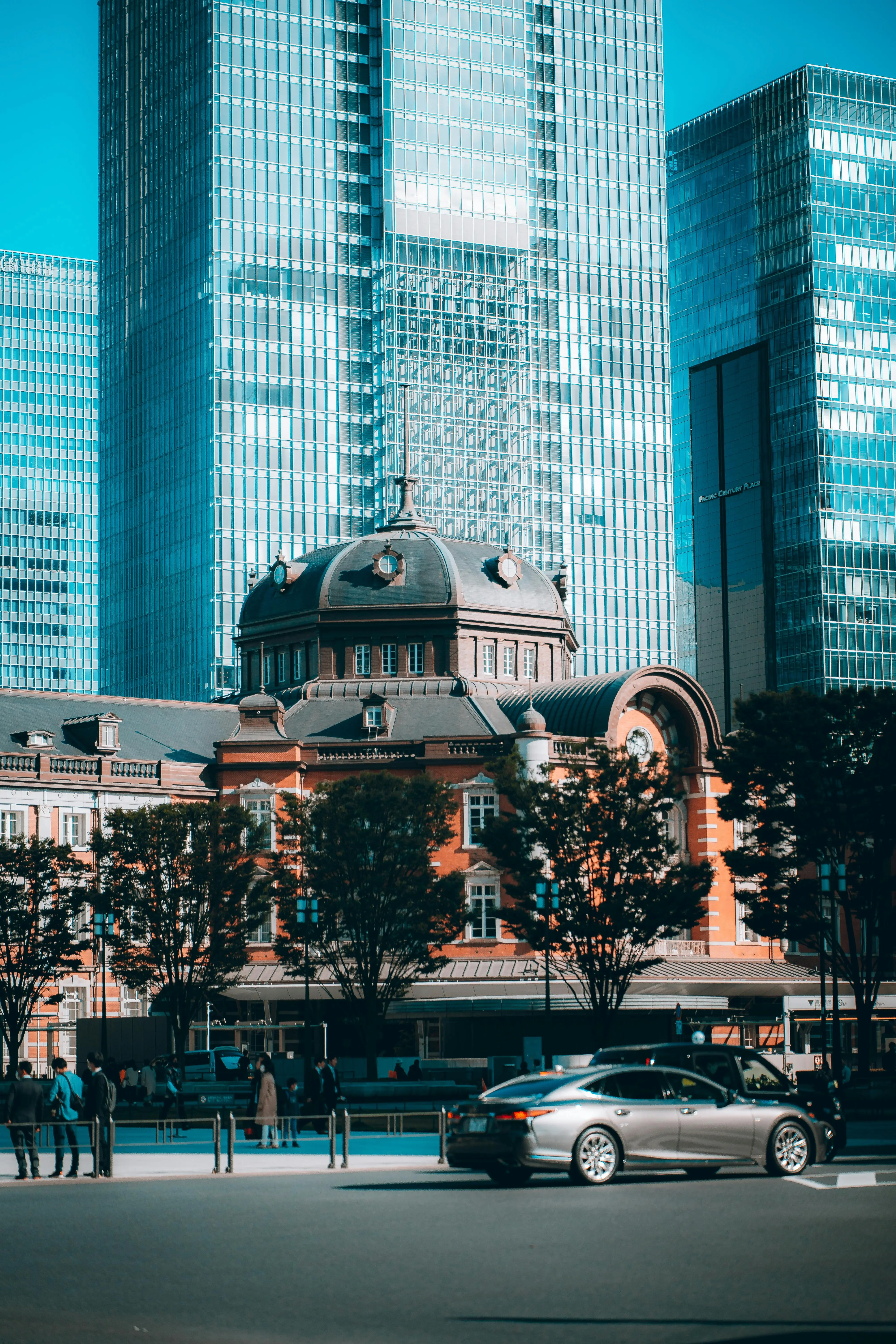
Romania's capital is the obvious choice for most nomads. It has the most coworking spaces, the best international connections, and the largest expat community.
Neighborhoods to consider:
- Floreasca/Dorobanti: Upscale, quiet, lots of cafes and restaurants. Good for focused work.
- Old Town (Centrul Vechi): Lively, walkable, great nightlife. Can be noisy if you're above a bar.
- Aviatorilor/Herastrau: Near Herastrau Park, green and spacious. Good work-life balance.
- Cotroceni: University area, younger vibe, affordable.
Coworking spaces: Bucharest has a solid coworking scene. Spaces like Commons, TechHub Bucharest, and Impact Hub offer day passes (€15 to €25) and monthly memberships (€150 to €250). Most have reliable high-speed internet, meeting rooms, and community events.
Getting around: Bucharest's metro system covers the main areas well. Combined with buses, trams, and ride-sharing apps, you won't need a car.
Cluj-Napoca
Romania's second largest city and arguably its most livable. Cluj has a strong tech scene, a large student population, and a more relaxed pace than Bucharest.
Why nomads like it:
- Smaller and more walkable than Bucharest
- Vibrant tech and startup community
- Excellent food scene with both traditional Romanian and international options
- Easy access to the Carpathian Mountains for weekend trips
- Growing coworking scene (Cluj Hub, Spherik Accelerator)
Downsides: Fewer international flight connections than Bucharest. Smaller expat community. Colder winters.
Brasov
For nomads who want mountains outside their window, Brasov is hard to beat. Located in the heart of Transylvania, it's a medieval city surrounded by the Carpathians.
Why consider it:
- Stunning setting and walkable old town
- Lower cost of living than Bucharest or Cluj
- Quick access to ski resorts and hiking trails
- Growing remote work community
- Reliable internet infrastructure
Downsides: Smaller city with fewer coworking options. Limited nightlife. The nearest major airport is in Bucharest (2.5 hours by car or train).
Internet: Romania's Secret Weapon
Romania consistently ranks among the top countries in Europe (and the world) for internet speed. Average fixed broadband speeds regularly exceed 200 Mbps, and many apartments come with fiber connections offering 500 Mbps to 1 Gbps.
This isn't just a Bucharest thing. Fast internet extends to smaller cities and even some rural areas, thanks to Romania's relatively recent infrastructure investments that skipped older technologies and went straight to fiber.
For nomads who depend on video calls, large file transfers, or cloud-based workflows, Romania's internet alone is a compelling reason to consider it.
Mobile data is also cheap and fast. A prepaid SIM card with generous data (20GB or more) costs around €5 to €10/month from providers like Digi, Orange, or Vodafone.
Getting to Romania
From within Europe: Budget airlines like Wizz Air and Ryanair connect Bucharest and Cluj to most major European cities. Flights from London, Barcelona, Berlin, or Vienna are often available for €30 to €80 one way.
From outside Europe: Bucharest Henri Coanda International Airport (OTP) has direct flights to major hubs including Istanbul, Dubai, and several US cities via connections. Cluj also has growing international connections.
Within Romania: Domestic flights between Bucharest and Cluj take about an hour. Trains connect major cities but can be slow. Bus services (FlixBus and local operators) are reliable and affordable.
Romania vs. Other EU Digital Nomad Visas
How does Romania stack up against the competition?
Romania vs. Portugal: Portugal's D8 visa has a lower income threshold (around €3,500/month) and offers a path to permanent residency and EU citizenship. But Portugal's cost of living, especially in Lisbon, has risen sharply. Romania offers a lower cost of living and faster internet at a comparable income requirement.
Romania vs. Spain: Spain's nomad visa paired with the Beckham Law offers favorable tax treatment, but Spain is more expensive and the bureaucracy can be challenging. Romania's flat 10% tax and simpler system may appeal to those who want fewer complications.
Romania vs. Croatia: Croatia's nomad visa has a lower income requirement (around €2,500/month) and offers Mediterranean lifestyle. But Romania has faster internet, lower costs, and a more developed coworking infrastructure.
Romania vs. Greece: Greece requires similar income (€3,500/month) and offers island life. Romania counters with better internet infrastructure and significantly lower living costs.
Is Romania Right for You?
Romania works best for nomads who:
- Want an affordable EU base with excellent internet
- Prefer cities with a growing but not overwhelming nomad scene
- Appreciate access to nature (mountains, countryside, Black Sea coast)
- Want a favorable tax situation
- Don't need to be in a "trendy" nomad hub to enjoy their lifestyle
- Earn at least €3,700/month from foreign sources
It might not be the right fit if you:
- Want a beach lifestyle (Romania has a Black Sea coast, but it's seasonal)
- Need year-round warm weather (Romanian winters are cold, especially in Transylvania)
- Prefer a large, established English-speaking expat community
- Want easy access to other major European capitals without flying
Getting Started
- Check your eligibility against the income and employment requirements
- Find your nearest Romanian embassy and book an appointment
- Prepare your documents (start 4 to 6 weeks before your appointment)
- Secure accommodation through RentRemote or local listings
- Get health insurance that covers Romania
- Apply and wait for processing (typically a few weeks)
Romania offers something increasingly rare in Europe: a legitimate, affordable path to living and working legally in an EU country, without the crowds, the inflated rents, or the bureaucratic nightmares of more popular destinations. For nomads willing to look beyond the usual suspects, it's one of the smartest moves you can make in 2026.
Looking for a work-ready apartment in Europe? Browse furnished apartments on RentRemote, with fast WiFi and flexible lease terms built for remote workers.