














Portugal Digital Nomad Visa 2026: Requirements, Costs, and How to Apply
Complete guide to Portugal's D8 digital nomad visa in 2026: requirements, costs, tax implications, and step-by-step application process.
Portugal has become one of the most sought-after destinations for digital nomads and remote workers. With its Atlantic coastline, affordable cost of living, excellent infrastructure, and welcoming communities, it's no wonder thousands of remote workers are flocking to Lisbon, Porto, and beyond.
If you're thinking about making Portugal your base for a few months (or longer), you'll need to understand the D8 visa—Portugal's dedicated digital nomad visa. Here's everything you need to know about requirements, costs, and how to actually get it done in 2026.
What Is the Portugal D8 Digital Nomad Visa?
The D8 visa (also called the Digital Nomad Visa or Remote Work Visa) was officially launched in 2022. It allows non-EU citizens to live and work remotely in Portugal for up to one year, with the option to renew.
Unlike tourist visas, the D8 is specifically designed for remote workers who earn income from outside Portugal—whether you're freelancing, running an online business, or employed by a company abroad.
Who Is It For?
The D8 visa is for:
- Remote employees working for companies outside Portugal
- Freelancers with international clients
- Business owners running location-independent companies
- Non-EU/EEA/Swiss citizens (EU citizens don't need a visa)
If you're a digital nomad looking to spend 1-2 years in Portugal legally, this is your route.
D8 Visa Requirements (2026)

Portugal's immigration authorities (AIMA, formerly SEF) require you to prove you can support yourself financially and that you're genuinely working remotely. Here are the key requirements:
1. Proof of Remote Work
You need to demonstrate that you work remotely for a company or clients outside Portugal. Acceptable documents include:
- Employment contract with a non-Portuguese company
- Freelance contracts or service agreements
- Proof of business ownership (registration documents, business license)
- Portfolio or client list (for freelancers)
2. Minimum Income Requirement
You must earn at least €3,280 per month (as of 2026)—equivalent to four times Portugal's national minimum wage. This can be shown through:
- Recent payslips (last 3-6 months)
- Bank statements
- Tax returns
- Freelance invoices
If you're applying with dependents, you'll need to show additional income (50% more for a spouse, 30% more per child).
3. Tax Registration Number (NIF)
You'll need a Portuguese tax number (Número de Identificação Fiscal). You can get one at a local tax office or through a fiscal representative.
4. Accommodation Proof
You need to show where you'll be living in Portugal. Options include:
- Rental agreement (minimum 12 months)
- Proof of property purchase
- Letter of invitation from a host with proof of ownership
If you're not ready to commit to a 12-month lease before arriving, consider booking a furnished apartment on Rent Remote for your first 1-3 months while you explore neighborhoods and find a long-term place. Many digital nomads do this to avoid signing a lease sight unseen.

5. Clean Criminal Record
You'll need a criminal background check from your country of residence (or any country you've lived in for more than one year in the past five years). The document must be:
- Recent (issued within the last 3 months)
- Apostilled or legalized
- Translated into Portuguese by a certified translator
6. Health Insurance
You must have valid health insurance covering you in Portugal. This can be:
- Private international health insurance (like SafetyWing, Cigna Global, or Integra)
- Travel insurance with medical coverage
- Proof of coverage through your home country's healthcare system (if reciprocal agreements exist)
Make sure the policy covers at least €30,000 in medical expenses.
7. Other Documents
- Valid passport (at least 6 months validity remaining)
- Passport photos (biometric)
- Completed visa application form
- Proof of payment for visa fees
Portugal D8 Visa Costs
Here's a breakdown of the costs you'll encounter:
Visa Application Fee
- €90 for the D8 visa application (paid at the Portuguese consulate)
Additional Costs
- Criminal background check: €20-€50 (varies by country)
- Apostille/legalization: €10-€100
- Translation services: €30-€100 per document
- Health insurance: €50-€150/month (depends on coverage)
- NIF registration: Free if you do it yourself; €50-€200 if using a service
- Residence permit card (after arrival): €70-€90
Total estimated cost: €500-€800 (not including flights or accommodation).
How to Apply for the Portugal D8 Visa
The application process can take 2-4 months, so plan ahead. Here's the step-by-step breakdown:
Step 1: Gather Your Documents
Start by collecting all required documents (see list above). Make sure everything is recent, apostilled, and translated where needed.
Step 2: Book an Appointment at the Portuguese Consulate
You must apply at the Portuguese consulate in your country of residence. Book your appointment as early as possible—wait times can be 4-8 weeks in busy consulates (like those in the US, UK, or Brazil).
Step 3: Attend Your Visa Interview
Bring all your documents to the consulate. The officer will review your application, ask about your work and plans in Portugal, and collect your biometric data.
Pro tip: Be prepared to explain your work in detail. Bring extra evidence if your job is unconventional or hard to explain (screenshots of your remote work setup, client testimonials, etc.).
Step 4: Wait for Approval
Processing takes 60-90 days on average. You'll be notified by email or phone when your visa is ready.
Step 5: Travel to Portugal
Once approved, you have 120 days to enter Portugal. After arrival, you must apply for your residence permit within 30 days.
Step 6: Apply for Your Residence Permit (After Arrival)
Within 30 days of arriving in Portugal, schedule an appointment with AIMA to apply for your residence card. You'll need:
- Your passport and visa
- Proof of accommodation
- NIF
- Health insurance
- Proof of income
Your residence permit will be valid for 2 years and can be renewed.
Tax Implications: What Happened to NHR?
Portugal's famous Non-Habitual Resident (NHR) tax regime—which allowed new residents to pay 0-20% tax on foreign income—was closed to new applicants in 2024. If you move to Portugal in 2026, you won't qualify for NHR.
What Are Your Tax Options Now?
Don't panic—there are still tax-efficient ways to live in Portugal:
1. Stay Less Than 183 Days Per Year
If you spend fewer than 183 days in Portugal annually, you won't be considered a tax resident. This means you won't pay Portuguese income tax (but you'll still need to pay taxes in your home country or wherever you're tax resident).
2. Optimize Through Tax Treaties
Portugal has tax treaties with many countries. Depending on your situation, you might avoid double taxation or benefit from reduced rates.
3. Work With a Tax Advisor
Seriously—get professional advice. Portuguese tax law is complex, and the right structure can save you thousands annually.
Renewal and Long-Term Residency
After your initial 2-year residence permit, you can renew for another 3 years. After 5 years of legal residence, you're eligible to apply for permanent residency or even citizenship (if you meet language and integration requirements).
Portugal vs. Other Digital Nomad Visas
How does Portugal's D8 compare to other popular digital nomad visas?
| Country | Visa Type | Min. Income | Duration | Cost |
|---|---|---|---|---|
| Portugal | D8 | €3,280/month | 1 year (renewable) | ~€600 |
| Spain | Digital Nomad Visa | €2,500/month | 1 year (renewable) | ~€500 |
| Greece | Digital Nomad Visa | €3,500/month | 1 year (renewable) | ~€150 |
| Estonia | Digital Nomad Visa | €3,504/month | 1 year (non-renewable) | ~€100 |
Portugal offers a great balance of affordability, quality of life, and visa flexibility.
Tips for a Smooth D8 Application
Start early. The process takes time—begin gathering documents at least 4-6 months before your planned move.
Over-prepare documentation. Bring extra proof of income, work contracts, and references. Consulates appreciate thoroughness.
Don't book long-term accommodation before approval. Use a mid-term rental in Lisbon or Porto for your first few months while you get settled.
Join expat communities. Facebook groups like "Digital Nomads Portugal" and "Expats in Lisbon" are goldmines for up-to-date advice and experiences.
Hire a lawyer if needed. If your situation is complex (dependents, unconventional income sources, etc.), a Portuguese immigration lawyer can save you headaches.
Best Neighborhoods in Portugal for Remote Workers
Once you have your D8 visa sorted, you'll need to decide where to base yourself. Here are the top neighborhoods:
Lisbon
Príncipe Real: Upscale, walkable, full of cafés and coworking spaces. Popular with international remote workers and entrepreneurs. Expect €1,200 to €2,000/month for a furnished one-bedroom.
Santos/Cais do Sodré: Close to the river, great nightlife and food scene, well-connected by metro. A bit noisier but very central.
Alfama: Charming and historic, but steep hills and older buildings. More affordable, with incredible views and authentic Lisbon character.
Porto
Cedofeita/Bonfim: Creative, affordable, and increasingly popular with remote workers. Good cafés, coworking options, and a neighborhood feel.
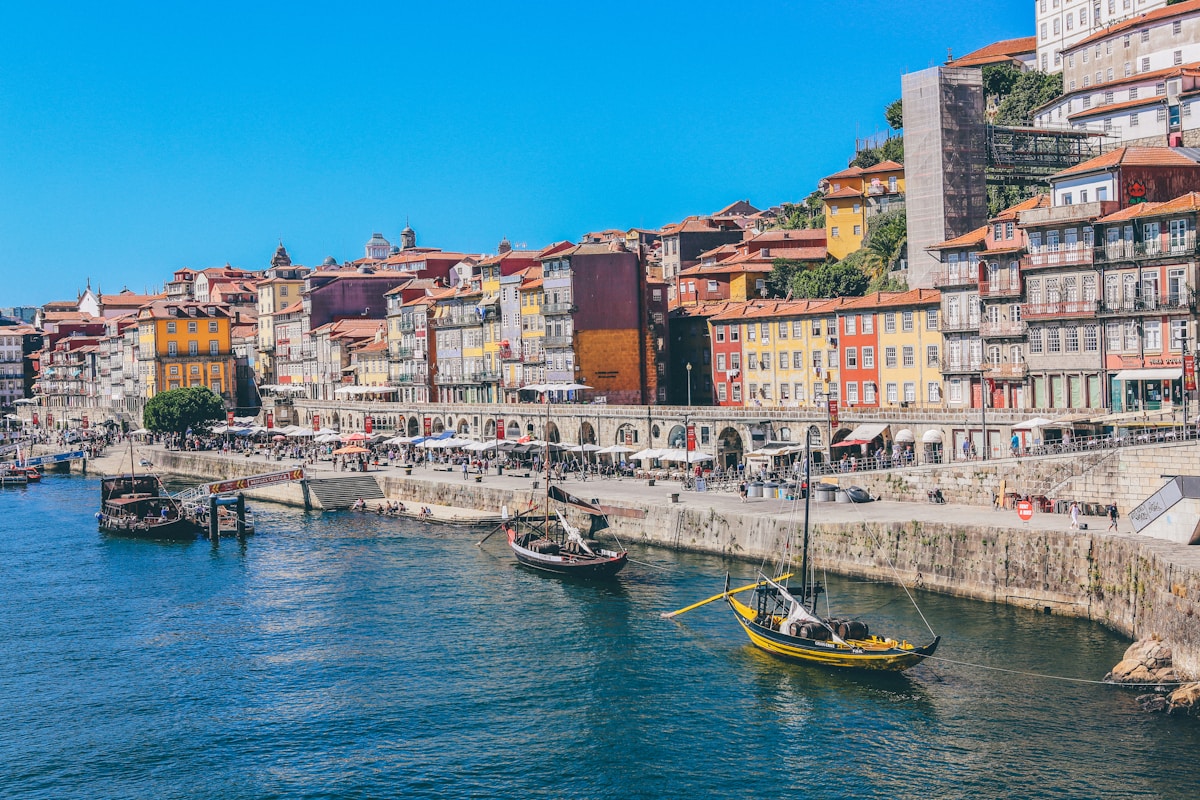
Ribeira: The iconic waterfront. Beautiful but touristy. Better for short stays than long-term bases.
The Algarve
Lagos and Faro: If you want beach life with lower costs. Growing digital nomad communities, especially in Lagos. Slower pace, great for focused deep work.
Rent Remote Apartments in Portugal
Rent Remote offers furnished apartments in Lisbon designed specifically for remote professionals:
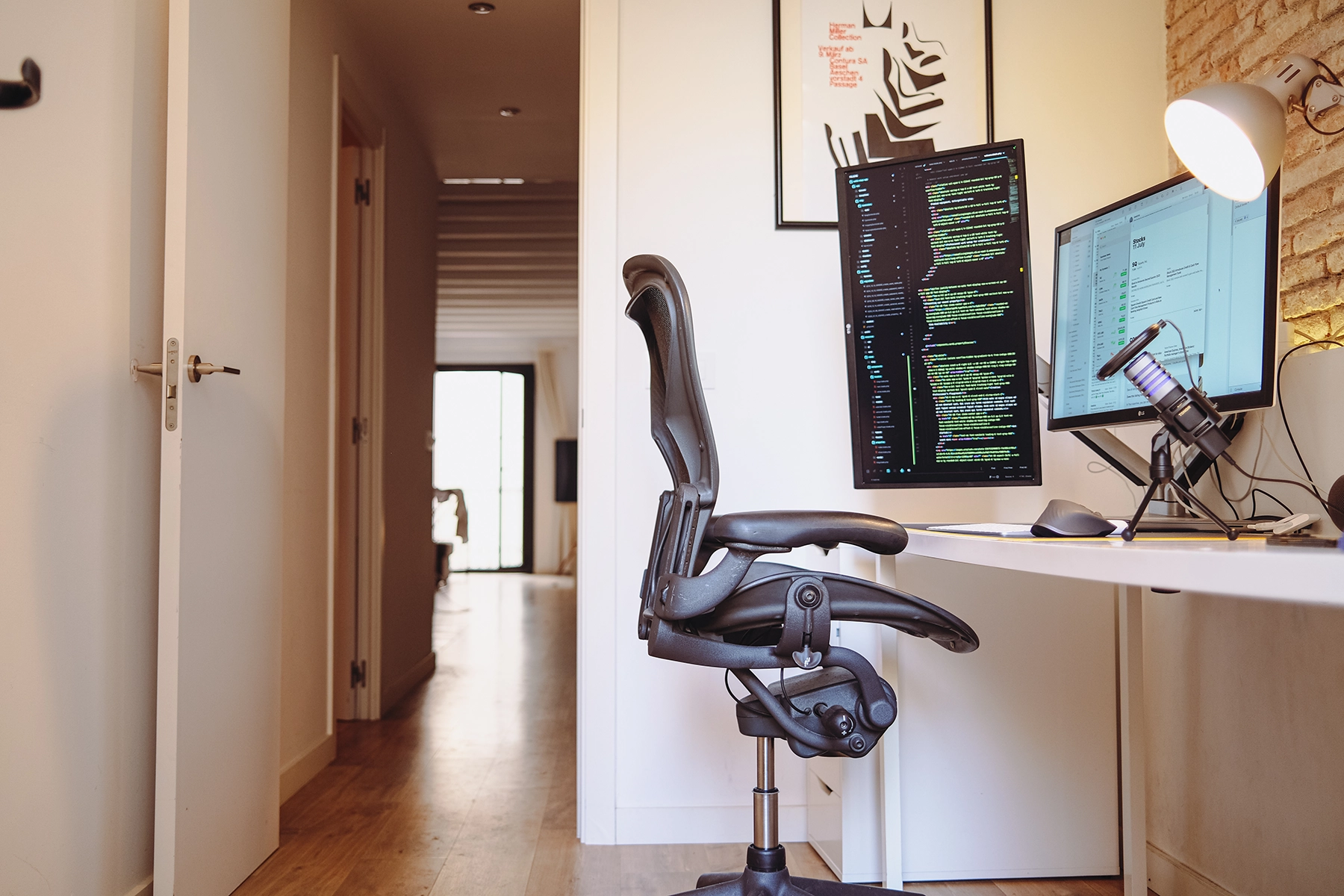
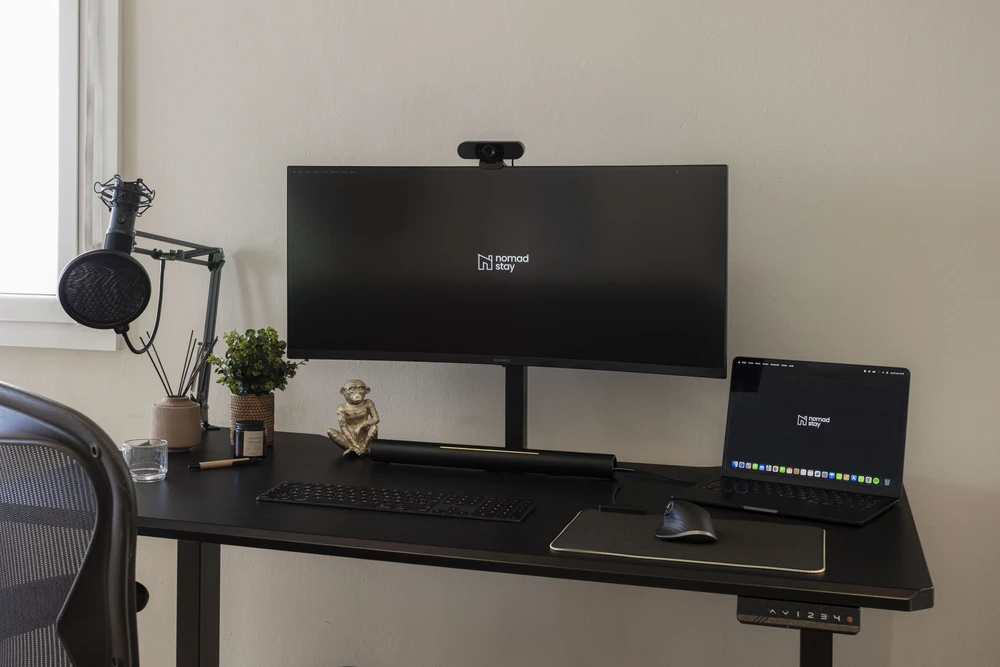
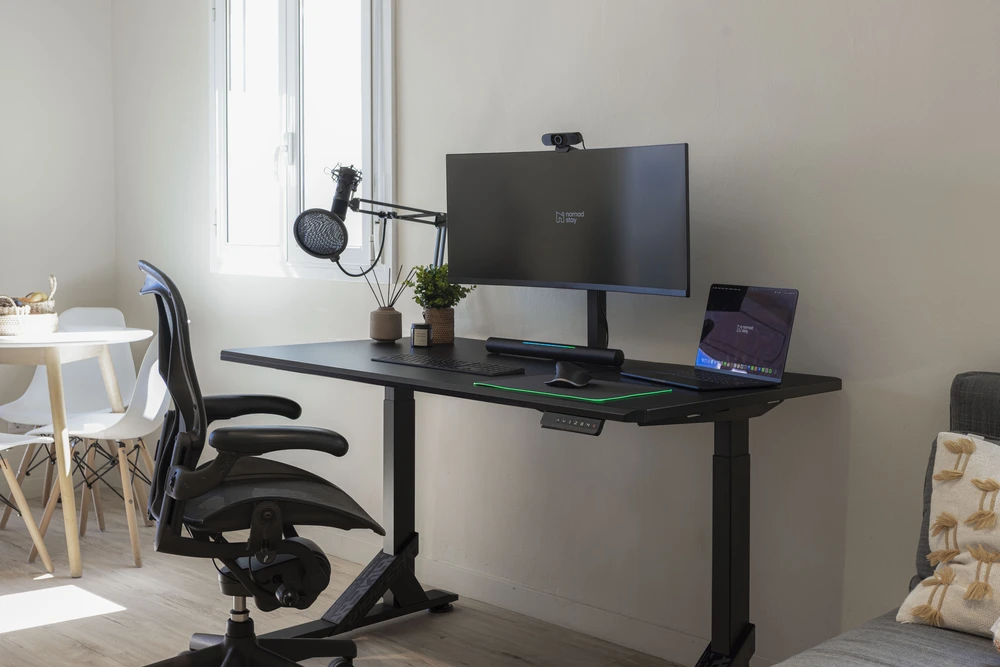
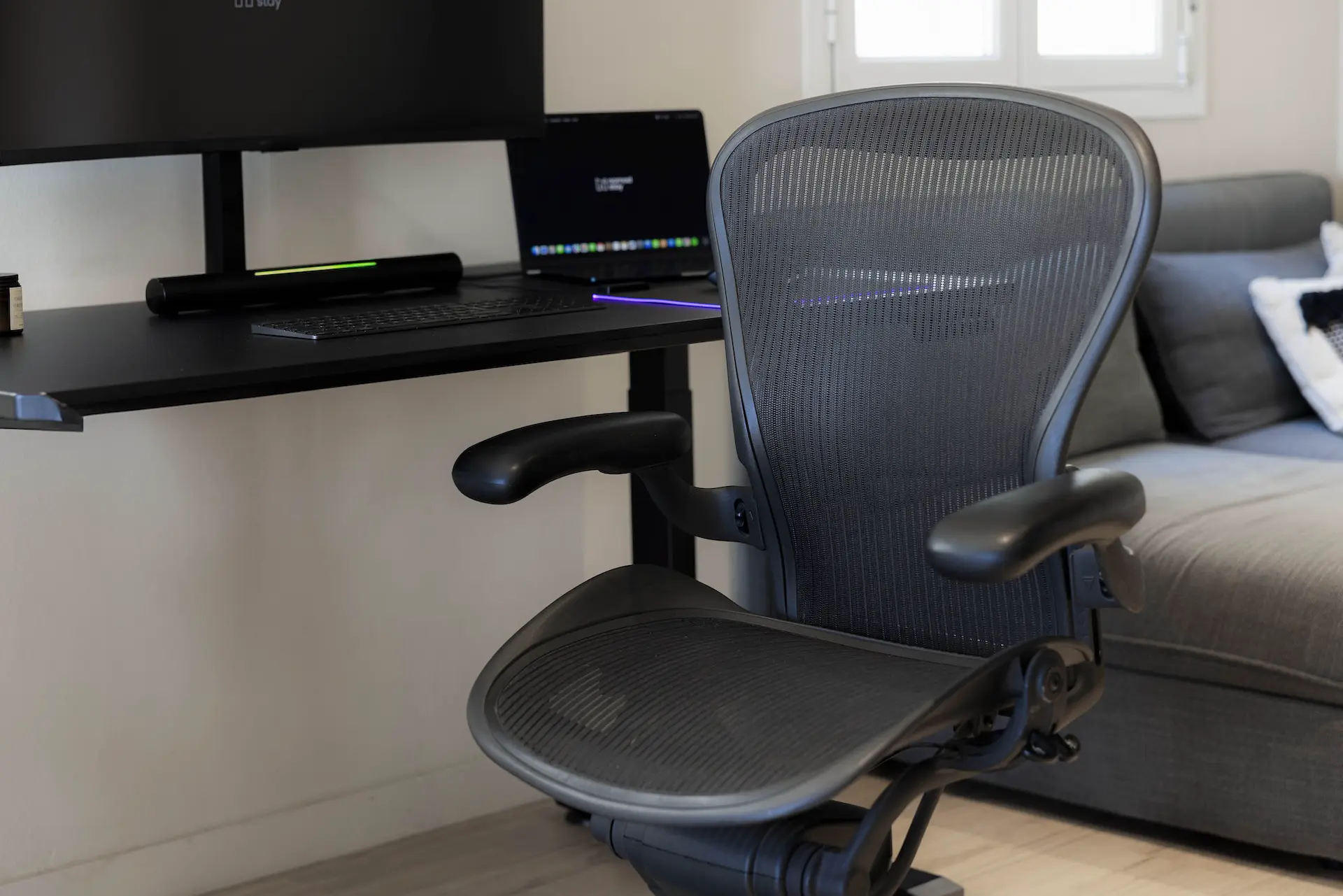
- Herman Miller ergonomic chairs and standing desks included
- Pre-installed high-speed WiFi (no waiting for installation or dealing with Portuguese ISPs)
- Fully furnished, move-in ready from day one
- Month-to-month contracts that align perfectly with the D8 visa's flexibility
Skip the apartment hunt on Idealista and the weeks of furniture shopping. Browse Portugal apartments on Rent Remote.
Final Thoughts
Portugal's D8 digital nomad visa is one of the most accessible and well-designed visas in Europe. Yes, the income requirement is higher than some competitors, and the loss of NHR stings—but Portugal still offers incredible value for remote workers.
From the cobblestone streets of Alfama to the surf towns of the Algarve, Portugal gives you the perfect mix of work-life balance, community, and adventure.
If you're ready to make the move, start preparing your documents today. And when you land in Lisbon or Porto, book a verified apartment with a dedicated workstation so you can hit the ground running.
Boa sorte! 🇵🇹