



Prague Is Europe's Quiet Bargain for Remote Workers
Czechia's nomad program asks about $3,000 a month, and central Prague rents run well below Lisbon and Madrid. The visa, the costs and where to live in 2026.
Europe's digital nomad visas are mostly priced for people who are already doing well. Spain asks applicants to show about €2,849 a month in income. Greece wants €3,500.
The Czech Republic sits in a lower bracket. Its Digital Nomad Program requires roughly $3,000 a month and can keep a foreign remote worker in the country for up to three years. And in Prague, where most of them end up, a one-bedroom apartment in the center rents for about $1,118 a month, according to October 2026 figures from NomadList, a crowdsourced cost-of-living database. A comparable apartment costs about $1,596 in Lisbon and $1,492 in Madrid.
That gap has made the Czech capital one of the more practical places in Europe to live while working for clients elsewhere. There are catches. The visa is open only to certain professions and nationalities, the tax arrangement surprises newcomers, and the parts of the city most visitors see are the worst places to live.
A city that works on weekdays
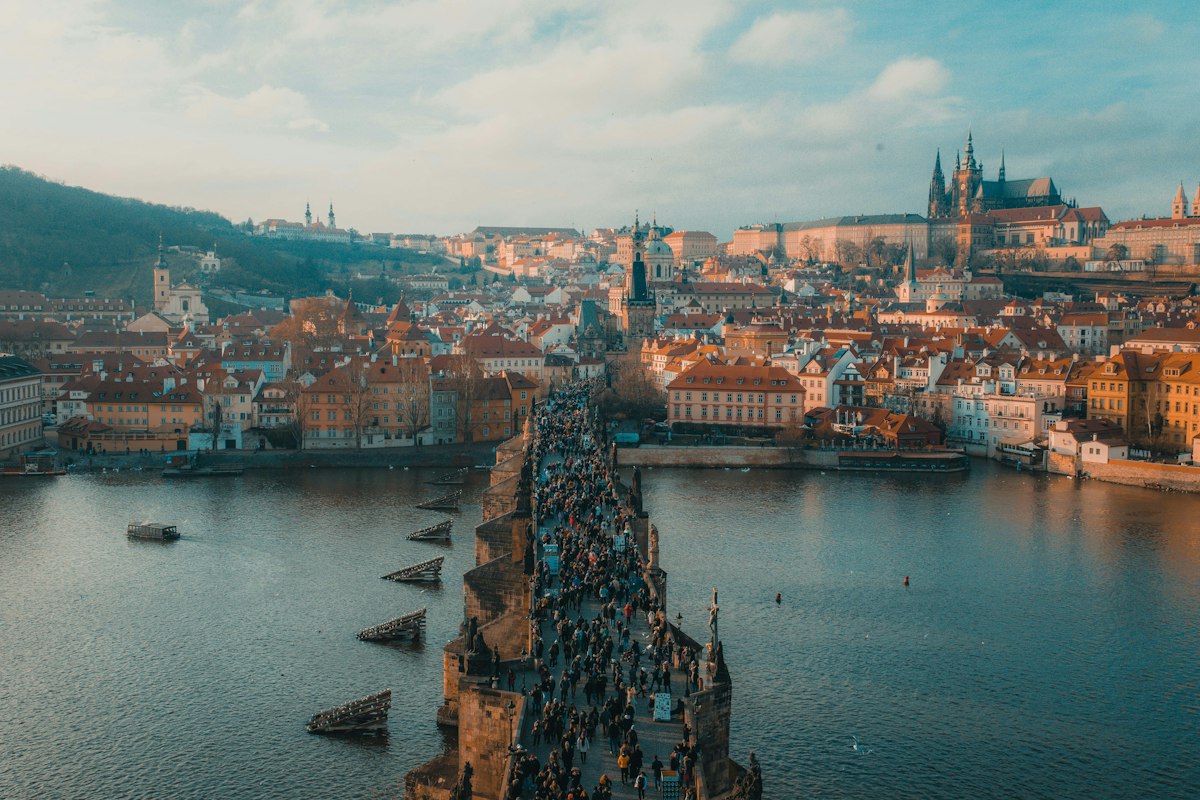
Prague's fixed-line internet averages around 66 megabits per second, by NomadList's measure, and all three Czech carriers, O2, Vodafone and T-Mobile, have rolled out 5G. The historic core is compact enough to cross on foot, and the city earns a top score for walkability in the same dataset.
It is also a working city, not only a tourist one. A large base of multinational, English-speaking employers is the reason the travel guide Wikivoyage calls Prague the best Czech city for foreigners looking for work. That gives new arrivals a ready-made network of expat meetups and offices, along with an after-work beer culture that functions as a social institution.
Safety is rarely a concern. Wikivoyage rates Prague as safer than most Western European and American cities, and violent crime is uncommon. The risks people actually encounter are the familiar ones: pickpockets around Charles Bridge and money-changing scams.
Language is a modest hurdle. NomadList scores general English proficiency at 2.84 out of 5, below the Netherlands or the Nordic countries. People in technology, hospitality and services generally speak it well. An older tram driver may not. A handful of Czech phrases goes a long way.
How the visa works
The Czech Digital Nomad Program is built on a long-term visa tied to a trade license, known locally as a živnostenský list, or simply "živno." The Ministry of Industry and Trade runs the program and handles registration by email at digitalnomad@mpo.gov.cz. The details below draw on the enomads.eu guide to the program and the ministry's published registration process, current as of late 2026.
Who qualifies. Citizens of the United States, Britain, Australia, Canada, New Zealand, Japan, Taiwan, South Korea, Brazil, Israel, Mexico and Singapore who work as specialists in information technology or marketing, for employers or clients outside the Czech Republic. The profession limit is enforced. This is not a general freelancer visa.
The income test. Applicants must earn at least 1.5 times the Czech average monthly wage. For May 2025 through April 2026, that came to about 69,836 koruna a month, or roughly $3,000. The figure is recalculated every April. Applicants also need a bank certificate showing a balance of at least 156,500 koruna and evidence of recurring income.
The process.
- Obtain a trade license at any Trade License Office, listing IT or marketing activities. The fee is 1,000 koruna, about $46, and the license is initially valid for 180 days.
- Email the ministry to register for the program, attaching the application form and proof of qualifications: a degree, a certificate or at least three years of relevant experience.
- Wait for the ministry's confirmation letter. It confirms registration in the program, not approval of the visa.
- Apply in person for the long-term visa at a Czech embassy or consulate in your country of residence. Applications cannot be filed from inside the Czech Republic. Fees run 2,500 to 5,000 koruna, about $115 to $230, and the program track is processed in about 45 days, compared with 90 to 120 days on the standard trade-license route.
- After arrival, register with the foreign police within three days and activate the trade license, which assigns a Czech business number, or IČO.
Applicants should expect to spend €200 to €600 in total on setup, including translations and apostilles. They also need health insurance valid in the European Union, a clean criminal record certificate, proof of accommodation and contracts with foreign clients.
How long it lasts. The visa runs for one year, followed by a two-year residence permit, for a total of up to three years. It is renewable, and the time counts toward Czech permanent residency, which requires five years of continuous residence.
Taxes. Czech income tax is 15 percent on income up to 1,762,812 koruna and 23 percent above that. Most freelancers on a trade license use a flat-rate deduction that treats 60 percent of gross income as expenses, so tax is paid only on the remaining 40 percent. License holders also owe monthly social security contributions of about $132 and health insurance contributions of about $122 from the first month, which is the line item that most often catches newcomers off guard. Anyone planning to make the Czech Republic their tax home should get professional advice on residency and tax treaties first.
What it costs
Prague is not the cheapest capital in Central Europe, but it is good value for what it offers. NomadList puts a remote worker's total monthly spending at about $3,986, covering a central one-bedroom, a coworking desk, food, transit and evenings out. The same data puts a settled expat routine at about $3,079 and a fully local one at $1,401. Most of the difference comes from housing and eating in tourist districts.
Some reference prices as of October 2026, with the koruna at 21.77 to the dollar:
- The weekday lunch special, or polední menu, offered by neighborhood restaurants is one of the better meal deals in Europe. A half-liter of good beer in an ordinary pub costs 25 to 40 koruna, or $1.15 to $1.85.
- Coworking day passes run 450 to 600 koruna, about $21 to $28. A dedicated desk from a local operator costs around $345 a month, above the citywide blended average of $184.
- Public transit is inexpensive. Fifty koruna, about $2.30, covers 90 minutes on the metro, trams and buses.
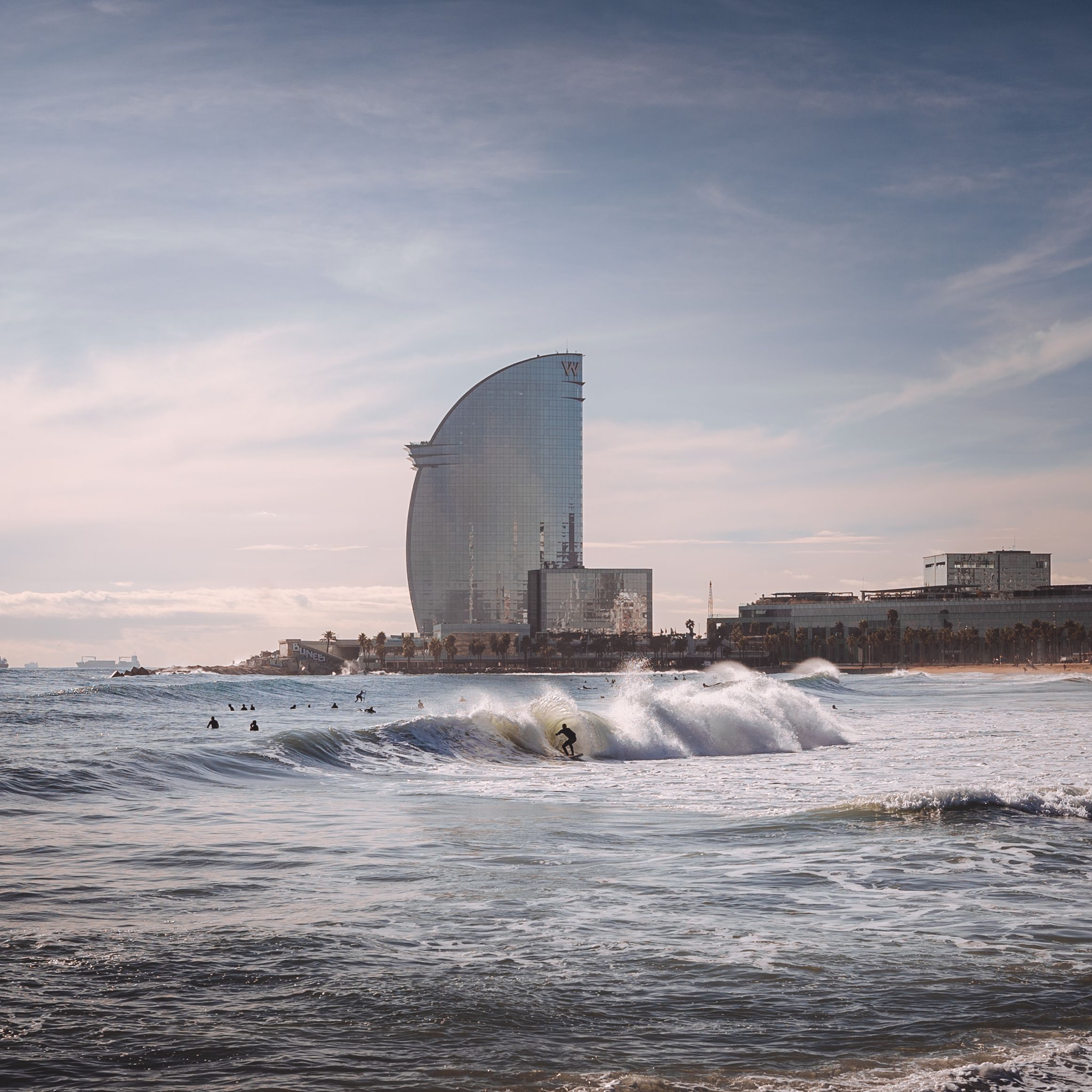
The Old Town is where budgets go wrong. Tourist menus, the ham stalls that price by the 100 grams and boutique rents can erase the savings quickly. The real estate firm Cushman & Wakefield ranks Pařížská Street, near Old Town Square, 19th among the world's most expensive retail streets. Residents who live and eat like locals generally spend well below what they would in Lisbon or Barcelona.
Where to live
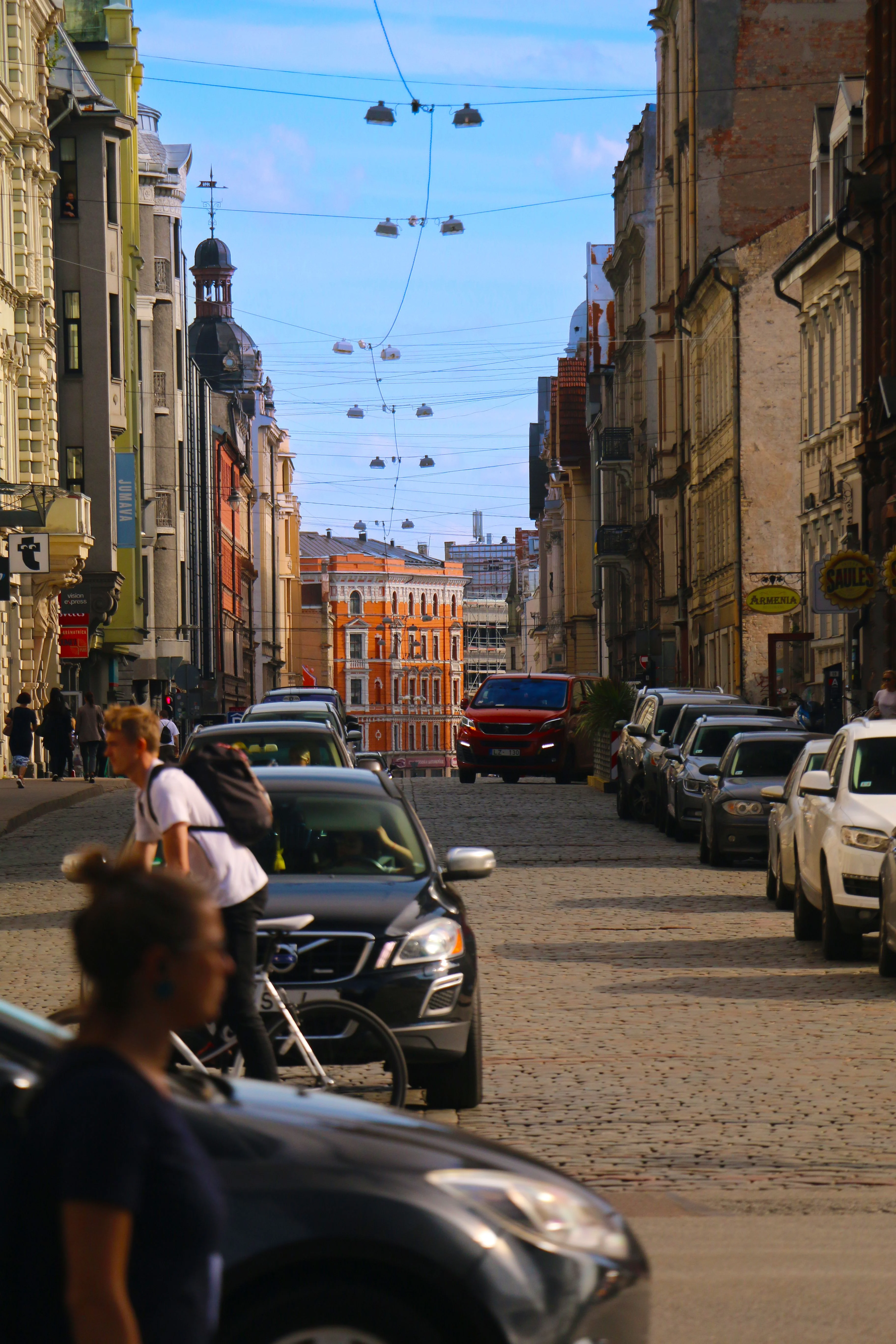
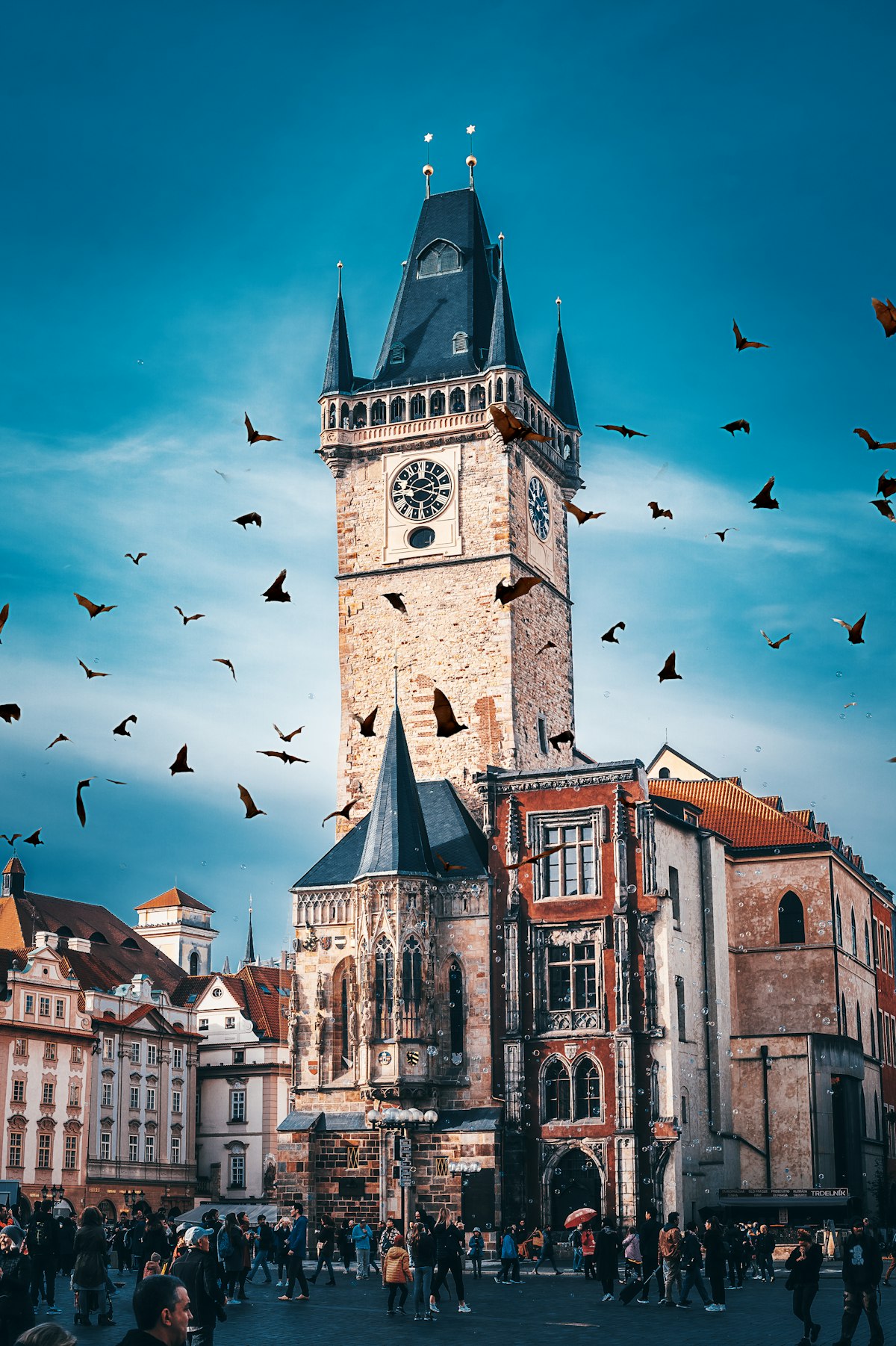
Visitors cluster in the Old Town, the castle district and Lesser Town, and around Wenceslas Square in New Town. For a stay of several months, those are the poorest value.
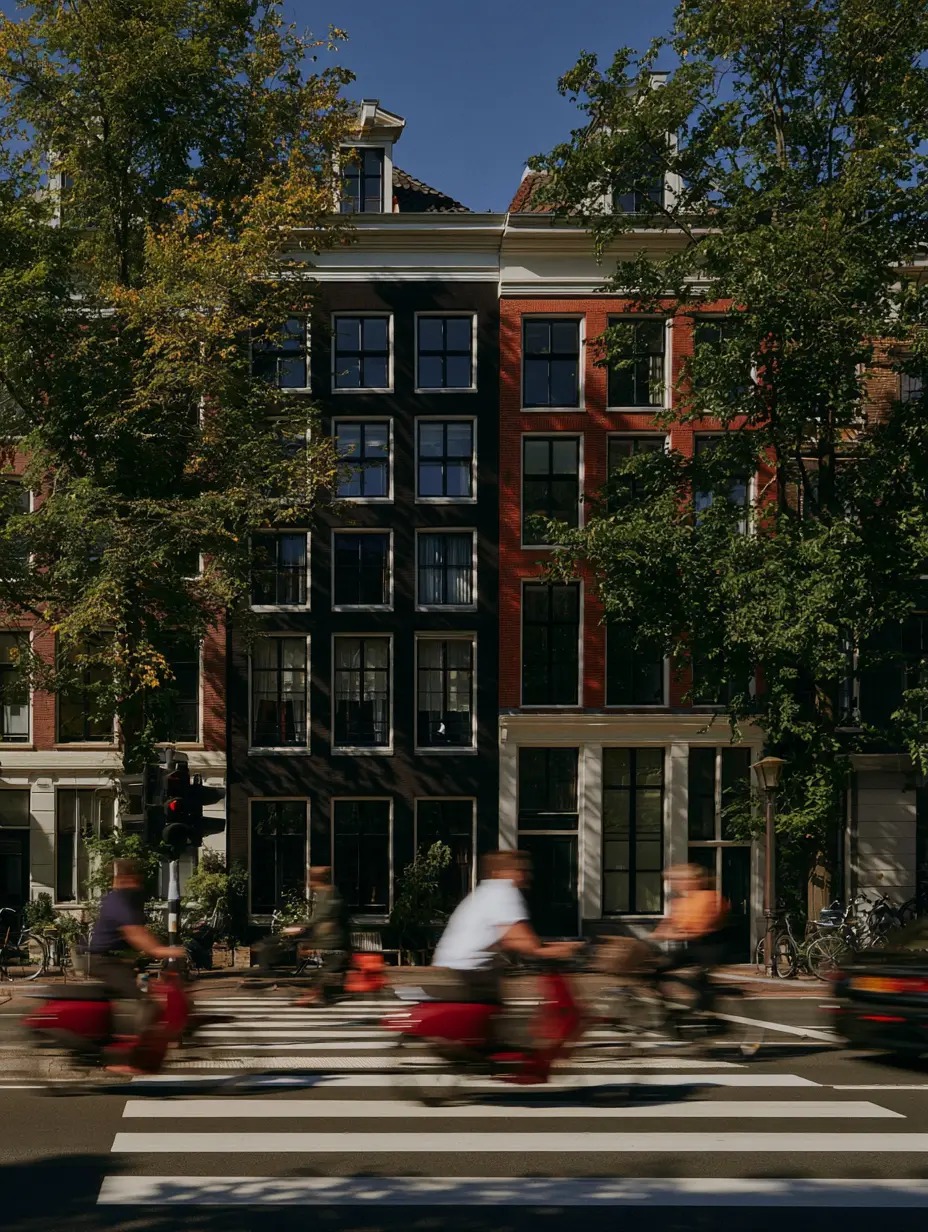
Vinohrady is the usual choice among remote workers: broad streets, Art Nouveau facades, hundreds of cafes and restaurants at local prices, and a 15-minute walk to the edge of the center. Karlín, north of New Town, is the city's modern business district, with the best supply of coworking space and a post-industrial feel, served by metro lines B and C. Žižkov, the old working-class district next door, is rougher around the edges, cheaper and full of pubs. Across the river, Holešovice has galleries, market halls and a growing tech community, while Smíchov is less charming but convenient, with malls, gyms and frequent trams.
Leasing has become harder. European rental markets tightened through 2026, and a standard Prague lease typically requires an advance deposit, proof of local income and paperwork in Czech. For stays of three to six months, a furnished mid-term apartment avoids most of that. RentRemote's furnished apartments are rented by the month, and our analysis of Europe's mid-term rental squeeze explains how the 2026 rule changes affected housing costs.
Where to work
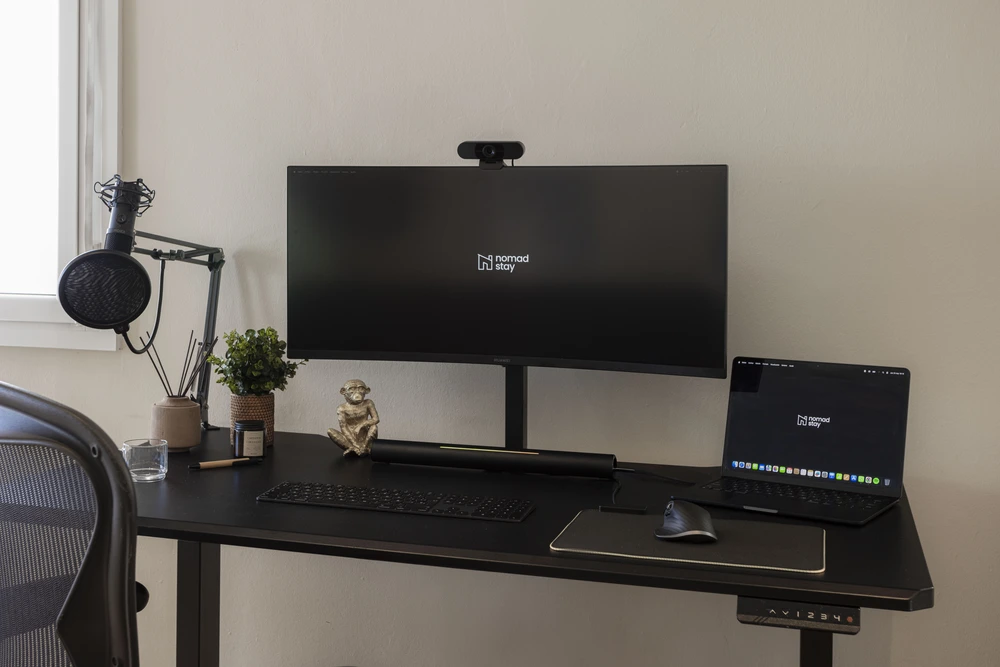
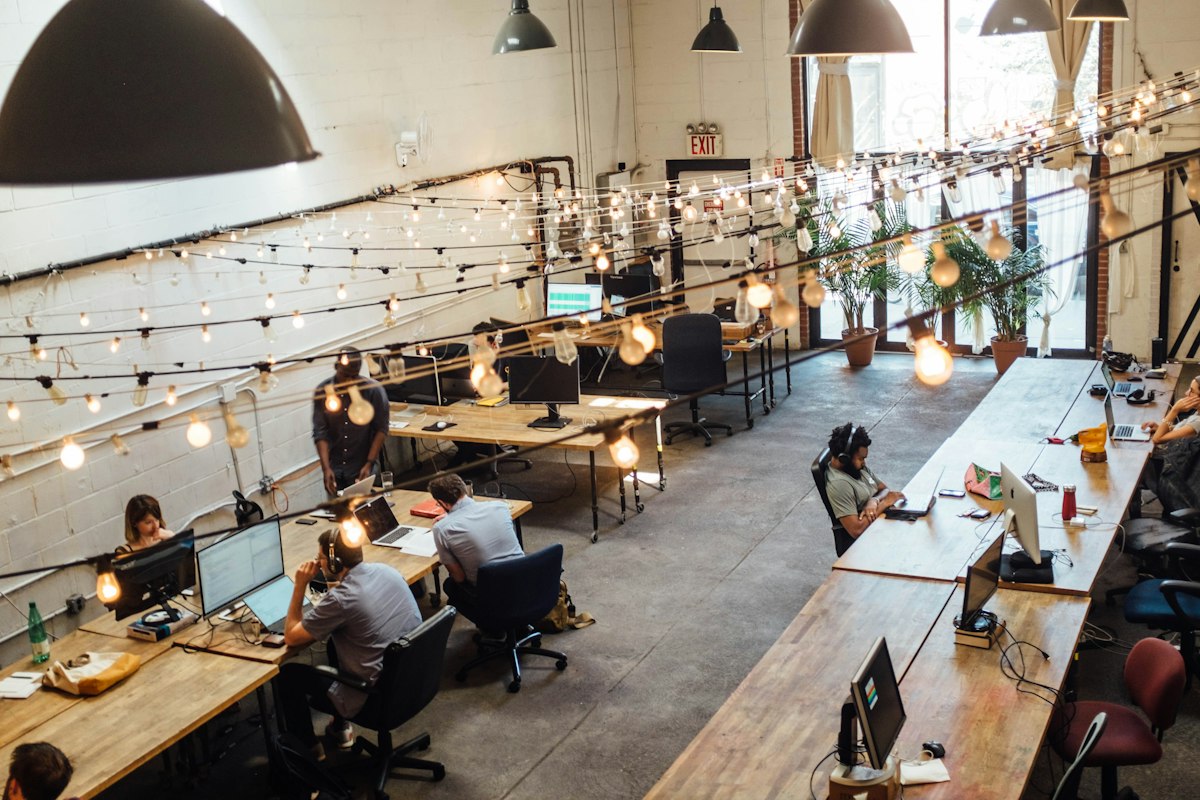
Prague's coworking market is well developed and openly priced. WorkLounge, which operates nine locations, publishes its rates on its website: a day pass costs 600 koruna, about $28 before value-added tax, at Forum Karlín (Pernerova 51, Prague 8), 500 koruna at Dejvice Telehouse and Pankrác City Point, and 450 koruna at Smíchov Klamovka. Dedicated desks at Karlín start at 7,500 koruna, about $345, a month.
The specialty coffee scene is strong, but cafe etiquette matters. Busy brunch spots in Vinohrady and Karlín do not welcome four-hour laptop sessions, and smaller cafes often lack the bandwidth for video calls. Most remote workers end up mixing the three: coworking for calls and focused work, cafes for a change of scene, and home for the rest.
Getting around
Prague's metro, trams, buses, funicular and river ferries all run on a single ticketing system, and fares are low. Since January 2026, a 30-minute ticket costs 39 koruna, a 90-minute ticket 50 koruna, a 24-hour pass 150 koruna and a 72-hour pass 350 koruna. Prices are about 10 percent lower in the PID Lítačka app, which also caps daily spending at the price of a 24-hour pass. Paper tickets must be validated on boarding, and inspectors do issue fines.
From the airport, trolleybus 59 runs from Terminal 1 to Nádraží Veleslavín, on metro line A, in 17 minutes, every three to five minutes for most of the day. A single 90-minute ticket covers the full trip to the center, which takes 35 to 45 minutes. The Airport Express bus, at 200 koruna, runs nonstop to the main train station and is mainly useful for travelers with heavy luggage. A night network of trams and buses, numbered in the 900s, runs until morning.
Eating, drinking and paying
Daily eating in Prague revolves around the weekday lunch menu. Between 11 a.m. and 2 p.m., most restaurants offer a discounted set meal, often with soup, and it is the cheapest way to eat well in the city. Staff rarely offer it to non-Czech speakers unprompted, so ask for the "denní menu." Traditional dishes lean on pork or beef with dumplings. Svíčková, beef in a cream and vegetable sauce, is the standard order.
Beer is part of daily life. Pilsner Urquell and Budweiser Budvar lead the national market, and Staropramen is brewed in Prague. A half-liter typically costs less than a soft drink would in most of Western Europe.
On money, Fio banka and Komerční banka ATMs charge no withdrawal fee. Euronet machines are best avoided because of their poor exchange rates, and travelers should decline when a card terminal offers to charge in their home currency.
When to go
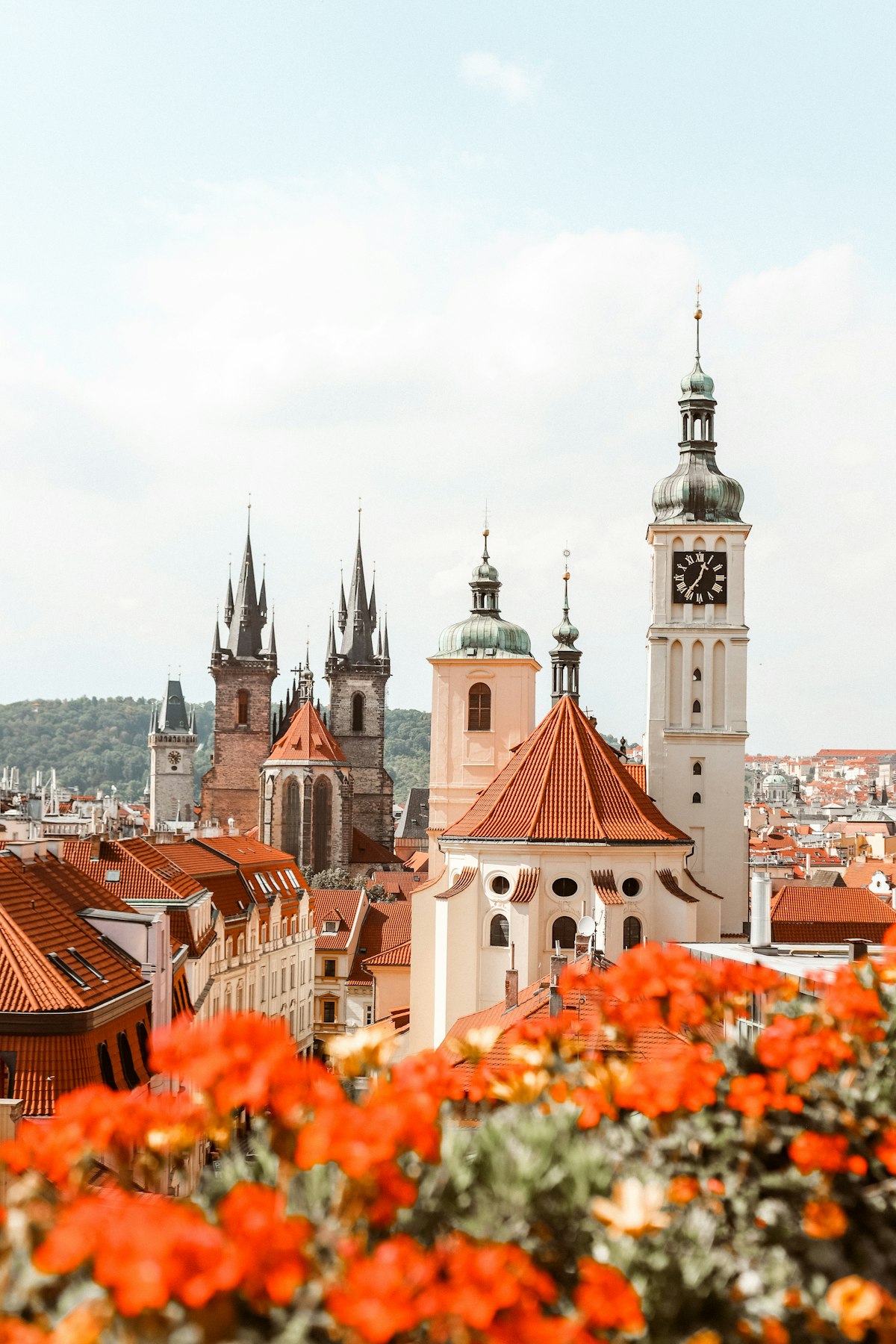
Prague has four distinct seasons. July averages a daily mean of 21.6 degrees Celsius, with highs around 26.5 degrees, and most of the year's rain falls between June and August. January averages 1.8 degrees, with about 16 centimeters of snow a year, according to long-term readings from the Clementinum weather station. Winter stays are manageable, with fewer tourists and lower prices, but the short days are noticeable. For a first stay, May and September offer the best balance of daylight, weather and cost.
How it compares
NomadList's October 2026 figures for four common European bases:
| City | Monthly cost for a remote worker | Central 1BR | Coworking (USD/mo) | Internet |
|---|---|---|---|---|
| Prague | $3,986 | $1,118 | $184 | 66 Mbps |
| Lisbon | $4,753 | $1,596 | $111 | 101 Mbps |
| Madrid | $5,364 | $1,492 | $168 | 45 Mbps |
| Barcelona | $6,367 | $1,680 | $224 | 39 Mbps |
Prague is cheaper than Lisbon overall, though Lisbon has faster internet and cheaper desks. Against Madrid and Barcelona, Prague is cheaper on rent and food and considerably faster on fixed-line internet. All four countries run formal remote-work visas, and Czechia's income requirement is the lowest of the group. Our look at the two-speed visa landscape covers those trade-offs, including how Europe's new biometric border system counts days. City-level listings are available for Madrid, Barcelona and Lisbon.
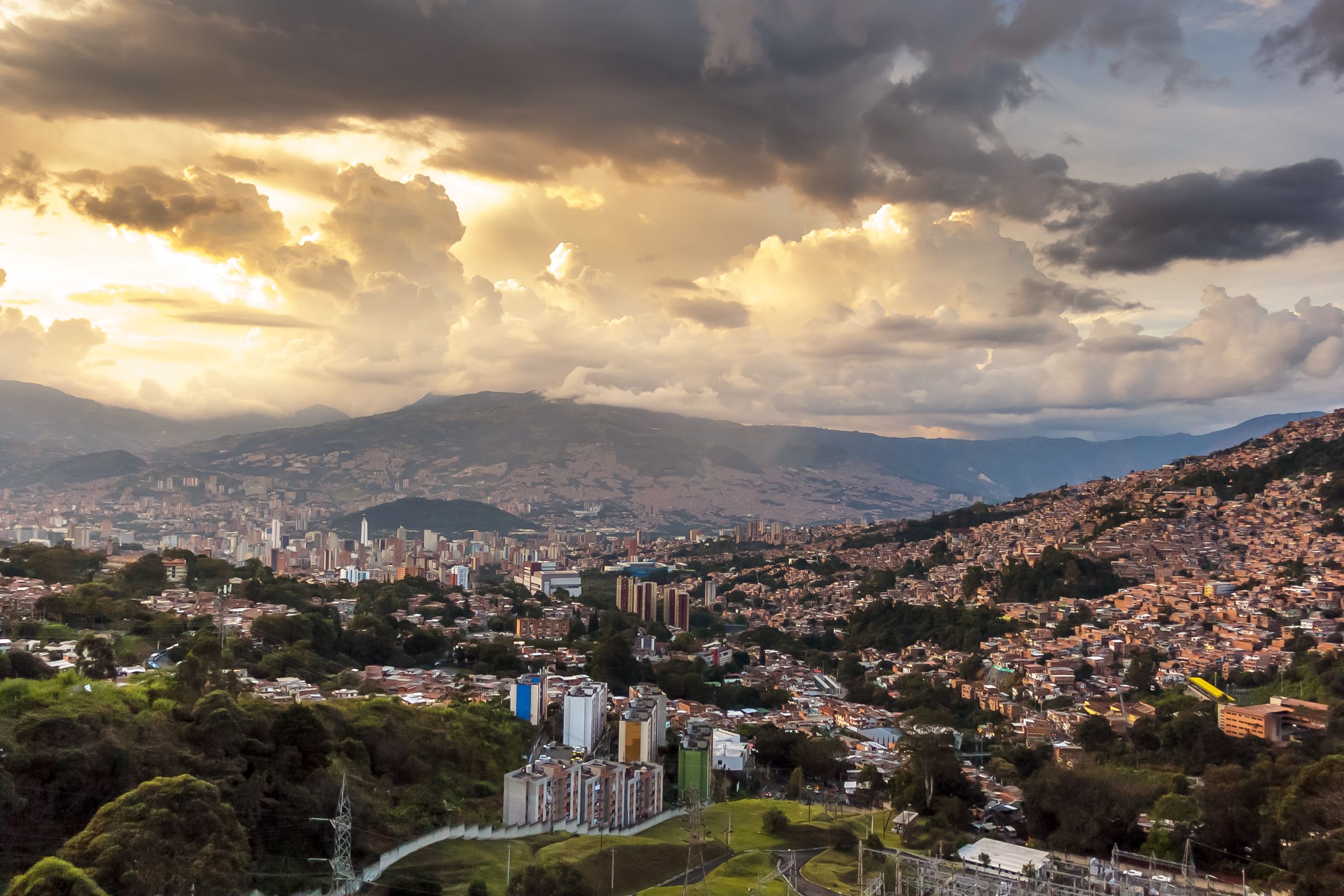
For remote workers who meet the profession and nationality requirements, Prague is a strong case for treating Central Europe as a base rather than a weekend trip. Those weighing a multi-city year may find our guide to slow travel useful, and our report on Medellín offers a Latin American comparison.
To plan a stay, browse furnished apartments available by the month.