













Digital Nomad Burnout: Why It Happens and How to Recover
Digital nomad burnout is real. Here's why it happens, the warning signs to watch for, and practical strategies to recover your energy and love for remote work.
Understanding Digital Nomad Burnout
Digital nomad burnout isn’t your typical tired-after-a-long-week feeling. It’s what happens when endless travel meets remote work burnout—and suddenly, even paradise feels like work. It’s a blend of exhaustion, disconnection, and blurred boundaries between your personal life and your job.
It’s not failure—it’s feedback. When every café becomes your office and Wi-Fi is your best friend, your mental health can take a quiet hit. The good news? You can fix it.
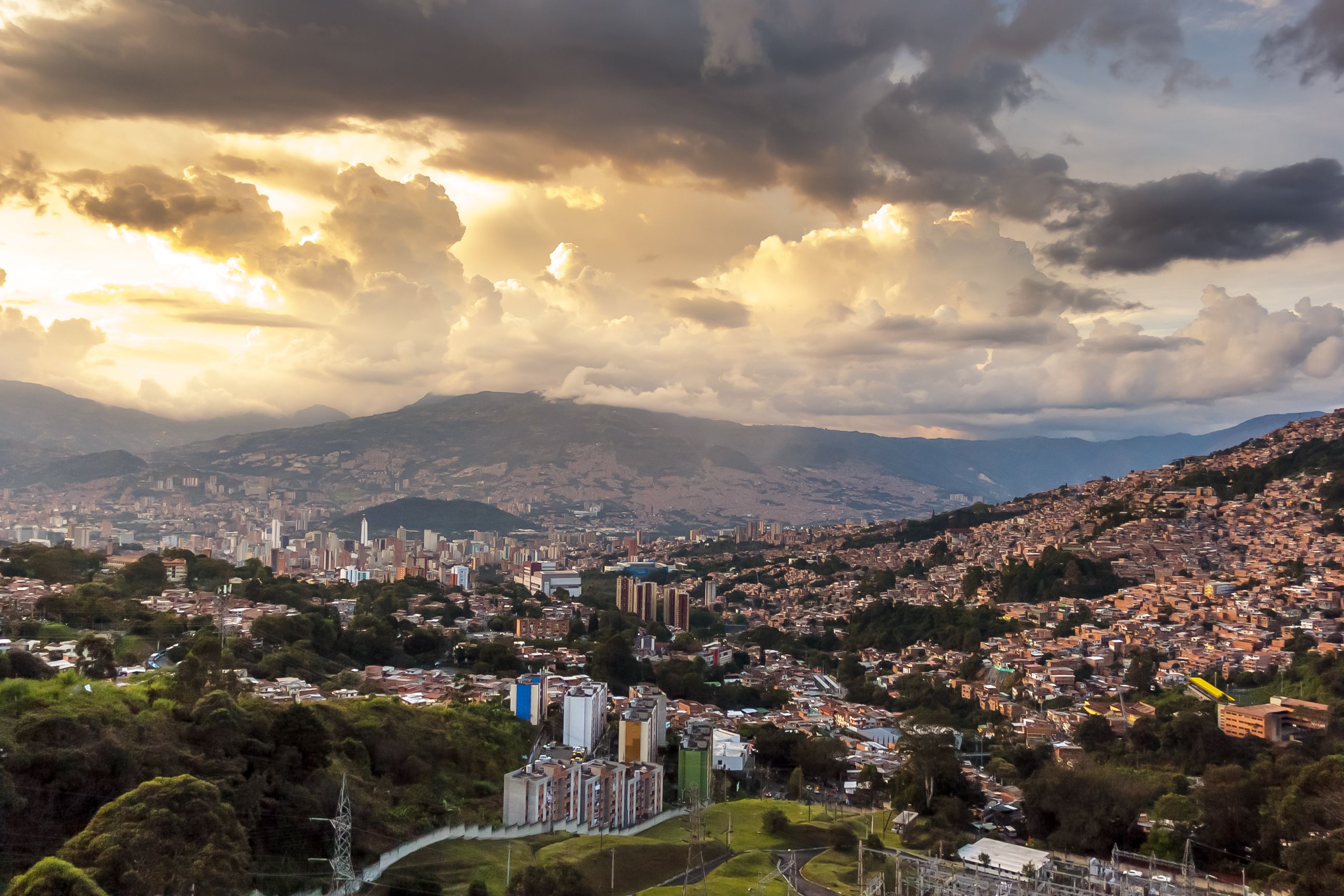
Try pausing in one spot—like Lisbon or Medellín—where you can actually unpack and breathe.
Quick resets that help:
-
Slow mornings before tasks begin
-
Coworking instead of endless work from home
-
Real weekends for work life balance
-
Reaching out for professional support
With the right tools, routines, and a little rest, you can rebuild your work life—and start loving your life again.
Recognizing Burnout Symptoms in Remote Work Life
When you’re juggling travel plans and remote work deadlines, burnout symptoms can sneak up fast. You tell yourself it’s just jet lag or too much coffee—but what you’re really feeling is physical and emotional exhaustion. It’s the slow unraveling of your focus, motivation, and joy.
According to Buffer’s 2023 State of Remote Work Report, 84% of remote professionals have experienced burnout at least once. That means almost everyone trying to balance mental health, career, and personal life has hit this wall before.
In the world of digital nomads, it’s easy to forget that taking care of yourself is as much a responsibility as answering Slack messages.
Mental Health Challenges You Can’t Ignore
These signs often creep in when your work stress becomes the norm instead of the exception:
-
Constant fatigue even after rest
-
Anxiety that lingers between flights
-
Difficulty finding structure in daily routines
-
Feeling detached from personal life
-
Loss of excitement about travel or new places
-
Irritability toward coworkers or clients
Even the best coworking spots—from Café Cometa in Barcelona (€3.50 flat white, best early mornings) to Outsite Lisbon (€220/month pass)—can’t fix a burnt-out mindset without regular breaks and boundaries.
Why Remote Work Burnout Hits Digital Nomads Hard
If you’ve ever tried answering virtual meetings from a noisy hostel kitchen or balancing client calls with late-night flights, you know that remote work burnout feels different on the road. Digital nomads face unique challenges—you’re managing your work life and travel home life simultaneously, often without structure or support.
The line between adventure and exhaustion is thin. After months of moving, constant change can have a negative impact on your mental health, motivation, and relationships. According to Owl Labs’ 2022 State of Remote Work report, 69% of remote workers said maintaining better work life balance has become harder since COVID 19 blurred the borders between home and office.
And you’re definitely not alone—every nomad hits this wall eventually.
Common Triggers Behind Remote Work Burnout
Some causes are obvious, others sneak up on you while you’re booking your next flight:
-
Lack of structure or specific tasks in daily routines
-
Constant moves and unstable housing
-
Isolation or shallow friendships on the go
-
The pressure to look like you’re “living the dream” online
-
Long hours without regular breaks or time to exercise
-
Virtual meetings across time zones that wreck sleep patterns
Even the best city—say, Lisbon with its breezy coworking cafés like Hello, Kristof (€3.50 espresso and quiet mornings)—can’t save you if you never stop working.
Preventing Work Burnout Before It Grows
The secret to avoiding full collapse isn’t quitting your lifestyle—it’s redesigning it. Create a rhythm that mirrors the stability you’d find in an office, but with the freedom you moved for. Start by separating specific tasks from big-picture goals, blocking off hours for rest, and using tech boundaries to reclaim mental space.
Recognize that remote work burnout isn’t a personal flaw—it’s a signal that your routine needs recalibration. If you can manage your schedule intentionally and protect downtime, you’ll restore your focus, rebuild energy, and actually enjoy the mobility you worked so hard to earn.
How To Recover from Emotional Exhaustion as a Digital Nomad
Let’s be honest—emotional exhaustion hits harder when you’re working remotely in a new time zone every month. Between unstable Wi-Fi, endless tasks, and trying to maintain some form of work life balance, it’s no wonder many digital nomads feel drained. According to the 2023 State of Burnout Report by Indeed, 52% of employees say they’re experiencing burnout symptoms—and for nomads, the constant movement adds another layer.
The fix isn’t to give up; it’s to slow down, reset your mental health, and rebuild structure so your productivity and well being can recover.
1. Slow Down Your Travel Pace to Ease Emotional Exhaustion
Fast travel is fun—until your body and brain stop cooperating. Staying longer in one place (one to three months) lets your work from home rhythm catch up to your reality.
Try slow travel: fewer check-ins, more personal time, and space to actually get enough rest.
Find a laptop-friendly café, coworking or park and try to get some work done from a different setting.
The longer you stay, the more your workplace feels stable, and the easier it is to find better work life balance again.
2. Rebuild Routines and Boundaries for Mental Health
When everything feels fluid, creating small anchors brings back control. Reintroduce daily patterns that separate remote work from personal time:
-
Set consistent work hours and stick to them.
-
Have a dedicated workspace—even if it’s just a quiet café corner.
-
Try no-screen mornings once a week.
-
Keep evenings for winding down or staying connected with friends offline.
These micro-habits don’t just make you feel organized—they help you reclaim headspace and signal to your company (or clients) that your time has structure.
3. Prioritize Mental Health Support and Physical Well Being
You can’t outwork burnout, you have to out-recover it. That starts with taking mental health support seriously. Therapy, mindfulness apps, or group sessions for employees who are working remotely can be game changers.
-
Join local therapy collectives or online counseling platforms designed for digital nomads.
-
Participate in coworking wellness events that mix yoga, meditation, and social connection.
-
Block “recovery days” in your calendar for true personal time—no guilt allowed.
Healing from emotional exhaustion isn’t about slowing productivity—it’s about protecting your energy so you can do your best work and still enjoy the adventure.
Using the Right Tools to Prevent Digital Nomad Burnout Long-Term
Preventing remote work burnout isn’t about working harder—it’s about using the right tools and building systems that protect your energy. Remote workers today face more stress, time pressure, and blurred lines between home life and work than ever. According to Microsoft’s 2023 Work Trend Index, 48% of employees say mental exhaustion has increased since COVID 19, mostly due to constant availability and an increased workload.
To stay productive without losing your mind (or your motivation), you need structure, community, and regular breaks that remind you why you chose this lifestyle in the first place.
Set Boundaries and Manage Your Workplace Energy
Burnout creeps in when everything feels urgent. To maintain balance and manage your energy, set boundaries early—and hold them. That means no 11 p.m. client messages and no “just one more email” breakfasts. Treat rest as a non-negotiable part of your job.
Find cafés or coworking spaces that help separate your workplace from your home life—like Cowork Central Lisbon (€200/month, ocean view, strong Wi-Fi) or The Living Room in Málaga (€15/day, quiet focus zone). It’s not indulgence; it’s professional efficacy.
Get The Right Tools To Make Remote Work Sustainable
You don’t need fancy gear to avoid reduced productivity, just the right tools and a rhythm that fits your lifestyle.
-
Notion or Todoist for organizing factors and tasks
-
Slack or Twist for async communication with colleagues
-
Stretchly app for regular exercise reminders
-
Time Out browser extension to pause between deep-focus sessions
These small upgrades keep your mental health and physical health in sync while you work from home or abroad.
Build Connection to Strengthen Mental Health
Isolation is one of the leading causes of remote work burnout, especially when you’re far from family or longtime friends. Regularly investing in community—through coworking events, local volunteering, or even weekly coffee catchups—creates a sense of belonging that’s crucial for your wellbeing.
Try joining expat running clubs or language exchanges; they double as low-pressure networking and exercise rolled into one. It’s not just a social perk—it’s one of the biggest benefits for remote workers trying to maintain a grounded rhythm in a shifting world.
Design a Routine That Feels Human
Preventing burnout long-term means designing a lifestyle that’s realistic—not picture-perfect. Alternate “focus weeks” with travel breaks. Take full vacations without your laptop. Protect your mental health like it’s part of your job description, because it is.
Digital nomad life works best when you work smarter, not longer—using the right tools, sustainable routines, and a clear sense of responsibility for your wellbeing.
Best Destinations for a Burnout Reset
When remote work starts feeling like a full-time sprint and your productivity is dipping faster than your Wi-Fi signal, it’s time to slow down. The benefits of a burnout reset go far beyond relaxation—it restores your professional efficacy, clears anxiety, and helps you return to work with a stronger ability to focus on tasks that actually matter.
According to Nomad List’s 2024 global survey, over 70% of remote working professionals reported higher well being and lower stress levels after spending at least two months in calmer destinations. A slower pace doesn’t mean reduced productivity—it often means sustainable focus and better employee engagement.
Below are a few tried-and-true cities where employees, freelancers, and founders can recharge without losing momentum.
Comparison Table: Peaceful Cities for a Burnout Reset
| City | Vibe | Cost (1-Bedroom) | Why It Helps |
|---|---|---|---|
| Lisbon | Calm, creative | €1,200/month | Easy community, ocean walks, and welcoming colleagues culture |
| Medellín | Warm, sociable | €950/month | Stable weather, great coworking options, and friendly locals |
| Chiang Mai | Slow-paced | €700/month | Affordable wellness scene and crucial access to outdoor spaces |
| Porto | Cozy, compact | €1,000/month | Relaxed tempo, strong coffee culture, and quiet neighborhoods |
Why These Cities Boost Mental and Physical Well Being
Each destination offers something different—but all help offset burnout and stress caused by remote work and constant travel.
-
Lisbon’s coastal lifestyle encourages daily walks and natural breaks that reset your physical and mental energy.
-
Medellín’s consistent climate means no weather whiplash—ideal for building healthy habits and tackling increased workload calmly.
-
Chiang Mai’s wellness hubs and affordable living reduce financial pressure, one of the leading factors behind burnout among employees.
-
Porto’s slower mornings and café culture recreate a grounded office rhythm, making it easier to maintain balance between family, friends, and workplace focus.
Reset Routines That Help You Manage Remote Work Stress
If you’re planning your recovery, try incorporating these small, sustainable changes:
-
Schedule regular breaks to prevent burnout from sneaking up again
-
Separate work from home zones—even a small café can help
-
Spend time outside; nature is a free productivity hack
-
Reconnect with colleagues or your company remotely to stay grounded
Whether you’re sipping espresso in Porto or meditating in Chiang Mai, a burnout reset isn’t about escape—it’s about redesigning how you live and work so your well being lasts longer than your next flight.
Real Stories from Nomads Who Learned to Avoid Burnout
When COVID 19 reshaped the way we live and work from home, thousands of travelers traded offices for backpacks. But the freedom came with new challenges—stress, anxiety, and reduced productivity that many didn’t see coming. According to Owl Labs’ 2023 State of Remote Work Report, 45% of remote work professionals said they’ve felt more drained since the pandemic due to increased workload and blurred lines between work and rest.
The truth? Every nomad hits that wall eventually. What matters is learning how to avoid burnout, rebuild focus, and rediscover balance.
“Lisbon Gave Me My Focus Back During Covid 19”
“After two years of hopping from city to city, I landed in Lisbon for a 2-week stay that Covid turned into 6 months. I realized my constant motion was wrecking my concentration. A simple rhythm—morning walks near the river, coworking days at Outsite Lisbon (€220/month), and real breaks on weekends—brought my energy back. I finally remembered what calm productivity felt like.”
“Chiang Mai Taught Me That Rest Is Work”
“ I thought I could outwork exhaustion. But once I slowed down in Chiang Mai, I saw how stress was quietly killing my focus. I rented a quiet apartment for €700/month and joined yoga classes instead of answering Slack messages at midnight. My ability to stay present—and actually enjoy life—came back fast.”
“Medellín Helped Me Reconnect with My Family and Myself”
“I used to think constant travel was success. But it was burning through my energy and relationships. In Medellín, I found the benefits of slowing down in furnished apartment with a workstation. It made it simple to separate work-related video calls from those with family, it gave me time for hobbies, and friends who understood the same job pressures. I learned that real productivity isn’t about doing more, it’s about doing what's needed, from the right place.”
Small Habits That Help Avoid Burnout Anywhere
You don’t need a new passport stamp to reset. Try these practical steps that nomads swear by:
-
Schedule real breaks—walks, meals, or naps count as recovery time.
-
Set work hours that match your energy, not your inbox.
-
Limit caffeine when anxiety spikes.
-
Keep remote work separate from sleep and downtime.
The digital nomad life is about choice—and choosing balance isn’t weakness, it’s wisdom. Each story proves that slowing down isn’t quitting. It’s the smartest way to stay inspired, productive, and human.
Should You Quit the Nomad Life or Just Pause?
If you’ve hit that point where even opening your laptop feels like lifting a suitcase, it’s easy to wonder if the digital nomad life just isn’t for you anymore. But here’s the thing—you don’t have to quit; you might just need to pause.
Burnout isn’t a failure—it’s a signal. A reminder that even adventure needs maintenance. Taking a break from constant movement can restore your mental health, reset your work-life balance, and help you remember why you started remote work in the first place.
A “strategic pause” could mean renting a flat for a few months, working on smaller tasks, or simply staying offline long enough to breathe. Think of it like an extended layover for your well being—a pause that helps you travel further, not stop entirely.
Signs you need a pause:
-
You’ve stopped enjoying the places you visit.
-
You feel anxious even during downtime.
-
Every day feels like a deadline instead of a discovery.
Rest isn’t giving up; it’s refueling. The nomad life is sustainable only when you’re energized enough to live it.
Where to Stay When You Need Stability
Sometimes the fastest route to recovery is a comfortable home base. When your workplace and your living space feel grounded, your focus and productivity naturally follow. That’s where RentRemote comes in.
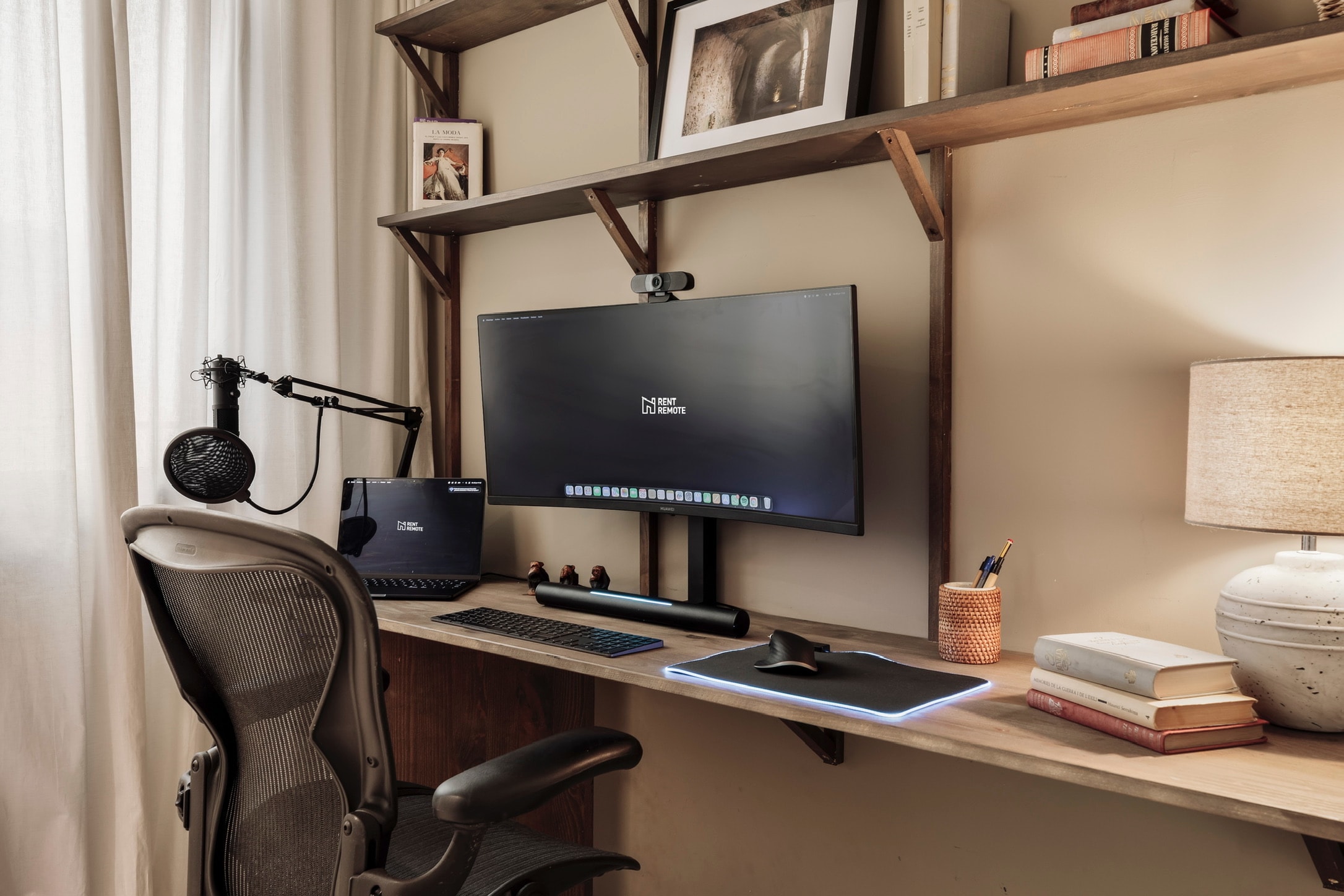
RentRemote offers furnished apartments designed for digital nomads who want to slow down without sacrificing comfort or performance. Each one comes with ergonomic furniture, a dedicated workspace, and strong Wi-Fi—so you can actually enjoy working remotely without the back pain or chaos.
Imagine spending a few quiet months in a Lisbon apartment with ocean air drifting through your window, or setting up shop in a sunny Medellín loft where your mornings start with calm instead of chaos.
These homes aren’t just places to stay—they’re spaces to reset. Whether you’re chasing focus, stability, or simply peace of mind, RentRemote helps you find your balance again.
FAQs About Digital Nomad Burnout
How long does digital nomad burnout last?
There’s no one-size-fits-all recovery time. For some, a few weeks of rest and routine can make a huge difference. For others, it may take a few months to rebuild mental health, regain focus, and restore productivity. The key is giving yourself permission to slow down—healing always takes as long as it needs to.
Does slowing travel really help with burnout?
Absolutely. Staying longer in one destination creates space for work-life balance and emotional grounding. It cuts down decision fatigue and helps you reconnect with daily structure, which many nomads lose after months on the move. A few calm months in Lisbon or Porto can feel like a full reset.
How can I prevent burnout when working full-time remotely?
Start by protecting your remote work rhythm. Keep consistent work hours, take real breaks, and separate work from home when you can. Build in movement—exercise is one of the best ways to reduce stress. And don’t underestimate community: coworking, social meetups, or just grabbing coffee with fellow nomads can improve well being more than another productivity app ever could.
What’s the difference between travel fatigue and burnout?
Travel fatigue is short-term—it’s the jet lag, the mild irritability, the occasional craving for your own bed. Digital nomad burnout, on the other hand, runs deeper. It impacts your motivation, focus, and even emotional stability. You stop feeling inspired by new places, and everything starts to feel like another job. The good news? Once you rest, rebuild routines, and reset your priorities, that spark comes back stronger than ever.