Sophia
Wellbeing & Living Editor ·
Shinjuku is not a gentle introduction to Tokyo. It is the busiest railway station on the planet, a ward that shifts from corporate towers to neon-lit alleys to residential calm within a few hundred metres. That range is exactly why it works for remote work — if you know which part of it you're actually choosing. This guide covers what you need to make that choice.
Which neighbourhoods inside Shinjuku suit remote workers versus which ones will exhaust you
Where to find co-working spaces and cafes that hold up across a full month
What apartments, hostels, and co-livings actually cost in this ward
The internet situation, transport logic, and day-to-day friction points
How Shinjuku compares to the rest of Tokyo for a longer digital nomad stay
What Japan requires of you before and after you land
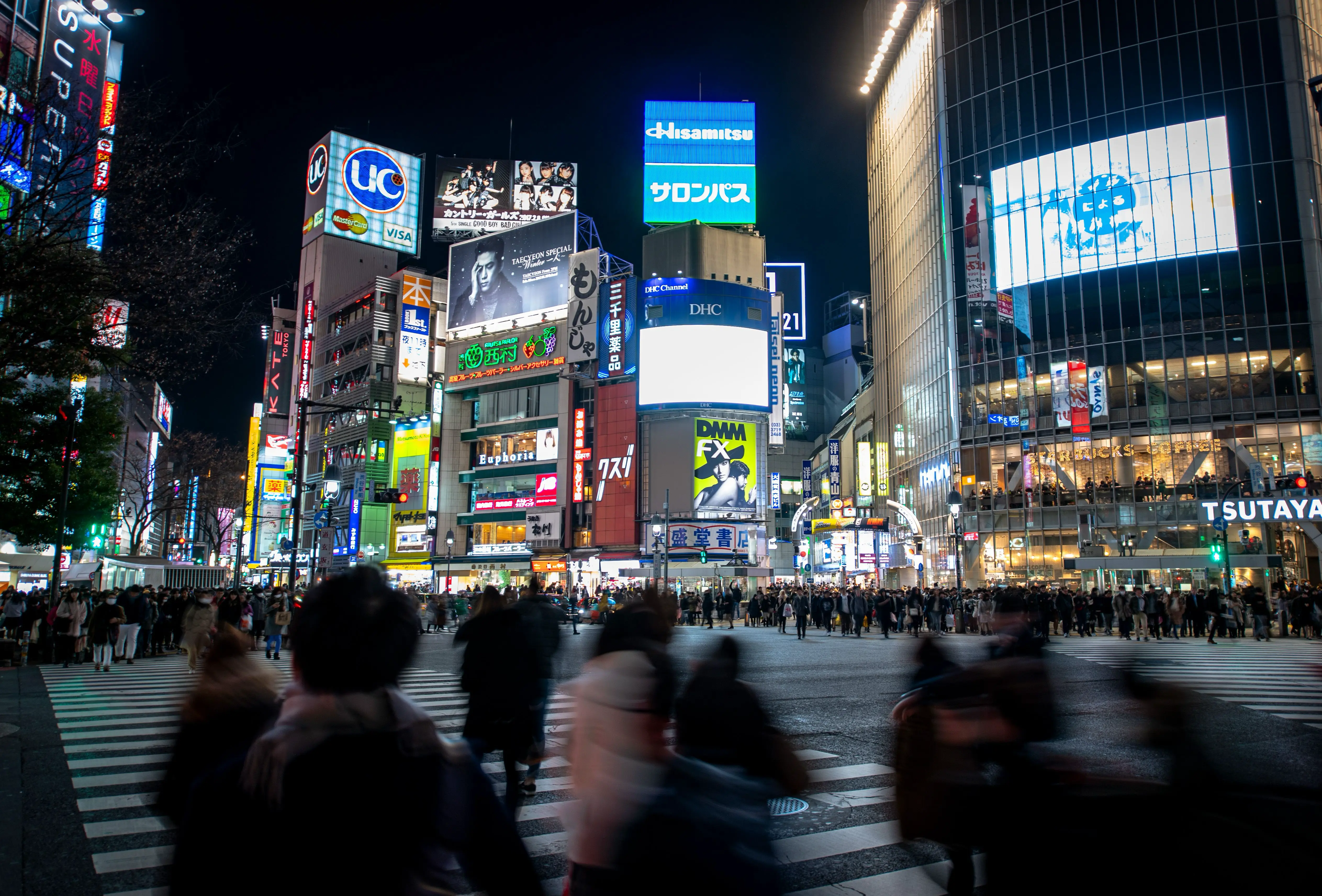
Why Shinjuku Works — and Where It Tests You — for Remote Work
Most digital nomads arrive in Tokyo expecting Shinjuku to be their base and leave it having renegotiated that assumption. The east side around Kabukicho is loud, late, and genuinely difficult to work near. The west side — Nishi-Shinjuku — is glass towers and lunch sets, quiet in the evenings but short on character. The residential pockets south of Shinjuku Gyoen are where the actual balance lives.
What Remote Workers Get Right About Shinjuku
The infrastructure here is genuinely hard to beat — not as an abstraction, but in the specific ways that make a workday function without friction.
Shinjuku Station — 200+ exits, direct lines to every major ward in Tokyo; you can reach Shibuya in 4 minutes or Akihabara in 15
Convenience stores on every corner — 7-Eleven and Lawson both print documents, accept packages, and sell a hot meal for under ¥600
Fibre internet is standard in almost every apartment building; speeds of 300–600 Mbps are normal, not exceptional
Shinjuku Gyoen — ¥500 entry, large enough to genuinely decompress, closed Mondays — is a five-minute walk from the south residential belt
Where it tests you is noise, density, and the fact that every café has a queue between noon and 2pm — plan your work hours around that or you will resent it.
What Remote Work Culture Actually Feels Like in Japan
Japan has a specific relationship with public work culture that takes a week or two to read correctly.
Many cafes in Tokyo still have no-laptop policies or enforce time limits — confirm before you settle in
Working loudly on calls is considered poor manners; designated phone booths exist in better co-working spaces
The work ethic you see around you is real — expect total focus from other occupants, which either pushes you or unnerves you depending on your style
English signage inside most co-working spaces is reliable; conversational English from staff varies by venue
This culture gap is not a dealbreaker — it is just something to factor into your first two weeks before you mistake social norms for unfriendliness.
Most digital nomads landing in Tokyo find that Tokyo Shinjuku earns its reputation fast — the JR Shinjuku Station connects you to Narita Airport in under 90 minutes on the Narita Express, which matters when you're managing client calls across time zones and cutting visa runs close.
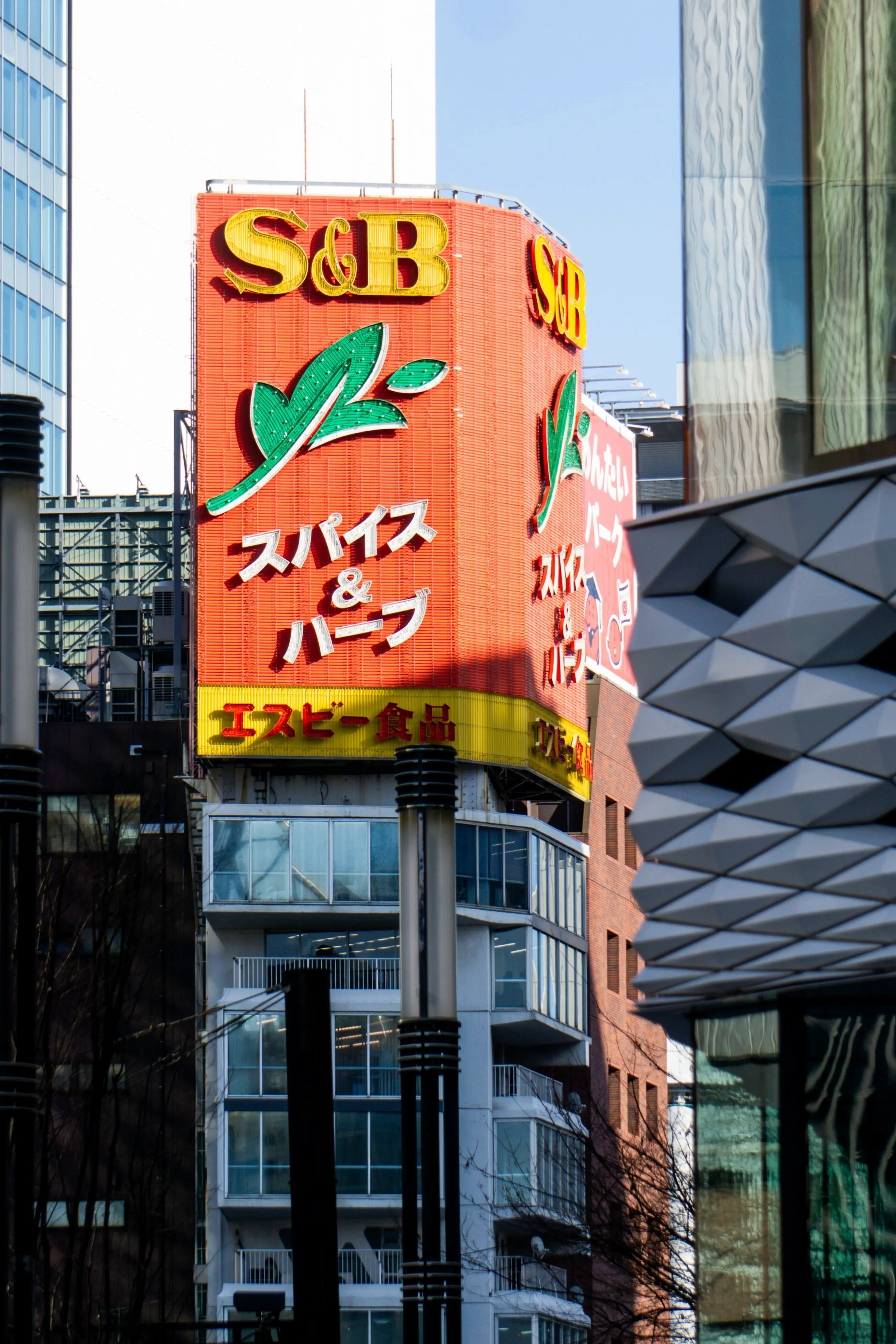
Best Neighbourhoods Inside Shinjuku for Digital Nomads
Shinjuku ward is larger than it looks on a map, and the difference between picking the right sub-area and the wrong one is the difference between a productive month and a loud, expensive one. Here is where each pocket actually puts you.
Neighbourhood | Monthly Rent (1-bed) | Vibe | Best For | Key Advantage |
|---|---|---|---|---|
Shinjuku Gyoen area | ¥120,000–¥170,000 | Quiet residential | Long stays, focused work | Park access, low foot traffic |
Nishi-Shinjuku | ¥130,000–¥180,000 | Corporate, clean | Business travel, short stays | Direct station access |
Kabukicho / East | ¥100,000–¥140,000 | Loud, 24-hour | Night owls, social nomads | Cheapest rents in the ward |
Yotsuya / South | ¥140,000–¥200,000 | Low-key, residential | Couples, longer commitments | Quietest streets, good food |
Okubo / Hyakunin-cho | ¥95,000–¥130,000 | Multicultural, lively | Budget-conscious nomads | Korean food, cheapest rents |
Shinjuku Gyoen Area: The Default Pick for Most Digital Nomads
If you are staying for more than two weeks and need to actually work, the streets south and east of Shinjuku Gyoen are where you will stop second-guessing your base.
Shinjuku Gyoen National Garden — ¥500 entry, 58 hectares, one of the few places in Tokyo where you can think in silence during the day
Studios from ¥85,000/month in older buildings on the side streets off Shinjuku-dori; newer furnished stock sits at ¥120,000–¥140,000
cafe de Roi — ¥650 for a reliable filter coffee, no time pressure before noon
Ten-minute walk to the station means you get the access without the noise floor
This pocket is as close to a balanced Shinjuku experience as exists — quiet enough to sleep before midnight, connected enough that nothing requires a commute.
Okubo and Hyakunin-cho: The Budget Case That Actually Holds Up
Okubo does not feel like Tokyo in the way that Nishi-Shinjuku does, and that is not a criticism — it feels like a different city entirely, which suits nomads who want to avoid the monoculture of expat-friendly areas.
One-bedroom apartments from ¥95,000/month; furnished options harder to find but they exist through platforms like Sakura House Okubo
Korean supermarkets, halal grocers, and Chinese bakeries on Okubo-dori — the grocery bill here is noticeably lower than central Shinjuku
Ten-minute walk to Shinjuku Station, two stops to Harajuku on the Yamanote Line
Louder at night than the Gyoen area — street noise on the main road is real after 9pm
Okubo is the honest budget pick, but budget here means trading the polished residential calm for something more alive and less curated.
Yotsuya-Sanchome is where many long-term digital nomads eventually make their home — rents sit around ¥90,000 per month for a 1LDK, and the neighbourhood is quiet enough to actually sleep before a 9am call.
Explore Nakemuguro in our neighbourhood guide
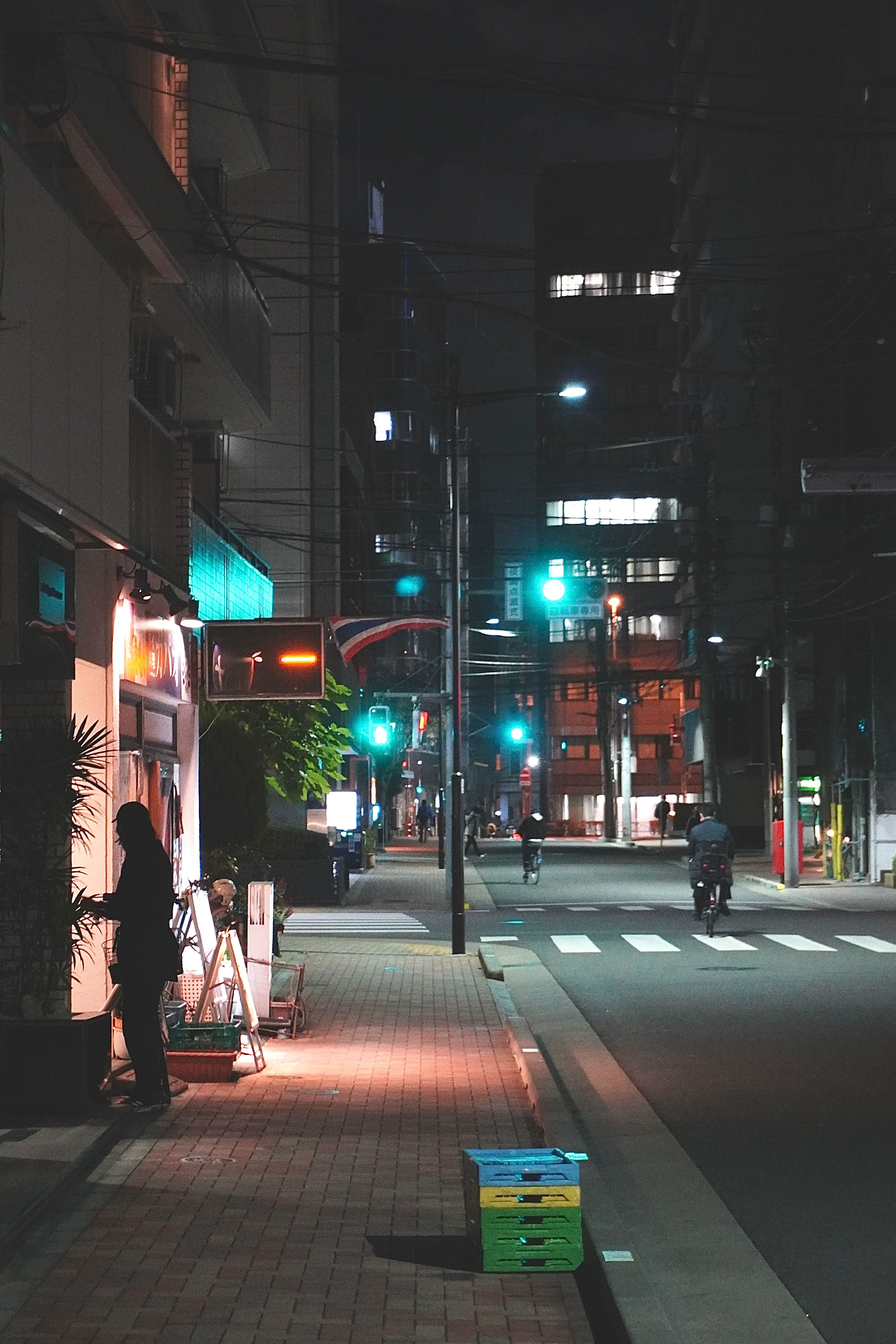
Co-Working Spaces, Cafes, and Where Digital Nomads Actually Work in Shinjuku
Tokyo has a working culture that makes the co-working spaces and cafes question more complicated than in most cities — not every café wants your laptop, and not every co-working space is built for day passes. Here is what actually works in and around Shinjuku.
Co-Working Spaces in Shinjuku Worth Committing To
The co-working spaces that hold up over a month are the ones where the internet is tested infrastructure, not marketing copy.
The Terminal Shinjuku — day pass ¥1,500, fast fibre, phone booths for calls, opens 8am; one of the few spaces where the WiFi speed is posted on the wall
Fabbit Shinjuku — monthly hot desk from ¥27,500, fixed desk from ¥44,000; serious business crowd, very quiet after 3pm
HUB Ginza Corridor — drop-in ¥2,200, community board and monthly events; skews creative, which changes the atmosphere noticeably
All three have reliable 200 Mbps+ internet — the gap between them is noise level and community vibe, not connectivity
A monthly membership at Fabbit pencils out to about ¥900/day if you use it five days a week — cheaper than the café habit you will otherwise develop.
Co-Working Spaces Cafes: Where to Work Without a Membership
Some cafes in Tokyo are genuinely laptop-friendly; many are not — and the signage does not always warn you before you open your bag.
Turret Coffee Shinjuku — ¥550 espresso, no time limit before noon, two power points at the window bar
Excelsior Caffé Nishi-Shinjuku — ¥480 drip coffee, laptop-friendly policy confirmed, seats 40, reliable WiFi; gets busy from 12:30–2pm
Doutor Shinjuku East — ¥320 for a blend coffee, no WiFi but dead quiet in the morning; good for offline work when you need to think
Starbucks locations in Shinjuku have WiFi but enforce 90-minute limits during peak hours — use them as a backup, not a base
The morning window between 8am and 11am is when all of these cafes are genuinely productive — after midday the dynamic changes in almost every venue in this ward.
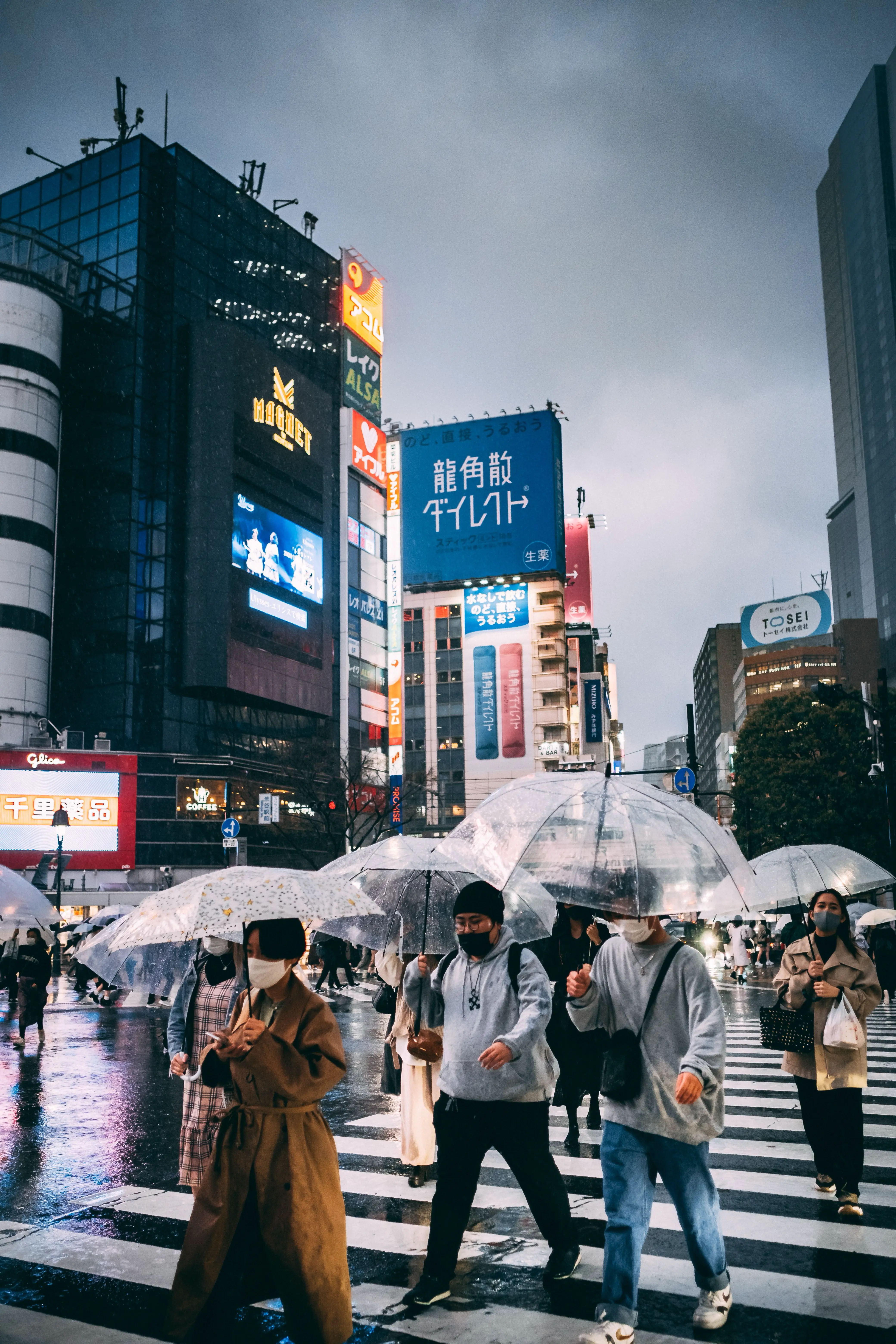
Where to Stay in Tokyo's Shinjuku: Apartments, Hostels, Co-Livings
Finding somewhere to stay in Tokyo is not the same problem as finding somewhere to stay in Southeast Asian nomad hubs — the rental market here is structured, bureaucratic, and has historically been difficult for short-term foreign residents. That has shifted in the last few years, but it still requires knowing where to look.
Furnished Apartments for Digital Nomads: What ¥100,000–¥180,000 Gets You
Furnished apartments in Shinjuku now exist in enough volume that you can be selective — but the well-priced ones move fast and the platform you use matters.
Studio with fibre WiFi and washing machine from ¥105,000/month in older buildings near Yotsuya Station — further from the busiest exits but significantly quieter
One-bedroom modern build near Shinjuku-Sanchōme Station from ¥145,000/month — better build quality, in-unit laundry, no agency fee on platforms like RentRemote
Month-to-month terms are available but carry a ¥10,000–¥20,000/month premium over three-month leases — price in that gap when you're budgeting
Key money (a non-refundable gift payment to landlords) still appears on traditional leases — furnished digital nomad platforms sidestep this entirely
The case for using a platform built for remote workers is not convenience — it is that the fee structures and lease terms are simply different from what the local rental market defaults to. Browse fully furnished apartments in Tokyo to see what is available without the traditional agency layer.
Co-Livings and Hostels: The Case for Each
Co-living in Tokyo has matured quickly — it is no longer just dorms with a MacBook aesthetic, and the better options solve specific problems for specific nomad types.
Shinjuku Skycapsule Hotel — private room from ¥4,200/night, Shinjuku ward, reliable WiFi, common kitchen; best for one to two weeks before you commit to an apartment
BnB Plus Shinjuku — monthly rate from ¥90,000 for a private room with shared kitchen; bills included, no key money, foreigner-friendly lease
Tokyo Share House Shinjuku — from ¥65,000/month including utilities, shared common spaces, mixed international community; noisier than a private apartment but the lowest all-in cost available
Co-living monthly rates include utilities — factor in the ¥15,000–¥25,000 you save on electricity and gas when comparing against private apartment costs
The share house makes sense at month one when you do not know your rhythm in Tokyo yet; the private apartment makes sense at month two when you do.
Getting Around Shinjuku and Beyond: Transit for Remote Workers
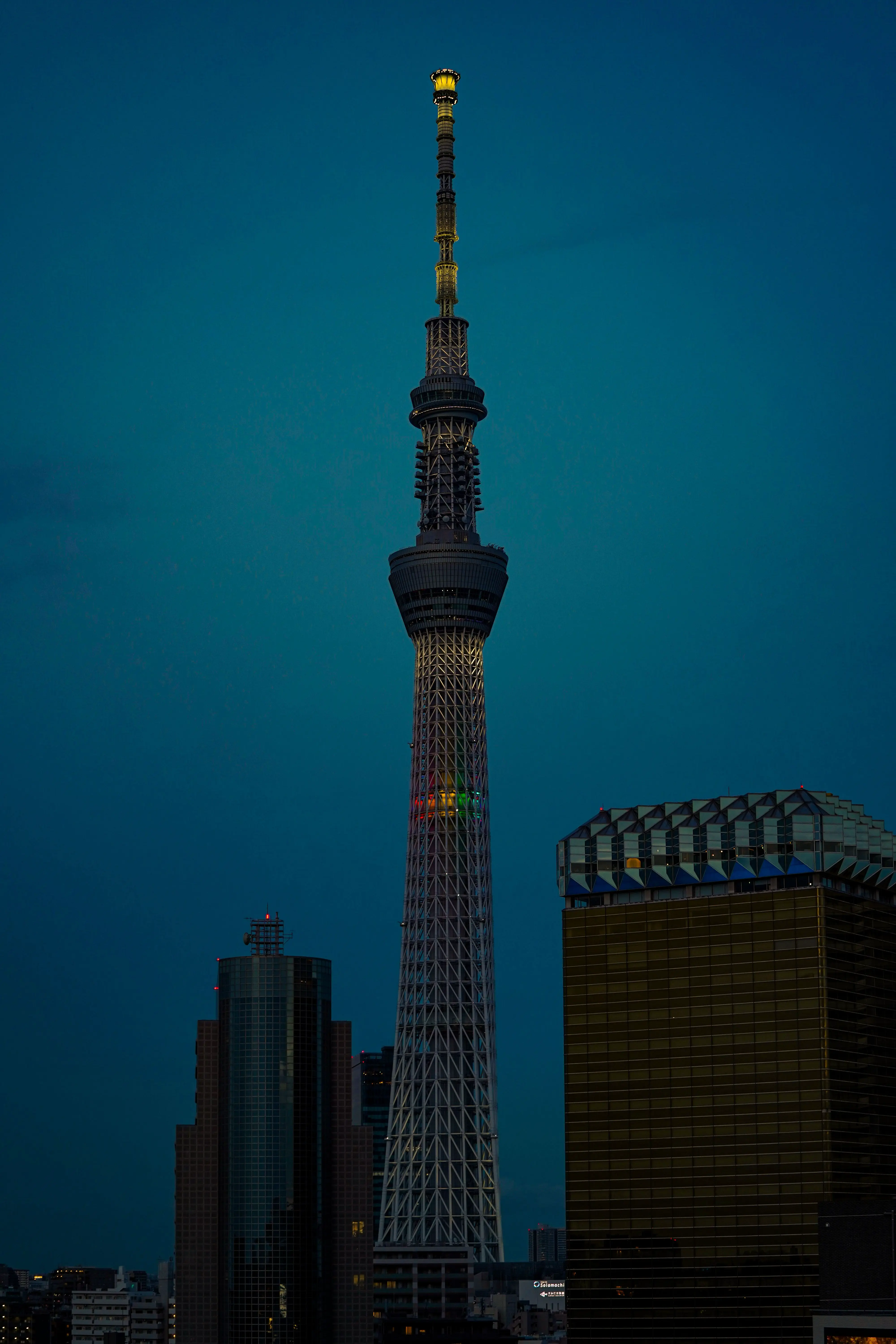
Shinjuku's location means you can reach most of Tokyo without thinking hard about routes — but where you enter the network matters more than which line you take.
Day-to-Day Transit: What You Actually Use
The Suica card solves 95 percent of your daily transit needs from day one — load it once and stop thinking about it.
Seibu-Shinjuku Station — a separate station from the main hub, five minutes north on foot; connects to Ikebukuro for ¥220, useful if you work with nomads based in that ward
Tokyo Metro Day Pass — ¥800, covers all nine Metro lines; worth it on any day you make more than four separate Metro trips, which happens more than you expect during the first two weeks
Odakyu Line from Shinjuku — reaches Shimokitazawa in 6 minutes for ¥154; if you want a quieter café day in a neighbourhood that feels nothing like central Shinjuku, this is your exit
JR Chuo Line rapid service — 12 minutes to Koenji, 18 minutes to Kichijoji; both have café cultures that suit deep-focus work better than anything near Shinjuku's east side
Shinjuku as a transit base is not a marketing claim — it is a practical fact that you will use it to reach three or four different Tokyo neighbourhoods in a single week without the trip ever feeling like a commute.
Shibuya: The Neighbourhood Most Nomads Compare It To
Shibuya is four minutes by train and the comparison comes up constantly — it deserves a direct answer rather than a vague "both are great."
Shibuya has more coworking options per square kilometre than Shinjuku; WeWork Shibuya Scramble Square is the most visible, from ¥40,000/month for a hot desk
Café working in Shibuya is harder — the no-laptop policies are more aggressively enforced around the scramble crossing area, and turnover pressure is real after 60 minutes
Monthly rent in Shibuya's residential streets runs ¥150,000–¥220,000 for a furnished studio — roughly ¥30,000–¥50,000 more than comparable Shinjuku options
Shibuya suits nomads who prioritise a quieter residential feel with faster access to Daikanyama and Nakameguro; Shinjuku suits nomads who prioritise transit reach and lower housing costs
Neither wins outright — the choice comes down to whether you spend more time working in your neighbourhood or moving through Tokyo, and Shinjuku rewards the latter.
Daily Life Costs in Shinjuku: What a Realistic Month Looks Like
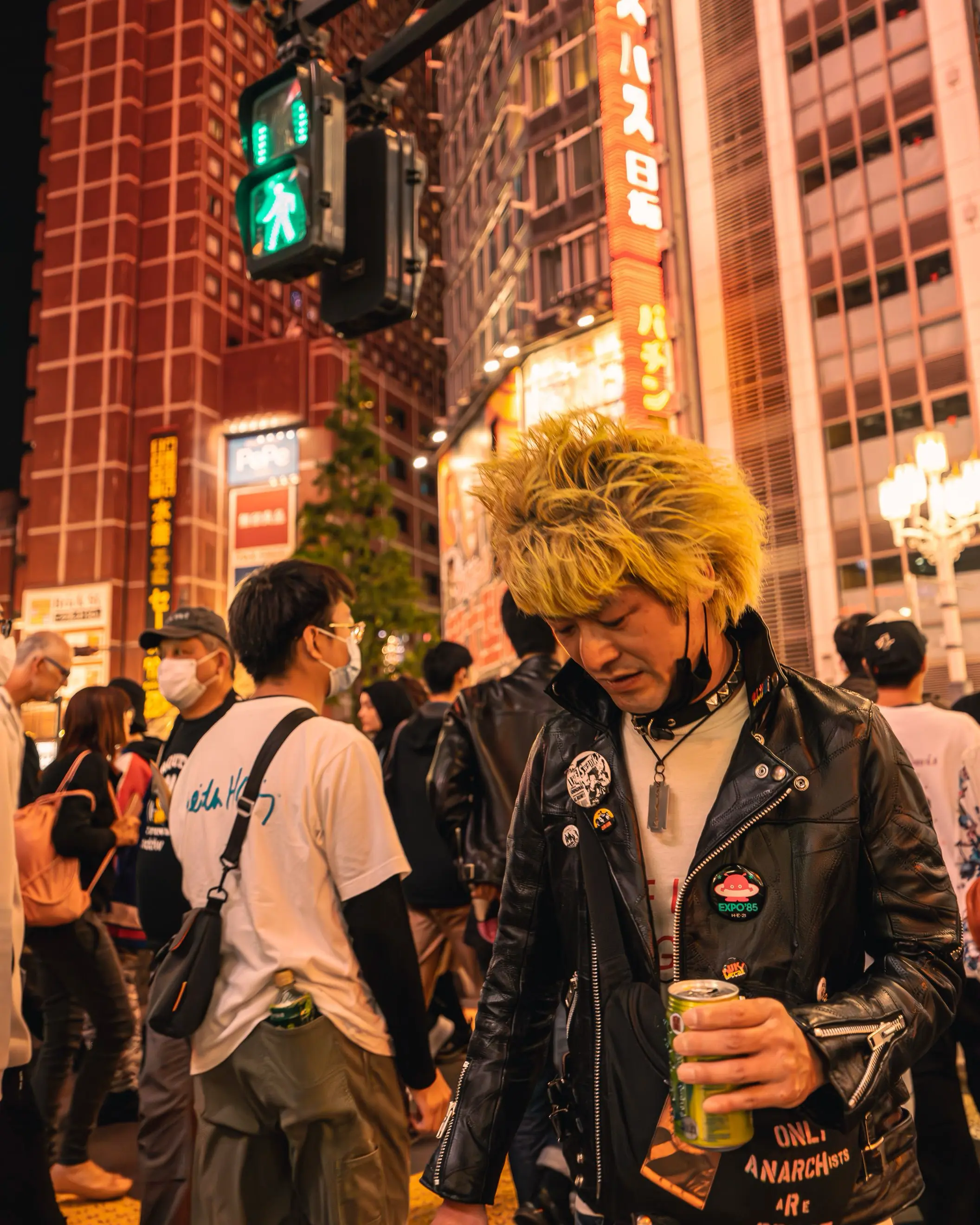
Tokyo has a reputation for being expensive that the actual numbers do not fully support — the issue is that people price hotels and assume that is the city.
Food: The Range Is Wider Than Most Nomads Expect
You can eat well in Shinjuku for ¥1,500 a day or ¥4,000 a day, and the difference is almost entirely about where you sit, not what you eat.
Nakamuraya Shinjuku — basement food hall on the west side; hot lunch sets from ¥900, no English menu required, reliable quality Monday through Saturday
Omoide Yokocho — yakitori alley behind the west exit; skewers from ¥200 each, best visited after 7pm when the smoke is worth it; not a working café, purely for dinner
Isetan basement food hall — prepared meals and bento from ¥600 to ¥1,200; buying dinner here three times a week versus sitting down at a restaurant saves roughly ¥15,000 a month
Self-catering from Seijo Ishii at Takashimaya Times Square — premium imported groceries, cheese, wine; monthly grocery spend for self-catering around ¥35,000–¥45,000 at this tier
The honest monthly food budget is ¥60,000–¥80,000 if you cook four nights a week and eat out the rest — less than Paris, comparable to Berlin, and the quality floor is higher than either.
Coworking and Workspace Costs
A dedicated desk in Shinjuku is a different decision from a café habit — both work, but the maths only favours coworking if you need reliable meeting infrastructure or a mailing address.
The Garden Shinjuku — hot desk from ¥2,500/day or ¥25,000/month; private booths for calls, standing desks, ground floor café access included
Business Airport Shinjuku — drop-in from ¥330/30 minutes; useful for single call-heavy days without committing to a monthly plan
Monthly café spend if you work from cafés daily: roughly ¥18,000–¥22,000 at ¥600–¥700 per session; add ¥3,000–¥5,000 for food orders to justify the seat
The remote worker math: coworking monthly pass saves money versus daily café visits the moment you hit 12 or more working days per month
Most nomads in Shinjuku end up splitting it — coworking three days a week for calls and collaboration, cafés the rest — and the combined cost stays well under ¥30,000/month.
Total Monthly Budget: What to Actually Plan For
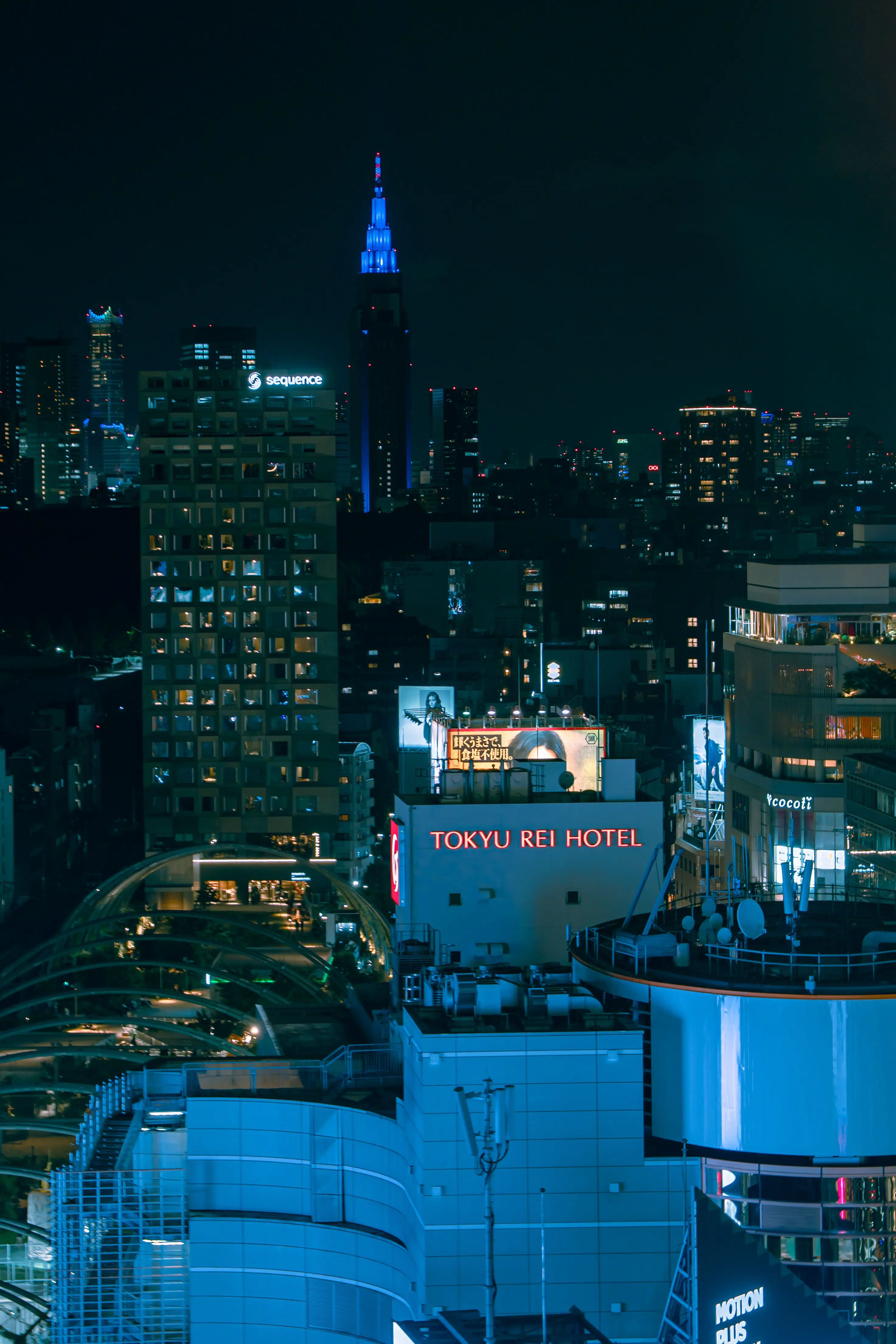
The number that matters is the all-in figure, not the rent line in isolation.
Housing (furnished studio, Gyoen area, remote platform): ¥130,000–¥160,000/month including utilities
Food and drink (mixed self-catering and eating out): ¥65,000–¥80,000/month
Transit (Suica top-ups, occasional day passes): ¥8,000–¥12,000/month
Workspace (hybrid café and coworking): ¥20,000–¥28,000/month
You can keep groceries under ¥4,000 a week while eating well — Odakyu Halc basement and the Takashimaya Food Hall both stock affordable bento and fresh produce a five-minute walk from Shinjuku Station's south exit.
The realistic all-in monthly budget for a single remote worker in Shinjuku is ¥225,000–¥280,000 (roughly €1,350–€1,680 at current rates) — not cheap by Southeast Asian standards, but below London and Sydney for a comparable central location and quality of life.
Visas, Legality, and Staying Longer in Japan
Japan does not currently offer a formal digital nomad visa, and that single fact shapes every decision about how long you can stay and how you structure your time here.
The Current Visa Reality for Remote Workers
Most nomads enter Japan on a tourist visa waiver and work remotely for their home-country employer — this is the default, and Japan does not currently prosecute it in the way some countries do, but it is not a grey area you should be casual about.
Tourist visa waiver: 90 days for most Western passport holders, no extension available in-country; after 90 days you leave and re-enter, which works until it doesn't
Japan digital nomad visa: as of 2025, Japan has announced but not yet fully implemented a dedicated digital nomad visa — track updates through the Japan Tourism Agency directly rather than third-party nomad guides that may be outdated
Tokyo Regional Immigration Services Bureau — Minato ward; if you are staying longer than 90 days under any category, this is where you deal with extensions and status queries in person
Working holiday visas (available for certain nationalities under 30) — a legitimate route that allows freelance income earned in Japan; check eligibility before you book a one-way ticket
The japan digital landscape for long-stay remote work is genuinely improving, but the honest nomad guide answer in 2025 is still: plan for 90 days, treat anything longer as a bonus, and do not make a financial commitment to a six-month apartment lease until the visa is in your hand.
Practical Registration and Admin
If you do stay longer than a few weeks, a few administrative steps make your daily life meaningfully easier and some are legally required depending on your visa category.
My Number card — required for residents on long-stay visas; enables online tax filing, social services access, and increasingly, bank account verification
Shinjuku City Hall on Kabukicho-dori — handles residency registration for the ward; open Monday–Friday, queue by 9am if you want to be done by 10am
Japanese bank account: harder to open as a short-stay visitor; Sony Bank and Wise are the practical workarounds most nomads use for the first 90 days
SIM card: IIJmio and NTT Docomo tourist SIMs are available at Narita and most electronics shops; a data-only SIM from ¥1,500/month is sufficient if your apartment has fixed broadband
None of this is complicated once you have done it — it is just front-loaded admin that rewards anyone who reads a current nomad guide before landing rather than figuring it out at the city hall counter.
Is Shinjuku the Right Tokyo Base for You? An Honest Answer
Who Shinjuku Actually Works For
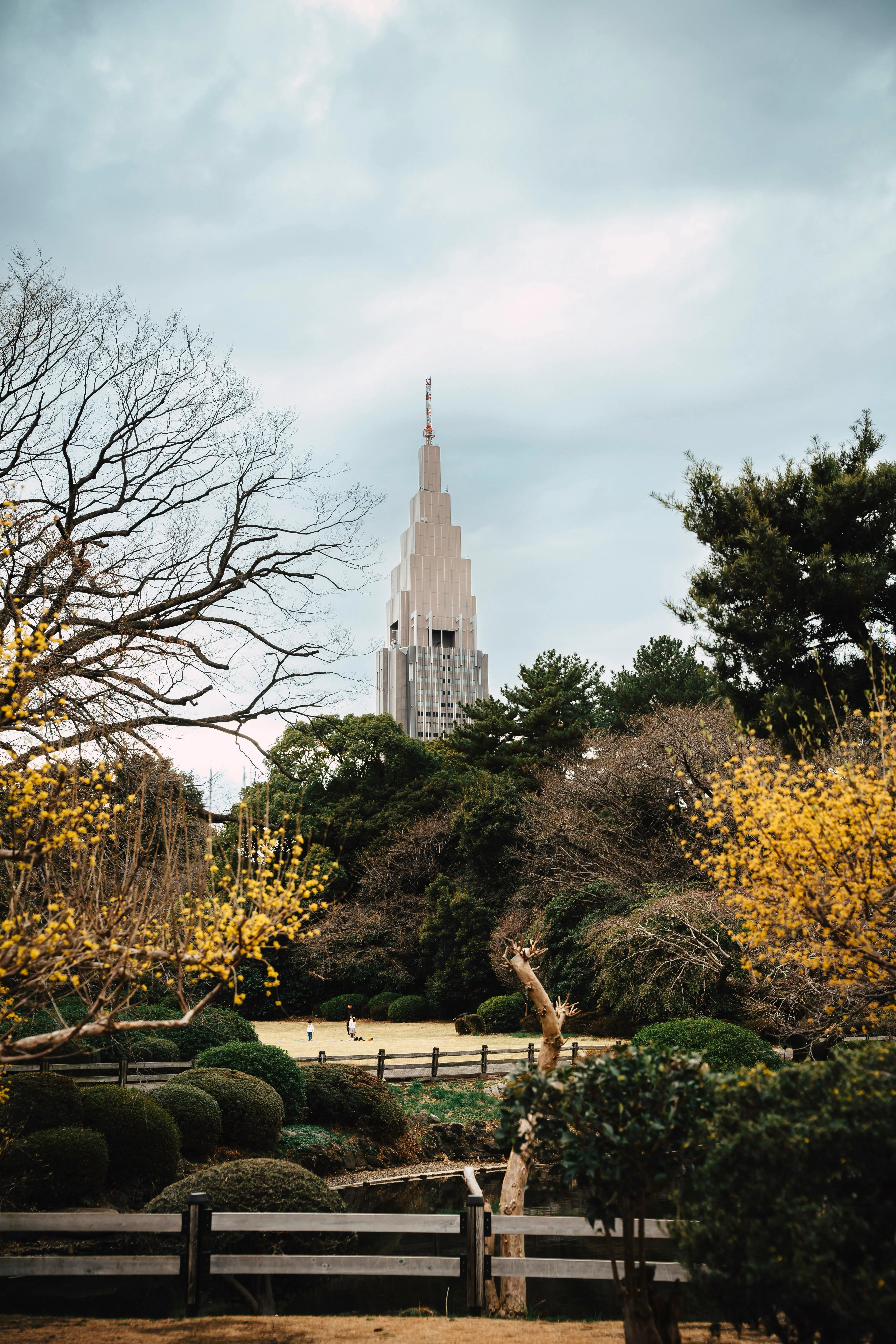
If your priorities are transit reach, reliable infrastructure, and lower rent than Shibuya or Minato, Shinjuku is a strong match — but only if you are willing to be deliberate about where you work.
Transit access covers almost every Tokyo line from a single interchange, making ward-hopping genuinely practical
Rent runs lower than Shibuya and Minato for comparable apartment quality and central positioning
Coworking, convenience infrastructure, and housing density are as high here as anywhere in central Tokyo
Nomads arriving from other Asian capitals consistently note the reliability: the internet works, the trains run, the systems hold
The density of options — housing, transit, food, coworking — at this price point is something almost no other central ward in Tokyo can match.
Who Should Look Elsewhere
Shinjuku is a poor fit for nomads who need street-level quiet, a village atmosphere, or café culture that runs on social openness rather than precision.
There is no beach within an hour, and no sub-neighbourhood choice changes that fact
Street-level noise in Kabukicho and the station surrounds is a constant, not a peak-hour problem
Cafés in Shinjuku are good but not set up for long social work sessions in the way Bangkok or Lisbon cafés are
If silence and a neighbourhood-that-feels-like-a-village is the requirement, no amount of optimising your location within the ward resolves it
What Tokyo offers instead is precision, efficiency, and a daily quality of life that is genuinely easy to underestimate until you have lived it for three weeks.
If Shinjuku's density wears you down after a month, Shimokitazawa or Nakameguro are the logical next step — rents are comparable but the pace drops sharply and co-working options have improved since 2023.
The Decision Framework Before You Book
Pick the ward before you pick the apartment — in Shinjuku and anywhere else in Japan — and give yourself at least two weeks before concluding you got it wrong.
Spending the first week exploring sub-neighbourhoods on foot is more useful than any amount of pre-arrival research
The same ward-first logic applies to fully furnished apartments in Japan in Osaka, Kyoto, and Fukuoka
Two weeks is the minimum before the daily rhythm of a Tokyo ward becomes readable enough to judge fairly
Most nomads who leave Shinjuku early cite noise or café culture — both of which are legible before arrival if you ask the right questions
The nomads who get the most out of Shinjuku are the ones who arrived knowing exactly what they were trading and what they were not.
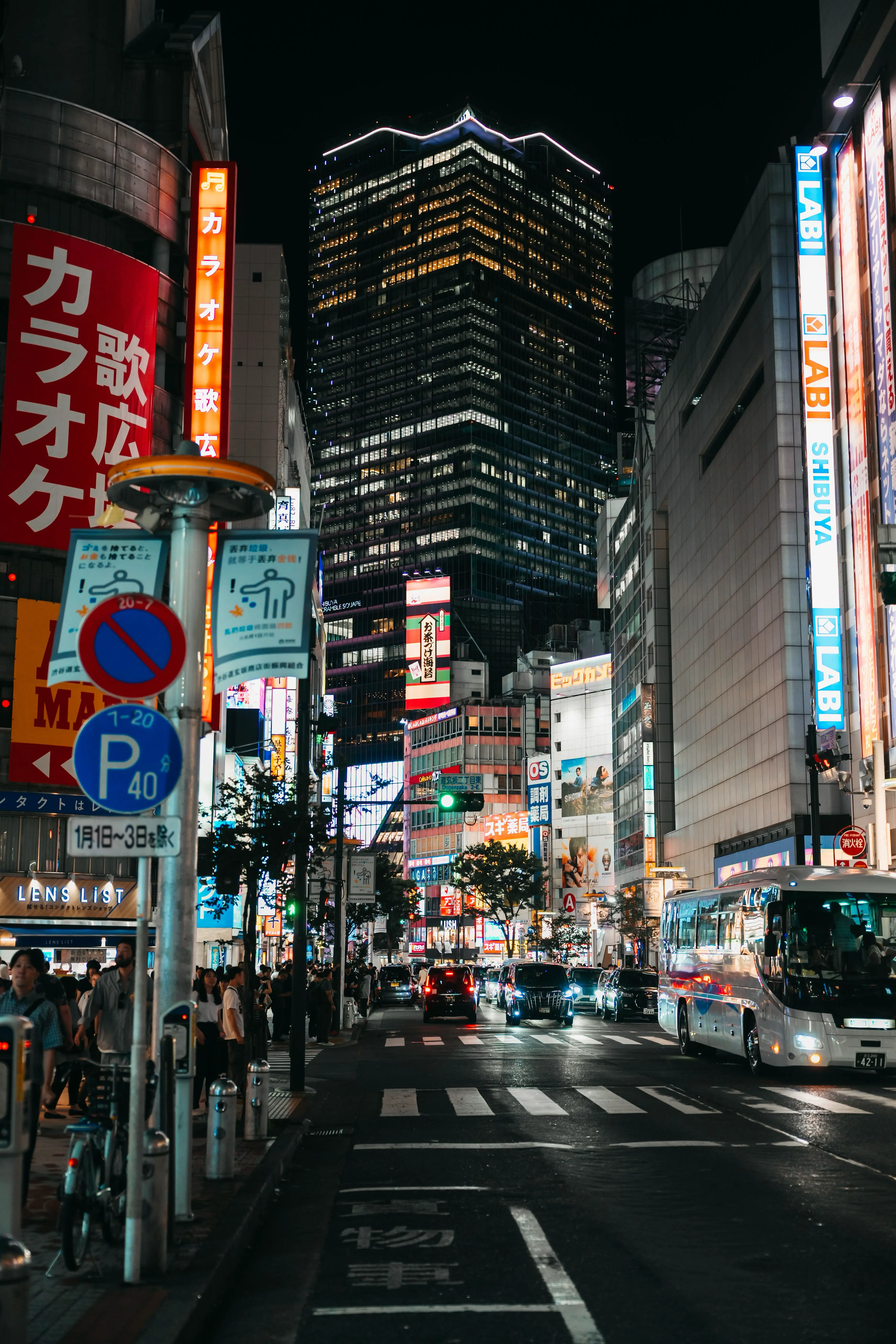
Start Your Shinjuku Chapter the Right Way: A Digital Nomad Guide to Landing Well
Shinjuku rewards the nomad who comes prepared. Lock in your neighborhood before you land, book a fully furnished place for at least a month, and let the ward's rhythm teach you the rest. The Wi-Fi is fast, the convenience stores are open at 3 a.m., and the ramen is always worth the queue.
The learning curve is real — transit cards, garbage sorting rules, the quiet etiquette of a packed train — but it flattens quickly when you have a proper base to come home to. A furnished apartment in the right sub-neighborhood cuts that adjustment time in half and lets you get to actual work, actual exploration, and actual living.
Whether you stay for a month or end up extending to six, the infrastructure here bends around the way digital nomads actually work. Browse fully furnished apartments in the country to compare Shinjuku with Tokyo's other wards and cities — then pick the one that fits your pace, your budget, and the version of Japan you came here to find.