Jordi
Writer ·
San Sebastián works for remote work in a way that surprises most people who come expecting a beach holiday. The WiFi is fast, the city is small enough to walk across, and the quality of the food means you eat better here than almost anywhere else in Spain for the same money. The trade-off is that the rental market is tight, prices have climbed sharply, and if you arrive without doing the groundwork, you will pay a premium for the privilege of figuring that out late. This guide covers:
Which neighbourhoods actually suit remote workers — and what each one costs you
Where to find a rental that fits your timeline and budget
What Zurriola Beach and La Concha look like to live near, not just visit
The Old Town question: atmospheric but liveable?
What monthly expenses look like for someone working remotely
The practical mechanics of signing a lease or short-term contract
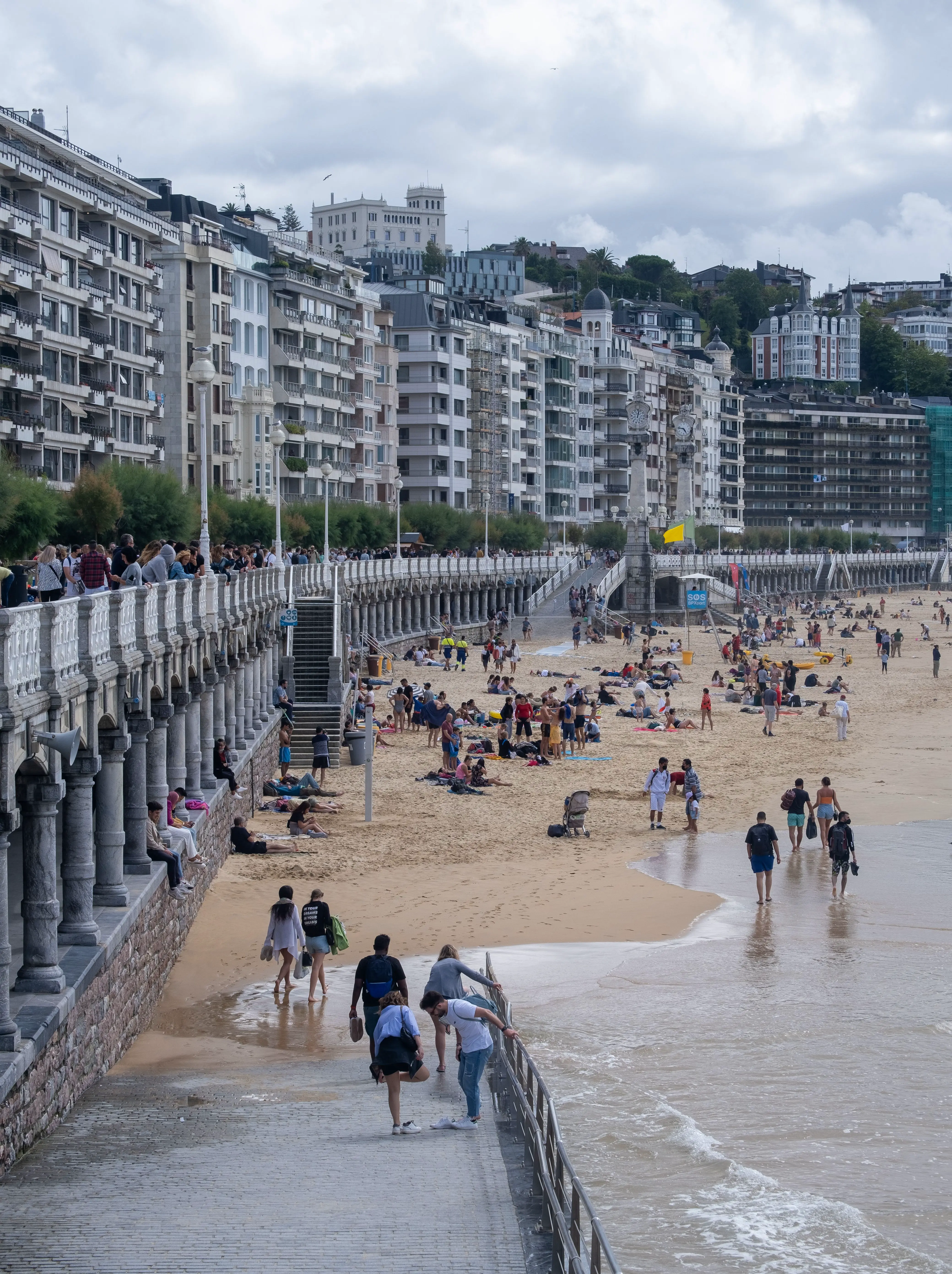
Why San Sebastián Works — and Where It Pushes Back
The Scale Advantage — and What It Costs You
San Sebastián's size is its strongest selling point, but it creates a rental market with almost no slack in it.
The city centre is walkable end to end in 20 minutes — you genuinely do not need a car
Population sits around 186,000, which keeps neighbourhoods distinct without making them inconvenient
Inventory for stays under six months is genuinely limited, not just competitive
Landlords know the demand is there — expect little negotiating room on price or terms
This is not Barcelona, where a bad month just means you try a different neighbourhood; here, if you miss a listing, you often wait weeks for the next comparable one.
Basque Country Pricing: Set Your Budget Correctly Before You Start
San Sebastián prices above the Spanish average in almost every category, and the gap is wide enough to wreck a budget that was built on generic Spain assumptions.
A studio that lists for €750 in Zaragoza typically goes for €1,000 here
A menú del día runs €14–€15, compared to €12 in Bilbao
The Basque Country premium applies to utilities, services, and groceries, not just rent
Six-month-minimum leases are more common than in other Spanish cities, which affects cash-flow planning
The city earns the premium — but only if you priced it correctly before you arrived.
Where the Daily Budget Gets It Back
The pintxos bar economy is not a tourist gimmick; it is a functioning, affordable food infrastructure that changes your monthly arithmetic if you use it the way locals do.
Bar Néstor charges €2.50 a pintxo at quality that matches a sit-down restaurant
Eating standing at the bar rather than taking a table cuts a meal cost by 40–50 percent
Infrastructure across the city is excellent — streets feel safe at any hour, which reduces the friction and cost of getting around at night
The combination of walkability and bar culture means transport and food costs are lower than the headline rent figure suggests
If you eat the way locals eat rather than the way tourists eat, San Sebastián is meaningfully cheaper to live in than it first appears on paper.
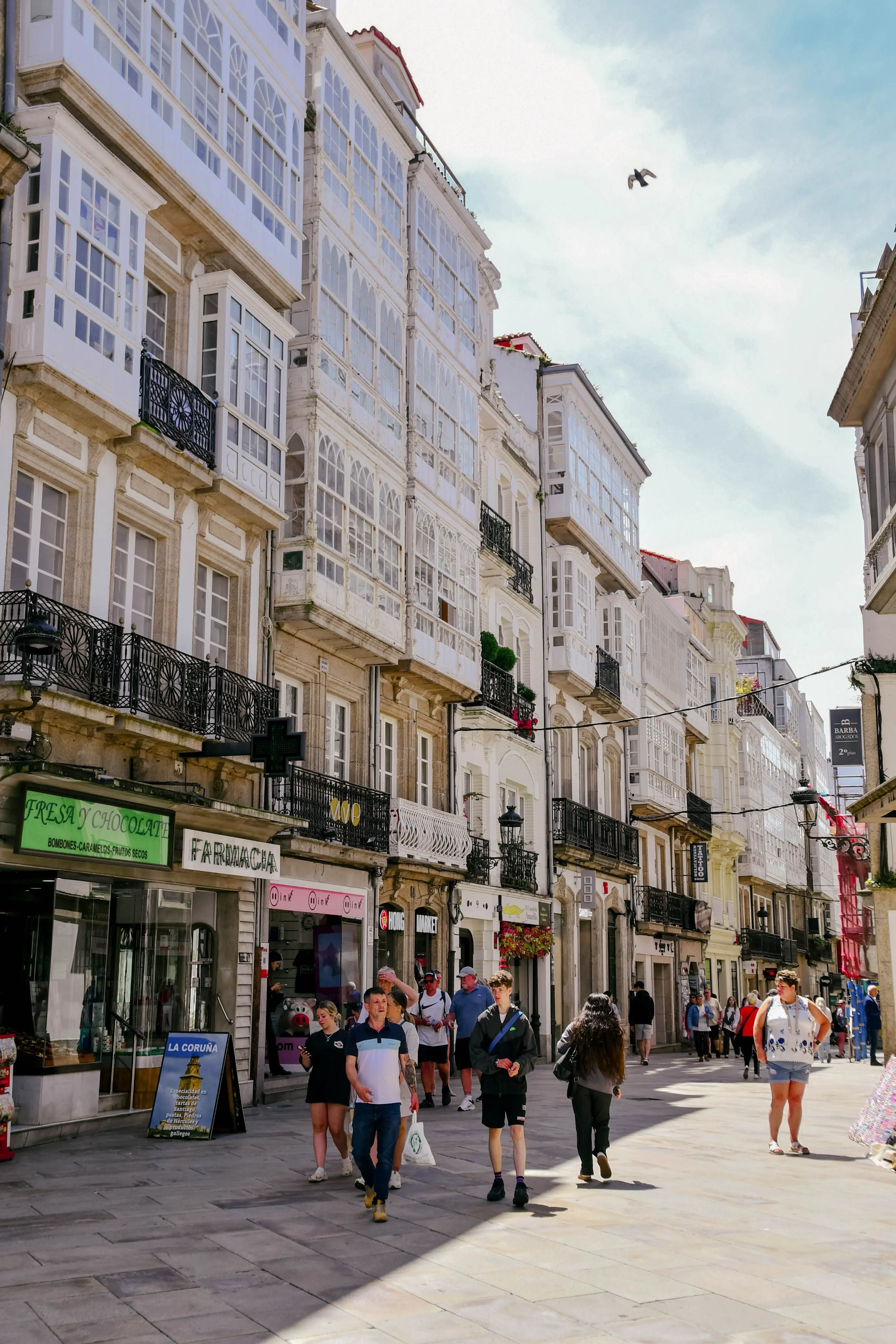
San Sebastián Neighbourhoods: Choosing Where to Base Yourself
Where you rent in San Sebastián changes what your working day feels like more than almost any other decision you will make. The city is small but the neighbourhoods have genuinely different rhythms — and the price gaps between them are large enough to matter.
Neighbourhood | Monthly Rent (Studio) | Vibe | Best For | Key Advantage |
|---|---|---|---|---|
Parte Vieja (Old Town) | €1,100–€1,400 | Loud, social, tourist-facing | Short stays, social workers | Everything walking distance |
Gros | €900–€1,200 | Local, relaxed, surf-adjacent | Remote workers, longer stays | Zurriola Beach access, quieter streets |
Centro / Amara | €800–€1,100 | Residential, practical | Budget-conscious longer stays | Best value, real neighbourhood feel |
Antiguo / Ondarreta | €950–€1,250 | Calm, family-oriented | Writers, deep-focus workers | La Concha access without tourist density |
Ategorrieta | €750–€950 | Quiet, residential | Long-stay budget stretchers | Lowest rents close to centre |
Gros is where most remote workers end up after their first week of looking, and for good reason — it has the right balance of local life and practical infrastructure without the noise penalty of the Old Town. But the section below on each neighbourhood will tell you where that logic breaks down.
Gros: The Neighbourhood That Actually Works for Remote Workers
Gros is the answer to the question most remote workers in San Sebastián are really asking: where can I live like a local, work without interruptions, and still be five minutes from the water?
Kafe Botanika — flat whites for €2.80, solid WiFi, fills up after 10am so arrive earlier if you need a table
Studios from €900/month on Calle Peñaflorida; 1-bed apartments from €1,100–€1,200 depending on floor and light
Zurriola Beach is a five-minute walk from most of the neighbourhood — it is a working beach, not a tourist spectacle, which means it stays calmer in the mornings
Cristina Enea Park is the best free lunch-break decision you will make — 10 minutes on foot, genuinely quiet on weekdays
The one honest caveat: Gros is not cheap anymore, and the rental market here moves fast — good apartments get taken within days, sometimes hours, of listing.
Browse San Sebastian homes near this area
Old Town: Atmosphere That Costs You Sleep
The Old Town is where San Sebastián is most itself — cramped medieval streets, pintxos bars stacked shoulder to shoulder, noise until 2am on a Tuesday — and that is exactly why most remote workers should think twice before renting there.
Rents run €1,100–€1,400 for studios, which is high even by San Sebastián standards, partly because short-term tourist demand keeps the floor elevated
La Bretxa Market is 300 metres away — fresh produce, reasonable prices, open mornings — which is the main practical argument for being here
Noise is a real issue: the bar strip on Calle Fermín Calbetón does not quieten until the early hours, and the streets amplify sound
Finding a furnished apartment through a standard rental platform here is harder — much of the Old Town stock cycles through tourist lets
If you are here for two weeks and want to be inside the experience rather than observing it, the Old Town makes sense — but for a month or more, the sleep deficit compounds.
Browse San Sebastian homes near this area
Centro and Amara: The Underrated Choice
Centro and Amara are where people who have lived in San Sebastián for years actually live, and the rental prices reflect that this is a residential market rather than a tourist one.
Studios from €800–€900/month on streets like Calle Easo or around Plaza de Gipuzkoa — genuine value for the city
The Social Hub Coworking is a short walk from Amara and costs around €120/month for a hot desk — worth it if café noise is a problem for your work
The neighbourhood is quieter than Gros, which you will either find restoring or slightly dull depending on what you came to San Sebastián for
Bus and local train connections from Amara make day trips to Zarautz, Hondarribia, or Bilbao easy without needing a car
Centro and Amara will not give you beach access in the morning, but they will give you the most liveable-to-cost ratio in the city — and that matters if you are staying more than six weeks.
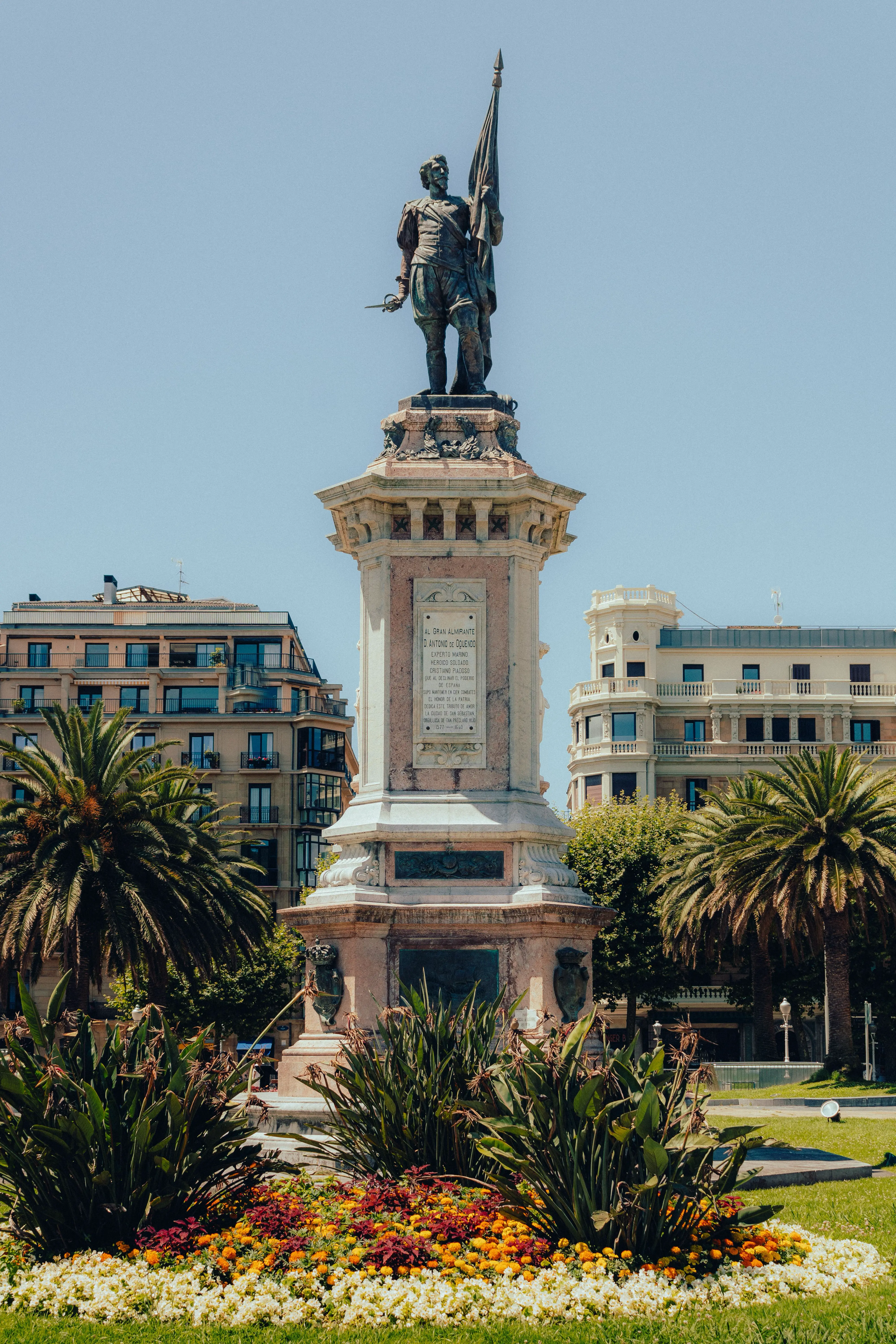
Once you know which neighbourhood fits your working rhythm, the next question is how to find a rental that fits your actual timeline — which is where San Sebastián starts pushing back harder than most cities its size.
Find fully furnished apartments in San Sebastián curated for digital nomads
Browse San Sebastian homes near this area
How to Find a Rental That Fits Your Timeline in San Sebastián
San Sebastián's rental market is not hostile — but it is not set up for the way most remote workers operate. The standard lease is 12 months. Furnished short-term rentals exist but they price at a premium and go fast. If you want something in the middle — say, two to four months, furnished, with reliable internet — you will need to work for it.
Platforms and Where the Inventory Actually Lives
The listings are spread across more platforms than most cities, which means checking just one source misses a significant share of what is available.
Idealista — the main long-term rental platform in Spain; filters for furnished and by neighbourhood work well; set an alert because good listings move within 48 hours
Habitaclia — stronger on shorter-term furnished inventory than Idealista, particularly in Gros and Centro
Uniplaces — aimed at students but carries furnished studio inventory that suits remote workers; prices are transparent and contracts are bilingual
Local Facebook groups — search "Alquiler San Sebastián" or "Alquiler Donostia" — not glamorous, but landlords who want to avoid agency fees post here and sometimes offer more flexible terms
The agency fee question is worth understanding upfront: Spanish law changed in 2019 so that agencies can no longer charge tenants a finder's fee — but some still try, especially with foreign renters who do not know the rule. You do not pay it.
Short-Term vs. Long-Term Contracts: What to Know Before You Sign
Spain's rental law distinguishes between arrendamiento de vivienda (residential lease, 12-month minimum with tenant protections) and arrendamiento de temporada (seasonal lease, often used for stays of one to eleven months) — and that distinction affects your rights significantly.
A seasonal lease gives the landlord more flexibility to end the contract — read the termination clause carefully before signing anything under 12 months
Deposits are typically one to two months' rent; for furnished apartments, expect the higher end — budget €2,000–€2,500 up front for a studio in Gros
Internet quality varies by building age — ask specifically for the provider and speed before you sign; Movistar and Euskaltel are the dominant providers in the Basque Country, and most modern buildings in Gros or Centro have fibre
Heating matters more than it does in southern Spain — San Sebastián winters are genuinely wet and cold, and an apartment without adequate heating is a miserable place to work from November through February
If your stay is under six weeks, the maths almost always favours a furnished apartment over a hotel — but only if you book two to three weeks in advance rather than arriving and looking.
Explore Parte Vieja in our neighbourhood guide
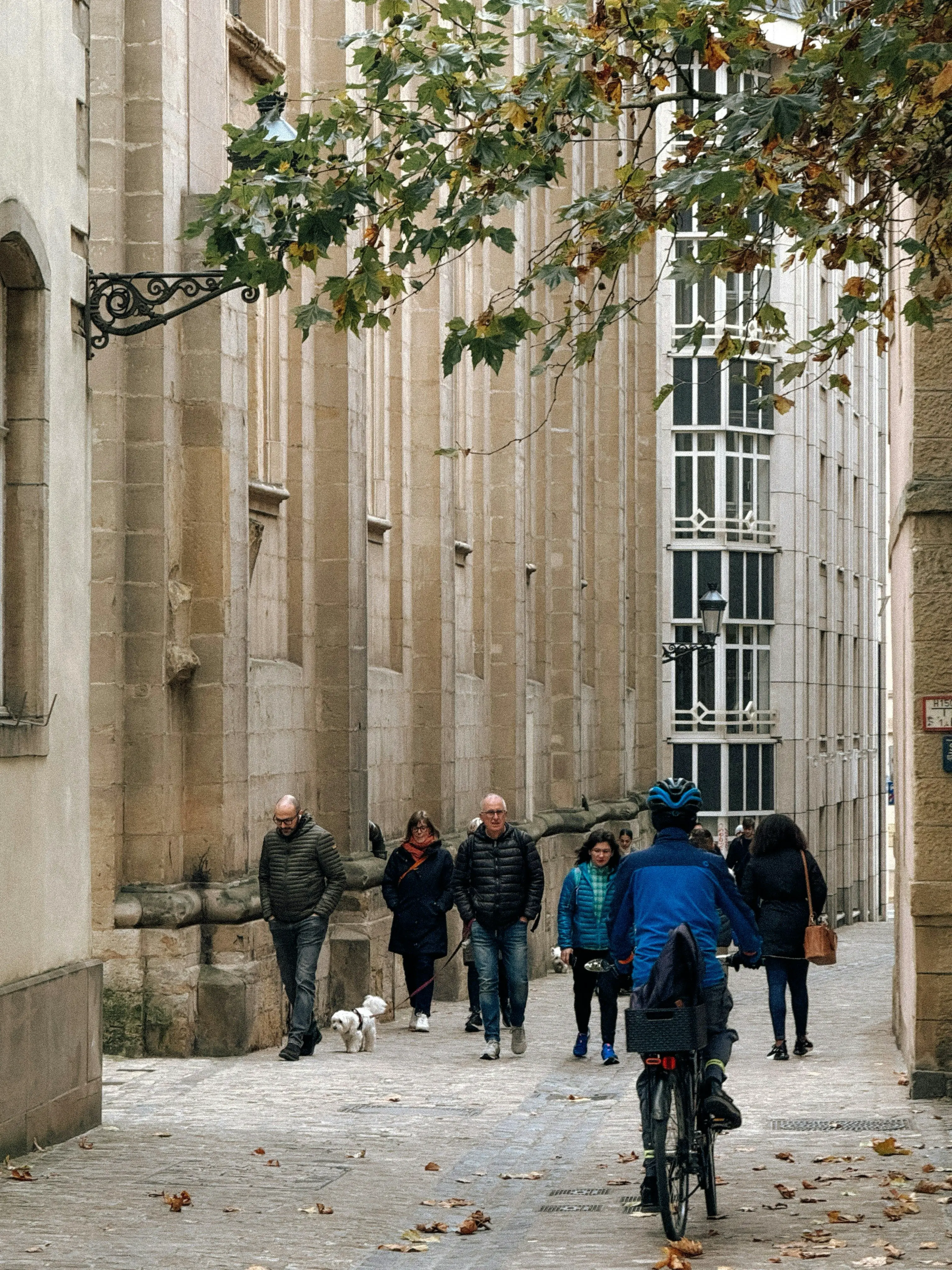
Living Near La Concha and Zurriola Beach: What It Is Actually Like
Both beaches are real — large, well-maintained, and genuinely usable on a working day — but they attract different people and sit in different parts of the city. Choosing between them is partly a lifestyle question and partly a budget one.
La Concha: The Postcard That Is Also a Neighbourhood
La Concha is the famous curved bay, and living near it in the Antiguo or Ondarreta areas means you are in one of the quieter residential corners of San Sebastián — which is not what most people expect when they see the tourist photography.
Rents in Antiguo run €950–€1,200 for a studio — slightly lower than Gros because it is further from the city centre on foot
Kontxa Pasealekua is the morning walk: 4km along the bay, mostly locals before 9am, completely free
Café Bar Victoria in Ondarreta — coffee for €1.50, outdoor tables, local crowd, no laptop competition before noon
The area goes quiet after 9pm — genuinely quiet — which is either ideal or isolating depending on your rhythm; the Old Town is a 25-minute walk or a short bus ride
La Concha as a neighbourhood suits a particular kind of remote worker: someone who wants to think clearly, walks in the mornings, and does not need the city to be loud to feel like they are in it.
Zurriola Beach: The Working End of the Waterfront
Zurriola Beach faces north and catches Atlantic swell that La Concha does not — which is why the surf crowd is here, and why the neighbourhood behind it has a different energy than the sheltered bay side of the city.
Gros sits directly behind Zurriola Beach; the beach walk takes four minutes from most streets in the neighbourhood
Mugi Surf School on the Zurriola Beach promenade — classes from €35 — worth knowing if your mornings need a purpose beyond coffee
The beach is wider and less crowded than La Concha outside July and August; from September to June you can work on the sand with a laptop in the afternoon without competing for space
Haizea Bar on Calle Zabaleta — pintxos from €2.20, fills from 7pm, genuinely local crowd — this is the after-work institution in the neighbourhood
Zurriola Beach and the Gros neighbourhood behind it is the combination that makes San Sebastián feel sustainable for longer stays — the beach is functional rather than decorative, and that changes how you use it.
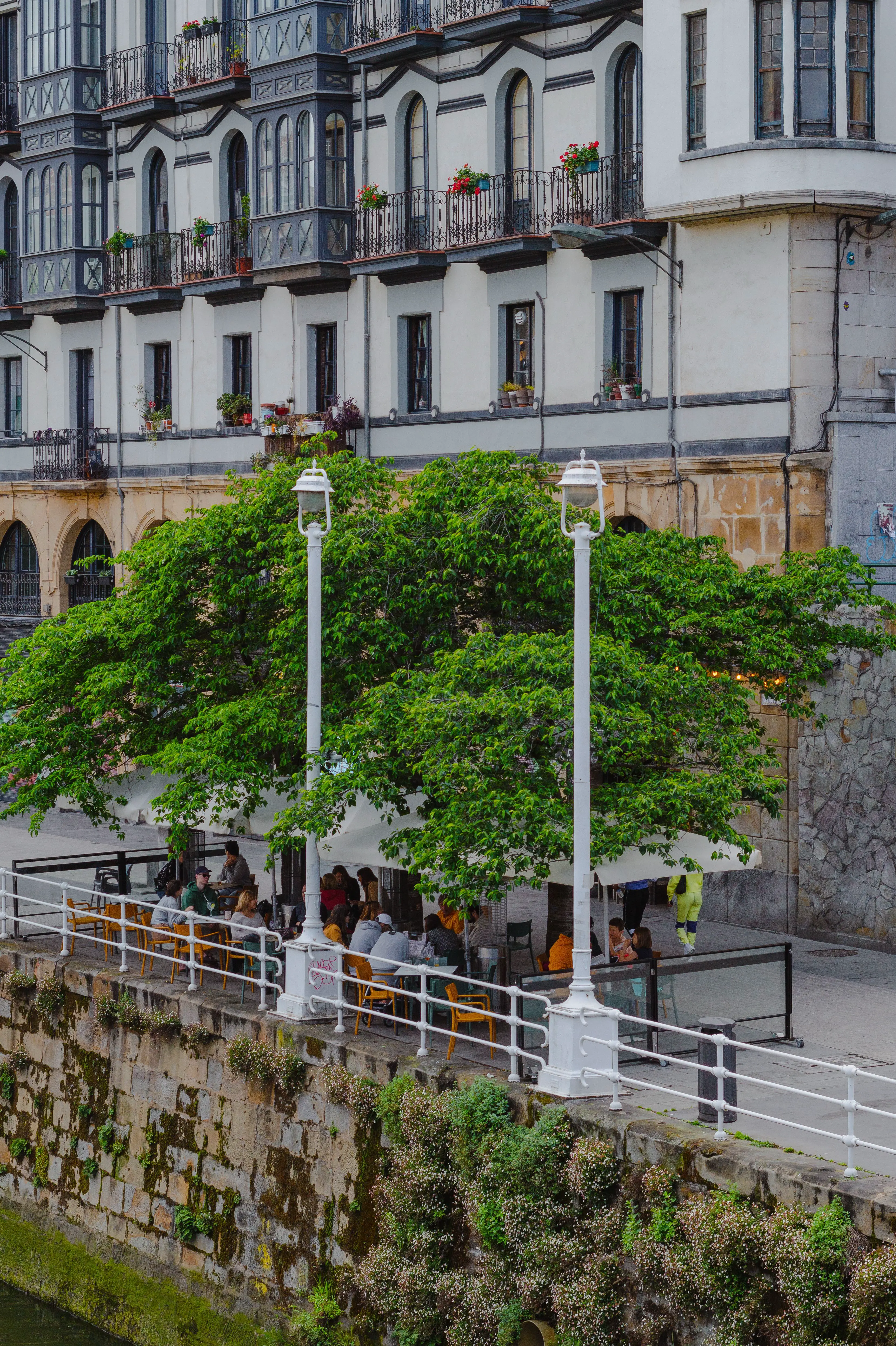
Getting Around San Sebastián Without a Car
San Sebastián is small enough that a car creates more problems than it solves — parking is expensive, the centre is largely pedestrianised, and most of what you need is already within a 20-minute walk or a short bus ride.
The Bus Network: Functional and Cheap
Dbus, the local city bus network, connects every neighbourhood that matters — and at €1.85 a trip or around €35 for a monthly pass, it is one of the few places in San Sebastián where the bill is genuinely low.
Dbus Boulevard Stop — the main hub on Alameda del Boulevard; lines 5, 16, and 26 cover Gros, Amara, and Antiguo without a transfer
Monthly Barik card costs €35–40 depending on zones; you load it at any Estanco San Martín on Calle San Martín in about three minutes
The Old Town to Antiguo run takes 12 minutes by bus — the same journey on foot takes 35 — worth knowing if you are choosing between those two neighbourhoods for your apartment
Frequency drops after 10pm; if you are working late in the Old Town and live in Ondarreta, factor in either a €10 taxi or a long walk
Most remote workers in San Sebastián stop thinking about transport within the first week — the city is compact enough that the bus fills every gap walking does not, and the monthly pass cost is negligible.
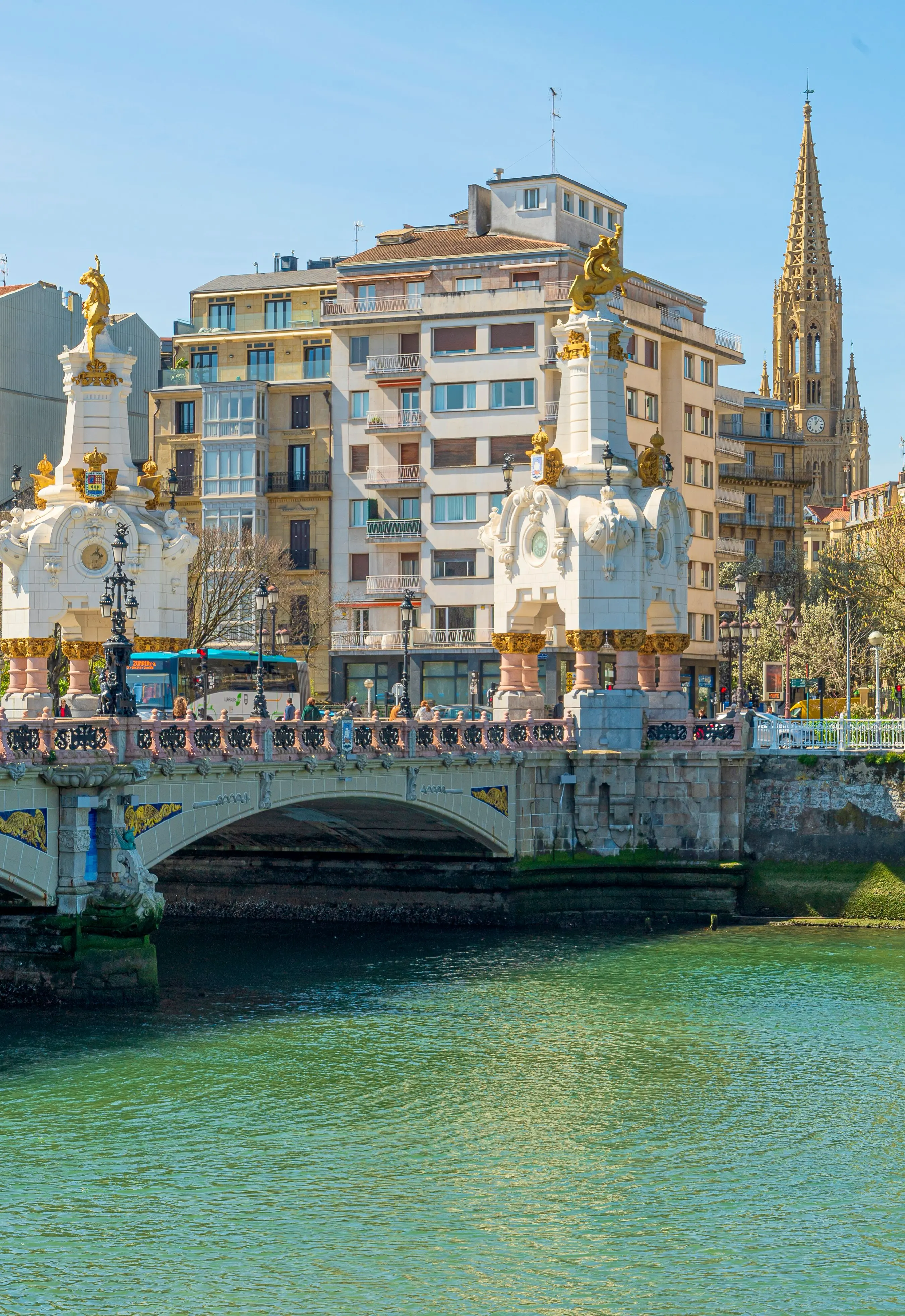
Cycling: Possible, Not Transformative
San Sebastián has a decent bike-share network and a seafront cycling lane, but the hills above the centre — particularly toward Ategorrieta and Miraconcha — make cycling a genuine physical commitment rather than a frictionless commute.
DBizi Bike Share Station Ategorrieta — annual subscription €15, bikes available at 17 stations across the city; the flat route from Gros to Antiguo along the seafront works well
The Urumea River path runs from Amara toward the bay — a flat 3km stretch that is genuinely pleasant for a morning ride before the tourist traffic starts
Avoid bringing an expensive personal bike unless you have secure indoor storage in your apartment; street parking for bikes is limited and theft is not unheard of
Cycling in San Sebastián is a good supplement to walking, not a replacement for the bus — use it for the flat seafront routes and leave the hills to Dbus.
Renting an Apartment in San Sebastián: What the Process Actually Looks Like
The rental market here is genuinely tight — there are fewer apartments available at any given moment than the demand from students, locals, and remote workers combined, and landlords know it. That imbalance shapes everything about how the process works.
What Landlords Actually Want From You
Most landlords in San Sebastián are private individuals — not agencies — and they are cautious about short-term rental options in a city where demand consistently outstrips supply.
Proof of income is standard: a contract of employment or three months of bank statements — without this, most landlords will not progress a viewing request
A Spanish bank account helps; some landlords will not accept international transfers, so opening an account with BBVA Donostia on Avenida de la Libertad early in the process is worth doing
Expect to pay one month's deposit plus the first month upfront — some landlords ask for two months' deposit on stays under 12 months, which is legal and common
Stays shorter than six months are harder to find and more expensive per month; anything under three months will typically only be available on tourist rental rates, not long-term rates
The rental process in San Sebastián is not complicated — it just requires more documentation and more lead time than you would need in Seville or Valencia, where the market has more slack.
Where to Find Furnished Apartments Available for Medium-Term Stays
The standard Spanish portals list available properties, but the fully furnished, medium-term rental options that remote workers need are a specific subset of what is on those platforms — and a small one.
Wallapop Donostia (app-based classifieds) — surprisingly active for furnished rooms and studios; filter by "alquiler" and check daily because good listings go in 48 hours
Fotocasa San Sebastián — larger portal than Idealista for furnished options specifically; set alerts for "amueblado" in Gros and Amara to catch new listings before they are reposted with higher prices
Local Facebook groups — "Alquiler Donostia-San Sebastián" has active listing activity and occasional direct landlord posts that bypass agencies entirely
Fully furnished apartments in San Sebastián through RentRemote filters specifically for remote-worker-ready rentals, which cuts the time spent ruling out unfurnished long-term options
The gap between what is listed and what is genuinely available is wider in San Sebastián than in most Spanish cities — checking every platform daily and responding within hours is not an exaggeration of what is required.
Timing Your Arrival Around the Rental Market
When you arrive in San Sebastián relative to the academic calendar has a direct effect on what is available and what it costs — the student population at the University of the Basque Country (EHU/UPV) creates a September surge that empties the already-thin rental market.
September is the worst month to arrive looking for an apartment; students have signed leases by late August, and whatever remains is priced accordingly
November through February is the most available window — fewer tourists, fewer students mid-year, and landlords more willing to negotiate on shorter stays
The San Sebastián International Film Festival runs in late September and causes a short-term spike in short-term rental prices — if you are arriving around that period, book before or plan to wait it out in a hotel
Arriving in winter is not a compromise — the city is quieter, the rental options are more available, and the Atlantic light in November is better than most people expect.
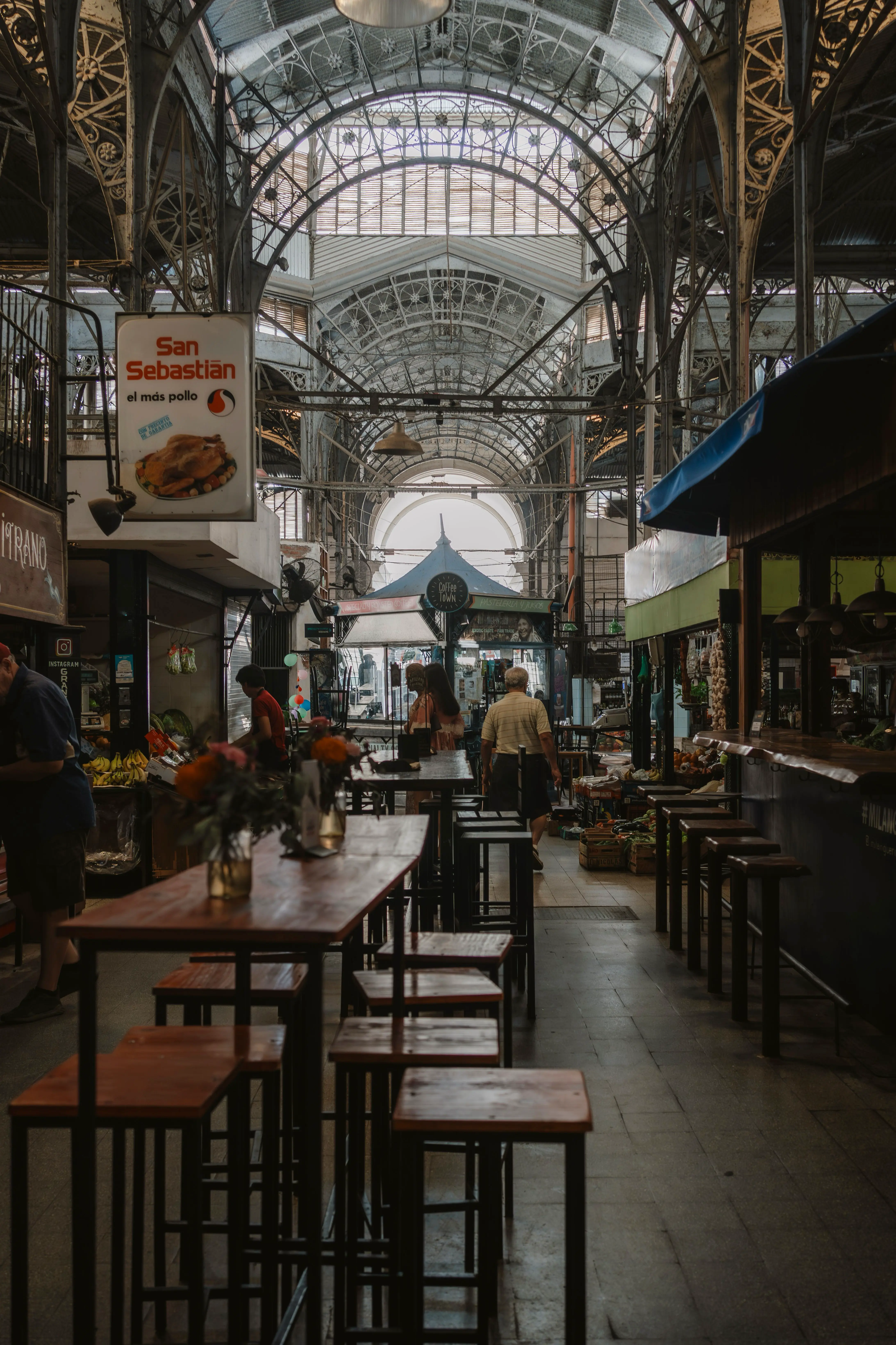
Day-to-Day Life in San Sebastián: What It Feels Like After Week Two
The first week in San Sebastián is spent orienting — learning which pintxos bars to trust at which hours, where the quiet morning café is, and how the rhythm of the city actually runs. After that, it either clicks or it does not.
Groceries and Daily Shopping
There are two speeds of grocery shopping in San Sebastián: the Eroski, which is efficient and covers everything, and the smaller local markets and specialist shops, which take longer and produce better food.
Eroski Amara on Calle Easo — largest supermarket in the centre, open until 9:30pm, weekly shop for one person runs €60–80; produce quality is adequate, not exceptional
Mercado de San Martín on Calle San Martín — covered market, fish counter open from 8am Tuesday–Saturday, the best place to understand why Basque cooking has the reputation it does; a piece of fresh hake for two costs around €6
Sagardotegia Petritegi outside the city in Astigarraga — a 15-minute drive or taxi — cider house season runs January to April, menu of cod and steak for €35 a head; worth one trip to understand how Basques actually socialise
After two weeks, most people in San Sebastián develop a split routine: Eroski for staples, the market for fish and produce on weekends — and the cider house once, because it changes the reference point for everything else.
Coworking and Cafés That Actually Work for Working
San Sebastián does not have the density of coworking spaces you find in Lisbon or Barcelona, which means choosing where you work becomes a decision that shapes your whole day — not just a morning detail.
Tabakalera on Plaza de las Cigarreras — a cultural centre with open working areas, reliable WiFi, good light, and a café on site; day access is free during open hours, which run until 8pm most days
Bidebarrieta Municipal Library on Calle Bidebarrieta — free, quiet, and genuinely professional atmosphere; no food or coffee allowed but the silence is worth the trade-off
Café Gorila on Calle Fermín Calbetón in the Old Town — espresso for €1.60, marble-topped tables, no music; arrives full by 10am so mornings before 9:30am are best for focused work
Most pintxos bars open at noon and become genuinely too loud for laptop work by 1pm — working from bars in San Sebastián is a morning-only option
Tabakalera is the most underused working space in the city — most visitors treat it as a cultural venue rather than a workspace, which means the tables by the windows are often empty on weekday afternoons.
Is San Sebastián Worth It for Remote Workers? An Honest Answer
What San Sebastián Actually Costs You
This city is more expensive than most remote workers budget for, and that gap catches people out in the first month.
Furnished apartment rentals run higher than in Valencia or Málaga, with fewer short-term options available at any given time
Committing to two months minimum is the threshold where costs start to make sense against the quality of life you get back
Arriving without a signed lease means competing in a tight market at a disadvantage — sort housing before you land
Budget accurately from the start: the city does not offer the workarounds that more transient-friendly cities do
San Sebastián is not trying to be affordable, and it will not pretend otherwise once you start looking for places to stay.
Who This City Actually Works For
San Sebastián rewards remote workers who do their research before arriving, not those who plan to figure it out on the ground.
Knowing which neighbourhood fits your routine matters more here than in cities with interchangeable central districts
Workers who treat it as a place to live — markets, rhythms, regulars — stay three to six months; those who treat it as a destination leave after one
The city suits people who want quality of daily life over social noise and an active expat scene
You will know within two weeks whether San Sebastián suits you — that feedback loop is unusually fast and reliable
The remote workers who extend their stay here almost always say the same thing: they stopped sightseeing and started living, and that shift changed everything.
When to Choose Somewhere Else Instead
San Sebastián is a poor fit if what you actually need is a louder, cheaper, more immediately social base — and there is no shame in admitting that.
Lisbon offers a more active expat infrastructure and lower day-to-day costs for workers on tighter budgets
Valencia and Barcelona both deliver the social immediacy and central energy that San Sebastián deliberately does not
If you need a city that bends toward transient visitors — coworking walk-ins, flexible short lets, busy hostel culture — this is the wrong choice
Find your base with fully furnished apartments in Spain and match the city to what your working life actually requires
San Sebastián delivers something quieter and more difficult to leave, but only if quiet and difficult to leave are what you were looking for in the first place.