Lukas
Tech & Digital Nomad Cultural Editor ·
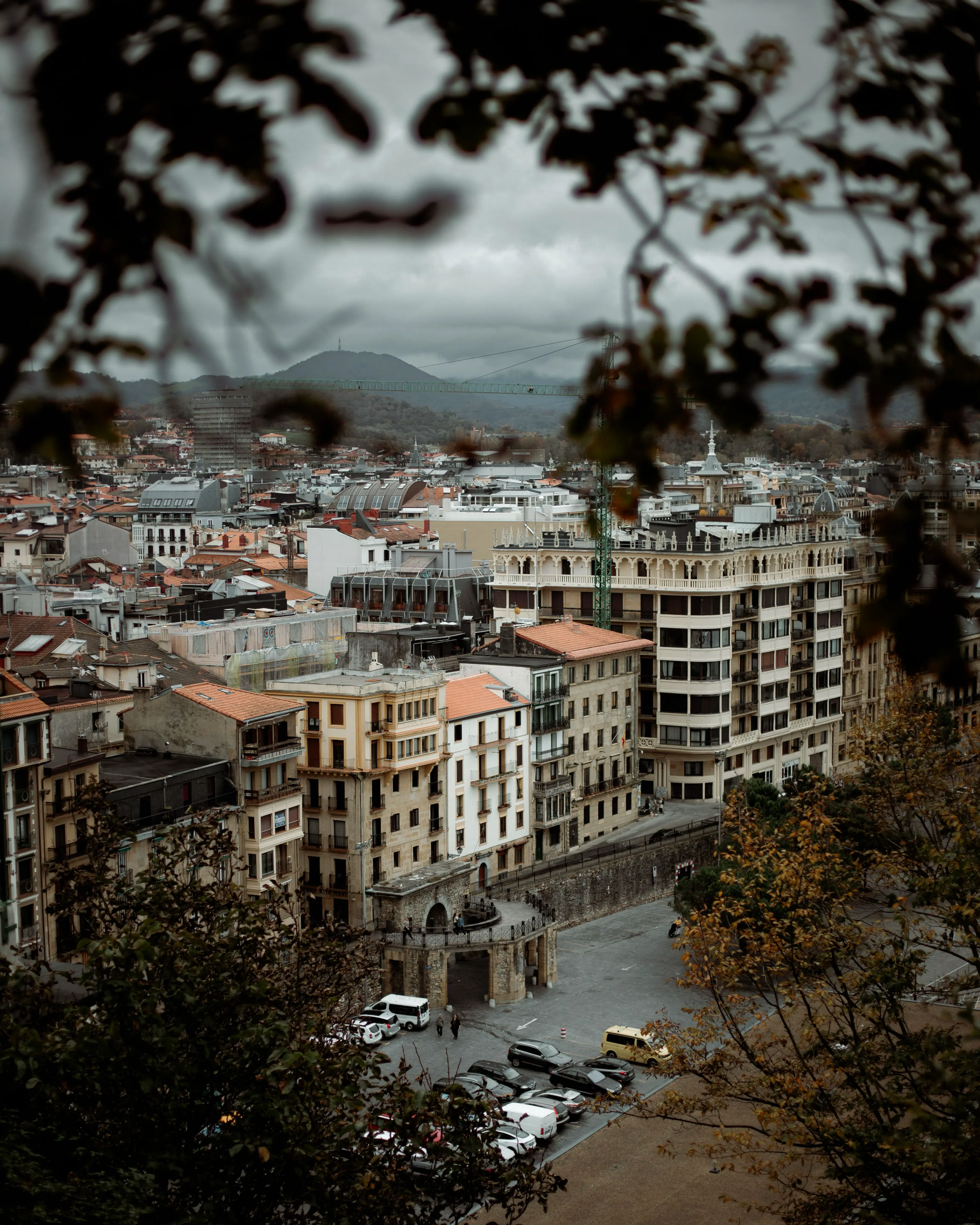
San Sebastián works because it refuses to be just a beach town or just a food city — it's both, and it does both better than almost anywhere else in northern Spain. The lush green hills, the La Concha beach curving below, the old town packed with pintxos bars open until midnight: the city has enough density to stay interesting for months. The trade-off is cost — San Sebastián is not cheap by Spanish standards, and finding good long-stay accommodation before you arrive takes more effort than people expect.
This guide covers:
The best things to do in san sebastian beyond the obvious tourist loop
Where to eat, drink, and work without burning through your budget in a week
The beaches, hikes, and outdoor options across the Basque coast
Day trips into French Basque Country and beyond
What the neighbourhoods actually feel like to live in
A few tips that take most people several days to figure out on their own
Understanding San Sebastián: What Kind of City This Actually Is
San Sebastián spain sits in the Basque Country, forty minutes from the French border, and it shares almost nothing culturally with southern Spain. The Basque language appears on every street sign. The food culture is built around txikiteo — bar-hopping with small plates — not sit-down meals. The architecture along the seafront is Belle époque architecture, not Moorish or Baroque. If you arrive expecting a typical Spanish city, it will disorient you in the best possible way.
San sebastián worth visiting is not a question that needs much answering — ten Michelin-starred restaurants holding eighteen stars total, one of the best urban beaches in Europe, and a film festival in September that turns the city briefly inside out. What needs answering is whether it suits your particular rhythm as a remote worker. If you need cheap coworking and a social nomad scene, look elsewhere. If you need a city that rewards slowing down, san sebastián worth it becomes obvious within forty-eight hours.
The Neighbourhoods at a Glance
San Sebastián divides into distinct zones that feel meaningfully different, not just geographically.
Parte Vieja (Old Town) — the narrow streets, the pintxos bars, the noise until 2am; great for a week, harder for a month
Gros — surf culture, younger crowd, cheaper rent, Zurriola beach on the doorstep
Centro — Belle époque architecture, closest to La Concha beach, highest rents
Antiguo — quieter, residential, near the Miramar Palace gardens; suits people who don't need the city centre within walking distance
Most remote workers who stay longer than two weeks end up in Gros or Centro — Gros for the price, Centro for the access.
San Sebastián, Spain sits on the Atlantic coast of the Basque Country roughly 20km from the French border, which explains why the food culture here reads as something between haute French cuisine and deeply traditional Basque cooking.
Explore Centro in our neighbourhood guide for a deeper look at where to stay, eat, and work.
Neighbourhood Comparison Table
Neighbourhood | Monthly Rent (1-bed) | Vibe | Best For | Key Advantage |
|---|---|---|---|---|
Parte Vieja | €1,400–€1,800 | Loud, social, food-focused | Short stays, food explorers | Everything walkable, pintxos on your doorstep |
Gros | €1,100–€1,500 | Relaxed, surf-adjacent, local | Long stays, budget-conscious nomads | Cheaper rent, Zurriola beach, good café scene |
Centro | €1,500–€2,200 | Elegant, quieter evenings | Couples, professionals | La Concha beach two minutes away |
Antiguo | €1,000–€1,400 | Residential, calm | Long stays, people who need quiet | Ondarreta beach, less tourist foot traffic |
Concha Beach, Zurriola, and the Rest of the Basque Coast
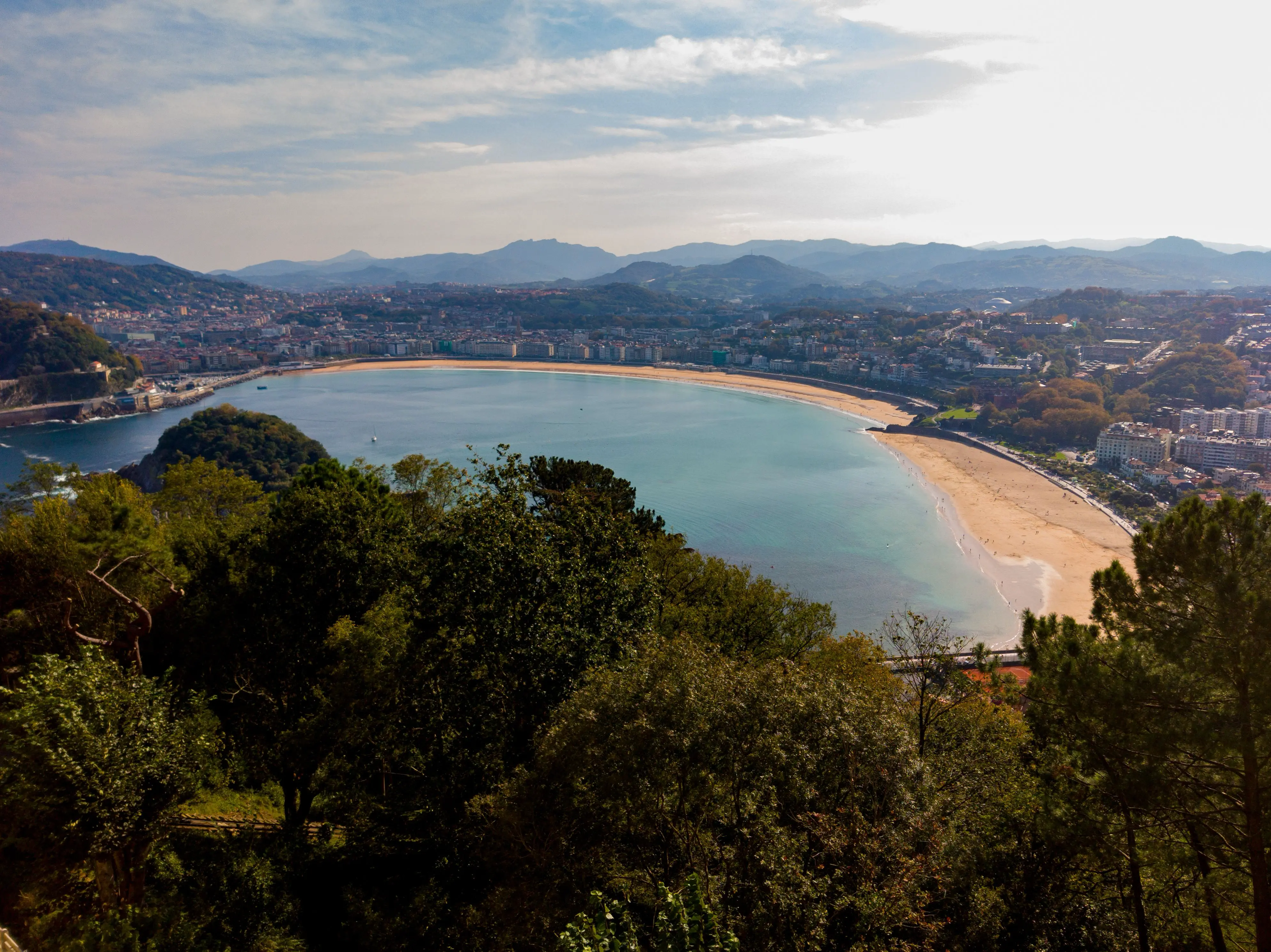
San Sebastián has three beaches, and they are not interchangeable. Choosing the wrong one for your mood is a real way to waste a morning.
La Concha Beach: The One Everyone Photographs
La Concha beach earns its reputation — the crescent shape, the calm water, the promenade — but it gets crowded by 10am in July and August, and crowded here means genuinely no room to put a towel.
Kayaking and stand-up paddleboarding hire available from the beach kiosks — around €15/hour, no booking needed outside peak season
Santa Clara Island is visible from La Concha bay; a water taxi runs from the beach for a few euros — the island has a small beach and a café, and almost no one spends more than two hours there
The promenade is best before 9am or after 7pm — walking it mid-afternoon in summer is more crowd management than pleasure
La Concha beach faces southwest, which means late-afternoon light is genuinely good for swimming until 8pm in summer
La Concha is the right beach for a slow morning swim, not a full beach day — the urban beach format works in your favour if you treat it that way.
Zurriola Beach: The Surf Side
Zurriola beach sits across the river Urumea in Gros, and it draws a different crowd entirely — surfing is year-round here, and surfing lessons are available directly from the beach at around €35–€40 for a two-hour group session.
Pukas Surf Eskola — lessons from €35, boards for rent, gear available on-site; book a day ahead in summer
The waves are real: Zurriola beach attracts serious surfers, not just beginners looking for a photo
The cafés along Zurriola are better for working than the ones around La Concha — fewer tourists, faster WiFi, easier to find a seat past noon
If you are based in Gros, Zurriola beach is your beach — and that is not a consolation prize.
Ondarreta Beach: Where to Go When You Want to Think
Ondarreta beach is quieter than both La Concha and Zurriola, family-friendly, and separated from La Concha by a small rocky outcrop near the Miramar Palace.
Far fewer tourists than La Concha beach — this is where locals go when they want the water without the crowd
The Miramar Palace gardens above the beach are free to walk through and give views over La Concha bay toward Monte Igueldo
Water temperature peaks in August at around 20°C — comfortable for swimming without a wetsuit from June through September
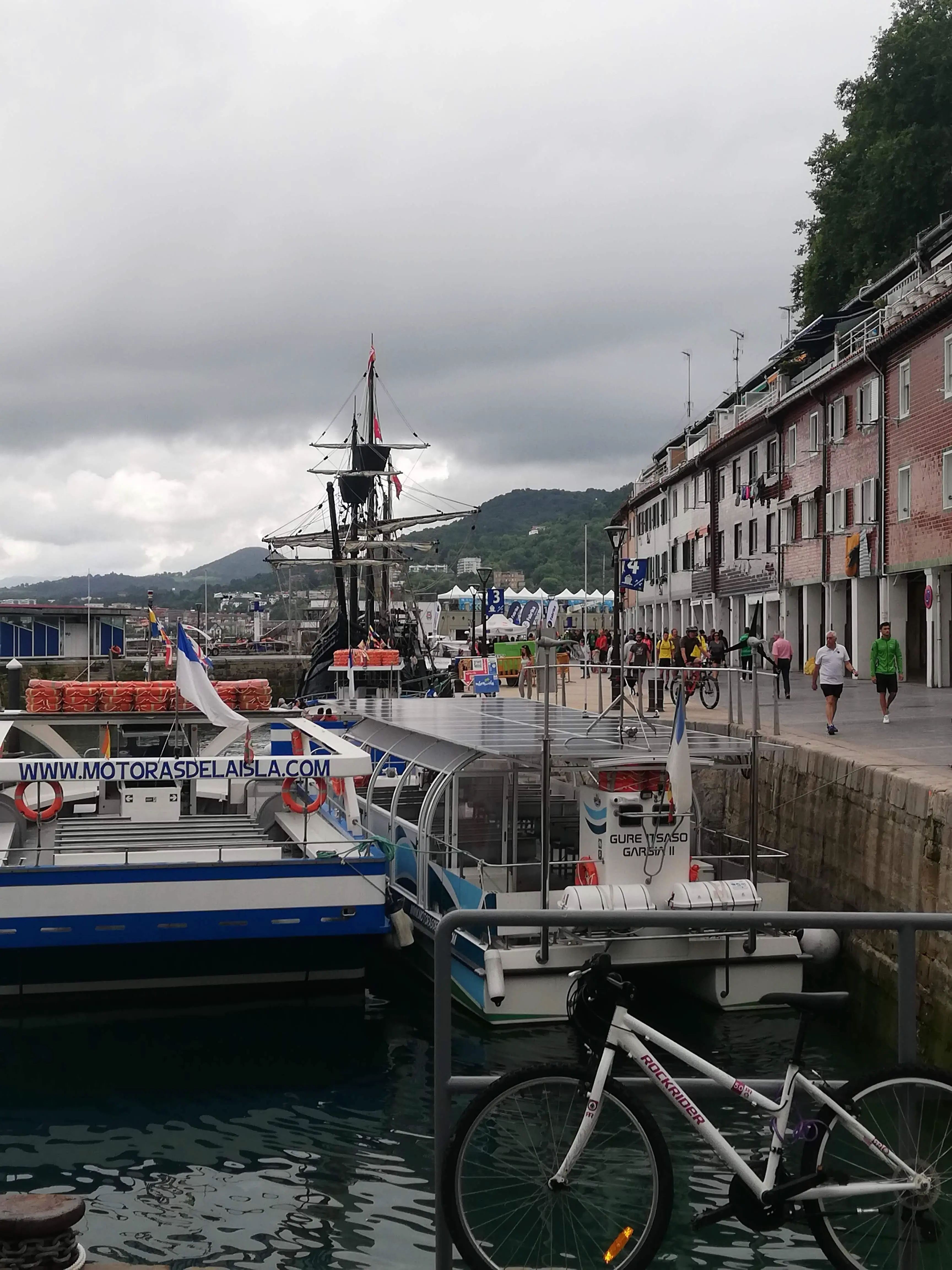
Santa Clara Island sits in the middle of La Concha Bay and can be reached by boat from the pier near the Aquarium for around €4 each way in summer — it has a small beach and a lighthouse, and most visitors walk past it for weeks before realising you can actually land on it.
Ondarreta beach is not the most dramatic beach in San Sebastián, but it is the most liveable one.
The Best Things to Do in San Sebastian Beyond the Beach
Explore san sebastián past the waterfront and the picture changes fast — the city centre has more going on than most visitors see, and the hills above it reward the effort of getting up them.
Castillo de la Mota and Monte Urgull
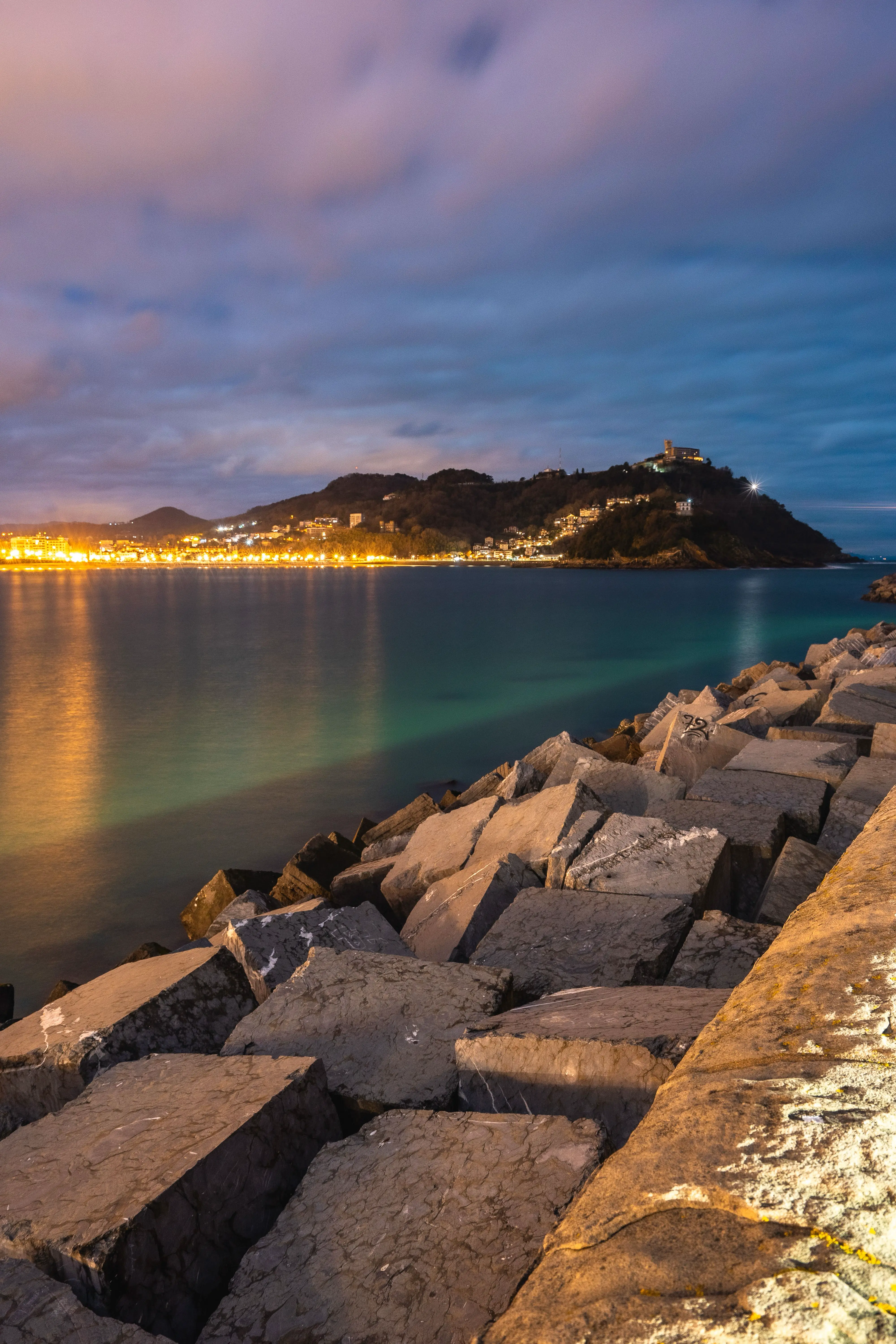
Monte Urgull sits directly above the old town, and the Castillo de la Mota at its summit is the physical history of San Sebastián compressed into one fortified hilltop.
Castillo de la Mota — free entry, open daily; the walls date to the 12th century and the views over La Concha bay are the best at ground level (Monte Igueldo is higher but requires the funicular)
Monte Urgull trails start from the old town near San Vicente de Ávila — the church itself dates to the 15th century and is worth ten minutes inside before you start climbing
The walk takes around thirty minutes at a relaxed pace; go early morning to have the summit to yourself
Castillo de la Mota gets direct sun from mid-morning — bring water if you are going in summer
The Castillo de la Mota is not a ruin you walk past — it is the reason Monte Urgull is worth climbing.
San Telmo Museum: Basque History Without the Guidebook Version
The San Telmo Museum sits inside a converted 16th-century convent in the old town, and it covers Basque history and basque culture in a way that actually explains what makes this region different from the rest of Spain.
Entry €6 adults, free on Tuesdays; closed Mondays — the free-entry Tuesday crowds are manageable, unlike many Spanish museum free days
The Basque language section is worth time if you are going to spend a month here — understanding why it exists on every sign changes how the city reads
The building itself — cloister, vaulted ceilings, murals by Sert — is the reason to go even if you skip the permanent collection
An hour and a half is enough; the San Telmo Museum is dense, not vast.
If you can only stay in San Sebastián for two nights, base yourself in the Parte Vieja so that the pintxos bars on Calle Fermín Calbetón are a two-minute walk rather than a taxi ride after midnight.
Monte Igueldo: The View That Earns Itself
Monte Igueldo sits at the western end of La Concha bay, and the funicular ride up costs €4 return — it is the best €4 you will spend in San Sebastián if you go at the right time.
Monte Igueldo Funicular — runs from 11am, closed Tuesdays in low season; the top has a small amusement park that is charming rather than worth paying for separately
The view from the top takes in the full arc of La Concha bay, Monte Urgull, the green hills inland, and on clear days the French Basque Country coast
Go late afternoon — the light is better, the crowds are thinner, and the sunset from here is the best in the city
Three nights in San Sebastián and not going up Monte Igueldo is the most common oversight — fix that early.
Browse fully furnished apartments in San Sebastián if you want to lock something down before you arrive — the longer-stay market moves faster than most people expect, especially from June through September.
Basque Culture, Cider Houses, and the Food Scene
San Sebastián's food scene is the reason people come back. It is also the thing most visitors experience wrong — eating at the first pintxos bars they see, skipping the Basque cider house experience entirely, and missing the txakoli.
Pintxos in the Old Town: A Few Tips Before You Start
The old town is where the pintxos bars concentrate, and the quality gap between the best bars and the tourist traps is significant — a few tips prevent you from spending €30 on food that was prepared eight hours ago.
La Cuchara de San Telmo — no pintxos on the bar; order from the blackboard, €3–€5 per item; some of the best hot pintxos in the city, tiny space, no reservations
Borda Berri — risotto de hongos, braised beef cheek, €3–€4 per piece; arrive at opening (7:30pm) or wait for a gap at the bar
The rule: eat at bars where the pintxos come from the kitchen, not the bar counter — counter pintxos are fine for a quick txakoli, not for a meal
Txakoli — the dry, slightly sparkling white wine — is poured from height into the glass to aerate it; €2.50–€3.50 a glass, and it is the correct pairing for almost everything
A pintxos crawl done right takes three hours and five bars — do not try to do it in ninety minutes or you miss the point entirely.
Basque Cider House: The Meal Most Visitors Skip
A basque cider house experience is unlike any other meal in northern Spain — a fixed menu, communal tables, and cider poured directly from barrels into your glass, unlimited, included in the price.
Petritegi Sagardotegia — one of the most accessible basque cider houses from the city, around 15 minutes by taxi; set menu around €35 including cider, cod omelette, txuleta steak, and idiazabal cheese with quince
Cider houses are seasonal — traditionally open January through April during the txotx season when the new basque cider is ready; some stay open year-round for groups
The basque cider itself is dry, slightly tart, lower alcohol than beer — the quantity you drink across an evening is the variable that surprises people
Zelaia Sagardotegia — similar format, slightly closer to the city, worth booking at least two days ahead
If you only have one big meal in San Sebastián, the argument for a basque cider house over a Michelin-starred restaurant is stronger than most food guides will tell you.
One of the more useful local tips for visiting a sagardotegi — the traditional cider houses in the hills around Astigarraga — is to go on a weekday in January or February when the season opens, because weekend queues in March can push waiting times past 45 minutes.
Basque Cheesecake, Cooking Class, and the Rest
The basque cheesecake — burnt, crustless, served at room temperature — was invented at La Viña in the old town, and the original is still worth eating there (€4–€5 a slice) before you try it anywhere else.
La Viña — open daily, queues by noon in summer; the basque cheesecake is best in the morning before it gets to room temperature from refrigeration
A cooking class at Mimo Food — half-day pintxos cooking class from €95; small groups, covers technique not just recipes, genuinely useful if you want to understand what makes Basque cuisine structurally different
Food tours through the old town run from around €60–€80 and are worth it specifically if you want someone to make the bar selections for you on a first visit
Michelin starred restaurants require booking weeks ahead — Arzak and Martín Berasategui are both just outside the city centre, not walkable from the old town
San Sebastián has the highest concentration of Michelin stars per square kilometre of any city in the world — but the cooking class and the cider house will teach you more about Basque cuisine than a single tasting menu will.
Day Trips from San Sebastián into Basque Country and Beyond
San Sebastián is well-placed for day trips in both directions — west into Basque Country and east across the French border — and the Basque coast between the two is worth a day of its own.
Saint Jean de Luz and the French Basque Country
Saint Jean de Luz sits just over the French border, just over an hour from San Sebastián by car or bus, and it is the easiest cross-border day trip from the city.
Saint Jean de Luz market — Tuesday and Friday mornings; Basque textiles, local cheeses, Espelette pepper in every form; get there before noon
The drive along the Basque coast between San Sebastián and Saint Jean de Luz takes longer than the direct route but the coastal road justifies it — pull over at Socoa fort for the view back toward the French Basque Country hills
Bus from San Sebastián bus station to Saint Jean de Luz — around €10 return, runs frequently; no car needed
French Basque Country food is different enough from Spanish Basque cuisine to be worth a meal there — Chez Pablo does a solid €18 lunch menu
Saint Jean de Luz is a half-day, not a full day — combine it with a stop in Hendaye or the coast road and it earns a full day.
Bilbao is just over an hour from San Sebastián on the ALSA bus, which departs from Amara bus station roughly every 30 minutes and costs around €7 — making it a realistic day trip without needing a rental car.
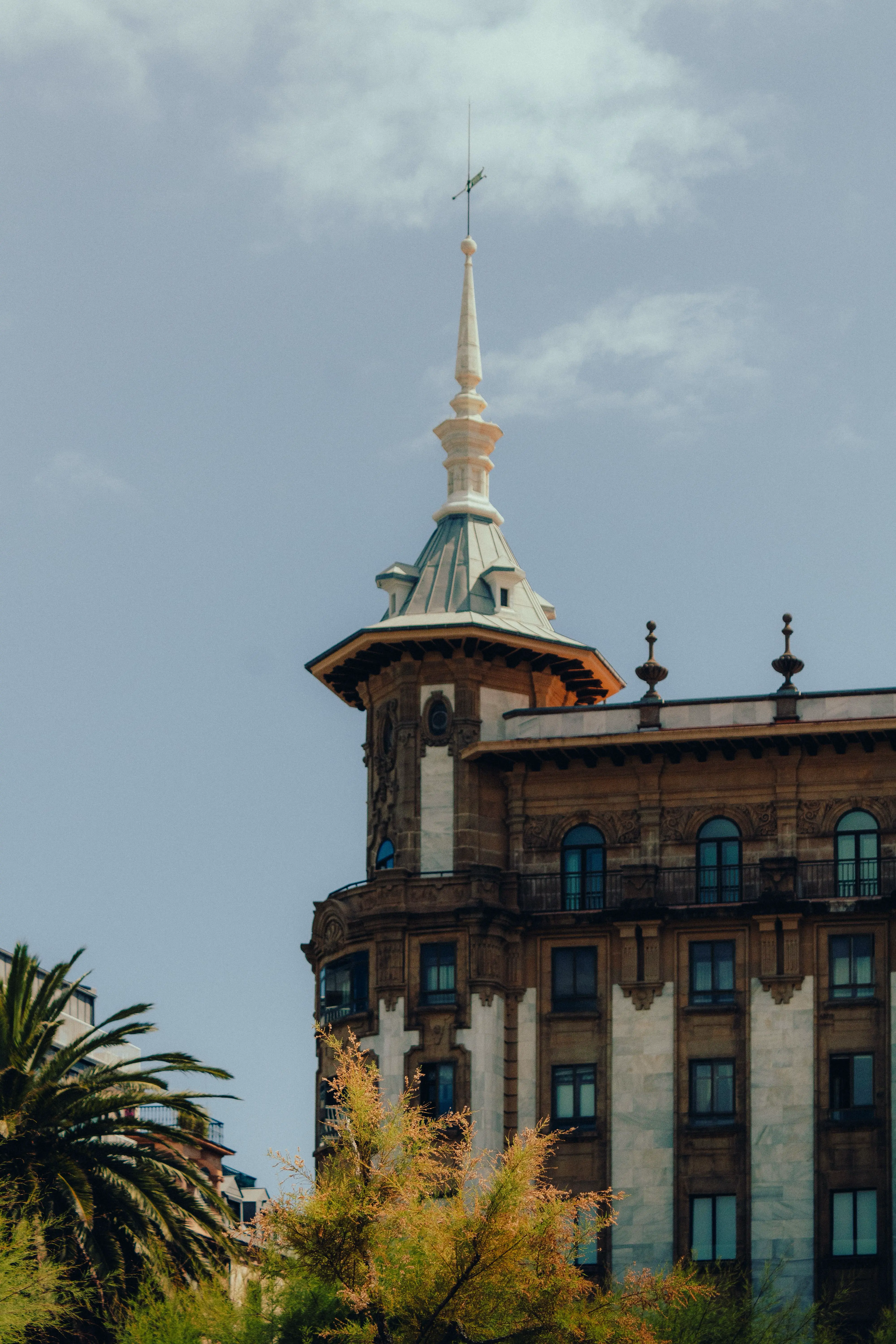
The Basque Coast: Getaria and Beyond
Getaria sits forty minutes west of San Sebastián along the Basque coast and is the home of Txakoli wine — three regions in Basque Country produce it, but Getariako Txakolina is the one with the effervescence that makes it distinctive.
Iribar Jatetxea — working vineyard with tasting sessions from €12; call ahead, they fill up on weekends
Getaria old town is compact enough to walk in thirty minutes — the harbour fish restaurants are not tourist traps; order the grilled turbot and eat outside
Bus from San Sebastián to Getaria runs hourly — around €3 each way; the coastal towns between them are worth seeing from the window alone
Wine tasting in Getaria pairs naturally with a walk along the harbour wall — the Atlantic coast views back toward San Sebastián on a clear day are among the best you will get without climbing anything
The drive east toward Hondarribia takes you through lush green hills that drop straight into the Bidasoa estuary, and the whole loop — including a ferry crossing into France at Hendaye — takes under two hours by car.
Getaria is what happens when a coastal towns visit actually delivers — it is small, specific, and does not overstay its welcome.
Getting Oriented: Arriving, Moving Around San Sebastian, Spain
Donostia San Sebastián has no commercial airport, which is the first thing that catches people off guard — and the second is how manageable that turns out to be once you know the options.
Getting to San Sebastián: Airports and Routes
Most flights into the region land at either Bilbao Airport or Biarritz Airport, and both are workable depending on where you are flying from.
Bilbao Airport — around 100km west; direct bus runs to San Sebastián bus station in roughly 75 minutes, costs around €17; frequent departures, no transfer needed
Biarritz Airport — across the French border, around 50km east; smaller, fewer routes, but useful if you are flying from the UK or Paris; shuttle services available into San Sebastián from €20
San Sebastián's own airport — handles a handful of domestic routes; check it first if you are arriving from Madrid or Barcelona, the fares are sometimes competitive
The Euskotren coastal rail line connects several Basque towns and is a better option than driving once you are settled in — monthly passes are reasonable and the route along the Atlantic coast is the kind of commute people take photographs on
Once you are in the city, you will not need a car — San Sebastián is a 25-minute walk coast to coast, and the local bus covers the rest.
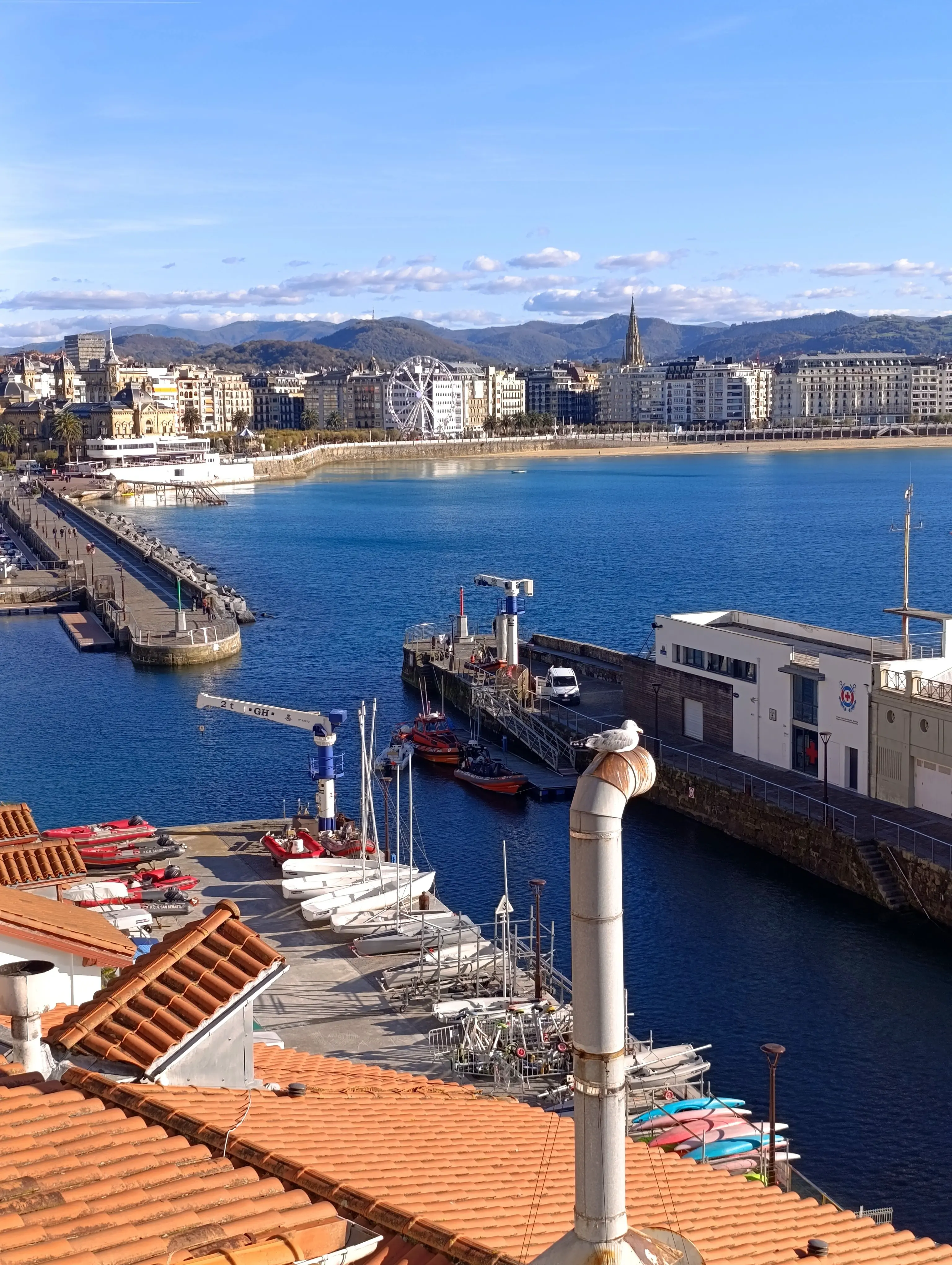
When to Go: Timing Around the Crowds
Semana Grande in August is San Sebastián at its most alive and most chaotic — fireworks competitions, street music, the busy old town past capacity — and it is both the best and worst week to be here depending on your tolerance for noise.
Semana Grande runs the third week of August — accommodation books out months ahead and prices spike; if you want it, commit early, otherwise avoid it entirely
May and early June give you great beaches before the summer crowds arrive — water is cold but the Paseo Nuevo and the surrounding area are genuinely walkable without the press of August
October is underrated — the Parte Vieja fills up with locals again, the pintxos crawls feel like the city doing them for itself rather than for visitors, and the Atlantic coast light in autumn is something the summer photos never show you
January through March is quiet, cool, and genuinely cheap — rents drop, restaurants are easier to book, and you see the real rhythm of Donostia San Sebastián without needing to plan around anyone else
The city does not become a different place in winter — it becomes a more honest version of itself, and for a longer stay that matters more than beach weather.
San Sebastián Airport (EAS) is tiny — only a handful of routes operate from it — so most visitors fly into Bilbao Airport instead and take the 1h15m bus transfer for around €17.
The Food Scene Beyond the Classics: Eating and Drinking Like You Live Here
The Michelin starred restaurants get the press, but the food culture in San Sebastián runs much deeper than the tasting menus — and the places that do not make any list are often the ones worth finding.
Pintxos Bars Worth the Detour
The Parte Vieja is the obvious starting point for a pintxos crawl, but the busy old town's most photographed bars are also its most inflated — the better strategy is to start at the edges.
Bar Txepetxa — anchovy-only bar on Calle Pescadería; eight varieties of anchovy pintxos from around €2.50 each; sea urchin on toast is the order if they have it that day
Atari Gastrolekua — slightly removed from the main drag; green olives stuffed with anchovy and a txakoli to start, then move to whatever is on the blackboard; €3–€4 a pintxo
Bergara Bar in the Gros neighborhood — less tourist pressure than Parte Vieja, local crowd on weekday evenings, foie gras and mushroom montadito is a regular fixture; worth the ten-minute walk from the old town
The Gros neighborhood pintxos scene is less dense than Parte Vieja but more consistent — the bars here are feeding regulars, not rotating tourists, and the food reflects it
A pintxos crawl done properly takes three hours and covers four bars — trying to do eight in one night is how you end up remembering nothing specific about any of them.
The best way to explore San Sebastián's eating scene beyond the famous pintxos bars is to walk the Gros neighbourhood at lunchtime, where places like Bar Bergara serve the same quality food at half the tourist markup of the old town.
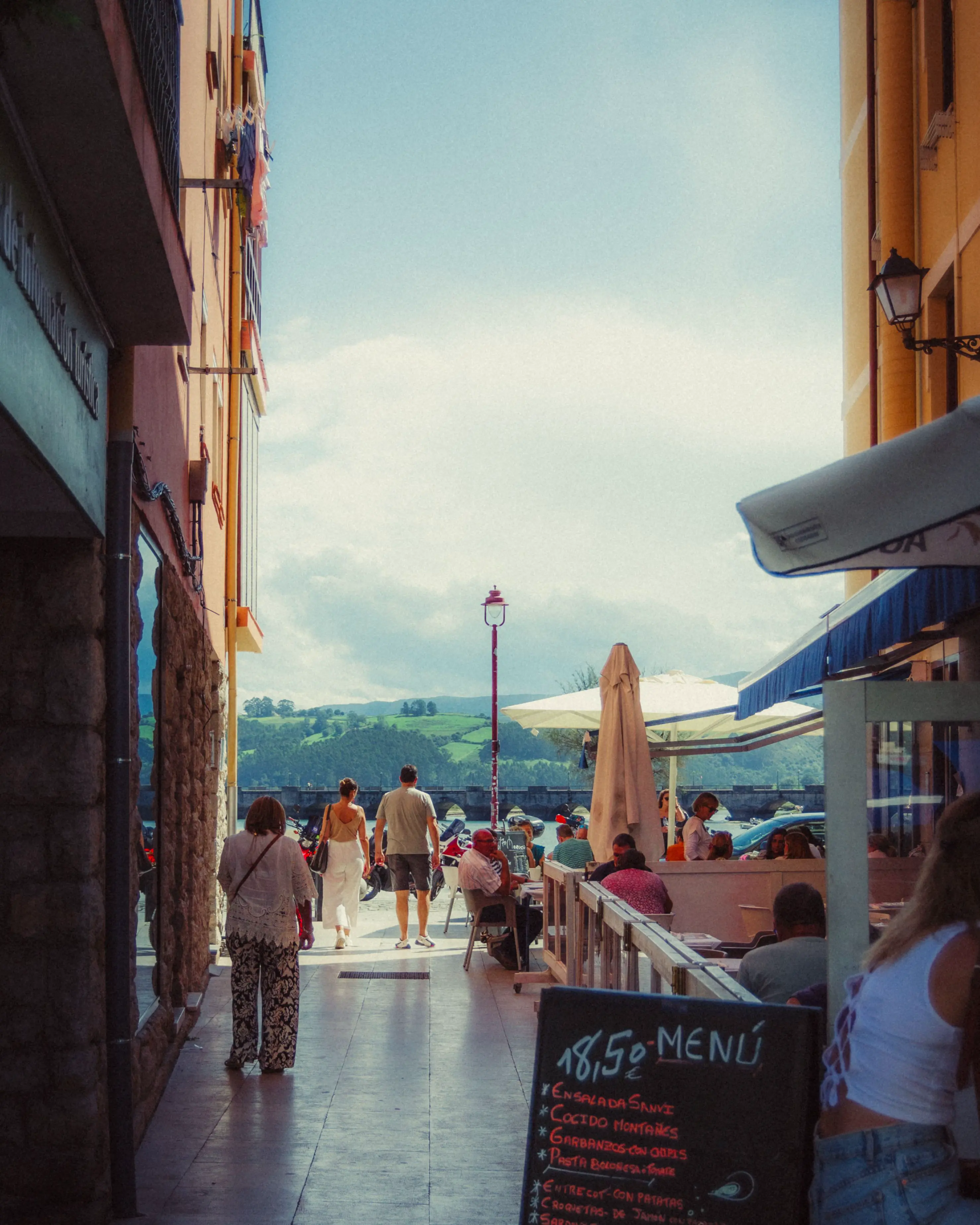
Fine Dining Without a Three-Month Wait
The Michelin starred restaurants at the top of the San Sebastián food hierarchy — Arzak, Akelarre, Mugaritz — require planning well in advance, but fine dining at a high level is more accessible here than the reputation suggests.
Kokotxa — one Michelin star, Parte Vieja, tasting menu around €95; easier to book than the headline names and the seafood focus means it reflects the city's actual geography more honestly
Elkano is in Getaria rather than the city but it holds a Michelin star and specialises in whole grilled turbot — the fish is sourced locally, the price is around €60–€80 per head, and it is one of the clearest expressions of Basque coastal food anywhere on the Atlantic coast
Lunch is always the smarter booking at fine dining level — most restaurants offer a shorter tasting menu at lunch for significantly less than the evening version; the experience is 80% identical
Local food culture here treats lunch as the serious meal — arriving for a 2pm sitting rather than an 8pm one puts you in step with how the city actually eats
San Sebastián's reputation for fine dining can make it feel intimidating, but the city is not precious about it — the same people eating pintxos at Bar Txepetxa on Friday night are booking Kokotxa for Saturday lunch.
What the City Looks Like When You Stop Moving
The views and walks that do not make it into the highlights are often the ones that actually fix the city in your memory — and several of them require nothing more than knowing where to stand.
Monte Igeldo and the Bay Views
Monte Igeldo gives you the aerial view of La Concha Bay that appears on every postcard — but the funicular is already covered, so the question is what else the mountain earns.
The path around the headland below Monte Igeldo toward Ondarreta beach takes around twenty minutes and gives you beach views that the summit does not — lower, closer, better at golden hour
Peine del Viento — Eduardo Chillida's iron sculptures embedded in the rocks at the foot of Monte Igeldo; free, weathered, worth sitting at for longer than most people do; the Atlantic coast here is unguarded and the sound of the swell against the steel is the point
The walk from Peine del Viento back along Paseo Nuevo — the sea wall promenade on the northern side of the bay — is a flat 25 minutes with the open Atlantic to your left; best in late afternoon when the light drops behind the headland
Sunset cruises operate from the harbour from June through September — around €20 for 90 minutes; the boat ride itself is not the draw, the beach views back toward the city from the water are
Paseo Nuevo is where San Sebastián stops performing for visitors and just exists — walk it twice and you will understand the city's relationship with the sea better than any guide explains it.
One of the genuine hidden gems in San Sebastián is the Peine del Viento sculpture pathway at dusk — most visitors arrive by taxi for the main sculptures but miss the clifftop walk back toward Ondarreta Beach, which takes 20 minutes and is completely uncrowded after 7pm.
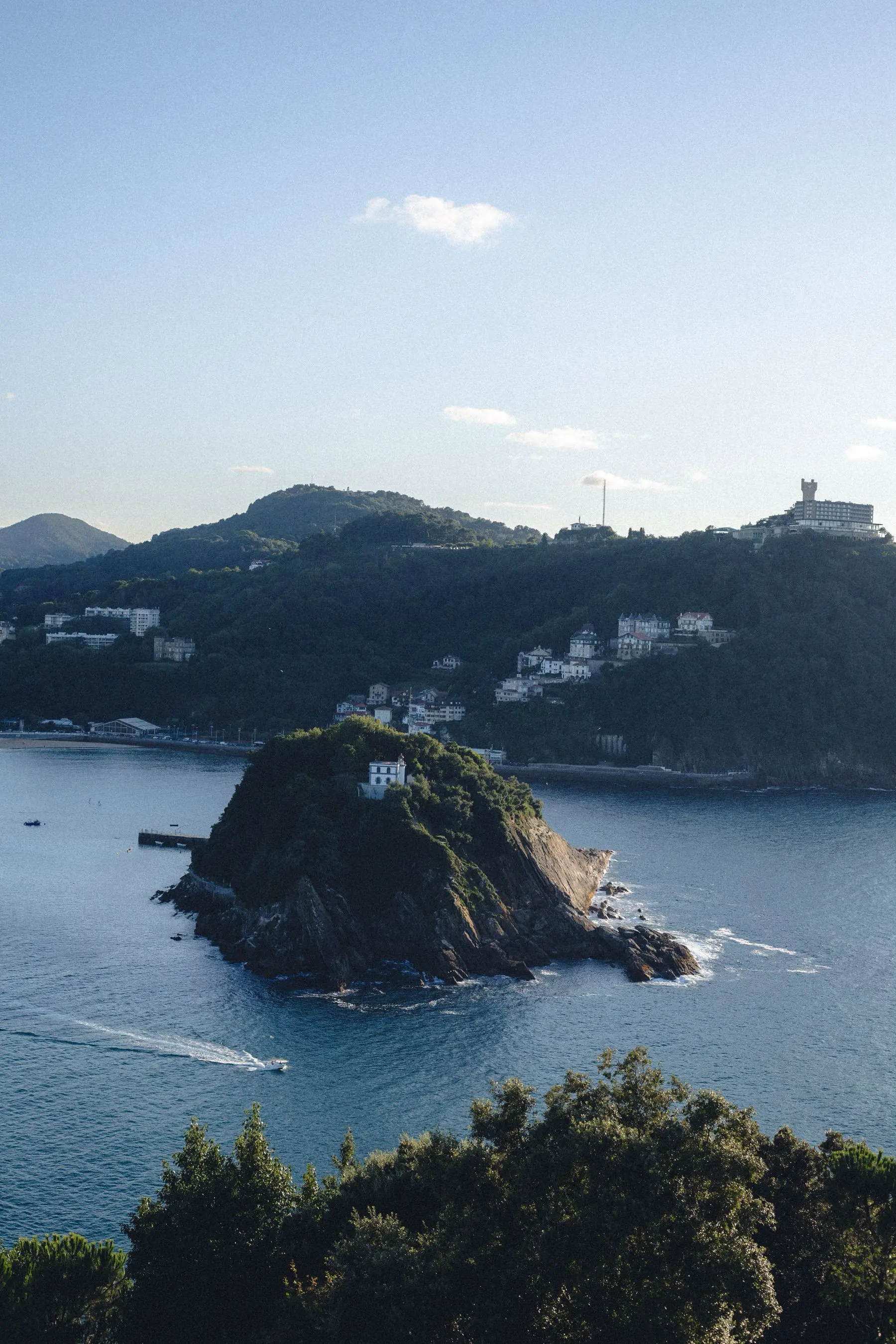
Surfing Zurriola and the Gros Neighborhood
Zurriola is San Sebastián's surf beach, and the Gros neighborhood behind it is the part of the city that has its own rhythm — louder in the morning with surfers, quieter by mid-afternoon when the wind drops.
Surf schools on Zurriola operate from April through October — Zurriola Surf Eskola runs group lessons from €35 for two hours, smaller classes than the larger surf schools on the main beaches, and instructors who speak English without switching register when they do
Zurriola is a surfer's paradise by San Sebastián standards — more consistent swell than La Concha, rougher, and genuinely challenging when the Atlantic coast swells push in from the northwest; beginners go mornings, intermediate surfers own afternoons
Kafe Antzokia — on the Gros side, not the tourist circuit; coffee from €1.80, tables outside most of the year, the kind of place where regulars leave their boards against the wall and no one moves them
The Gros neighborhood market — Mercado de San Martín — is smaller and less theatrical than the covered market in the Parte Vieja; local food prices, no performance, open weekday mornings
San Sebastián, Spain sits at a latitude where the light in late afternoon turns the Belle Époque facades along the Concha promenade a particular shade of amber that photographers specifically travel here to catch.
The Belle Époque facades along the Paseo de la Concha have an old-world charm that genuinely holds up at street level — the iron balconies and cream stonework look as deliberate in person as they do in photographs.
Is San Sebastián Worth It for a Longer Stay?
What San Sebastián Actually Costs to Live In
The numbers are real and there is no point softening them — this is one of the more expensive cities in Spain for a month-long stay.
Furnished flats start at around €1,100 a month and climb quickly in decent neighbourhoods like Gros or Centro
The accommodation market tightens hard between April and September, when tourist lets compete directly with monthly rentals
Coworking options are limited and not particularly cheap compared to other Spanish cities
Eating well is a daily cost, not an occasional one — the food culture here pulls you in and your budget follows
Browse fully furnished apartments in Spain and filter for San Sebastián early — inventory moves faster here than the listing dates suggest.
Who San Sebastián Actually Works For
This city has a specific kind of remote worker in mind, and if that is not you, it will make that clear fairly quickly.
It suits people who eat well as a priority rather than a treat — the pintxos culture is not background noise, it is the point
Basque is the first culture here and Spanish is the second language, which shapes everything from signage to social dynamics
The surrounding area — Zarautz, the Jaizkibel coast, the Basque interior — rewards slow exploration that only a longer stay makes possible
If you need a large expat community, cheap coworking, or fast visa pathways, San Sebastián is genuinely not the answer
The city does not perform livability for outsiders — it simply has it, which is a different thing entirely.
If you are wondering whether San Sebastián is worth visiting for more than a weekend, the answer tilts heavily toward yes once you factor in the cider houses, the surf at Zurriola, and the fact that a three-course menú del día still runs €14 to €16 in the Gros neighbourhood.
If you stay in San Sebastián for five nights or more rather than treating it as a day trip from Bilbao, you get access to slower evenings in La Parte Vieja where the pintxos bars thin out after 10pm and the locals actually take over.
Whether the Longer Stay Actually Pays Off
San Sebastián is one of those cities where the return on time invested is unusually high — what looks like charm on day one turns out to have real depth underneath it.
The beaches are genuinely usable across a long stay rather than something you photograph once and tick off
The food culture has enough layers that you are still finding new bars and producers in week three
The friction is real — the accommodation market is tight, the infrastructure is not built for nomads, and the city does not bend toward convenience
Quality of life here compounds over time in a way that cheaper, easier cities simply do not match
If what you need is a city that makes daily life feel worthwhile rather than optimised, it is very hard to argue against San Sebastián.