
Daniel
Productivity & Remote Living Analyst ·
Riga works for expats in a way that most Eastern European capitals don't quite manage — it has the infrastructure of a Western city at a price point that still makes sense. The trade-off is a bureaucratic layer that rewards patience and penalises improvisation. This guide covers what moving actually involves: the visa and permit process, where to live, what to budget, and what the city feels like once the novelty of the Old Town wears off and you're just trying to find a good coffee before a 9am call.
Which visa and residency routes are open to non-EU expats
The best neighbourhoods for remote workers and families
What renting and buying property actually costs in 2024
Healthcare, banking, and the practical infrastructure that matters
Finding work and understanding the local job market
The real pros and cons of Riga versus other European alternatives
Visas, Permits, and How Expats Moving to Latvia Get Legal
Latvia is an EU member state, which means the rules split cleanly in two: EU citizens can show up and stay, while everyone else — US, UK, Australian, Canadian — needs a permit before they can put down roots. The path you take depends almost entirely on why you're here.
EU Citizens and the Right of Residence
If you hold an EU passport, the administrative burden is light — but it isn't zero.
Register at the Office of Citizenship and Migration Affairs within three months of arrival — the Čiekurkalns office handles most walk-ins
Proof of employment, self-employment, or sufficient funds required — "sufficient" is roughly €500/month in practice
Permanent residency available after five continuous years; citizenship eligibility begins after ten
The process takes 1–2 weeks if your paperwork is clean
EU citizens get the easiest path to residency in Latvia, but underestimating the registration step is a common mistake — it has real consequences for banking and healthcare access.
Non-EU Expats: The Temporary Residence Permit
For US, UK, and other non-EU nationals, the temporary residence permit is the primary route, and the category you apply under shapes everything.
Employment permit: tied to a specific employer, who must demonstrate no suitable local candidate exists — processing takes 30–90 days
Self-employment or business registration: requires registering a Latvian entity; minimum share capital €2,800 for an SIA (the local LLC equivalent)
Passive income or financial sufficiency: €14,000+ in savings demonstrated at application — renewed annually
Digital nomad visa: Latvia launched a digital nomad visa in 2023 — valid 12 months, requires income of at least €3,857/month from non-Latvian clients
The digital nomad visa is the cleanest route if your income qualifies — it sidesteps the employer-sponsorship tangle entirely and gives you a year to decide whether Riga is actually where you want to be.
Citizenship and the Long Game
Latvia does not make citizenship easy, and it's worth knowing that before you commit to the migration path.
Naturalisation requires ten years of legal residency — not five, as in many EU states
Latvia generally does not permit dual citizenship for naturalised citizens, with narrow exceptions
Latvian language proficiency at B1 level is mandatory for naturalisation — and the exam is real, not a formality
Citizenship-by-investment routes exist but are restricted; the Wealth and Migration Summit held annually in Riga brings investors who explore these options
If EU citizenship is the end goal, Latvia is a slower route than Portugal or Hungary — factor that in before you start the clock.
Non-EU nationals who secure employment contracts with companies registered in Latvia can use that contract as the primary anchor document for a temporary residence permit application — without it, the process becomes significantly harder.
Where to Live: Renting and Buying Property in Riga's Best Neighbourhoods
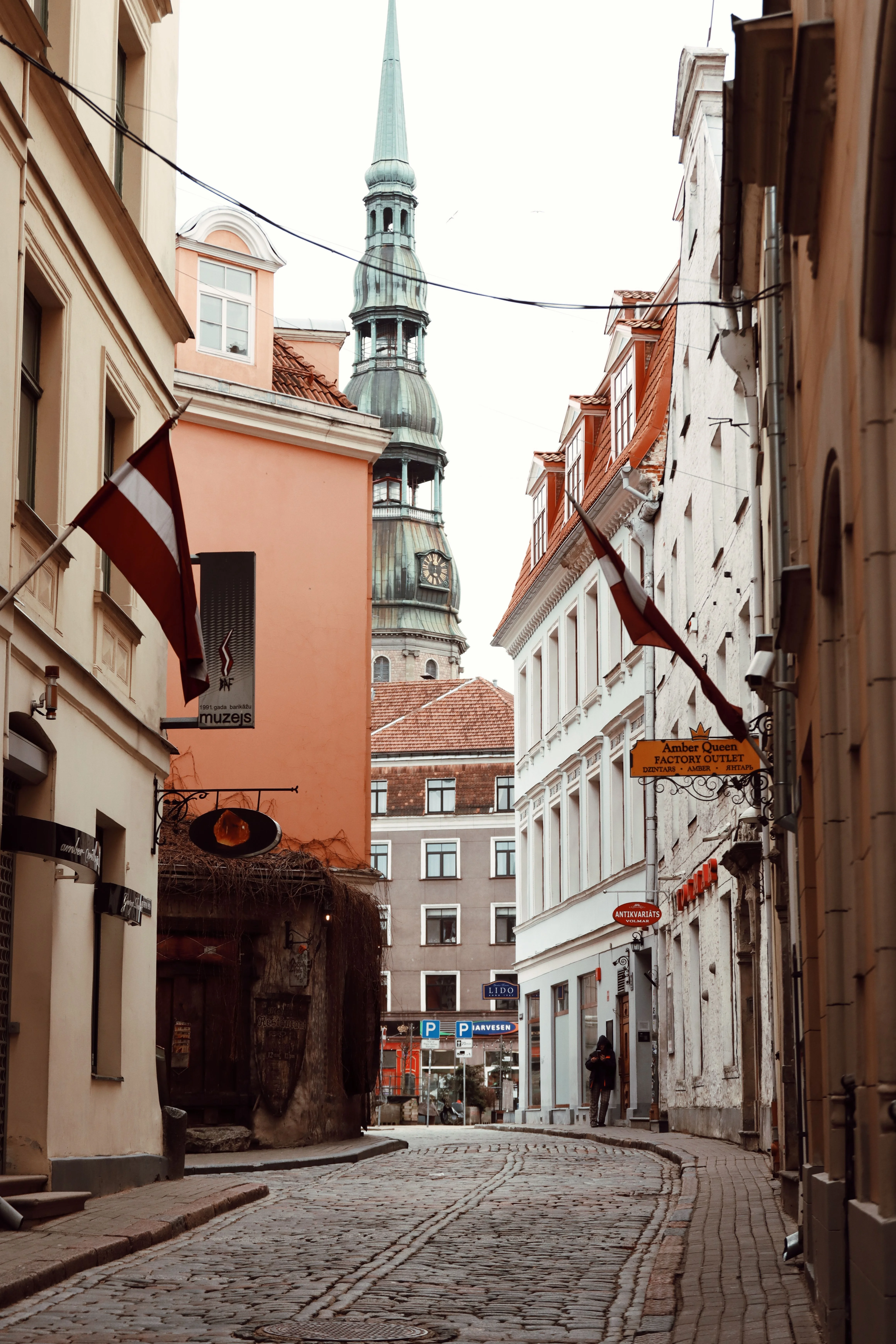
Riga's neighbourhoods divide along a line that most expats figure out within the first month: Old Town is for tourists and short stays, while the real residential areas — Quiet Centre, Āgenskalns, Teika, Mežaparks — are where you actually live. Each has a different trade-off, and the right choice depends on whether you're working from home, commuting, or managing school runs.
Neighbourhood Comparison: What Each Area Actually Costs
Neighbourhood | Monthly Rent (1-bed) | Vibe | Best For | Key Advantage |
|---|---|---|---|---|
Old Town (Vecrīga) | €900–€1,400 | Tourist-facing, loud on weekends | Short stays, first month orientation | Everything walkable — but it costs you |
Quiet Centre (Klusais centrs) | €700–€1,100 | Art Nouveau streets, genuinely calm | Remote workers, couples, long stays | Best apartment stock in the city |
Āgenskalns | €550–€850 | Local, unpretentious, improving fast | Budget-conscious expats, creatives | Āgenskalns Market, real neighbourhood feel |
Teika | €600–€900 | Residential, green, quiet | Families, long-term expats | Newer builds, good schools nearby |
Mežaparks | €800–€1,300 | Forest-adjacent, suburban pace | Families with children, nature lovers | Direct tram to centre, Mežaparks Zoo nearby |
Browse Riga homes near this area
The Quiet Centre: Where Most Expats End Up
The Quiet Centre is Riga's Art Nouveau district — the real one, not the curated tourist version — and it's where most expats who plan to stay more than three months eventually land.
1-bed apartments on Alberta iela and Elizabetes iela: €700–€1,100/month fully furnished
Cofyz on Dzirnavu — flat whites €2.80, fast WiFi, tables that work for a full morning session
Galerija Centrs — the closest thing to a central supermarket run without getting on a bus
Tram and trolleybus connections to the Old Town in under 10 minutes
The apartment stock here is the best in Riga — high ceilings, wooden floors, renovated interiors in buildings that have been standing for over a century — and the price still makes sense compared to any Western European equivalent.
Browse Riga homes near this area
Āgenskalns: The Neighbourhood That Expats Discover on Month Two
Āgenskalns sits across the Daugava River from the centre, and most expats ignore it until someone who actually lives in Riga tells them not to.
Āgenskalns Market — open Tuesday–Sunday, local produce, €2–€4 lunch from the market stalls inside
1-bed apartments: €550–€800/month; wooden houses split into flats are common and charming, though insulation varies
Kalnciema Kvartāls — Saturday market and creative hub; also a good spot for the expat community to intersect with local Latvian life
Tram 2 and 4 connect to the centre in 15 minutes — not as fast as walking from the Quiet Centre, but fine
Āgenskalns is the honest answer if your budget is €600–€700/month and you want a real neighbourhood rather than a postcard.
Rental market data from Arco Real Estate shows that median prices in the Teika district rose 14 percent between 2022 and 2024, making it one of the fastest-appreciating mid-range neighbourhoods in the city.
If you're ready to start looking, browse fully furnished apartments in Riga — the Quiet Centre and Āgenskalns listings move fast in spring and early autumn.
Browse Riga homes near this area
Can Foreigners Legally Own Property — and Do Banks Give Mortgages to Foreigners?
Latvia has a relatively open property market by European standards — but "open" doesn't mean "simple," and the bank question has a less comfortable answer than the ownership question.
What Kind of Foreigners Actually Can Buy Property in Latvia
The ownership rules depend on your nationality and the type of property — and agricultural land is a separate conversation entirely.
EU citizens face no restrictions on buying residential or commercial property in Latvia — same rights as Latvian nationals
Non-EU nationals can buy apartments and city properties without restriction; rural and agricultural land purchases require additional permits
Property purchase involves a notary, Land Registry registration, and transfer tax of 2% — budget €1,500–€3,000 in transaction costs on a typical apartment purchase
Average apartment prices in central Riga: €2,000–€3,500/m² in the Quiet Centre; €1,200–€2,000/m² in Āgenskalns and Teika
The legal path to ownership is genuinely straightforward for most expats — the complication arrives when you go to the bank.
Do Latvian Banks Give Mortgages to Foreigners?
Latvian banks will give mortgages to foreigners, but the conditions narrow significantly if you don't have established income in Latvia or EU residency.
[Swedbank] and [SEB] are the two main mortgage lenders — both require at least six months of Latvian income history or an EU residence permit
Loan-to-value ratios for non-residents: typically 60–70% maximum, versus 80–85% for residents — meaning a larger cash deposit
Interest rates on Latvian mortgages in 2024: EURIBOR + 1.8–2.5% margin, depending on the lender and your profile
Non-EU nationals without Latvian income almost always need to purchase in cash, or use financing from their home country
Latvia's legal framework offers EU citizens the same property ownership rights as Latvian nationals, with no additional foreign buyer restrictions applied at the point of purchase.
If you've been in Riga for a year on a work permit and have documented Latvian income, a mortgage is realistic — if you landed last month, plan to pay cash or wait.
International Schools in Riga and Education Options for Expat Families
Riga's international school offer is smaller than you'd expect for a European capital of 600,000, which matters if education is non-negotiable. There are good options — but they fill up, and the waiting lists are real.
Are There Any Good International Schools in Riga?
The honest answer is yes — but "good" and "available" are not always the same thing in Riga's international school market.
Riga International School (RIS) — IB curriculum, Preschool through Grade 12; fees €8,000–€14,000/year depending on year group; the default first call for English-speaking expat families
Exupéry International School — French curriculum with English instruction, popular with European expat families; fees around €7,000–€10,000/year
Riga European Gymnasium — Latvian state school with strong English-medium tracks; significantly lower cost but requires some Latvian language adaptation
Waiting lists at RIS for primary year groups can run 6–12 months — apply before you move, not after you arrive
If your child is secondary age and needs an IB diploma, RIS is the only institution in Riga that delivers it in English — which means there's no backup option if the list is closed.
Latvian State Schools: When They Work for Expat Kids
Latvian state schools are free and generally decent — and for younger children who pick up language quickly, they're a real option worth considering.
Instruction is in Latvian; Russian-medium state schools exist but are being phased out under a national policy shift that started in 2023
Children under eight tend to adapt within one school year — the language barrier is harder for secondary-age students
Riga State Gymnasium No. 1 — one of the highest-performing state schools; English is a strong second language among students
No tuition fees, but you'll pay for lunches, materials, and school trips — roughly €50–€100/month in incidentals
Parents who have gone through the admissions process at Riga International School report that the experience is straightforward but requires starting at least six months before your intended September intake.
State school works best for families planning to stay three or more years — it takes time to integrate, and the payoff is real fluency in Latvian, which opens doors that international school doesn't.
Cost of Living in Riga: What You Actually Spend Each Month
Riga is affordable by Northern European standards — but "affordable" means different things depending on whether you're eating at Folkklubs Ala Pagrabs three nights a week or ordering delivery from Wolt. The numbers below are what a working expat actually spends, not what a budget traveller survives on.
Housing, Food, and Transport: The Core Budget
Your biggest variable is housing, and you've already seen the neighbourhood ranges — everything else in Riga is relatively predictable once you've fixed that number.
Groceries at Rimi Hypermarket on Brīvības iela — €200–€280/month for one person cooking most meals; the own-brand range is solid and saves roughly 30% versus branded equivalents
Lunch at a local canteen-style ēdnīca — €5–€7 for a full meal including soup; this is the working Latvian's daily budget option, and it's genuinely good
Dinner out at a mid-range restaurant like Garage in the Quiet Centre — €25–€40 for two with wine; not cheap by local standards, still roughly half of comparable quality in Amsterdam
Public transport monthly pass — €50; covers trams, trolleybuses, and buses across the city, and you won't need a car unless you're commuting to Jūrmala or beyond
A realistic monthly budget for one person — including rent in a mid-range neighbourhood, groceries, transport, occasional dining out, and utilities — sits between €1,200 and €1,800 depending on where you live and how much you cook.
Healthcare, Insurance, and What "Free" Actually Means
Latvia has a state healthcare system, but access to it as a foreign national depends on your residence permit status — and the gap between what's free and what costs you matters more than most expat guides admit.
EU citizens can use the European Health Insurance Card for short stays, but for anything longer than 90 days, you need either employment-based social contributions or private health insurance
Private health insurance from a Latvian provider like [Balta] — €60–€120/month for a standard expat plan covering GP visits, specialist referrals, and hospitalisation; premiums rise significantly over 50
State healthcare after registration — GP visits are subsidised, specialist co-payments run €4–€14 per visit; waiting times for non-urgent specialists can reach 3–6 months
Dental care is not covered by state healthcare for adults — budget €40–€80 per standard appointment at a private clinic, which is still roughly half the London equivalent
If you're employed by a Latvian company and paying social tax, healthcare access resolves itself — the problem is almost exclusively for self-employed expats and those on passive-income permits who assume "EU country" means automatic state coverage.
Numbeo data places a monthly grocery bill for a single person in Riga at roughly €200–€280, assuming you shop at Rimi or Maxima rather than the pricier imported-goods stores near the Old Town.
Salary and Earning Context: What Riga Pays
If you're working for a Latvian employer rather than bringing income from outside, the salary landscape is improving but still trails Western Europe — which is either a problem or irrelevant depending on your setup.
Average gross salary in Riga — approximately €1,800–€2,200/month across sectors; IT and finance roles run higher, often €3,000–€5,000/month for senior positions
Minimum wage in Latvia — €700/month gross as of 2024; this is the floor for legal employment and is relevant if you're hiring local staff or assessing budget housing viability
Remote workers earning in GBP, USD, or EUR from outside Latvia operate in a fundamentally different financial reality — a €4,000/month remote salary in Riga buys a lifestyle that the same salary cannot replicate in Berlin or Stockholm
Income tax rate — 20% on income up to €20,004/year; 23% above that threshold, with social contributions adding roughly 10.5% for employees
Riga makes the most financial sense for people whose salary is set outside Latvia — for those earning locally, the quality-of-life gains are real but the income ceiling is lower than in most Western European cities.
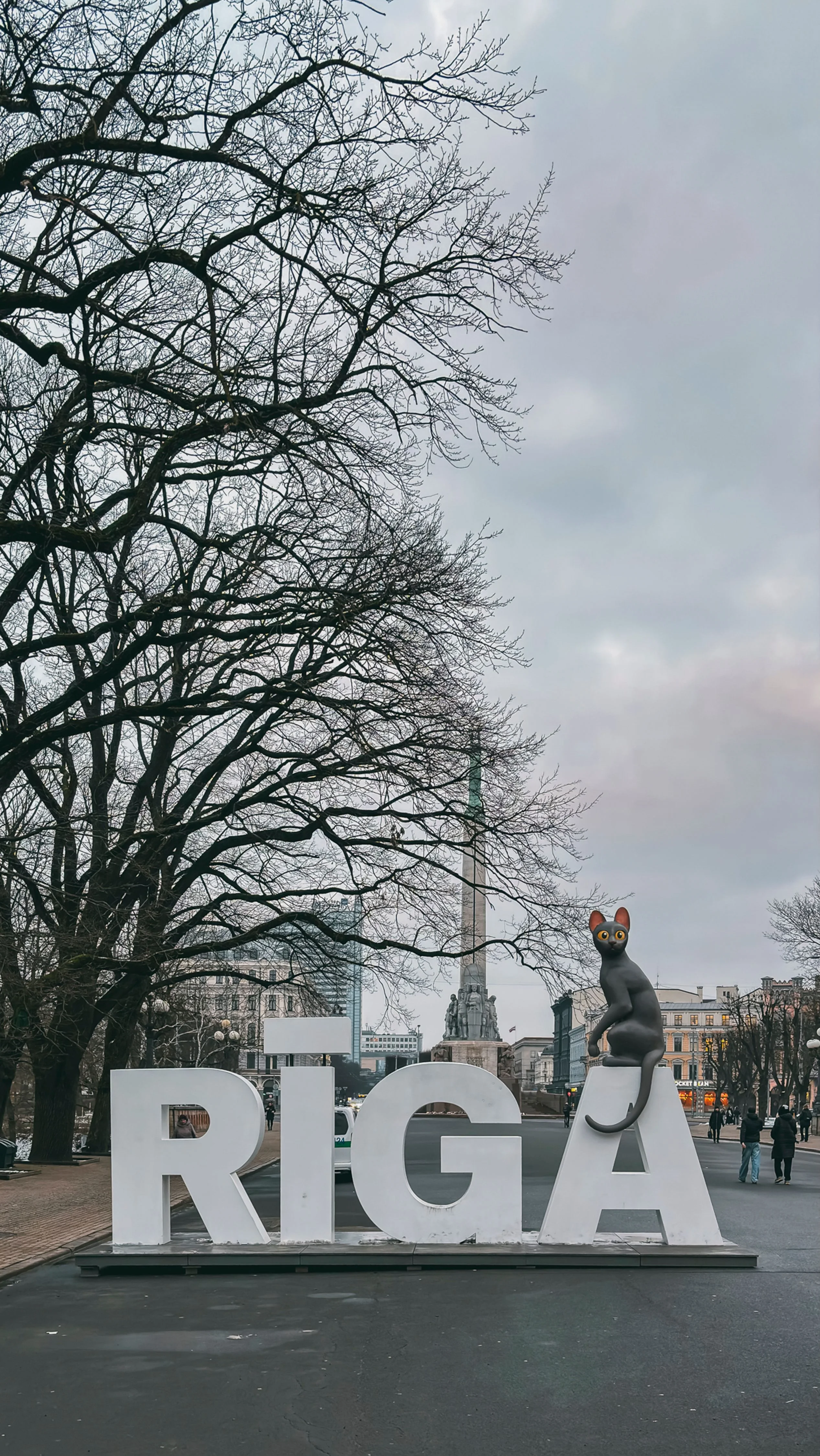
The Quiet Centre remains the most popular neighbourhood for long-term expat renters, largely because its Art Nouveau streets sit within a 20-minute walk of both the Central Market and the main business district.
Real Estate and Long-Term Housing in Riga
The real estate market in Riga has been quietly active for the past five years — prices have risen, but the city still offers value that's hard to find elsewhere in Northern Europe. Whether you're buying or renting long-term, the decisions you make in the first month tend to compound.
Renting Long-Term: What Changes After Three Months
The furnished short-let market and the unfurnished long-term rental market in Riga are two different ecosystems — and staying in the first when you need the second costs you money every month.
Long-term unfurnished apartments on streets like Elizabetes iela in the Quiet Centre — €500–€750/month for a one-bed, significantly below the furnished equivalents listed on short-stay platforms
Rental contracts in Latvia are typically 12 months with a one-month deposit; landlords often prefer tenants with a local employment contract or proof of income over €1,500/month
Utility costs in older Soviet-era panel buildings — heating can run €150–€200/month in winter (November through March); this is the hidden cost that furnished apartment listings usually absorb but long-term leases don't
Use [SS.lv] — Latvia's primary real estate classifieds platform — for long-term unfurnished listings; it's almost entirely in Latvian and Russian, so a local contact or agent helps
The move from a furnished short-let to a direct long-term rental typically saves €200–€400/month — it's worth doing once you're certain about the neighbourhood, and not before.
Investors who moved quickly in 2020 found genuine opportunities in the Quiet Centre — renovated Art Nouveau apartments that were listed at €120,000 then are now selling closer to €180,000.
Buying Property: The Investment Case and Its Limits
Riga's real estate market has attracted foreign buyers for over a decade — but the investment logic has shifted, and the residency-by-property route that drove earlier interest no longer works the way many assume.
Latvia ended its investment-based residence permit through real estate in 2023; property purchase no longer automatically qualifies you for residency, which removed a significant driver of foreign demand in the Old Town market
Average price per square metre in the Quiet Centre — €2,000–€3,200; Teika and Āgenskalns run €1,400–€1,900/sqm; Old Town peaks at €3,500–€5,000/sqm for renovated stock
Foreign nationals can purchase real estate in Latvia without restrictions — there's no additional tax or ownership hurdle for EU or non-EU buyers
Capital gains tax on property sold within 60 months of purchase — 20%; after five years, exemptions apply if it was your primary residence
Buying in Riga makes sense as a long-term housing decision more than a short-term investment play — the market is stable but not fast-moving, and the removal of the residency incentive has cooled speculative demand in exactly the districts that previously attracted it.
Residence Permits, Visas, and the Bureaucratic Reality of Moving to Latvia
Moving to Latvia requires patience with paperwork that doesn't always follow a straight line — and the consequences of getting your residence permit category wrong at the start are measured in months, not days.
EU Citizens: What "Free Movement" Looks Like in Practice
EU citizens have the right to live in Latvia, but exercising that right still requires registration — and "free" in this context means free of visa fees, not free of paperwork.
EU nationals must register their residence with the [Riga City Council Population Register] within three months of arrival; bring your passport, proof of address, and proof of income or employment
Registration is free and gives you a personal identification number (personas kods), which you need to open a bank account, register with a GP, enrol children in schools, and sign a long-term lease
EU family members of EU citizens register on the same basis; non-EU family members must apply for a residence permit as dependants, which takes 30–90 days and requires additional documentation
There's no income floor for EU citizens registering residence — but you'll need either proof of employment, study, or sufficient financial resources to avoid being assessed as a burden on the state
The registration step feels administrative until you discover that your bank application, your child's school enrolment, and your apartment lease all depend on it — do it in week one, not month three.
Non-EU Expats: Residence Permit Routes That Actually Work
For non-EU nationals, the residence permit system has more routes than most people realise — but each one has conditions that are easier to meet on paper than in practice.
Employment-based residence permit — requires a signed contract with a Latvian company, minimum salary above the national average (currently €1,310/month gross), and employer registration with the State Employment Agency; processing takes 30–90 days
Self-employment / SIA (LLC) route — you register a Latvian company, demonstrate active business operations, and apply for a residence permit as a business owner; minimum share capital is €2,800 and the permit requires proof of income generation, not just company registration
Passive income residence permit — requires demonstrating €14,000 or more in liquid savings or equivalent passive income; suitable for retirees or those with investment income, but not for digital nomads whose income is active freelance work
Digital nomad visa — launched 2023, valid 12 months, non-renewable; income threshold of €3,857/month and proof of remote employment or freelance contracts with non-Latvian clients; this is the cleanest entry route for most remote workers
The digital nomad visa is the right starting point for most remote workers — use the 12 months to establish your footing, then assess whether the SIA route or employment permit makes sense for a longer-term residence permit.
Several relocation companies in Riga offer document translation services certified for Migration Office submissions, typically charging €25–€40 per page, which adds up quickly if your employment contract runs long.
What Foreigners Consistently Get Wrong
The requirements are published, the information is official — but the most common mistakes aren't about ignorance of the rules, they're about underestimating how strictly Latvia enforces them.
Assuming a company registration equals a residence permit — Latvia requires demonstrated business activity and income, not just a registered entity; several expats have had applications rejected at renewal after a year of minimal trading
Missing the 30-day window to register a change of address — your residence permit is tied to a specific address, and failing to notify the authorities of a move is technically a permit violation
Attempting to use tourist entry (90-day Schengen allowance) as a de facto residence strategy — Latvia has become more active in scrutinising repeated short entries from non-EU nationals, particularly those appearing to work remotely without a permit
For practical, step-by-step guidance on moving to Latvia as a non-EU national, the [official Latvian government expat portal] (latvija.gov.lv) is the most reliable source of current requirements — third-party sites often lag behind policy changes
Latvia's bureaucracy rewards people who read the official requirements carefully and meet every condition before submitting — it does not reward people who submit incomplete applications expecting to resolve gaps afterward.
Walk-in visits to the Migration Office on Čiekurkalna 1st Line are almost never worth it — book your appointment online at least three weeks ahead, because in-person queues regularly run past the official closing time.
Schools, Families, and Settling In for the Long Term
Families moving to Latvia with school-age children face a narrower set of choices than the city's overall quality of life might suggest — the international school options are limited, and the state system requires a genuine commitment to language integration.
Riga Christian School — English-medium instruction, smaller class sizes, fees around €4,000–€6,000/year; a practical option for families who find the larger international schools inaccessible due to waiting lists
The state school system is free, well-maintained, and improving in English proficiency — but instruction is in Latvian, and children below secondary age adapt most successfully
After-school cultural programmes through [Riga's network of Culture Centres] (kultūras nami) — free or low-cost music, art, and language classes; these are where expat families with young children tend to build their first real social connections
The expat families who integrate most successfully tend to be those who treat Latvian language exposure as an asset rather than an inconvenience — the children who come out bilingual are genuinely advantaged
Long-term family life in Riga works best when you commit to the city rather than manage it from a distance — the cultural and social infrastructure is there, but it doesn't automatically present itself to people who stay inside the expat bubble.
Riga's Old Town feels safe at night by any European standard, though Maskačka — one of the cheaper residential districts — has a rougher edge that newer arrivals sometimes underestimate when apartment hunting on a tight budget.
Is Riga Right for You? An Honest Assessment
Who Riga Actually Works For
Riga is a strong fit for a specific profile of remote worker, and pretending otherwise wastes everyone's time.
Remote workers earning in euros, dollars, or pounds who want Northern European reliability at a fraction of Western European costs
People who can tolerate bureaucratic friction — residency paperwork moves slowly and requires persistence, not just patience
Those who value real infrastructure: fast internet, functional public transport, and housing that is genuinely good value rather than budget-compromise value
Expats willing to engage with the city on its own terms rather than treating it as a cheaper version of somewhere else
The cultural life here is quietly serious — good theatre, a real music scene, architecture worth paying attention to — and that suits people who came to live somewhere, not just to save money.
Healthcare services at the ARS Clinic on Skolas Street operate in English and German, and a standard GP consultation runs around €35 — useful to know before you have registered with a state doctor, which can take up to three months.
Where Riga Creates Friction
There are genuine gaps in Riga's expat offer that are worth knowing before you land, not after.
The English-speaking social scene exists but is small — building a real network takes months, not weeks
Families with secondary-school-age children will find IB options limited compared to larger European capitals
The residence permit process is neither quick nor forgiving — timelines slip, document requirements are strict, and local legal support is effectively mandatory
Winters are long, dark, and genuinely cold, which compounds social isolation for people who haven't built roots yet
None of these are disqualifying, but they are the conditions that catch people off guard when they've only read the enthusiastic version of the pitch.
Using a registered relocation service like ReloLatvia cuts the average time to secure a registered address from six weeks to under two — and that address is what unlocks everything else, from your bank account to your child's school enrollment.
What Makes People Stay
The expats who are still in Riga after two years almost all have one thing in common: they stopped comparing it to wherever they came from.
Learning even basic Latvian shifts how locals receive you — it signals commitment in a city that is used to being underestimated
Finding the right neighbourhood matters more here than in cities with a single obvious expat hub; Āgenskalns, Miera iela, and the quieter streets of Pārdaugava reward the people who look
The cost-to-quality ratio on housing is real, not inflated — a well-furnished apartment in a central location costs a fraction of what the same standard would run in Tallinn or Helsinki
The city has a slow loyalty to it: the longer you're here, the more it opens up
If that kind of place sounds like what you're looking for, explore fully furnished apartments in Latvia to start finding your base.
Expats who move to Riga from Western Europe consistently report that the first winter — dark by 3pm and often below -10°C — is a harder experience than they anticipated, and it separates those who stay long-term from those who leave by March.
Based on 2023 Eurostat data, Riga's average monthly rent for a two-bedroom apartment in the Centre district sits around €800–€1,100, making it one of the more affordable EU capitals for incoming expats.
Planning Your Move to Riga
Riga rewards those who arrive prepared but stay flexible. Understanding the rental market, navigating the bureaucracy of residency registration, and getting a feel for the city's distinct neighbourhoods before you sign a lease will save you considerable stress in those first few months. The groundwork you lay before landing makes the difference between a chaotic scramble and a confident start.
Whether you are drawn by the lower cost of living, the remote work lifestyle, or simply the pull of one of Europe's most underrated capitals, Riga has a way of exceeding expectations for those who give it a genuine chance. The city is compact enough to learn quickly but layered enough to keep surprising you long after you have settled in.
When you are ready to take the next step, browsing fully furnished apartments in the country is the most practical way to secure a comfortable base while you find your feet. A furnished apartment removes the logistical burden of furnishing a home from scratch and lets you focus on what actually matters — building a life in a city that, for many expats, becomes far more home than they ever expected.