
Welcome to Chamartín: Madrid’s Northern Hub
Chamartín might first pop up in your search results as a station, but it’s far more than that. This district in Madrid is located just north of the city center and blends business towers, leafy residential streets, and world-famous football.
The area is home to Santiago Bernabéu, Real Madrid’s stadium, plus some of the city’s most polished office and apartment blocks.
For travelers and remote workers, Chamartín is where convenience meets calm. It doesn’t have the gritty nightlife of Malasaña or the artsy chaos of Lavapiés, but it does offer space, stability, and quick transport links that make city life easier. If you enjoy working in a neighborhood that feels professional yet livable, this could be your next base in the capital de Madrid.
Why Chamartín Stands Out
-
Major transport hub thanks to Chamartín station (high-speed trains and airport links).
-
Mix of corporate energy and family-friendly living.
-
Upscale cafés, music venues, and green spaces that balance work and leisure.
-
A total contrast to Madrid’s tourist-packed center—without leaving the action too far behind.

Where Is Chamartín and What Makes It Distinct?
Chamartín is located in the north of Madrid, Spain, bordered by the neighbourhoods of Tetuán and Ciudad Lineal. What many visitors don’t realize is that this part of the city began as Chamartín de la Rosa, once an independent municipality before it was later incorporated into the capital. That layered history explains why the area still feels both local and metropolitan at once.
Today, Chamartín is most famous for three anchors: its massive railway station—a key terminus for AVE trains across the country; the modern financial towers on Paseo de la Castellana; and quiet, leafy residential blocks with parks and cafés where locals enjoy a slower pace than the bustling city center.
Paseo de la Castellana and the Modern Business Skyline
Walking along Paseo de la Castellana, you’ll spot the Cuatro Torres skyscrapers rising high above Madrid. This stretch has become the face of Madrid’s financial might, lined with sleek offices, luxury hotel towers, and high-end stores.
For a digital nomad, it means you can grab a coffee meeting in a glass tower, then unwind in a park five minutes later.
History of Chamartín de la Rosa
Long before Real Madrid called this area home, Chamartín was a small village. As Chamartín de la Rosa, it remained separate from the city until the 20th century, when urban growth pulled it into the metropolitan fabric.
That past still shows in older streets tucked between modern avenues—reminders that this isn’t just business towers, but a neighbourhood with layers of memory.
What You’ll Find in Chamartín
Here’s what stands out for locals and visitors:
-
Chamartín station as the terminus for AVE trains across Spain
-
Skyscrapers and business energy on Paseo de la Castellana
-
Family-friendly parks and a calmer vibe at night
-
Upscale shops and plenty of modern hotel options

Getting Around de Madrid from Chamartín
At the beginning of almost any trip through northern Madrid, chances are you’ll pass through Chamartín. The district’s massive train station connects long-distance AVE routes, regional Cercanías, and several metro lines.
From here, you can reach Barcelona in about 2.5 hours or zip to the airport in under 20 minutes. For nomads, that means you can easily catch a flight after work without sweating the commute.
In addition to high-speed trains, the metro web spreads south into central neighborhoods like Chamberí and up toward quieter areas such as El Viso, making daily movement smooth.
Taxis and rideshares are plentiful too, but most digital workers stick to the metro for its low price (a single trip usually under €2).
Why This Connectivity Matters in Chamartín de Madrid
It’s not just about trains. Chamartín’s transport network helps balance productivity and exploration. You can hold a late meeting, grab dinner, and still make a late-night Cercanías train back to your hotel without stress.
This blend of speed and reliability is the kind of perk that other Madrid neighbourhoods can’t always offer.

Travel Options and Average Time de Madrid
Here’s a quick look at how Chamartín keeps you moving:
-
Airport: 15–20 minutes by Cercanías or taxi
-
Central Madrid: 10–15 minutes by metro, easily done at almost any time
-
Other Spanish hubs: AVE trains cut the total journey to Barcelona, Valencia, or Seville dramatically compared to buses
-
Neighbourhoods: Fast metro links to spots like El Viso and Salamanca
Things to Do in Chamartín: Culture, Football, and Green Corners
Chamartín might look buttoned-up during the workday, but scratch a little deeper and you’ll find energy, history, and plenty of space to breathe. From iconic sports arenas to leafy plazas, the area has a total mix of things to enjoy—the kind that makes balancing remote work with free time easy.
Santiago Bernabéu Stadium: Where Football Lives at Night
This isn’t just any stadium—Santiango Bernabéu Stadium is the heart of Real Madrid. Even if you’re not a football obsessive, the atmosphere on match night is unforgettable. Tours run daily (€18–25) and walk you through the locker rooms, museum, and pitch. On game days, thousands pour in, and nearby cafés and shops buzz long before kickoff.
-
Stadium tours from €18
-
Match-day tickets vary (€35–€80 depending on seat and type)
-
Easy metro hop from Chamartín station
For nomads, it’s a cultural deep-dive: football here feels more like religion than sport.

Auditorio Nacional de Música: A Cultural Counterbalance
Just when you think Chamartín is all business, the National Music Auditorium steps in. This modern concert hall is home to Spain’s national orchestra, offering everything from classical to jazz. Tickets often start around €10, making it one of the best cultural values in Madrid.
-
Acclaimed acoustics, considered among the best in the country
-
Programming includes symphonies, choirs, and jazz ensembles
-
Located near metro stops and business hotels, so you can pair work with an evening performance
It’s the kind of night out that feels polished yet accessible—ideal for mixing workdays with culture.
Green Corners: Parks and Plazas to Reset
Chamartín has more than glass towers. Scattered parks and plazas give locals and visitors space to recharge, especially on sunny afternoons. Parque de Berlín is the star—statues, fountains, and a summer pool draw families, while shaded lawns attract laptop nomads who want a quieter work break.
Other options include:
-
Small plazas with cafés where locals linger over cortados
-
Family-friendly green spaces that balance the business-heavy skyline
-
Walking paths perfect for stretching between calls
These aren’t tourist-packed hotspots—they’re everyday places where you can catch your breath in the middle of Madrid.

Dining, Leisure, and Local Surprises
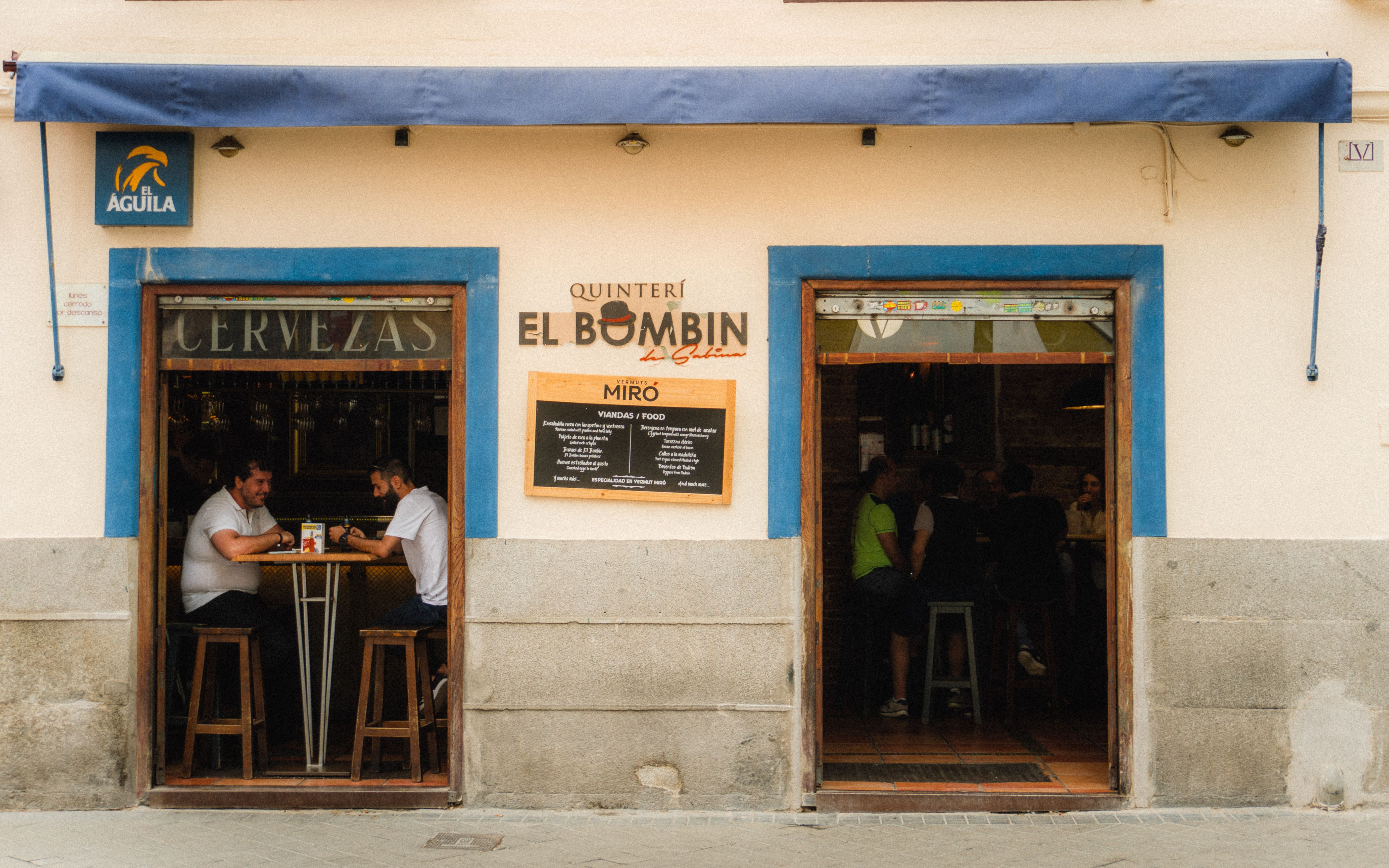
Chamartín may not scream “culinary destination,” but it quietly delivers a mix of modern dining, casual hangouts, and even a few playful surprises. High-end restaurants tucked into hotel complexes draw business travelers, while Plaza Castilla hides a bowling alley and a few shops that locals swear by for offbeat evenings.
Where to Eat and Drink
-
Zalacaín – Once Spain’s first three-Michelin-starred restaurant, now reimagined. Elegant menus around €40–50 but worth it for a polished business lunch.
-
La Vaca Argentina – A Chamartín classic for steak, with hearty plates starting around €20. Perfect for meat lovers who want generous portions.
-
O’Caldiño – Cozy Galician spot near the station serving octopus and hearty stews; meals around €18–25. A favorite for those who want regional flavor without leaving Madrid.
-
Café de la Luz** (Centro branch)** – A casual café where you can grab €3 cortados and open your laptop without side-eye.
Leisure Beyond Dining
-
Chamartín Bowling Center – A retro-style bowling alley near Plaza Castilla; €5–7 per game. Great for team nights out or an easy local diversion.
-
Diversia – A leisure complex with cinemas, gyms, and late-night bars, popular with younger crowds.
-
Cuesta de San Vicente Shops – A cluster of mid-range boutiques where locals duck in for everyday shopping.
It’s a reminder that Chamartín doesn’t only offer suits and meetings; it has corners of fun that make daily life richer, whether you’re in the mood for a Michelin-caliber dinner or a casual strike at the bowling lanes.
Living in Chamartín: Who It’s Best For
Chamartín balances comfort with professionalism. Rents are higher than Lavapiés but not as steep as Salamanca, and the housing stock leans toward modern flats, serviced apartments, and international hotel residences.
For many remote workers, the district feels dynamic—a mix of polished residential calm and corporate buzz that offer a safe bet compared to other following neighbourhoods.
Cost of Renting in Chamartín
A one-bedroom averages €1,100–€1,400 per month. Two-bedroom family-sized flats hover closer to €1,800. Serviced options with utilities included push higher but add flexibility for nomads.
| Neighbourhood | Average Rent (1-bed) | Vibe | Best For |
|---|---|---|---|
| Lavapiés | €850–€1,000 | Bohemian, multicultural | Budget-conscious nomads, creatives |
| Chamartín | €1,100–€1,400 | Residential, professional | Families, remote workers seeking calm |
| Salamanca | €1,500+ | Luxury, upscale | High-budget expats, fashion lovers |
| Chamartín sits in the middle—more polished than Lavapiés, less exclusive than Salamanca. |
Safety and Everyday Rhythm
Chamartín is considered one of Madrid’s most secure districts. Broad avenues, parks, and playgrounds make it especially attractive to families. Nights are quieter here compared to the bustle of central barrios, which some see as a drawback but others embrace as part of the area’s charm.
Who Finds the Fit Here
Chamartín works best for:
-
Business travelers who need quick access to the financial district and Chamartín station
-
Families looking for a safe, residential base
-
Remote workers who want a stable, professional type of environment
It’s not the barrio for endless late nights, but if you’re seeking balance and security, Chamartín delivers.
Curious how Chamartín stacks up against other Madrid barrios? Explore RentRemote's Madrid Digital Nomad neighborhood guides to find a fit that meets your needs. Need something less corporate-core and more boheme, check out the Goya neighborhood guide.

Working from Chamartín: Cafés, Coworkings, and Connectivity
Chamartín isn’t just about business towers—it’s also one of the better bases in northern Madrid for remote workers. The area has reliable internet, quieter cafés than the central districts, and coworking spaces that keep things professional without being overwhelming. Add in quick metro access and it’s clear why digital nomads choose to work from here.
Coworking Spaces Worth Checking Out
Several coworkings in and around Chamartín make it easy to plug in for a day or longer stay. Prices vary, but most are affordable compared to central Madrid hubs.
-
Loom Castellana 280 – Modern design, day passes from €20, monthly desks from €220. Popular with startups.
-
Spaces Río – Flexible memberships, day passes around €19, with a strong expat community.
-
Impact Hub Prosperidad – A short metro hop away, starting at €200/month, with a focus on sustainable business projects.
These spaces strike a balance between affordability and professional amenities—ideal for nomads who want consistency without long commutes.
Cafés With Reliable WiFi
Not every café in Madrid caters to laptops, but Chamartín has several spots where freelancers and nomads blend in.
-
Café de La Luz – Stylish, quiet, and reliable WiFi. Coffees around €3–4.
-
Federal Café Luchana – Light-filled, friendly to remote workers, with brunch dishes from €10.
-
Parque Café – Cozy interiors and solid internet, perfect for writing sessions over cappuccinos.
These cafés aren’t crowded with tourists, which makes them easy spots to settle into for a few hours of focus.
Why Nomads Choose Chamartín to Work
Chamartín appeals to remote workers for three main reasons:
-
Quieter work environment compared to the central districts
-
Strong connectivity (both WiFi and transport)
-
Access to coworkings and cafés that welcome laptops
For many, it’s the right mix of infrastructure and calm, offering the tools to stay productive while still enjoying Madrid’s rhythm.
Thinking of setting up base here? If you want a fully furnished space with ergonomic desks, dual monitors, and access to remote-first equipment, RentRemote’s Madrid apartments with full work-ready setups offer more than a kitchen table and a hope that nothing disturbs your work day.

Chamartín vs. Other Madrid Neighborhoods
Every district in Madrid has its own personality, and choosing the right base depends on what you value most. Chamartín stands out as the “business-class” option: secure, polished, and well-situated. But it’s worth comparing it with Lavapiés, Malasaña, and Salamanca before deciding where to unpack your bags.
Chamartín Compared with Lavapiés
Lavapiés is cultural, scrappy, and globally flavored. Rent is cheaper here, often around €850–€1,000 for a one-bedroom, compared to Chamartín’s €1,100–€1,400 range. The streets are full of immigrant-run restaurants, mural-covered walls, and a social buzz that lasts late into the e. vening
Chamartín, in contrast, offers wider avenues, quieter apartments, and a more professional type of lifestyle.
Chamartín Compared with Malasaña
Malasaña is Madrid’s creative playground. Vintage shops, tattoo studios, and craft beer bars line its streets, and weekends spill over with nightlife. A one-bedroom flat averages €1,200–€1,300.
Chamartín doesn’t compete on parties or late nights—it wins for calm, transport links, and green parks. If you’d rather have peace after work than a spontaneous evening out, Chamartín is the safer bet.
Chamartín Compared with Salamanca
Salamanca is Madrid’s luxury quarter. Designer boutiques, Michelin-starred restaurants, and high-end apartments dominate here, with rents starting around €1,500. It’s stylish but exclusive.
Chamartín sits just below that tier—modern and secure, but with housing options more accessible to professionals and families. You still get polished surroundings, but without the steep price tag of Salamanca.
Quick Comparison at a Glance
| District | Average Rent (1-bed) | Vibe | Best For |
|---|---|---|---|
| Lavapiés | €850–€1,000 | Bohemian, multicultural | Budget nomads, creatives |
| Malasaña | €1,200–€1,300 | Trendy, nightlife-heavy | Young professionals, party-goers |
| Salamanca | €1,500+ | Luxury, high fashion | Expats with high budgets |
| Chamartín | €1,100–€1,400 | Residential, professional | Families, business travelers, remote workers |
Is Chamartín Right for You?
Chamartín suits people who like their base calm, connected, and quietly efficient. It’s a great fit for remote workers who need reliable infrastructure, professionals who move between meetings and airports, families looking for space and security, and anyone who prefers a polished atmosphere over downtown buzz. Football fans get the bonus of being near the Bernabéu, but the real appeal lies in the district’s balance.
It’s not the most affordable part of Madrid, and it won’t keep you out late. But that’s part of its charm.
If you’re still torn between tapas in Lavapiés, late nights in Malasaña, or the polished calm of Chamartín, our full Madrid travel guide pulls it all together so you can choose with the right insights in mind.
For long stays, focused work, and a lifestyle that values comfort over chaos, Chamartín offers just the right kind of rhythm.