
Daniel
Productivity & Remote Living Analyst ·
London has more coworking options than any city in Europe — which sounds like good news until you spend three hours comparing day rates and realise you still don't know which space suits how you actually work. The right choice depends on your borough, your schedule, and whether you're here for a week or six months. This guide skips the marketing copy and tells you what each space is genuinely like to spend a day in.
The best coworking spaces by area — East London, South London, West London, and North London
Day pass prices, dedicated desk rates, and what's actually included
Which neighbourhoods suit which working styles
Hidden costs to watch before you commit
Event spaces and meeting rooms worth knowing about
How to find a furnished apartment close to your workspace
London Coworking Spaces by Neighbourhood: Where You Live Shapes Where You Work
Central and East London: High Density, Higher Rents
If your work involves being seen — pitching, networking, or staying close to the London tech and media ecosystem — the centre and east are worth the premium.
Shoreditch / East London: £2,000–£2,600/month for a one-bed; the highest concentration of coworking spaces in the city, with options ranging from WeWork-scale to single-floor independents on Curtain Road
Soho / Fitzrovia: £2,400–£3,200/month; walking distance to major media and advertising companies, which matters if your clients are based here
Borough / Southwark: £1,900–£2,400/month; industrial-cool spaces that are noticeably quieter than EC1, with Borough Market a genuine lunch option rather than a tourist detour
The Shoreditch density is real — you'll rarely need to walk more than five minutes to find a desk — but the neighbourhood doesn't slow down at 6pm, which is either a feature or a problem depending on how you work.
Browse London homes near this area
West and North London: More Space, Less Performance
If you're a consultant, writer, or remote professional who doesn't need to be near a particular industry cluster, the outer zones offer better value and a noticeably calmer working environment.
Parsons Green / West London: £1,800–£2,300/month; coworking spaces here are less design-forward but significantly less crowded, with more space per pound than anywhere inside Zone 1
Camden / North London: £1,700–£2,200/month; eclectic and community-first, with a strong network of independent cafés that function as informal coworking if you prefer not to pay for a dedicated desk every day
Both areas: Tube connections into Zone 1 exist, but factor in 30–40 minutes each way if you're regularly meeting people in the centre
Camden in particular suits solo workers well — the neighbourhood has enough creative energy to feel stimulating without the startup-performance culture that can make Shoreditch exhausting by week three.
Browse London homes near this area
How to Match Your Accommodation to Your Workspace
London's neighbourhoods function independently enough that where you sleep and where you work should be decided together, not separately.
Stay within 20 minutes of your coworking space: the Tube is reliable, but a daily cross-zone commute compounds quickly across a month-long stay
Zone 2 is the practical sweet spot: lower rents than Zone 1, still well-connected, and most serious coworking options have outposts outside the centre now
Lock in accommodation before your coworking membership: committing to a workspace first and then hunting for nearby flats leaves you with fewer options at higher prices; browse fully furnished apartments in London filtered by neighbourhood to compare zones before you commit
The people who find London genuinely workable long-term are almost always the ones who treated neighbourhood selection as a logistics decision rather than an aesthetic one.
Most London coworking spaces charge between £25 and £50 for a day pass, so picking the right neighbourhood first will save you from overpaying for a desk you could find cheaper two stops down the Tube.
The Best Coworking Spaces for a Coworking Day Pass in London
If you're testing London before committing to a monthly membership, coworking day passes are the sensible entry point — but the price range is wider than you'd expect, and not all day rates include what you think they do.
Day Passes Worth Buying: What You Get and What You Don't
Day passes in London start at £25 and climb past £60 depending on the space and what's bundled in — meeting rooms, printing, and guest access are usually extra.
Techspace Shoreditch — day pass from £40 + VAT, high speed internet included, private phone booths available, best on weekdays before the event crowd arrives
The Ministry — day pass from £40 + VAT, opened July 2018 in Borough, includes access to an on-site recording studio and tequila bar — genuinely one of the more unusual work environments in London
Second Home Spitalfields — day rates available, 24/7 access for members, dedicated desks from £400 + VAT per month, designed to feel more like a greenhouse than an office
De Beauvoir Block — casual memberships from £100 per month, day access negotiable, located between Hackney and Islington with a genuinely local feel
The hidden costs to check before you pay: meeting room booking fees (often £15–£30/hour on top of your day rate), VAT on all published prices, and whether printing is included or metered.
When a Coworking Day Pass Makes Sense Versus a Weekly Rate
One or two days a week, the day pass wins. Three or more days, the maths tips toward a part-time membership at almost every space in London.
Hot desks start from £299 + VAT per month at most central London spaces — that's roughly £15/day if you use them five days a week
On-demand work spaces can save up to 87% compared to full-time office leases for teams that don't need permanence — a figure Taskrabbit found when they made the switch
Most spaces let you roll unused days over if you book a 10-day bundle — ask before you commit to the standard day pass
If you need a meeting room more than twice a month, factor that in: a dedicated desk membership with room credits included is almost always cheaper than paying per booking
The best coworking spaces in London for client meetings are clustered around Soho and Farringdon, where a private meeting room for two hours typically runs £40 to £80 and you can walk to a decent lunch spot in under five minutes.
Three days of day passes at £40 each is £120 before VAT. A hot desk membership costs £299. The break-even is week three — and most people who come for a month stay longer than they planned.
East London Co Working Spaces: Shoreditch, Hackney, and Spitalfields
East London is where London's coworking culture started, and it still has the highest concentration of spaces in the city — but the quality gap between the best and the average is significant.
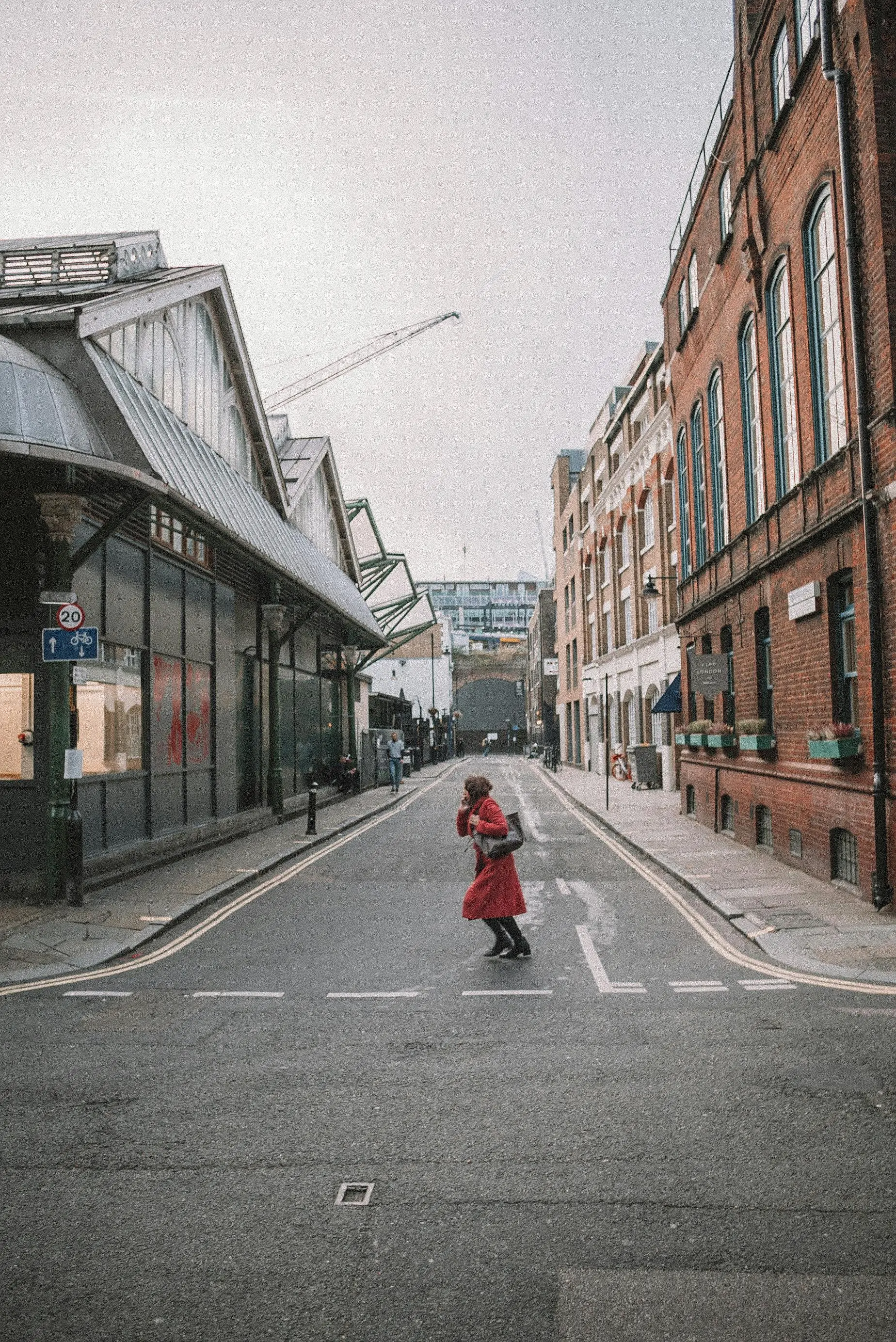
Shoreditch: The Default for Tech and Creative Teams
Shoreditch works well for teams that need to be seen as well as somewhere to work — the density of networking events, product launches, and informal introductions around Brick Lane and Old Street is genuinely unmatched elsewhere in London.
WeWork Moorgate — hot desks from £299 + VAT, dedicated desk from £399 + VAT, meeting rooms bookable by the hour, strong infrastructure for client-facing teams
The Trampery Old Street — community-focused, stronger on networking events than desk density, good for solo founders who find standard coworking spaces isolating
Maldron Hotel Shoreditch — not a coworking space, but the lobby works well for two to three hours of focused morning work before it fills up, coffee from £4
Brick Lane is a short walk from most Shoreditch spaces — useful context if you're trying to understand why East London attracts the creative sector
Shoreditch is loud, it's dense, and it gets louder in the evenings — if you need quiet focus for most of your working day, look at Spitalfields or Hackney instead.
Shoreditch is the single best neighbourhood in London to do business if you work in tech or creative industries — the density of startups and agency studios along Old Street means a coffee meeting can turn into a real referral within the same afternoon.
Dedicated Desk Options in East London Worth Committing To
A dedicated desk in East London gives you something central London largely can't: the sense that you're working inside the industry rather than adjacent to it.
Second Home Whitechapel — dedicated desks from £400 + VAT per month, unique event spaces available for company offsites, 16,000 sq ft across the Spitalfields site — one of the more distinctive work environments in London
Camden Gateway — free hot desk space for early-stage startups, dedicated desk memberships for more established teams, strong community manager presence and regular networking events
Mainyard Studio — more affordable than EC1, ergonomic furniture, 24/7 access, bike storage — suited to people who commute by cycle from North or East London
East London gives you access to the best networking density in the city, but if your work is heads-down rather than outward-facing, you'll pay a social premium for an energy you may not need.
London Coworking: Borough, Southwark, and the South Bank for Spaces in London
South London's coworking scene is smaller than East London's, but it's more serious — the people here tend to be working, not networking for the sake of it.
Borough and Southwark: Event Spaces and Focused Work Environments
The Ministry in Borough is the anchor of this area's coworking identity — it's not a neutral office product, it's a specific atmosphere, and you'll know within an hour whether it's the right one for you.
The Ministry, Borough — event spaces that host summer parties and product launches alongside daily desk space, on-site recording studio, tequila bar, private phone booths for calls — day pass from £40 + VAT
Borough Market is a short walk from most Southwark work spaces — lunch options are genuinely good and the area draws a different professional crowd than Shoreditch
Tileyard London — music and creative industry focus, more affordable than Borough per square foot, strong community of independent producers and agencies
Riverside walks along the South Bank are a functional asset — a 20-minute walk at midday resets focus better than a second coffee
Borough suits people who want substance over spectacle — the workspace quality is high, the event spaces are among the most interesting in London, and the lunch break alone is worth the commute.
Renting dedicated office space in Borough runs around £600 to £900 per desk per month, which makes the flexible desks at Workspace's Southwark hub look like a bargain for solo remote workers who only need four or five days on-site each week.
Latest Updates on South London Co Working Spaces
South London's coworking landscape has expanded noticeably since 2022 — the latest updates worth knowing about are the new flexible-access options that sit between a full membership and a casual day pass.
Several Southwark spaces now offer 10-day rolling bundles — no long-term commitment, high speed internet, access to meeting rooms included
Shared amenities across South London locations increasingly include kitchenettes, cleaning services, and bike storage — standard at The Ministry and Tileyard
LABS Southampton Place — newer addition to the area, meeting rooms and event space, phone booths for private calls, ergonomic seating throughout
Flexible memberships in this area eliminate the costs of traditional long-term office leases — shared overhead and utilities lower expenses while keeping you in a premium location
If you want to stay near the South Bank rather than commute into it, Explore Hackney in our neighbourhood guide for furnished apartment options within walking distance of these spaces.
Soho, Fitzrovia, and Central London Coworking for Creative and Media Workers
Soho is where you go when the work you do requires being near the people who commission it — it is expensive, occasionally chaotic, and worth every pound if your industry lives here.
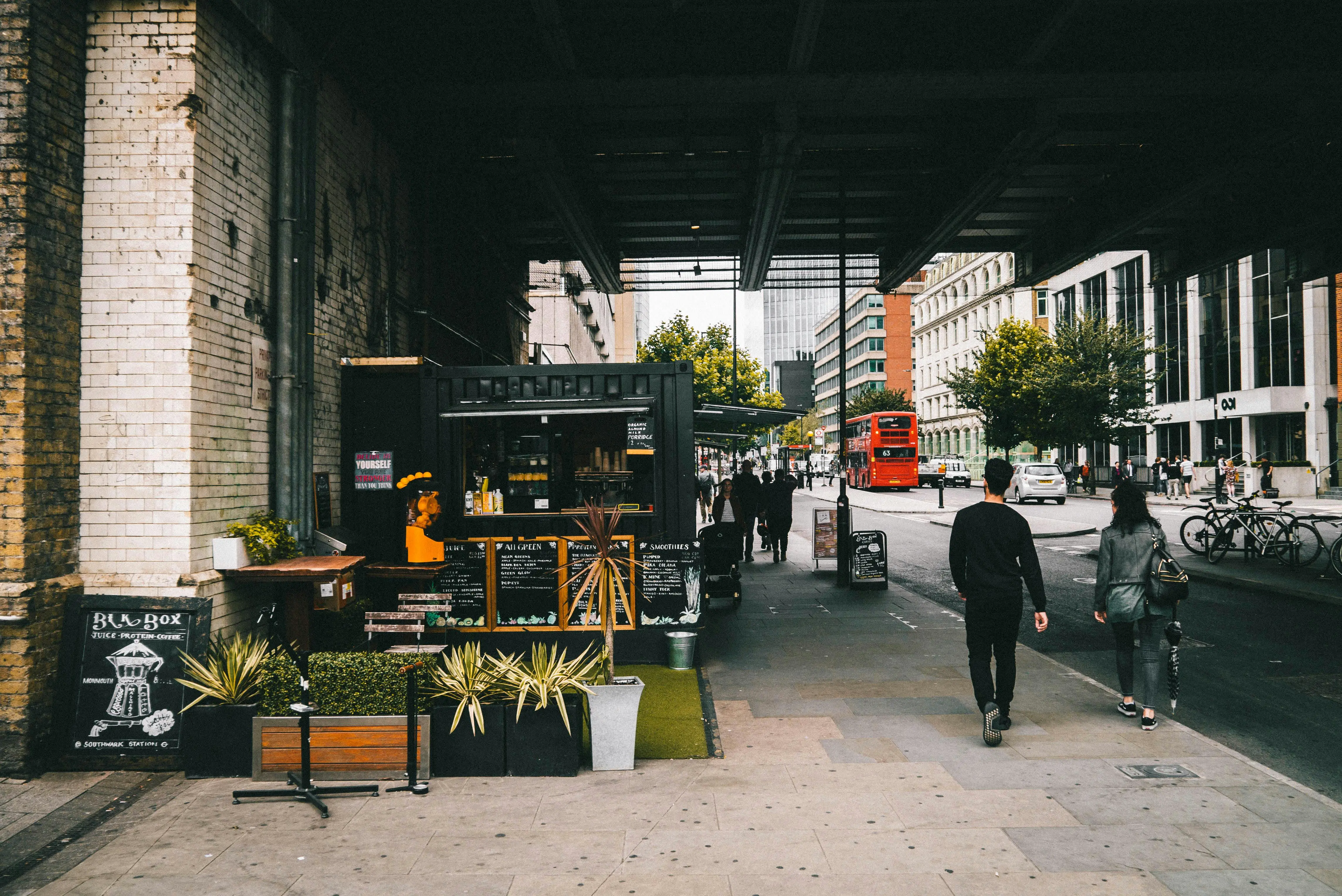
Soho and the West End: Coworking for Entrepreneurs and Creative Startups
The density of production companies, agencies, and media buyers in Soho means that coworking here is less about finding a desk and more about being in the right room when the right conversation happens.
Huckletree Soho — private offices and hot desks on Great Marlborough Street, day pass from £35 + VAT, popular with freelance producers and small creative agencies
Work.Life Soho — membership from £275/month, printing included, phone booths for calls, meeting rooms bookable by the hour at £20–£25 — busier Thursday afternoons than Monday mornings
Grind Coffee, Beak Street — not a coworking space but functions as one before midday; flat white £4.50, fast WiFi, genuinely cool interior without the performative startup energy
Soho's side streets off Carnaby Street reward exploration — several members' houses and private clubs now offer associate desk access without full membership demands
If your working day involves client calls, pitches, or drop-in meetings with collaborators, Soho's address carries weight that a Hackney postcode simply does not — and that matters more than you might expect when the invoice is going to a Mayfair company.
Soho's coworking spaces are hard to beat for after-work networking because you are already surrounded by bars like Milk & Honey and The Blind Pig the moment you close your laptop — no 30-minute Tube ride required.
Fitzrovia: Quieter, Cheaper, and Still Central
Fitzrovia is Soho with the volume turned down — same Zone 1 location, lower rent per square foot, and a professional environment that skews toward tech, consultancy, and independent media.
Fora Fitzrovia — dedicated desks from £450/month, ergonomic chairs, high speed internet, event space used for workshops and evening panels — quieter than most Soho equivalents
Attendant Coffee, Newman Street — converted Victorian public toilet, strong filter coffee £3.80, tables genuinely suited to focused solo work before the lunch crowd arrives
Charlotte Street and the surrounding blocks have lower foot traffic than Oxford Street — a productive afternoon here without headphones is realistic, which is not true of most Zone 1 postcodes
Facilities at Fitzrovia spaces typically include bike storage and shower rooms — relevant if you cycle in from Islington or Camden
Fitzrovia suits the remote worker who needs a central address without paying for the Soho premium — the environment is calmer, the coffee is better, and the evening options on Charlotte Street are worth staying for.
West London Coworking: Notting Hill, Shepherd's Bush, and the Demand for Flexible Space
West London's coworking scene runs quieter than East or Central, which is either a problem or the entire point depending on how you work.
Notting Hill and Ladbroke Grove: Creative Space Without the East London Crowds
The idea that good coworking only exists east of the City is a myth that West Londoners are happy to leave unchallenged — it keeps the spaces less busy.
Buspace Studios — creative production studios and flexible desk space under one roof, membership from £200/month, strong community of independent filmmakers and designers, green courtyard for breaks
Electric House, Portobello Road — members' house with associate desk access available, day pass from £30, good for solo workers who find open-plan coworking spaces too loud to think in
GAIL Bakery, Westbourne Grove — not marketed as coworking, but the corner tables work well before 10am, coffee £4, WiFi reliable, and the street outside on a Tuesday is genuinely pleasant
Portobello Road on a non-market day is a different street entirely — quiet, walkable, good for a working lunch break without fighting for pavement space
West London works best for remote workers who have already settled in the area — the demand for drop-in desk access is lower here, which means you usually get a seat without booking three days ahead.
Notting Hill's coworking options sit within walking distance of Portobello Road's boutique shops, which is genuinely useful when you need a mid-afternoon break that does not involve staring at another coffee chain.
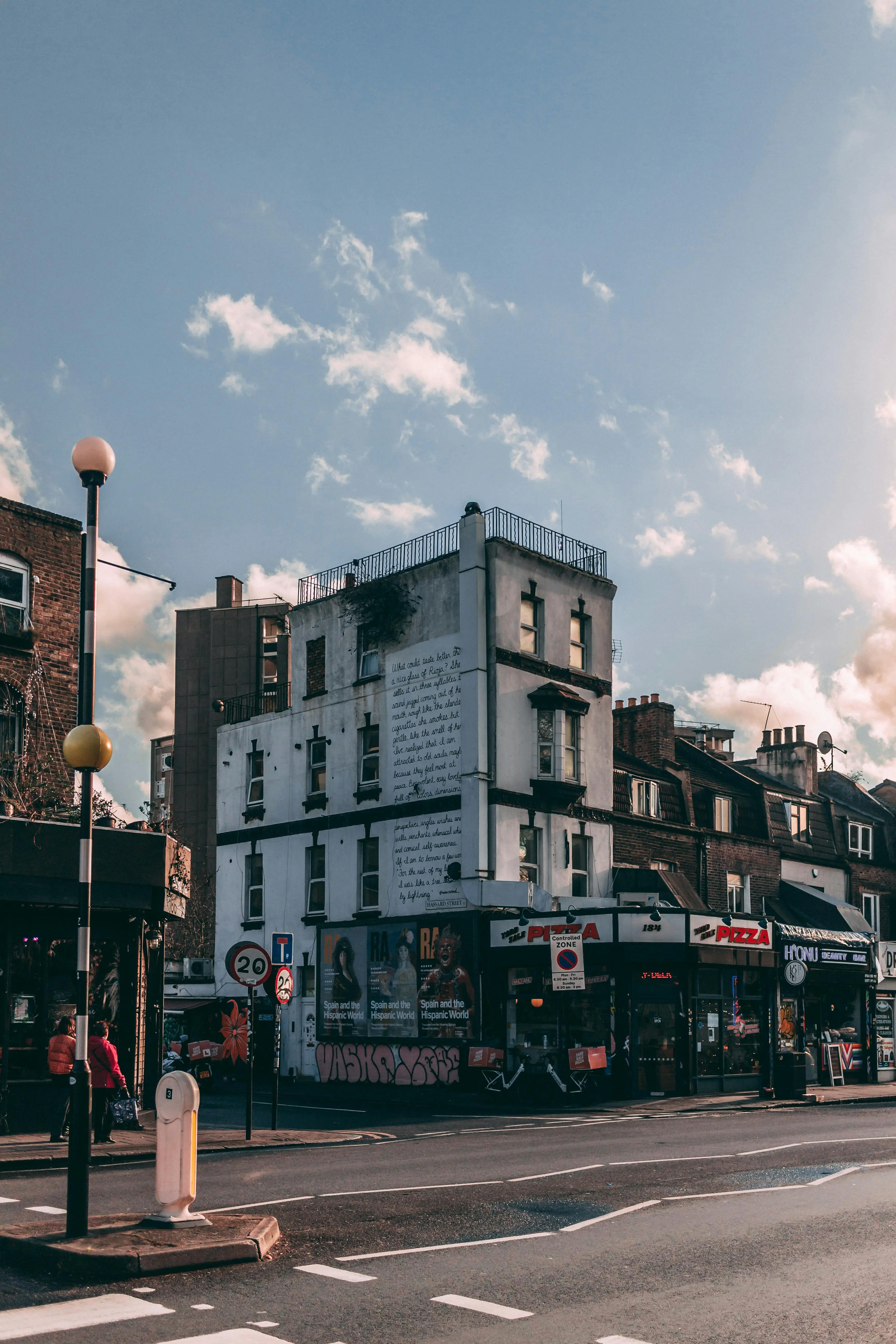
Shepherd's Bush and White City: Tech-Focused Coworking Near the BBC Campus
The White City development has shifted the centre of gravity for West London's creative and tech industries — if your work intersects with media, broadcasting, or digital production, this is worth your attention.
White City Place — co-working and studio space adjacent to the BBC campus, hot desks and private studios, strong WiFi throughout, popular with startups and entrepreneurs building media-adjacent products
Westfield Shepherd's Bush — not a workspace, but the upper-floor food court before noon functions as emergency overflow space when every desk in the area is taken; free WiFi, multiple power points, no one asks you to leave
Rent in Shepherd's Bush runs around £1,800–£2,200/month for a one-bed — lower than Notting Hill, within walking distance of White City coworking, and Zone 2 on the Central line
The area around Wood Lane has several newer flexible offices that opened post-2021 and are not yet on most aggregator sites — worth a direct search if you want a co membership without queuing for a popular brand name
White City is the sleeper pick for remote workers in media and tech — less talked about than Shoreditch, lower rent, and the infrastructure for a focused working day is genuinely good.
Making the Most of London Coworking: Membership, Facilities, and What No One Tells You Before You Arrive
London's coworking market rewards people who plan their first week carefully and punishes those who assume they'll figure it out on arrival.
What Your Membership Should Actually Include
A membership price is a starting number — the actual cost of your working day depends on what's bundled and what gets charged separately every time you use it.
High speed internet is standard everywhere above £20/day — if a space is charging under that and can't confirm the upload speed, assume it's shared consumer broadband and act accordingly
Printing is included at most mid-range memberships but charged per page at day-pass desks — if you print more than 20 pages a week, it's worth asking before you commit
Meeting rooms at most London spaces cost £15–£40 per hour as an add-on — some memberships include a monthly credit of 4–8 hours, which covers most remote workers' actual needs
Facilities like phone booths, locker storage, and mail handling are bundled differently at every space — read the small print before assuming your rate includes them
The space that looks cheapest on the aggregator site is rarely the cheapest space once you account for the stuff you'll actually use every week — ask for a full breakdown before you commit to anything longer than a day pass.
Free Options, Green Spaces, and When London Surprises You
Not every productive hour has to cost money — London has more genuinely free working environments than most people who've only ever used commercial coworking spaces realise.
The British Library reading rooms on Euston Road are free, beautiful, and have reliable WiFi and power sockets — you need a free reader's card, which takes five minutes to apply for online
Greenwich Park has one of the best views of the London skyline from its green hilltop — useful on days when you need a long walk to restart creativity rather than another hour at a screen
Several Pret a Manger locations have removed the time limit on seating — a flat white costs £3.30, the WiFi is fast enough for video calls, and no one treats you as an inconvenience for staying two hours
Idea Store libraries across Tower Hamlets offer free WiFi and quiet study rooms — underused by remote workers who haven't looked past the commercial coworking market
London charges you for almost everything, but the free infrastructure for remote work — libraries, parks, museum lobbies, and a handful of honest coffee shops — is better than the city gets credit for.
If you bring friends or other remote workers with you, many London coworking spaces like Second Home in Spitalfields offer group day passes that work out cheaper than booking individual desks separately.
Final Verdict: Is London Worth It for Remote Workers?
What London's Coworking Scene Actually Delivers
The coworking infrastructure here is genuinely one of the best in the world — not just in volume, but in variety and geographic spread.
Free options exist through library-based working spaces and some borough hubs for those keeping costs minimal
Mid-range desks run roughly £150–£300 a month across neighbourhoods like Shoreditch, Bermondsey, and King's Cross
Premium memberships at operators like WeWork or Second Home reach £500–£600 a month and come with serious networking density
The spread across zones means you can almost always find a decent space within walking distance of wherever you live
If you pick a neighbourhood and walk to your coworking space rather than commuting across the city, London becomes a far more manageable place to work.
Who London Is Actually Right For
London rewards remote workers who are here with a reason — proximity to clients, investors, or collaborators — and punishes those who are simply drifting.
Entrepreneurs building something early-stage will find an unusually dense concentration of investors, accelerators, and potential hires
Freelancers in creative industries benefit from the cultural output and the client base that comes with a global media and design hub
Workers whose social network is already in London will find the lifestyle cost-to-value ratio much easier to defend
Fully asynchronous workers with no London ties will struggle to justify rents that regularly exceed £2,000 a month for a one-bedroom flat
The professional network density here is hard to replicate — but you only benefit from it if you actually show up to use it.
Coworking day passes in London average £35 at most central locations, which is steep compared to Lisbon or Berlin, but the quality of connections you make in a single afternoon at a Shoreditch hub can justify the cost.
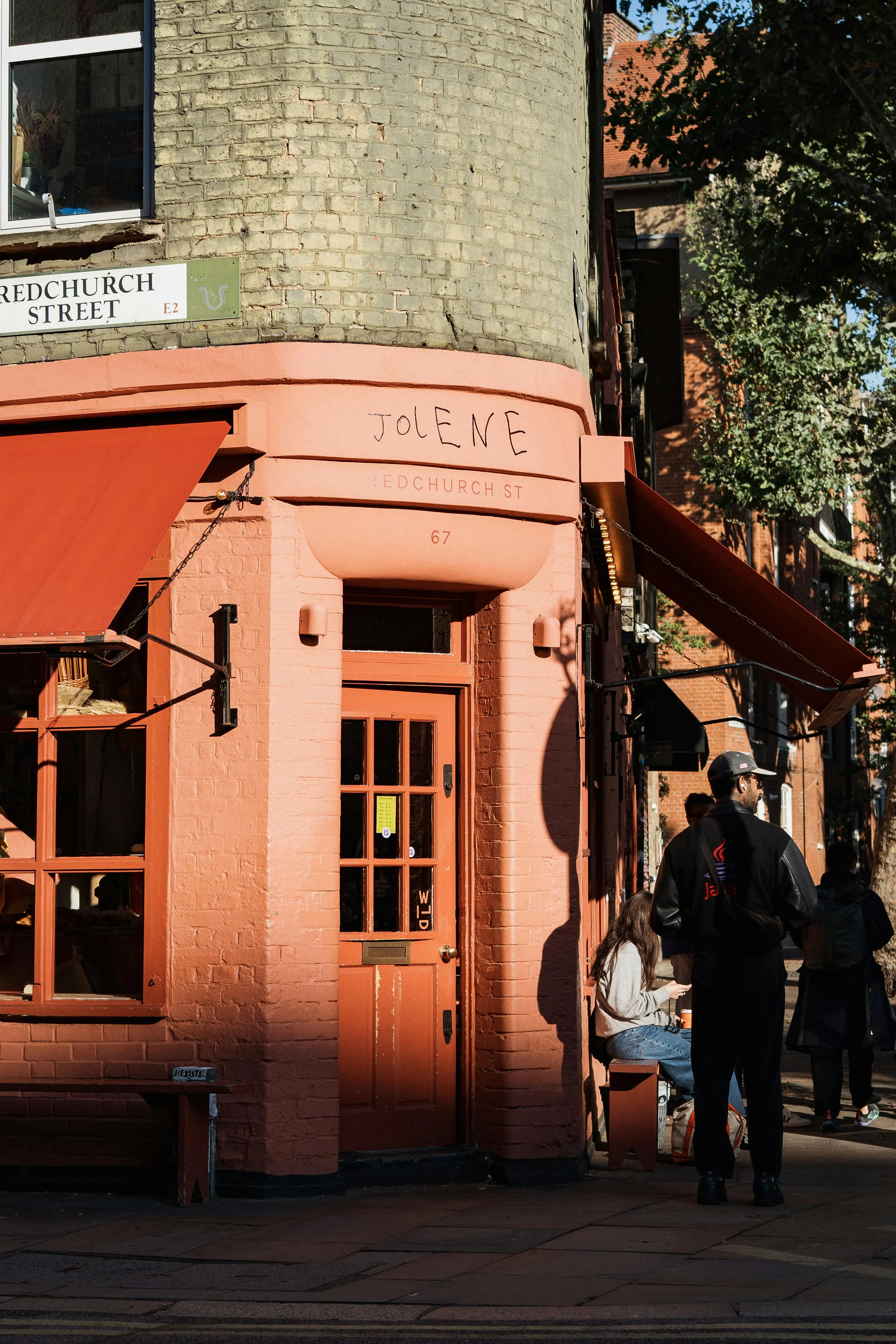
Making the Numbers Work Long-Term
Staying in London for more than a month requires a deliberate approach to housing, or the cost will quietly erode every other reason you came.
Short-term furnished rentals in neighbourhoods like Clapton, Peckham, or Kensal Rise offer more space per pound than central postcodes
Committing to a single neighbourhood and walking your daily routes cuts both transport costs and decision fatigue significantly
Predictable monthly rent through a furnished apartment removes the volatility of hotel or Airbnb pricing over a longer stay
Explore fully furnished apartments in the UK to find a base that keeps your rent predictable and your working day friction-free
London will test your budget before it tests anything else — get the housing right first and the rest of the city opens up.