Maya
Culture & Exploration Editor ·
Sheung Wan is where Hong Kong stops performing and starts living. It sits just west of Central — close enough to walk to the financial district in fifteen minutes, far enough that the rent drops and the streets actually have character. The trade-off is real: you get incense shops and antique dealers on Hollywood Road instead of glass towers, and your MTR station is busier than you'd like on weekday mornings. But for anyone staying longer than a hotel stint, Sheung Wan hong kong makes more sense than almost anywhere else on Hong Kong Island.
This guide covers:
What Sheung Wan actually feels like to live in day to day
How it compares to Central, Wan Chai, Kennedy Town, and Discovery Bay
Where to eat, work, and find coffee that isn't a chain
What furnished apartments cost and what you get for the money
The MTR, trams, and how transport shapes your daily rhythm
Honest trade-offs: who Sheung Wan suits and who it doesn't
Living in Sheung Wan, Hong Kong: What the Neighbourhood Actually Feels Like
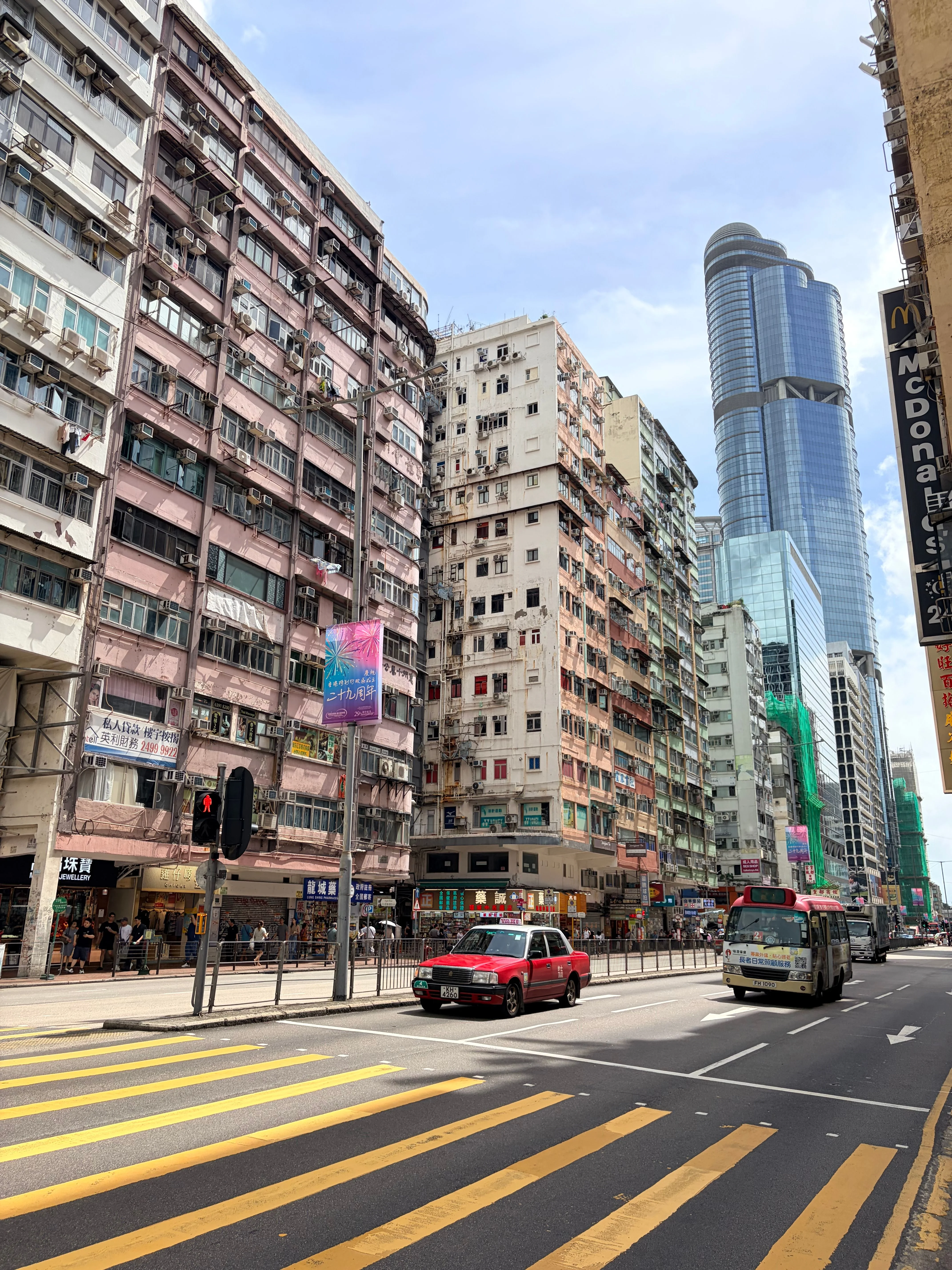
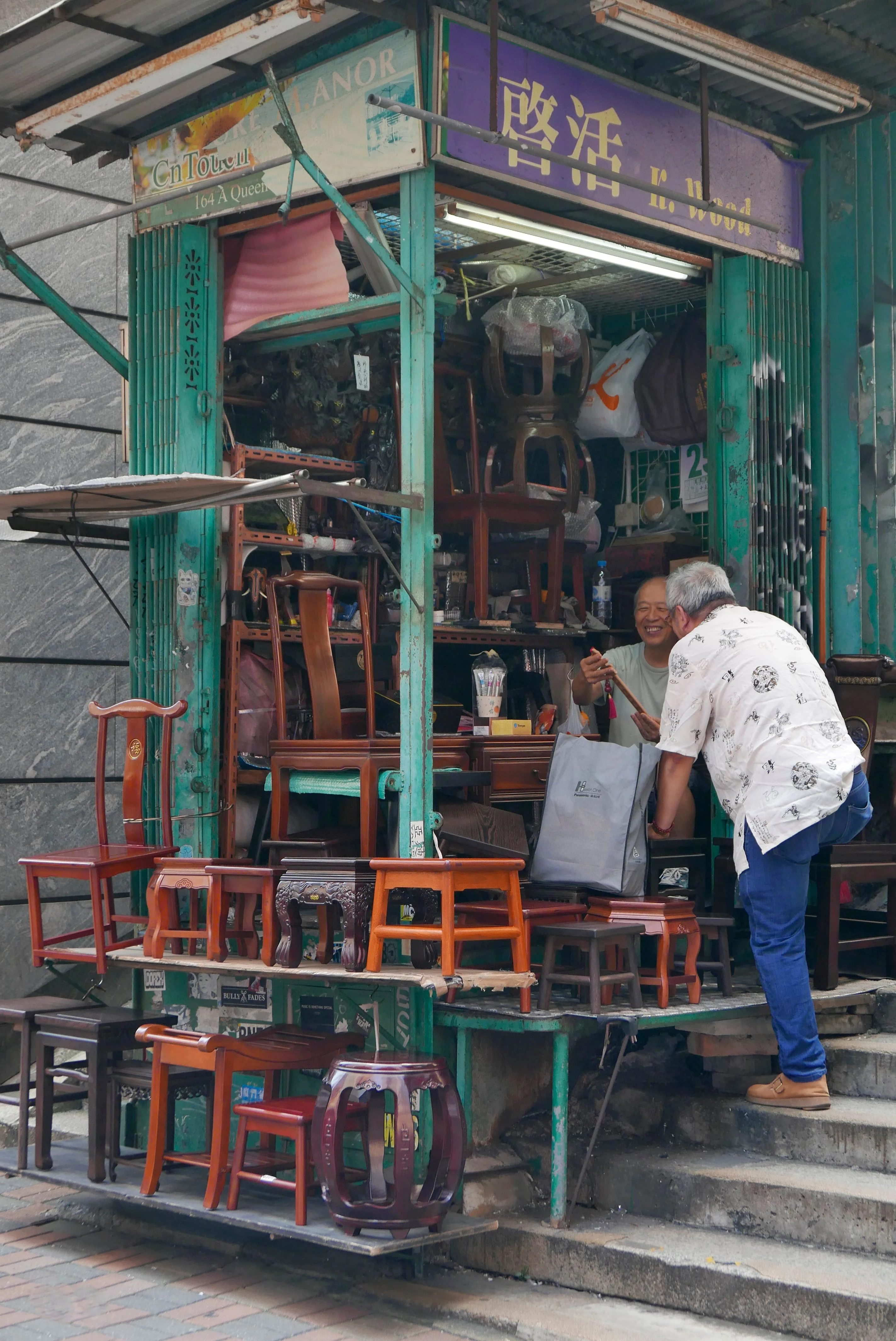
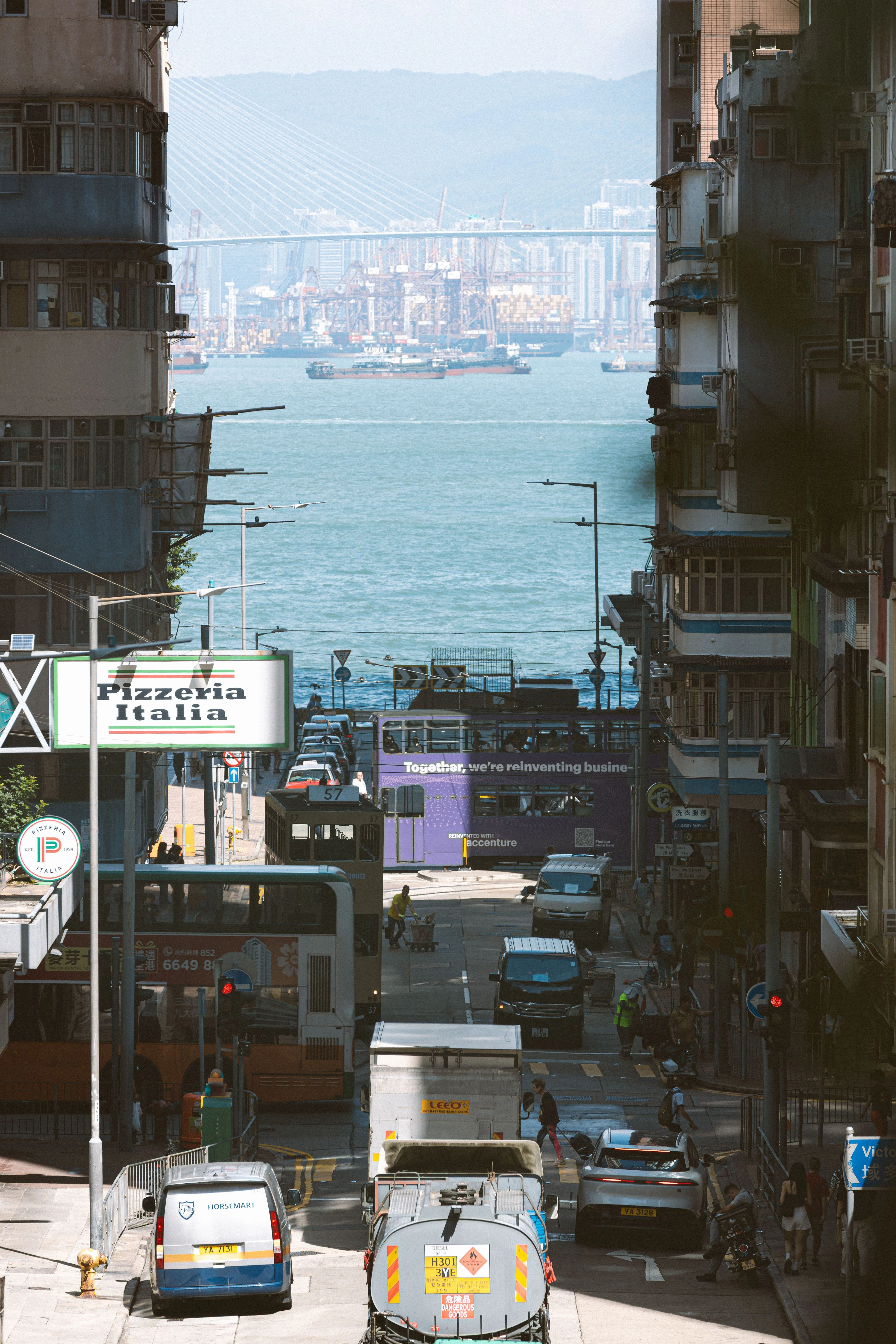
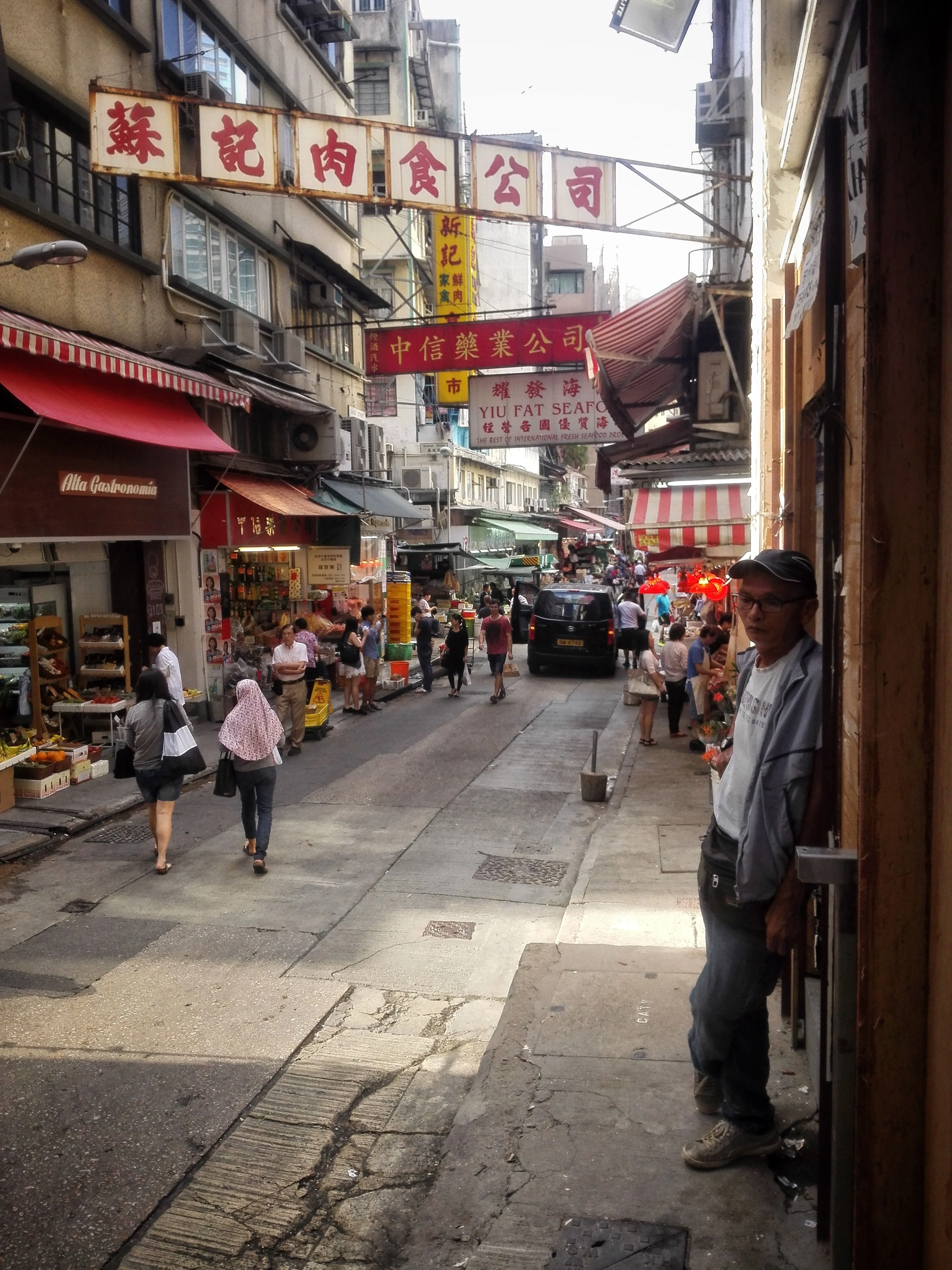
Sheung Wan wan hong kong has two distinct personalities, and which one you encounter depends entirely on which street you're on. Below Hollywood Road, it's dense, local, and loud — wet markets, dried seafood traders, and trams running down Des Voeux Road. Above Hollywood Road, toward Caine Road and Seymour Road, it quiets considerably: residential towers, boutique coffee shops, and the kind of streets where you can hear your own thoughts. That split is the defining feature of living here, and you should decide before you sign a lease which half you actually want.
Street-Level Life in Sheung Wan
The ground floor of Sheung Wan operates on a logic that hasn't changed in decades, and that's part of its appeal.
Dried Seafood Street (Ko Shing Street) — a full block of preserved goods, medicinal herbs, and ingredients you won't find in a supermarket; best before 10am before deliveries block the pavement
Man Mo Temple on Hollywood Road — incense coils hang from the ceiling year-round; free entry, perpetually open, and genuinely used by locals rather than tourists
Tram stops on Des Voeux Road West — HK$3 flat fare, one of the cheapest and most useful transit options on Hong Kong Island
The street-level density that makes Sheung Wan interesting is also what makes it unsuitable if your baseline requirement is calm — this is a neighbourhood that is awake by 7am and doesn't apologise for it.
The Upper Residential Pocket: Caine Road and Seymour Road
If you're renting rather than visiting, this is probably where you'll end up — and it earns that preference honestly.
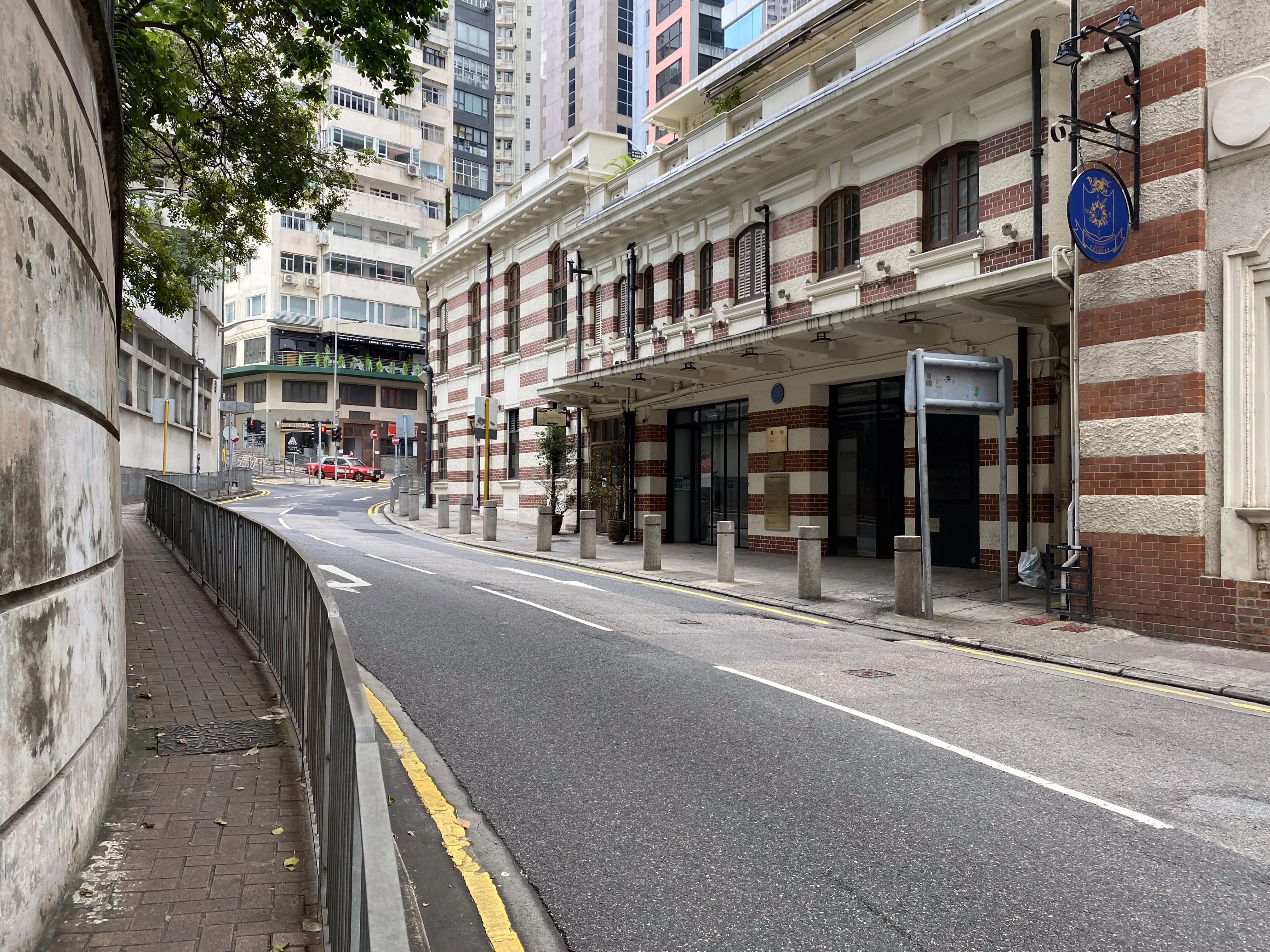
Caine Road runs parallel to Hollywood Road, roughly 150 metres uphill; quieter, more residential, and an easy ten-minute walk down to the MTR
Sai Ying Pun MTR (Island Line) — technically one stop west of Sheung Wan station but often faster to reach from upper Caine Road addresses
Furnished studios in this pocket start around HK$12,000/month; 1-beds from HK$16,000 — higher than Kennedy Town, lower than Central by a meaningful margin
Hong Lok Street and links off Seymour Road have small local shops, a decent mix of Cantonese restaurants, and almost no tourist infrastructure
Living up here means you're close enough to Central to treat it as your work district while actually coming home somewhere that feels like a neighbourhood.
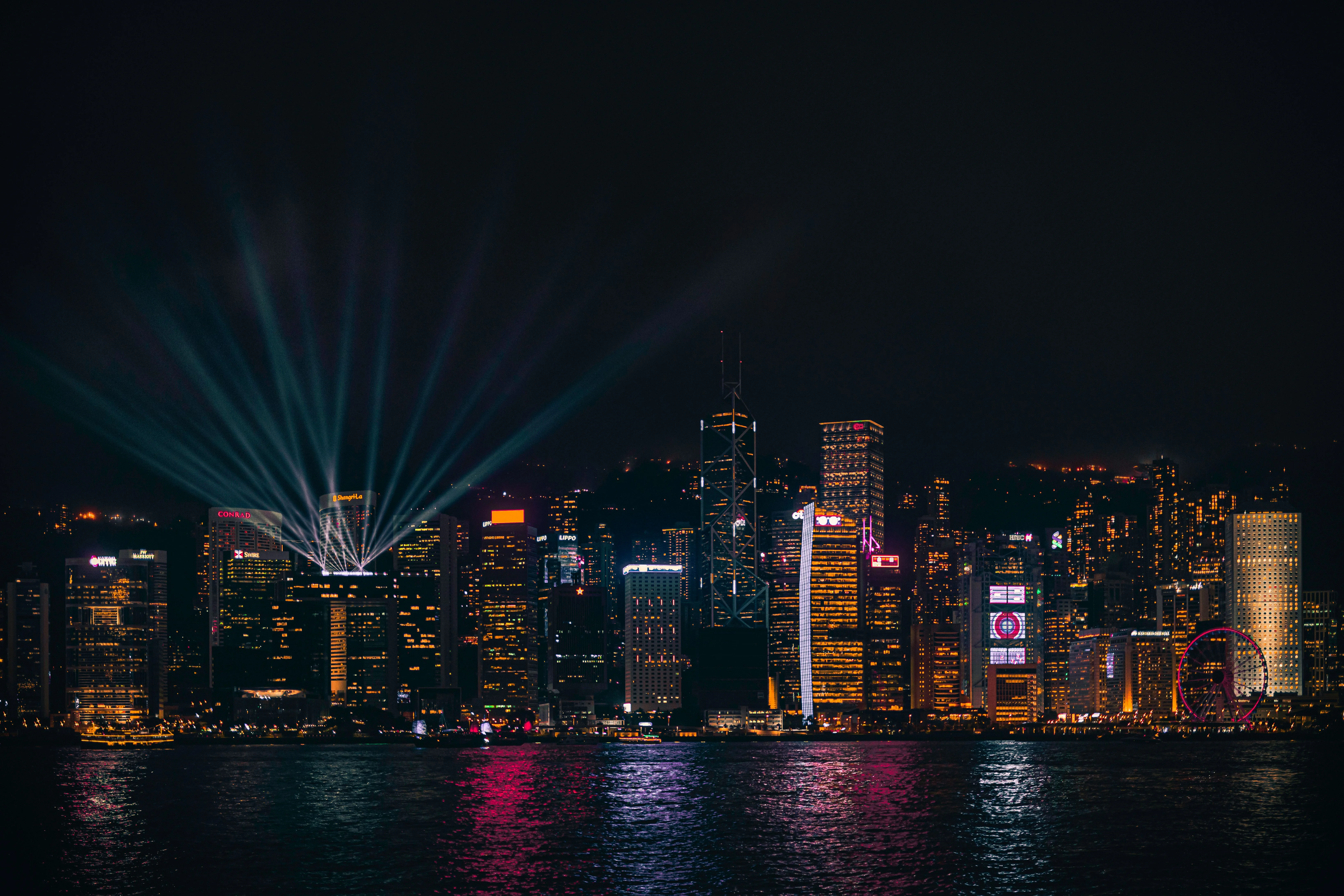
Sheung Wan, Hong Kong's westernmost MTR stop on the Island Line before Kennedy Town, puts you about 8 minutes by train from Central — close enough to commute, far enough to avoid the finance-district noise on weekends.
Browse Hong Kong homes near this area
Sheung Wan vs. Central vs. Other Hong Kong Island Neighbourhoods
Central is not a neighbourhood — it's an office district that happens to have apartments in it. Wan Chai is louder and cheaper but further east. Kennedy Town is calm and genuinely local but puts you at the end of the Island Line with fewer options. Discovery Bay sits across the water on Lantau Island entirely, and the ferry-only commute is either a feature or a dealbreaker depending on your schedule. The table below gives you the honest comparison.
Neighbourhood | Monthly Rent (1-bed) | Vibe | Best For | Key Advantage |
|---|---|---|---|---|
Sheung Wan | HK$16,000–22,000 | Dense below, residential above; creative mid-layer | Expat renters who want local texture near Central | Hollywood Road culture + 10-min walk to CBD |
Central | HK$22,000–32,000+ | Financial district, polished, transient | Short stays, expense accounts | Everything is immediately accessible |
Wan Chai | HK$14,000–19,000 | Mixed, louder, more varied | Lower budget, flexible lifestyle | Price and MTR access |
Kennedy Town | HK$12,000–17,000 | Quiet, genuinely local, end-of-line | Longer stays, lower cost priority | Cheapest on Hong Kong Island with MTR access |
Discovery Bay | HK$15,000–25,000 | Car-free, suburban, expat-heavy | Families, those who want suburban quiet | Space, greenery, beaches on Lantau |
Discovery Bay deserves a note: it's genuinely unlike anywhere else in Hong Kong, almost no street traffic, golf carts instead of cars, and a ferry to Central that runs regularly. But if your work requires flexibility, the last ferry home imposes a curfew you'll feel by week two.
Why Sheung Wan Wins Against Central on Value
The price gap between Sheung Wan and Central is real, and it compounds faster than people expect when they're budgeting a multi-month stay.
A furnished 1-bed in Central averages HK$26,000/month; the same spec in Sheung Wan runs HK$17,000–19,000 — a gap of HK$7,000–9,000/month before you've made any other decision
The MTR journey from Sheung Wan station to Admiralty (the CBD's southern anchor) is two stops, under five minutes
Tsim sha Tsui across the harbour is one MTR interchange away via Central — sha tsui to Sheung Wan is a commutable distance for anyone working Kowloon-side
The restaurant and café density on and around Hollywood Road is comparable to Central's mid-range options at 20–30% lower price points
When expats debate which part of Hong Kong, Hong Kong Island specifically, offers the best balance of access and livability, Sheung Wan consistently beats Central on rent by 10–20% for comparable square footage.
If you have lived in Hong Kong, Hong Kong Island's western districts like Sheung Wan consistently offer more square footage per dollar than Wan Chai or Causeway Bay on the same budget.
Food, Coffee, and Daily Eating in Sheung Wan Hong Kong
Sheung Wan's food scene is split in a way that mirrors the neighbourhood itself: street-level Cantonese institutions that have been open for thirty years, and a newer layer of independent cafés and restaurants that arrived after the creative community settled on Hollywood Road. Both are worth knowing. Neither requires you to compromise.
Local Cantonese and Dim Sum Options
You don't need to go to a hotel in Hong Kong for good dim sum — Sheung Wan has the real version within a ten-minute walk of most addresses.
Luk Yu Tea House on Stanley Street — dim sum from HK$40/dish, old Hong Kong interior, cash preferred; go before 11am or queue
Sang Kee Congee Shop on Sheung Hing Street — congee from HK$35, open from 7am; a genuinely local breakfast that takes under twenty minutes
Tai Ping Koon— Cantonese-Western hybrid menu, main courses around HK$90–130; reliable, unhurried, good for a long working lunch
Wet market near Queen's Road West — fresh produce, cheaper than any supermarket; most stalls done by noon
Eating locally in Sheung Wan costs roughly HK$80–120/day for three meals without trying — that budget doesn't get you much in the financial district two stops east.
Coffee and Café Culture on Hollywood Road
Hollywood Road and its side streets have accumulated enough independent coffee to sustain a full working week without repeating yourself.
LOF10 on Po Yan Street — flat white around HK$42, decent WiFi, small but rarely at capacity before noon
Starbucks and Pacific Coffee exist on Queen's Road Central — fast WiFi and reliable seating if you need them, but neither tells you anything about living here
The Hollywood Road café strip works best as a morning-to-early-afternoon operation — evenings skew toward restaurants and wine bars, and the quiet working atmosphere shifts accordingly.
Finding a Home in Sheung Wan: Furnished Apartments and What to Expect
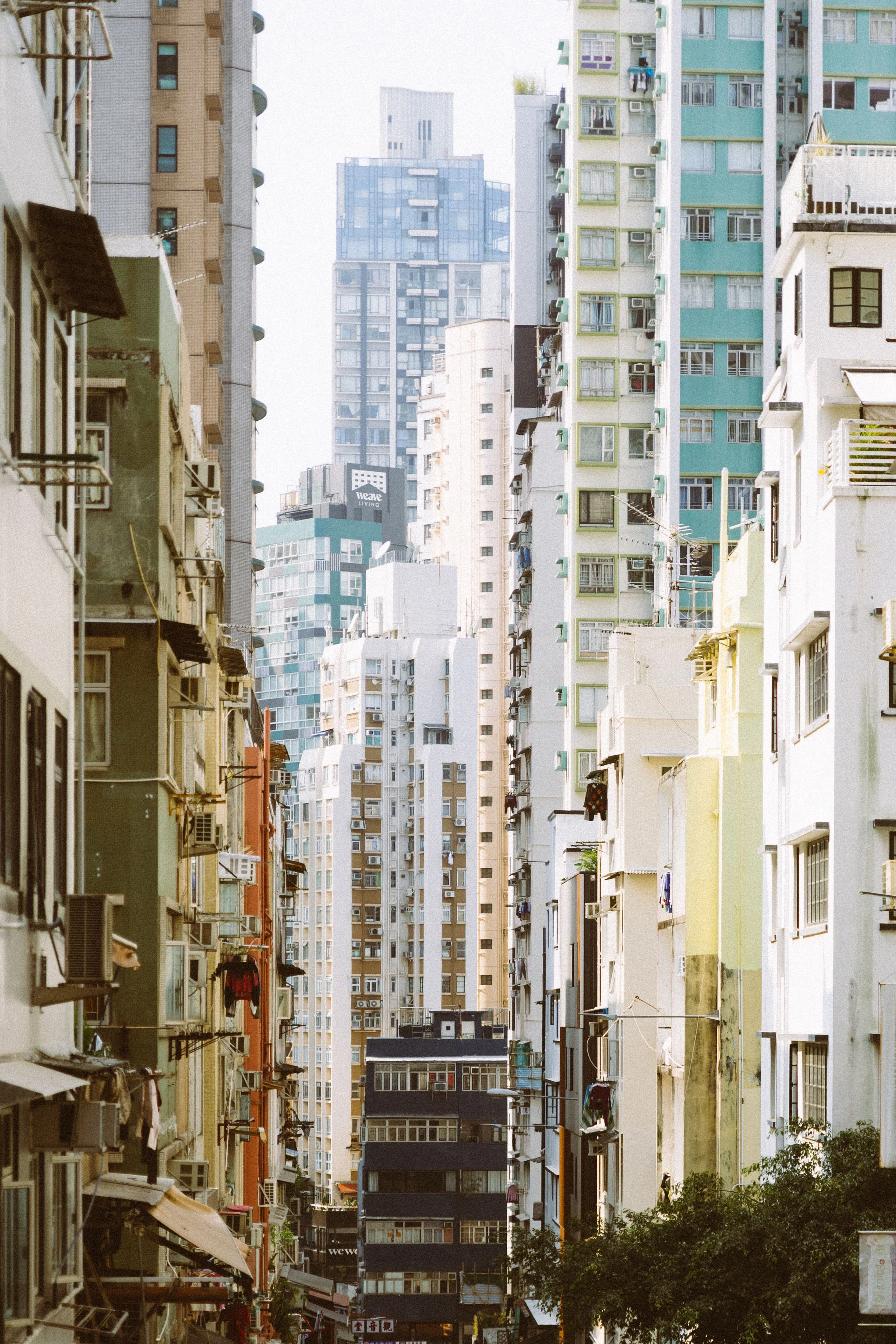
Sheung Wan's rental market rewards people who know what they're looking for. The buildings aren't uniform — you'll find prewar walkups on Ladder Street sitting two blocks from newer serviced towers on Connaught Road West — and the price range reflects that. A furnished studio at HK$12,000/month and a furnished studio at HK$18,000/month can be on the same street, and the difference is usually floor level, building age, and whether utilities are included.
What Furnished Apartments in Sheung Wan Actually Cost
The numbers below reflect furnished, move-in-ready units — not bare rentals, which require a separate conversation about furniture deposits and agent fees.
Furnished studios: HK$11,000–15,000/month in older buildings; HK$14,000–18,000 in post-2000 blocks with gym and concierge
Furnished 1-beds: HK$16,000–22,000/month depending on floor and building; sea-view units on Connaught Road West start higher at HK$22,000+
Short-term furnished leases (1–3 months) carry a 15–25% premium over standard 12-month rates — budget accordingly if you're staying mid-term
Utilities (electricity, water, WiFi) add roughly HK$800–1,500/month depending on air conditioning use — relevant because Hong Kong summers are long and you will use AC heavily
For fully furnished apartments in Hong Kong, the Sheung Wan inventory moves quickly — buildings with direct MTR access and reasonable management tend to list and lease within days, not weeks.
What to Check Before You Sign
Hong Kong leases have a few specifics that catch first-time expat renters off guard, and knowing them in advance saves significant hassle.
Break clauses typically activate after month six in a 12-month lease — there's usually no exit before that without penalty, so a 1-month trial isn't something most landlords offer
Government rent and rates (a local property tax) are sometimes passed to tenants — confirm in writing before signing whether this is included in your quoted rent
Building management fees vary significantly; older Tong Lau buildings (prewar shophouse conversions) have no gym or concierge but lower overall costs; newer blocks charge HK$500–1,200/month in management fees on top of rent
WiFi in Sheung Wan is reliable — HKBN and HKT both serve the area, and 500Mbps plans run around HK$180–220/month as standalone contracts
No expat guide to Hong Kong apartment hunting is complete without a warning that landlords in Sheung Wan typically expect two months' deposit plus the first month's rent upfront — budget HKD 60,000 or more before you sign anything.
Sheung Wan Hong Kong rental prices typically run HKD 15,000–22,000 per month for a furnished studio, which is noticeably cheaper than the equivalent in Central just one MTR stop east.
Daily Life in Sheung Wan: What Running Errands Actually Looks Like
Sheung Wan handles the practical side of expat life better than most Hong Kong Island neighbourhoods — not because it's glossy, but because the density means almost everything you need is within a ten-minute walk of your front door.
Groceries, Markets, and the Gap Between Them
You'll use at least two different shopping systems here, and working out which one handles which task saves both money and time.
c!ty’super (IFC Mall, ten minutes east on foot) — imported goods, good produce section, expensive; expect to spend HK$400–600 on a weekly top-up shop
Wellcome Supermarket on Queen's Road West — everyday staples, locally sourced vegetables, noticeably cheaper than City'super for pantry items; a standard basket runs HK$180–280
Sheung Wan Market and Cooked Food Centre — fresh produce, meat, and tofu daily; the fruit stalls open by 7am, the seafood vendors are best before 10am
Praya (Connaught Road West) level has a 7-Eleven and a Circle K within 200 metres of each other — not glamorous, but useful for the small late-night gaps
The wet market is not a tourist attraction here — it's functional, it's priced for locals, and once you have a routine it cuts your weekly grocery spend by roughly 30% compared to relying on the supermarkets alone.
Shopping Beyond Groceries
Sheung Wan is not a shopping destination in the way Tsim Sha Tsui or Causeway Bay are, which is either a relief or a problem depending on what you came to Hong Kong for.
PMQ on Aberdeen Street — converted 1950s police married quarters, now home to roughly 100 independent design studios and shops; prices reflect the curation, but it's worth a walk-through for quality Hong Kong-made goods
Cat Street (Upper Lascar Row) — antiques, curios, and second-hand oddities; more interesting than practical, but useful if you're furnishing a flat with character pieces rather than IKEA
For electronics and practical hardware, the nearest serious option is Wan Chai Computer Centre — about 20 minutes east; Sheung Wan itself doesn't have this
Sai Ying Pun, immediately west, adds independent bookshops and a handful of specialty food importers along First Street and Second Street
If serious shopping is part of your weekly rhythm, Sheung Wan is a base camp, not a destination — the MTR covers that gap in under fifteen minutes.
Healthcare, Schooling, and the Practical Infrastructure Expats Actually Research
Hong Kong's healthcare system is genuinely good, and Sheung Wan's location puts you within reach of the best of both the public and private sides — but the difference in cost between them is large enough that health insurance belongs in your budget before you book a flight.
Healthcare Options Within Reach
The gap between public and private healthcare in Hong Kong is not just about speed — it's about cost, language, and the kind of experience a first-time expat is likely to find navigable.
Tung Wah Hospital on Po Yan Street, Sheung Wan — public hospital, one of the oldest in Hong Kong; A&E; is functional and cheap (around HK$180 per visit for non-residents), but wait times can stretch to several hours
Hong Kong Sanatorium and Hospital in Happy Valley — the most commonly cited private option for expats; clean, English-speaking staff, quick appointments, and a standard GP visit runs HK$600–900 without health insurance
Central Health Medical Practice, near the Central MTR station — walk-in GP slots available, popular with expats working nearby; expect HK$700–1,000 per consultation without cover
Health insurance for Hong Kong-based expats typically runs HK$8,000–18,000/year depending on age and coverage tier — without it, a single private hospital stay can cost more than a month's rent
Most expats who stay longer than three months end up getting health insurance simply because the arithmetic makes the decision for them — the first specialist referral covers a year's premium.
International Schools and Families in Sheung Wan
Sheung Wan itself is not a family-first neighbourhood in the way South Island or the Mid-Levels are, but international schools are accessible enough that it works for the right setup.
Island School in Mid-Levels — English Schools Foundation secondary, about 15 minutes by taxi or minibus from Sheung Wan; fees around HK$130,000/year
Kennedy School in North Point — ESF primary, more east-facing but reachable on the tram from Sheung Wan; HK$80,000–100,000/year depending on year group
International schools in Hong Kong operate on waiting lists, often running 12–24 months for popular ESF options — if schooling is a factor, start the application before you book your move
For families, the flat profile of Sai Ying Pun (immediately adjacent to Sheung Wan) gives slightly more ground-floor access and less traffic noise than the lower streets of Sheung Wan proper
Sheung Wan is more practical for couples and solo expats than families with young children — not because the schools aren't reachable, but because the street environment and apartment sizes suit smaller households more naturally.
Getting Around: Ferries, the MTR, Discovery Bay, and Why Sheung Wan's Location Works
Sheung Wan's transport connections are strong by any measure, but the texture of daily movement here is different from what you'd expect if you've only visited Hong Kong as a tourist — the Star Ferry becomes functional, not scenic, and the tram becomes your default for a surprising number of trips.
The Sheung Wan MTR Station and Daily Commuting
The MTR station in Sheung Wan sits at the western end of the Island Line, which means every train headed east runs through it — but that also means the trains arrive full during peak hours.
The MTR station (Sheung Wan, Island Line) is a one-stop ride to Central and two stops to Admiralty — most financial district commutes take under twelve minutes door-to-door once you're at the platform
Peak hour (8–9:30am) on the Island Line is genuinely packed; if your schedule is flexible, leaving at 7:30am or after 10am changes the experience completely
The Octopus card covers MTR, tram, ferry, and most buses — load HK$200 at the start of the week and you won't need to think about fares for days
Real estate listings that advertise "MTR access" in Sheung Wan vary enormously by walking time — confirm the actual walk from a specific building, because ten minutes on a Hong Kong hill is not the same as ten minutes on flat ground
The MTR is fast and reliable to the point where most expats in Sheung Wan stop thinking about commute logistics within the first week — it's the heat and the hill on the way back that you adjust to, not the train.
The Star Ferry and Waterfront Routes
The Star Ferry from the Central/Sheung Wan waterfront to Tsim Sha Tsui costs HK$3.40 and takes eight minutes — it's one of the few genuinely pleasant commutes in any major Asian city, and several expats based in Sheung Wan use it for Kowloon-side meetings rather than taking the MTR tunnel.
Central Star Ferry Pier (Pier 7, ten minutes east of Sheung Wan MTR on foot) — HK$3.40 upper deck, HK$2.80 lower deck; runs every six to twelve minutes depending on time of day
The ferry to Tsim Sha Tsui takes eight minutes; the MTR via Tsim Sha Tsui station takes around fourteen minutes but involves two line changes — for Kowloon-side trips, the Star Ferry often wins
The Sheung Wan Praya waterfront walkway connects the neighbourhood to the piers on foot — a flat, shaded route that's genuinely comfortable in winter and tolerable in summer if you leave early
The Star Ferry is the one piece of Hong Kong infrastructure that still feels like the city it was fifty years ago — using it daily for work trips doesn't diminish that, it just means you get paid to have a harbour view twice a day.
The Star Ferry from Hong Kong, Hong Kong Island's Central Pier runs every 10 minutes during peak hours and costs just HKD 3.40 — the most scenic commute in the city for under the price of a local bus.
Art Galleries, the Man Mo Temple Area, and Why Sheung Wan Has a Cultural Pull
The concentration of art galleries along Lok Ku Road and the streets around Man Mo Temple gives Sheung Wan a cultural density that most comparable-priced neighbourhoods in Hong Kong simply don't have.
Contemporary by Angela Li on Aberdeen Street — one of the more respected independent galleries on Hong Kong Island; free to enter, changing exhibitions, usually quiet on weekday afternoons
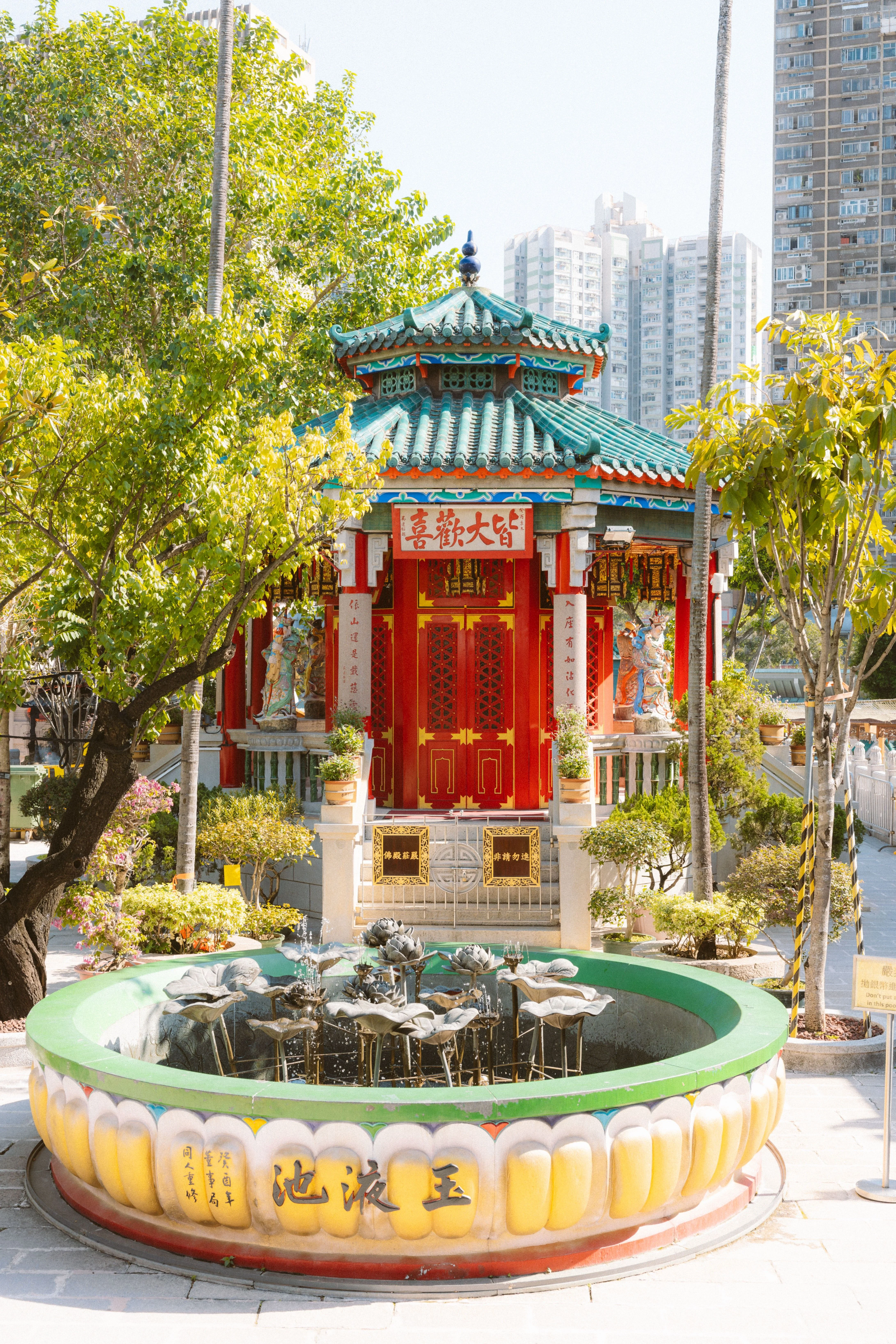
The Man Mo Temple precinct along Ladder Street is worth understanding as a neighbourhood anchor, not just a sightseeing stop — the incense coils suspended from the ceiling have been burning continuously for over 150 years, and the street stalls nearby sell temple offerings to worshippers, not tourists
Sai Ying Pun's Centre Street tram stop marks the beginning of a string of independent cafés and wine bars that have opened in the past five years — different character from Sheung Wan proper, slightly younger crowd
The art galleries and temple district make Sheung Wan genuinely interesting to live near rather than merely convenient — which matters more than it sounds when you're calculating whether a neighbourhood will hold your attention for six months.
Is Sheung Wan the Right Base for Your Time in Hong Kong?
Who Sheung Wan Actually Works For
This neighbourhood rewards people who want to live somewhere that functions like a real place, not a corporate holding pen.
Solo remote workers get walkable streets, genuine café regulars, and a neighbourhood rhythm that serviced-apartment districts never develop
Couples on medium-term contracts benefit from Central proximity without paying Central rents or absorbing Central noise
Anyone prioritising quiet and space will struggle — apartments are small, streets are loud, and that is not going to change
Families weighing school logistics should look at the Mid-Levels or South Island before committing here
The density and street noise are features of Sheung Wan, not bugs — if that trade-off doesn't work for your setup, no amount of good coffee will fix it.
What You're Actually Getting in Return
Sheung Wan makes a real case for itself, but the benefits are specific enough that you should know exactly what you're signing up for.
Genuine walkability — most daily errands, meals, and café work sessions are reachable on foot without touching the MTR
A food and café scene with actual regulars, not a rotating cast of tourists and hotel guests
Direct access to Central in minutes, which matters when client meetings or coworking spaces pull you east
A neighbourhood identity distinct from the financial district, which is rarer in Hong Kong than it sounds
Living adjacent to Central rather than inside it is one of the smarter calls you can make in this city, and Sheung Wan is the most liveable version of that position.
Expats relocating from Central Kong, Hong Kong's finance district, almost always report that Sheung Wan gives them 20 extra minutes of sleep because the morning MTR crowd is half the size at Sheung Wan station compared to Central.
Finding an Apartment Before the Good Ones Go
Inventory in Sheung Wan moves quickly, and the gap between a well-positioned building and a punishing one can be a single street.
Browse fully furnished apartments in Hong Kong to see what's currently listed — availability shifts week to week
Prioritise viewing in person before committing; street-level noise and building quality are impossible to assess from photos
Compare buildings on the same block — aspect, floor height, and proximity to loading bays make a measurable difference to daily life
Medium-term furnished options are the practical entry point for most remote workers arriving without a local agent
The right building in Sheung Wan is worth the extra effort to find — the wrong one on the same street will grind you down inside a month.
Is Sheung Wan the Right Hong Kong Neighbourhood for You?
Sheung Wan sits in a rare middle ground for expats in Hong Kong — walkable, characterful, and genuinely liveable without the corporate polish of Wan Chai or the tourist density of Tsim Sha Tsui. It rewards people who want to feel embedded in a neighbourhood rather than just passing through it, and its mix of heritage streets, independent cafés, and solid transport links makes the daily rhythm here surprisingly manageable once you find your footing.
The trade-offs are real — noise, humidity, steep gradients, and apartment sizes that take adjustment — but for most expats who choose Sheung Wan, the texture of the place more than compensates. It is a district that tends to grow on people quickly, and those who start here rarely feel the urge to leave in a hurry.
If you are still weighing your options across the city or the broader region, browsing fully furnished apartments in Hong Kong can give you a useful sense of what different neighbourhoods offer at different price points before you make any commitments.