Maya
Culture & Exploration Editor ·
Tsim Sha Tsui is where Hong Kong makes its first impression — and for most expats, it sticks. The waterfront promenade faces the full sweep of Victoria Harbour, the MTR connects you to every corner of the city within 20 minutes, and the density of restaurants, hotels, and international amenities means you rarely need to plan ahead. The trade-off is real: Tsim Sha Tsui is loud, crowded on weekends, and not cheap. But for a first base in Hong Kong, it earns its place.
This guide covers:
What living in Tsim Sha Tsui actually costs and feels like day to day
How it compares to Mong Kok, Sheung Wan, Causeway Bay, and Wan Chai
Where to find furnished apartments on the Kowloon side and Hong Kong Island
The best areas to stay depending on your work style and budget
Honest hotel picks for short stays before you commit to a lease
When to arrive and what the city looks like across different seasons
Living in Tsim Sha Tsui: What the Neighbourhood Actually Delivers
Most expats arrive in Tsim Sha Tsui expecting a transit zone and leave having stayed three months longer than planned. It is not the cheapest base in Hong Kong, but it is probably the most frictionless — everything you need is located within a ten-minute walk, and what isn't is a short MTR ride away.
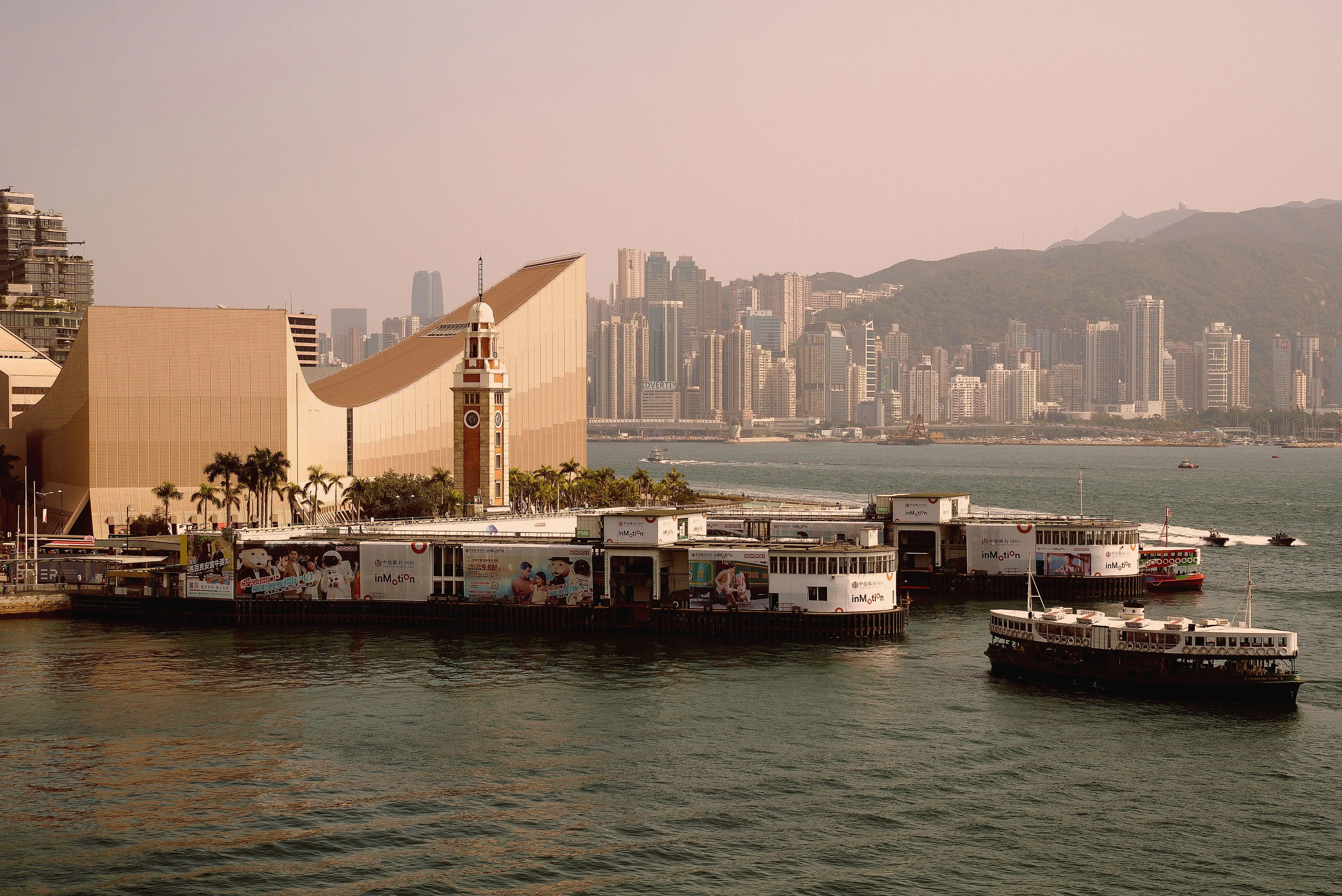
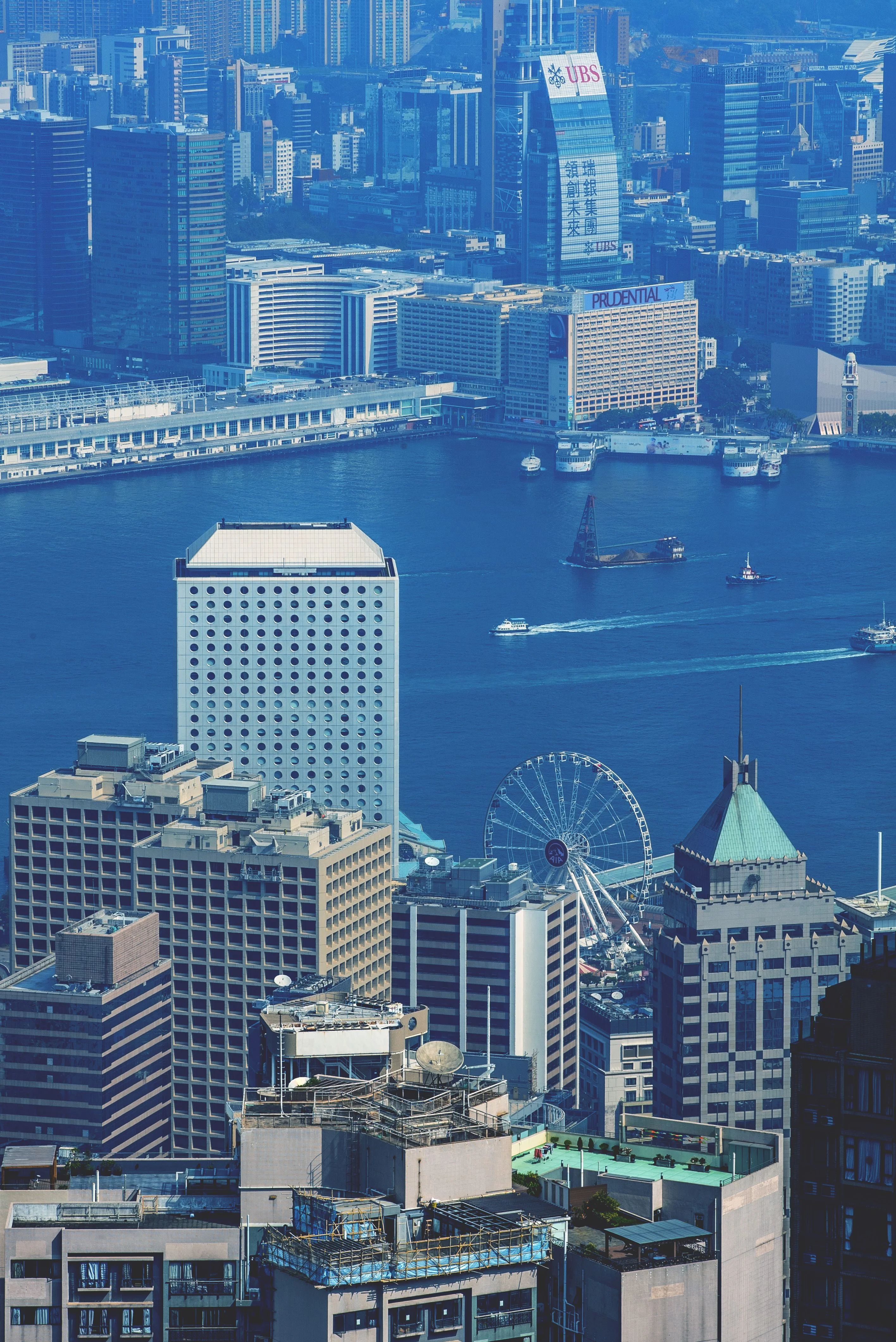
The Tsim Sha Tsui Waterfront: Where You Will Actually Spend Your Evenings
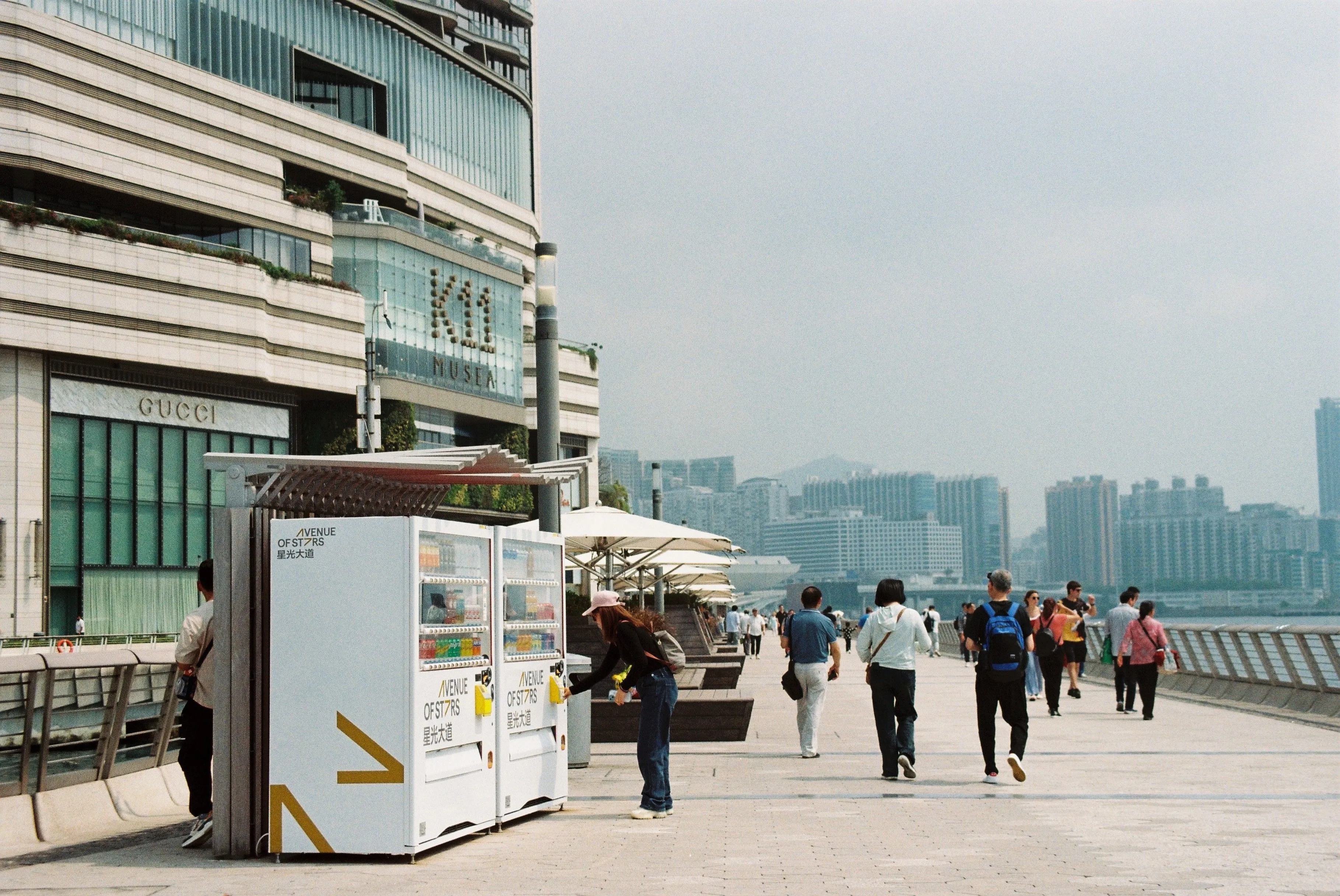
The Avenue of Stars promenade along Victoria Harbour is not a tourist trap you visit once — it is infrastructure you use every evening.
Avenue of Stars — free, 1.7 km along the harbour, best before 8am and after 9pm to avoid peak crowds
1881 Heritage — former marine police headquarters turned dining complex; coffee here is expensive but the terrace views across to Central make it worth one visit
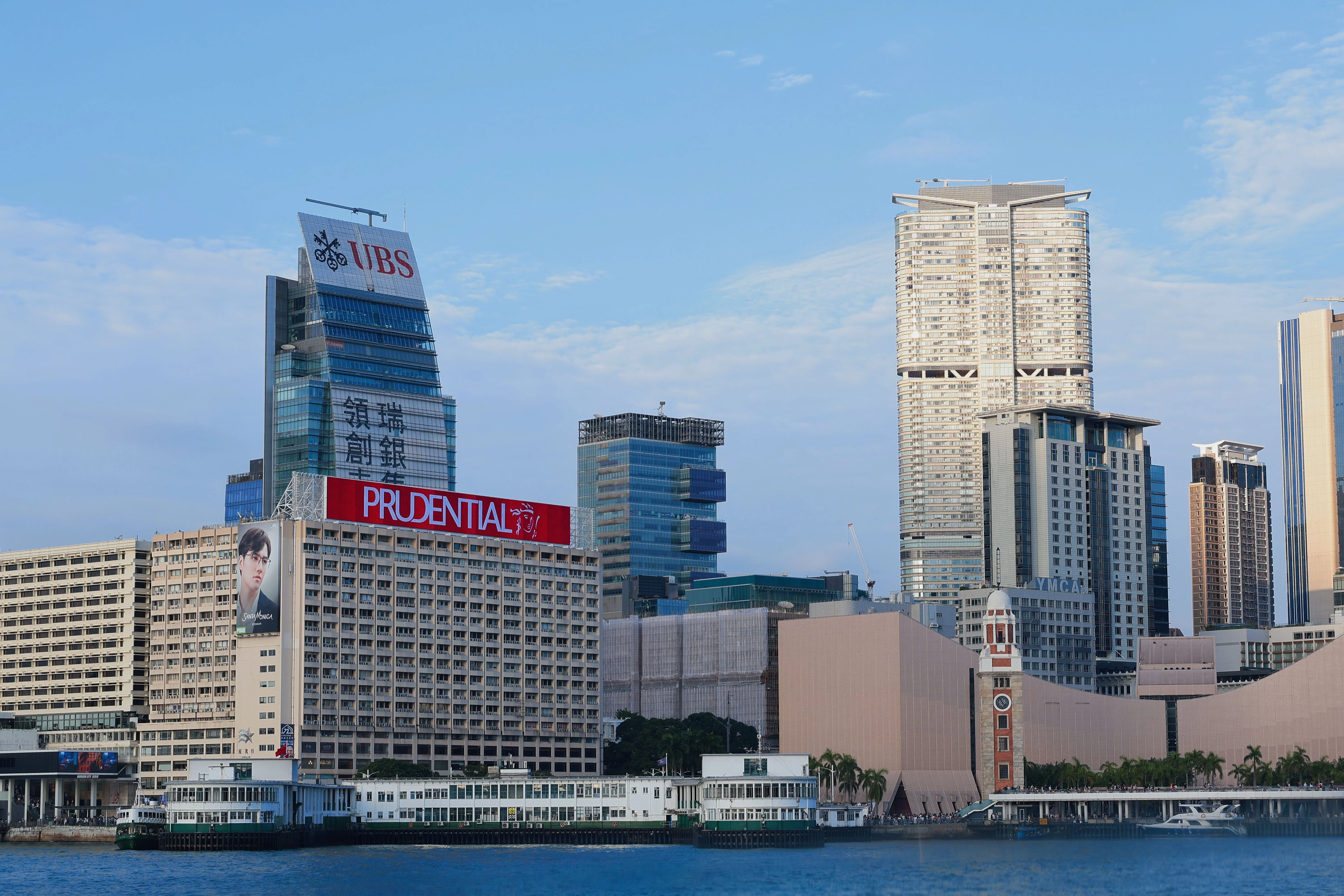
Clock Tower — the most reliable landmark for orientating yourself in Tsim Sha Tsui; meets every type of transport connection
Symphony of Lights runs at 8pm nightly — the Victoria Harbour skyline show is iconic, but position yourself east of the Star Ferry pier for the best angle
Once you have done the promenade walk twice, you stop noticing the tourists and start using it the way locals do — as a running route and an after-dinner reset.
Browse Hong Kong homes near this area
Day-to-Day Living: Streets, Shops, and the Practical Tsim Sha Tsui
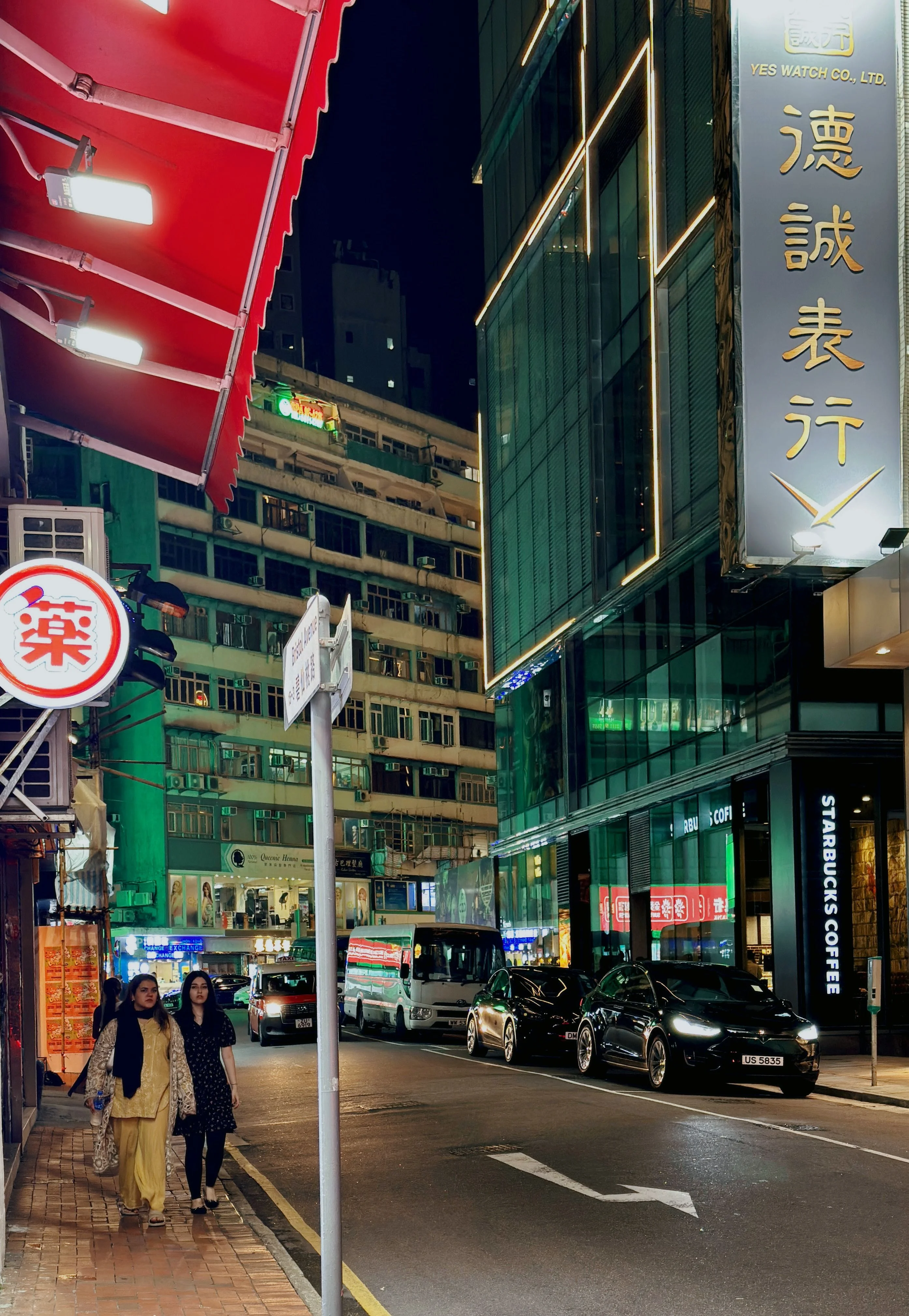
Nathan Road runs the spine of Tsim Sha Tsui and tells you everything you need to know about how the neighbourhood operates at street level.
Nathan Road — electronics, luggage, tailors, and pharmacies; prices are negotiable in the smaller shops but the fixed-price chains are more reliable for tech
Granville Road — budget fashion and local shops; not luxury, but useful for stocking a wardrobe quickly on arrival
Park Lane Shopper's Boulevard — open-air shops along Tsim Sha Tsui East; quieter than Nathan Road and better for a focused grocery or essentials run
Supermarkets: Wellcome on Carnarvon Road covers daily groceries; City Super in Harbour City handles international food imports at a price premium
Tsim Sha Tsui is not a quiet residential neighbourhood — accepting that early makes it much easier to live in.
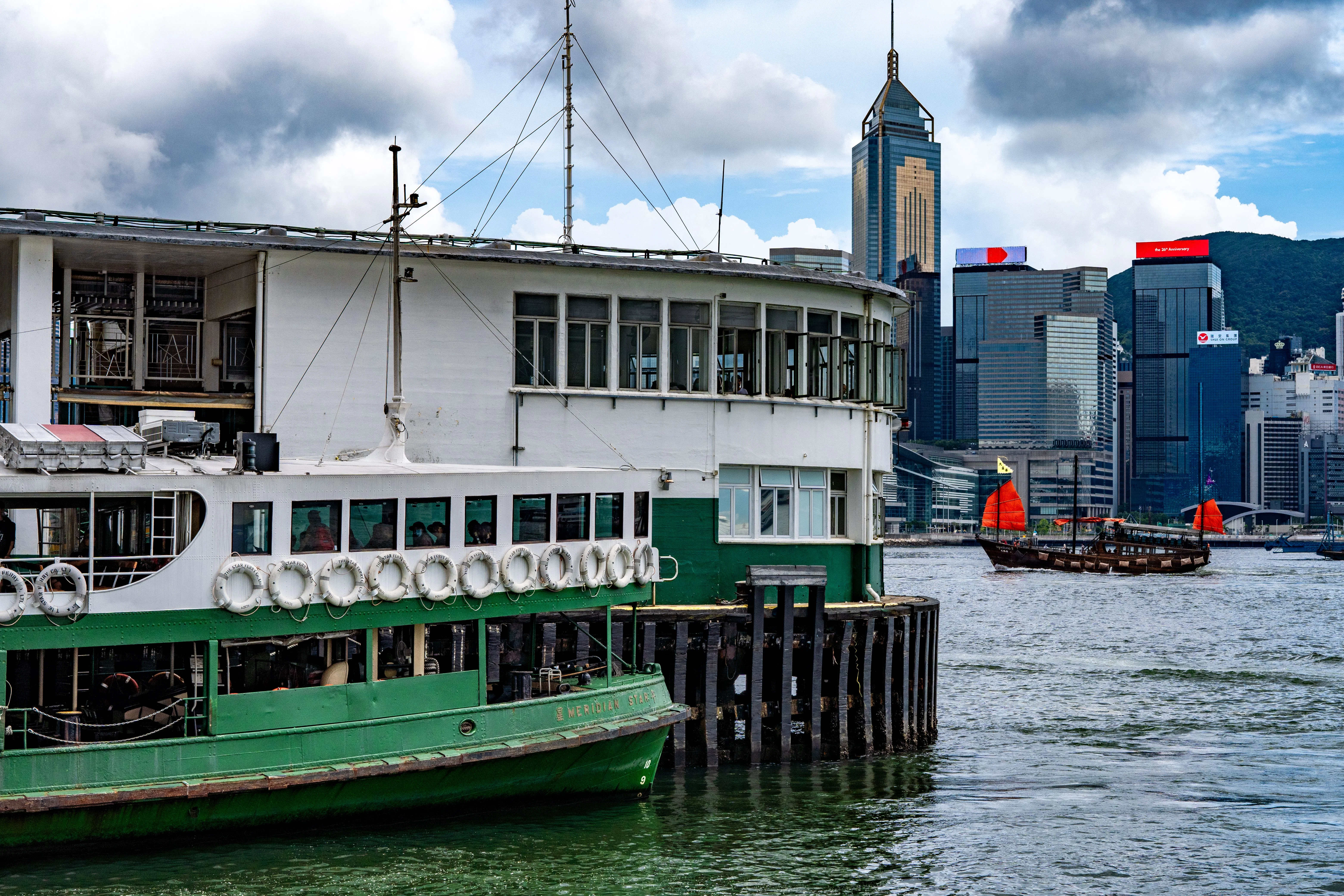
Living near the Star Ferry terminal means you experience the daily commute across Victoria Harbour for just HK$3.40 — a crossing that most Tsim Sha Tsui residents say never gets old, even after years.
Browse Hong Kong homes near this area
Best Areas to Stay in Hong Kong: Neighbourhood Comparison for Expats
Tsim Sha Tsui is the obvious anchor, but the best long-term base depends on what you are optimising for. Kowloon and Hong Kong Island have distinct rhythms, and choosing between them is not just a price question — it is a question of how you want to spend your hours.
Neighbourhood | Monthly Rent (1-bed) | Vibe | Best For | Key Advantage |
|---|---|---|---|---|
Tsim Sha Tsui | HK$18,000–26,000 | Dense, international, always on | First-month arrivals, social expats | MTR + ferry access, waterfront promenade |
Mong Kok | HK$12,000–18,000 | Loud, local, market-driven | Budget-conscious expats who want authentic Kowloon | Lowest rents on the Kowloon side |
Sheung Wan | HK$18,000–28,000 | Creative, quieter, neighbourhood feel | Long-stay remote workers wanting community | Western District walkability, café density |
Causeway Bay | HK$20,000–32,000 | Shopping-heavy, fast-paced, loud | Retail-focused expats and corporate relocations | Victoria Park proximity, Island-side access |
Wan Chai | HK$16,000–24,000 | Mixed, transitional, honest | Expats who want Central access without Central prices | Between Causeway Bay and Central on the MTR |
Kennedy Town | HK$14,000–20,000 | Low-key, residential, end-of-line | Long-stay expats who want quiet on the Island side | Western Harbour promenade, MTR Island line |
Find fully furnished apartments in Hong Kong across all of these neighbourhoods — short-stay and monthly options available.
Mong Kok: The Cheapest Serious Option on the Kowloon Side
Mong Kok is not for everyone — the streets are dense, the night markets run late, and the noise level is a fixed condition, not a phase — but the rent gap versus Tsim Sha Tsui is real and large enough to matter.
Ladies' Market on Tung Choi Street — daily market running from noon; useful for cheap household items but prices need negotiating
Langham Place Mall — the reliable air-conditioned alternative when the streets feel like too much; food court on level 8 is good value
MTR Mong Kok station connects directly to Tsim Sha Tsui in 4 minutes and to Kowloon Tong in 6 — the Kowloon side is well-served from here
1-bed apartments on Sai Yeung Choi Street South from HK$12,000/month in older walk-up buildings
Mong Kok rewards patience — if you can get past the first week of sensory overload, the value and the local character are hard to match anywhere else in Hong Kong.
Sheung Wan and Kennedy Town: The Island-Side Alternative
Sheung Wan sits west of Central on Hong Kong Island and has built the kind of neighbourhood identity that expats tend to discover six months in and wish they had found sooner.
Pound Lane — the reference street for Sheung Wan's café and gallery scene; best explored on a Tuesday morning when it is half as busy
Tai Ping Shan Street — independent restaurants and bars that are genuinely local; this is where Sheung Wan's character actually lives
Kennedy Town is the last stop on the MTR Island line — rents are HK$14,000–20,000 for a 1-bed and the western harbour promenade is less visited than Tsim Sha Tsui's
Belcher Bay Promenade — faces west across the harbour; better for sunset than the Tsim Sha Tsui side, with a fraction of the foot traffic
West Kowloon blends modern residential towers with direct MTR access and is noticeably quieter than the Nathan Road corridor, which makes it worth considering if you are comparing flats in the same price bracket.
Tsim Sha Tsui puts you on the MTR Tsuen Wan Line while keeping you a short walk from the Cross-Harbour Tunnel bus routes, which matters when you need to reach Hong Kong Island quickly during peak hours.
Great Hotels and Serviced Apartment Picks for a Short Stay Before You
Arriving in Hong Kong and signing a lease on day three is the fastest way to end up in the wrong neighbourhood. Spend a week in a hotel first — Tsim Sha Tsui has the best concentration of honest mid-range options on the Kowloon side.
Hotel Picks in Tsim Sha Tsui for Expats on Arrival
The hotel corridor along Nathan Road and around Tsim Sha Tsui East offers a range that runs from functional guesthouses to genuine luxury — knowing which tier suits your situation saves real money.
The Peninsula Hong Kong — the best-known luxury hotel on the Kowloon side; rates from HK$5,000/night — worth a lobby coffee, not necessarily a week's stay when you are apartment-hunting
Hotel ICON — located in Tsim Sha Tsui East, modern design, rooftop pool, rates from HK$1,800/night; better value than the Nathan Road luxury strip for the same standard
The Salisbury YMCA — directly beside The Peninsula, rooms from HK$900/night; Victoria Harbour views on higher floors, genuinely the most honest value in Tsim Sha Tsui for a 1–2 week arrival stay
Stanford Hillview Hotel — located on Observatory Road above Nathan Road; quieter than the main strip, rates from HK$700/night, and the slight elevation removes most of the street noise
One week in a hotel here tells you more about which neighbourhood you actually want to live in than any amount of research done before you land.
Causeway Bay and Wan Chai Hotel Options on the Island Side
If you already know you want to live on Hong Kong Island, base your arrival week in Causeway Bay or Wan Chai — both are central enough to explore from and honest about the pace of life you are signing up for.
The Pottinger Hotel — located in Central, boutique scale, rates from HK$2,200/night; better for exploring Sheung Wan and Central on foot than Causeway Bay
Wan Chai's mid-range corridor along Jaffe Road runs HK$600–1,100/night — not luxury, but functional for arrival weeks focused on apartment viewings
Wan Chai is an honest place to arrive: not glamorous, but positioned between Causeway Bay and Central in a way that lets you evaluate both sides of the Island without committing to either.
The K11 Artus serviced apartments on Canton Road offer modern interiors with floor-to-ceiling windows and harbour-facing layouts, with monthly rates starting around HK$35,000 for a one-bedroom unit.
Best Time to Arrive in Hong Kong and Plan Your First Month
Hong Kong has a real climate problem for new arrivals who do not expect it. The best time to land is October through December — the humidity drops, temperatures sit between 18°C and 26°C, and the city opens up in a way that feels entirely different from July.
Hong Kong Best Months: What the Seasons Actually Mean for Expats
The difference between arriving in October and arriving in July is not just comfort — it changes what the city costs you and how much of it you can explore on foot.
October–December: dry season, comfortable temperatures, the best months for exploring Tsim Sha Tsui and the Kowloon side on foot — rents do not change, but your experience of viewing apartments does
June–September: typhoon season, humidity above 85%, heat index regularly above 35°C — the MTR is essential and outdoor coworking terraces are unusable; factor this into your first month if you need outdoor space to work
February–March: Chinese New Year falls here — the city slows dramatically, some landlords prefer to hold listings until after the holiday, so apartment availability tightens then opens sharply in mid-March
April–May: shoulder season with good weather and the lowest tourist density of the year — a genuinely underrated window for a first trip to Hong Kong if you have flexibility
Most expats who arrive in October extend their stay; most who arrive in August spend their first month wishing they had waited — the city rewards the right timing in ways that compound quickly.
Best Time to Sign a Lease and What to Know Before You Do
Hong Kong's rental market moves fast enough that the right timing in a lease negotiation matters as much as the right neighbourhood.
Standard leases in Hong Kong run 24 months with a 12-month break clause — shorter furnished lets are available in Tsim Sha Tsui and Sheung Wan but carry a 20–40% rental premium
Stamp duty on leases: 0.5% of the total rent for a lease under 1 year, 1% for 1–3 years — factor this into your arrival budget, it is not negotiable
The ferry from Tsim Sha Tsui to Central costs HK$3.40 and runs until 11:30pm — if you are located on the Kowloon side and working on the Island, this is the commute you will actually use rather than the MTR on most evenings
MTR monthly pass options vary by route; a cross-harbour commute from Tsim Sha Tsui to Central or Wan Chai runs approximately HK$10–13 per single trip, or HK$400–500/month on a typical remote worker's pattern
Explore Tsim Sha Tsui neighbourhood for furnished apartment options that come without the lease complexity.
What to Eat, Drink, and Do After Dark in Tsim Sha Tsui
TST's food scene runs from HK$30 wonton noodles to HK$600 omakase, and both are worth your time — the mistake is eating only at the tourist-facing restaurants on Peking Road when the real dining is one or two streets back.
Local Food Worth Actually Finding
The best local food in Tsim Sha Tsui is never on the main drag — it's on the side streets that tour groups don't walk down.
Mido Café — Jordan, five minutes from TST station; cha chaan teng with original 1950s tilework, milk tea HK$28, closes at 9:30pm so don't leave it late
Woodlands Indian Restaurant — vegetarian South Indian on Mody Road, thali from HK$95, steady local crowd at lunch, far less busy than the Chungking Mansions food stalls two streets over
Australian Dairy Company — technically Jordan, technically chaotic, scrambled eggs and macaroni in soup for HK$40; go before 8am or accept a 25-minute queue
Dong Lai Shun — Royal Garden Hotel, Mody Road; Shanghainese hot pot from HK$220/person, one of the few places in Kowloon where the dining room stays genuinely quiet on a weeknight
Hong Kong street food culture in Kowloon feels different from Hong Kong Island — faster, louder, less self-conscious about being good value — and you'll stop thinking about the price difference within a week.
Bars, Rooftop Spots, and Nightlife Without the Cover Charge
Nightlife in TST is split between hotel bars that are worth the price and dive bars on Knutsford Terrace that are worth the noise — mid-range options are thinner than you'd expect in a neighbourhood this dense.
Felix Bar — 28th floor of The Peninsula, harbour view, cocktails from HK$180; the rooftop window view of Victoria Harbour at 10pm is the clearest argument for the price point
Knutsford Terrace — outdoor bar strip behind Kimberley Road; starts filling after 9pm, beer from HK$60, louder than you want for a weeknight, better than anything similar on Hong Kong Island for the same budget
Ned Kelly's Last Stand — Ashley Road, live jazz from 9:30pm nightly, no cover, beer from HK$70; it has been there since 1972 and feels exactly like that, which is either a reason to go or a reason to stay home
Aqua — 29th and 30th floors on Peking Road; cocktails from HK$160, the harbour view at dusk from this height is the benchmark everything else in TST gets measured against
Aqua on the 29th and 30th floors of One Peking serves Japanese-Italian fusion while delivering one of the most unobstructed views of Victoria Harbour you will find at any restaurant below HK$600 a head.
Knutsford Terrace, tucked one block behind Kimberley Road, is a great spot for late-night drinks where most bars stay open until 2am and you can move between venues without hailing a cab.
Museums, Heritage, and Walking Routes That Are Actually Worth Your Time
Tsim Sha Tsui has a higher concentration of museums than any other district in Hong Kong — most of them underused by both tourists and expats, which means you get serious cultural infrastructure with almost no queue.
The Museums Worth Building a Morning Around
The cultural block along Salisbury Road and Chatham Road South is one of the most walkable museum clusters in Asia, and on weekdays it feels like it belongs entirely to you.
Hong Kong Museum of History — Chatham Road South; free on Wednesdays, HK$10 other days, the full story of Hong Kong from fishing village to financial centre in a building that takes three hours to do properly
Hong Kong Science Museum — adjacent to the History Museum; HK$20 admission, air-conditioned, genuinely good if you bring a laptop and use the café section between exhibits — not a standard recommendation, but the WiFi holds up
Hong Kong Museum of Art — back on Salisbury Road after a major renovation; free on Wednesdays, the permanent collection on Chinese art and heritage is stronger than its reputation suggests, the harbour-facing terrace is the best daytime walking spot in the area after the promenade
Hong Kong Cultural Centre — Salisbury Road, next to the ferry pier; local performing arts anchor, guided heritage tours available on weekends, free to walk through the public concourse — the architecture is divisive, but the harbourfront position is not
The museums along this walking corridor are free or near-free on rotating days — build your week around Wednesdays and you'll spend almost nothing on the cultural side of your stay in Hong Kong.
Walking Routes That Show You a Different TST
The waterfront walking route is obvious — the inland walking routes through the old shophouse streets between Haiphong Road and Middle Road are not, and they show you a Tsim Sha Tsui that the harbour view obscures.
Chatham Road South corridor — start at TST station, walk north past the museums, cross to Signal Hill Garden; the colonial-era Blackhead's Hill Signal Tower at the top is the most undervisited heritage structure in the district
Signal Hill Garden — Minden Row; free entry, 15 minutes up from sea level, panoramic view over Middle Road toward Wan Chai across the harbour — better than the promenade if you want elevation without Victoria Peak
Haiphong Road — connects Kowloon Park to the waterfront; lined with antique shops and local tea houses that have been there longer than any hotel in the district, worth a slow Sunday morning walking circuit before the temperature climbs past 28°C
Kowloon Park — Nathan Road entrance; free, 13.3 hectares, flamingo pool, outdoor pool open in summer — this is the green counterweight to TST's density, and it is the main reason the neighbourhood doesn't feel as compressed as Mong Kok two stops north
The Avenue of Stars along the Tsim Sha Tsui waterfront is iconic enough that most expats walk it at least once, but the real reward is catching the Symphony of Lights show at 8pm from the promenade without the cruise-terminal crowds.
The Avenue of Stars along the Tsim Sha Tsui waterfront gives you one of the most iconic views in Asia — the full sweep of Hong Kong Island's skyline, best seen just before the 8pm Symphony of Lights show kicks off.
Shopping, Markets, and Day Trips You Can Do from Tsim Sha Tsui
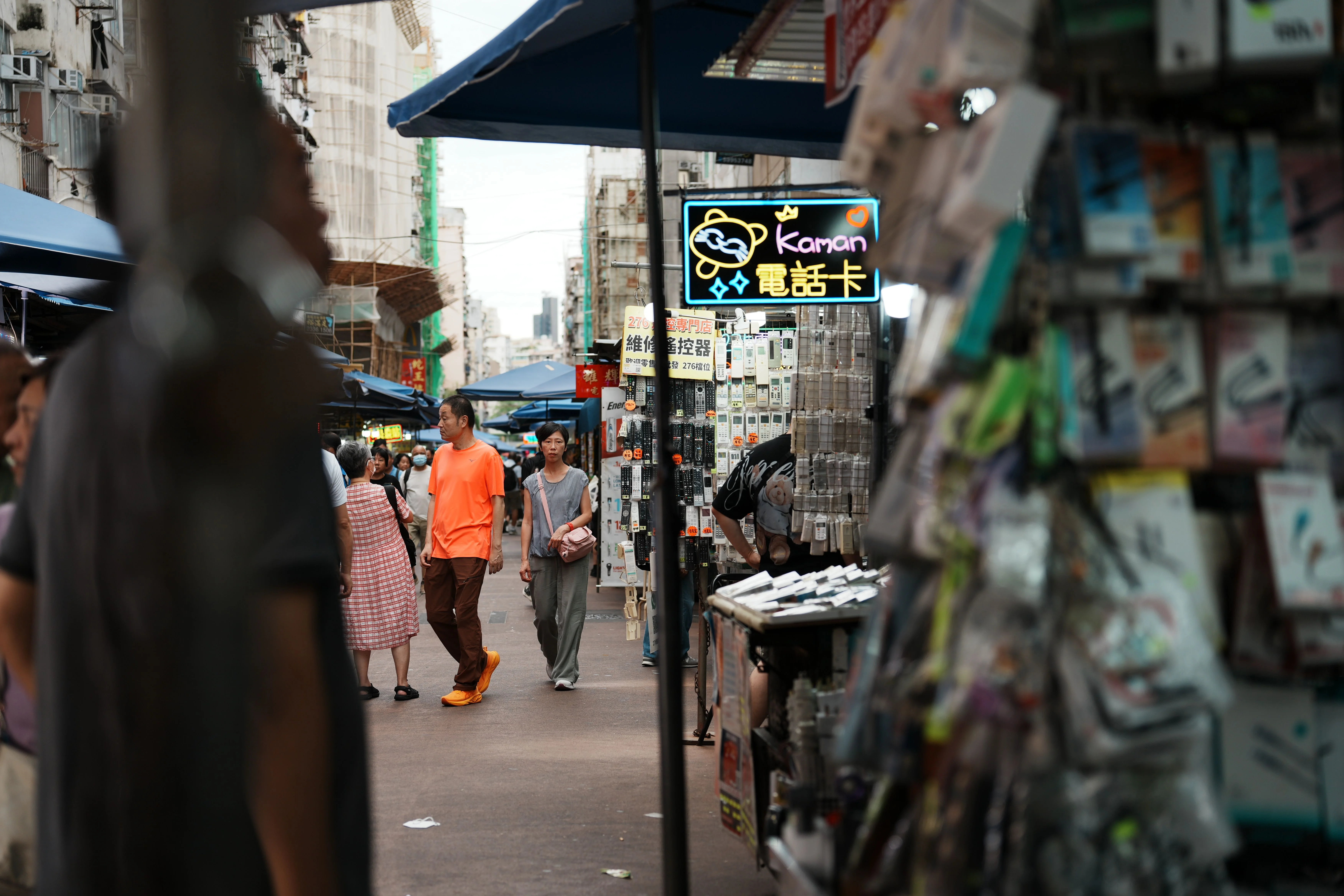
TST's shopping options are well-known and largely mid-to-high end — but the markets and local street shopping within walking distance and one MTR stop away are where you'll spend your actual money as a resident rather than a first-time visitor.
Shopping That Locals Actually Use
Harbour City and iSquare are the defaults, and they are fine — but after the first two weeks, you'll stop going to either and find the places that suit a longer stay in Hong Kong more honestly.
Rise Shopping Arcade — Granville Circuit, one block from TST station; small independent fashion and electronics stalls, prices 30–40% below Harbour City on comparable items, the kind of local shopping centre that doesn't photograph well but actually functions
Temple Street Night Market — Jordan, 15 minutes walking from TST or one stop on the MTR Tsuen Wan Line; starts at 7pm, jade trinkets, street food, fortune tellers — the night market feels less like a tourist attraction and more like a local institution after your third visit
Jade Market, Kansu Street — Yau Ma Tei, two stops on the line from TST; open daily from 10am, jade, pearls, semi-precious stones at prices that require negotiation — not for buying on impulse, worth a Sunday morning walk even if you buy nothing
Elements Mall — directly above Kowloon station on the Airport Express line; full premium retail, food hall with strong local options, and the clearest access point to the ferry to Lantau if you need to leave the city without crossing to Hong Kong Island
The markets in this corridor — Temple Street, Jade Market, and the smaller covered markets on Reclamation Street — are the reason Kowloon's local street-level shopping beats anything on the Island at a comparable price point.
Taking the Star Ferry from Tsim Sha Tsui Pier to Central costs HK$2.70 and gives you an experience of Victoria Harbour that the MTR tunnel simply cannot replicate, especially on a clear morning.
Day Trips That Start and End in TST
TST's transport access makes it one of the best-positioned bases in Hong Kong for leaving Hong Kong temporarily — which matters more on month two of a stay than it does on day one.
Star Ferry, Tsim Sha Tsui Pier — HK$3.40 to Central, runs until 11:30pm; the crossing itself is the most efficient way to access Hong Kong Island and still the best HK$3.40 you'll spend in this city regardless of how many times you've done it
Victoria Peak Tram — access from Central, 12 minutes from TST via ferry; the view from the Peak is the benchmark for understanding Hong Kong Island's layout — go on a clear morning, not in the afternoon when the mid-levels cloud cover builds
Ngong Ping 360, Lantau — cable car from Tung Chung station on the Airport Express; HK$215 round trip standard cabin, the Big Buddha is genuinely worth the trip once, the monastery canteen serves vegetarian lunch for HK$60 — go on a weekday or accept crowds that make the cable car wait 45 minutes
Sham Shui Po Fabric Market — Cheung Sha Wan Road, six stops on the Tsuen Wan Line from TST; the most concentrated local market district in Kowloon, fabric and electronics at wholesale prices, nothing tourist-facing, the kind of walking circuit that makes a city feel knowable
Nathan Road is Tsim Sha Tsui's most iconic shopping street, stretching north through Yau Ma Tei and Mong Kok, where electronics, watches, and tailored suits sit side by side within a ten-minute walk of each other.
None of these day trips require a car or a tour — they all start from TST station or the Star Ferry pier, which is the access advantage the neighbourhood keeps quietly delivering throughout a longer stay.
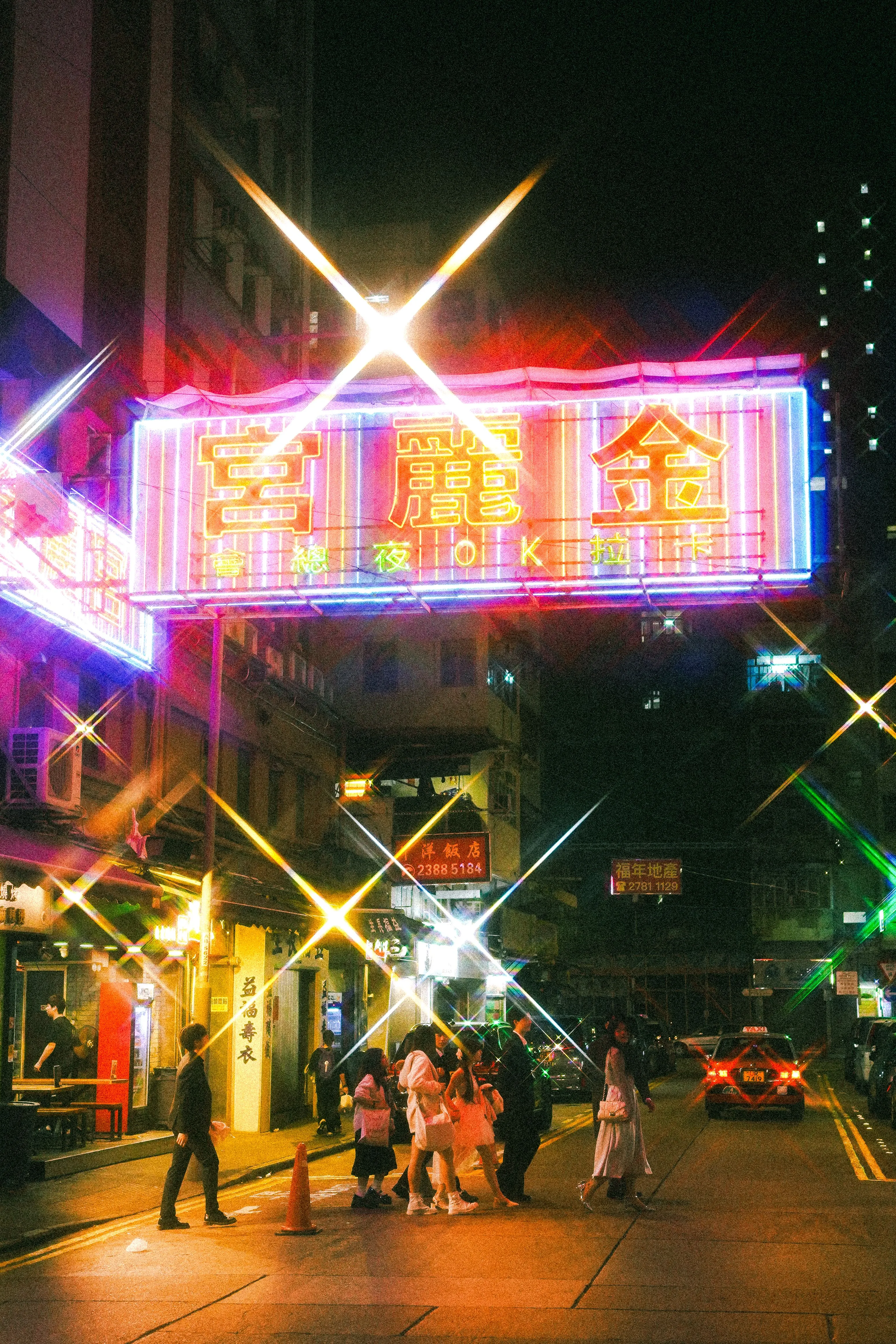
Is Tsim Sha Tsui the Right Base for Your Stay in Hong Kong?
Who TST Actually Works For
TST is built for a specific expat profile, and if you match it, the neighbourhood is genuinely hard to beat.
First-time arrivals who need infrastructure before they need local flavour
Short-stay expats (under three months) for whom rent premium saves real time
Remote workers who leave the flat regularly and treat the city as their office
Anyone whose priority is harbour access, museum proximity, and zero logistical friction
TST is not a neighbourhood you grow into — it's one you either match from the start or outgrow within weeks.
For first-time visitors relocating to Hong Kong, Tsim Sha Tsui is the most forgiving base — the MTR, the Airport Express shuttle bus at Kowloon Station, and English-language signage everywhere mean you can navigate the city before you have learned a word of Cantonese.
Who Should Look Elsewhere
The same qualities that make TST excellent for some expats make it actively wrong for others.
Long-stay residents (three months or more) who work from home in silence will find Wan Chai or Sheung Wan cheaper and quieter
Anyone whose social life runs on local neighbourhood energy rather than international amenities will feel more at home in Sham Shui Po or Jordan
Budget-conscious renters: TST carries a consistent rent premium that neighbouring districts simply don't charge
Expats who want to feel embedded in a residential community rather than passing through a transit hub
Sham Shui Po and Jordan won't give you the harbour view, but they'll give you something TST can't manufacture: the sense that real people actually live there.
What TST Does Better Than Anywhere Else in Hong Kong
Strip away the tourist noise and TST still offers a combination of access, infrastructure, and location that no other district in Hong Kong can fully replicate.
Every part of Hong Kong within 20 minutes via the MTR, with no transfers required for most major destinations
Direct harbour frontage along the Avenue of Stars — a commute view that genuinely doesn't get ordinary
Infrastructure that requires zero advance planning: food, transport, banking, and coworking are all within a ten-minute walk
A starting base that removes every logistical variable from the first month, leaving headspace for the job itself
Find your fully furnished apartments in Hong Kong and start from a base that removes every logistical variable from the first month.
Planning Your Move to Tsim Sha Tsui
Tsim Sha Tsui rewards those who arrive prepared. Knowing the neighbourhood's layout, understanding how the MTR connects you to every corner of Hong Kong, and securing the right base from the outset will make your first weeks significantly smoother. Whether you are relocating for work, testing a new city, or simply extending a long stay, TST offers a rare combination of convenience, culture, and connectivity that few urban neighbourhoods anywhere in the world can match.
The practical details matter as much as the experience itself. Furnished accommodation in the right location removes the friction of sourcing furniture, negotiating utilities, and learning systems while simultaneously trying to settle into a new role or routine. TST sits at the centre of Hong Kong's transport network, within reach of every business district, cultural venue, and international school that expats typically need access to in those critical first months.
If you are ready to commit to Hong Kong, start by locking in your accommodation before anything else. Explore fully furnished apartments in Hong Kong and give yourself the foundation to focus on everything else that comes with building a life in one of Asia's most dynamic cities.