Lukas
Tech & Digital Nomad Cultural Editor ·
Guadalajara works for expats in a way that San Miguel de Allende doesn't — it has the scale of a real city without demanding Mexico City's pace or price. You get big city amenities, a serious restaurant scene, and a technology sector that's earned it the nickname Mexico's Silicon Valley, all at a cost that makes most North American salaries feel generous. The trade-off is that it requires actual integration — this is not a city that bends toward English speakers, and the neighbourhoods vary enough that where you land in the first week shapes the whole experience.
This guide covers:
Why expats choose Guadalajara over other Mexican cities
The best neighborhoods and how they compare month to month
What it actually costs to live here, with real numbers
How safe Guadalajara is, by neighbourhood and situation
How to find an apartment without getting burned on the first lease
Weather, visas, and healthcare — the practical details that most guides skip
Why People Choose to Live in Guadalajara Over Other Mexican Cities
The comparison that comes up most is Mexico City — and Guadalajara wins on livability even if it loses on scale. The Guadalajara metropolitan area has around five million people, which means real infrastructure, international flights, and a growing expat community without the altitude, the congestion, or the rents that come with the capital. Expats living here often describe a city that has already grown up but hasn't fully discovered itself in the international imagination — which keeps prices honest.
Guadalajara vs. Mexico City: The big city Trade-Off
Choosing between the two often comes down to whether you need the biggest version of everything or just a functional, comfortable one.
Mexico City flight connections are better, but the Guadalajara international airport serves direct routes to the US and Canada — United, American, Volaris — without a connection
Rent for a furnished 1-bed in Colonia Americana runs $600–$900 USD; equivalent in Mexico City's Roma Norte runs $900–$1,400
Traffic in the Guadalajara metropolitan area is bad — not Mexico City bad, but bad enough to matter when choosing a neighbourhood
Guadalajara is the birthplace of mariachi music and tequila; the cultural density is real, not manufactured for tourism
If your work is remote and your social life doesn't require the specific things only a capital city provides, Guadalajara is the more comfortable option — and the small town budget stretches considerably further here than in Mexico City.
Why digital nomads and Expats Keep Arriving
Guadalajara's technology sector — the reason it's called Mexico's Silicon Valley — has created a professional infrastructure that makes long-term expat living considerably easier than in smaller Mexican cities.
Hub Sustentable — coworking day pass MXN 200, reliable fibre, central Colonia Americana location, busy but not chaotic
Facebook groups like "Guadalajara Expats" and "Nomads in GDL" move fast — apartment leads, upcoming events, local meetups posted daily
The vast majority of cafés in central neighborhoods have password WiFi above 30Mbps — test before you commit to a work session
Puerto Vallarta is three hours by car or a short flight — useful when you need a coast reset without relocating
Expats living here for work or remote income find the combination of big city amenities and an affordable cost of living rare enough in Latin America that most stop comparison-shopping after a few weeks.
A monthly income of $1,500 USD gets you a comfortable life in Guadalajara — a decent apartment in Ladrón de Guevara, daily meals at local fondas for under $5, and weekend trips to Chapala — whereas that same budget would barely cover rent in Playa del Carmen or Puerto Vallarta.
The Best Neighborhoods in Guadalajara for Expats
Most expats concentrate in a strip of central neighborhoods — Colonia Americana, Providencia, Lafayette, and to a lesser extent Zapopan — and the differences between them matter more than the distance. The city center and Centro Histórico exist as cultural anchors, not places most expats actually sleep.
Neighbourhood | Monthly Rent (1-bed) | Vibe | Best For | Key Advantage |
|---|---|---|---|---|
Colonia Americana | $700–$1,000 USD | Walkable, café-dense, social | First arrivals, digital nomads | Named coolest neighborhood in 2022 — everything within 15 min on foot |
Providencia | $800–$1,200 USD | Quieter, residential, green | Couples, longer stays | Two parks, walkable streets, calmer pace than Americana |
Lafayette | $700–$950 USD | Low-key, local mix | Budget-conscious expats | Close to Americana without the premium |
Zapopan | $600–$900 USD | Cobbled streets, local food scene | Culture-focused expats | Strong food options, less expat density |
Centro Histórico | $450–$700 USD | Dense, loud, cultural | Short stays, cultural tourism | Cheapest rents, maximum street food access |
Colonia Americana: Where most expats Land First
Colonia Americana was named the coolest neighborhood in 2022, and the title has held — it's where the café density is highest, the walkability is best, and the social scene for new arrivals is easiest to access.
Café Perla — flat white MXN 60, street-facing window seats, best before 10am before it fills with laptops
Mercado del Mar — seafood lunches from MXN 120, locals and expats split evenly, go at 2pm when Mexicans typically eat lunch
Studios from $700 USD/month on Calle Marsella; look for signs outside buildings before going through an agency
Metta Coworking — coworking from MXN 1,800/month, quieter than most cafés, air-conditioned in April and May when it matters
The noise level climbs on weekends — if you need silence to work, the side streets off Avenida Chapultepec are better than anything on the main strip.
Browse Guadalajara homes near this area
Providencia: The Quiet Option with Green spaces
Providencia is where expats move after their first three months in Americana — it's calmer, slightly more expensive, and considerably better for anyone who values a park within walking distance.
Bosque Los Colomos — free entry, 92 hectares, japanese garden inside; the most useful green space in the Guadalajara metropolitan area for daily exercise
Two neighbourhood parks make Providencia the most walkable residential option for families or anyone working from home full-time
La Docena Providencia — oysters from MXN 180 for six, reliable WiFi, doubles as afternoon workspace before dinner crowd arrives
Rents run $800–$1,200 USD for a 1-bed — higher than Lafayette, justified if the quiet is worth the difference to you
Bosque Los Colomos makes the neighbourhood — it's not a weekend destination, it's where people who live nearby actually spend Tuesday mornings.
Centro Histórico: Cultural Events, Street food, and Real Trade-offs
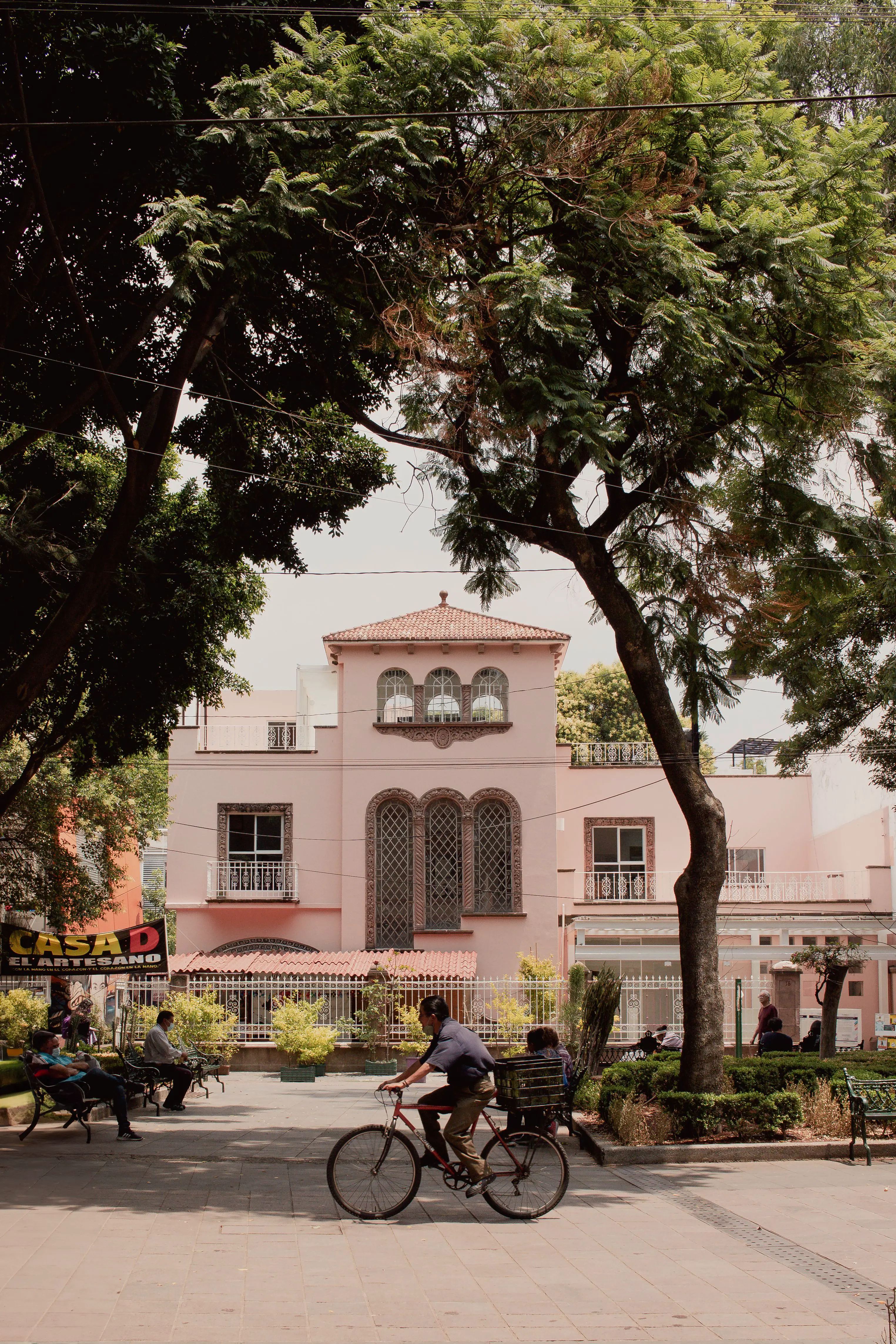
Centro Histórico is Guadalajara's historical core — the Hospicio Cabañas, the cathedral, Plaza Tapatía — and it earns its place as a major cultural center, but it is not where most expats choose to sleep long-term.
Street food options are the densest in the city — tacos from MXN 15, tortas ahogadas from MXN 60, birria at any hour
Cultural events and mariachi music are not tourist performances here — Plaza de los Mariachis is a functioning institution
Rent is the cheapest in the central area ($450–$700 USD), but noise, crowds, and safety awareness make it harder as a long-term base
Mercado San Juan de Dios — the largest indoor market in Latin America; useful for groceries, overwhelming on first visit
A hotel or vacation rental in Centro for your first week is smart — living there for three months requires a higher tolerance for stimulation than most expats realise when they book the first apartment.
Tlaquepaque draws a diverse mix of artists, long-term American retirees, and younger digital nomads who want colonial architecture and craft galleries within walking distance but still need fibre internet in the apartment. Thinking of moving to the city for a few months? Don't compromise on your apartment - Find fully furnished apartments in Guadalajara with RentRemote.
Browse Guadalajara homes near this area
Is Guadalajara Safe? What Expats Actually Experience
Guadalajara safe is a relative question — safer than the headlines suggest, more nuanced than expat Facebook groups admit, and neighbourhood-dependent in ways that matter if you're choosing between a $700 apartment in two different parts of the city.
Safety by Neighbourhood: What the Numbers Don't Show
The safest neighbourhoods for expats — Colonia Americana, Providencia, Lafayette — have lower petty crime rates, but safety in any part of the city requires basic situational awareness.
Phone theft and pickpocketing in crowded areas like the city center and Mercado San Juan de Dios are the most common crimes expats encounter
Affluent neighborhoods like Providencia and Zapopan's residential zones have security guards at many buildings — this is standard, not a red flag
Cartel violence in the Guadalajara metropolitan area is largely targeted — not at civilians, and not in the neighbourhoods where the vast majority of expats live
Women living alone are consistently advised not to walk late at night in any neighbourhood, including the central ones — ride-share apps (Uber, InDriver) are cheap and reliable
Safety varies enough by neighbourhood that where you live matters more than any general statement about whether Guadalajara is safe — treat it as a neighbourhood decision, not a city-wide verdict.
Most Mexicans in Guadalajara will tell you the same thing about staying safe: don't take Uber rides with the windows down at night in Centro, don't flash your phone on Avenida Juárez after 10pm, and treat the city the same way you'd treat any unfamiliar major city rather than a holiday resort.
International schools and Family Safety Considerations
Families with children tend to cluster in Zapopan and Providencia, partly because of green spaces and partly because of international schools access — and the school choice anchors the neighbourhood choice.
American School Foundation of Guadalajara — K–12, English instruction, tuition from $6,000–$10,000 USD/year, located in Zapopan
Instituto Cultural Cabañas area schools — bilingual options in central neighborhoods for families prioritising city access over campus size
International schools in the Guadalajara metropolitan area require early enrollment — waiting lists operate 6–12 months ahead in some cases
The school commute shapes daily life more than most families anticipate — test the route during rush hour before signing a lease
The neighbourhood choice for families is almost always decided by the school first and the apartment second — reverse that order and you'll end up commuting across the city twice a day.
Jalisco is the only Mexican state where you'll regularly experience dramatic afternoon thunderstorms from June through September followed by clear, 22°C evenings — a pattern that makes the rainy season genuinely liveable compared to the oppressive humidity you'd deal with in Veracruz or Tabasco.
Weather in Guadalajara: The Rainy Season and What It Changes
Guadalajara's climate is one of the reasons expats choose it over coastal options like Puerto Vallarta — an average of 67°F (19.2°C) year-round, with enough seasonal variation to feel like a real climate without becoming inconvenient. February and November are generally the most comfortable months. The rainy season is the variable that most people underestimate before they arrive.
Understanding the Rainy Season: June to October
The rainy season in Guadalajara runs June through October, and the afternoon storms are intense enough to disrupt plans, flood some streets, and turn the city's limited drainage infrastructure into a visible problem.
Rain typically arrives between 4pm and 7pm — mornings are usually clear enough to work from a café terrace
Street flooding in the city center and some central neighborhoods is a real issue during heavy storms — check your apartment's ground-floor drainage situation before signing
The rainy season also means green spaces like Bosque Los Colomos are at their best — not a small consolation
April and May are the hottest months; air conditioning in your apartment is worth paying extra for during this window, not during the rainy months
A hotel or vacation rental booked for the rainy season without accounting for afternoon storms is a solvable problem — knowing to schedule outdoor work sessions for mornings is the adjustment that makes it manageable.
Year-Round Climate and What It Means for Daily Life
Outside the rainy season, Guadalajara's climate is one of the most consistently pleasant of any large Mexican city — which is part of why Lake Chapala, about 45 minutes south, has attracted retired foreign residents for decades.
Winter temperatures can drop to the low 40s°F overnight — not extreme, but enough that apartments without heating become uncomfortable in December and January
Lake Chapala and the surrounding towns sit at a slightly lower altitude, making winters marginally warmer — a common day trip for expats based in Guadalajara
Mexico's largest freshwater lake, Lake Chapala, is close enough for weekend visits and far enough that it doesn't pull you out of the city's rhythm on a Tuesday
Outdoor cultural events and the restaurant scene shift seasonally — rooftop dining is realistic nine months of the year
The climate is not Guadalajara's most interesting quality, but it removes the friction that makes other Mexican cities harder to live in long-term — and when you're deciding between here and Mexico City, the 67°F average is a point that compounds daily.
Safety, Street Sense, and What Nobody Warns You About
Guadalajara is not dangerous in the way travel warnings sometimes suggest — but it is a city where your habits matter more than your instincts from other places.
Phone Theft and Everyday Street Awareness
Phone theft is the risk most expats encounter first, and it happens in patterns that are predictable once you know them.
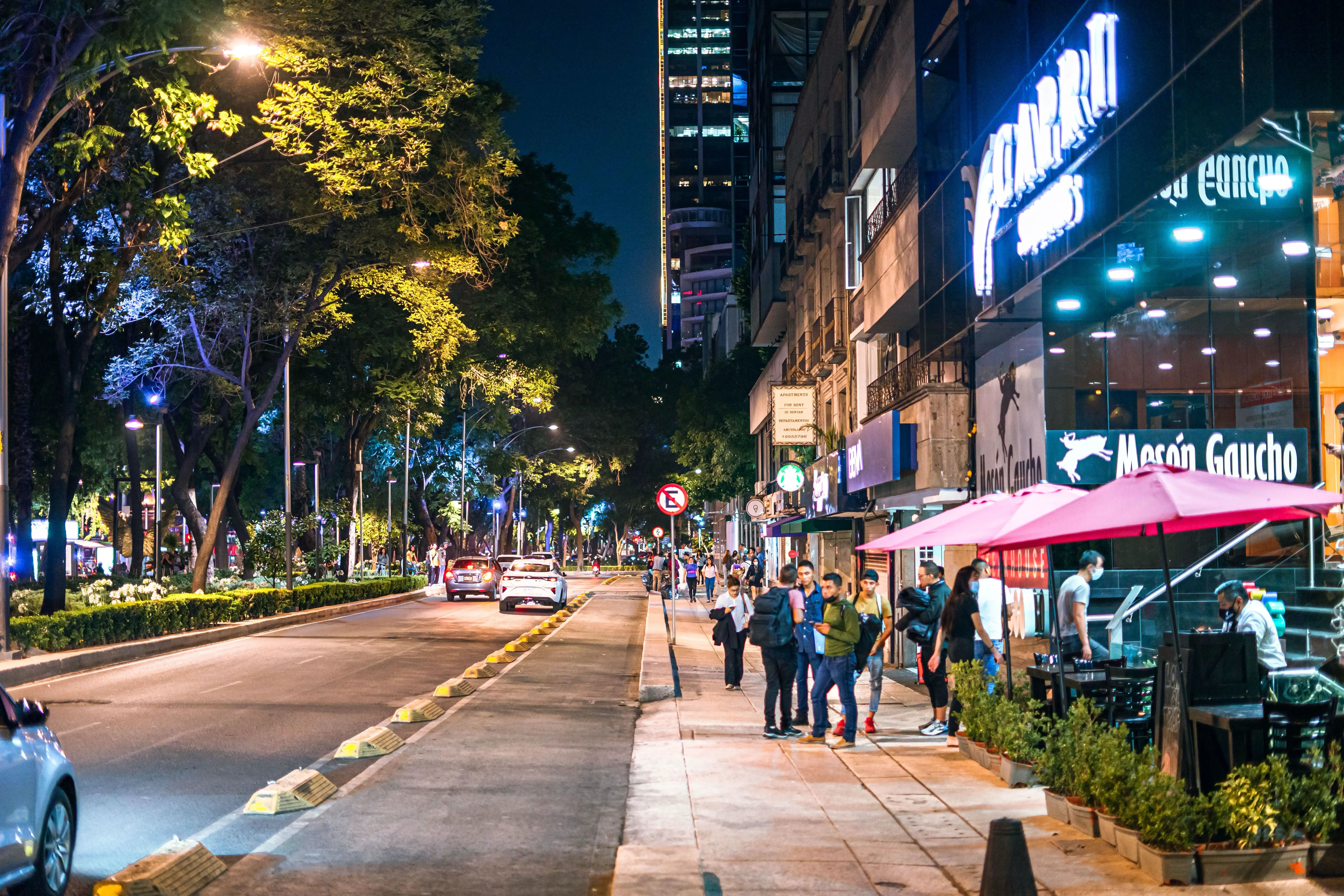
Using your phone at street level while walking — especially near Avenida Chapultepec or around tourist areas like Plaza de Armas — is the most common scenario; locals almost never do this
Ride-hailing is safer than flagging taxis from the street; Uber and InDriver are both widely used and give you a record of the trip
Busy markets and the area around Mercado Corona on Libertad are fine for shopping but require a bag that closes — not a tote
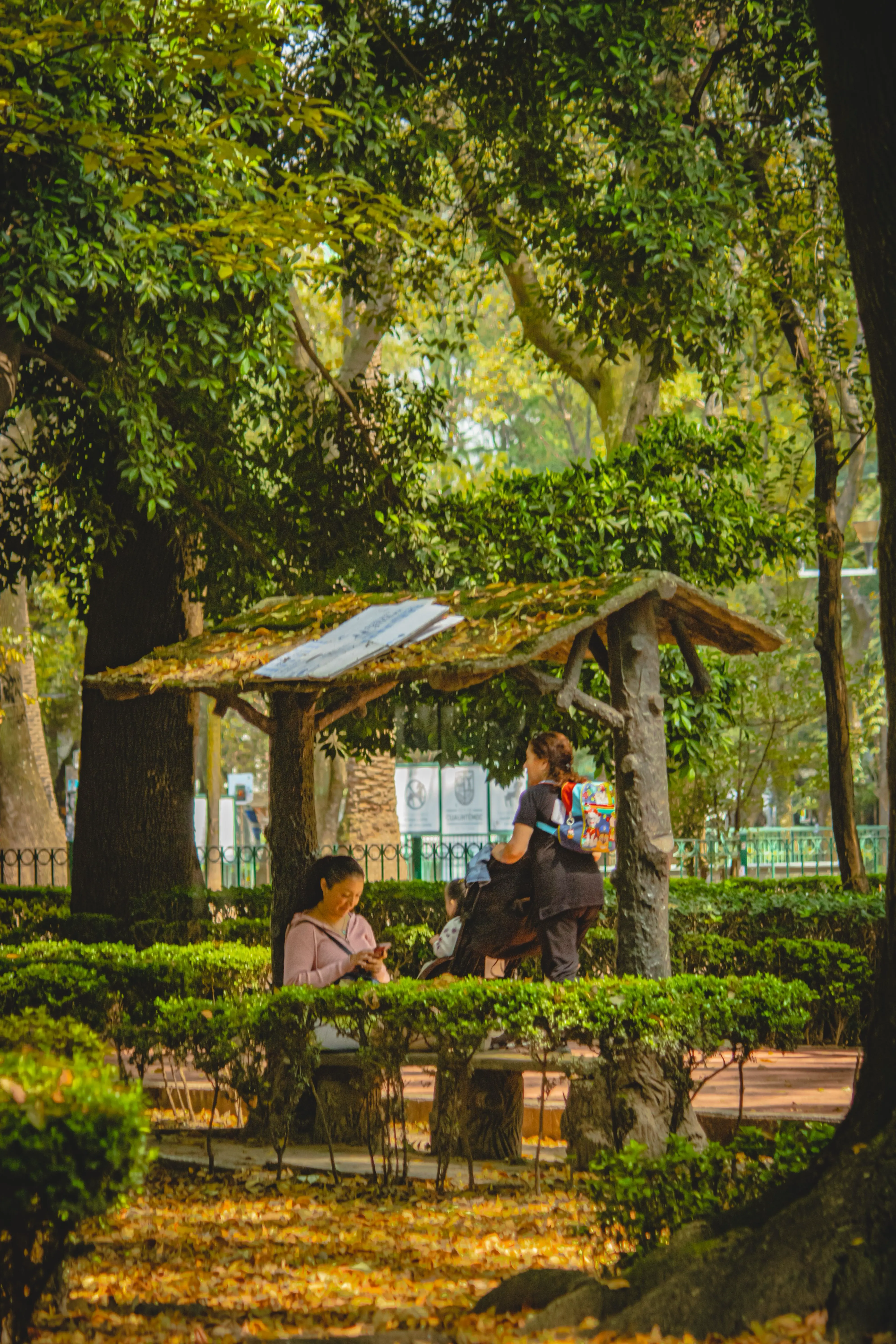
Tree-lined streets in Colonia Americana and Providencia feel safe and walkable during the day; after midnight the calculus shifts, same as most large cities
The expats who have a bad experience in Guadalajara are almost always doing something here that they would not do in a European city — walking distracted, leaving valuables visible in a parked car, or assuming tourist areas are automatically low-risk.
Tap Water, High Altitude, and the Adjustments You Will Actually Have to Make
Two things in Guadalajara that catch people off guard are not safety issues in the dramatic sense — they are friction points that accumulate if you ignore them.
Tap water in Guadalajara is not safe to drink directly; every apartment comes with either a filter system or the expectation that you buy garrafones — 20-litre jugs available from corner stores for around MXN 25–35
High altitude (Guadalajara sits at roughly 1,566 metres) means sun exposure burns faster than it would at sea level — an hour on a café terrace without sunscreen in April will remind you of this
The high altitude also affects alcohol; drinks hit faster here than in coastal cities, which is worth knowing before your first Friday night with other expats in a bar in Santa Teresita
Air quality varies — the city sits in a basin, and on still winter days the smog is visible; running or cycling outdoors is better scheduled for mornings
None of these are reasons not to come — they are the operating instructions for a city that does not announce its quirks upfront.
Building a Life Here: Community, Language, and Actually Meeting People
Guadalajara will not hand you a community — but it is one of the easier Mexican cities to build one in, because the infrastructure for it exists and the local people are genuinely open to foreign residents who make an effort.
Learning Spanish and How Far It Gets You
You can get by in the tourist areas and in expat-heavy pockets of the city without much Spanish — but "getting by" and "living well" are different things here.
Centro de Idiomas at the University of Guadalajara runs Spanish courses for foreign residents; group classes start around MXN 2,000–3,500 per month and put you in contact with other expats who are also learning Spanish
Locals in neighborhoods like Santa Teresita and La Normal are far less likely to speak English than staff in central restaurants or coworking spaces — which is motivation, not a problem
Language exchange meetups happen weekly at several bars; La Santísima on Calle Marsella runs one that draws a mix of locals and foreigners most Thursday evenings
Learning Spanish past basic survival level unlocks an entirely different version of this city — the tianguis markets, the local comedy nights, conversations with your building's portero that actually go somewhere
After a few months, the expats who report feeling at home in Guadalajara almost universally have functional Spanish; the ones who feel isolated almost universally do not.
Finding Other Expats Without Living in an Expat Bubble
The expat community in Guadalajara is real but not overwhelming — which is a feature if you came here to actually live in Mexico, not to recreate home in a cheaper city.
Facebook groups like "Expats in Guadalajara" are active and genuinely useful for practical questions — apartment leads, doctor recommendations, which neighbourhoods to avoid
Colabora Punto Chapultepec in Colonia Americana draws a mix of Mexican professionals and remote workers from other countries; the communal lunch table is where most people make their first real contact
Meetup.com still functions here — there are consistent tech, language, and outdoor groups that are not exclusively made up of foreign residents, which is the point
Valle Real and Puerta de Hierro, the more affluent western suburbs, have a concentration of foreign corporate transfers and longer-term residents — a different expat experience from the central neighborhoods, more car-dependent, more gated
The community you build in Guadalajara tends to reflect how you arrived — people who came looking for other expats find them, and people who came looking for integration find that too.
Google Translate will get you through a market stall or a taxi conversation, but it will fail you completely the moment you need to negotiate a lease, dispute a utility bill, or explain a medical symptom to a doctor at IMSS.
Neighbourhoods Worth Mentioning Beyond the Obvious Ones
Santa Teresita and Valle Real sit at opposite ends of the Guadalajara spectrum and are worth understanding if you are staying longer than a few months.
Santa Teresita is a tree-lined, lower-key residential area east of Colonia Americana — quieter, cheaper by roughly 20–30%, and popular with locals rather than expats; 1-bed furnished apartments run $500–$750 USD/month
Valle Real is in Zapopan municipality, about 20 minutes west by car — it has the feel of an affluent suburb from other countries, with international restaurants, a car, and a very different pace from the walkable centre
The town of Tlaquepaque, technically its own municipality but absorbed into the Guadalajara metro area, is worth mentioning for anyone in arts or design — its craft market streets are not tourist areas in the hollow sense, and rents near the centre of Tlaquepaque are some of the lowest in the metro
Jardines del Bosque, just south of Zapopan, is a quieter upper-middle-class neighbourhood that rarely appears in expat guides but offers good value and direct access to western business corridors without the full suburban isolation of Valle Real
If you have been in Guadalajara a few months and the central neighborhoods are starting to feel small, these are the places worth exploring before assuming you need to move to a different city entirely.
You can get by in Chapaltita and Providencia without fluent Spanish for the first few months, but once you move into a local colonia like Analco or try negotiating a lease directly with a Mexican landlord, the gap between functional and fluent Spanish will cost you real money.
Is Guadalajara Right for You? An Honest Assessment
Most cities market themselves to anyone. Guadalajara does not particularly need to — and the result is a city that suits some people extraordinarily well and frustrates others within weeks.
Who Thrives Here and Who Doesn't
The people who live comfortably in Guadalajara long-term share a few traits that have nothing to do with budget.
You are comfortable navigating a city where English is a tool for occasional convenience, not a default assumption — at the bank, at government offices, at local restaurants off the main streets
You want a real city with real infrastructure — not a quieter town with a slower pace, and not the full chaos of Mexico City; Guadalajara sits between those two things and is neither
You can handle the fact that Guadalajara's social life is built around late dinners, Sunday family obligations among locals, and a pace of relationship-building that takes longer than other expat-heavy cities
You are either already learning Spanish or genuinely committed to starting — not as a polite intention, but as an actual weekly practice
Being Mexico's second largest city means Guadalajara has genuine depth — enough specialists, enough expat community events, and enough decent supermarkets that you won't feel like you're roughing it after the first month.
The YouTube videos about expat life in Guadalajara tend to show Providencia coffee shops and weekend markets in Tlaquepaque — which is real, but skips over the paperwork marathons at the INM immigration office and the genuinely confusing CFDI invoicing system you'll need for any formal rental contract.
Final Thoughts on Expat Living in Guadalajara
What Guadalajara Actually Delivers
For the price point, Guadalajara overdelivers in ways that are hard to fully appreciate until you have lived somewhere cheaper and hollower.
The cost of living stays genuinely low without stripping out the things that make a city worth living in
Infrastructure — public transit, utilities, internet — works at a level that does not match the price tag
The cultural depth is real: a music scene rooted in mariachi tradition, food that goes well beyond tourist menus, and colonial architecture that gives the center actual weight
The first few months feel like discovery rather than orientation, which matters more than it sounds
Most cities at this price ask you to trade quality for cost; Guadalajara mostly does not.
Who This City Is and Is Not For
Guadalajara is a real Mexican city first and an expat destination second, and that ordering is not incidental — it shapes everything about daily life here.
Locals outnumber tourists and expats by an enormous margin, which means Spanish is not optional if you want a full life here
There is no ready-made English-speaking expat bubble waiting on arrival, unlike in Mexico City or Puerto Vallarta
The city rewards engagement with Mexican culture on its own terms, not as a backdrop for a remote-work lifestyle assembled from the outside
If anonymity and a truly international environment are priorities, other cities will serve you better
The price of a good life here is genuine engagement, not just a lower monthly budget.
Where to Start Your Search
Long-term living in Guadalajara is most workable when you are based in one of the central neighborhoods that have the density, walkability, and housing stock to support it.
Colonia Americana is the most walkable option and has the strongest concentration of cafés, coworking spaces, and furnished apartments aimed at longer stays
Providencia sits slightly north and trades some walkability for quieter streets and larger apartments at comparable prices
Both neighborhoods sit close enough to the historic center to access it easily without the noise and tourist traffic of living directly in it
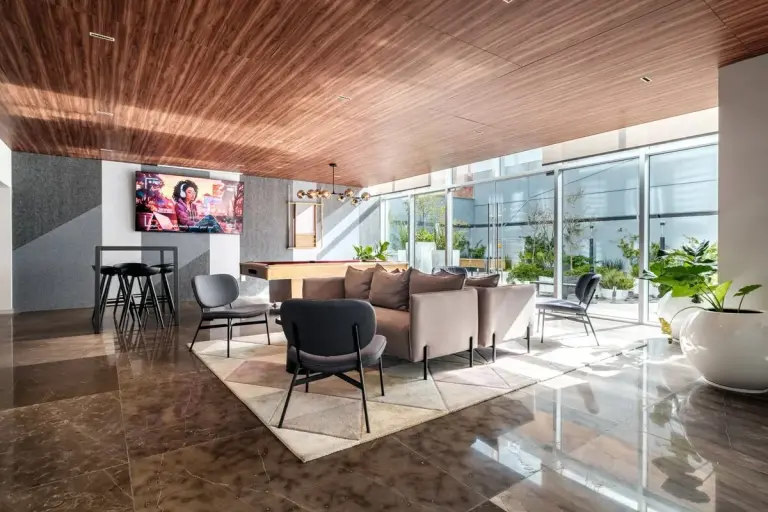
Furnished apartments in these areas typically include utilities and are set up for stays of one month or longer
Browse fully furnished apartments in Mexico and use the filters to find options in Colonia Americana, Providencia, and the other central neighborhoods that make long-term living here genuinely workable.