
Daniel
Productivity & Remote Living Analyst ·
Goa works for a specific kind of winter. The season runs from November through February, the humidity drops, the roads dry out, and the state shifts from waterlogged to genuinely pleasant in a way that photographs cannot communicate. Digital nomads have been finding their way here for years, and the infrastructure — accommodation, coworking, SIM cards, cafés with reliable internet — has caught up with that demand. The trade-off is real: Goa is not a city, which means you will need a scooter, and you will need to choose your base carefully, because North Goa and South Goa are genuinely different places to spend a month.
This guide covers:
The Goa overview: what the state is actually like to live in, not just to visit
How to choose between North Goa and South Goa based on your work rhythm
Where to stay in Goa neighbourhood by neighbourhood, with honest trade-offs
Internet, coworking, and what connectivity actually looks like on the ground
Budgeting for winter 2026: what things cost and where the money goes
Nightlife in Goa, fitness and health, and everything else that shapes daily life
Goa Overview: What the State Is Actually Like to Live In
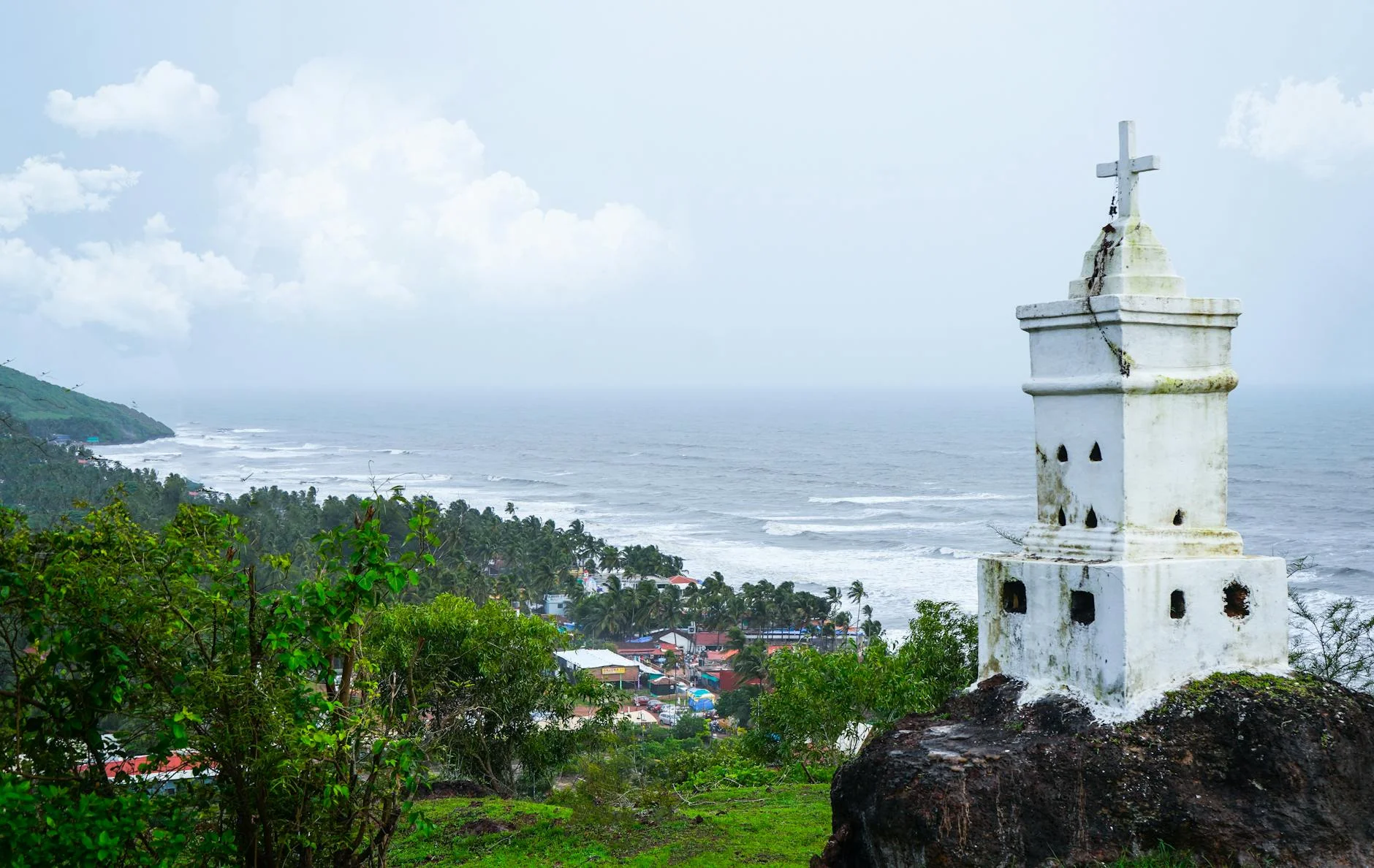
Goa is India's smallest state by area, but that does not make it easy to navigate as a first-timer. The distances between beaches look small on a map and are genuinely not — a 45-minute scooter ride separates some of the most popular nomad bases, and that matters when you are deciding where to rent for a month. The Portuguese colonial history shows up in the architecture, the food, and the pace of life in ways that make Goa feel unlike any other part of India.
Why Goa Works as a Winter Base for Digital Nomads
The dry season timing aligns almost exactly with the period when Northern European and North American nomads want to escape their own winters, which is not a coincidence — it is why the infrastructure exists at all.
November to February temperatures: 24–32°C with low humidity — functional for daytime work, genuinely pleasant in the evenings
Flights into Goa International Airport (Dabolim, with Mopa now handling additional routes) connect directly from London, Dubai, and multiple Indian hubs
Monthly apartment costs run ₹25,000–₹60,000 ($300–$720) for a furnished 1-bedroom, dropping significantly outside peak tourist zones
The local SIM situation is straightforward: Airtel and Jio both offer 1.5–2GB daily data plans for under ₹300/month
What Goa does not offer is the density of a city — if you need an urban grid, good public transport, and everything within walking distance, this is not your destination.
The Goa State Rhythm: Tourists, Locals, and Everyone in Between
The tourist economy peaks in December and January, which means prices peak too, and the beaches you are sharing look very different in week one of December versus week three of February.
Calangute Beach in peak December is genuinely crowded — domestic Indian tourism dominates here, and the beach shacks are full by 11am
Local Goan life happens away from the beach strip: Mapusa Market on Fridays, the inland villages, the Portuguese-era churches
The state has a distinct identity from the rest of India — Konkani and English are both widely spoken, and navigating daily life as a foreigner is significantly easier here than in most Indian states
Goa rewards people who get off the main roads — the best monthly apartments, the quieter cafés, the cheaper local restaurants are all a few turns inland from where tourist maps send you.
The Goan lifestyle moves at a pace that genuinely supports deep-focus work in the mornings — most cafés in Assagao and Siolim do not fill up until 10am, leaving two solid hours of quiet before the co-working crowd arrives.
North Goa vs. South Goa: A Digital Nomad Guide to Choosing Your Base
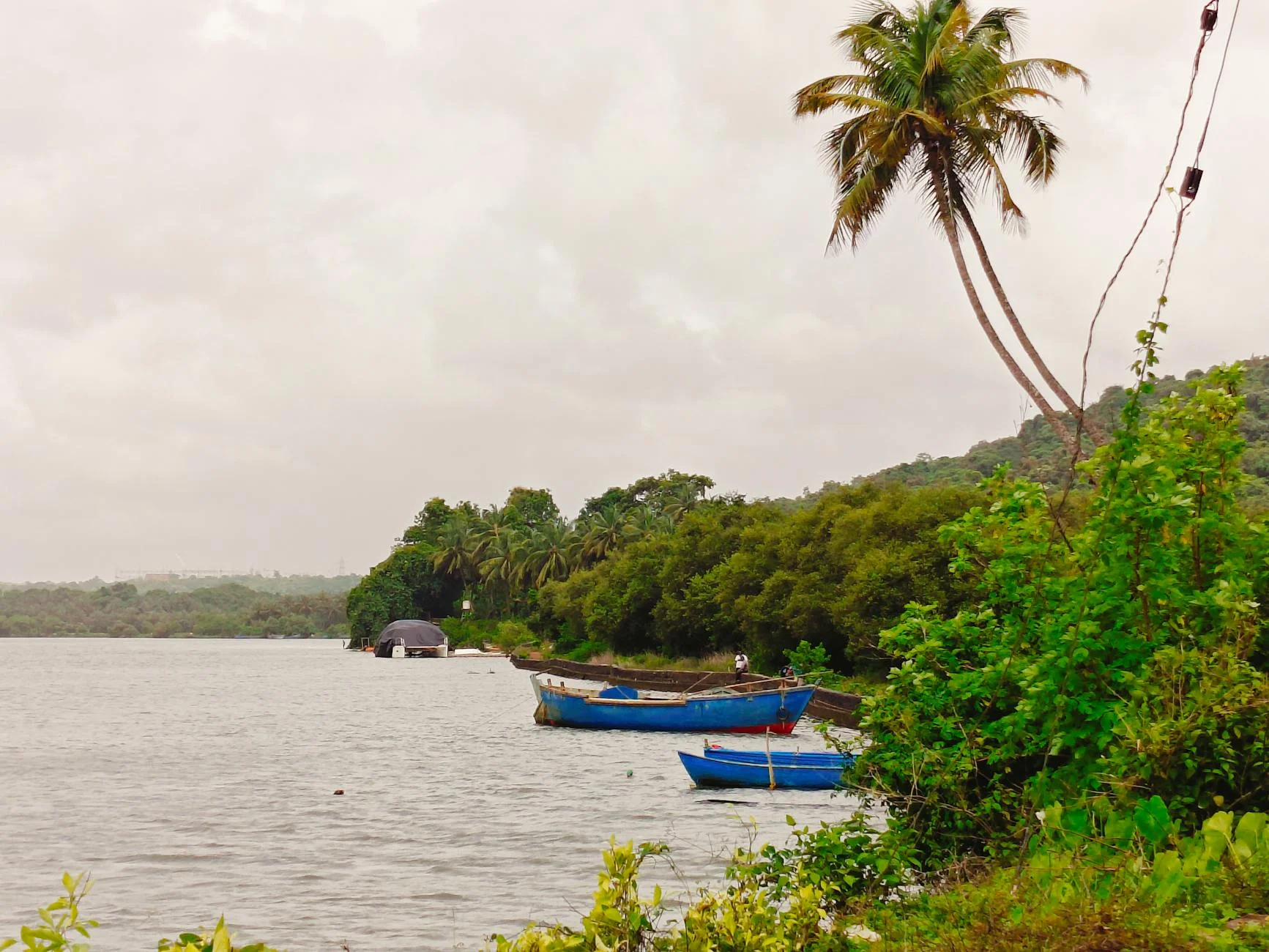
This is the first decision that matters, and it shapes everything else. North Goa and South Goa are not interchangeable, and choosing based on beach photographs alone is how people end up in the wrong place for their work style.
North Goa: More Infrastructure, More Noise
North Goa has the majority of the nomad-friendly cafés, coworking spaces, and furnished apartment stock — which is exactly why it also has the most people, the most scooters on the road, and the least quiet after 9pm.
Anjuna, Vagator, and Arambol are the main nomad clusters — each with a distinct character, covered below
Artjuna Café in Anjuna: reliable WiFi, full-day working atmosphere, meals ₹250–₹400 — fills up by 10am in December
Scooter rental runs ₹300–₹400/day or ₹3,500–₹5,000/month — non-negotiable in North Goa
Furnished long-stay apartments in Anjuna and Vagator: ₹30,000–₹55,000/month for a 1-bedroom in winter season
North Goa is right for you if you want to be near other nomads, have easy access to coworking spaces, and do not need silence to work.
South Goa: Quieter Beaches, Fewer Options
South Goa has better beaches by most measures — longer, cleaner, less crowded — but the trade-off is a noticeably thinner nomad infrastructure, which means you are more on your own for finding reliable internet and workspace.
Palolem and Agonda are the main bases — Palolem has more tourist services, Agonda has almost none, which is the point for some people
Café Inn Palolem: decent WiFi, good coffee at ₹120–₹180, but limited seating for focused work
Monthly rentals in South Goa run ₹20,000–₹45,000 — cheaper than North Goa, but availability for winter 2026 goes fast; book before October
The drive between South Goa and North Goa takes 90 minutes one way — you are not commuting between the two
South Goa suits remote workers who are genuinely self-sufficient with their setup: solid laptop, mobile hotspot backup, and no dependency on a coworking community for motivation.
While North Goa's Vagator has faster fibre options and more co-working spaces per square kilometre, South Goa's Palolem trades that density for quieter beaches and ₹800-a-night guesthouses that won't eat your entire monthly budget.

Where to Stay in Goa: Neighbourhoods for Remote Workers
The neighbourhood you choose in Goa is a more consequential decision than in most cities, because you are not just picking a postcode — you are picking a daily rhythm, a commute to the beach, and a price point that can vary by 100% across areas that are 20 minutes apart by scooter.
Neighbourhood | Monthly Rent (1-bed) | Vibe | Best For | Key Advantage |
|---|---|---|---|---|
Anjuna | ₹35,000–₹55,000 | Nomad hub, social, busy | Community-focused nomads | Most coworking options |
Vagator | ₹30,000–₹50,000 | Slightly quieter, still social | Balance of work and nightlife | Cliff views, better cafés |
Arambol | ₹20,000–₹35,000 | Hippie-leaning, slower pace | Long-stay budget nomads | Cheapest in North Goa |
Panaji | ₹25,000–₹45,000 | Urban, local, Portuguese architecture | City-style workers, culture seekers | Best internet infrastructure |
Palolem | ₹22,000–₹40,000 | Scenic, relaxed, tourist-facing | Beach-first nomads | Best beach in South Goa |
Agonda | ₹18,000–₹32,000 | Minimal, quiet, isolated | Solo deep-work stays | Least tourist density |
Anjuna: The Default Base for Most Digital Nomads
Anjuna has the critical mass of nomad infrastructure that makes a month-long stay logistically easy — which is also why it does not feel undiscovered, because it is not.
NomadGao: day pass ₹500, monthly ₹6,000–₹8,000, stable fibre connection, AC — book a monthly desk before November
Furnished 1-bedrooms on the inland lanes behind Anjuna Beach: ₹35,000–₹45,000/month with kitchen — better value than anything near the beach road itself
Anjuna Flea Market every Wednesday: worth one visit, not worth living next to in December
Nearest supermarket-equivalent: Oxford Arcade stocks imported goods at imported prices — the local grocery shops 500m inland are where you actually shop
Explore Calangute in our neighbourhood guide if you want a deeper breakdown of streets and apartment zones before you commit.
Panjim's Fontainhas neighbourhood is especially practical for nomads who need reliable postal addresses and fast bank access, since the HDFC and ICICI branches on Dayanand Bandodkar Marg are within a ten-minute walk of most guesthouses there.
Panaji: The Option Most Nomads Overlook
Goa's capital city is not a beach destination, and that is exactly why it works better than the beach towns for some remote workers — there is real local life here, and the internet infrastructure reflects it.
MeWo Cowork in the old Latin Quarter: ₹400/day, reliable fibre, air-conditioned, housed in a heritage building — the best working setup in the state
Fontainhas neighbourhood: Portuguese-era houses available for long stay at ₹28,000–₹45,000/month, with the most character of any base in Goa
Viva Panjim: local Goan food, lunch under ₹300, one street back from the tourist waterfront — go before 1pm
Making Panaji your base means a 25-minute scooter ride to the nearest good beach, which is either a trade-off you can live with or one you cannot
While Anjuna suits nomads who want to walk to a café and start working by 8am, Assagao is the better pick if you need a scooter-friendly base with larger long-stay villas available from ₹35,000 a month.
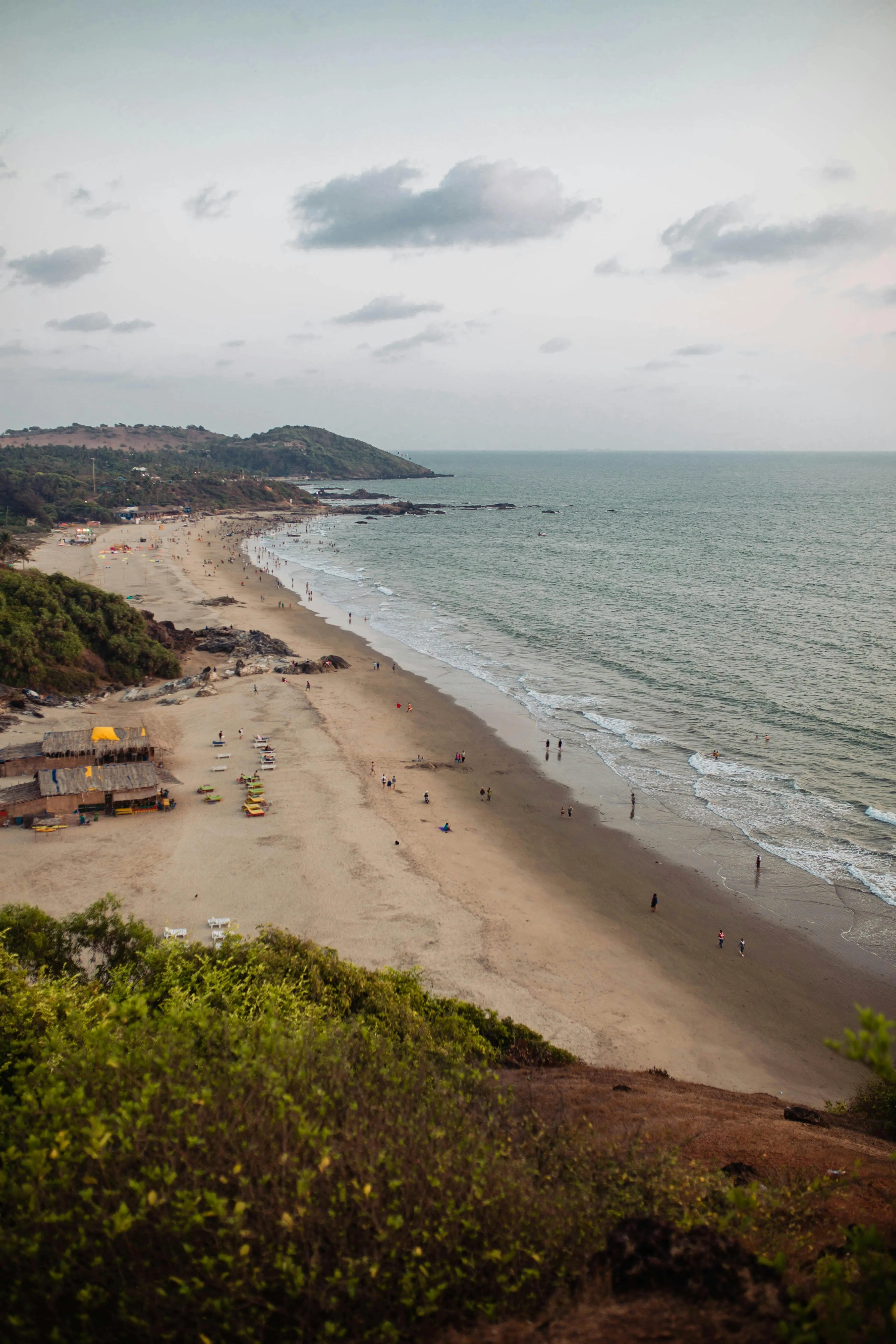
Find fully furnished apartments in Goa across all neighbourhoods — Panaji listings move quickly after October, so the earlier you look, the better your options.
Browse Goa homes near this area
Internet, Connectivity, and What Digital Working in Goa Actually Looks Like
Connectivity in Goa is better than it was five years ago and worse than most of Europe — that is the honest framing. Fibre exists in the main nomad areas; the issue is consistency, and it is worth building a backup into your setup before you arrive rather than discovering the problem mid-call.
SIM Cards and Mobile Data for Remote Workers
Getting a local SIM sorted within the first 48 hours removes the single biggest practical friction in starting work from Goa India — do not rely on your home country data plan beyond the first day.
Airtel and Jio both sell prepaid SIMs at Airtel's Calangute store — bring your passport and a passport photo, process takes 30 minutes
Jio's ₹299/month plan gives 2GB/day with 5G speeds in Panaji and Anjuna; Airtel's ₹299 plan has marginally better rural coverage in South Goa
A mobile hotspot on either network is a functional backup for apartment internet outages — keep 10GB in reserve specifically for calls
Beach internet is unreliable everywhere: do not schedule client calls from a beach shack regardless of what the menu board says about WiFi
Two SIMs — one Airtel, one Jio — costs under ₹600/month combined and is the only connectivity strategy that does not eventually let you down somewhere in the state.
If you plan to work remotely from a beach shack in Morjim, test the connection before committing to a long-stay deal — upload speeds there averaged just 4 Mbps on Jio during peak season 2024, which is borderline for video calls.
Coworking Spaces and Café Working: The Honest Picture
The coworking scene in Goa is real but thin compared to Bali or Lisbon — there are good spaces, but they are concentrated in North Goa, and the café working culture is still developing rather than established.
Coworking Cafe at Jungle in Vagator: ₹600/day, ₹8,000/month, sea views, 100Mbps fibre — the best-located coworking space in North Goa
Bean Me Up café in Vagator: vegan-friendly, reliable WiFi, good for solo morning work before the lunch crowd arrives at noon
Café working in Arambol is genuinely limited — most beach shacks have internet too slow for video calls, making a coworking day pass the better option on call-heavy days
South Goa has no dedicated coworking space as of 2025 — this is likely to change before winter 2026, but do not count on it when planning
The nomads who work best from Goa are the ones who treat coworking as their main workspace and the café or apartment as supplementary — the infrastructure supports that model, even if it does not yet support the reverse.
Eating and Drinking in Goa Without Spending Like a Tourist
Food in Goa is genuinely good — the local Goan-Portuguese cuisine is worth seeking out specifically, not just as background to the beach — but the price gap between tourist-facing restaurants and local ones is wider here than in most Indian states.

Where Nomads Actually Eat Day to Day
The places nomads eat repeatedly are not the places in the travel guides — they are the small thali spots one street back from the main road, open for lunch only, cash only, and worth the mild inconvenience.
Ritz Classic in Panaji: prawn curry rice ₹180, no decor to speak of, closes at 3pm — arrive before 1pm or it sells out
Xavier Snack Bar in Margao: beef croquettes ₹40 each, local crowd, no tourist markup — South Goa's version of a working lunch
Thali at any neighbourhood canteen runs ₹80–₹150 and includes rice, dal, sabzi, and fish — this is the food budget anchor that makes Goa genuinely affordable if you use it
Supermarkets near Calangute charge two to three times the Mapusa Market price for the same mangoes — shop at Panaji Municipal Market on the Mandovi River side for produce at local rates
If you are eating every meal at beach shacks, you are not eating cheaply — you are eating at a tourist surcharge and calling it local life.
Fresh kingfish at the Mapusa Friday Market costs around ₹300 per kilogram and is especially worth buying if your accommodation has a kitchen — it is the single biggest food cost-saver for nomads staying in Goa for more than four weeks.
Goa's Food Scene Beyond the Beach Shacks
The beach shacks along the Arabian Sea serve a version of Goan food — but the real version is inland, older, and significantly cheaper.
Fisherman's Wharf in Cavelossim: open-air riverside setting, fish thali ₹320, better value than anything on the Palolem strip for the same quality
Little Plantain Leaf in Agonda: full South Indian breakfast for ₹120 — the dosa here is better than most you will find north of the Mandovi River
Sorpotel, xacuti, and bebinca are the three Goan dishes worth going out of your way for — most tourist restaurants serve approximations; the Catholic neighbourhood restaurants in Old Goa serve the real thing
Feni — the local cashew or coconut spirit — costs ₹80–₹120 for a measure at local bars; the same bottle retails at ₹200–₹350 at Goa's government liquor stores, which are the cheapest source for a month's supply
Goa offers a genuinely distinct regional cuisine that most short-stay tourists miss entirely — the nomad advantage is time, and using it to eat one street further in changes what Goa tastes like.
Getting Around Goa: Transport Beyond the Scooter
Transport in Goa is more layered than the standard nomad advice — "get a scooter and you are fine" — suggests. The scooter handles most of it, but knowing when not to use it saves time and occasionally saves you from a fine.

The Konkani Railway Line Is Underused by Nomads
Most nomads in Goa ignore the train entirely and pay for it every time they need to cross the state — the Konkan Railway connects Margao to Panaji's orbit in 25 minutes for ₹30, which beats driving in December traffic by a significant margin.
Madgaon Railway Station in Margao: main South Goa hub, trains to Mumbai from ₹350 in sleeper class — useful for a weekend trip without paying for a flight
Karmali Station near Old Goa is the most useful stop for nomads based in North Goa — 12 minutes to Panaji by taxi from there, and train tickets cost a fraction of a private car for the same journey
The Vasco–Londa line runs inland toward Karnataka — not useful for daily life, but the route passes through genuinely beautiful countryside if you have a slow afternoon
Booking on the IRCTC app requires registration in advance — set this up before you arrive, not the morning you want to travel
The train does not replace the scooter for daily life, but it changes what feels possible on the days when driving feels like too much effort.
While renting a scooter in Arambol for ₹400 a day gives you the most flexibility, the Goa Miles app is a safer option for late-night returns from Calangute when visibility on NH66 drops sharply after midnight.
Private Taxis, Apps, and the Ongoing Ola Problem
Private transport in Goa operates under a negotiated system that rewards people who know the going rate and will hold to it — walk-up tourist pricing is routinely double what a local would pay.
Rapido bike taxis work in Panaji and parts of North Goa — ₹40–₹80 for short trips, no negotiation, faster than waiting for an auto
Ola and Uber operate in Goa but with inconsistent availability outside Panaji — do not rely on either for airport runs; a pre-booked private taxi at ₹800–₹1,200 is more reliable than hoping the app surfaces a driver
Fixed-rate taxis from Panaji Taxi Stand on the Mandovi River waterfront: Panaji to Calangute ₹400, Panaji to Margao ₹550 — rates are posted; do not accept more than the board says
Auto-rickshaws are scarce in most of Goa outside Panaji and Margao — do not build your transport plan around finding one at a specific time
The nomads who navigate Goan transport without frustration are the ones who learn the fixed taxi rates in the first week and never negotiate blind.
The Thursday digital nomad meetup at Drifters Hub in Vagator typically draws 30 to 50 people and is the fastest way to find a reliable accountant or a co-working desk referral within your first week in Goa.
The Nomad Social Scene and What Goa Anjuna and Beyond Actually Offers
This is the part of the nomad guide that most guides flatten into "great community vibes" — which is not wrong, exactly, but it misses the structure underneath it. Goa Anjuna is the gravitational centre of the winter nomad scene, but the community extends well past one village.
Where Digital Nomads in Goa Actually Congregate
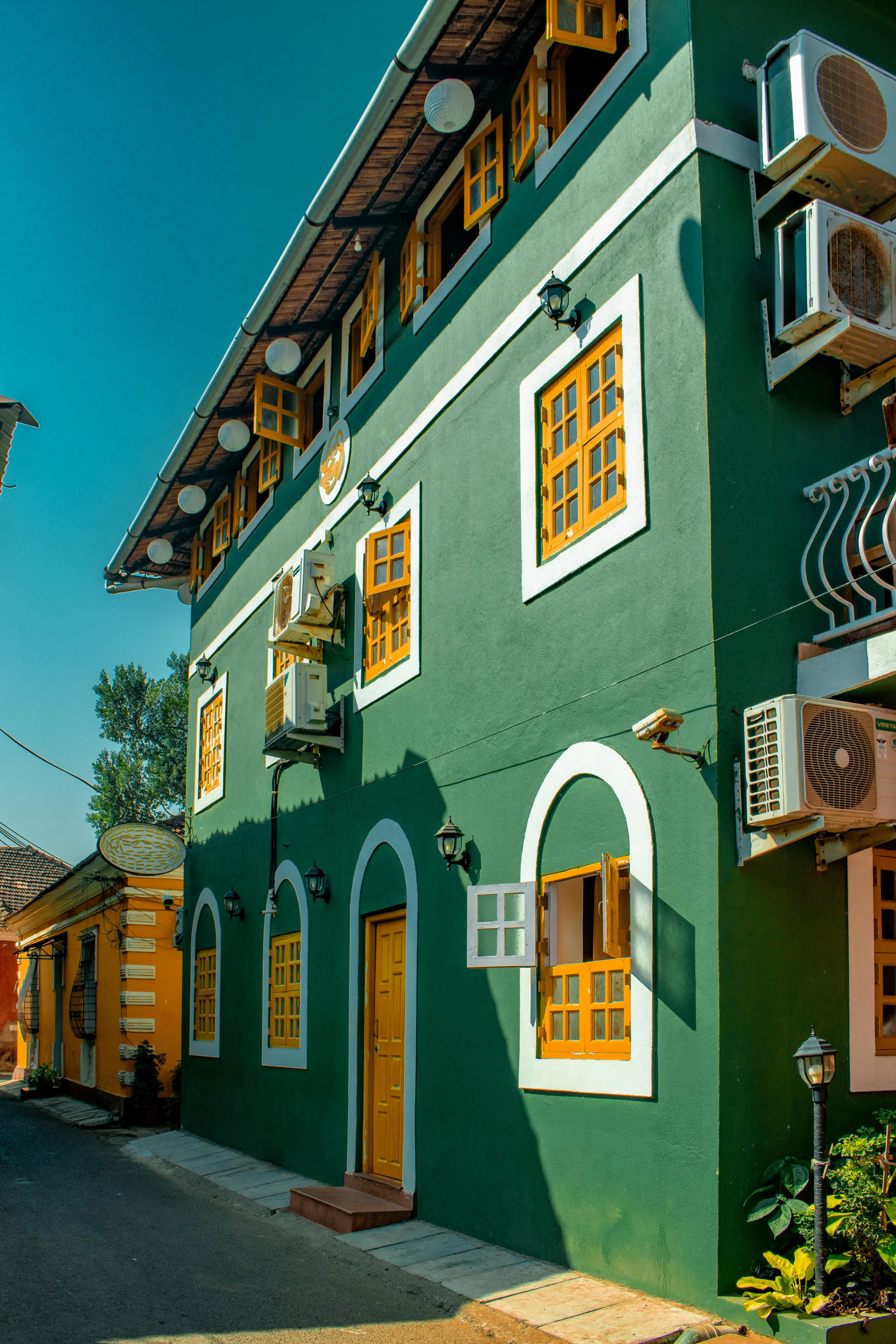
The coworking spaces are where you work; the community is where you meet the people worth knowing, and for digital nomads Goa has specific pockets where that happens reliably.
Curlie's Beach Bar on the north end of Anjuna Beach: the long-running sunset spot where Goa Anjuna's nomad-adjacent crowd has gathered for years — arrive before 6pm for a table with a view
Ingo's Saturday Night Bazaar in Arpora: not a coworking event, but this is where the creative freelancer and nomad crowd from across North Goa converges weekly — genuinely useful for meeting people organically
Nomad-specific Slack groups and WhatsApp communities are more active than any physical noticeboard — search for "Goa Digital Nomads" on both before arrival, the groups are open and the community actively shares housing leads
The yoga and wellness scene in Arambol and Assagao overlaps heavily with the remote work crowd — if that world interests you at all, it is a functional social entry point
The nomad scene in Goa is real, but it is self-organising rather than institutionalised — you find it faster if you show up at the right place at the right time rather than waiting for it to come to you.
The Wednesday flea market at Anjuna is genuinely good for meeting other nomads in an unforced setting; however, the real long-term connections tend to form at smaller weekly co-working meetups in Assagao rather than at the bigger beach parties in Vagator.
Coworking Spaces as Social Infrastructure, Not Just Desks
The coworking spaces worth joining in Goa winter 2026 are the ones that function as community hubs — the desk is secondary to who you meet at the coffee machine.
91springboard Panaji: ₹500/day or ₹8,000/month, the most professionally oriented coworking space in Goa, better suited to client calls and focused work than the beach-adjacent options
The Hive Assagao: community-oriented space in a quieter inland village, monthly memberships around ₹10,000, the crowd skews creative and founder-heavy rather than corporate remote
Both spaces run occasional evening events — product demos, skill swaps, informal dinners — that are open to members and worth attending in the first two weeks specifically for introductions
A monthly coworking membership pays for itself socially within two weeks if you are new to Goa and working alone — the alternative is three months of eating lunch by yourself
The coworking space decision in Goa is not really about internet speed — both networks are adequate; it is about what kind of people you want to spend the winter around.
Being based in Goa rather than Bali or Chiang Mai for winter 2026 means your IST timezone overlap with European clients runs from 1pm to 6pm, which is a genuine working advantage if most of your calls happen in the afternoon.
Is Goa the Right Winter Base for You in 2026?
Who Actually Thrives in Goa as a Winter Base
Goa rewards nomads who arrive with a plan, not those who assume the infrastructure will do the planning for them.
Schedule flexibility matters: afternoon power cuts and monsoon-season road closures can derail a rigid 9-to-5 client calendar
Neighbourhood choice is decisive — North Goa villages like Assagao and Morjim have meaningfully different connectivity and crowd profiles than Panjim
The scooter is not optional; without one, a 2km grocery run becomes a 40-minute logistical event
Tolerance for active infrastructure management separates people who love Goa from people who leave after three weeks frustrated
The nomads who struggle here are usually the ones who wanted Lisbon with better weather, which Goa has no interest in being.
What Goa Genuinely Offers That Other Hubs Do Not
The quality-of-life case for Goa is real, but it is built from specific, unglamorous details rather than a headline lifestyle pitch.
A fish curry lunch at a local shack runs under ₹250 — roughly €2.50 — without any compromise on freshness or portion size
The Arabian Sea at 6am is empty, warm, and within walking distance of most North Goa rental neighbourhoods
There are no queues, no urban density, and no ambient pressure — a psychological reality that compounds positively over a three-month stay
Cost of living for a European or North American nomad sits well below comparable coastal bases in Portugal or Thailand once rent, food, and transport are totalled
These things are hard to value accurately before you have lived them for a month, and almost impossible to overvalue once you have.
While Goa works exceptionally well as a three-month winter base between November and January, the shoulder months of late February can see beach-shack operators packing up early, which limits your evening options compared to peak season.
How to Secure a Good Base Before Inventory Disappears
North Goa's rental market for winter 2026 will not wait — the well-located, well-connected apartments go months before the season opens.
Quality furnished inventory in Assagao, Anjuna, and Morjim is typically claimed by September for a November start
Prioritise landlords or platforms that can confirm connectivity specifics — fibre availability, backup options — before signing anything
A shortlist of three to four apartments gives you negotiating room; approaching with a single option does not
Explore fully furnished apartments in India now to identify what is available before the November rush removes the best options
The nomads who arrive in Goa well-housed and well-connected in week one are almost always the ones who started looking in August.
Book your travel to Goa before September 2025 if you want direct flights from London or Amsterdam for under ₹55,000 return — fares for December 2026 arrivals typically spike once October hits.
Start Planning Your Move to Goa for Winter 2026
Goa in winter 2026 represents a rare alignment of affordability, infrastructure, and lifestyle that is hard to replicate elsewhere at this price point. The combination of reliable high-speed internet, a well-established expat and nomad community, warm dry weather, and a genuinely relaxed pace of life makes it one of the most compelling seasonal bases for remote workers coming from Europe or North America. The key, as always, is timing — the best properties are claimed months before the season opens.
Whether you are drawn to the buzzing café culture of Anjuna and Vagator in North Goa, or the quieter, more residential feel of Palolem and Agonda in the south, there is a version of Goa that fits your working style and budget. Start your search early, shortlist a range of neighbourhoods, and if possible spend the first week in a flexible short-term rental before committing to a longer lease.
RentRemote makes it straightforward to filter by location, lease length, and amenities so you are not wasting time on listings that do not suit a working nomad's needs. Browse fully furnished apartments in the country to get a realistic sense of what is available at different price tiers, and lock in your accommodation well before the October rush begins.