
Maya
Culture & Exploration Editor ·
Goa works for remote work — but not in the way the Instagram version suggests. The beach and the laptop are rarely in the same place at the same time, and the infrastructure, while genuinely improving, still rewards people who plan rather than people who improvise. The trade-off you're actually making is this: lower costs, a real community, and a pace of life that most cities can't replicate — in exchange for connectivity that varies more than you'd like and a transport situation that requires a scooter from day one.

Whether Goa's internet speed and infrastructure can support serious remote work
North Goa vs. South Goa — which suits your working style
The best coworking spaces and where to find reliable Wi-Fi
What the digital nomad community actually looks like on the ground
Visa options and what the digital nomad visa situation means for stays longer than 90 days
Honest monthly budgets and what your money actually buys here
Is Goa Good for Remote Work? The Honest Answer
Goa India has been absorbing long-stay foreigners since the 1970s — the difference now is that the laptops have replaced the paperbacks, and the guesthouses have started advertising fibre speeds. That's a meaningful change, but it doesn't mean every corner of the state is ready for a deadline-heavy week.
Internet Speed: What You'll Actually Get, Beach to City
The number you see advertised and the number you experience at 10am on a Tuesday are not the same number, and knowing the gap before you arrive saves real frustration.
Panjim, Margao, and Mapusa cafés and co-working spaces: 60–80 Mbps reliably — these are the towns where you take video calls without thinking twice
Anjuna, Vagator, and Calangute: 30–50 Mbps at dedicated coworking spaces, lower at beach-facing cafés with ten people on the same router
Rural beach villages — Agonda, Morjim, Patnem: 10–20 Mbps is typical; power outages are not rare, and backup generators are worth asking about before you sign a lease
State average sits around 22–24 Mbps, though fibre-connected apartments in developed areas can reach 300 Mbps — the variance is the point
If your work involves large file transfers or back-to-back calls, base yourself in a town, not a beach village — and always have a local SIM with a data plan as backup.
The Goa India Work Reality: What Susegad Actually Costs You
Goa runs on a concept called susegad — a Portuguese-inflected word for relaxed contentment — and it applies to repair timelines, landlord responsiveness, and the speed at which your SIM card gets activated.
Reliable internet exists, but "reliable" means planning around it — not assuming it
Power stability varies by area; a coworking space or apartment with backup power isn't a luxury, it's a requirement if you bill by the hour
The tropical climate means April and May are genuinely difficult working months — humid, hot, and mentally draining if you're not in an air-conditioned space
Monsoon season (June–September) clears most tourists out, drops prices significantly, and — if you can handle intermittent outages — gives you the quietest, greenest version of Goa
Goa rewards people who build their schedule around the environment rather than fighting it — the 6am start and afternoon swim model works better here than the nine-to-five.
Goa is an ideal destination for remote workers who can time their stay to avoid the monsoon, since a ₹25,000-per-month apartment in Assagao during peak season comes with reliable Wi-Fi and a pool — something equivalent in Mumbai would cost three times as much.
North Goa vs. South Goa: Where Digital Nomads in Goa Actually Work Best
This is the decision that shapes everything else — where you sleep determines your daily rhythm, your community, your commute, and your evening options. North Goa and South Goa are not interchangeable, and choosing the wrong one for your working style costs you more than just convenience.
Neighbourhood | Monthly Rent (1-bed) | Vibe | Best For | Key Advantage |
|---|---|---|---|---|
Anjuna | $280–$420 | Social, creative, loud on weekends | Networking, community events | Best coworking density in Goa |
Vagator | $260–$400 | Clifftop, younger crowd, nightlife-adjacent | Short stays, socialising | Walking distance to multiple coworking spaces |
Panaji (Panjim) | $300–$450 | Calm, Portuguese heritage architecture, city pace | Focus work, longer stays | Best internet reliability in Goa |
Morjim | $250–$380 | Quiet, turtle nesting grounds, Russian expat community | Focused work, slow pace | Genuinely quiet — no trance parties |
Palolem Beach (South) | $200–$320 | Relaxed, scenic, limited nightlife | Focus, yoga retreats, detox months | Cheapest rents, quietest lifestyle |
Agonda (South) | $180–$300 | Near-empty, slow, beautiful | Deep focus, writing, long-form work | No tourist infrastructure to distract you |
North Goa: Best Place for Networking and Community Energy
North Goa is where most digital nomads in Goa land first, and a significant number never leave — the social infrastructure is too convenient to trade for peace and quiet.
Maverick & Farmer (Anjuna) — coworking café with 50+ Mbps, day passes around ₹500, fills up by 10am so arrive earlier
NomadGao/@15.5839202,73.7318852,15z/data=!4m11!3m10!1s0x3bbfebf0d7aa79d1:0xbcc572b64feb4f02!5m3!1s2026-07-16!4m1!1i2!8m2!3d15.5839202!4d73.7509396!15sChBhbmp1bmEgY293b3JraW5nWhIiEGFuanVuYSBjb3dvcmtpbmeSARZzZXJ2aWNlZF9hY2NvbW1vZGF0aW9umgEkQ2hkRFNVaE5NRzluUzBWSlEwRm5TVU5TWDA1cFR5MTNSUkFC4AEA-gEECAAQRw!16s%2Fg%2F11hdqybwys) — networking events happen organically here; it's also where you find the local community beyond the nomad bubble
Jungle Work (Vagator) — dedicated coworking, monthly memberships from ₹6,000, reliable power backup
Beach parties and trance parties run Thursday through Sunday in peak season — if that's your rhythm, great; if you need silence by 10pm, Anjuna will cost you sleep
North Goa gives you the digital nomad life with all its advantages and all its noise — it's the right base if community matters more than quiet.
North Goa's Lively Atmosphere — particularly around Baga and Calangute on weekends — is exactly why serious remote workers tend to base themselves in quieter villages like Assagao or Siolim, where you can actually focus before 10am.
Explore North Goa in our neighbourhood guide
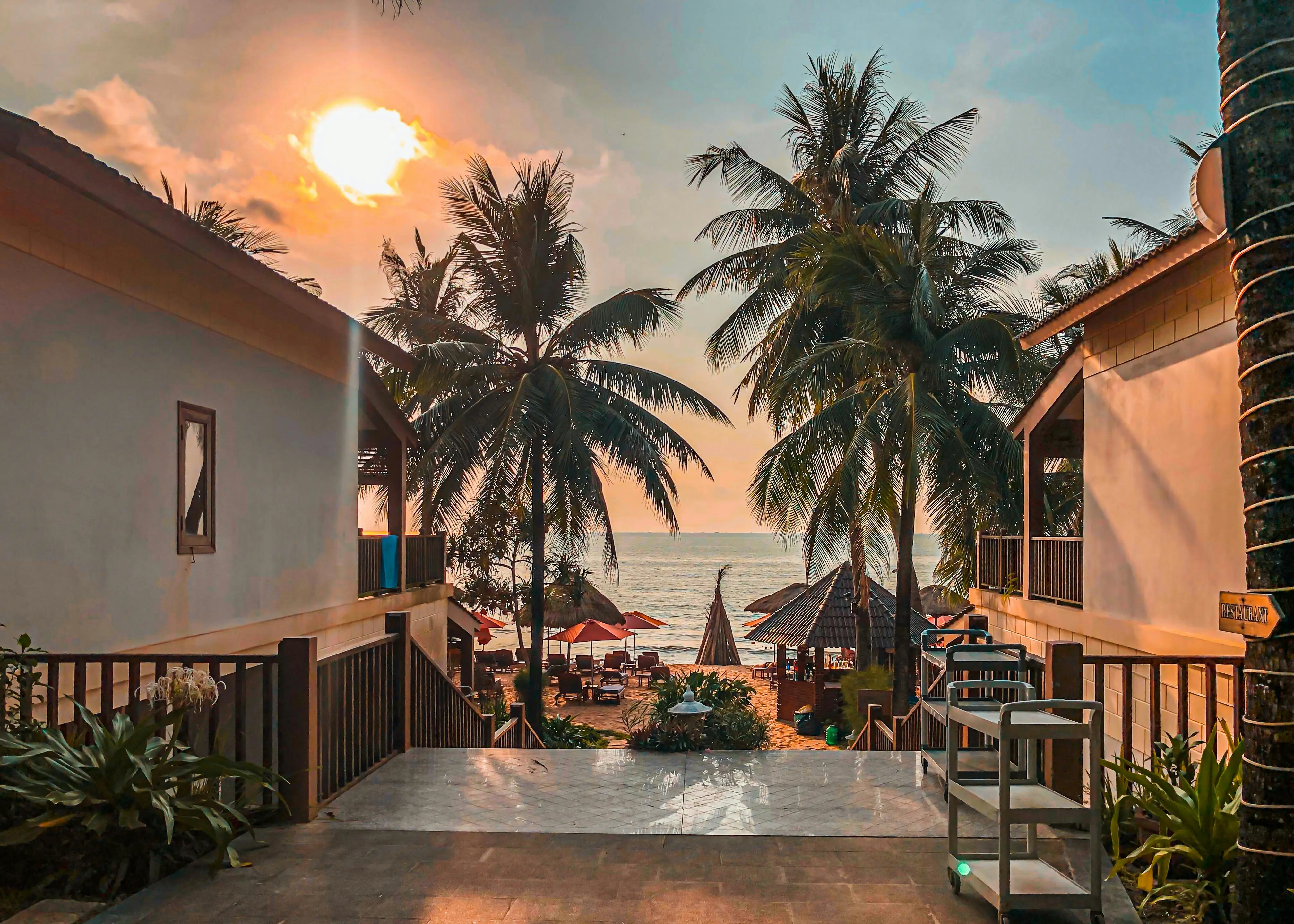
South Goa: Where You Go When the Work Has to Actually Happen
South Goa is quieter by design, not by accident — there's less infrastructure, fewer coworking spaces, and almost no nightlife, which is precisely the point.
Palolem Beach has beach huts that now offer work desks and decent Wi-Fi — from around $200/month in low season, these are better than they look
Agonda's turtle nesting grounds mean development is restricted; that's why it's so calm, and why the good internet doesn't reach here reliably
South Goa suits a one-month writing or deep-focus sprint better than a six-month base — eventually you'll want a coworking space with other humans
Palolem to Anjuna is 90 minutes by scooter — doable for a day trip, not for a daily commute
Digital Nomads in Goa overwhelmingly cluster in North Goa — specifically around Arambol and Vagator — because the concentration of coworking spaces and long-stay apartments there is simply higher than anything South Goa currently offers.
Goa is a more diverse state than its beach-party reputation suggests — South Goa's Palolem attracts a noticeably quieter, older crowd of long-stay workers compared to the festival-heavy north.
Coworking Spaces in Goa: Where to Work When Your Apartment Can't
The coworking infrastructure in Goa has grown fast enough that you're no longer choosing between a beach shack with bad Wi-Fi and a flight to Bangalore — there are real spaces with real power backup, and a few of them have communities worth joining.
The Best Coworking Spaces Worth the Commute
Not all co-working spaces in Goa are equal — some are repurposed cafés with a printer; the ones below have invested in infrastructure that holds up during a client presentation.
91Springboard (Panjim) — day pass ₹600, monthly ₹8,000, the most corporate setup in Goa and the most reliable internet in the state; best if you need SLAs, not just vibes
TheCircle.Work (Ashwem) — monthly membership from ₹7,500, sunset views, good community events on Fridays; the good internet access doesn't guarantee power stability, so ask about the UPS before committing
Royal Enfield Garage Cafe (Calangute) — reliable Wi-Fi around 40 Mbps, better for focus than community — it's quieter than the name implies
NomadGao Vila Nova/@15.5684411,73.7148054,14z/data=!4m11!3m10!1s0x3bbfebf0d7aa79d1:0xbcc572b64feb4f02!5m3!1s2026-07-16!4m1!1i2!8m2!3d15.5839202!4d73.7509396!15sChNEaWdpdGFsIE5vbWFkIEhvdXNlkgEWc2VydmljZWRfYWNjb21tb2RhdGlvbuABAA!16s%2Fg%2F11hdqybwys) (Assagao) — coliving plus coworking from ₹25,000/month, walking distance to both quiet roads and Anjuna's social scene; the community here is the actual product
The right coworking space in Goa depends on whether you're optimising for connection speed or human connection — ideally you find one that delivers both, but be prepared to choose.

Cafés That Work for Remote Work (and When to Leave Them)
Goa's café culture is real, but good coffee and good internet are not always the same address — and the beach-facing spots that look perfect at 9am become unusable by noon when the tourist crowd arrives.
Artjuna (Anjuna) — garden café, reliable Wi-Fi, closes at 11pm; good for morning work sessions, not calls after 6pm when the music starts
Bean Me Up (Anjuna) — strong internet, vegan menu, ₹200–₹400 for a meal, and the street food stalls on the same road are significantly cheaper; best before 11am before the laptop crowd fills the tables
Café Lilliput (Candolim) — quieter than Anjuna options, decent speeds, a local community feel that the bigger beaches don't have
The Digital Nomad Lifestyle in Goa works best when you pair a morning shift at a coworking space like Deskbooking in Panaji — around ₹500 per day — with an afternoon at the beach, because trying to work from beach shacks after 2pm is a productivity disaster.
Use cafés for focused solo work in the mornings and save the coworking spaces for afternoons when you need the power backup and a faster connection.
The Digital Nomad Community in Goa and the Digital Nomad Visa Question
Goa has a genuinely established community of people working remotely — this isn't a destination building its nomad identity from scratch. The community has been here long enough to have its own rhythms, its own meeting points, and its own honest opinions about what works and what doesn't.
Digital Nomad Life in Goa: What the Community Actually Looks Like
The digital nomad community here is more mixed in age and background than Chiang Mai or Lisbon — you'll find long-term expats who arrived in 2015 sitting next to remote workers who arrived last October, and the exchange between them is one of Goa's underrated advantages.
Friday Goa Collective Bazaar — cultural events with artisanal goods, street food, and live music; this is where the local community and the nomad community actually mix, rather than occupying parallel social scenes
Yoga studios and yoga retreats in Arambol and Anjuna run regular workshops that double as networking events — the crossover between wellness and remote work culture in Goa is higher than in most destinations
Facebook groups ("Goa Digital Nomads", "Remote Workers Goa") are active and honest — accommodation recommendations, SIM card advice, scooter rentals; more useful than most city-specific forums
The digital nomad lifestyle here runs slower than in Southeast Asian hubs — that's a feature if you want depth, a limitation if you want scale
Goa digital nomads tend to stay longer than they planned — the community has enough infrastructure to stop feeling transient, which is either the best thing about it or the reason you never finish the project you came here to complete.
Digital Nomad Visa: What India Actually Offers Right Now
This is the honest part most guides bury: India does not currently offer a dedicated digital nomad visa, and the digital nomad visa question is more complicated here than in Portugal, Indonesia, or Thailand.
Most goa digital nomads enter on a tourist e-visa (60-day, single entry) or a tourist visa (up to 180 days, multiple entry) — neither is designed for remote work, but enforcement against remote workers is not a documented issue
Visa runs to Sri Lanka or Nepal are common among long-stayers — the international airport at Dabolim (and now Mopa) makes this logistically straightforward but financially annoying at roughly $150–$200 per run
The "digital nomad visa" conversation in India is ongoing at a policy level — nothing has been formalised as of mid-2025, and planning a six-month stay around a visa that doesn't exist yet is a risk
If you're planning to work remotely from Goa for more than 90 days, consult a visa specialist rather than a travel blog — the rules interact with your nationality in ways that vary significantly
The lack of a formal digital nomad visa is the single biggest structural limitation for Goa as a long-term base — everything else about the destination works; the paperwork doesn't yet.
Digital nomads in Goa tend to cluster around Vagator and Assagao, where a single coworking desk at a space like Karma Coworks runs roughly ₹600–₹800 per day and the after-work crowd is large enough that you will meet someone new every week without trying.

If you're ready to stop researching and start planning, browse fully furnished apartments in Goa — filtered for long stays, with the amenities remote workers actually need.
When to Go — and When Goa Stops Working
Timing in Goa isn't just about weather preference — it determines whether the internet holds, whether the apartment you want is available, and whether the social life you came for actually exists.
Peak Season: November to February
This is when Goa is operating at full capacity — which cuts both ways.
Temperatures sit between 25–32°C, low humidity, reliable electricity — the best conditions for long work days and beach evenings
Furnished apartment costs spike 40–60% above off-season rates; book six to eight weeks out or accept what's left
The community is densest here — flea markets run weekly, live music fills venues Thursday through Sunday, fellow nomads are easy to find at coworking spaces and beach cafés
North Goa beaches get crowded enough that early mornings are the only reliable quiet time — before 8am the beach is yours, after 10am it belongs to everyone
Peak season is the version of Goa most people picture — and it delivers it, but the cost of living and the crowd levels are the trade you make for reliable everything.
Shoulder Season: March to May
March through May is underrated for remote work — the tourists have thinned, prices have dropped, and most infrastructure is still running.
Rents fall 20–30% from December peaks; longer-stay negotiations become easier with landlords who'd rather have steady income than vacancy
April and May get genuinely hot — 35°C plus — and air conditioning stops being optional; factor ₹2,000–₹4,000/month into your electricity costs if you're running it through the afternoon
Internet quality holds; the cafés and coworking spaces are quieter, which suits focused work better than peak-season social energy
The beach crowd drops enough that afternoon swims become viable again — shoulder season Goa rewards the people who bother to stay
If the social scene matters less than your monthly cost and your daily output, March to May is the most efficient version of Goa.
The best time to Visit Goa for remote work is November through February — flights from Delhi or Mumbai cost as little as ₹2,500 one way, the internet is reliable, and the weather stays dry enough that power cuts are rare.
Monsoon Season: June to September
Monsoon season in Goa is not the disaster it's sometimes described as, but it does require specific preparation and honest expectations.
Heavy rainfall and high humidity from June through August — the kind that warps wooden furniture, breeds mould in poorly ventilated apartments, and shuts beach-facing restaurants entirely
Many hotels, shacks, and beach venues close for the season — the social infrastructure of North Goa contracts significantly, and like-minded individuals become harder to find in the usual spots
Internet performance degrades during storms — not permanently, but unreliably; a 4G backup SIM card is non-negotiable, and power cuts are more frequent
Rents drop to their lowest point — 40–50% below peak in some cases — and the Mandovi River and inland areas around Panaji take on a genuinely beautiful green quality that beach-focused visitors never see
Monsoon Goa suits people who are here to work and save money, not people who came for the beach scene — make that distinction before you book a June arrival.
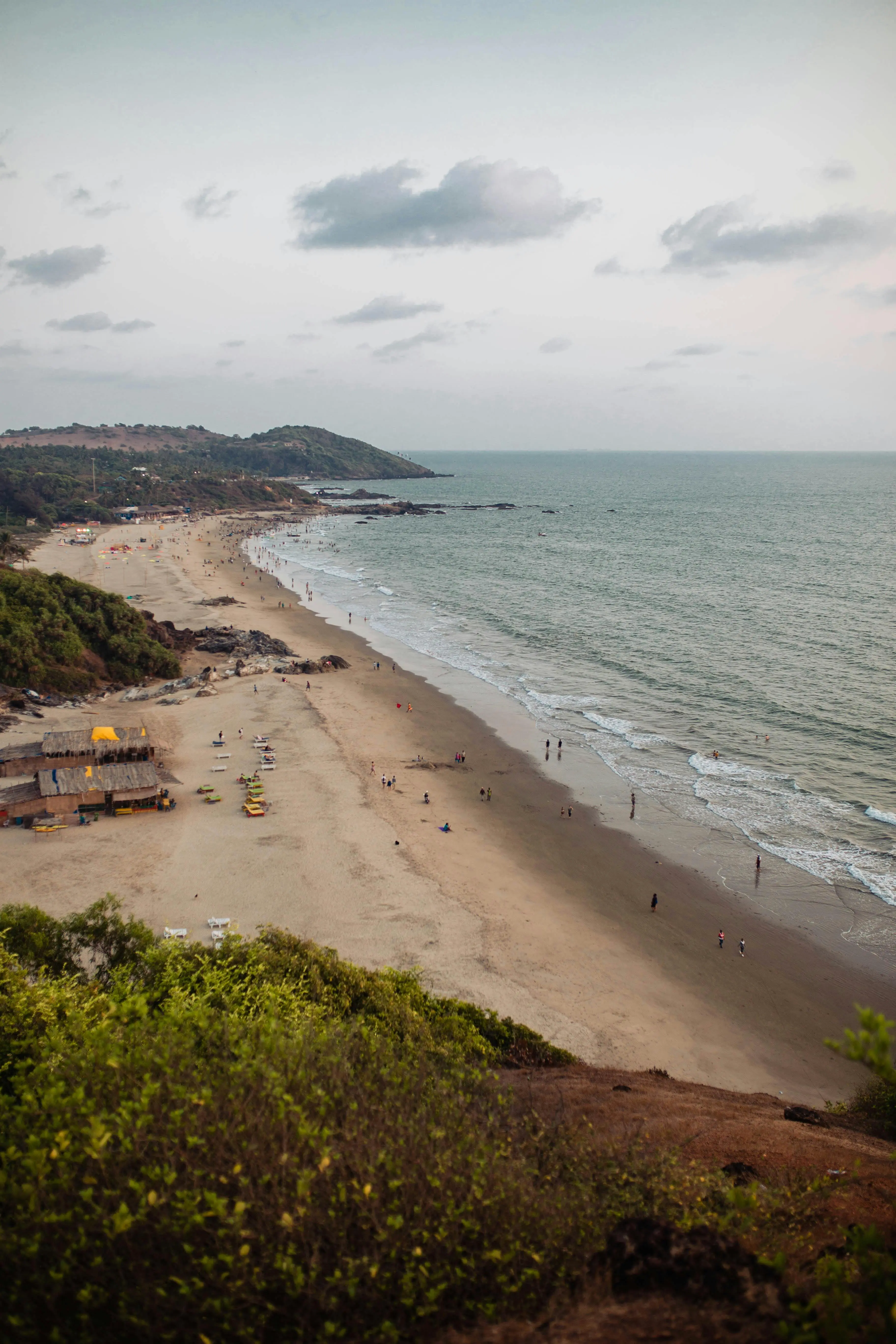
The most reliable way to Find Accommodation in Goa for a stay longer than a month is through local Facebook groups like "Goa Long Term Rentals" — landlords post directly there, cutting out agency fees that can add ₹5,000 to ₹10,000 to your first month's cost.
Finding and Booking the Right Apartment in Goa
Booking accommodation in Goa as a remote worker is one area where the usual travel platforms actively work against you — the inventory built for one-week tourists and the inventory built for month-long stays rarely overlap.
How the Rental Market Actually Works
Most of the best long-stay apartments in Goa never appear on Airbnb or Booking.com — they move through Facebook groups, WhatsApp networks, and the in-person conversations you have during your first week.
Facebook groups like "Goa Long Term Rentals" and "Goa Digital Nomads" have active listings — expect to negotiate directly with owners, and always view the apartment before paying a deposit
Studio apartments in Anjuna and Vagator: ₹15,000–₹25,000/month unfurnished, ₹25,000–₹45,000/month fully furnished with Wi-Fi — confirm what "furnished" means before signing, because it varies
One-bedroom apartments with air conditioning and reliable internet in Assagao or Siolim: ₹35,000–₹60,000/month; anything significantly cheaper is worth inspecting carefully for connectivity and mould
Most landlords want a two-month security deposit and prefer three-month minimum stays — arriving with the expectation of a rolling monthly contract puts you at a disadvantage in negotiations
The best apartments in Goa go to people who show up in person, ask the right questions, and pay promptly — remote booking from abroad gets you the tourist-tier options at tourist-tier prices.
What to Check Before You Sign
The difference between a good month and a miserable one often comes down to three things you didn't ask about before handing over a deposit.
Internet speed: ask for a live speed test — not a landlord's description of "fast Wi-Fi" — 25 Mbps is workable, under 10 Mbps is a problem if you're on video calls
Power backup: ask whether the building has an inverter or generator for load-shedding; in peak and shoulder season, outages of two to four hours are not unusual in some areas
Proximity to the main road: Goa's sound profile changes dramatically at night — a room 50 metres from a main junction sounds completely different at 11pm than it did at 11am when you viewed it
Sim cards and local connectivity: pick up a Jio or Airtel SIM at the airport or any mobile shop — ₹300–₹600/month for unlimited data, and treat it as essential infrastructure on day one, not a backup plan
Thirty minutes of due diligence before signing saves the conversation you don't want to have with a landlord at midnight during a monsoon power cut.
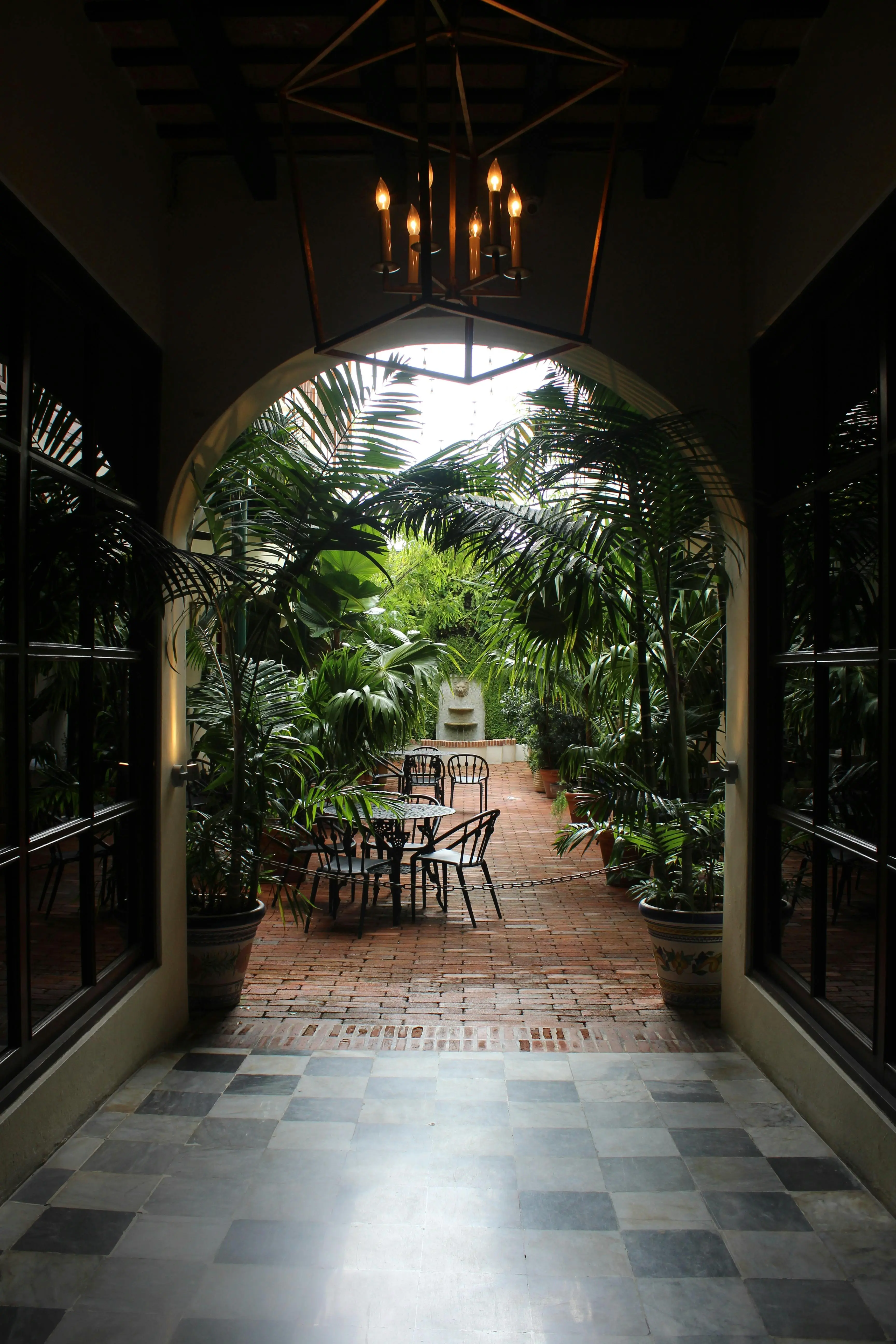
For vetted options that have already been checked for connectivity and long-stay suitability, browse Explore Calangute in our neighbourhood guide — it covers the capital's quieter residential streets that most nomads overlook.
Practical Life in Goa: What Day-to-Day Actually Costs
Goa offers a genuinely low cost of life compared to European or Southeast Asian digital nomad hubs — but the number depends entirely on which version of Goa you're living in.
Monthly Budget Breakdown
Most nomads land on one of three budget levels — and knowing which one you're in before you arrive saves the mid-month recalculation.
Budget (₹40,000–₹60,000/month, ~$480–$720): shared apartment or basic studio, eating at local restaurants and dhaba-style spots, cooking some meals at home, public transport and scooter rental — Goa's low cost ceiling is real at this level
Mid-range (₹70,000–₹1,10,000/month, ~$840–$1,320): private one-bedroom with air conditioning, mix of local and Western restaurants, coworking day passes, occasional weekend trips — this is where most nomads actually land
Comfortable (₹1,20,000–₹1,80,000/month, ~$1,440–$2,160): well-located furnished apartment, regular coworking membership, eating where you want, scooter or car hire — you're not budgeting at this level, you're just living
Food cost anchors: a thali at a local restaurant is ₹120–₹180; a meal at a beach-shack restaurant with a beer is ₹600–₹900; a month of eating almost entirely local food keeps food costs under ₹15,000
The gap between budget Goa and comfortable Goa is real, but even comfortable Goa costs less than a mid-range month in Lisbon or Bali — the maths is one of the strongest arguments for being here.
Getting Around and Day-to-Day Infrastructure
Goa has no reliable public transport worth planning your life around — a scooter is not optional, it's how the place works.
Scooter rental: ₹300–₹500/day short-term, ₹3,500–₹6,000/month for long-term hire — negotiate the monthly rate directly with local rental shops rather than booking through apps
Mapusa Market — the Friday market for fresh produce, household goods, and local staples; cheaper than anything in Anjuna and worth the 20-minute ride from most North Goa bases
Panaji Municipal Market — everyday groceries and fresh fish near the Mandovi River; open daily, best before 10am before the selection thins
ATMs in North Goa are inconsistent about cash availability on weekends — keep enough cash on hand Thursday night, because Sunday afternoon with an empty wallet and three closed ATMs is a specific Goa experience you don't need
Taxi Services in Goa are notoriously unmetered — a ride from Panaji to Calangute typically costs ₹400 to ₹500, which is why most long-stay nomads rent a scooter for ₹300 to ₹400 per day instead of depending on local taxis.
Goa offers a Perfect Balance for nomads who can manage their own schedule — a solid morning of deep work in a Panaji coworking space followed by a swim at Morjim Beach by 4pm is a realistic daily routine, not a fantasy.
Social Life, Community, and Staying Sane Over a Long Stay
The community in Goa is one of its genuine advantages — but it requires some active effort to find, especially outside peak season.
Hilltop Vagator — live music and community events on weekends; a reliable place to meet fellow nomads without the forced atmosphere of a networking event
Ingo's Saturday Night Market, Arpora — one of the older flea markets in North Goa, running every Saturday in season; food stalls, live performances, and enough foot traffic that you'll run into people you recognise from the coworking space
Café Bhonsle, Panaji — a Goan institution on the riverfront, low cost, open early mornings, frequented by locals and longer-stay visitors rather than the beach tourist crowd; good for the kind of conversation that doesn't start with "what do you do back home?"
The best community in Goa is built around shared meals and beach evenings rather than formal events — like-minded individuals find each other faster in the coworking spaces and slower in the beach bars
The Conclusion on Goa as a remote work base is straightforward: if you want a structured, productivity-first environment, Bangkok or Lisbon will serve you better — but if you want a place where a ₹400 seafood lunch by the Arabian Sea is a Tuesday afternoon reality, Goa is hard to beat.
As a former Portuguese colony, Goa has a Catholic-influenced calendar that means some local businesses close on Sundays in ways that other Indian states simply do not.
Is Goa the Right Base for You? An Honest Answer
Where Goa Will Let You Down
Before you commit to Goa as a base, the structural problems deserve more than a footnote.
Power cuts are routine in many areas — a UPS or inverter backup is a necessity, not an upgrade
There is no reliable public transport, so everything depends on having a scooter or being willing to pay for cabs daily
India's e-visa limits stays to 90 days in most cases, and extensions are not straightforward
Professional networking is thin — if you need in-person industry connections, Goa won't provide them
These are structural realities, not teething problems that a better apartment will fix.
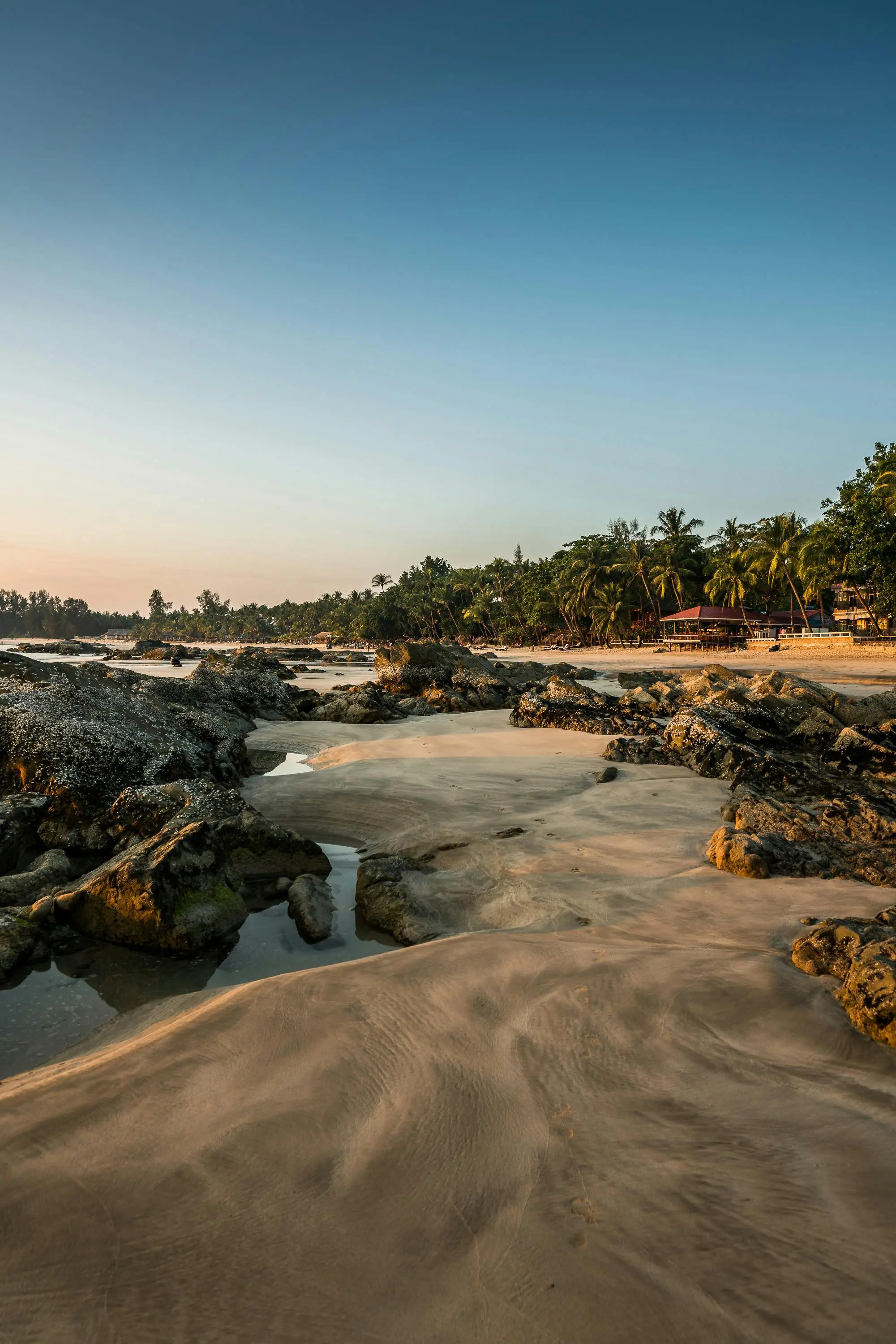
Where Goa Will Surprise You
For the right kind of remote worker, Goa delivers a quality of life that is genuinely hard to find at this price point.
Long-stay rents in North Goa neighbourhoods like Anjuna and Assagao regularly come in under ₹30,000 a month for a furnished one-bedroom
The nomad community is established and warm — most people end up staying two or three months beyond their original plan
The pace is slower than Bengaluru or Mumbai, which makes it workable for people who need calm to be productive
Food costs are low and the quality — particularly fresh seafood — is genuinely excellent
The beach being five minutes away is not a marketing line; it changes how the end of a working day actually feels.
The conclusion on Goa is straightforward: if you need reliable fibre, a walkable neighbourhood like Panaji or Assagao, and a social scene that does not require a flight to Bali, it delivers — but only between November and March before the humidity and monsoon shut the whole experiment down.
Who Should Base Here and Who Shouldn't
Goa works best for independent workers who have already figured out their setup and don't need a city to do the heavy lifting.
Well-suited to freelancers, writers, designers, and developers who work asynchronously across time zones
Poorly suited to anyone who needs consistent co-working infrastructure or fast, uninterrupted connectivity as a baseline
Works for budget-conscious nomads willing to rent for a full month and negotiate directly with landlords
A poor fit if visa flexibility is critical — India's entry rules leave little room to extend or re-enter easily
If you're ready to commit to a month or more, start with fully furnished apartments in India — filtered for remote work suitability, with connectivity and long-stay amenities already verified.