Lukas
Tech & Digital Nomad Cultural Editor ·
Dubai works almost any time of year — the question is what you're willing to trade. The winter months give you the city at its most liveable, but also at its most expensive and most crowded. Summer hands you the same skyline at half the price, with heat that makes outdoor plans largely theoretical. The shoulder months are where the real calculation happens. This guide cuts through the broad strokes and tells you what each season actually costs, what it closes off, and which months make the most sense depending on how you plan to spend your time.
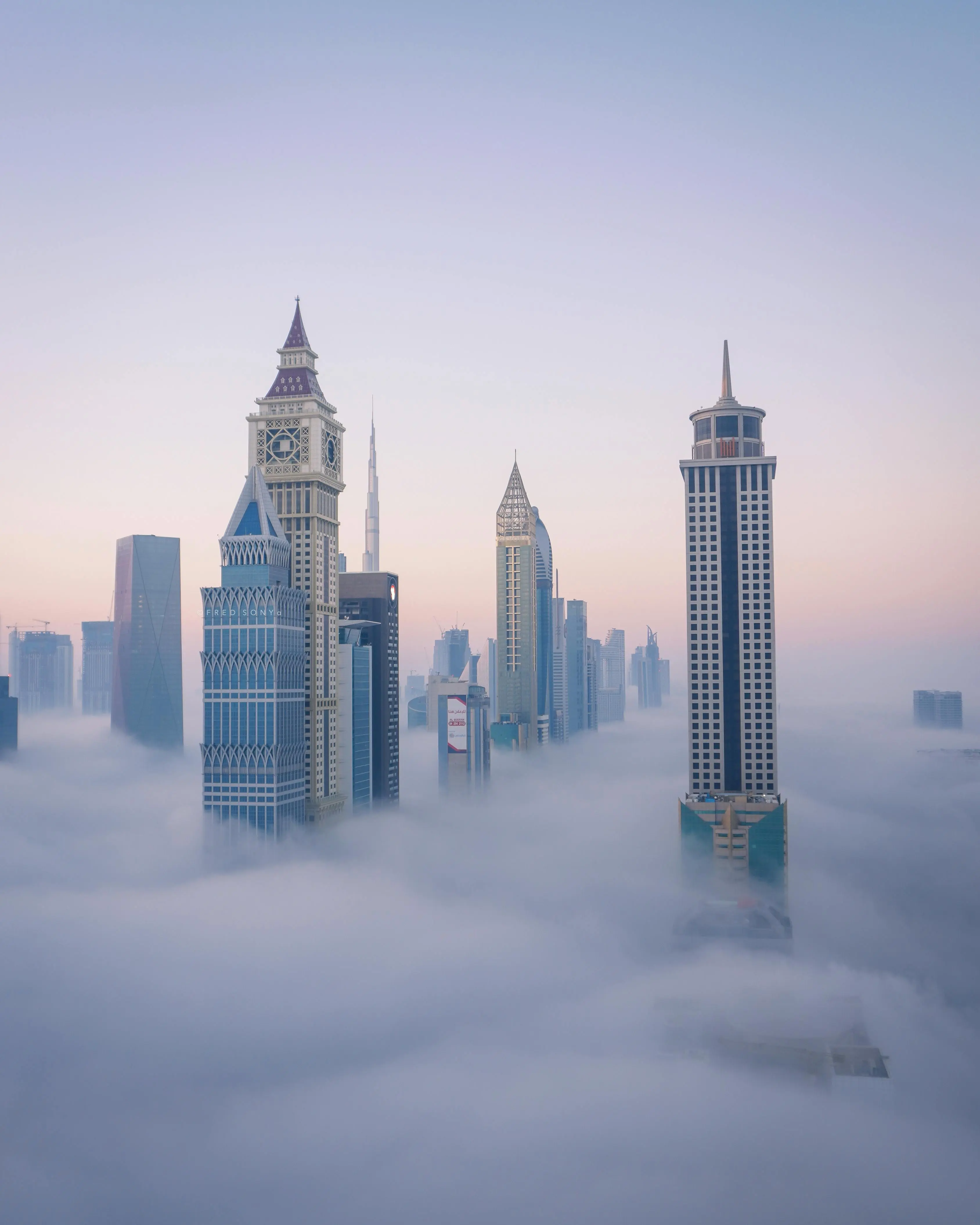
Which months deliver the best weather without the peak-season price tag
What the summer season actually looks like for someone living there, not just visiting
How the Dubai Shopping Festival and other events shift crowd levels and hotel prices
What Ramadan means for your day-to-day routine
Neighbourhood-by-neighbourhood breakdown of where to base yourself
Honest budget figures for accommodation across every season
Best Time to Visit Dubai: The Honest Month-by-Month Answer
November through March is when Dubai is objectively the most pleasant — average temperatures in the low 70s to mid-80s Fahrenheit, clear skies, and enough sun to use the beach without it being a medical event. But "pleasant" comes with a cost: hotel prices climb sharply, February alone draws close to 2 million international visitors, and availability tightens fast. If you want the good weather without the peak tourist season chaos, the honest answer is November or late March, not January.
November to March: Peak Season and What It Actually Costs You
This is high season in full effect — and it prices accordingly.
Burj Al Arab — rooms from AED 4,000/night in peak months; book two to three months ahead or accept unavailability
Atlantis, The Palm — from AED 1,200/night in November, rises to AED 2,000+ by January
Furnished apartments in Dubai Marina from AED 8,000–12,000/month during winter months
Desert safari packages from AED 250/person — dune bashing books out weeks ahead in peak season
You get the best conditions for outdoor activities, but the city is operating at full tourist capacity — which means crowds at every landmark and no flexibility on price.
Good Weather Without the Peak Price: November and March Are Your Edges
November arrives before the holiday surge, and late March sits just after it — both give you pleasant weather conditions with noticeably fewer crowds and hotel prices that haven't fully committed to high season rates.
Average temperature in November: 28°C (82°F) — warm enough for beach days, cool enough for walking
Furnished apartment rates in November typically 15–20% lower than January
Kite Beach — free entry, consistent wind, open ocean feel; best before 10am in November before it fills
Rainfall peaks between January and March — less than seven inches annually, but nearly all of it falls here
If your schedule has any flexibility at all, November is the best time to visit Dubai without paying January prices for the privilege.
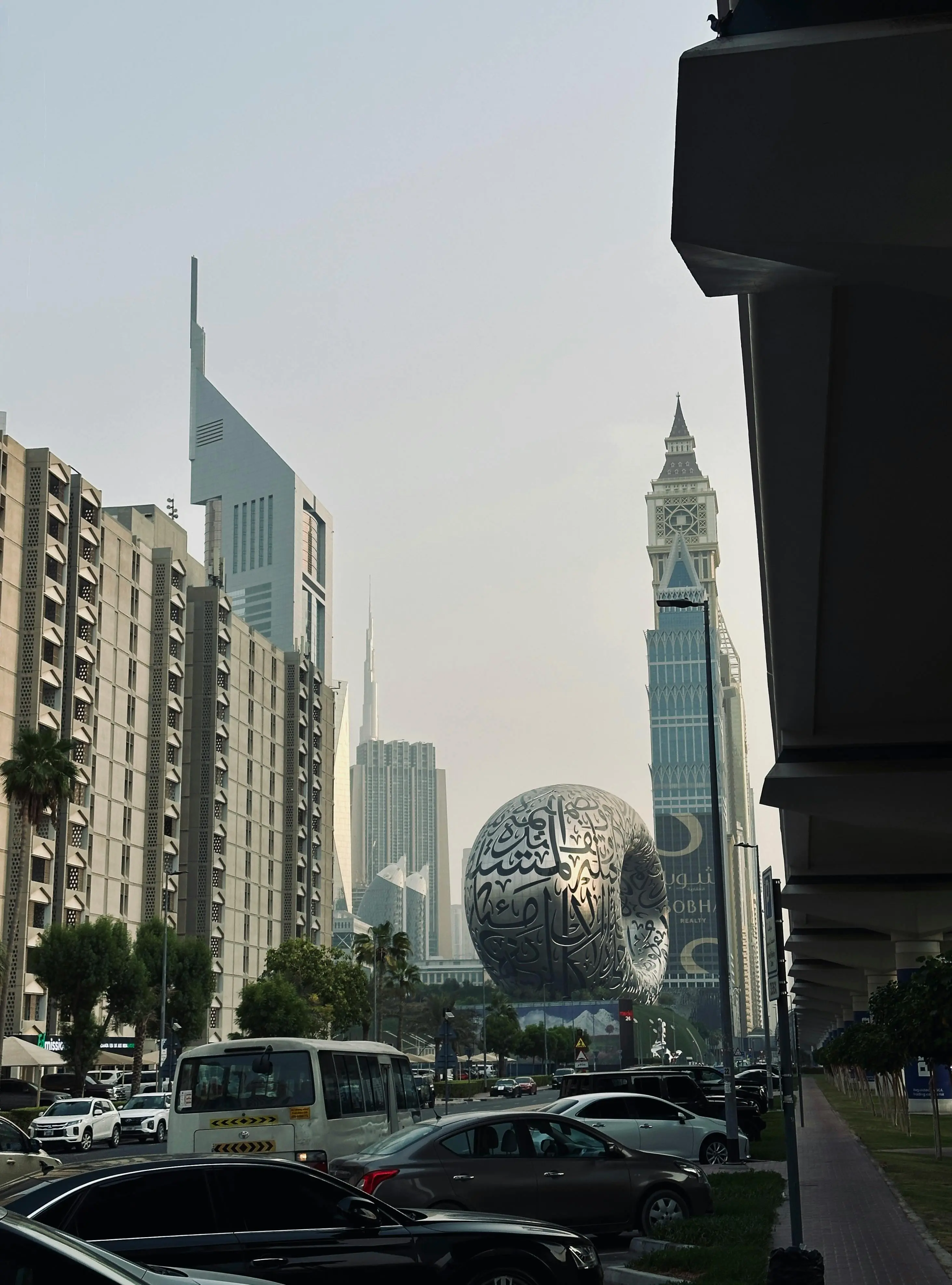
Most tourists arrive between October and March, which means the Dubai Frame, Burj Khalifa observation deck, and desert safari operators all run near full capacity — book at least two weeks out or pay the on-the-day premium.
The Summer Season in Dubai: Lower Prices, Real Trade-Offs
Summer in Dubai is not misrepresented — it is genuinely extreme. Temperatures regularly exceed 38°C (100°F), humidity levels along the coast make it feel worse, and the idea of walking anywhere between 10am and 6pm is mostly fictional. What you get in return is a city that drops its prices significantly, empties out its tourist queues, and runs the Dubai Summer Surprises festival specifically to keep the indoor economy moving. For remote workers who don't need to be outside for work, this trade makes real financial sense.
Summer Season Costs: What Lower Prices Actually Look Like
The gap between summer and winter pricing is wide enough to change the calculation entirely for anyone staying more than two weeks.
International visitor numbers fall to around 1.27 million per month in summer 2024 — roughly half the February figure
Furnished apartments in Downtown Dubai from AED 6,000–7,500/month in summer versus AED 10,000+ in winter
FIVE Palm Jumeirah — rooftop pool access; summer rates start around AED 700/night versus AED 1,400+ in January
Dubai Summer Surprises runs June through August — mall events, retail discounts, family activities, all indoors
The city doesn't shut down in summer — it relocates indoors, and if you're working a European schedule anyway, you're not losing much.
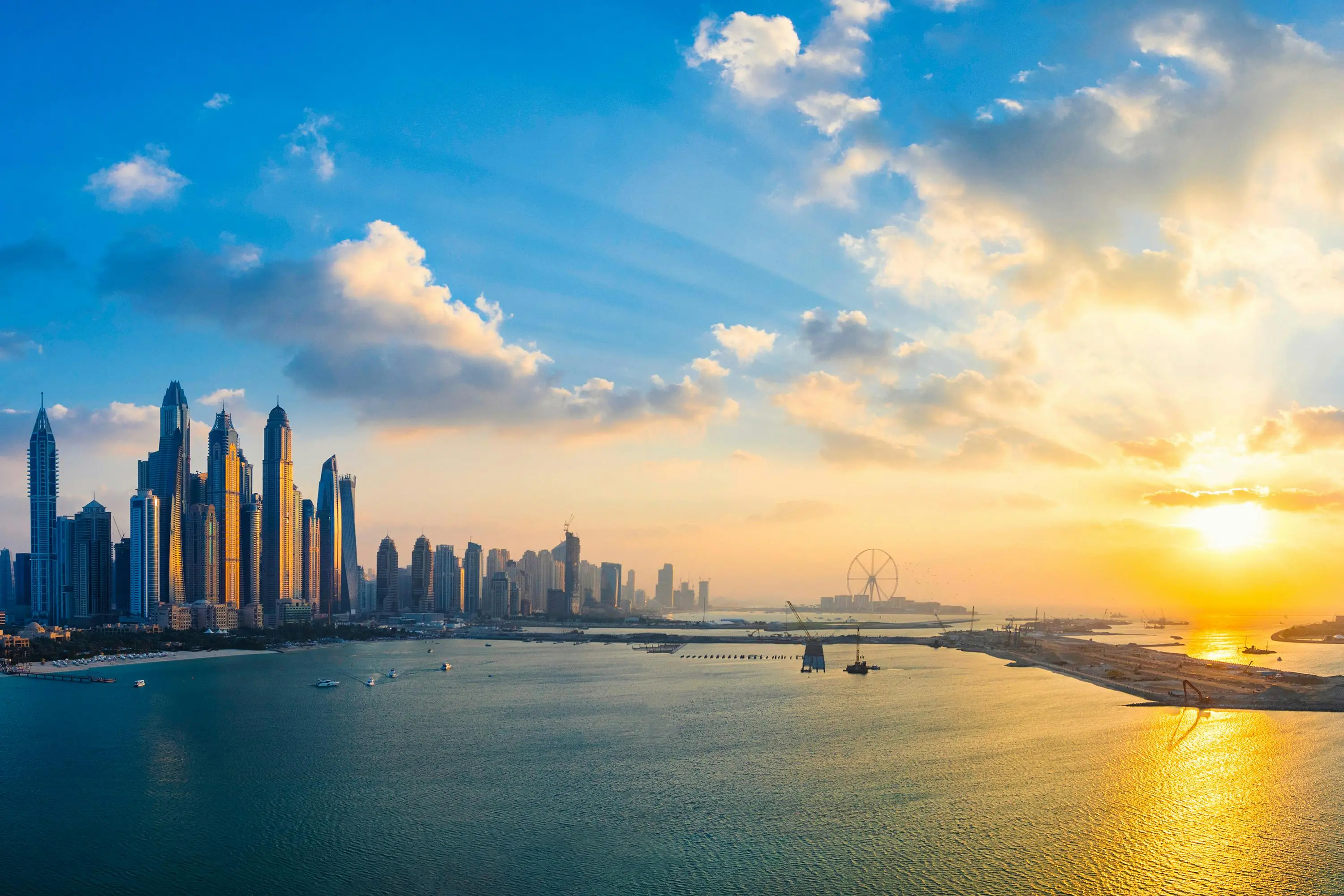
Indoor Attractions That Make Summer Workable
Most of Dubai's major attractions are air-conditioned, which is less a consolation prize and more the actual point — the city was built for this climate.
Dubai Mall — free entry, 1,200+ stores, skating rink, aquarium; avoid Friday afternoons when local families fill it
Burj Khalifa observation deck — from AED 149; book online to skip the queue, morning slots have better visibility
Ski Dubai — from AED 200 for a snow pass; genuinely surreal in 42°C heat, best on weekday mornings
Triple digit temps outdoors make the metro non-negotiable — the Dubai Metro is air-conditioned end to end
Summer is a legitimate option if you frame it correctly: low season pricing, no tourist queues, and a city that has engineered itself around the heat rather than despite it.
The best hotels in Dubai Beach Resort areas like Jumeirah and Palm Jumeirah drop room rates by as much as 50% between June and August — the Atlantis The Palm regularly hits AED 800 per night when it would cost AED 1,600 in February.
Time to Visit Dubai Around Events: Shopping Festival, Ramadan, and More
Dubai's event calendar does real work on both crowd levels and hotel prices, and ignoring it is how you end up paying January rates without realising the Dubai Shopping Festival is the reason. Three events in particular — the Shopping Festival, Ramadan, and Art Dubai — change the city enough that they're worth planning around, not just noting.
Dubai Shopping Festival: Peak Season Within Peak Season
The Dubai Shopping Festival typically runs mid-December to mid-January, which means it stacks directly on top of already-high winter demand — hotel prices and crowds hit their annual maximum during this window.
Retail discounts across the city can reach 70–75% — the shopper's paradise label is earned, not marketing
Cultural events, concerts, and public art installations run throughout — free to attend, adds real texture to a long stay
Hotel prices during the Dubai Shopping Festival peak higher than almost any other period — book two to three months out minimum
Global Village — seasonal cultural attraction open October to April; evening crowds are large during the festival, go on weekday nights
If shopping is the point of your trip, this is the time to come — but go in knowing you're paying peak prices for a peak experience.
Ramadan: A Different City, Not a Worse One
Ramadan typically falls within the first four months of the calendar year and changes Dubai's rhythm in ways that are genuinely interesting if you're staying more than a few days.
Public dining restrictions apply during daylight hours — eating in public is prohibited for non-Muslims; most cafés and restaurants close or screen their windows
After sunset, Iftar transforms the city — hotel Iftar spreads from AED 150–300/person are a genuine event, not a tourist gimmick
Eid Al Fitr at the end of Ramadan brings a significant spike in local tourism — the city gets busy fast, hotel prices jump
Daytime city is quieter; evening city is louder and runs later than usual — good for night owls, disorienting if you keep strict hours
Ramadan is worth experiencing if you're culturally curious and flexible — it is not the right time to visit if your priority is easy daytime access to restaurants and outdoor activity.
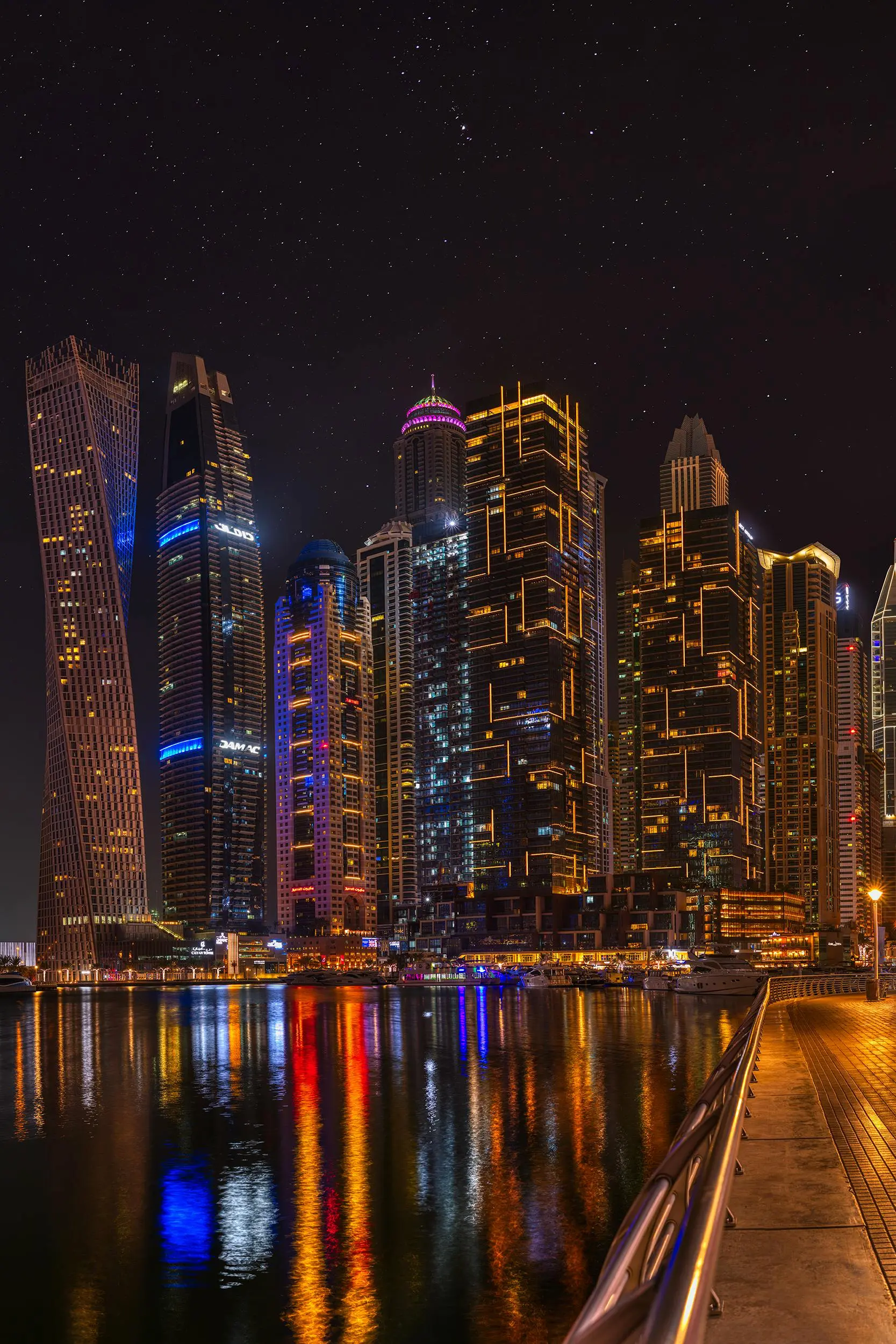
Art Dubai and the Dubai World Cup: March and April's Case
March and April are underrated precisely because the events that land in this window attract a different crowd than the January shopping peak.
Art Dubai — three-day contemporary art fair, held annually in March or April; gallery quality is serious, not decorative
Dubai World Cup — early April, horse racing with significant social weight; day-of hotel rates around the event spike sharply
Temperatures in late March sit around 28–30°C — warm but manageable for outdoor activities before summer heat sets in
Meydan Racecourse — World Cup venue; book tickets and nearby accommodation three to four months ahead
Eid Al Fitr brings heavy domestic travel from across the Gulf, so flights into Dubai International Airport book out 3–4 weeks ahead and hotel prices in Deira spike by roughly 30%.
The Dubai Shopping Festival runs January through February specifically because the cooler weather — averaging 19°C in the evenings — keeps crowds comfortable enough to walk outdoor souks and festival markets for hours.
Best Time to Visit by Neighbourhood: Where You Stay Changes the Calculation
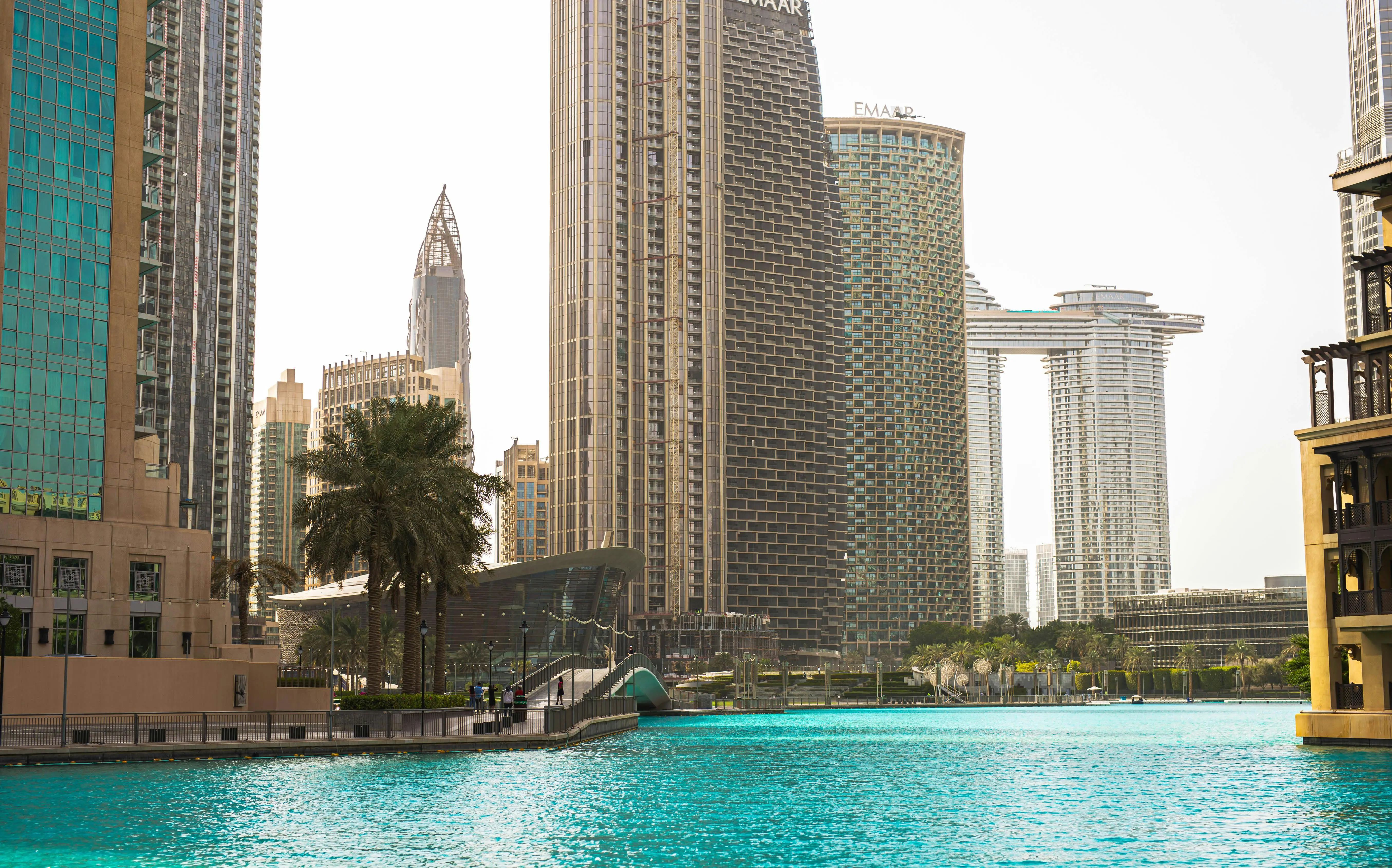
The United Arab Emirates' most visited city is large enough that neighbourhood choice is its own decision — and it interacts with season in ways that aren't obvious. Downtown Dubai in summer is a different proposition than Jumeirah Beach Residence in winter. The Dubai skyline looks the same from either; your daily experience doesn't.
Neighbourhood | Monthly Rent (Winter) | Monthly Rent (Summer) | Vibe | Best For | Key Advantage |
|---|---|---|---|---|---|
Dubai Marina | AED 10,000–14,000 | AED 6,500–9,000 | High-energy waterfront | Sociable remote workers | Walk to everything; Metro on your doorstep |
Downtown Dubai | AED 11,000–16,000 | AED 7,000–10,000 | Dense, central, loud | Short stays, first-timers | Burj Khalifa and Dubai Mall proximity |
Jumeirah Beach Residence | AED 9,500–13,000 | AED 6,000–8,500 | Beach-adjacent, tourist-facing | Winter beach stays | Direct beach access; cooler sea breeze in winter |
Business Bay | AED 8,500–12,000 | AED 5,500–8,000 | Corporate, quieter evenings | Focused workers, longer stays | More apartment value per dirham than Downtown |
Palm Jumeirah | AED 14,000–22,000 | AED 9,000–14,000 | Isolated, resort-like | Luxury stays, families | Quietest option; monorail to mainland |
Dubai Marina: The Default Base for Most Remote Workers
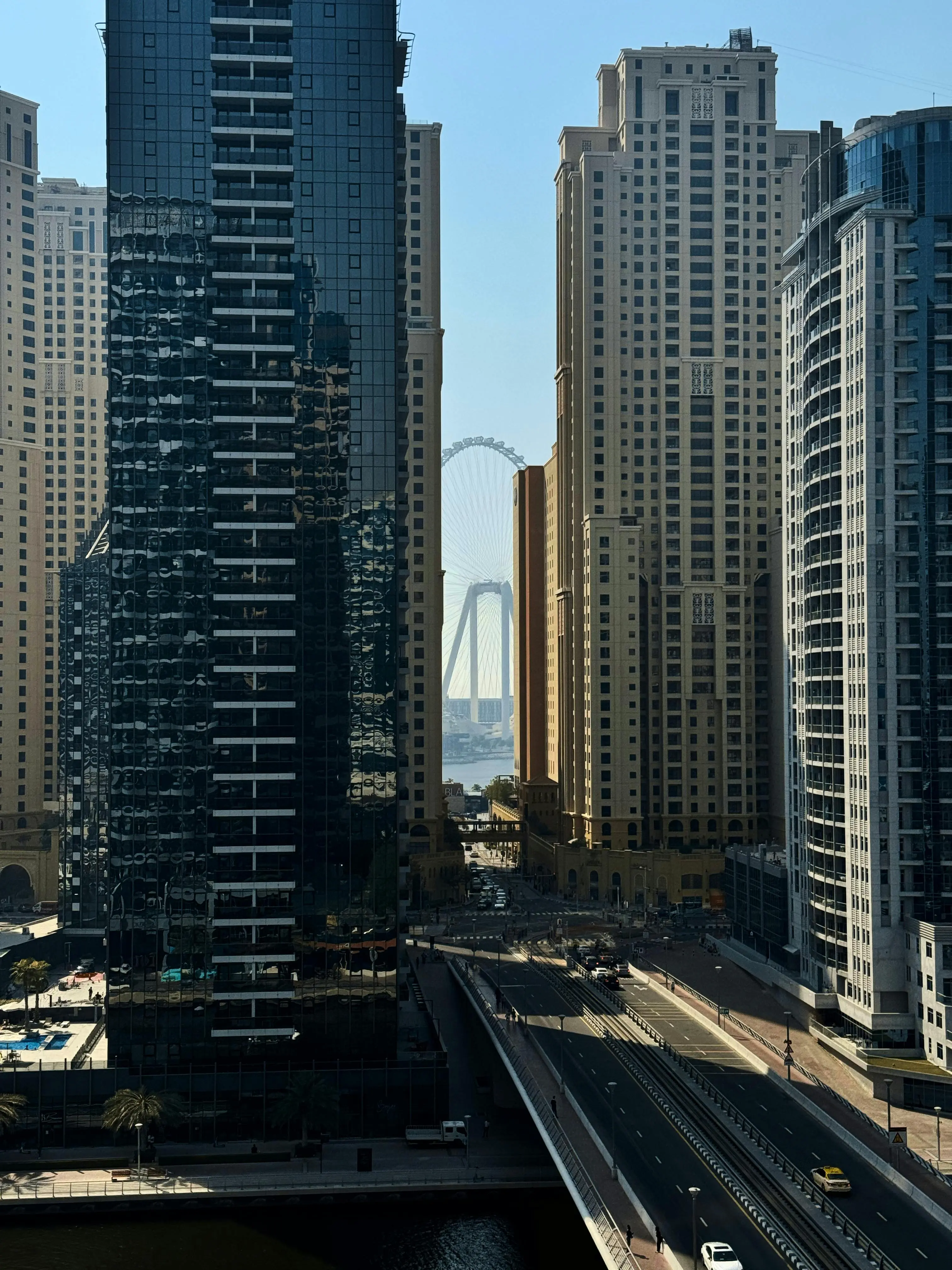
Dubai Marina earns its popularity because the infrastructure is genuinely complete — you can avoid owning a car entirely, which matters more than it sounds in a city built around driving.
The Maine Land Brasserie — working breakfast from AED 90; marina views, reliable WiFi, quieter before 9am
Studios from AED 6,500/month in summer, 1-bed from AED 8,500/month — significant drop from winter rates
AstroLabs Dubai — coworking from AED 250/day; serious tech community, not a café with a hot desk
Marina walk is pleasant in winter; effectively unusable between 11am and 5pm from June to September
Dubai Marina is where you land first and often where you stay — it removes friction without asking you to think too hard about logistics.
Browse fully furnished apartments in Dubai across all neighbourhoods and seasons, with transparent pricing and no minimum-stay surprises.
Browse Dubai homes near this area
Business Bay: Better Value, Less Noise
Business Bay sits one Metro stop from Downtown, costs noticeably less, and is quieter after 8pm — which is either a selling point or a warning, depending on what you're after.
Catch Restaurant — canal-side working lunch from AED 120; less crowded than Marina equivalents on weekdays
1-bed furnished apartments from AED 5,500/month in summer — the best value in central Dubai
Workspace Business Bay — hot desks from AED 180/day; professional environment, good for video calls
Canal promenade works year-round in the evening — cooler than inland areas after 7pm even in summer
If you are staying near Jumeirah Beach to visit the Burj Al Arab, January and February give you the best outdoor light for photos without melting on the walk from your taxi to the lobby.
Explore Dubai Marina in our neighbourhood guide if you want the Downtown proximity without the Downtown pricing.
Dubai by Month: What the Calendar Actually Means for Your Stay
Most people planning a Dubai trip check average temperatures and stop there. That misses the real picture — which month you arrive affects pricing, crowd density, what outdoor activities are viable, and how much of your day you spend indoors waiting for the heat to pass.
November to February: The Season Worth Paying For
This is when Dubai works best, and the prices reflect it — plan accordingly rather than being surprised at checkout.
December and January bring temperatures of 20–25°C; beach days are genuinely pleasant, not just survivable
Hotels in peak season run 40–60% higher than summer rates — a marina-view room that costs AED 600 in August hits AED 950 in January
February is the sweet spot: crowds thin slightly from the December–January peak, temperatures stay cool, and the Dubai Shopping Festival runs through early February with real discounts across the city
The La Mer Beach promenade is usable all day in winter — same stretch that's completely empty by 10am in summer
If your plan is to spend mornings working and afternoons outdoors, November through February is the only season where that rhythm actually holds without heat forcing you inside by noon.
March and April: The Last Chance Window
Spring in Dubai is short — March is still comfortable, April starts testing your tolerance, and by May the question is no longer when to go outside but whether to go outside at all.
March temperatures average 28°C; April climbs to 33–35°C — fine in the shade, unpleasant for any sustained outdoor work or exercise
April is shoulder season: hotels drop prices slightly, crowds thin from the peak winter influx, and most restaurants are easier to book
Dubai Frame — AED 50 entry; worth the trip in April before the glass-encased walkway becomes a greenhouse by May
Spring events thin out — this is the quiet stretch between Dubai Shopping Festival and the summer promotions calendar
April rewards travelers who want lower prices and can tolerate warm afternoons — it's not the perfect time, but it's a reasonable one if the budget matters more than the weather.
June, July, and August: The Honest Assessment
July and August in Dubai are brutal in a way that's hard to convey in a temperature number — 42°C with high humidity feels different from 42°C in dry heat, and the UAE in summer is both.
June is the entry point: temperatures cross 38°C and keep climbing; outdoor time before 7am or after 8pm is the only viable option
July and August bring the lowest hotel and apartment rates of the year — studios available from AED 4,500/month, which is real money saved if you're working remotely and spending most of the day indoors anyway
Dubai Summer Surprises — the city's annual indoor festival runs June through August; malls become the social infrastructure, not a last resort
Cars are not optional in summer — walking between buildings in July is a genuine health risk, not an inconvenience
Remote workers who can tolerate confined spaces and have no outdoor commitments sometimes discover that summer Dubai is the most cost-effective month-long base in the region — the heat concentrates your day into productive blocks whether you want it to or not.
September and October: The Underrated Return
September is still hot — don't let anyone tell you otherwise — but October is when the city exhales, and most travelers haven't caught on yet.
September temperatures hover around 37–39°C; it's marginally more bearable than August but not meaningfully different
October drops to 32–34°C by mid-month — not cool, but functional; the beach becomes viable again in the late afternoon
Boxpark Dubai — outdoor food market in Al Wasl; pleasant on October evenings when the temperature finally allows sitting outside past 6pm
Prices in October sit 15–20% below peak season; hotels and apartments haven't yet repriced for the November influx
October is the season's real underrated entry point — you get near-winter conditions arriving by month's end, pre-peak pricing, and a city that still feels like yours before the crowds of December land.
The United Arab Emirates observes public holidays tied to the Islamic calendar, which shift by roughly 11 days each year — book flights in December and around Eid Al Adha at least three months out or expect to pay 40–60% more.
Where to Stay Beyond the Marina: Neighbourhoods Worth Considering
Dubai Marina and Business Bay get most of the attention, and most of the rental listings. But depending on your work style and budget, two other neighbourhoods solve problems those areas don't.
Jumeirah Village Circle: The Quiet Long-Stay Option
JVC won't win on atmosphere, but it will win on value — and if you're staying more than three weeks, value starts mattering more than vibe.
1-bed furnished apartments from AED 4,200/month — the lowest consistent pricing for a habitable, well-maintained unit in Dubai
The Circle Mall — supermarket, pharmacy, several decent restaurants, all within walking distance; it covers daily logistics without requiring a car
No beach access, no Marina walk — you are here to work, not to have a lifestyle moment
Dubai Metro doesn't reach JVC directly — you'll rely on the tram connection or ride-hailing for most city access
JVC is the honest choice for remote workers on a monthly budget who've stopped pretending that the view from their desk matters as much as the WiFi speed and the rent.
Browse Dubai homes near this area
Dubai Silicon Oasis: If Your Work Requires a Specific Ecosystem
Silicon Oasis is built around a tech free zone, which means the infrastructure, the community, and the entire neighbourhood logic is oriented toward one kind of person — and if that person is you, it's remarkably well-suited.
1-bed apartments from AED 4,800/month; newer builds, consistent maintenance standards, quieter than any central neighbourhood
Silicon Oasis Hub — coworking and event space inside the free zone; serious tech and startup crowd, not a café-desk situation
Cedar Restaurant — Lebanese, around AED 60 for a full lunch; one of the few genuinely good restaurants within the Oasis itself
Distance from Downtown is the real cost — factor 30–40 minutes by car to reach central Dubai during peak hours
Silicon Oasis makes sense if your work keeps you in the UAE tech ecosystem; it makes very little sense if your daily life requires central Dubai access more than twice a week.
Browse Dubai homes near this area
Practical Logistics: What Remote Workers Get Wrong About Dubai
Dubai is easy to navigate once you understand its actual logic — but it runs on different assumptions than most European cities, and the gaps catch people in the first week.
Getting Around Without Wasting Half Your Day
The Metro covers the main corridors well, but Dubai is a car city in a way that the Metro map doesn't fully communicate until you've missed a meeting because the last station was still 3km from your destination.
Dubai Metro Red Line connects the airport, Marina, JBR, and Downtown — for those three corridors, it's faster and cheaper than Uber during rush hour
Careem and Uber both operate city-wide; standard fares from Marina to Downtown run AED 25–35, less than a taxi equivalent in most European cities
Cars make sense if you're based outside the Metro corridor — renting from AED 1,200/month is feasible for longer stays, though parking adds AED 300–500/month in most central areas
Dubai Marina Tram — connects JBR to the Metro in under 10 minutes; free with a Nol card, and one of the most useful connections in the city for Marina residents
Discover the Metro-tram combination in your first two days and you'll stop paying for Uber trips that a AED 7.50 ride would have handled.
Eating Well Without Defaulting to Delivery
Dubai has a genuine food scene — the mistake most remote workers make is leaning on Talabat for every meal instead of finding the two or three restaurants that become part of a weekly rhythm.
Operation Falafel JBR — AED 35 for a full meal; fast, reliable, good for the kind of working lunch where you need to be back at your desk in 25 minutes
Logma in Boxpark Jumeirah — Emirati comfort food, AED 55–80; the best place in the city to eat something that doesn't come from an international chain
Grocery runs from Carrefour or Spinney's handle basics — Spinney's has better produce, Carrefour has better pricing on staples; most remote workers end up using both
Ramadan changes restaurant hours and public eating rules for the full month — plan around it if your visit overlaps, as some restaurants close entirely during daylight hours
The food logistics in Dubai reward a small amount of upfront discovery — find your corner restaurant in week one and the rest of the month costs significantly less than defaulting to delivery every night.
Dubai sits in the Middle East's GMT+4 timezone, which means you get a four-hour overlap with London and a workable morning window with Singapore — genuinely rare for a single base.
Who Should Move to Dubai — and Who Shouldn't
Who Dubai Actually Works For
Dubai suits remote workers who bring their own structure rather than expecting the city to provide it.
Workers with fixed daily routines who don't rely on neighbourhood serendipity to stay productive
People genuinely curious about a city still assembling its own identity — construction, contradiction, and all
Anyone comfortable with car dependency as a baseline, not an inconvenience
Remote workers who can time arrivals for October, before the November price premium kicks in
If you need a city that feels organically lived-in, Dubai's excellent infrastructure won't compensate for the absence of it.
If you are relocating from a country with high income tax, the UAE's zero personal income tax rate is the single biggest financial argument for making the move permanent rather than treating it as a short stint.
Who Should Think Twice
Dubai will frustrate anyone who equates walkability with quality of life or spontaneity with a good city.
Workers who depend on stumbling into neighbourhood cafés, markets, or social scenes on foot
Anyone on a tight budget arriving in winter — November through March carries a significant price premium across all accommodation tiers
People seeking a city with a settled, historic character rather than one still being built in real time
Remote workers who book Dubai Marina for the view and end up overpaying relative to what JVC or Business Bay actually delivers
The city is genuinely impressive, but the gap between expectation and daily reality catches a predictable type of visitor every season.
Making the Cost Equation Work
Dubai's pricing is seasonal and highly negotiable if you know which month and which neighbourhood to target.
October is the practical sweet spot — weather is bearable and you're ahead of the November rate surge
Summers are significantly cheaper across the board; the heat is brutal but the value is real for those who can work indoors
JVC and Business Bay consistently offer better monthly value than Dubai Marina for remote workers staying beyond three weeks
For stays extending across the UAE, fully furnished apartments in the UAE covers Dubai, Abu Dhabi, and Sharjah with transparent monthly pricing and no hotel-rate minimums
Most remote workers who stay more than a month quietly admit they wish they'd skipped the Marina and gone straight to Business Bay.