Maya
Culture & Exploration Editor ·
Dubai is not the city you come to for cheap rent and slow mornings at a neighbourhood café. It is the city you come to when you want infrastructure that actually works — fast internet, a Metro that runs on time, and a visa category built specifically for people earning money elsewhere. The trade-off is cost: Dubai is expensive by design, and the nomads who thrive here are the ones who treat that cost as a decision, not a surprise. This guide covers what a genuine slowcation looks like in Dubai in 2026, from the UAE digital nomad visa application to which neighbourhood actually suits remote work versus which one just photographs well.
How the UAE digital nomad visa works in 2026, and whether you qualify
Which neighbourhoods suit slowcation living versus short-stay tourism
What remote work actually costs month to month in Dubai
Where digital nomads work, eat, and find community
Business setup options if you want to operate from the UAE long-term
Health insurance requirements and what coverage actually looks like
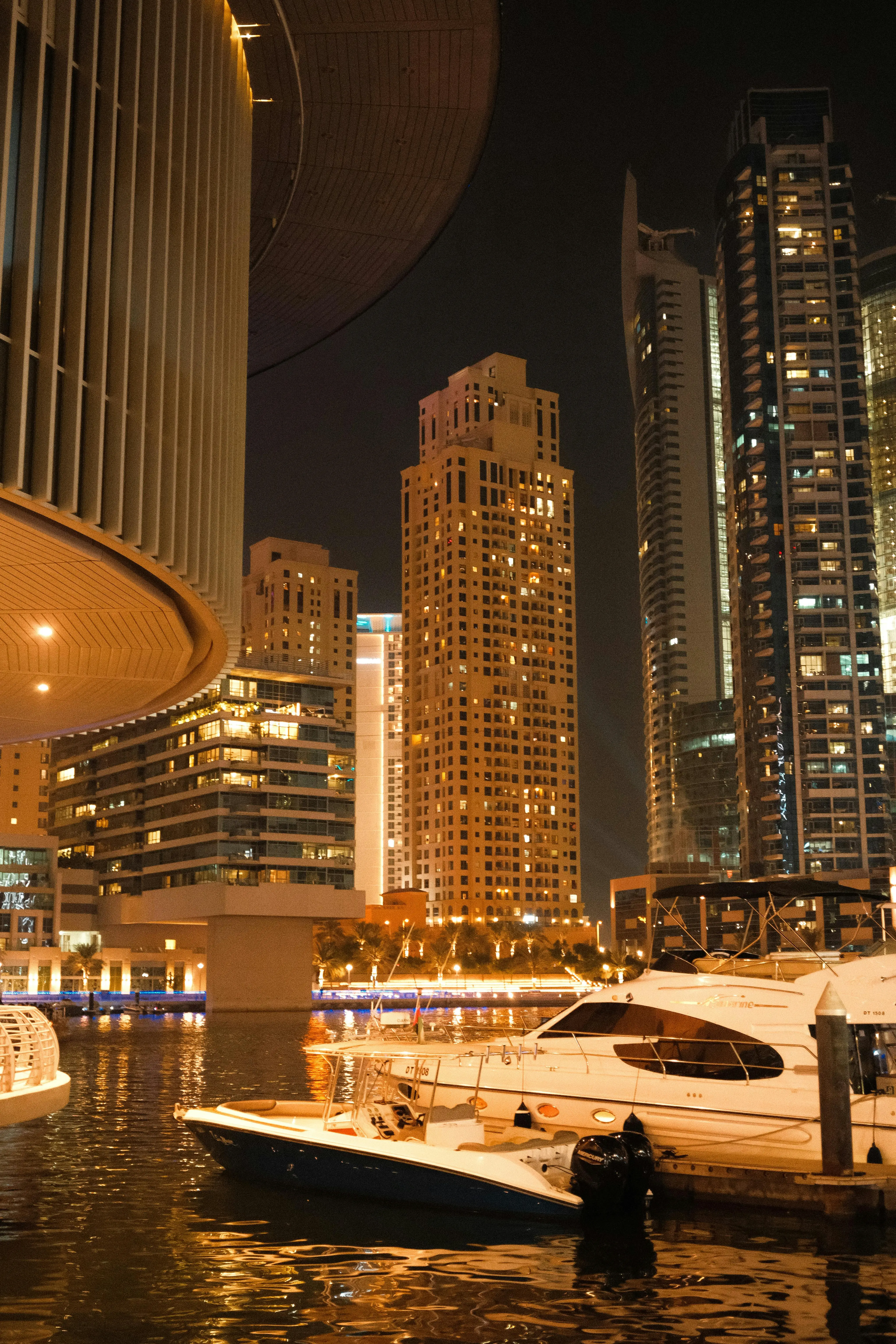
How to Slowcation as a Digital Nomad in Dubai in 2026: What the City Demands of You
Why Dubai Actually Works for a Long Stay
Dubai rewards nomads who stop treating it like a layover and start treating it like a base.
Supermarkets — Carrefour, Spinneys, and Waitrose branches — are well-stocked and within walking distance of most Marina and JLT buildings
The Dubai Metro is air-conditioned end-to-end, which is not a small detail when temperatures hit 42°C from June through September
The co-working scene in areas like Dubai Marina and Jumeirah Lakes Towers has matured enough to offer serious day-pass and monthly membership options
Furnished apartments in JLT and Dubai Marina can be negotiated to monthly rates that make the per-day cost workable once you stop comparing the headline figure to Chiang Mai
The nomads who struggle here are the ones waiting for Dubai to feel casual — it never will, and that is not a flaw.
Adjusting to the UAE Working Week
The Sunday-to-Thursday working week will disorient you for exactly two weeks, and then you will wonder why the rest of the world does it differently.
The UAE weekend runs Friday and Saturday — if your clients work Monday to Friday, expect a permanent one-day lag in your first week
Friday morning, before the brunch crowds arrive, is reliably the quietest and most productive window of the week
Saturday functions as a mid-week day locally, so cafés, co-working spaces, and government offices are fully operational
By week three, most nomads find the offset actually creates useful buffer time at the end of their clients' working week
The rhythm feels wrong until it feels like an advantage, and that shift happens faster than you expect.
What to Sort Before You Land
Dubai punishes improvisation in the first two weeks more than almost any other city — the nomads who arrive prepared skip an entire layer of administrative friction.
Know your neighbourhood before you book: Dubai Marina and JLT suit nomads who want walkability; Downtown suits those who want proximity to business hubs
Book your Emirates ID appointment in advance — walk-in availability is unreliable and the appointment backlog can cost you days
Understand the health insurance requirement attached to your visa type before you arrive, not after
Have your monthly apartment situation confirmed before landing — short-term furnished rates drop noticeably when negotiated for 30 days or more
Every hour you spend on admin in week one is an hour you are not spending figuring out which neighbourhood actually suits how you work.
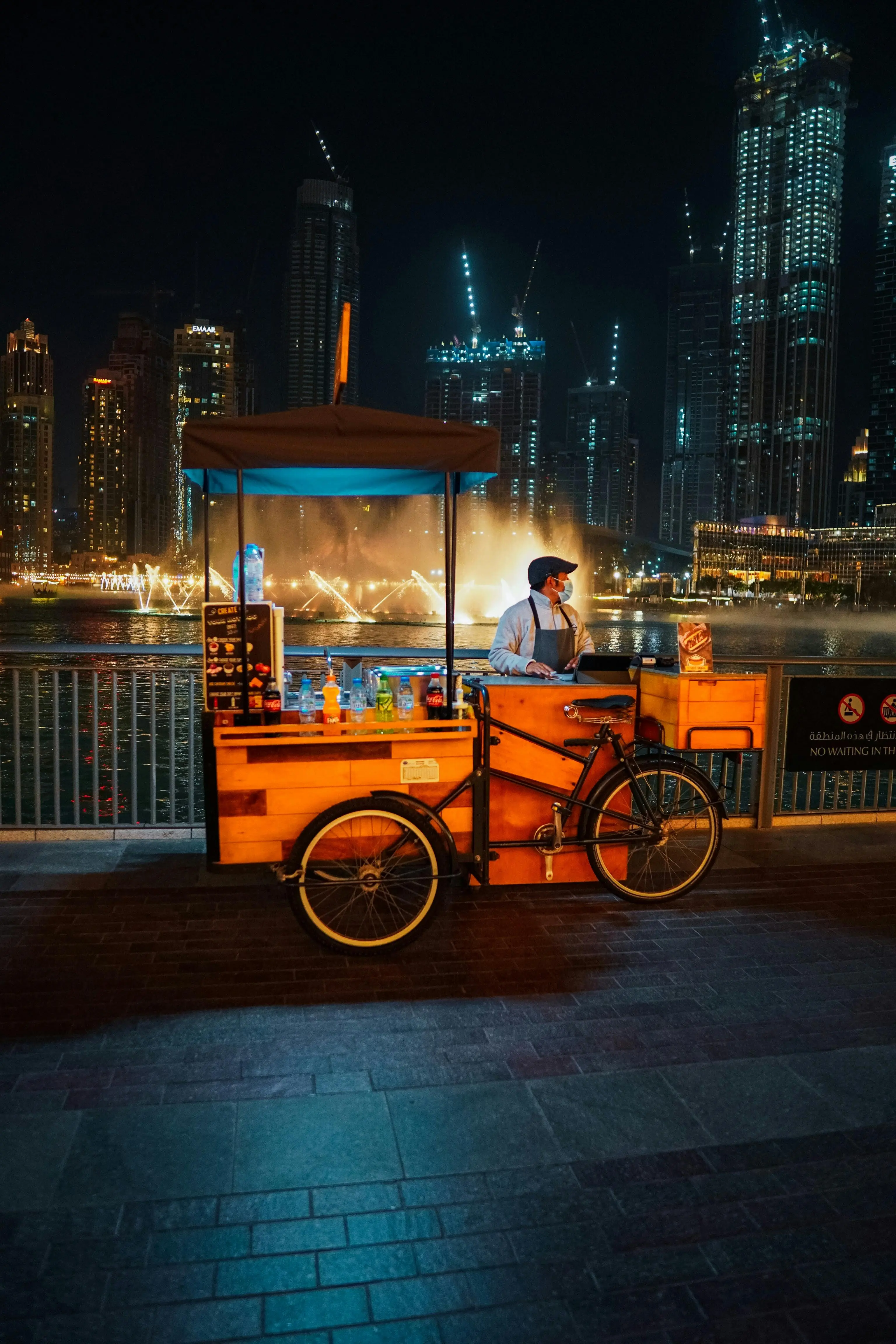
UAE Digital Nomad Visa, Work Visa, and Remote Work Visa: What Dubai Offers in 2026
Dubai introduced a formal remote work visa in 2021, and by 2026 the category has matured into something genuinely usable — but the terminology is still a mess, and conflating a digital nomad visa with a freelance permit or a UAE business licence will cost you time and money.
UAE Digital Nomad Visa: Eligibility Requirements and What It Covers
The UAE digital nomad visa is a one-year, renewable residency permit designed for people working remotely for employers or clients outside the UAE — it does not permit you to work for a UAE company.
Minimum monthly income: AED 15,000 (~$4,100) — you will need to prove this with bank statements or an employment letter
Valid passport, proof of remote employment or self-employment, and health insurance are mandatory at application
Application processed through ICA (Federal Authority for Identity and Citizenship) or through select free zones — processing typically takes 5–10 working days
Visa holders can open a UAE bank account, sign a lease, and access most local services — this is the main practical advantage over a tourist visa
The income threshold sounds like a lot until you price a furnished one-bedroom in JLT for a month — at that income level, the maths is tight but workable, and the stability the residency offers is worth more than the application fee.
Digital Nomad Visa vs Work Visa vs Remote Work Visa: The Differences That Matter
These three categories are not interchangeable, and choosing the wrong one creates problems that are expensive to unwind.
Remote work visa (the digital nomad category): for people employed by or contracting with companies outside the UAE — cannot work for UAE company
Work visa: sponsored by a UAE employer, ties your residency to that employment — if you lose the job, you lose the visa within 30 days
Freelance permit: issued by specific free zones (Dubai Media City, Dubai Internet City, allows you to invoice UAE clients — separate from the digital nomad category and requires a different application
Investor or business licence: relevant if you are setting up a company, not just working remotely — covered in the business setup section below
If you are a remote worker earning outside the UAE and want residency without tying yourself to an employer, the digital nomad visa is the right instrument — the freelance permit only becomes relevant when you want UAE-based clients.
Health Insurance Requirements for Digital Nomad Visa Holders
Health insurance is not optional — it is a hard requirement for any UAE residency application, including the digital nomad visa, and the policy must meet minimum coverage thresholds set by the Dubai Health Authority.
Minimum annual coverage: AED 150,000 (~$41,000) — most standard travel insurance policies do not meet this threshold
Policies must cover emergency care, inpatient treatment, and maternity if applicable — check the DHA-approved insurer list before buying
Approximate cost for a nomad in their 30s: AED 2,500–4,500/year ($680–$1,225) depending on insurer and coverage level
Dubai Health Authority offices can confirm whether a specific policy qualifies before you submit your visa application
Buy the health insurance before you start the visa application — the certificate is part of the document pack, and gaps in your insurance history will flag during processing.
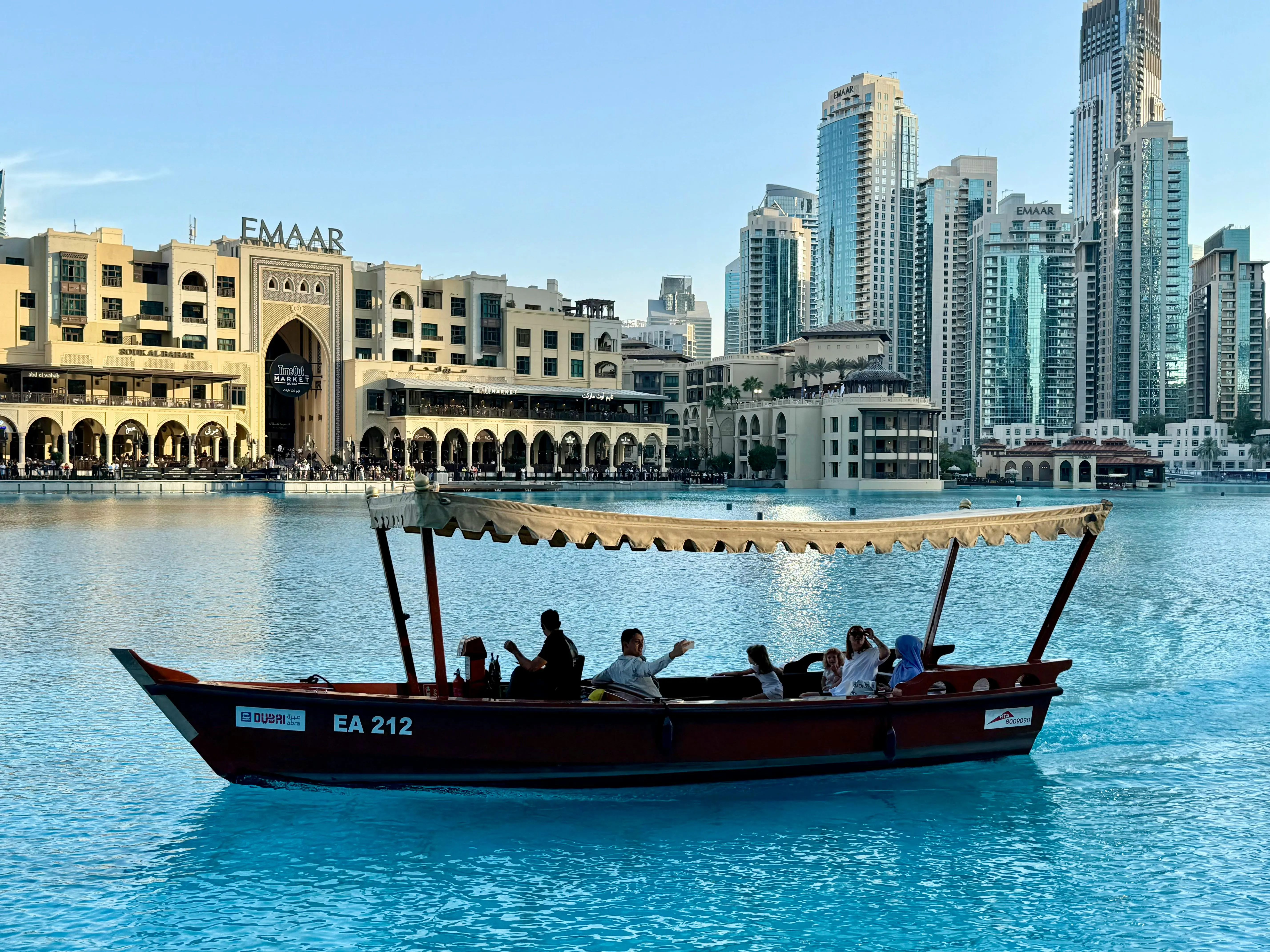
Best Neighbourhoods for Digital Nomads in Dubai: Where to Stay
Dubai is a city of distinct zones, and choosing the wrong one does not just affect your commute — it affects your daily mood, your food budget, and whether you feel like you live somewhere or are perpetually on holiday.
Neighbourhood | Monthly Rent (1-bed furnished) | Vibe | Best For | Key Advantage |
|---|---|---|---|---|
Dubai Marina | AED 8,000–12,000 | High-rise, walkable waterfront | Social nomads, first-timers | Everything within walking distance |
JLT (Jumeirah Lake Towers) | AED 6,000–9,000 | Quieter, lake views, local feel | Long-stay remote workers | Better value, same Metro access |
Downtown Dubai | AED 10,000–16,000 | Prestige, central, loud on weekends | Short stays, high-budget nomads | Central location, business hub |
DIFC | AED 11,000–18,000 | Finance district, quiet nights | Business-focused, client meetings | Best business infrastructure |
Al Barsha | AED 5,000–7,500 | Residential, less tourist-facing | Budget-conscious long stays | Mall of the Emirates Metro access |
JLT: The Neighbourhood Where Digital Nomads Actually Stay More Than Two Weeks
JLT is where the slowcation model makes financial sense — it sits one Dubai Metro stop from Dubai Marina but costs AED 2,000–3,000 less per month for equivalent space.
Nook Café, JLT Cluster A — strong WiFi, power at most tables, flat white AED 22, quietest before 10am
Furnished 1-beds on the lake-facing side of Cluster M or N: AED 7,000–8,500/month if booked directly with building management, less through agencies
AstroLabs — co-working in JLT, hot desk AED 250/day or AED 1,800/month, strong tech community, fast fibre
Supermarkets: Waitrose JLT and Carrefour within 10 minutes on foot — grocery bills run AED 900–1,400/month if you cook four nights a week
JLT is not as photogenic as the Marina and it will not impress anyone on a video call background — but after three weeks, that stops mattering and the extra floor space you can afford does not.
fully furnished apartments in Dubai
Dubai Marina: The Default for a Reason, With the Caveats That Come With It
Dubai Marina works immediately — you step out of the building and within five minutes you have coffee, a gym, a pharmacy, and a view — but it is a neighbourhood that prices convenience very deliberately.
Roasters Specialty Coffee House, Marina Walk — the most reliable laptop-friendly café on the waterfront, AED 20–25 for specialty coffee, busy from 9am
Furnished studios from AED 7,500/month, 1-beds from AED 9,500 — prices climb another AED 1,500–2,000 in buildings with direct Marina views
myOffice, JBR adjacent — co-working day pass AED 150, community events most Thursdays, good for nomads arriving solo
The Marina Tram connects you to the Metro in 12 minutes — useful if your co-working space or client meetings are in DIFC or Downtown
Three months in the Marina is a genuinely good slowcation base if your income justifies the rent — the issue is not the neighbourhood, it is that the same money buys significantly more in JLT or Al Barsha.
Explore Dubai Marina in our neighbourhood guide
Business Setup and Remote Work Infrastructure for Digital Nomads in Dubai
If you are staying longer than three months and billing clients regularly, the question of business setup comes up — not because you are required to formalise, but because the UAE's banking system and invoicing norms start to push you in that direction.
Business Setup Options That Make Sense for Remote Workers
A UAE free zone company is the most common structure for digital nomads who want to invoice locally, open a business account, and maintain a legal business presence without the complexity of a mainland licence.
IFZA (International Free Zone Authority) — one of the most cost-effective free zone licences in 2026, starting around AED 12,500/year including one visa allocation
Sharjah Media City (Shams) — even cheaper at roughly AED 5,750/year for a freelance licence, 40 minutes from Dubai but valid for UAE residency
Mainland business licence: required if you want to conduct business directly with UAE government entities or retail customers — more expensive and slower, not necessary for most remote workers
A free zone licence does not automatically mean you can work for a UAE company — your digital nomad visa or freelance permit governs what client relationships are permissible
The business setup decision is less about tax (the UAE introduced a 9% corporate tax in 2023, but the threshold and free zone exemptions mean most solo nomads are unaffected) and more about whether you need a UAE bank account to operate cleanly.
Co-working and Remote Work Infrastructure Across Dubai
Dubai's co-working scene is now large enough that you can choose based on community rather than just internet speed — but the quality gap between buildings is still real.
WeWork Marina Plaza — hot desk from AED 1,500/month, reliable fibre, good for solo workers who want a corporate-feeling environment without the commitment
Alba Corp Innovation Hub, Downtown — AED 1,200/month hot desk, strong design and tech community, Thursday evening events worth attending in your first month
DQuarters, Dubai Internet City — best option if your work is in tech or media, day pass AED 200, proximity to major regional tech offices means genuine networking potential
Free café working: reliable at most hotel lobbies in JLT and Marina before noon — power sockets are available but you will be asked to order every two hours
The internet infrastructure across Dubai is strong enough that apartment WiFi is usually sufficient for video calls — co-working spaces earn their cost through community and separation of work from living space, not connection reliability.
Where to Eat, Socialise, and Unwind in Dubai
The tourist version of Dubai nightlife — rooftop bars, hotel clubs, AED 90 cocktails — exists, and you will try it once. The version that sustains a two- or three-month slowcation is cheaper, more local, and significantly more interesting once you know where to look.
Neighbourhood Food That Won't Eat Your Budget
The best eating in Dubai is not in the same postcodes as the best views, and learning that early saves you a meaningful amount of money over a long stay.
Ravi Restaurant, Satwa — Pakistani cuisine, AED 25–40 per meal, cash preferred, open late, genuinely one of the most consistent restaurants in the city regardless of price bracket
Al Ustad Special Kabab, Bur Dubai — AED 30–50, Iranian grills, the kind of place regulars return to weekly — worth the 20-minute Metro ride from Marina
Operation Falafel, Deira — AED 15–30, fast and reliable, open until midnight, better for lunch than dinner when it's freshest
Wild & the Moon, Jumeirah — AED 55–80 for a full meal, plant-based, reliable WiFi, works as a morning work spot before the lunch crowd arrives
The pattern here is deliberate: the cheapest and most consistent food is in Deira, Satwa, and Bur Dubai — not in the neighbourhoods most nomads initially rent in, but close enough to reach in under 30 minutes.
Socialising Without Spending Every Night in a Hotel Bar
Dubai's expat social scene is real, but it concentrates in specific places — knowing which ones will save you a lot of expensive wrong turns in your first few weeks.
Boxpark Jumeirah — outdoor food and social hub, entry free, drinks AED 40–70, consistently useful for meeting other long-term residents rather than tourists
Fibber Magee's, Sheikh Zayed Road — one of the few genuinely casual bars in the city, pint around AED 50, quiz nights on Tuesdays, the kind of place you go when you want conversation rather than a scene
Dubai Marina Walk — free, open until late, better for an evening run or walk than for sitting, but the best way to bump into people casually when you have been in the apartment too long
Meetup groups for remote workers operate in Dubai — search for the Dubai Digital Nomads group which runs monthly events, usually held in co-working spaces rather than bars
Dubai's social infrastructure rewards persistence: the first two weeks are isolating for most people, and the third week is when the city starts to feel like a place you actually live in rather than visit.
What to Do When You're Not Working
A slowcation in Dubai earns its keep on weekends — and the city has enough non-commercial options that you are not dependent on spending money to decompress from the work week.
Al Qudra Cycling Track — 86km of dedicated track in the desert, free to use, bring water, best before 8am from October to April; in summer this is not an option
Alserkal Avenue, Al Quoz — arts and gallery district, free entry to most spaces, open Thursday evenings for events, genuinely useful if your work is creative and you need stimulus that isn't a screen
La Mer, Jumeirah — beach, food, and retail, beach entry free, worth going mid-week when it is half as crowded as Friday; weekend afternoons are genuinely overwhelming
Dubai Creek Heritage Area — abra (water taxi) crossing costs AED 1, the Deira Gold and Spice Souks are free to walk, good for a half-day when you need to remember the city has depth beyond the Marina skyline
The nomads who find Dubai genuinely satisfying on a slowcation are the ones who build a weekend structure early — without it, the city defaults to mall and delivery app, which is comfortable but numbing after six weeks.
The Dubai Remote Work Visa and What It Covers
The UAE's remote work visa is better designed than most comparable schemes — but it is also more specific than it first appears, and misreading what it permits has real consequences.
Who the Visa Is For — and Who It Is Not
The UAE remote work visa exists for people who work remotely for an employer or clients based outside the UAE — it does not convert you into a UAE resident who can work for UAE companies.
You must demonstrate a minimum income of AED 15,000 per month (~$4,100) — this is verified through bank statements, not a letter of employment alone
Eligible applicants include employees with a confirmed remote contract, freelancers with consistent client income, and business owners whose companies are registered outside the UAE
The visa does not grant UAE residency in the formal sense — you cannot sponsor dependents on it, and it does not count toward long-term residency calculations
If you intend to work remotely and take on UAE-based clients during your stay, you need a freelance permit or free zone licence in addition to or instead of the digital nomad visa
The UAE remote work visa is genuinely useful for what it is — a clean, legal way to work remotely while living in Dubai for a year — but treating it as something broader than that creates problems that are slow and expensive to resolve.
UAE Residency Options If You're Staying Long-Term
If you are considering staying beyond one year, the UAE residency pathways are more varied than most people realise — and one of them may already apply to you.
The UAE Golden Visa offers 10-year residency and is available to investors, skilled professionals in specific sectors, and entrepreneurs — minimum investment thresholds apply and vary by category
A free zone company licence with a resident visa attached is the standard path for business owners who want UAE residency and a local bank account without setting up a mainland entity
Long-term residency via employment is still the most common route — if you are hired by a UAE company while working remotely initially, your employer sponsors the resident visa
UAE residency through property purchase (minimum AED 750,000) qualifies you for a 2-year residency visa — worth knowing if you are seriously evaluating Dubai as a long-term base rather than a slowcation
Most digital nomads on a slowcation will not need to engage with UAE residency at all — but knowing which route applies to your situation before arrival is the kind of preparation that makes the stay feel straightforward rather than administrative.
Banking, Tax, and the Practical Admin of Working While Living in Dubai
The financial infrastructure for people who work remotely from Dubai is functional but not instant — and the order you do things in matters more than most guides acknowledge.
Opening a UAE personal bank account requires a resident visa — without one, you are relying on international accounts and transfer services like Wise for the duration
The UAE has no personal income tax — while working in Dubai, your income is taxed according to your home country's rules, not the UAE's, which means your obligations depend entirely on your citizenship and tax residency status
Emirates NBD, Marina branch — the most accessible major bank for new residents, minimum balance AED 3,000–5,000 depending on account type, in-branch appointment recommended
Wise and Revolut work reliably in the UAE for receiving client payments — most nomads use these while working remotely without a UAE bank account for the first stay and open a local account only if they return on a longer arrangement
The admin side of a Dubai slowcation is front-loaded: if you sort the visa, the banking access, and the SIM card in the first five days, the remaining weeks run without friction — but leaving any of those to week three costs you time you will resent.
Is Dubai Right for Your Slowcation in 2026? Honest Trade-Offs
Dubai is not the easiest city to slowcation in, and it is worth being direct about why — not to discourage, but to help you arrive with the right expectations rather than the wrong ones.
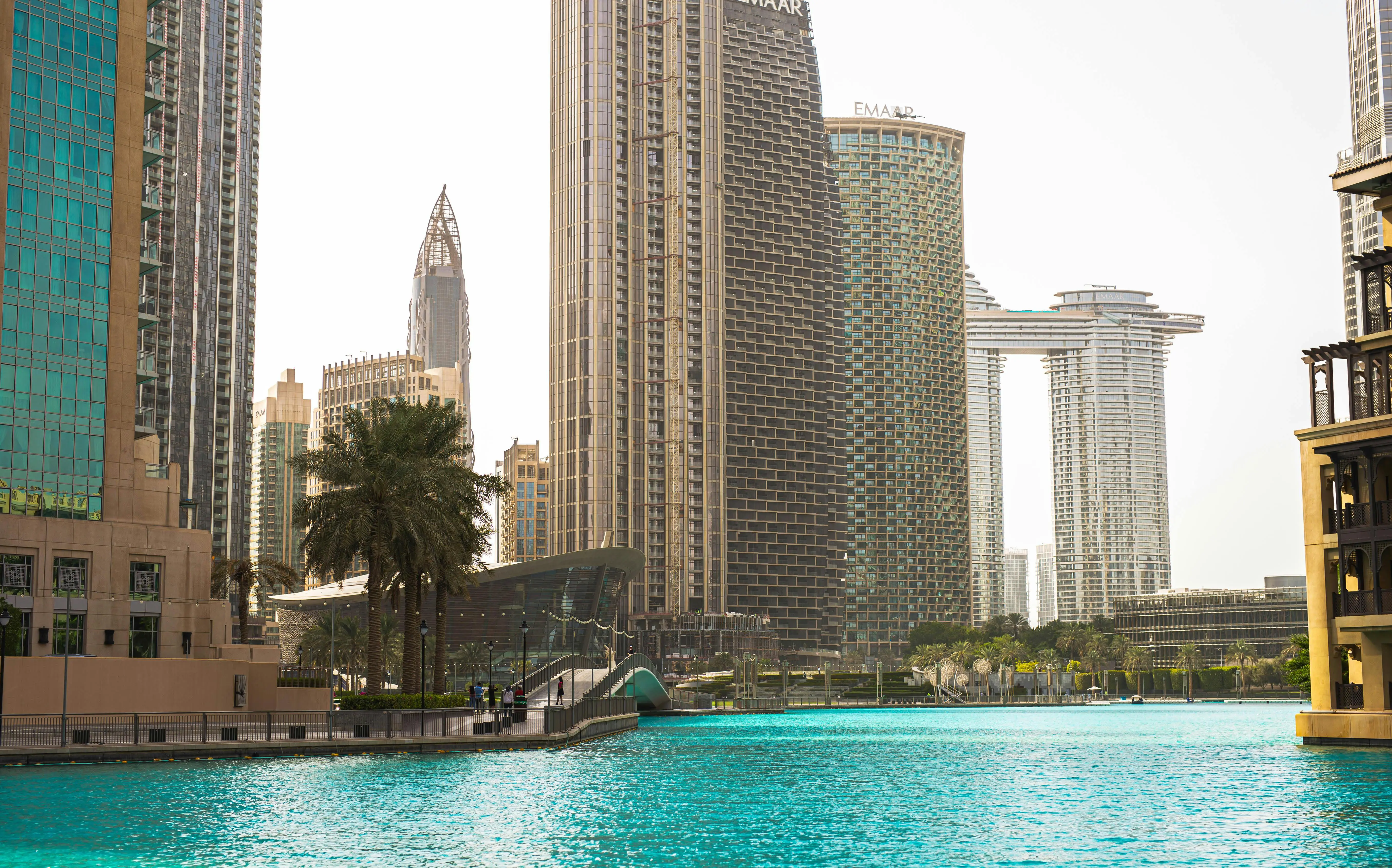
What Dubai Does Better Than Most Cities
The advantages are real, and they compound over a stay longer than two weeks in ways that are hard to articulate until you've experienced them.
Safety: Dubai is among the safest cities in the world to live and work in — the reliability of public order is not a small thing when you are alone in a new city with a laptop and a monthly rent commitment
Tax efficiency: working remotely from Dubai means no local income tax while you are there — the legal specifics depend on your home country, but for many nomads the financial case is straightforward
Time zone: the Gulf Standard Time (UTC+4) puts Dubai in an excellent overlap with both European morning hours and Asian business hours — you can run calls with London at 9am their time (1pm yours) and Singapore at 5pm theirs (1pm yours)
Quality of furnished apartments: the fully furnished apartments in Dubai available for monthly rental are consistently well-equipped — building gyms, pools, and high-speed internet are standard rather than premium
The infrastructure is the headline, but the safety and time zone position are what long-term converts actually cite when they explain why they stayed longer than planned.
What Dubai Does Not Do Well
The trade-offs are real, and if any of the following matters significantly to you, Dubai will frustrate you — not charm you out of it.
Car dependency: outside of Marina, JLT, and parts of Downtown, getting anywhere without a car or ride-share is time-consuming — the Metro is excellent but covers limited ground relative to the city's size
Heat: from June through September, outdoor life essentially pauses — if your slowcation depends on running, cycling, or working from outdoor cafés, a summer arrival is the wrong choice
Cost ceiling: Dubai rewards budget discipline but does not forgive the absence of it — a month of rooftop bars, hotel brunches, and Uber Eats will cost you double what a month of local restaurants and a fixed co-working pass costs
Downtown Dubai is spectacular and expensive — living there adds roughly AED 3,000–5,000 per month to your housing cost over Marina for no meaningful productivity gain
Knowing which of these will bother you before you arrive is more useful than any neighbourhood comparison — the city is large enough that most problems are solvable, but only if you planned for them.
Who Should Slowcation in Dubai in 2026 — and Who Shouldn't
Who Dubai Actually Works For
Dubai in 2026 suits remote workers who earn well, take infrastructure seriously, and are willing to do the administrative work upfront.
Your all-in monthly budget is $3,500 or above — realistically $4,500 to $6,000 for a comfortable setup
You value safety, reliable internet, and air-conditioned everything over walkability and street-level charm
You're prepared to sort the visa before you land, not after
You can commit to a minimum of four weeks — Dubai doesn't reward short visits
The lifestyle, once you stop holding it against cities built over centuries for pedestrians, sustains long work stretches better than most alternatives.
Who Should Look Elsewhere
Dubai is the wrong choice for a specific and predictable type of remote worker, and it's better to know that before booking.
You're budgeting under $3,500 per month all-in — the numbers won't work without real compromise
Your ideal slowcation involves walking across the city in trainers on a Tuesday afternoon
You want outdoor café culture in warm weather year-round — that exists only in winter here
You're arriving in summer expecting the same city you read about in January
None of these are failings — they're just a mismatch, and a mismatch in Dubai is an expensive one to discover late.
How to Give Dubai a Fair Shot
If Dubai fits your criteria, the difference between a good experience and a frustrating one comes down almost entirely to timing and neighbourhood choice.
Arrive in January or February — the winter window is when the city actually functions as advertised
Book a furnished apartment in Marina or JLT for a minimum of four weeks, not a hotel
Resolve the visa before you land — dealing with it on arrival adds friction you don't need in week one
Reserve judgment for three full weeks — the city earns its reputation slowly and on its own terms
Find fully furnished apartments in the UAE through RentRemote to remove the first layer of friction before you arrive.
Planning Your Dubai Slowcation as a Digital Nomad
Dubai in 2026 is one of the most logistically straightforward cities in the world to base yourself in, provided you treat the setup phase as part of the experience rather than an obstacle. The visa infrastructure, co-working ecosystem, and furnished housing market have all matured to the point where a month-long stay requires less admin than comparable moves to Lisbon or Chiang Mai. The friction that remains is mostly cultural and climatic, and both reward patience.
The slowcation model suits Dubai particularly well because the city reveals itself in layers. Week one is sensory overload, week two is orientation, and weeks three and four are where the rhythm clicks into place and you start to understand why so many nomads extend their stay by a month and then another. Budget conservatively, time your visit for the cooler months, and resist the urge to treat every evening as a sightseeing sprint.
If you are ready to move from research to booking, start with accommodation that removes the first layer of friction entirely. Browse fully furnished apartments in the country through RentRemote and arrive with one less thing to figure out.