
Daniel
Productivity & Remote Living Analyst ·
Dubai attracts professionals, entrepreneurs, and remote workers from around the world thanks to its modern infrastructure, strong economy, and international lifestyle. For anyone planning to stay longer than a few months, long term rentals in Dubai are often the most practical option. Compared with hotels or short term rentals, long-term leases provide stable monthly rent, better value, and the ability to live comfortably in a real neighborhood rather than temporary accommodation.
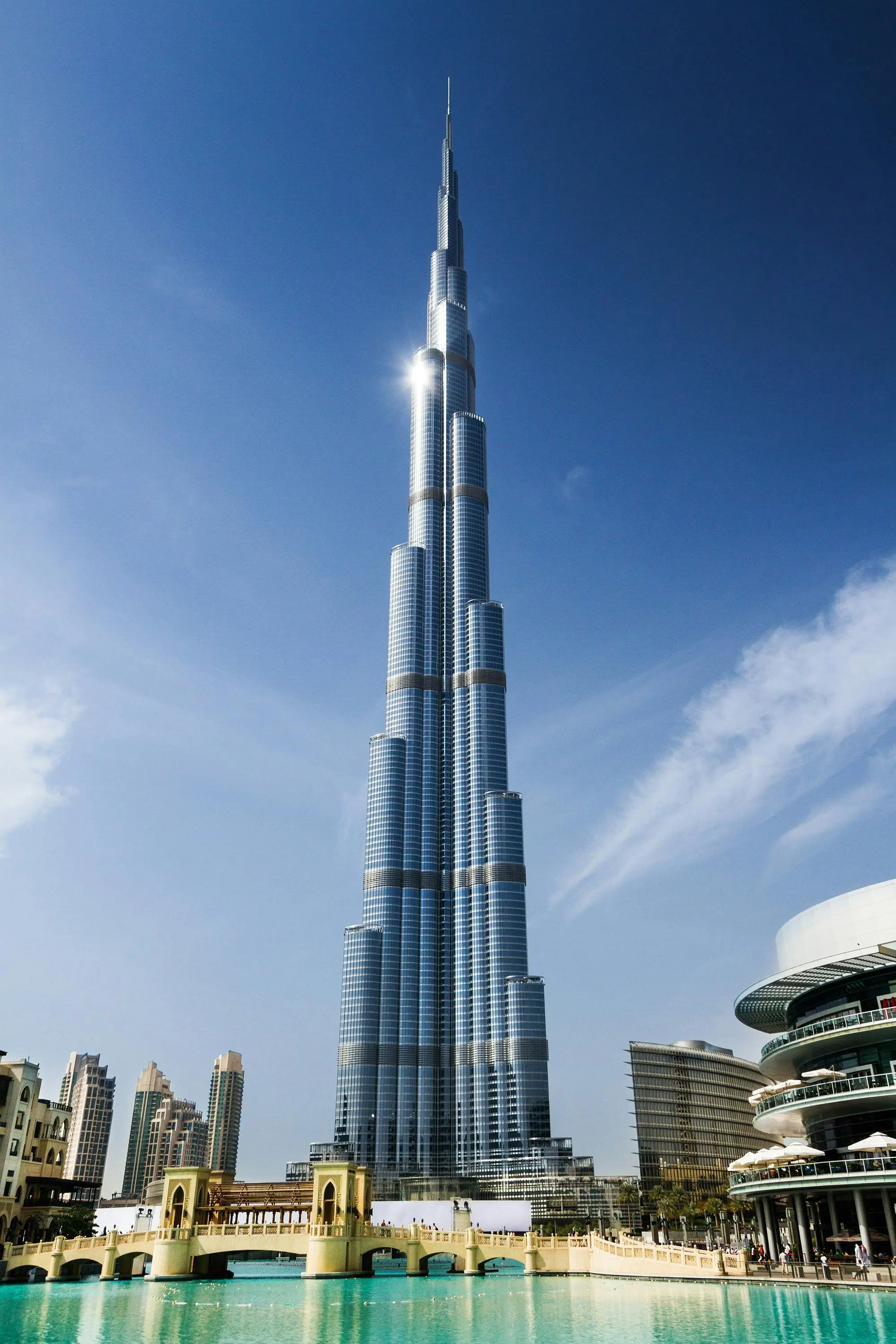
Across the city, tenants can choose from studios, larger apartments, villas, and luxury penthouses depending on budget, property size, and preferred location. Many residential buildings also include amenities such as swimming pools, gyms, covered parking, and on-site maintenance.
Dubai’s rental market gives residents access to:
Waterfront apartments near Dubai Marina and JBR Beach
Luxury residences close to Downtown Dubai and Dubai Opera
Trendy lifestyle districts like City Walk
More affordable areas such as Al Barsha, Dubai Silicon Oasis, and International City
In this guide, you’ll learn how to rent apartments in Dubai, what monthly rentals typically cost in AED, and how to find rental properties that match your lifestyle and budget.
Why Long Term Rentals Are a Smart Choice for Living in Dubai
Moving to Dubai for work or a longer stay often starts with one big decision: whether to choose short term rentals or commit to long term rentals. While short stays may work for tourists, most residents quickly realise that long term rentals provide better value, stability, and a far more comfortable living experience. Instead of constantly relocating between temporary accommodations, tenants can settle into a real neighbourhood and begin building routines that make the city feel like home.
Across the Dubai rental market, long-term lease agreements are designed to support residents planning to stay for a year or more. These contracts usually run on annual terms, offering stable price expectations and clear legal protections for tenants. In most cases, residents pay the yearly rent through a small number of bank cheques, making budgeting easier while allowing them to secure properties in some of the most popular areas across the emirates.
Lower Monthly Rent and More Financial Stability
One of the main reasons people choose long term rentals is the cost advantage. Compared with hotels or short term rentals, long leases typically offer a lower monthly rent and more predictable costs. Because the lease is longer, landlords often provide better rates, allowing residents to secure larger space or better amenities without increasing their budget dramatically.
Residents choosing long term rentals often benefit from:
Lower monthly rent compared with short term rentals or hotels
Stable price expectations throughout the lease period
Access to larger apartments, flats, or even villas for the same budget
Better long-term planning thanks to predictable housing costs
For professionals relocating to the UAE, this financial stability is often the difference between constantly searching for housing and being able to live comfortably in one place.
More Space, Privacy, and Comfortable Living
Long-term living also means gaining access to a much wider range of residential properties. Instead of small hotel rooms, tenants can choose between studio apartments, multi-bedroom residences, luxury penthouses, or family-sized villas depending on their lifestyle and budget.
Many modern apartment buildings across Dubai include facilities designed to improve daily life. These typically include swimming pools, gyms, security services, and on site maintenance, creating a comfortable living experience that appeals to both professionals and families relocating to the city.
Typical amenities found in residential properties include:
Swimming pools and fitness centres
24-hour security and reception services
Covered parking and maintenance teams
Children’s play areas and shared community space
Easy access to supermarkets, schools, and healthcare facilities
These features make long term rentals a great option for anyone looking to settle into the city while maintaining a modern lifestyle.
Becoming Part of the Community
Another advantage of long term rentals is the ability to integrate into the neighbourhood rather than living in temporary accommodation. Over time, residents develop routines, discover local cafés and restaurants, and connect with neighbours from different countries who also call Dubai home.
Many of the city’s most popular areas combine lifestyle and convenience. Residents living near Dubai Marina enjoy waterfront walks and restaurants like Pier 7 and Bussola along the marina promenade. Those choosing Downtown Dubai gain proximity to the Burj Khalifa, Dubai Mall, and performances at Dubai Opera. In lifestyle districts like City Walk, boutique cafés and restaurants such as Farzi Café or Mythos Kouzina & Grill make everyday living feel connected to the energy of the city.
In many cases, long term rentals also allow tenants to personalise their space, decorate their homes, and truly make the apartment feel like a perfect home rather than a temporary stay. This sense of permanence is one of the biggest reasons why residents planning to stay longer choose long leases instead of short-term accommodation.
For anyone planning to rent in Dubai for work, relocation, or a lifestyle change, long-term agreements provide the ideal balance of affordability, stability, and access to the luxury and convenience that define life in the Emirates.
How to Rent Apartments in Dubai: Lease Rules, Emirates ID, and Key Costs
Understanding how to rent in Dubai is essential before committing to a lease. The process is relatively straightforward, but tenants must follow a few legal steps to secure long term rentals in the city. Most apartments and flats are rented on annual contracts, and the process involves documentation, upfront payments, and registering the agreement through government systems.
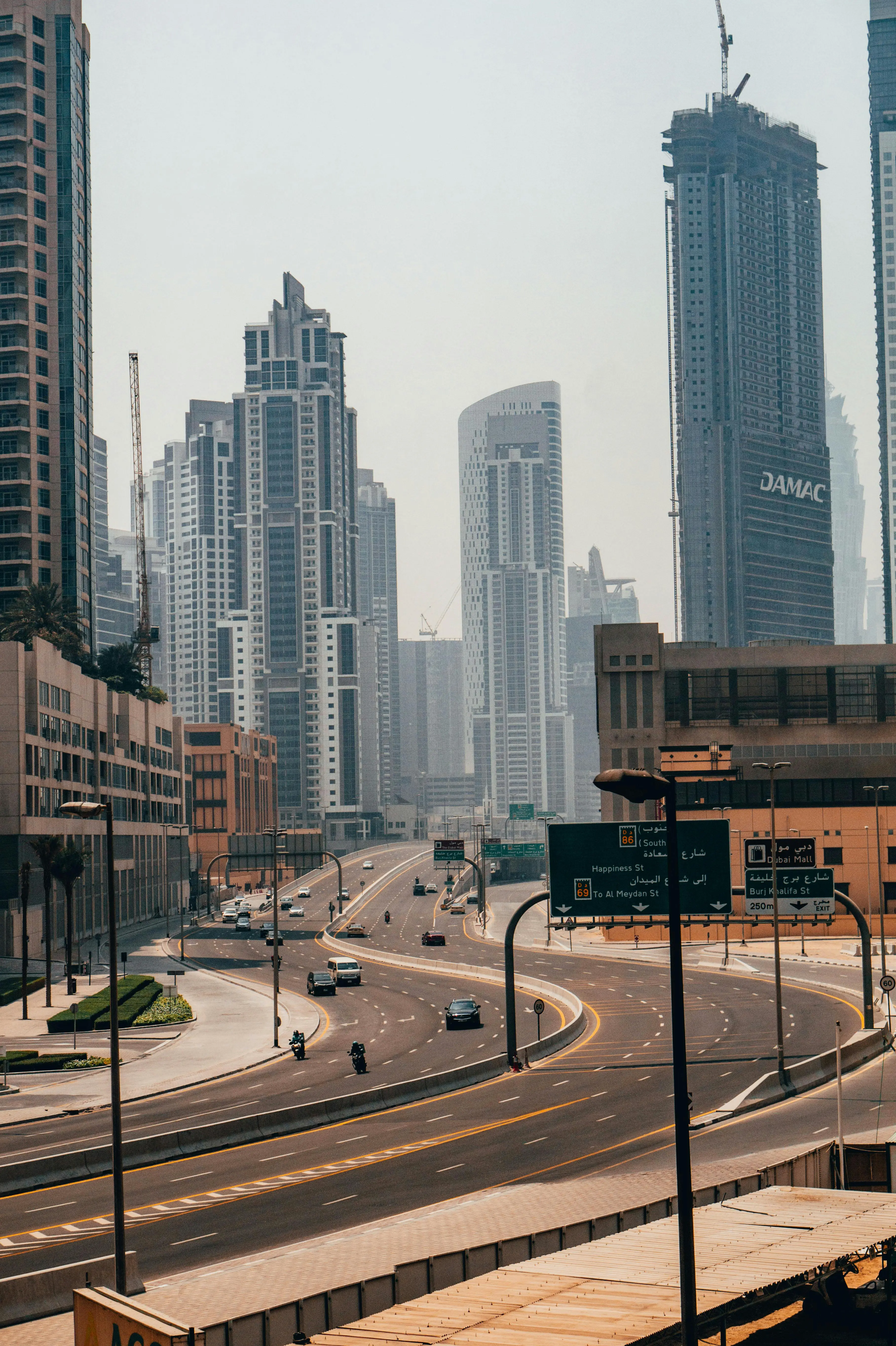
Unlike many cities around the world, Dubai’s rental framework is highly structured. The market is regulated by the Dubai Rental Law and the RERA Rental Price Index, which protects tenants by limiting how much a landlord can increase the price of a property each year. Once a lease is signed and registered through Ejari, the agreement becomes legally binding across the emirates, giving residents long-term stability while they live and work in the UAE.
Emirates ID and Documents Required to Rent Apartments
One of the first requirements when renting apartments in Dubai is having an Emirates ID. This identification card is essential for several parts of the rental process and is required to register the tenancy contract, activate utilities, and verify tenant information with government authorities.
Most tenants will need the following documents before they can secure rental properties:
Emirates ID (mandatory for tenancy registration)
Passport copy and valid residence visa
Signed lease agreement with the landlord
Ejari registration confirmation
Post-dated cheques used to pay the annual rent
Real estate agents and online property listings platforms often provide detailed descriptions of available properties, helping tenants compare property size, location, and amenities before arranging a viewing.
Upfront Costs When Renting Flats in Dubai
Before moving into residences in Dubai, tenants should prepare for several initial costs beyond the annual rent. These upfront payments are standard across the market and apply to most long term rentals.
Typical rental costs include:
Security deposit: 5% of annual rent for unfurnished apartments, or 10% for a furnished apartment
Agency commission: typically 5% of the annual rent
Ejari registration fee to legalise the lease
Utility connection charges with Dubai Electricity and Water Authority (DEWA)
Municipality housing fee added to monthly bills
Once the contract is registered, tenants must open an account with the Dubai Electricity and Water Authority, often called the water authority by residents. This service provides electricity and water for the property and is billed monthly in AED.
Viewing Rental Properties Before Signing a Lease
Before committing to a lease, tenants should always inspect the property carefully. Many apartments and flats in Dubai include modern facilities such as gyms, swimming pools, and shared community space, but conditions can vary depending on the building and location.
When visiting rental properties, it helps to explore the surrounding neighbourhood as well. For example, tenants viewing homes nearAl Barsha often stop by the nearby Mall of the Emirates or cafés like Common Grounds to get a feel for the area. In Dubai Marina, many people walk along Marina Walk or visit restaurants such as Pier 7 to understand the lifestyle that comes with the neighbourhood.
Things to check during a viewing include:
Overall property size and interior space
Building amenities and shared facilities
Maintenance responsibilities and on site maintenance availability
Noise levels and nearby transport access
Nearby schools, supermarkets, and public transport
Spending time exploring the surrounding area helps tenants decide whether the neighbourhood truly fits their lifestyle and budget.
Once the lease agreement is signed and Ejari registration is completed, tenants can connect utilities, arrange internet services, and begin settling into their new residence. At that point, the focus shifts from paperwork to enjoying life in one of the most dynamic cities in the world.
Average Monthly Rent in Dubai: What Apartments, Studios, and Villas Cost in 2026
Before choosing between different long term rentals, it helps to understand how rental price levels vary across the Dubai property market. Costs depend on factors such as location, property size, building amenities, and the overall lifestyle offered by the neighbourhood. While the city is known for its luxury skyline and high-end residences, it also offers a wide range of affordable apartments, flats, and villas for different budgets.
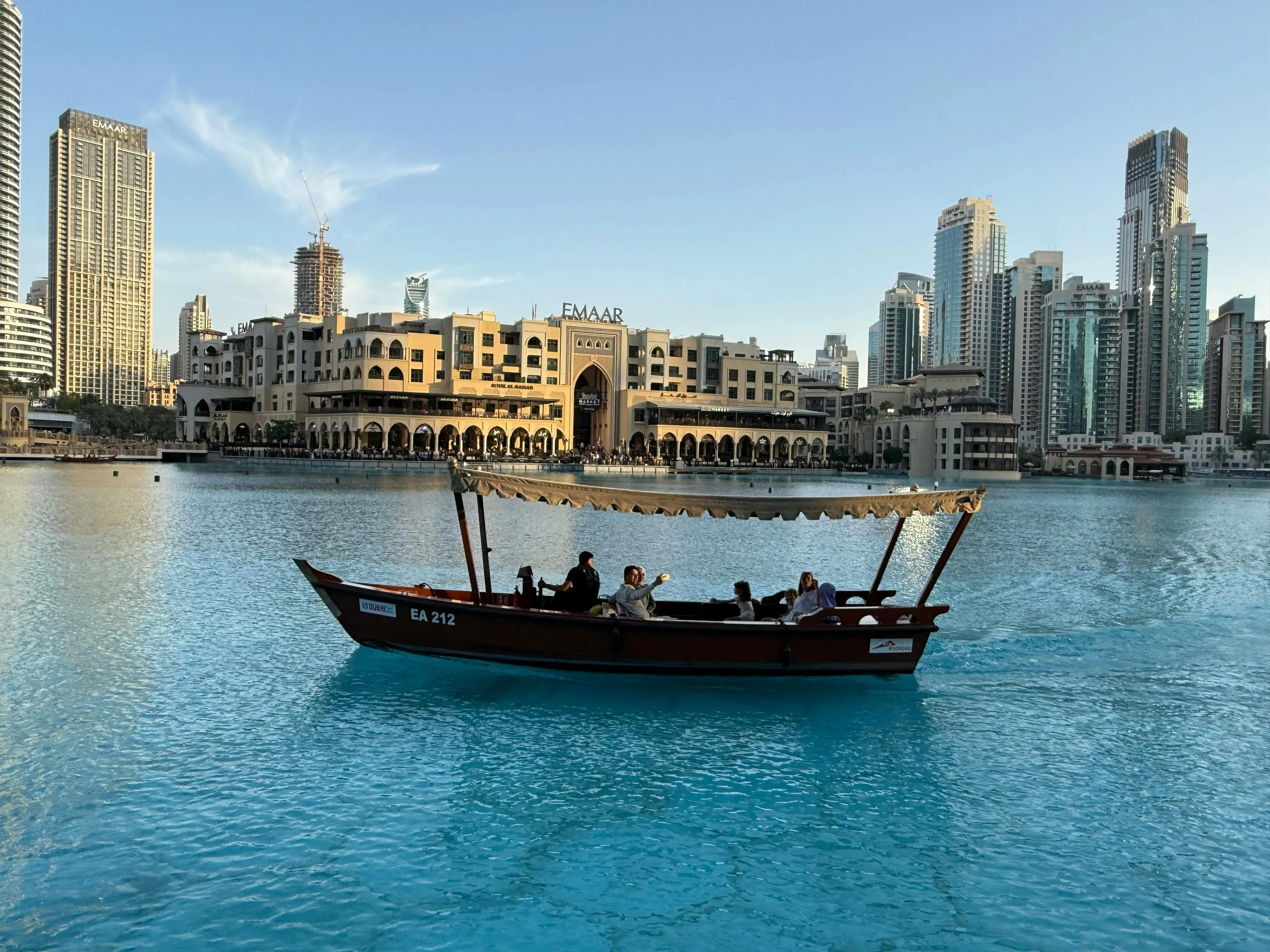
In 2026, the average rent for apartments in Dubai varies widely depending on the area. Compact studio units typically start around AED 45,000 per year, while one-bedroom flats can range from AED 70,000 to AED 110,000 annually. Larger two-bedroom apartments often fall between AED 115,000 and AED 170,000, while high-end penthouses and luxury villas in premium neighborhoods can reach well above AED 300,000 per year.
Typical annual rent ranges across the market include:
Studio apartments: roughly AED 45,000 – AED 70,000 depending on location and building amenities
1-bedroom apartments: around AED 70,000 – AED 110,000
2-bedroom apartments: roughly AED 115,000 – AED 170,000
Luxury penthouses: from AED 250,000+ depending on property size and facilities
Family villas: typically AED 180,000 – AED 450,000 depending on space, schools, and community services
These averages highlight how the Dubai rental market caters to tenants with different preferences, from young professionals seeking compact studio apartments to families searching for spacious residences near schools and parks.
How Location Affects Rental Price
One of the biggest factors influencing rent in Dubai is location. Properties in central districts close to business hubs and entertainment venues command higher price levels, while communities slightly further from the centre often provide more affordable housing.
For example, Dubai Marina remains one of the city’s most sought-after waterfront districts. Luxury apartments overlooking the marina promenade often range between AED 110,000 and AED 180,000 per year depending on property size, building amenities, and views of the water. Residents here enjoy easy access to JBR Beach, waterfront dining at Pier 7, and evening walks along Marina Walk.
In contrast, areas like Al Barsha offer a more affordable entry point into the market, with many flats available between AED 60,000 and AED 90,000 annually. The neighbourhood provides strong convenience thanks to the nearby Mall of the Emirates, metro connections, and a variety of restaurants and cafés.
Other affordable areas such as Dubai Silicon Oasis and International City attract residents looking for lower price levels without leaving the city entirely. These districts often offer studio apartments starting around AED 45,000, making them popular among young professionals and first-time renters.
Property Size and Amenities Also Influence Cost
Beyond location, the overall property size and available amenities also affect rental costs. Compact studio units in Dubai typically range between 330 and 700 square feet, while larger family residences with multiple bedrooms can reach up to 2,400 square feet or more.
Buildings that include high-end facilities such as rooftop pools, private gyms, and concierge services usually charge higher rent, especially in districts known for their luxury lifestyle. However, these amenities also contribute to a comfortable living experience that many tenants value when choosing long-term housing.
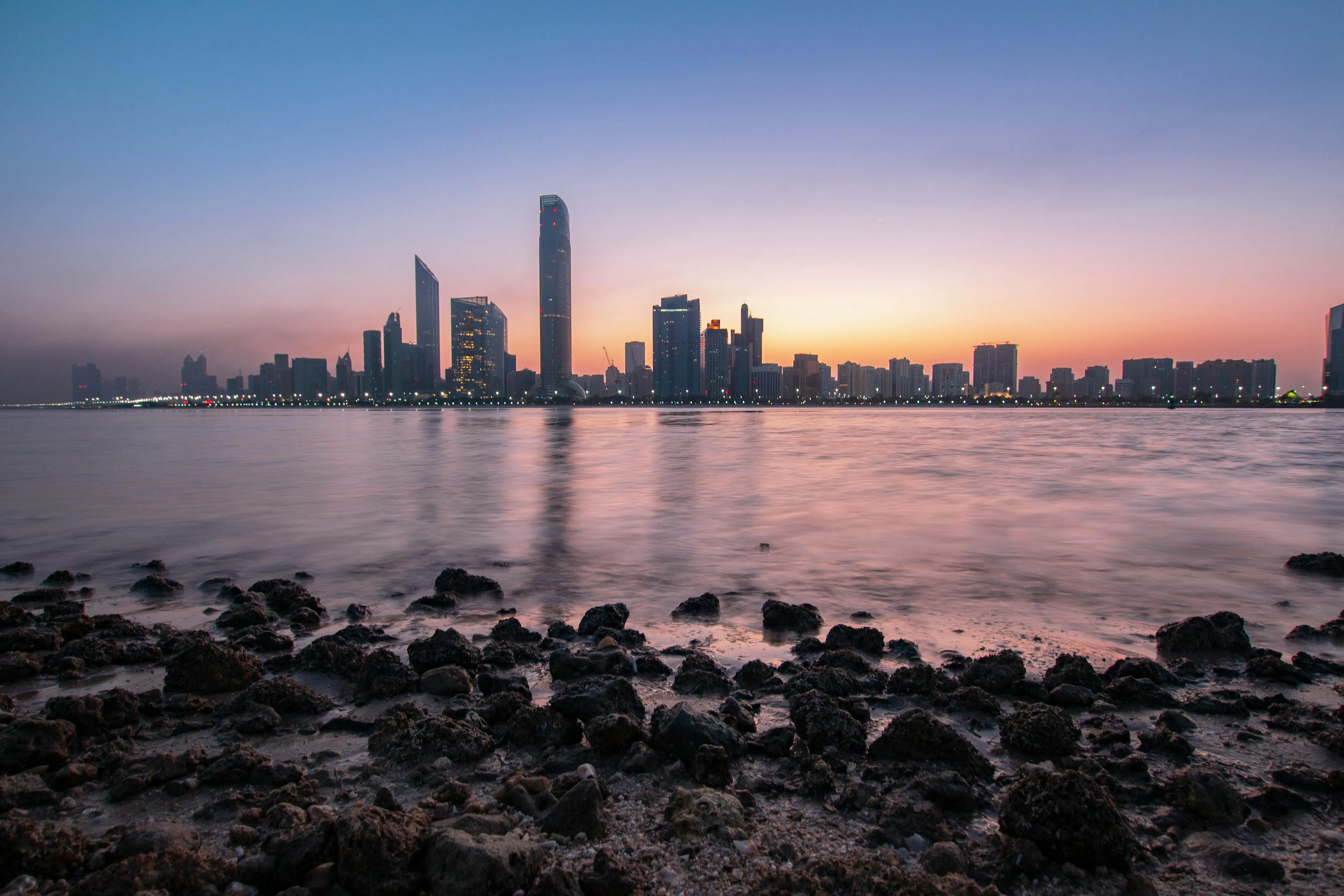
Many modern apartments across the city include:
Swimming pools and fitness centres
Children’s play areas and landscaped community space
24-hour security and concierge services
Covered parking and on site maintenance
Retail shops and supermarkets within walking distance
In popular residential neighborhoods, these features often combine luxury and convenience, allowing residents to enjoy a luxurious lifestyle without leaving their building.
Understanding these price differences helps renters narrow their search and focus on rental properties that align with their budget, lifestyle, and preferred location in the city.
Best Neighborhoods in Dubai for Long-Term Living
Choosing the right neighborhood is one of the most important decisions when exploring long term rentals in Dubai. Each district offers a slightly different rhythm of life, from waterfront promenades to quieter residential communities designed for everyday routines. For newcomers planning to settle in the emirates, the neighborhood you choose will influence your commute, social life, and how easily you can settle into daily life.
Some areas are known for their walkability and cultural attractions, while others appeal to residents looking for calmer surroundings or lower housing costs. Exploring these districts in person often helps tenants understand what truly fits their lifestyle.
Dubai Marina
One of the most recognizable residential districts in the Emirates, Dubai Marina blends waterfront living with a lively social atmosphere. High-rise towers surround the marina promenade, and residents spend evenings walking along the waterfront or dining in restaurants overlooking the harbor.
Living here places residents close to:
Marina Walk and waterfront cafés
Pier 7’s rooftop restaurants and dining concepts
JBR Beach for outdoor recreation
Fitness studios and coworking cafés popular with remote workers
The neighborhood is particularly attractive for professionals who enjoy a social environment with easy movement between restaurants, beaches, and nightlife.
Downtown Dubai
For residents who want to be close to cultural attractions and iconic architecture, downtown Dubai offers a dynamic urban setting. The district centers around the Burj Khalifa and Dubai Mall, but it also attracts residents who appreciate the arts and entertainment scene.
Local highlights residents regularly enjoy include:
Performances and concerts at Dubai opera
Evening walks near the Burj Khalifa fountains
Cafés and restaurants around Sheikh Mohammed bin Rashid Boulevard
Galleries and seasonal events hosted in nearby cultural venues
The area tends to attract professionals and entrepreneurs who want to live in the heart of the city while staying close to major business districts.
Dubai Silicon Oasis
For those seeking quieter surroundings and better value, Dubai silicon oasis offers a technology-focused community that appeals to professionals working in innovation and digital industries. The neighborhood is known for residential complexes with landscaped walkways and community parks.
Residents here often frequent:
Silicon Central Mall for shopping and cafés
Community gyms and sports facilities
Technology hubs and startup offices within the district
Nearby casual dining spots such as Oregano and Black Sheep Coffee
The environment here is calmer than many central districts, making it appealing for professionals who want a balanced lifestyle without the bustle of the most tourist-heavy parts of the city.
International City
Another practical choice for long-term residents is International City, a large residential district known for diverse architecture and culturally themed clusters inspired by different countries. It attracts residents looking for a budget-conscious option while still remaining connected to the wider metropolitan area.
Everyday conveniences in the area include:
Dragon Mart, one of the largest Chinese retail markets outside China
Local grocery markets serving international cuisines
Casual cafés and restaurants reflecting the multicultural community
Bus routes connecting the district to other parts of the city
Because of its affordability and cultural diversity, this district often appeals to newcomers adjusting to life in the UAE while exploring housing options across the market.
City Walk
For residents who prefer a modern urban atmosphere with boutique shops and stylish cafés, city walk provides one of the most contemporary residential districts in Dubai. The area blends upscale apartments with pedestrian-friendly streets and outdoor dining spaces.
Popular spots residents enjoy include:
Mythos Kouzina & Grill for Mediterranean dining
Farzi Café for contemporary Indian cuisine
Boutique shopping and art installations throughout the district
Seasonal outdoor events and street performances
The neighborhood appeals to residents who want a lively lifestyle environment while remaining close to central business districts.
Exploring these districts helps renters understand how different neighborhoods across the Emirates shape everyday life. While some residents prioritise nightlife and entertainment, others value quieter surroundings, proximity to parks, or access to workplaces. Taking time to explore multiple areas often makes it easier to find the perfect home that aligns with personal preferences and long-term plans.
Furnished vs Unfurnished Apartments for Long-Term Living in Dubai
When searching for long term rentals, one of the first choices tenants face is whether to move into a furnished apartment or an unfurnished home. Both options are widely available across the market, and the right decision usually depends on how long someone plans to stay and how much flexibility they want when setting up their living environment.
Many professionals relocating to the UAE initially choose furnished housing because it simplifies the move. Apartments already include essential furniture and appliances, allowing residents to settle in quickly without purchasing household items. This option is particularly helpful for people who arrive with limited belongings or who expect their stay to evolve over time.
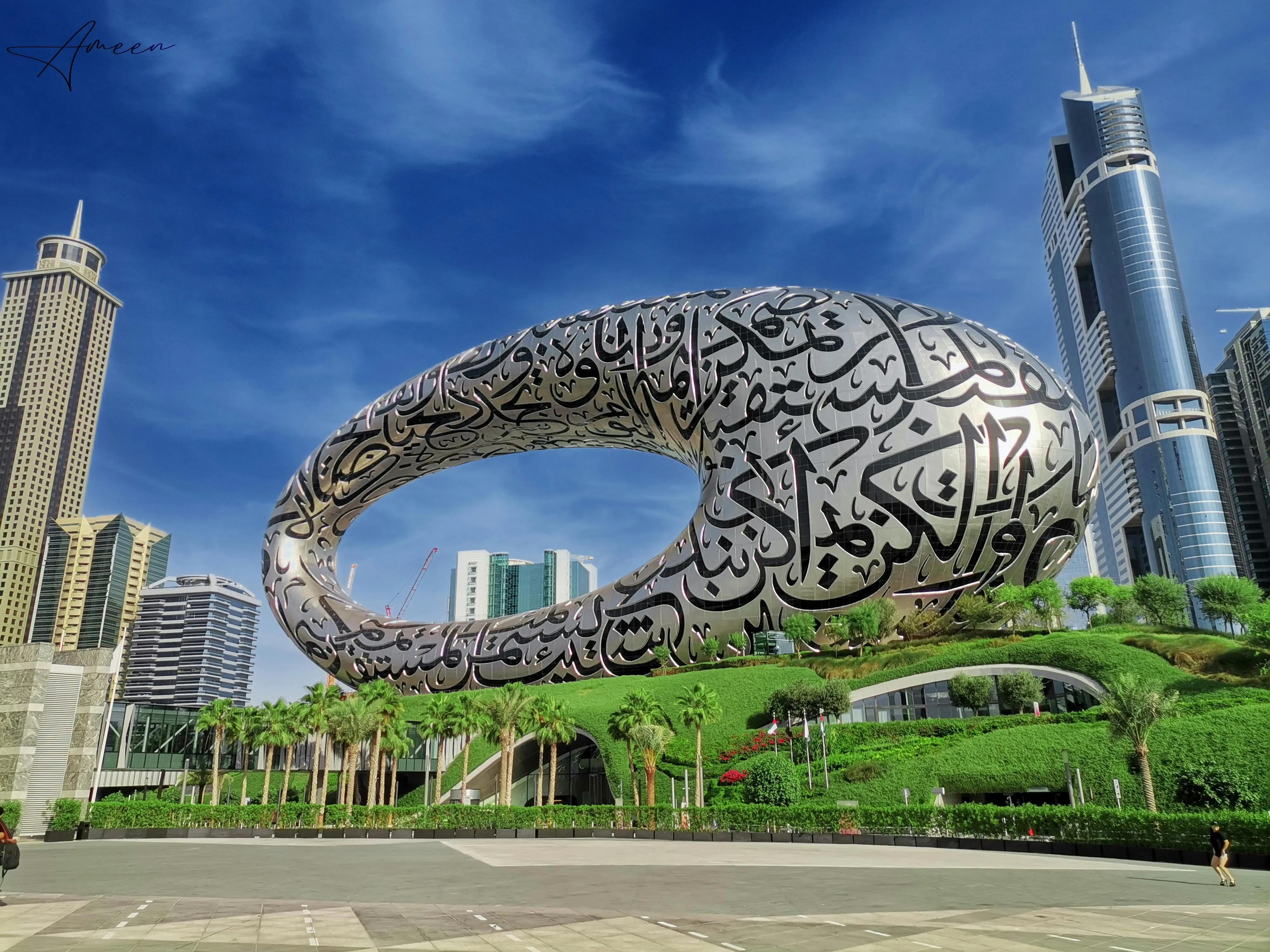
A typical furnished apartment may include:
A bed, wardrobe, and living room seating
Kitchen appliances and cookware
Dining table and storage furniture
Internet-ready utilities and building services
In many buildings, swimming pools, gyms, and other shared facilities
Because everything is already installed, tenants can usually move in immediately and begin working or exploring the city without worrying about furnishing their home.
Unfurnished homes, however, appeal to residents planning to stay for several years. While the initial move requires purchasing furniture, tenants gain greater control over how their space is designed. Many residents prefer this approach because it allows them to personalize their environment and create a layout that suits their routines.
Choosing an unfurnished home often provides:
Lower annual price compared with furnished units
More flexibility when designing interior layouts
Greater space for larger furniture or work areas
A longer-term feeling of stability within the community
In several residential neighborhoods, long-term residents gradually transform their homes into comfortable personal spaces that reflect their routines and style.
Residents exploring monthly rentals sometimes begin with furnished housing before transitioning into longer leases once they become familiar with the city. This approach allows newcomers to explore several districts, experience the atmosphere of different communities, and then commit to a property that truly matches their expectations.
Many buildings also include pet friendly housing options, particularly in newer residential developments designed for professionals and families relocating to Dubai. These properties often include nearby parks, walking paths, and shared outdoor areas where residents can relax with their pets.
Whether choosing furnished or unfurnished housing, the key is finding a residence that supports everyday routines and provides the comfort needed to live comfortably while spending an extended period in the Emirates.
How to Find Long-Term Rental Apartments in Dubai
Finding reliable housing in Dubai starts with knowing where to search and how to evaluate listings before scheduling a viewing. The rental market moves quickly, and many newcomers rely on trusted platforms that publish verified property listings with detailed descriptions of the homes, building features, and surrounding neighborhoods. Reviewing these listings carefully helps renters narrow their search and identify homes that match their priorities before contacting an agent.
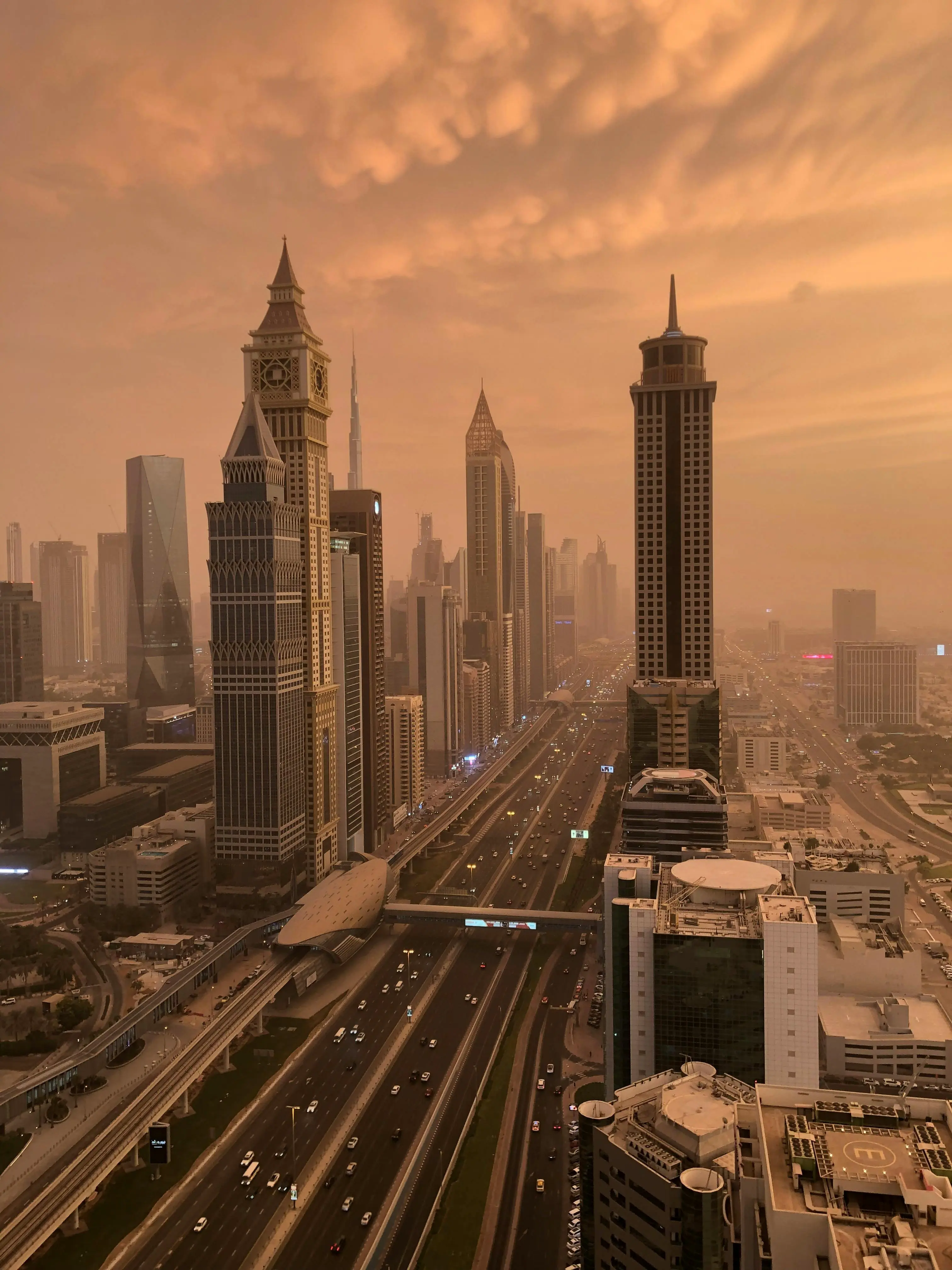
Many residents begin by browsing online platforms where they can compare rental properties across several districts. These listings often highlight property size, nearby metro access, and whether the home is a furnished apartment ready for immediate move-in. This makes it easier to identify options that align with different budgets and living preferences while preparing to rent apartments in the city.
When reviewing listings, it helps to compare several factors before arranging a viewing:
Building condition and overall property size
Lease terms and the expected monthly rent
Nearby supermarkets, cafés, and transport connections
Whether the home is pet friendly or part of a family friendly area
Building perks such as gyms or swimming pools
After narrowing down options online, most renters schedule in-person visits to explore the surrounding area. For example, people searching in Dubai Marina often walk along Marina Walk and stop at cafés like Common Grounds or Baker & Spice to experience the neighborhood atmosphere before committing to a home. In Downtown Dubai, prospective residents frequently explore the boulevard near the Burj Khalifa, grabbing coffee at Toby’s Estate or visiting the nearby Dubai Opera district to understand what daily life might feel like.
Some renters also explore districts slightly outside the core business zones. In Dubai Silicon Oasis, cafés such as Cafe Calicut and Hive Board Game Cafe attract remote workers throughout the day, while residents near City Walk often spend time in Central Park, a landscaped green space surrounded by restaurants and cafés.
Because the Dubai housing market moves quickly, comparing multiple listings and visiting several neighborhoods usually leads to better decisions. Taking time to explore the surrounding streets, cafés, and parks helps renters find a home that truly fits their routine and long-term plans in the UAE.
Browse verified long term rentals in Dubai on RentRemote to compare furnished homes in neighborhoods like Dubai Marina, Downtown Dubai, and City Walk.
Monthly Rentals vs Annual Leases in Dubai
Many newcomers begin their housing search with monthly rentals, especially when they first arrive in Dubai. Shorter arrangements provide flexibility while residents explore different neighborhoods, adjust to work schedules, and understand how daily life operates across the emirates. However, people planning to stay longer typically transition into long term rentals because annual agreements provide greater stability and better overall value.

Monthly arrangements are commonly used by professionals relocating for new jobs or by remote workers who want time to explore before committing to a long-term lease. These homes are often fully furnished, making them convenient for newcomers who arrive with limited belongings. In many cases, residents use monthly options for their first few months while they explore different districts and determine which environment suits them best.
Monthly rental arrangements usually offer:
Fully furnished apartment units ready for immediate move-in
Flexible contracts without long lease commitments
Utilities and internet sometimes included in the monthly rent
Convenient temporary housing while searching for a permanent home
Despite the flexibility, monthly agreements often come at a higher overall price compared with longer leases. Once residents decide where they want to live, annual agreements usually provide better financial stability and more housing options.
For example, someone arriving in the UAE might start with a furnished studio near City Walk to explore the neighborhood’s cafés and pedestrian streets. During that time, they may also visit other areas such as Dubai Marina or Al Barsha to understand the atmosphere and daily routine before committing to a longer lease.
Because the housing market moves quickly, exploring different neighborhoods before signing a contract often helps renters identify the community that best matches their routine. Spending a few weeks exploring cafés, parks, and public spaces can reveal which area truly feels comfortable for long-term living.
Explore neighborhood guides across Dubai to compare districts, cafés, parks, and everyday spots before choosing where to live.
Pet Friendly Long-Term Rentals in Dubai
For many people relocating to Dubai, finding a pet friendly home is an important part of the housing search. While not every building allows animals, the number of communities welcoming pets has grown significantly in recent years as more residents move to the Emirates with dogs and cats. Many modern developments now include walking areas, nearby parks, and open spaces that make daily routines easier for pet owners.
Several residential districts are particularly popular with people who have pets because the surrounding streets and public areas make outdoor time more convenient. For example, residents living near City Walk often spend time in Central Park, a landscaped green space where dog owners regularly gather in the mornings and evenings. The park’s walking paths and shaded seating areas make it one of the most comfortable places in the area for residents and their pets to relax.
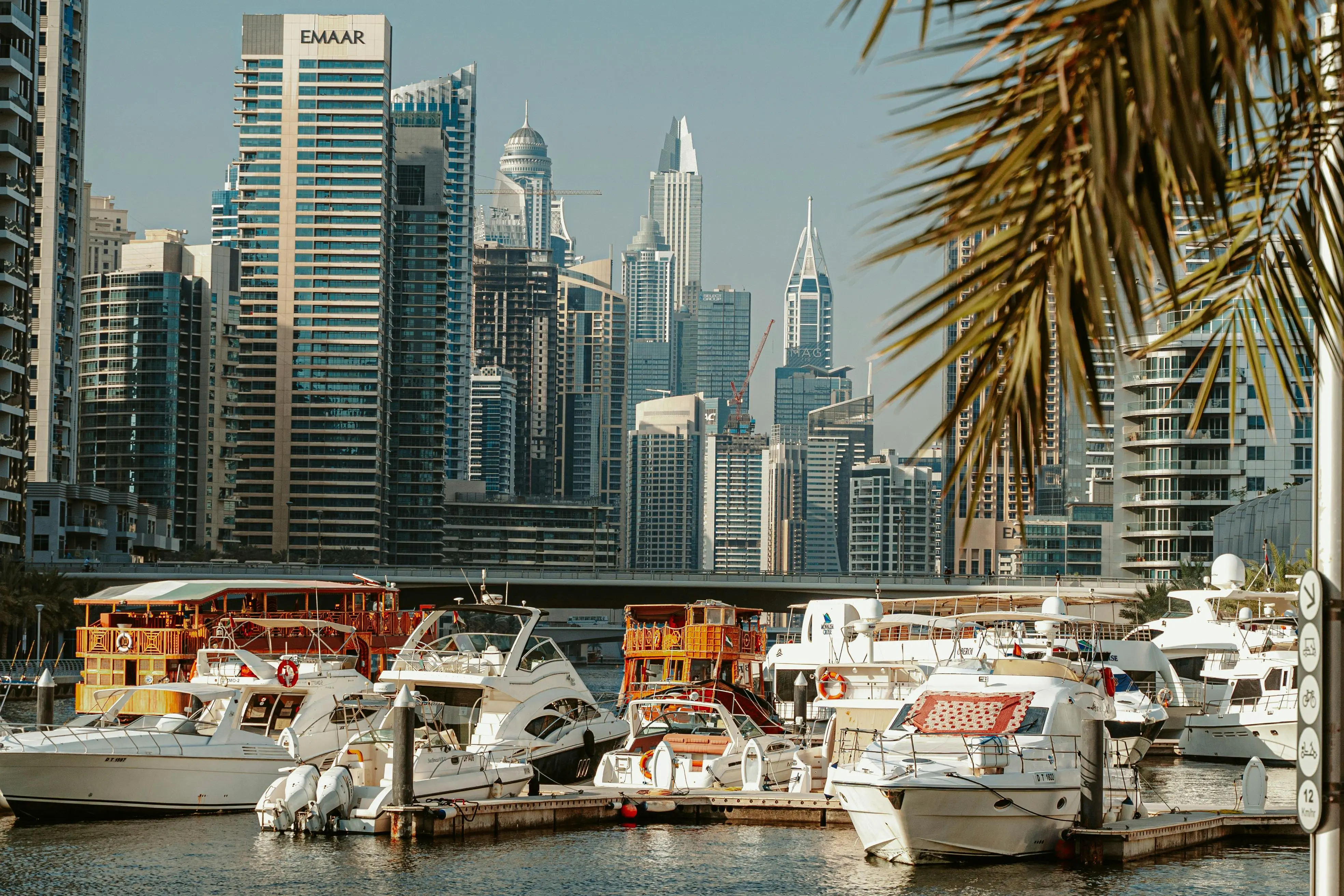
Pet owners living in Dubai Marina also benefit from waterfront walking routes. The long promenade along Marina Walk is commonly used by residents taking evening strolls with their dogs, while nearby cafés such as Common Grounds and Friends’ Avenue Café provide relaxed outdoor seating where pets are often welcome.
When searching for housing that allows pets, renters usually check several practical factors before committing to a home:
Building rules that clearly state whether pets are allowed
Nearby parks, waterfront paths, or open walking areas
Veterinary clinics and pet supply shops in the neighborhood
Cafés or outdoor restaurants that welcome animals
Community guidelines that ensure a comfortable environment for residents and pets
Exploring the surrounding area before signing a lease helps pet owners understand how easy daily life will be once they move in. Many neighborhoods across Dubai now accommodate residents with pets, making it easier to maintain routines while enjoying everything the UAE has to offer.
Daily Life in Dubai: Cafés, Parks, and Coworking Spots Near Long-Term Rentals
Settling into long term rentals in Dubai quickly becomes easier once you discover the everyday places that residents rely on. Beyond the skyline and luxury developments, the city is full of neighborhood cafés, waterfront walking routes, and quiet workspaces that make daily routines comfortable for people staying several months or longer.
Residents living near Dubai Marina often start their mornings along Marina Walk, where cafés like Common Grounds and Baker & Spice attract remote workers looking for relaxed breakfast spots with reliable Wi-Fi. Later in the day, many locals head to JBR Beach for evening walks or casual outdoor dining.
In Downtown Dubai, the daily rhythm revolves around Sheikh Mohammed bin Rashid Boulevard. Cafés such as Arabica, Toby’s Estate, and Forever Rose Café provide relaxed places to work during the day, while the nearby Dubai Opera District becomes lively in the evening with concerts and cultural events.
For residents living around City Walk, the atmosphere is slightly calmer but still energetic. Tree-lined streets, outdoor art installations, and cafés like Mythos Kouzina & Grill or Farzi Café make it easy to spend a full afternoon working remotely or meeting friends.
Popular everyday spots residents enjoy include:
Comptoir 102 – a well-known healthy café and concept store popular with freelancers
The Sum of Us – a specialty coffee shop and bakery often filled with remote workers
SEVA Table – a peaceful plant-based café with a garden courtyard in Jumeirah
Kite Beach running track – a waterfront jogging path used by residents in the mornings
Boxpark Dubai – a container-style retail district with casual restaurants and coffee shops
These local spots are part of what makes the city easy to settle into for long stays. Having reliable cafés, parks, and social spaces nearby helps residents maintain routines while exploring everything the UAE has to offer.
If you're planning to stay for several months, explore RentRemote’s curated fully furnished apartments in UAE to find fully furnished homes located near the city’s best cafés, coworking spots, and waterfront neighborhoods.
Finding the Right Long-Term Rental in Dubai
Choosing a home in Dubai becomes much easier once you understand how the rental market works and which neighborhoods best match your daily routine. From waterfront districts like Dubai Marina to creative urban hubs such as City Walk, the city provides a wide selection of housing options that suit different lifestyles, work schedules, and relocation plans.
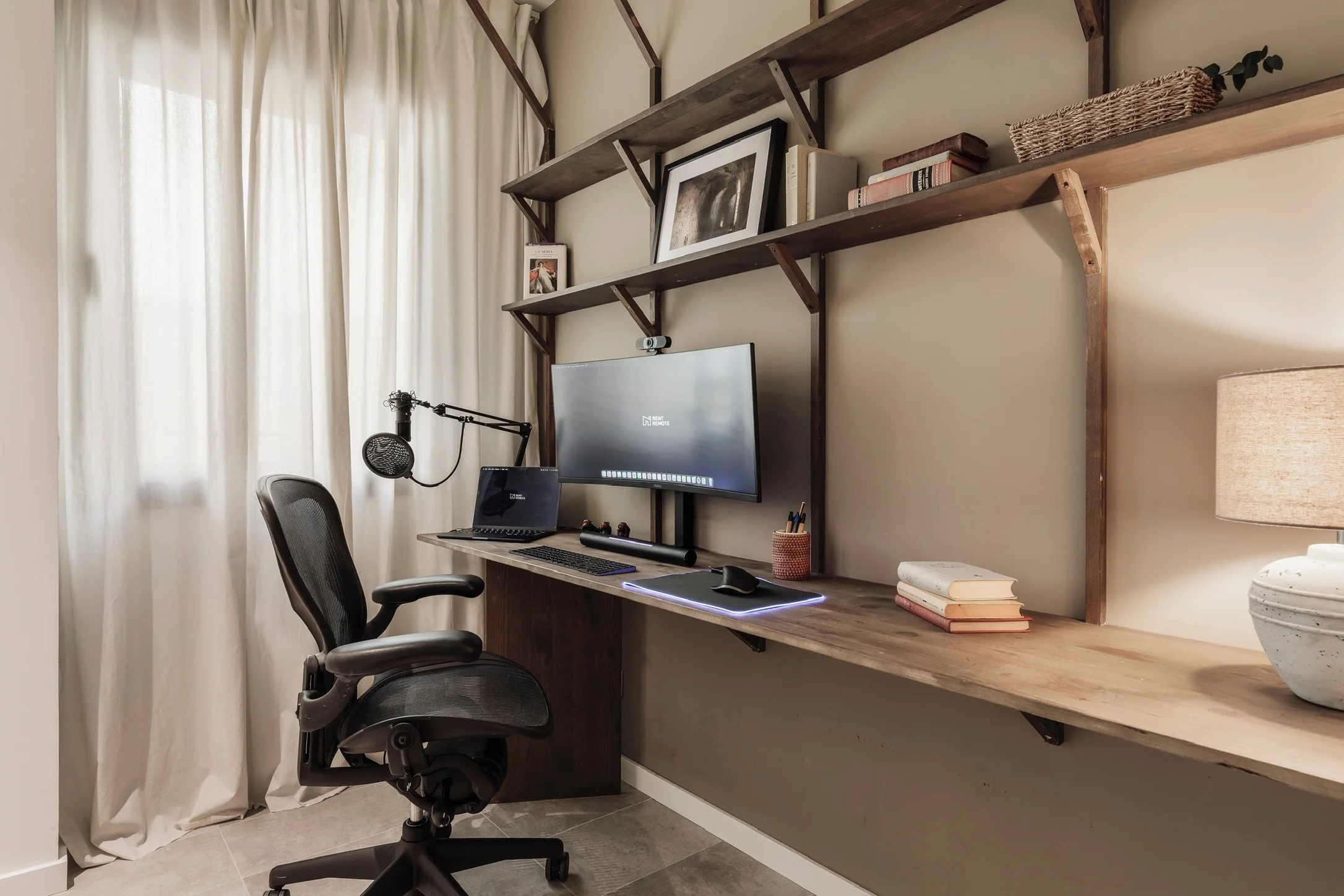
For many residents, the biggest advantage of long term rentals in Dubai is the stability they provide. Instead of moving between temporary stays, renters can settle into a home that supports everyday routines, whether that means working remotely from cafés in Downtown districts, enjoying waterfront walks near the marina, or relaxing in green spaces like Central Park in City Walk. The variety of communities across the emirates means that residents can choose environments that match their priorities, from vibrant social neighborhoods to quieter residential areas.
The housing market here continues to expand as more professionals relocate to the UAE, and Dubai offers an impressive mix of modern residential towers, waterfront communities, and family-oriented neighborhoods. Whether someone prefers a compact studio, a spacious apartment, or one of the many luxury villas, renters can usually find a property that aligns with both personal preferences and long-term plans.
Ultimately, the key to securing the right home is exploring multiple neighborhoods, reviewing verified listings, and spending time experiencing the surrounding community before signing a lease. Doing so helps ensure that the home you choose truly supports the lifestyle you want to build while living in one of the world’s most dynamic international cities.
Explore fully furnished apartments across Dubai to find long-term homes designed for remote work, relocation, and extended stays.