Sophia
Wellbeing & Living Editor ·
Dubai doesn't work on the budget formulas you brought from home. The average salary here is AED 15,700 ($4,274) per month, but that figure obscures everything — rent alone for a one bedroom apartment in the city centre runs AED 8,700, and a single person needs at least AED 17,000 monthly to live comfortably without sacrificing necessities. The cost of living has pushed Dubai to 15th place globally in Mercer's 2026 ranking, making it the most expensive city in the Middle East for expats. What you spend depends entirely on where you live and how much you're willing to compromise on proximity to the Marina.
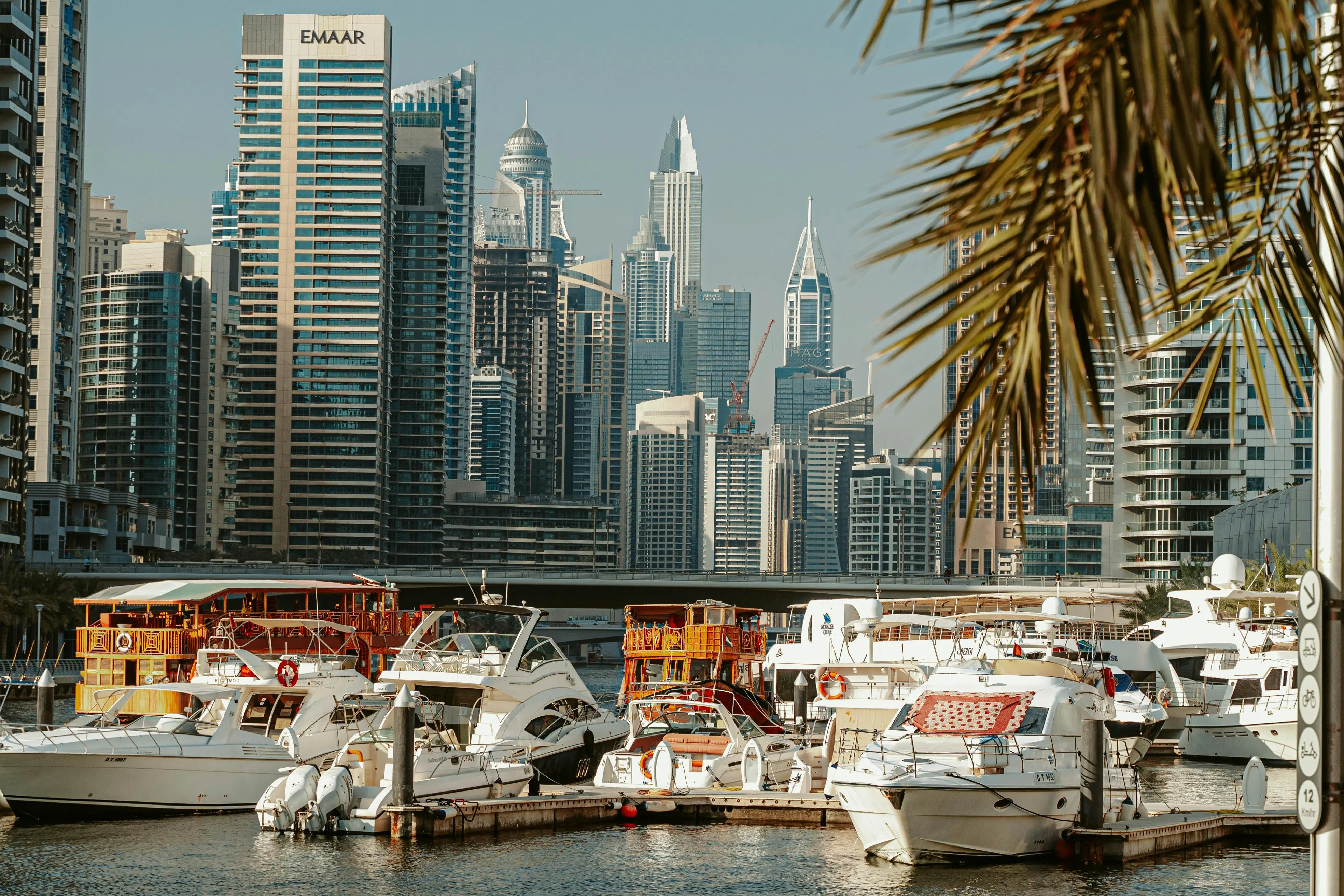
Housing costs and which neighbourhoods let you cut rent by 40% without losing infrastructure
What a single person actually spends monthly on living expenses excluding rent — and where the budget breaks
Health insurance requirements you cannot skip, including the health card discount most expats miss
How average salaries compare to rental costs, and why some professionals leave within six months
Fuel prices, transportation costs, and whether owning a car in Dubai is worth the registration fees
What lifestyle you can afford on different salary bands — from AED 17,000 to AED 30,000 monthly
What Does Living in Dubai Actually Cost Per Month?
A single person in Dubai spends AED 4,150 monthly on living expenses excluding rent — groceries run AED 800–1,200, utilities add AED 600–1,500 depending on how much air conditioning you need in August, and the 5% VAT quietly inflates every restaurant bill. A family of four hits AED 14,524 in monthly expenses before rent, and rent is always the major expense that determines whether your current salary lets you save anything.
Property prices have climbed for 22 consecutive quarters, and rental prices jumped 29% for apartments in 2025 alone. The overall cost isn't just high — it's structured to punish anyone who picks the wrong neighbourhood.
Quick Summary:
A two-bedroom in JLT costs approximately AED 95,000 annually versus AED 130,000 in Marina — the 10-minute walk to the beach costs AED 35,000 per year.
Rent in Dubai Marina matches Manhattan prices at $2,800 for a one-bedroom, while other cities like Abu Dhabi offer similar apartments for $1,900 just 90 minutes away.
Jumeirah Lakes Towers offers a strategic location between Media City and Marina — you're 8 minutes from either metro station, which beats living deeper in JLT.
Monthly Expenses for a Single Person
Most remote workers underestimate how quickly the small purchases add up — coffee shop sessions, weekend brunches, the monthly pass for the Metro that you'll use less than you think.
The cost of living in Dubai sits roughly 30% higher than Lisbon but 15% lower than London — which matters when you're negotiating a relocation package.
Groceries: AED 800–1,200/month at Carrefour or Spinneys — imported products cost double what they did in your home country
Utilities (electricity, water, cooling): AED 600–1,500/month for a one bedroom — summer months push you toward the upper limit
Internet and mobile: AED 300–500/month with Etisalat or du — slower plans exist but remote work kills them in three days
Basic dining and entertainment: AED 1,000–2,000/month if you cook half the time — less if you ignore the luxury lifestyle marketing
The AED 4,150 average only works if you cook most meals and skip the weekend brunches that every expat says they'll avoid but never do.

How Rent Dominates Your Budget
Rent consumes 30% of total monthly expenses for most residents — but in reality, it's closer to 50% if your salary sits below AED 20,000.
One bedroom apartment in city centre: AED 8,700/month average — Downtown Dubai and Dubai Marina push this to AED 13,000
One bedroom outside city centre: AED 5,366/month in areas like International City or Discovery Gardens — you'll spend the savings on transportation
Annual rent range: AED 30,000–160,000 depending on whether you're in Palm Jumeirah or a neighbourhood that doesn't appear in tourist photos
Rent increases: 28–29% year-over-year in 2025 — landlords here don't negotiate down
If rent takes more than half your monthly salary, you're either overpaying for location or underearning for Dubai — both problems require a move.
Food and Daily Living Costs
Cooking at home is the only way to keep a food budget under AED 1,200 — eating out three times a week pushes you past AED 2,000 before you notice.
Meal at an inexpensive restaurant: AED 35–50 at local spots like Zaroob — double that in Dubai Marina
Mid-range restaurant dinner for two: AED 250–400 including drinks — this is where monthly expenses break budgets
Groceries for a couple: AED 1,500–2,500/month at Lulu Hypermarket — buying imported products instead of regional brands adds 40%
Coffee at a decent café: AED 18–25 at Tom & Serg — laptop-friendly places charge more
A couple spending AED 2,500 on food isn't living extravagantly — that's the cost of eating normal meals without cooking every single one.
Housing Costs: Where You Live Changes What You Spend
The average rent in Dubai tells you nothing useful — what matters is whether you're paying AED 5,000 in Discovery Gardens or AED 13,000 in Marina, because everything else in your budget adjusts around that anchor. Rental costs increased 29% in 2025, and landlords in prime locations aren't absorbing any of that pressure. A one bedroom apartment outside the city centre runs AED 5,366 monthly, but "outside the city centre" can mean a 45-minute Metro commute that turns your cheap rent into expensive time loss. Housing is the largest expense for every expat, and picking the wrong area costs you twice — once in rent, once in transportation to get anywhere that matters.
Rental Prices by Neighbourhood
Your monthly rent determines your lifestyle more than your salary does — overpay by AED 3,000 and you'll never save enough to leave.
Jumeirah Lakes Towers: AED 6,500–8,500/month for a one bedroom — Metro access, coworking spaces within walking distance, louder than you expect on weekends
Dubai Marina: AED 10,000–13,000/month for the same space — you're paying for proximity to waterfront cafés you'll use twice
Downtown Dubai: AED 11,000–15,000/month near Burj Khalifa — this is where tourists think everyone lives
International City: AED 2,500–4,000/month for a one bedroom — rent is low because nothing else is nearby
Jumeirah Lakes Towers works for most remote workers because the rent sits between cheap and absurd, and you're not sacrificing 90 minutes a day to transportation.
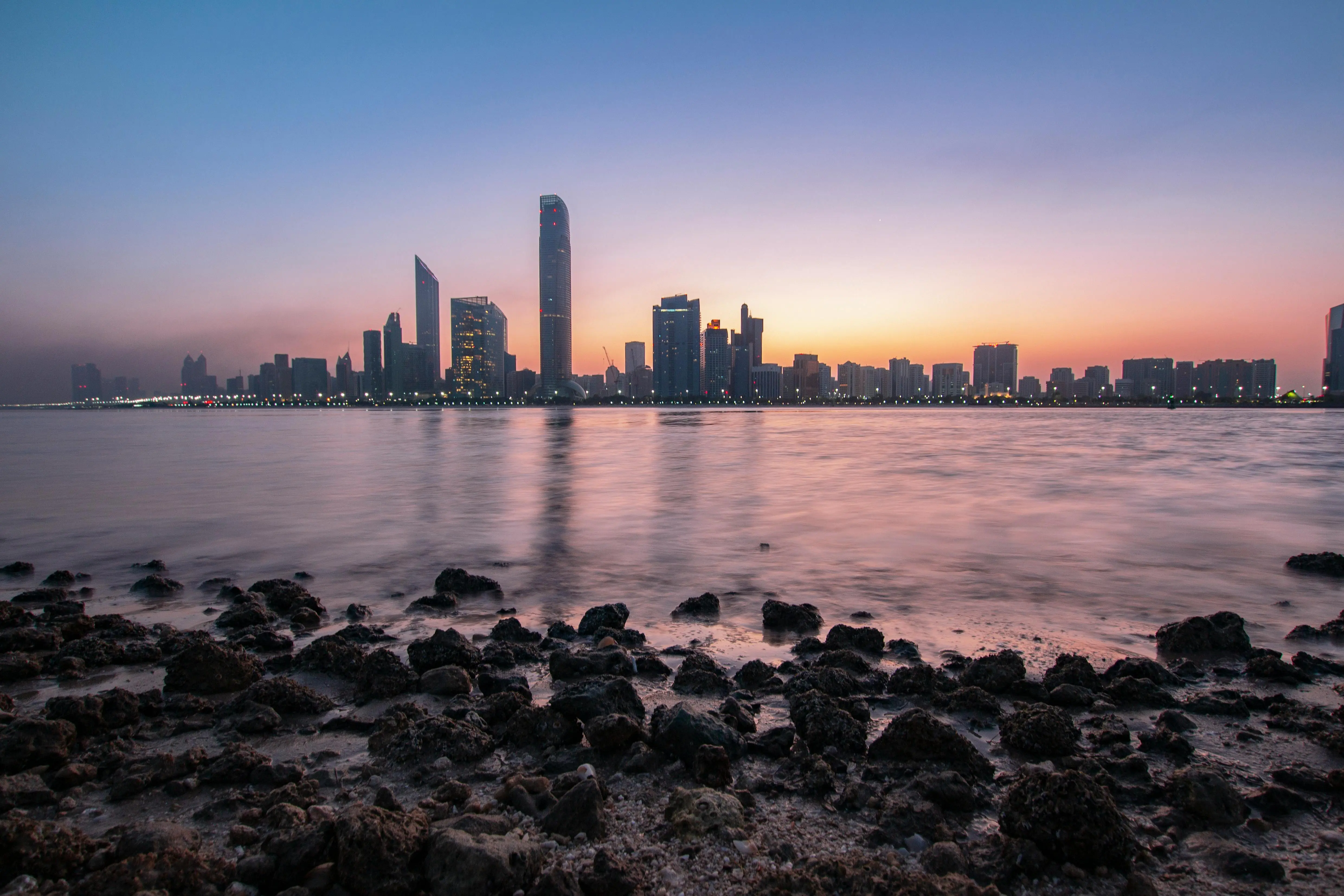
What Annual Rent Actually Looks Like
Dubai landlords expect annual rent paid upfront or in one to four cheques — the system penalises anyone without savings to cover six months at once.
One bedroom annual range: AED 30,000–160,000 depending on location — Palm Jumeirah is the high end, suburbs are the low
Two bedroom in mid-tier areas: AED 70,000–100,000/year in Business Bay or Barsha Heights
Studio apartments: AED 35,000–60,000/year in areas like Silicon Oasis — these work if you're testing Dubai for three months
Furnished apartments: Add 15–25% to base rent through platforms like RentRemote — worth it if you're skipping the furniture market
Paying AED 30,000 annually in one cheque saves you money compared to splitting it into four payments — landlords here reward cash flow over flexibility.
Neighbourhood | Monthly Rent (1BR) | Vibe | Best For | Key Advantage |
|---|---|---|---|---|
Jumeirah Lakes Towers | AED 6,500–8,500 | Mid-density, Metro-connected | Remote workers needing infrastructure | Balance between cost and access |
Dubai Marina | AED 10,000–13,000 | Waterfront, tourist-heavy | High earners prioritising lifestyle | Walking distance to everything |
Downtown Dubai | AED 11,000–15,000 | Iconic, expensive | Short-term stays or corporate roles | You're living in the postcard |
International City | AED 2,500–4,000 | Budget, isolated | Saving aggressively or testing Dubai | Cheapest rent in the emirate |
Business Bay | AED 7,000–9,500 | Corporate, well-connected | Hybrid workers with office commutes | Metro and major roads intersect here |
How Property Prices Affect Rental Markets
Property prices in Dubai have increased for 22 consecutive quarters — and every quarter pushes landlords to raise rents because they can.
Average price per square foot: AED 1,400–2,200 in mid-tier neighbourhoods — Palm Jumeirah exceeds AED 3,000
Investment pressure: Owners who bought in 2021 are recouping costs through higher rental prices
Rent hikes: 29% for apartments in 2025 — this isn't slowing down in 2026
Supply and demand: New developments in Dubai South haven't lowered rents because they're too far from where people work
If you're planning a permanent move, assume rent will increase another 15–20% within two years — budget for that now or you'll be forced to move neighbourhoods later. Explore Dubai neighborhoods on RentRemote's neighborhood guide to know what areas would make for the perfect locations to live in.
Health Insurance and Medical Costs You Cannot Avoid
Health insurance is mandatory for all expats living in Dubai — you cannot get a residence visa without it, and the cost varies wildly based on whether your employer covers it or you're buying a policy yourself. The Essential Benefits Plan starts at AED 500–700 annually for those earning under AED 4,000 monthly, but most remote workers need coverage that costs AED 3,000–8,000 per year. A health card from Dubai Health Authority gives you 50% off public healthcare for AED 100 annually, but you still need private healthcare insurance to meet visa requirements. Medical costs without insurance are high enough that a single emergency room visit can erase two months of savings.
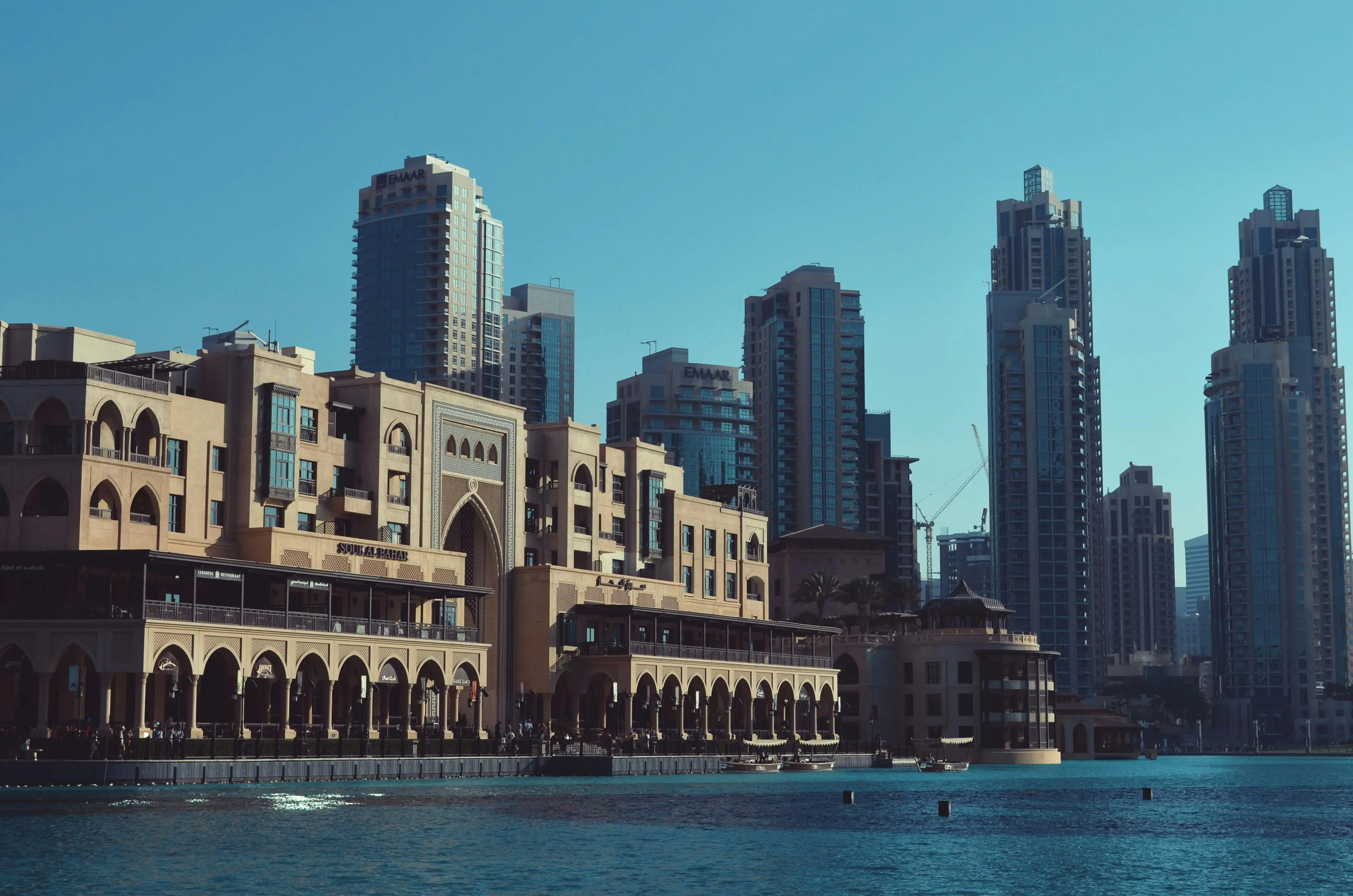
Living expenses in Dubai require budgeting AED 7,000 annually for basic health insurance — employers cover this, but freelancers pay out of pocket.
Mandatory Health Insurance Requirements
Every expat needs healthcare insurance before they receive a residence visa — this isn't optional, and buying the cheapest plan often leaves you underinsured when something breaks.
Essential Benefits Plan: AED 500–700/year for basic coverage — only works if you earn under AED 4,000 monthly and rarely get sick
Standard individual plans: AED 3,000–8,000/year with providers like Daman or Cigna — covers most clinics but limits specialist access
Family coverage: AED 10,000–20,000/year depending on family size and coverage limits — school fees for children add another layer
Employer-sponsored plans: Many companies cover this, but freelancers and remote workers on their own visas pay out of pocket
If your employer doesn't cover health insurance, budget at least AED 5,000 annually for a plan that won't force you into public hospitals for routine care.
How the Health Card Works
The Dubai Health Authority health card costs AED 100 for one year and cuts public healthcare costs in half — but public hospitals are slower, and most expats still need private insurance to meet visa rules.
Cost: AED 100/year for the card, renewed annually at DHA health centres
Discount: 50% off consultations, diagnostics, and prescriptions at public facilities
Limitations: Doesn't replace mandatory private healthcare insurance — it's supplemental
Best for: Routine check-ups and minor issues where waiting an extra hour doesn't matter
Most expats get the health card and never use it because private clinics are faster — but it's worth the AED 100 if you're stretching a tight budget.
What You Pay Out of Pocket
Even with insurance, co-pays and exclusions mean you'll spend AED 500–2,000 annually on medical costs your policy won't cover.
General practitioner visit: AED 200–400 at private clinics like Medcare without insurance
Specialist consultation: AED 500–800 per visit — insurance often requires GP referrals first
Prescription medications: AED 50–300 depending on whether it's generic or imported — some insurance plans exclude prescriptions entirely
Dental and vision: Usually excluded from basic plans — budget AED 1,000–3,000/year if you need either
Health insurance keeps a hospital visit from bankrupting you, but it won't cover everything — anyone with chronic conditions should read policy exclusions twice before signing.
Average Salary vs. What It Takes to Live Comfortably
The average salary in Dubai is AED 15,700 per month, but that figure includes everyone from hotel staff to cyber security engineers earning AED 54,000 annually. A single person needs at least AED 17,000 monthly to live comfortably — covering rent in a decent area, utilities, food, and enough left over to save something. A family needs AED 25,000–30,000 to afford private schools, larger housing, and the lifestyle amenities Dubai markets to expats. Pharmacists here earn around AED 61,500 annually, which works out to AED 5,125 monthly — not enough to cover rent and expenses in Marina or Downtown. The salary you negotiate before moving matters more than the cost of living guides suggest, because rent alone can consume 50% of your pay if you're not strategic.
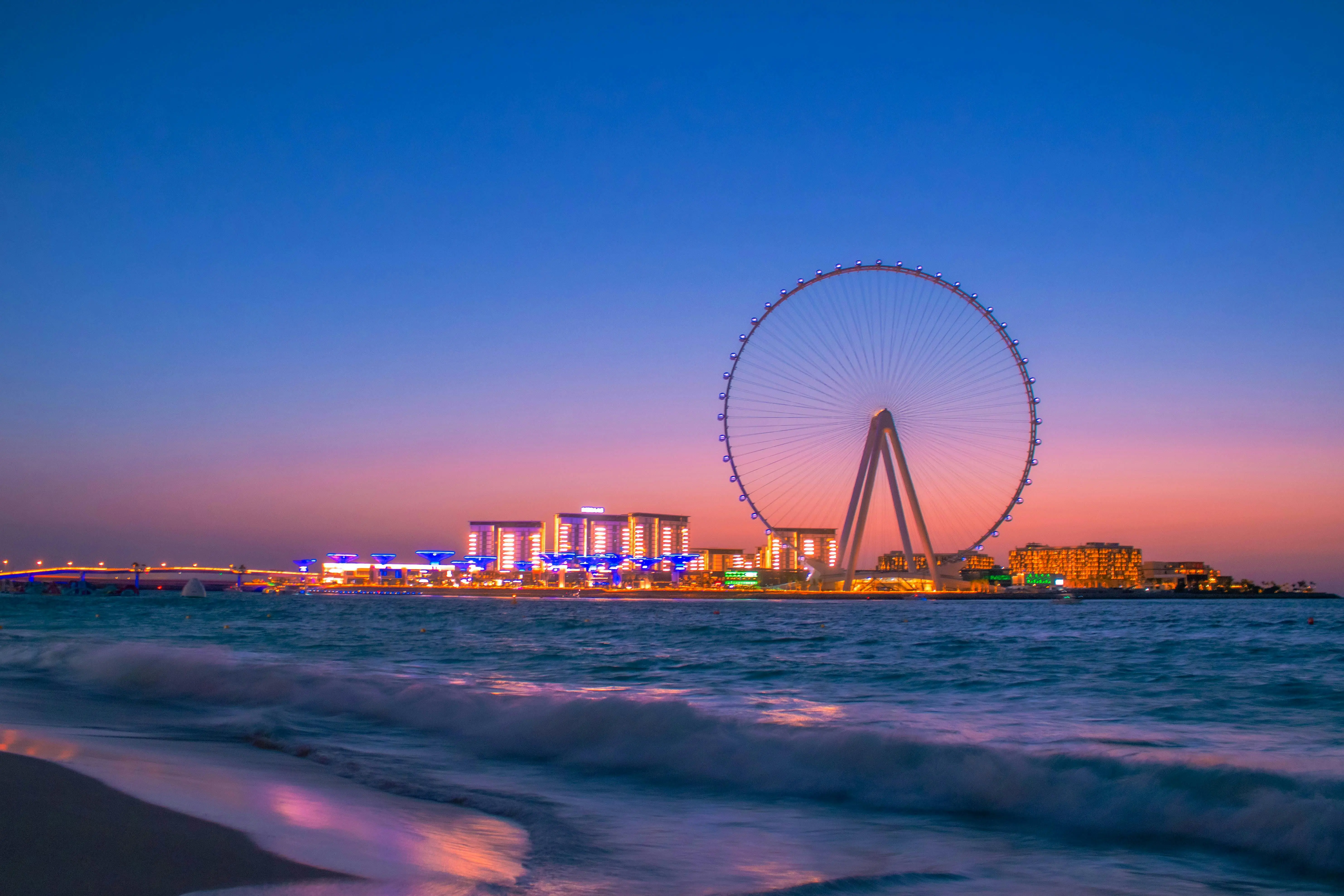
What Different Salary Levels Actually Buy You
Your monthly salary in Dubai determines whether you're saving money or bleeding it slowly into rent and groceries.
AED 10,000–15,000/month: Shared accommodation or a studio in outer areas like Discovery Gardens — no savings, tight food budget
AED 17,000–22,000/month: One bedroom in Jumeirah Lakes Towers or Business Bay, occasional dining out, small monthly savings possible
AED 25,000–30,000/month: One bedroom in Marina or a two bedroom in mid-tier areas, comfortable lifestyle without luxury, consistent savings
AED 40,000+/month: Downtown living, frequent travel, luxury shopping — this is where the world class amenities marketing actually applies
Most remote workers earning under AED 20,000 monthly either live with roommates or accept a longer commute to afford rent — there's no middle path in Dubai's rental market.
How Salaries Compare to Other Major Cities
Dubai's average monthly cost for a single person is AED 4,150 excluding rent, which is higher than Hong Kong at AED 3,959 but lower than Singapore at AED 4,253 — but rent is where Dubai compare turns brutal.
Dubai one bedroom city centre rent: AED 8,700 vs. Hong Kong AED 8,120 and Singapore AED 9,982 — similar but Dubai offers less public infrastructure
Average salary comparison: AED 15,700 in Dubai vs. higher averages in Singapore and Hong Kong — but tax-free income here changes the math
Expensive city ranking: Dubai moved to 15th globally in 2026, up from 18th — cost is rising faster than salaries
Value proposition: Other major cities have better public transportation and healthcare — Dubai makes you pay for both privately
Dubai offers tax-free income, but if your current salary doesn't increase by 30% when you move here, you'll earn more but keep less after rent and mandatory costs.
What You Need to Live Comfortably
A comfortable life in Dubai starts at AED 17,000 monthly for a single person and AED 25,000 for a couple — anything below that and you're making trade-offs every month.
Single person baseline: AED 17,000 covers rent (AED 7,000–8,000), food (AED 1,200), utilities (AED 1,000), transport (AED 800), health insurance (AED 400), savings (AED 2,000)
Couple baseline: AED 25,000 covers a larger apartment (AED 9,000–11,000), shared groceries (AED 2,000), utilities (AED 1,500), two Metro passes (AED 600), occasional dining (AED 2,000)
Family baseline: AED 30,000+ once you add school fees (AED 25,000–60,000 annually at private schools), larger housing, and higher food costs
Decent life threshold: Below AED 15,000 monthly, you're not living in Dubai — you're surviving it until something better opens
If your salary doesn't leave AED 2,000–3,000 monthly for savings, you're one rent increase or medical bill away from needing to leave the United Arab Emirates entirely.
Healthcare and Insurance: The Major Expense Nobody Warns You About
Healthcare insurance isn't optional in Dubai — it's legally required, and if you think you can skip it or go minimal, the first medical bill will correct that assumption fast.
Mandatory Health Insurance Costs
Every resident must have health insurance within 90 days of arrival, and the cheapest legal plans barely cover anything beyond emergencies.
Essential Benefits Plan: AED 600–800 annually — covers basic emergency care only, no outpatient visits, no dental, no prescriptions
Mid-tier plans: AED 3,000–6,000 annually — covers general practitioner visits, limited specialist access, still excludes dental and optical
Comprehensive plans: AED 8,000–15,000 annually — covers most procedures, includes outpatient care, dental caps at AED 1,000–2,000
Family coverage: Add AED 5,000–10,000 per dependent — school fees often require proof of healthcare insurance before enrollment
Most employers provide basic health card coverage, but if you're self-employed or remote, budget AED 500/month minimum for a plan that actually functions when you need it.
Out-of-Pocket Medical Costs
Even with insurance, you'll pay for things your plan doesn't cover — and Dubai's private healthcare system prices everything like luxury goods.
GP consultation: AED 300–500 without insurance, AED 50–100 copay with mid-tier plans
Specialist visit: AED 600–1,200 per appointment — many insurance plans require GP referrals first, adding time and cost
Prescription medications: AED 200–800 monthly for chronic conditions — imported products cost 3–4x what you'd pay in your home country
Dental cleaning: AED 400–600 not covered by most health insurance — crowns and root canals run AED 2,000–5,000
If you have ongoing medical needs, add AED 1,000–2,000 monthly to your budget beyond insurance premiums — healthcare is where living in Dubai gets expensive fast.
Comparing Dubai to Abu Dhabi Healthcare
Abu Dhabi enforces stricter insurance regulations and has better public healthcare infrastructure, which affects what you actually pay.
Insurance mandates: Abu Dhabi requires higher minimum coverage than Dubai — your Essential Benefits Plan won't transfer
Public hospitals: Abu Dhabi residents access better subsidized care through health card systems — Dubai's public hospitals have longer waits and fewer expat slots
Average cost difference: Healthcare insurance in Abu Dhabi runs AED 1,000–2,000 more annually for equivalent coverage — but better network access
Cross-emirate care: Your Dubai health insurance works in Abu Dhabi, but network hospitals differ — check before you assume coverage
If medical access matters more than nightlife, Abu Dhabi's healthcare system is less fragmented — Dubai makes you navigate private networks entirely on your own.
Food, Transportation, and Daily Spend: Where Your Money Actually Goes
Rent dominates your budget, but it's the daily micro-costs — groceries, fuel, parking, coffee — that reveal whether your salary supports life in Dubai or just funds existence here.
Quick Summary:
The average price for lunch in DIFC is AED 75 versus AED 35 in Deira — choosing where you eat daily changes your monthly spend by AED 800.
Business Bay's strategic location puts you 12 minutes from DIFC and 18 from Airport — but Uber costs AED 35 during peak hours versus AED 22 off-peak.
Your cost of living drops significantly if you cook at home — Carrefour in Marina Mall charges AED 15 for chicken breast versus AED 85 for a restaurant main.
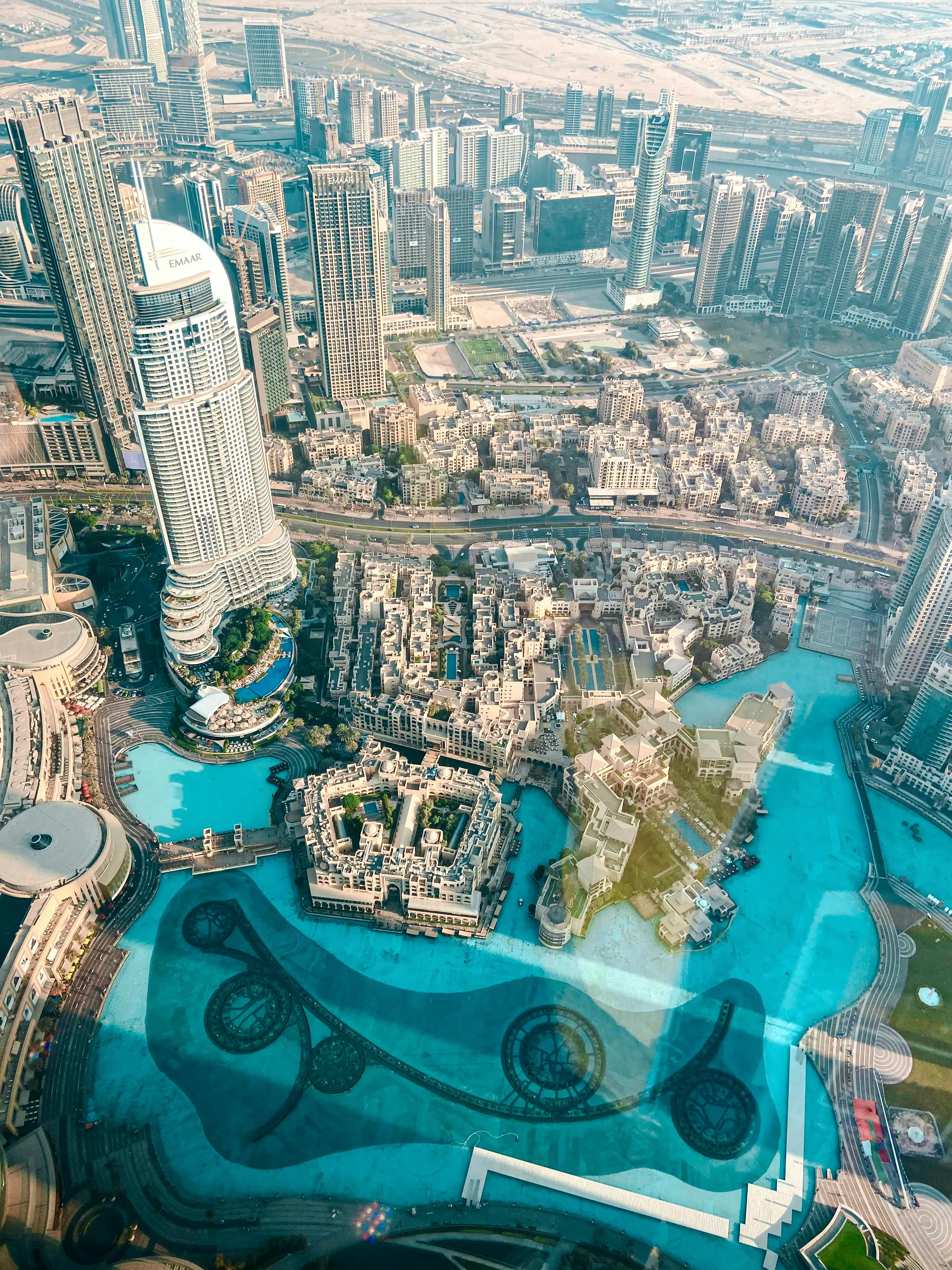
Grocery and Food Costs
Eating at home costs less than other global hub cities, but imported products and Western brands inflate your shopping bill fast.
Weekly groceries for one: AED 250–400 at Carrefour or Lulu Hypermarket — local produce is cheap, anything imported doubles the price
Meal at inexpensive restaurant: AED 35–50 — go to Ravi Restaurant in Satwa for AED 25 biryani that feeds two people
Mid-range dinner for two: AED 250–400 at places like Zaroob in City Walk — alcohol adds AED 100–200 to any meal
Coffee: AED 18–25 at chains, AED 12–15 at independent spots like The Sum of Us in Al Quoz
A single person eating out 3–4 times weekly spends AED 1,500–2,000 monthly on food — cook at home or accept that dining out here costs what rent does in cheaper cities.
Fuel Prices and Car Ownership Costs
Public transportation exists but doesn't reach everywhere that matters — most people who stay longer than six months end up buying or leasing a car.
Fuel prices: AED 3.07/liter as of early 2025 — filling a mid-size sedan costs AED 150–180, budget AED 400–600 monthly for regular commuting
Car lease: AED 1,200–1,800/month for a decent sedan through Diamond Lease — includes insurance and maintenance
Parking: AED 200–500/month in residential areas, AED 10–20/hour in city centre commercial zones — parking apps like RTA Dubai Drive are mandatory
Salik toll gates: AED 5 per crossing, adds AED 100–300 monthly if your commute crosses Sheikh Zayed Road or Al Garhoud Bridge
Transportation costs run AED 2,000–3,000 monthly if you own or lease — fuel prices are low compared to Europe, but insurance, parking, and tolls erase that advantage.
Public Transportation and Metro Costs
The Metro works if you live and work along the Red or Green Line — everywhere else requires taxis or ride-hailing that adds up faster than you expect.
Monthly pass: AED 350 for unlimited Metro and bus travel — works if your apartment and office are both within 10 minutes of stations
Single Metro trip: AED 4–8 depending on zones — Marina to Downtown Dubai costs AED 6
Uber/Careem average trip: AED 25–50 for cross-neighborhood rides — budget AED 800–1,200 monthly if you rely on ride-hailing for errands
Public transportation limits: No Metro to Dubai Marina beach areas, Palm Jumeirah, or Jumeirah Beach neighborhoods — taxis become mandatory
A monthly pass saves money only if your life fits the Metro map — most remote workers spend AED 500–800 monthly on mixed Metro and taxi use.
Lifestyle Amenities and Entertainment Costs
Dubai offers world class amenities, but accessing them costs more than the lifestyle amenities marketing implies — luxury shopping and beach clubs aren't background features.
Gym membership: AED 300–800/month at chains like Fitness First, AED 1,200+ at premium spots like Warehouse Gym
Beach club day pass: AED 150–300 at Zero Gravity or Nikki Beach — includes pool access and one drink, food and additional drinks double the cost
Cinema ticket: AED 45–75 depending on format — Roxy Cinemas at City Walk charges premium for "boutique" seating
Alcohol at bars: AED 45–70 per drink in tourist areas, AED 25–40 in neighborhood spots like The Tap House in Al Quoz
Budget AED 1,500–3,000 monthly for a comfortable lifestyle that includes gym, occasional beach clubs, and weekend social activities — anything less and you're watching Netflix in your apartment most nights. Convinced that a move to Dubai is the right choice for you? Explore fully furnished apartments in Dubai curated for remote workers and expats.
Families, Schools, and Long-Term Planning: When Costs Multiply
Living in Dubai as a single person is expensive — supporting a family here requires a salary most remote work doesn't provide unless you're senior-level or freelancing at Western rates.
Dubai has no free public school system for expats — even the cheapest accredited schools like JESS Arabian Ranches charge AED 48,000, which reshapes family budgets. School fees dominate the cost of living for families — Dubai British School charges AED 65,000 annually while GEMS Modern Academy starts at AED 42,000.
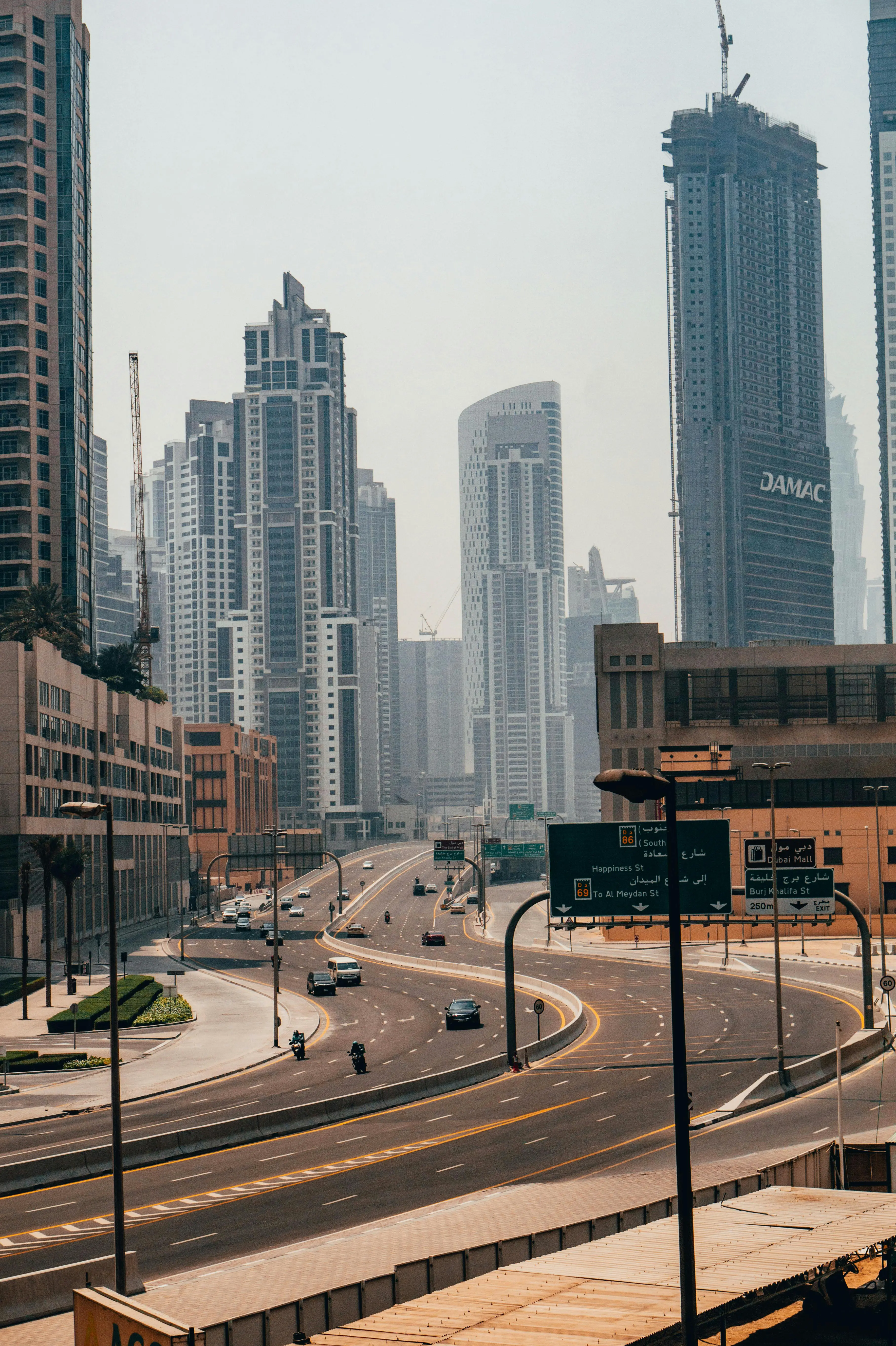
School Fees and Family Education Costs
Public schools in the United Arab Emirates serve Emirati citizens — expat families pay private school fees that rival university tuition in most countries.
Budget private schools: AED 25,000–40,000 annually per child at schools like Our Own English High School— acceptable but large class sizes
Mid-tier private schools: AED 50,000–75,000 annually at British or American curriculum schools like Jumeirah English Speaking School
Premium private schools: AED 80,000–120,000 annually at Dubai International Academy or GEMS World Academy — smaller classes, better facilities, but crushing cost
Additional fees: Registration (AED 1,000–3,000), uniforms (AED 800–1,200), school buses (AED 6,000–9,000 annually), extracurriculars (AED 3,000–8,000)
Families with two children need an additional AED 8,000–15,000 monthly just for school fees — that's separate from rent, food, and everything else.
Housing Costs for Families
A couple can squeeze into a one bedroom apartment, but once you add children, rental costs jump 50–80% and neighborhood options narrow significantly.
Two bedroom in family areas: AED 90,000–140,000 annually in Arabian Ranches or The Springs — gated communities with pools and parks
Three bedroom in mid-tier areas: AED 120,000–180,000 annually in Jumeirah Village Circle or Dubai Sports City — further from city centre but near public and private schools
Three bedroom near premium schools: AED 200,000+ annually in Dubai Hills Estate or Emirates Hills — proximity to top-tier private schools drives rental prices higher
Average rent for families: AED 11,000–16,000 monthly for housing that fits children and school proximity
Families spending under AED 150,000 annually on rent live 30–40 minutes from Downtown Dubai and accept longer commutes to afford space near decent schools.
Total Monthly Expenses for a Family
A family of four needs AED 35,000–50,000 monthly to live comfortably in Dubai — anything less and you're compromising on schools, housing, or both.
Baseline family budget: AED 35,000 covers rent (AED 12,000), school fees (AED 8,000), groceries (AED 3,500), utilities (AED 1,500), transportation (AED 2,000), healthcare insurance (AED 2,000), savings (AED 3,000)
Comfortable family lifestyle: AED 45,000–50,000 allows mid-tier private schools, occasional travel, dining out weekly, and consistent savings
Family size impact: Each additional child adds AED 5,000–10,000 monthly once you factor school fees, food, activities, and larger housing needs
Single-income families: Rare in Dubai unless one salary exceeds AED 50,000 monthly — most families require dual incomes to maintain a good life
If your household income is under AED 40,000 monthly, raising children in Dubai means sacrificing savings, travel, or school quality — there's no way to cut corners on all three.
Practical Costs and Hidden Fees: What the Salary Calculators Don't Show
The overall cost of living in Dubai includes dozens of small mandatory fees that don't appear in cost of living calculators but drain your account every month. Living expenses in Dubai include hidden DEWA deposits of AED 2,000 for apartments — they refund it when you leave, but it ties up cash for years.
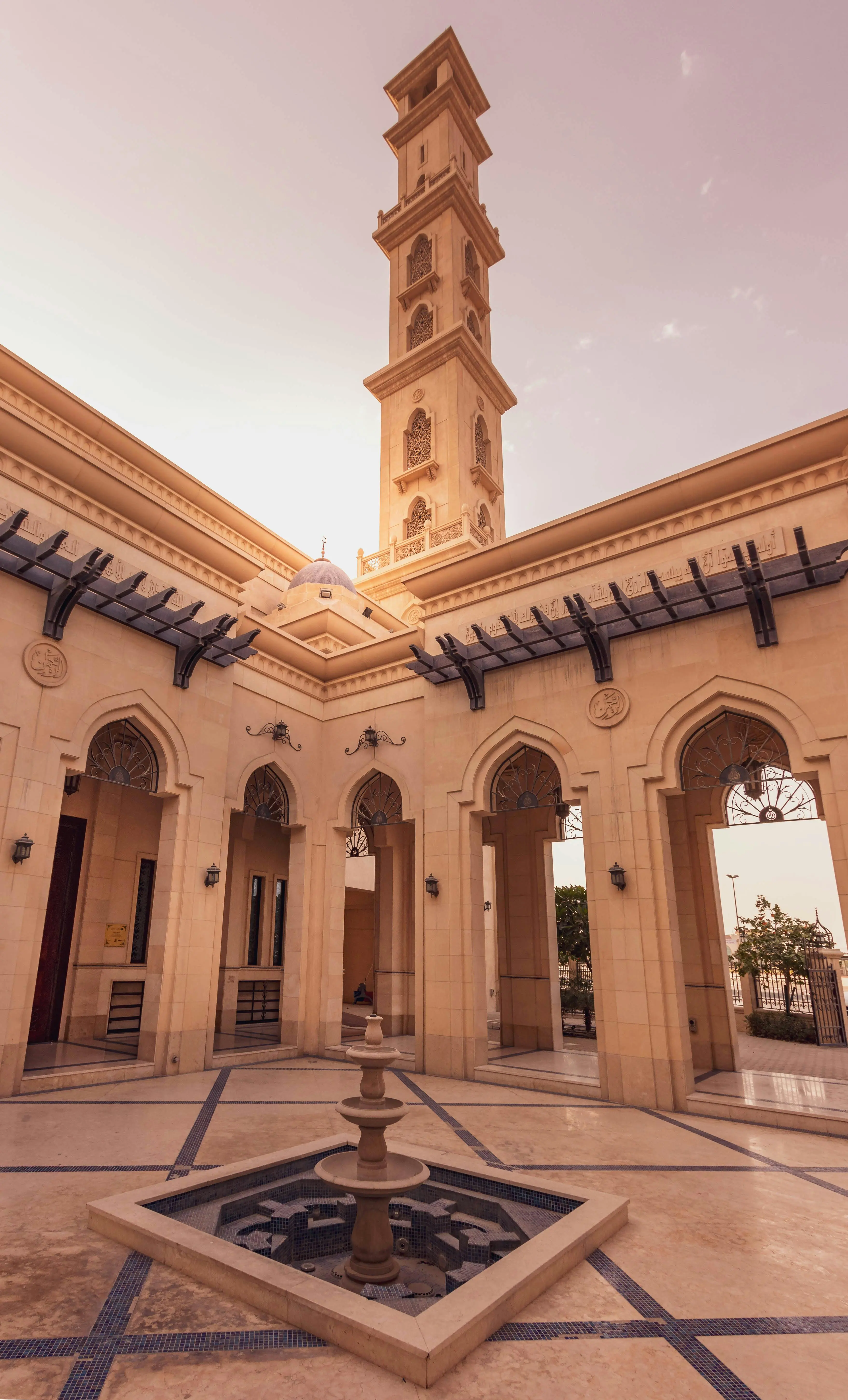
Utility Bills and Service Charges
Basic utilities in Dubai include mandatory service fees tied to property value — you can't opt out, and they rise annually.
DEWA (electricity and water): AED 500–1,200 monthly depending on apartment size and AC usage — summer months triple electricity costs
Chiller fees: AED 1–3 per square foot annually in most new buildings — adds AED 600–1,500 yearly for centralized AC
Housing fee: 5% of annual rent charged by DEWA — AED 4,000–6,000 annually for most one bedroom apartments, paid in utility bills monthly
Internet and TV: AED 350–600 monthly for packages through du or Etisalat — speeds are fast but plans are expensive
Your utility bills average AED 1,200–1,800 monthly once you include all service charges — that's separate from rent and often surprises people in their first DEWA bill.
Visa, Residency, and Renewal Costs
Your visa isn't free, and neither is keeping it active — budget for annual renewals and mandatory medical screenings.
Residence visa processing: AED 3,000–5,000 initially including Emirates ID, medical tests, and typing center fees
Annual visa renewal: AED 2,000–3,000 depending on visa type — remote worker visas and freelance permits cost more than employment visas
Medical fitness test: AED 300–500 required for every visa application and renewal — tests for infectious diseases
Permanent move planning: Budget AED 6,000–8,000 in first-year visa costs, then AED 2,500–4,000 annually for renewals
Visa costs aren't huge individually, but they recur annually and come due right when you've adjusted your budget to monthly expenses — plan for them or scramble when renewal notices arrive.
Banking, Transfers, and Money Management
Opening a bank account requires proof of salary, and transferring money internationally costs more than fintech apps promise.
Living in Dubai works financially when housing takes less than 35% of your salary — above that, you're sacrificing savings for location.
Minimum balance requirements: AED 3,000–10,000 at most banks or face AED 25–75 monthly fees — Emirates NBD and Mashreq have lower minimums
International transfer fees: AED 50–150 per transfer through banks, 1–2% through services like Wise or Western Union
Currency exchange: Better rates at Al Ansari Exchange than banks — save 1–2% on large transfers
ATM fees: Free at your bank's ATMs, AED 10–20 at other banks — most neighborhoods have multiple bank ATMs within walking distance
If you're sending money to your home country monthly, transfer fees and exchange rate margins cost AED 100–300 per transaction — factor that into your take-home calculations.
The cost of living makes sense for tax-free salaries above AED 25,000 monthly — below that, you're better off in cities with public healthcare.
Conclusion: Who Dubai Actually Suits and What Salary You Really Need
Dubai works if you earn AED 20,000+ monthly as a single person or AED 40,000+ as a family — anything less and you're constantly negotiating between rent, savings, and a new life that feels worth the trade-offs. The city rewards high earners with tax-free income and lifestyle amenities, but punishes everyone else with housing costs that consume 50–60% of average monthly salary. If your money goes further here than in your home country and you don't mind car dependency and privatized everything, Dubai offers a comfortable lifestyle without the grind of high-tax economies.
If you're moving for adventure rather than financial math, your savings will disappear faster than the summer heat warps your grocery budget. Browse fully furnished apartments in the United Arab Emirates and see if the rent-to-income ratio works before you book that one-way ticket.