Moving to Barcelona often begins as a lifestyle idea and quickly turns into a practical decision. The beautiful city attracts people from across the world with its Mediterranean climate, strong public infrastructure, and the promise of a more balanced life. As the Catalan capital, Barcelona stands out among major European cities for combining beach access, historic neighborhoods, and a dense metropolitan area that still feels livable day to day.
At the same time, moving to Barcelona comes with adjustments. Living in Barcelona means adapting to late meal times, competitive housing, a slower administrative system, and a city shaped by both Spanish culture and Catalan identity. Many newcomers arrive planning to stay a few months, but a significant number end up building a longer-term new life here once they settle into the rhythm of the city.
This guide focuses on the realities that matter most when relocating, including:
-
How everyday life in Barcelona actually works once you’re past the honeymoon phase
-
What housing costs and the property search look like in a competitive city center
-
How public transport and walkability shape daily routines
-
What language expectations are for non Spanish speakers navigating work and services
-
Where expats living in Barcelona tend to settle and why
-
What surprises people most about costs, culture, and bureaucracy
By the end, you’ll have a clear picture of whether Barcelona fits your priorities—and what to prepare for if you decide to make the move.
Why Moving to Barcelona Appeals Compared to Other European Cities
For many people weighing a relocation, moving to Barcelona comes down to balance. Among major European cities, it offers a rare mix of climate, lifestyle, and infrastructure that feels easier to sustain long term. While salaries may not always match those in northern capitals, the overall quality of life often tips the scale in Barcelona’s favor.
Unlike some other European cities where daily routines feel compressed by cost or pace, Barcelona allows people to live more socially, spend more time outdoors, and rely less on cars. The city’s scale also matters—it’s a big city, but not one that overwhelms newcomers once they understand how neighborhoods function.
Barcelona vs Other European Cities: What Actually Feels Different
Compared with cities like London, Paris, or Amsterdam, Barcelona stands out in a few practical ways:
-
Climate advantage: Mild winters and long summers make outdoor living part of everyday life, not a seasonal bonus
-
Lifestyle rhythm: Late meals, flexible evenings, and strong neighborhood culture shape how people structure their days
-
Affordability (relatively): While housing is expensive for Spain, Barcelona remains more accessible than many northern European capitals
-
Compact layout: You can cross large parts of the city using public transport, walking, or cycling without losing hours to commuting
These differences are often what convince people to choose Barcelona over other cities when planning a relocation within European countries.
Cost of Living vs Quality of Life Trade-Offs
Barcelona isn’t low-cost, but many newcomers feel the trade-offs are clearer than in other large cities:
-
Rent is high, especially in central neighborhoods, but daily expenses like transport and groceries remain manageable
-
Public services, including healthcare and public transportation, reduce long-term costs
-
Social life relies less on constant spending—people meet outdoors, walk, and socialize locally
For those comparing multiple European cities, Barcelona often feels like a place where you can still live comfortably without constantly chasing more money just to cover basics.
Who Barcelona Tends to Work Best For
Barcelona tends to appeal most to:
-
Remote professionals and digital nomads prioritizing lifestyle alongside work
-
People seeking an active expat life with strong social opportunities
-
Those open to adapting to language and cultural differences rather than expecting full convenience
It may feel less suitable for anyone expecting fast bureaucracy, very high local salaries, or a quiet small town pace.
Overall, Barcelona continues to attract newcomers because it offers something many large cities struggle with: a sense that work, social life, and personal time can coexist without constant trade-offs.
Living in Barcelona: What Everyday Life Really Feels Like
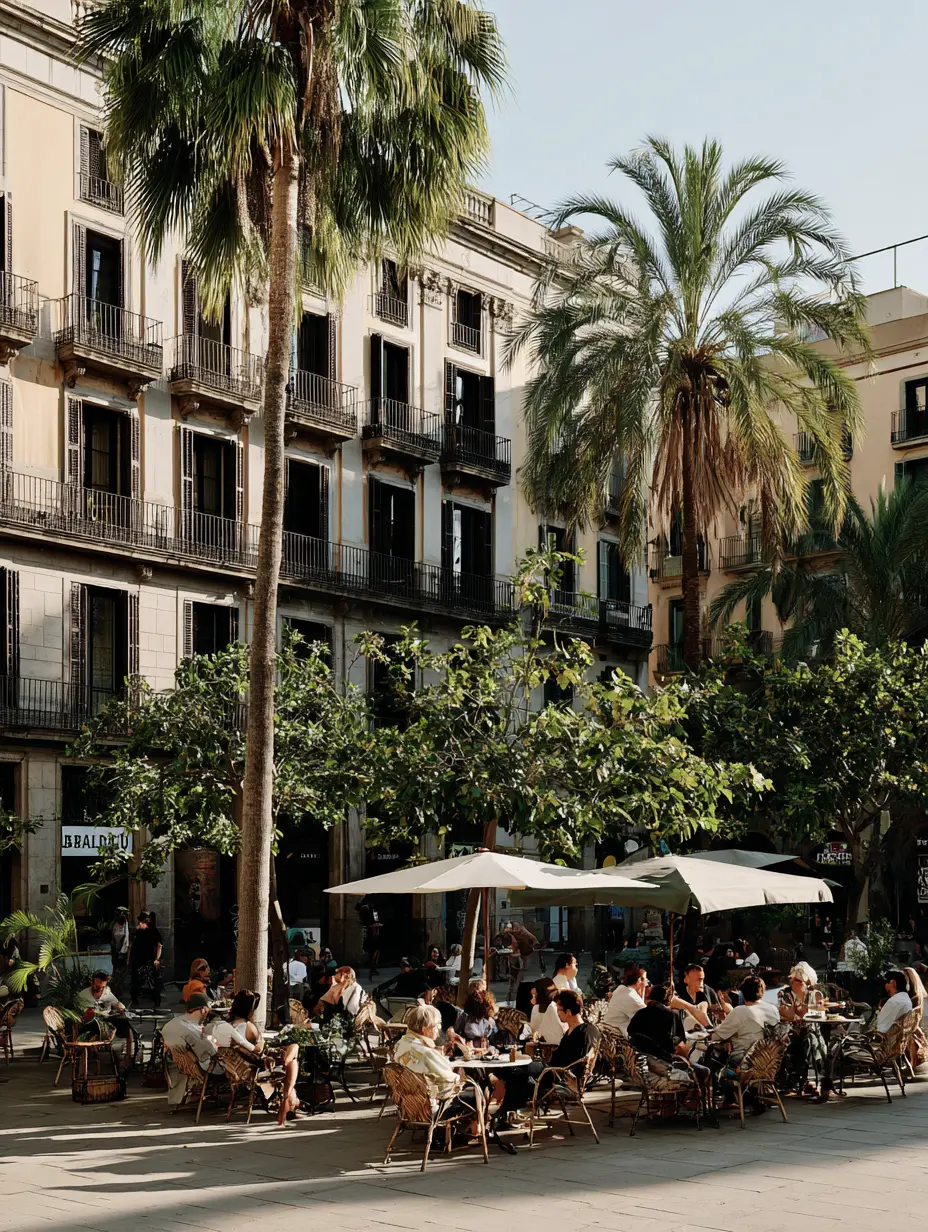
Once the logistics are out of the way, living in Barcelona becomes less about sightseeing and more about settling into routines shaped by the city’s pace, habits, and social norms. This is a place where everyday life happens mostly outdoors—on terraces, in neighborhood plazas, and along wide sidewalks lined with cafés. The rhythm can feel slow at first, especially for newcomers from faster-moving European cities, but most people adjust quickly.
Barcelona is a city that rewards flexibility. Errands take longer, plans shift, and schedules run late—but the trade-off is a lifestyle that feels more human and social once you lean into it.
Daily Rhythm, Meal Times, and Social Habits
One of the biggest adjustments when moving to Barcelona is timing. The day is structured differently than in many other cities, and locals organize their lives around food and social connection.
Here’s what a typical weekday looks like:
-
Morning: Coffee at neighborhood spots like Nomad Coffee, Right Side Coffee Bar, or Three Marks Coffee—quick, strong, and usually standing
-
Lunch: Between 2 PM and 4 PM, often a menú del día near work or home
-
Afternoon lull: Quieter streets during siesta time, especially outside the city center
-
Dinner: Rarely before 9 PM, often closer to 10 PM
-
Nightlife: Bars fill up late, clubs start around 1–2 AM and run until early morning
People tend to socialize casually and frequently. Meeting friends for a drink at places like El Xampanyet in El Born or Bar del Pla doesn’t require much planning—it’s part of normal life here.
Cost of Living and Monthly Expenses
While Barcelona isn’t cheap, the cost structure is different from many large European cities. Housing is the biggest pressure point, but other daily costs remain relatively stable.
Typical monthly expenses include:
-
Rent: High, especially in central areas; shared rooms often start around €700
-
Groceries: Reasonable if you shop locally at Mercadona, Bonpreu, or neighborhood produce stores
-
Utilities: Often higher than expected due to older buildings and insulation issues
-
Transport: Affordable compared to car-dependent cities
Most people find that a monthly budget between €1,300 and €2,150 allows them to live comfortably, depending on rent and lifestyle choices. Eating out frequently, especially in tourist-heavy zones, can quickly push costs higher.
Shops, Errands, and Small Daily Adjustments
Some practical details of living in Barcelona surprise newcomers:
-
Most grocery stores and shops close on Sundays, except in tourist areas
-
Small local bakeries and fruit shops often close midday
-
Services move slowly—appointments and follow-ups require patience
Neighborhood markets like Mercadona, Boqueria (for fresh produce, not daily shopping), and local panaderías become part of daily routines. Many residents plan ahead to avoid last-minute errands on closed days.
Climate and Outdoor Living
Barcelona’s mild climate shapes how people live year-round:
-
Warm summers encourage evening walks and late dinners
-
Winters are mild enough for outdoor seating and daily movement
-
Parks like Parc de la Ciutadella and beachfront promenades stay active all year
This constant outdoor presence is a big reason people stay longer than planned. Over time, living in Barcelona feels less like an experiment and more like a sustainable way to structure life.
Expat Community and Social Life: Building an Expat Life in Barcelona
One of the reasons people settle quickly after moving to Barcelona is how easy it is to connect with others. The expat community here is large, active, and constantly renewing itself, which makes social life feel accessible even during your first few months. Whether you arrive solo or with a partner, most newcomers find that meeting people happens naturally once they know where to look.
Barcelona attracts young people, creatives, professionals, and digital nomads, creating a social mix that feels open rather than insular. While friendships with locals take time, many newcomers build a solid network early on through international circles.
What Expat Life Looks Like Day to Day
Expat life in Barcelona is centered around everyday routines rather than formal events. Socializing often happens casually and frequently.
Common ways people connect:
-
After-work drinks in El Born at places like El Xampanyet or Bormuth
-
Weekend walks and picnics in Parc de la Ciutadella
-
Group workouts, beach volleyball, or sunset meetups near the waterfront
-
Coworking spaces and cafés that naturally bring people together
Many expats living in Barcelona say their social calendar fills up quickly, especially during spring and summer when most gatherings move outdoors.
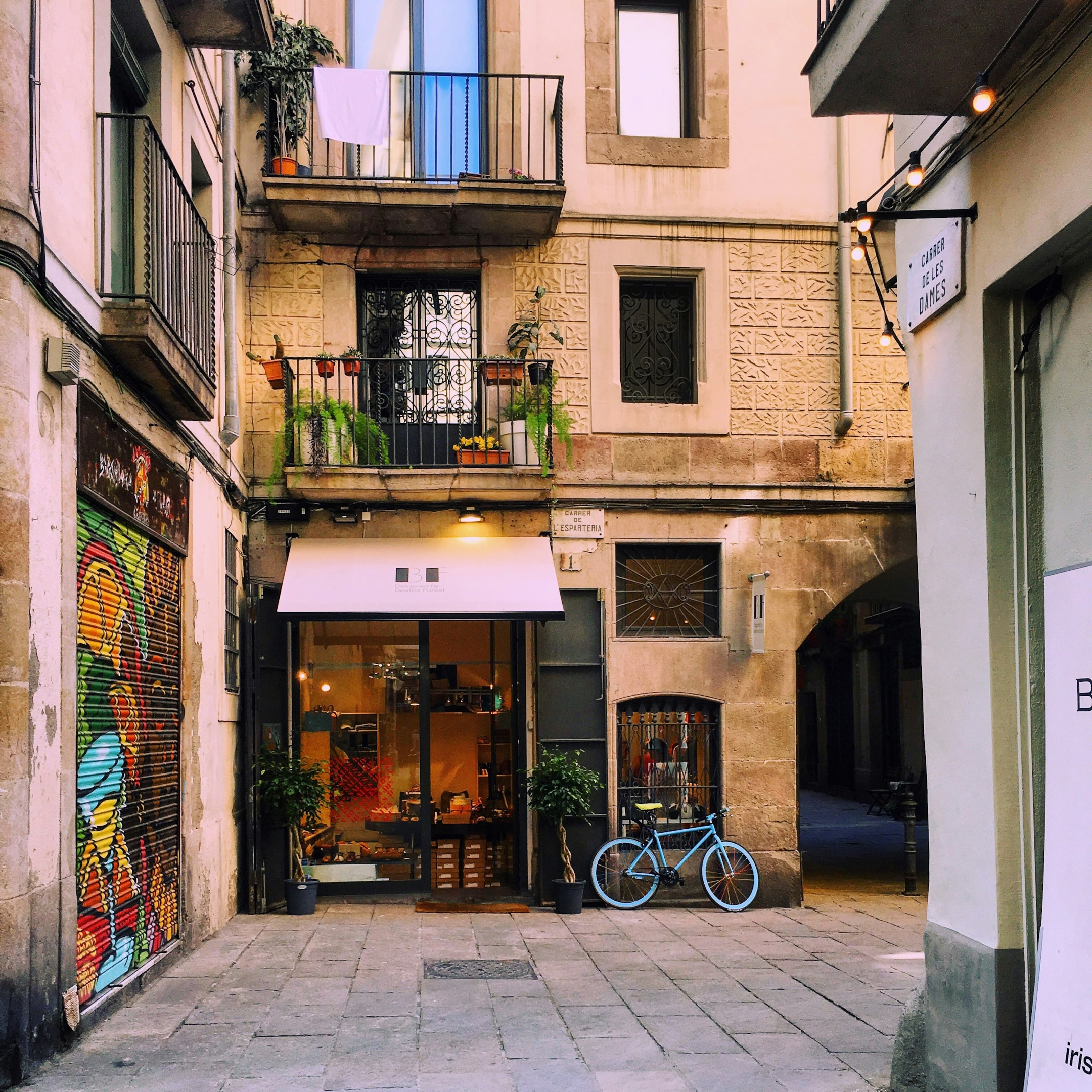
Where the Expat Community Gathers
If you’re proactive, finding your people is straightforward. Popular ways to plug in include:
-
Facebook groups focused on housing, events, and social meetups
-
Weekly social events organized through Meetup and Internations
-
Language exchanges that double as social hubs
-
Community-led gatherings in neighborhoods like Gràcia, El Born, and Eixample
Barcelona International Welcome also hosts events designed specifically to help newcomers integrate, which many other expats find useful early on.
Locals, Expats, and Social Reality
Many locals maintain long-standing social circles, which means friendships often form more slowly. As a result, the vast majority of newcomers initially socialize within the expat scene. Over time, shared interests—sports, language learning, or work—help bridge that gap.
Barcelona’s openness makes it easier than in many other cities to build a fulfilling social routine without feeling isolated. For most people, that sense of connection is what turns a temporary stay into a longer-term new life. Explore Eixample and El Born on the RentRemote neighborhood guides to Barcelona curated for remote workers and digital nomads.
Bank Account, Healthcare, and Everyday Setup in Barcelona
Once social life settles, practical setup becomes the next priority. Opening a bank account and organizing essential services are key steps toward feeling established and managing everyday life smoothly.
Opening a Bank Account in Barcelona
A local bank account makes everything easier—from paying rent to setting up utilities. While international banks exist, most residents eventually open a Spanish account.
What you’ll typically need:
-
Passport or national ID
-
NIE (foreigner identification number)
-
Proof of address or rental contract
Banks like CaixaBank, BBVA, and Sabadell are commonly used by expats. Some branches offer English-speaking staff, especially in central areas, though patience is often required during appointments.
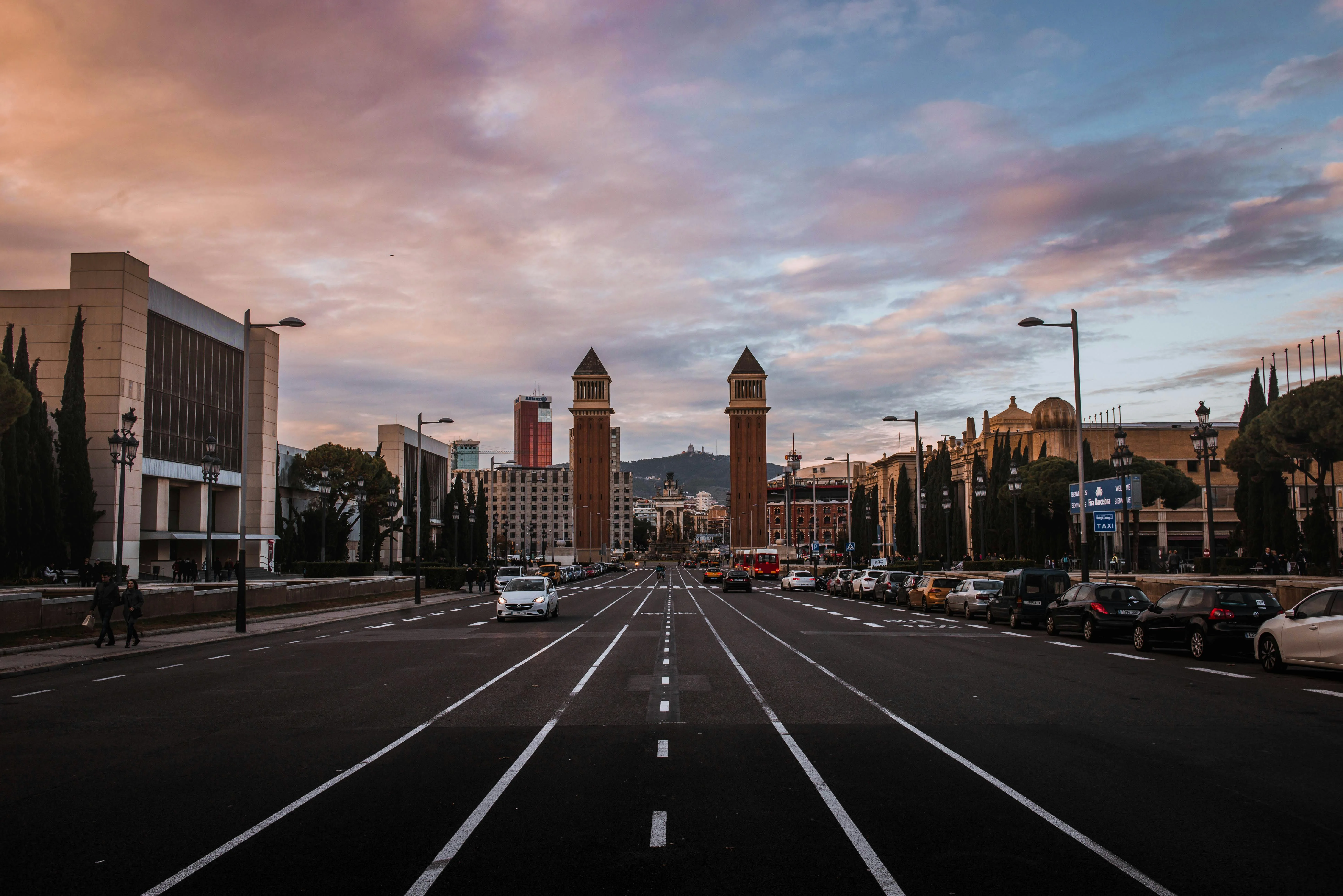
Healthcare and Public Services
Barcelona’s public healthcare system is free and generally high quality, but access requires registration with Spain’s Social Security system. Once registered, you’ll be assigned a local health center for routine care.
Important points to know:
-
Public healthcare covers most essential services
-
Private insurance is often used during the transition period
-
Registration can take time, especially during busy seasons
Families with children should note that public schools are widely available, though placement and language considerations vary by district.
Other Practical Adjustments
A few everyday details tend to surprise newcomers:
-
Many services require in-person appointments
-
Paperwork moves slowly and follow-ups are common
-
Having digital and printed copies of documents saves time
These steps may feel tedious at first, but once completed, daily logistics become far simpler. Setting up banking and healthcare is often the moment when living in Barcelona starts to feel stable rather than temporary.
Public Transport in Barcelona City: How People Actually Get Around
For anyone living in Barcelona, daily movement shapes how manageable the city feels. One of the biggest advantages of Barcelona city is that you don’t need a car to function well. The public transport network is reliable, affordable, and extensive enough to connect most neighborhoods without long commutes or complicated transfers.
Unlike many large urban centers, getting around here is predictable. Once you understand how locals combine metro, buses, and bikes, everyday life becomes far easier to manage.
Metro, Buses, and Public Transportation Costs
Barcelona’s metro system is the backbone of daily commuting. Lines run frequently, stations are well distributed, and connections between neighborhoods are straightforward.
What residents rely on most:
-
Metro (TMB): Fastest way to cross the city during peak hours
-
Buses: Useful for shorter hops and areas not directly served by metro
-
Trams: Limited coverage but reliable where available
Key cost details:
-
Single ticket: €2.40
-
Monthly passes: €20–€40, depending on age and zone
-
10-journey ticket: starts around €11.35
Stations like Passeig de Gràcia, Plaça Catalunya, and Universitat act as major transfer points, making it easy to move between central neighborhoods without detours.
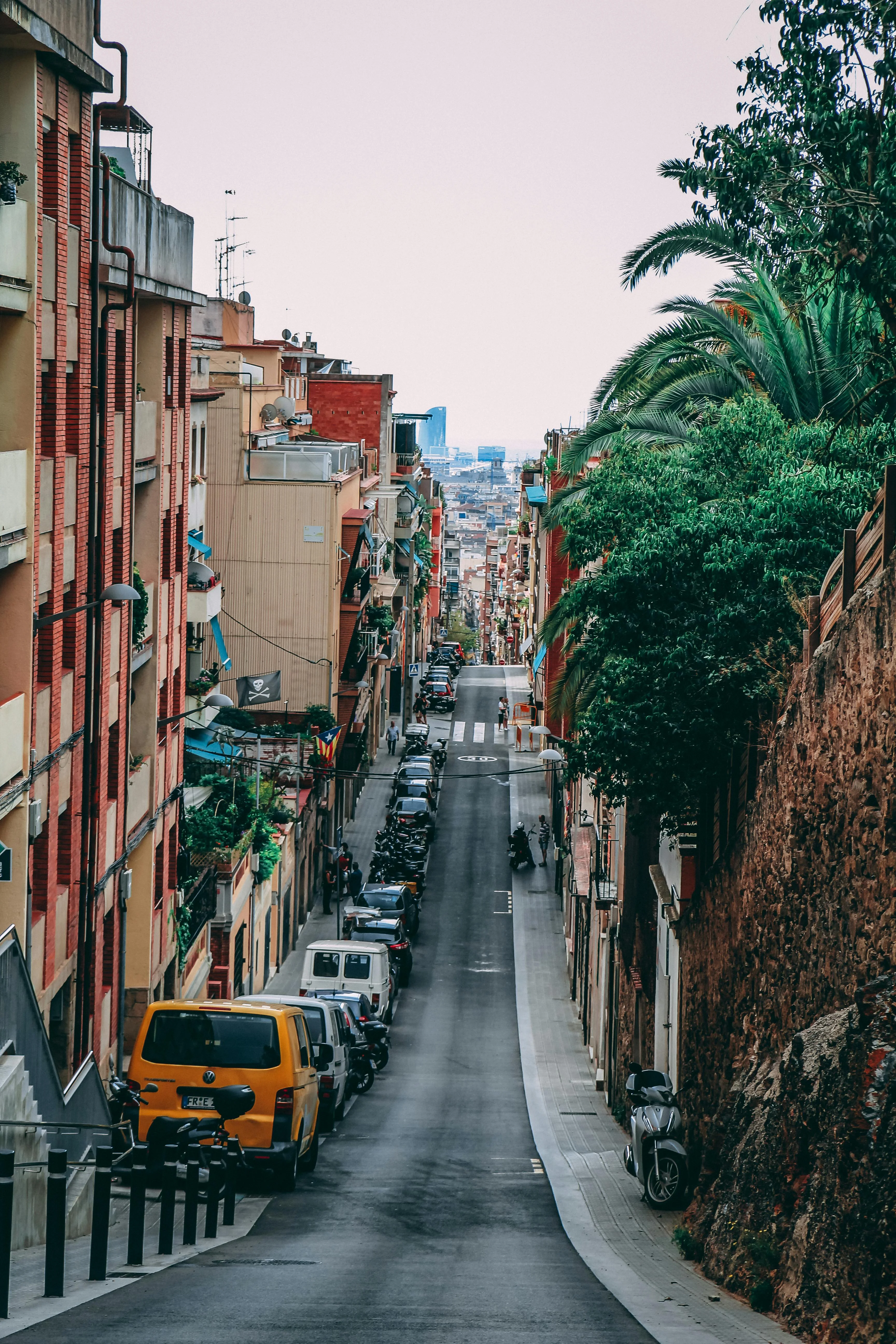
Cycling, Bike Lanes, and Bicing
Cycling is becoming increasingly popular, especially for short daily routes. While not every area is bike-friendly, bike lanes are expanding along major corridors.
Common options locals use:
-
Bicing: The city’s bike-share system, widely used for commuting
-
Dedicated lanes along Gran Via, Diagonal, and beachfront routes
-
Bikes for errands, short commutes, and casual travel
Bicing works particularly well for residents staying longer than a few months, especially when combined with metro travel for longer distances.
When a Rental Car Makes Sense
For most residents, owning a car creates more problems than it solves. Parking is limited, traffic is dense, and public transport usually wins on time.
A rental car is mainly useful for:
-
Weekend trips outside the city
-
Visiting mountain areas or smaller coastal towns
-
Occasional long-distance travel
Within Barcelona itself, public transport and walking remain the most practical choices.
Crowds, Rush Hours, and Daily Flow
Crowding exists, especially during rush hour, but it’s predictable:
-
Morning peak: roughly 8–9:30 AM
-
Evening peak: 5–7 PM
-
Tourist-heavy lines near Las Ramblas fill up faster
Most residents adjust schedules slightly to avoid peak congestion, especially if working remotely.
Overall, public transport plays a major role in why people find living in Barcelona manageable without sacrificing time or flexibility. Once routines settle, moving around the city becomes second nature.
Language and Integration for Non Spanish Speakers
For non-Spanish speakers, language is often the biggest unknown when moving to Barcelona. While the city attracts people from all over the world, daily interactions still revolve around local languages, and understanding how they’re used makes a real difference to everyday life. The good news is that Barcelona is used to newcomers, and most people find their footing faster than expected once they understand the basics.
Barcelona is the Catalan capital, which means language here isn’t just practical—it’s cultural. You’ll hear different languages on the street, but how and when they’re used matters.
Catalan, Spanish, and the Official Language Reality
Catalan is the official language of the region and the primary language you’ll see on street signs, public notices, and government forms. That said, Spanish is also widely spoken, and most residents switch comfortably between the two.
What this looks like in practice:
-
Many locals greet you in Catalan by default
-
Switching to Spanish is common, especially in mixed settings
-
English is understood in tourist areas, but less reliable for admin tasks
While you don’t need to be a native Spanish speaker, learning a few basics goes a long way. Even simple greetings in Catalan are often appreciated and signal respect for local culture.
Do You Need to Speak Spanish to Live Here?
You can get started without fluency, but long-term living in Barcelona is easier if you make an effort to speak Spanish. It helps with:
-
Doctor visits and public healthcare registration
-
Dealing with landlords during a property search
-
Opening utilities, phone contracts, and handling paperwork
Many newcomers start learning Spanish after arrival through schools like Olé Languages, Speakeasy BCN, or Camino Barcelona, which offer flexible schedules and practical conversation-focused classes.
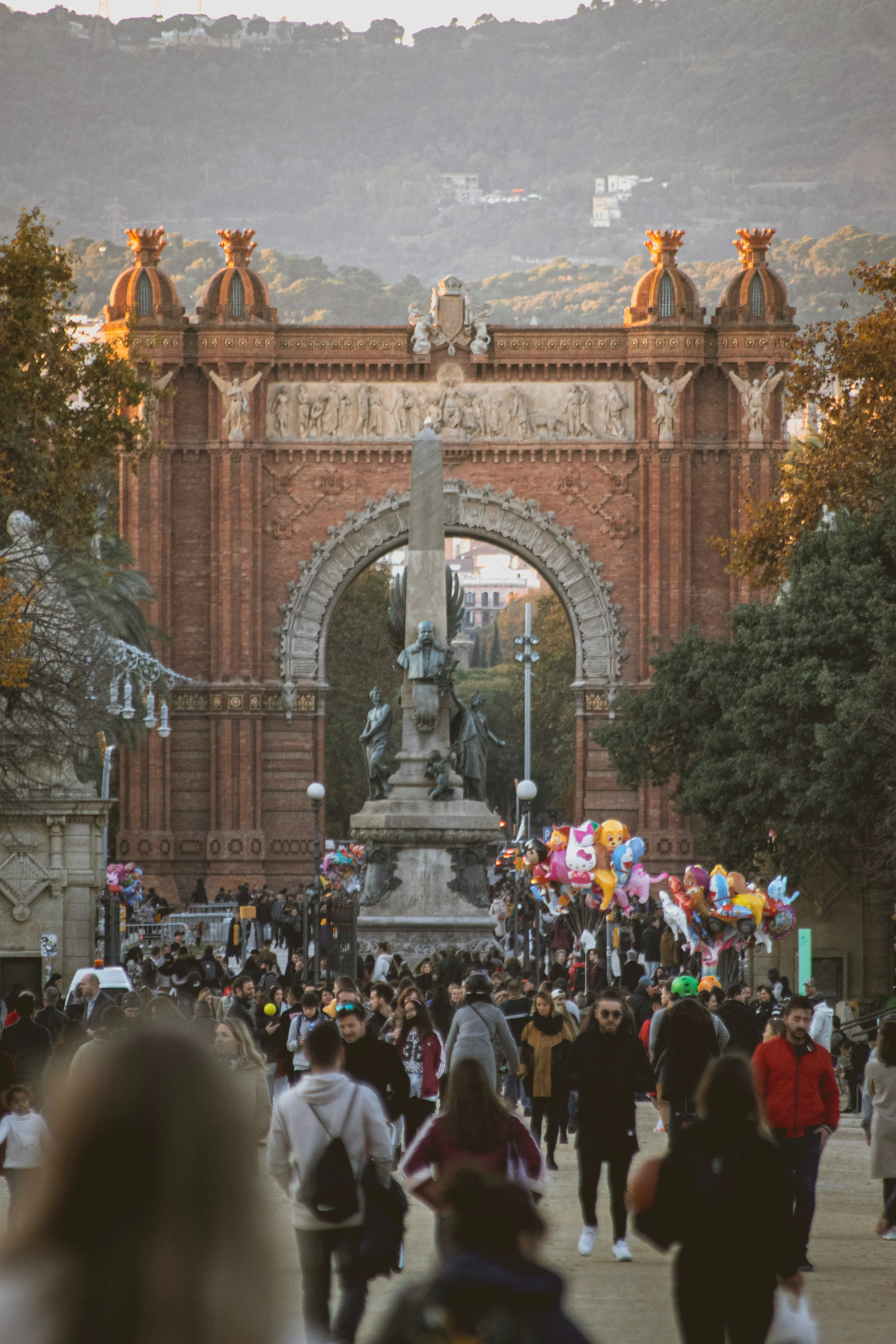
Learning Catalan: When It Matters Most
You’re not expected to be fluent, but learning basic Catalan helps you blend in—especially outside tourist-heavy zones.
Catalan becomes more relevant when:
-
Working with local institutions or public services
-
Living long-term in residential neighborhoods
-
Building relationships beyond international circles
Free and low-cost Catalan courses are offered through **Consorci per a la Normalització Lingüística **(CPNL), and many expats find these classes a good entry point into the community.
Language Exchanges and Meeting People
One of the easiest ways to practice and integrate is through language exchanges, which are common across Barcelona. Popular spots include:
-
Mundo Lingo events at bars like Dow Jones Bar
-
Weekly meetups at Gràcia and El Raval cafés
-
Informal exchanges advertised through local notice boards and social apps
People tend to be open and patient in these settings, especially when you’re clearly making an effort. Over time, these casual conversations often turn into friendships and help smooth the transition into your new life.
A Practical Approach to Language and Daily Life
Most people find a balance that works:
-
Spanish for administration and services
-
Catalan for local interaction and cultural context
-
English as a bridge in international settings
Barcelona’s linguistic mix reflects its identity—layered, local, and international at once. You don’t need perfection to belong, but curiosity and consistency make living in Barcelona far more rewarding.
Where to Live in Barcelona: Central Neighborhoods and Daily Reality
Choosing where to live is one of the most defining parts of moving to Barcelona. The neighborhood you pick shapes your routines, costs, noise levels, and how easily you settle into everyday life. While many newcomers focus on being close to the city center, the reality is that not all central areas feel the same once you’re actually living in Barcelona.
Some neighborhoods are social and walkable but loud. Others look charming online but feel crowded after a few weeks. Understanding these differences early helps avoid unnecessary moves during your first few months.
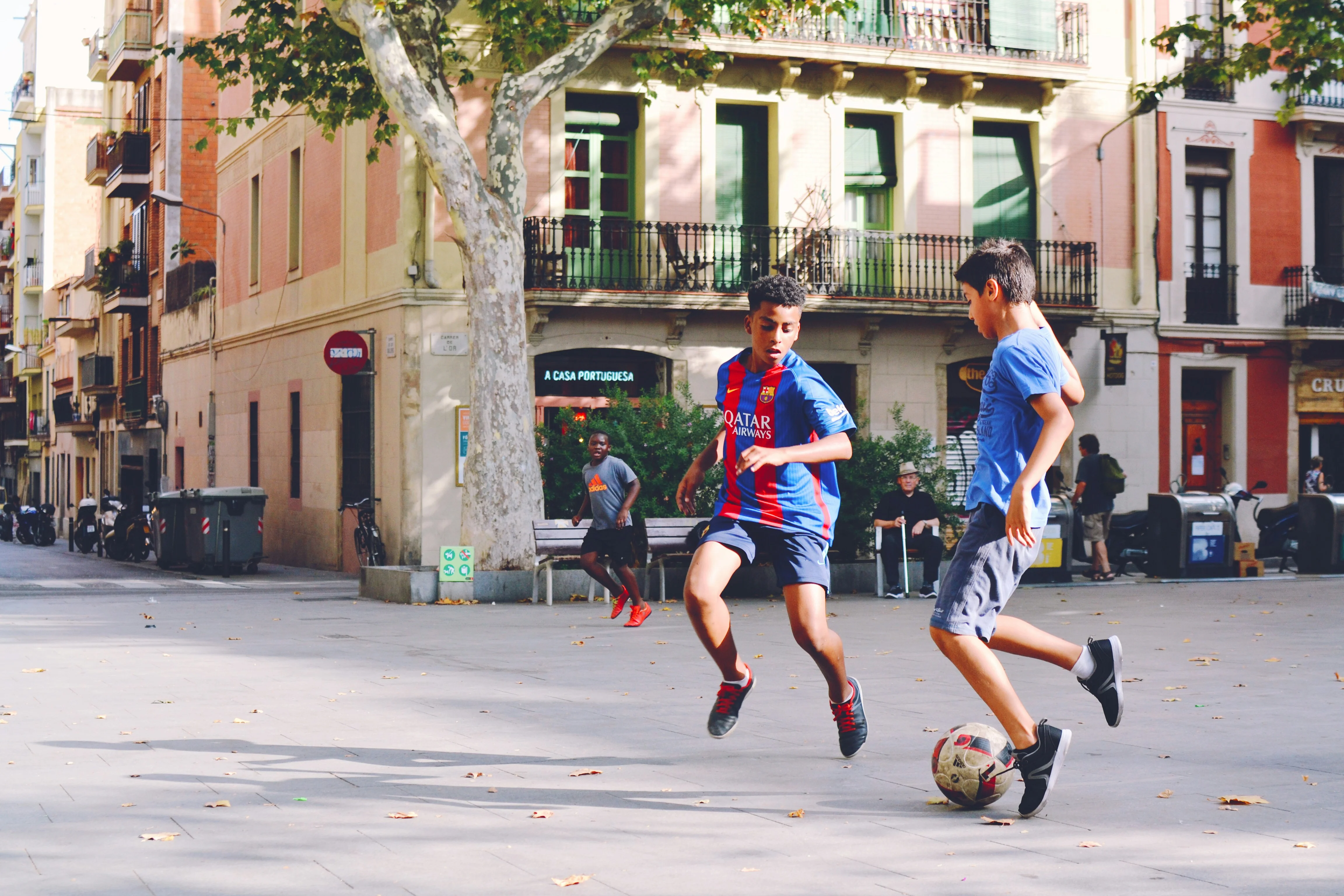
El Born: Walkable, Social, and Popular with Expats
El Born sits just east of the historic core and remains one of the most desirable central neighborhoods for newcomers. It blends old streets with modern cafés, small galleries, and a strong international presence.
What daily life looks like in El Born:
-
Easy walking access to cafés, bakeries, and coworking-friendly spots like Brunch & Cake and Hidden Café
-
Lively evenings without the full chaos of the main tourist corridors
-
Proximity to Parc de la Ciutadella for outdoor breaks and social meetups
El Born attracts expats living in Barcelona who want an active social life without committing to a party-heavy area. Rents here are higher than average, but many accept the premium for walkability and atmosphere.
Gothic Quarter: History First, Comfort Second
The Gothic Quarter is visually striking, but it’s one of the trickiest places to live long term. Narrow streets, heavy foot traffic, and constant people visiting can wear down daily routines.
What to expect:
-
Stunning architecture and immediate access to historic landmarks
-
Higher noise levels, especially at night
-
Older buildings with limited natural light
Many residents enjoy the Gothic Quarter short term, but relocate after realizing how crowded it feels during peak seasons. It’s better suited to shorter stays than building a long-term new life.
Browse Barcelona homes near this area
Barceloneta Beach: Coastal Living with Trade-Offs
Living near Barceloneta Beach appeals to people who prioritize proximity to the sea. Morning swims, beach walks, and quick access to waterfront bars shape daily routines here.
Pros and cons include:
-
Strong beach lifestyle and outdoor focus
-
Noisy summers and heavy tourism
-
Smaller apartments and older buildings
This area works best for those who value location over space and don’t mind seasonal crowds.
Browse Barcelona homes near this area
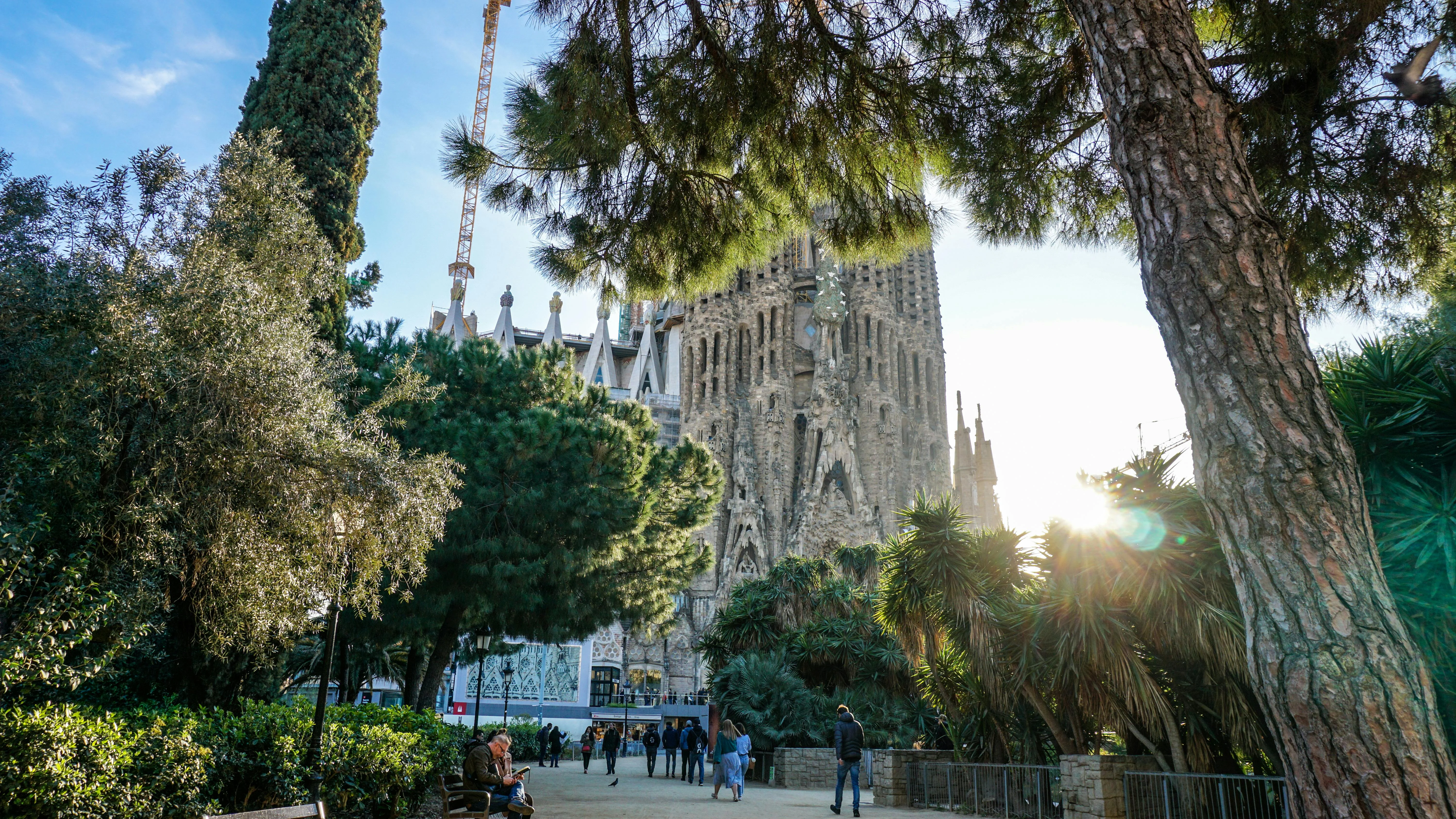
Casa Batlló Area: Eixample Comfort and Structure
The area around Casa Batlló, within Eixample, offers a very different experience. Streets are wider, buildings are more modern, and daily logistics are easier.
Why people choose this area:
-
Better insulation and apartment layouts
-
Reliable access to supermarkets, pharmacies, and services
-
Strong public transportation connections without tourist overload
This part of Barcelona suits people looking for stability, comfort, and a calmer pace while still staying central.
How to Choose the Right Area for You
When deciding where to live, most newcomers weigh:
-
Noise tolerance vs social access
-
Budget vs apartment quality
-
Short-term excitement vs long-term comfort
Barcelona rewards thoughtful choices. The right neighborhood makes settling in smoother, especially during your first months of living in Barcelona.
If you want, next we can move into Expats, social life, and building an expat community, or switch gears to banking, healthcare, and everyday setup to cover practical essentials early.
Visas, Residency, and Bureaucracy When Moving to Barcelona
For many people, the most challenging part of moving to Barcelona isn’t finding an apartment or adjusting to late dinners—it’s navigating paperwork. Spain is known for its slow, document-heavy processes, and Barcelona is no exception. The key is understanding which visa applies to your situation and preparing for timelines that often stretch longer than expected.
While the process can feel frustrating at first, most people manage it successfully with patience, clear documentation, and realistic expectations.
Student Visa and Long-Stay Options
If you’re not an EU citizen, your visa determines how long you can stay and what you’re allowed to do in Spain. The most common routes include:
-
Student visa: Requires enrollment in a recognized institution for at least 20 hours per week. Many people choose language schools in Barcelona as a practical entry point.
-
Non-lucrative visa: Allows residence without working locally, provided you can prove sufficient income or savings.
-
Work visa: Typically tied to a job offer from a Spanish employer, which can be difficult to secure in advance.
Schools like Speakeasy BCN, Camino Barcelona, and Olé Languages are frequently used for student visa applications and are familiar with the process.
Residency Card, NIE, and Local Registration
Once in Spain, most longer stays require applying for a residency card and obtaining a NIE (foreigner identification number). This number is essential for almost everything—from renting long term to opening utilities.
Expect to provide:
-
Proof of accommodation
-
Proof of visa or legal stay
-
Passport and copies
-
Appointment confirmation
Appointments can be hard to secure, especially during peak seasons. Many newcomers rely on relocation services or immigration lawyers based in Barcelona to reduce delays and errors.
Paperwork Timelines and Practical Tips
Bureaucracy in Spain moves slowly, and that’s normal. Processes often involve:
-
Multiple in-person appointments
-
Waiting weeks—or months—for confirmations
-
Repeating steps if documents expire
A few practical tips that help:
-
Keep both digital and printed copies of everything
-
Book appointments as early as possible
-
Expect limited flexibility around deadlines
For longer stays, sorting out details like a local driver's license exchange or tax registration may also come into play later on.
What Most Newcomers Get Wrong
The biggest mistake is underestimating how long paperwork takes. Many people plan their stay assuming things will move quickly, only to realize they need more buffer time—especially during their first few months.
Handled calmly, bureaucracy becomes just another part of settling in. Once documents are in place, daily routines feel far more stable, and focusing on work and personal goals becomes easier.
Cost of Living in Barcelona: What to Budget and What Surprises People
Understanding costs is essential when moving to Barcelona, especially for those planning to stay longer than a few months. While Barcelona has a reputation for being expensive compared to other parts of Spain, the reality is more nuanced. Daily expenses are manageable, but housing and lifestyle choices quickly determine whether you live comfortably or feel stretched.
For many newcomers, the challenge isn’t just prices—it’s how costs stack up against local salaries and expectations.
Housing Costs and Rent Expectations
Rent is the biggest factor shaping budgets in Barcelona. Demand is high, supply is tight, and competition is strongest close to the city center.
What people typically encounter:
-
A studio apartment in central areas often costs €1,000+ per month
-
A decent room in a shared apartment usually starts around €700
-
Average rent sits around €11.80 per square meter per month
-
Security deposits typically equal two months’ rent, plus agency fees
Most rental contracts run 6–12 months and can usually be renewed. Because many owners prioritize short-term tourist rentals, long-term options require patience and flexibility during the property search.
If you want to reduce friction early on, exploring fully furnished apartments in Barcelona can make the transition smoother—especially when arriving with work commitments and limited local references.
Utilities, Internet, and Daily Essentials
Beyond rent, monthly fixed costs are relatively predictable:
-
Utilities (electricity, water, gas): €130–€160
-
Internet and phone plans: €30–€40
-
Groceries: Reasonable if you shop locally and plan around closures
Most grocery stores close on Sundays, which catches many newcomers off guard at first. Planning ahead quickly becomes part of normal routines.
Transport, Movement, and Small Savings
Getting around is one area where people genuinely save money compared to car-heavy lifestyles.
Typical costs include:
-
Monthly travel passes between €20 and €40
-
Single tickets at €2.40
-
Occasional use of bike-share systems instead of taxis
For daily movement, many residents rely on walking or cycling rather than owning a car. A rental car is usually reserved for weekend trips rather than regular use.
Eating Out, Social Life, and Lifestyle Spend
Eating out in Barcelona can be surprisingly expensive, particularly in areas with heavy tourism. Regular restaurant meals add up quickly.
Common spending patterns:
-
Menú del día lunches: affordable and filling
-
Evening dining and nightlife: higher costs, especially on weekends
-
Museums, attractions, and events: priced higher than many expect
That said, social life doesn’t always require constant spending. Many people structure their routines around outdoor meetups, neighborhood bars, and casual gatherings rather than expensive venues.
How Barcelona Compares Financially
While Barcelona isn’t low cost, many residents still find the overall balance reasonable. Salaries are lower than in some international hubs, but healthcare, transport, and daily services soften the gap.
The most common surprise isn’t rent alone—it’s how quickly smaller expenses add up. Utilities, eating out, and entertainment costs can feel high relative to local wages, which is why budgeting early matters.
Barcelona rewards people who plan carefully and adjust expectations. Once expenses are predictable, day-to-day living feels far more sustainable—and far less stressful.
Final Thoughts on Moving to Barcelona
For many people, moving to Barcelona is about choosing balance rather than extremes. It’s a wonderful place to build a steady routine, offering climate, culture, and connectivity to the wider world without the pressure of faster-paced hubs. Still, living in Barcelona works best when expectations are realistic.
Language is part of that adjustment. Catalan is the main language in public life, Spanish is essential across Spain, and there is no single common language that fits every situation. While many people speak English in international settings, learning Spanish and making the effort to speak Catalan helps with integration and daily logistics. Exposure to other languages is simply part of the experience.
Professionally, many international companies operate here, whether you work locally or for an international company abroad. For some, choosing Barcelona is even a subtle political statement about quality of life. Add practical basics—like prioritizing a good lock at home—and the transition becomes far more manageable.
For those planning a longer stay across the country, exploring fully furnished apartments in Spain can also open up more affordable alternatives beyond Barcelona while maintaining comfort and work-ready setups.


