

Daniel
Productivity & Remote Living Analyst ·
Auckland rewards the people who arrive with a plan. The city sits on a narrow isthmus between two harbours, gives you access to some of the best natural beauty in the Southern Hemisphere, and offers a quality of life that consistently ranks it among the world's most liveable cities — but it does all of this at a price. Housing is competitive, commutes are longer than the city's size suggests, and the cost of living will surprise you if you've come from most other English-speaking countries. This guide covers what you actually need to know before you move.
Whether Auckland is a good place to build a remote or hybrid career
The visa routes that get you here legally, including the accredited employer work visa
Which neighbourhoods suit different budgets and working styles
What daily life costs, from rent to a flat white
How the job market works and where the real job opportunities are
What newcomers get wrong in the first three months
Is Auckland a Good Place to Start a New Life in New Zealand
What Auckland Actually Feels Like to Live In
Auckland operates more like a collection of small towns stitched together by motorways than a proper city centre, and that structure shapes everything about daily life there.
Population of roughly 1.7 million — about a third of New Zealand's entire population — spread across a wide, low-density geography
Waitemata Harbour for sailing on weekends, Waitakere Ranges for hiking — both within 45 minutes of the centre
Regularly appears alongside Vienna, Zurich, and Copenhagen in global liveability comparisons, with low crime and good schools as the consistent drivers
Named a UNESCO City of Music in 2017, with a creative identity that punches above the city's size
The outdoor access is real and not overstated — it is genuinely one of the few cities where you can be on the water in the morning and in old-growth bush by afternoon.
The Housing Market Will Reset Your Expectations
Auckland's quality of life reputation tends to arrive before the rental figures do, and the gap between the two is worth understanding before you commit to a move.
Average rent sits around $624 NZD per week across the city
A one-bedroom apartment in a central suburb costs at least $1,500 NZD per month
Insulation standards in older rentals historically lag behind much of Europe — cold winters indoors despite the mild climate
Auckland has four proper seasons; "temperate" describes the outdoors, not what you'll feel in an uninsulated villa in July
Budget for heating costs you probably weren't expecting, and inspect any rental specifically for insulation before signing.

How Easy Is It to Actually Settle In
For English-speaking expats, Auckland has unusually low practical friction — the bureaucracy is manageable and the culture is direct without being unwelcoming.
Māori culture is woven into public life seriously: te reo Māori appears on signage, in schools, and in everyday speech
Public holidays like Waitangi Day are observed with genuine weight, not as a formality
The city's smaller-city feel comes with metropolitan infrastructure — hospitals, universities, and international transport connections
Best suited to people who value outdoor lifestyle and safety over nightlife density or a walkable urban core
Auckland rewards the kind of person who wants a quieter base with serious nature on the doorstep — it will frustrate anyone who moves there expecting a European-style city centre.
Unlike most of New Zealand's South Island, Auckland experiences four seasons within a relatively narrow temperature band — rarely dropping below 8°C in winter or exceeding 27°C in summer — which most arrivals from northern Europe find far milder than expected.
Visas and Legal Requirements for Moving to Auckland
New Zealand's immigration system is points-based and employer-linked, which means the path you take depends almost entirely on whether you have a job offer before you arrive or intend to find one once you're in the country.
The Accredited Employer Work Visa: The Main Route for Skilled Workers
The accredited employer work visa is the primary pathway for anyone moving to Auckland with a professional role lined up — your employer must be accredited with Immigration New Zealand before they can sponsor you.
Processing fee: $455 NZD — pay this once your employer's accreditation is confirmed
Employer must demonstrate they couldn't fill the role locally — expect this step to add time to the process
Healthcare, construction, and IT are the sectors most likely to be hiring through this route right now
Visa is tied to the employer initially — switching roles mid-visa is possible but time consuming
If your employer isn't already accredited, factor in their accreditation timeline before you hand in your notice anywhere else.
Working Holiday Visa: The Low-Commitment Test Run
The working holiday visa is available to citizens of roughly 45 countries and lets you live and work in New Zealand for 12 months — it's how many people first discover whether Auckland actually suits them before committing to a longer move.
Age limit: typically 18–30 (35 for some nationalities including UK citizens)
No job offer required — you arrive, find work, and adjust
You cannot work for the same employer for more than three months, which limits senior professional roles
Facebook groups like "Auckland Flatmates & Rentals" are genuinely useful for short-term housing on arrival
Most people who use the working holiday visa as a trial end up either leaving within six months or applying for the accredited employer work visa once they have a job offer — there's rarely a middle ground.

Shipping and Logistics: What Actually Moves with You
Most removals to New Zealand go by sea, and the costs are higher than people budget for — shipping a full 20-foot container runs around $7,800 NZD before customs clearance and biosecurity checks.
New Zealand biosecurity rules are strict — certain wood, soil, and food items will not clear customs
Transit time from the UK or Europe is typically 6–10 weeks by sea
Most newcomers find it practical to arrive with luggage only and furnish locally — it's cheaper than it sounds
Short-term rentals on arrival let you understand which neighbourhood you actually want before signing a 12-month lease
The newcomers who ship everything on their first move almost always say they'd do it differently — arrive light, rent furnished, and ship only what you've confirmed you need.
Job Opportunities in Auckland: Where the Work Actually Is
Auckland concentrates most of New Zealand's commercial activity, which means it holds a disproportionate share of the country's job opportunities — many multinational companies base their New Zealand operations here, and sectors like finance, technology, and professional services are centred on the CBD.
Sectors With Real Demand Right Now
Auckland's economy was projected to grow 2.6% and the sectors driving that growth are specific — this is not a city where every industry is hiring equally.
Healthcare: nursing, aged care, and allied health are chronically under-staffed — overseas qualifications are recognised with bridging requirements
Construction: Auckland's housing shortage has kept demand for trades and project management consistently high
IT and software: many multinational companies run APAC technology operations from Auckland — mid-senior roles pay well relative to local averages
Average salary sits around $65,000 NZD — senior roles in tech and finance exceed that; hospitality and retail sit significantly below it
If your sector isn't on that list, a job offer before you land is harder to guarantee — the working holiday visa gives you time to test the market before committing.
Work Culture and Employment Conditions
New Zealand work culture is noticeably less hierarchical than most European or East Asian equivalents — first names at every level, flat team structures, and a general expectation that you'll speak up rather than defer upward.
Standard work week: 38–40 hours — overtime culture exists in some professional services firms but it's not the norm
Annual leave: four weeks paid from day one — this is statutory, not negotiable
Sick leave: 10 days per year after six months of employment
Parental leave: up to 26 weeks of government-funded payments, with additional employer top-ups in larger organisations
Hospitality and tourism roles are available year round in Auckland thanks to steady international visitor numbers through Auckland Airport, making those sectors a reliable entry point for new arrivals building local work history.

Public holidays are observed genuinely — Waitangi Day and Auckland Anniversary Day will close most offices, and the expectation that people actually take their annual leave is real rather than performative.
Auckland Neighbourhoods: Where to Live and How to Live Comfortably
Auckland's geography forces the housing question early. The city centre sits on the isthmus, but most people — particularly families and longer-term residents — end up in the suburbs, and the suburb you choose shapes your commute more than almost any other decision you'll make.
Neighbourhood | Monthly Rent (1-bed) | Vibe | Best For | Key Advantage |
|---|---|---|---|---|
City Centre / CBD | $1,800–$2,200 NZD | Dense, walkable, commercial | Remote workers, young professionals | No car needed; everything within walking distance |
Ponsonby / Grey Lynn | $1,900–$2,400 NZD | Café culture, independent retail | Creative professionals, remote workers | Best café and restaurant density in the city |
North Shore | $1,500–$1,900 NZD | Suburban, family-oriented, beachy | Families, outdoor lifestyle priorities | Beaches, lower density, better value per square metre |
Mount Eden / Epsom | $1,600–$2,000 NZD | Quiet, leafy, central-ish | Professionals wanting space near the CBD | Good schools, manageable commute |
West Auckland | $1,400–$1,700 NZD | Alternative, creative, bush-adjacent | People who prioritise nature over commute speed | Cheapest access to serious outdoor activities |
City Centre: Daily Life Without a Car
The city centre is the only part of Auckland where you can genuinely live without a car — everything else involves a level of transport planning that adds up across a week.
Auckland Central Library — free coworking alternative, reliable WiFi, open until 8pm weekdays
Britomart precinct — transport hub, café density, lunch options from $12–$18 NZD
One bedroom apartment: $1,800–$2,200 NZD/month — higher than suburbs but you trade rent for time
Three-bedroom city-centre apartment: around $2,600 NZD/month — worth splitting if you're arriving with a partner
The city centre suits you if your work is fully remote or your office is in the CBD — the moment your commute requires crossing the harbour bridge, the calculus changes.
Ponsonby: Where the Flat White Gets Its Reputation
Ponsonby Road is where Auckland's café culture is most concentrated — a flat white here costs $5–$6 NZD and the standard is consistently higher than most comparable streets in Australia.
Atomic Coffee Roasters — Ponsonby Road institution, strong espresso, laptop-friendly before 11am
Richmond Road — quieter parallel to Ponsonby Road, better for grocery runs and less foot traffic
Rent runs $200–$400 NZD/month more than the CBD for comparable space — you're paying for the street, not the apartment
Western Park — green space within walking distance, good for morning runs before the day starts
Ponsonby works if you value the social infrastructure of a neighbourhood over raw cost efficiency — it's the part of Auckland most English speaking expats end up gravitating toward in the first year.
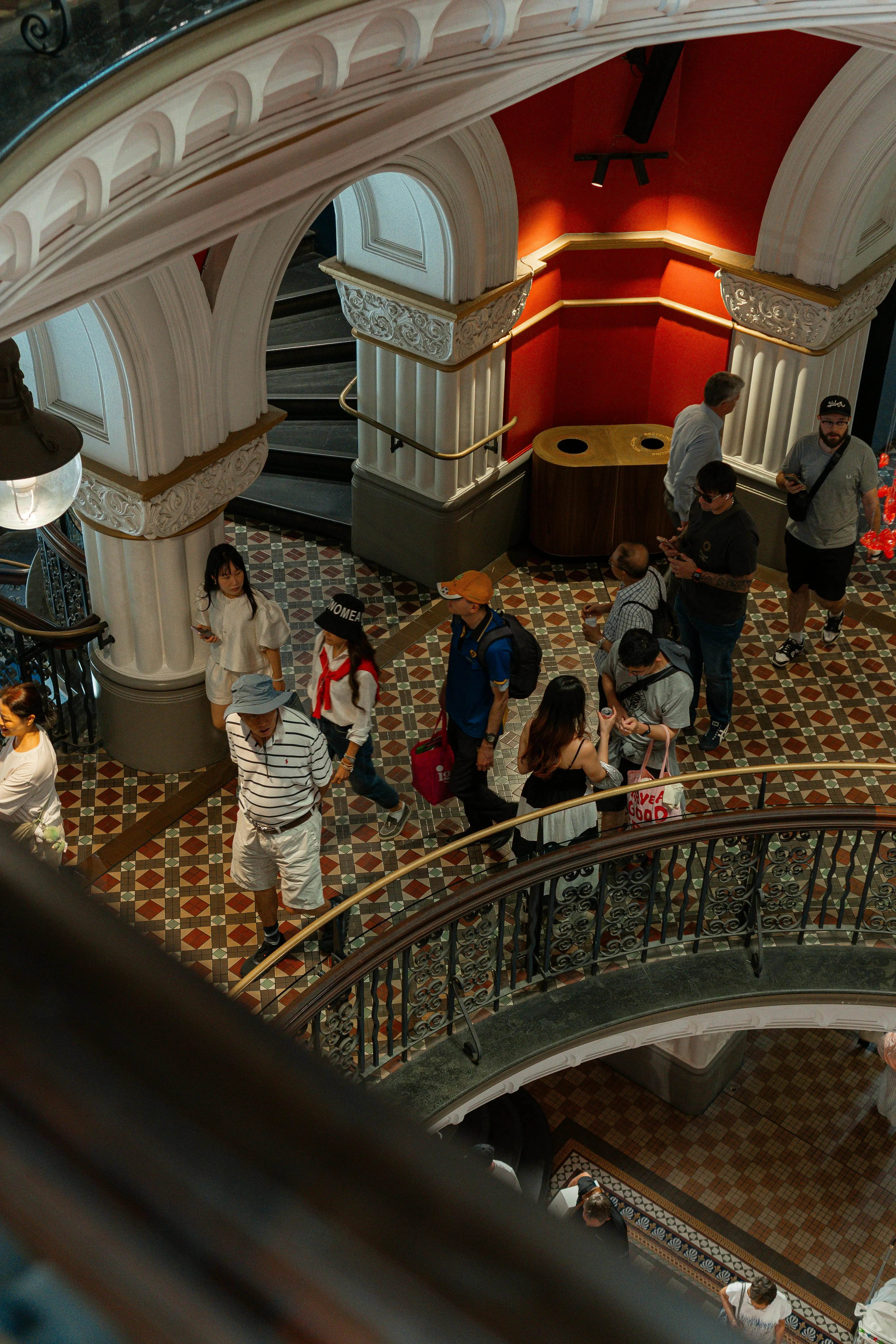
North Shore: Family Friendly, Beach Adjacent, Car Dependent
North Shore gives you the outdoor lifestyle Auckland promises in its tourism brochures — beaches like Takapuna Beach are walkable from residential streets, the schools are well-regarded, and the density is low enough that you actually feel the space.
One bedroom apartment: $1,500–$1,900 NZD/month — the best value-to-space ratio of any popular Auckland suburb
Smales Farm — coworking hub on the Shore, day passes available, large corporates nearby
Harbour Bridge crossing: 20–40 minutes to CBD by car depending on time of day — factor this into any hybrid role
Northcross area — one of the more family friendly pockets with zoned school access and quieter streets
North Shore makes sense if you have children or you've decided the outdoor lifestyle matters more than a short commute — it does not make sense if your work or social life is anchored to the city centre five days a week.
Ponsonby and Grey Lynn sit close to Karangahape Road, where Māori culture is woven into the street art, community events, and independent businesses in a way you won't find in the more sanitised North Shore suburbs.
For a deeper look at the options, browse fully furnished apartments in Auckland if you want to land somewhere sorted before you start making longer-term decisions.
Browse Auckland homes near this area
Cost of Living in Auckland: What the Numbers Actually Mean
Auckland is not cheap — but the cost lands differently depending on where you've moved from. Arrivals from London or Singapore often find the adjustment gentler than expected. Arrivals from Christchurch or Wellington frequently find it brutal.
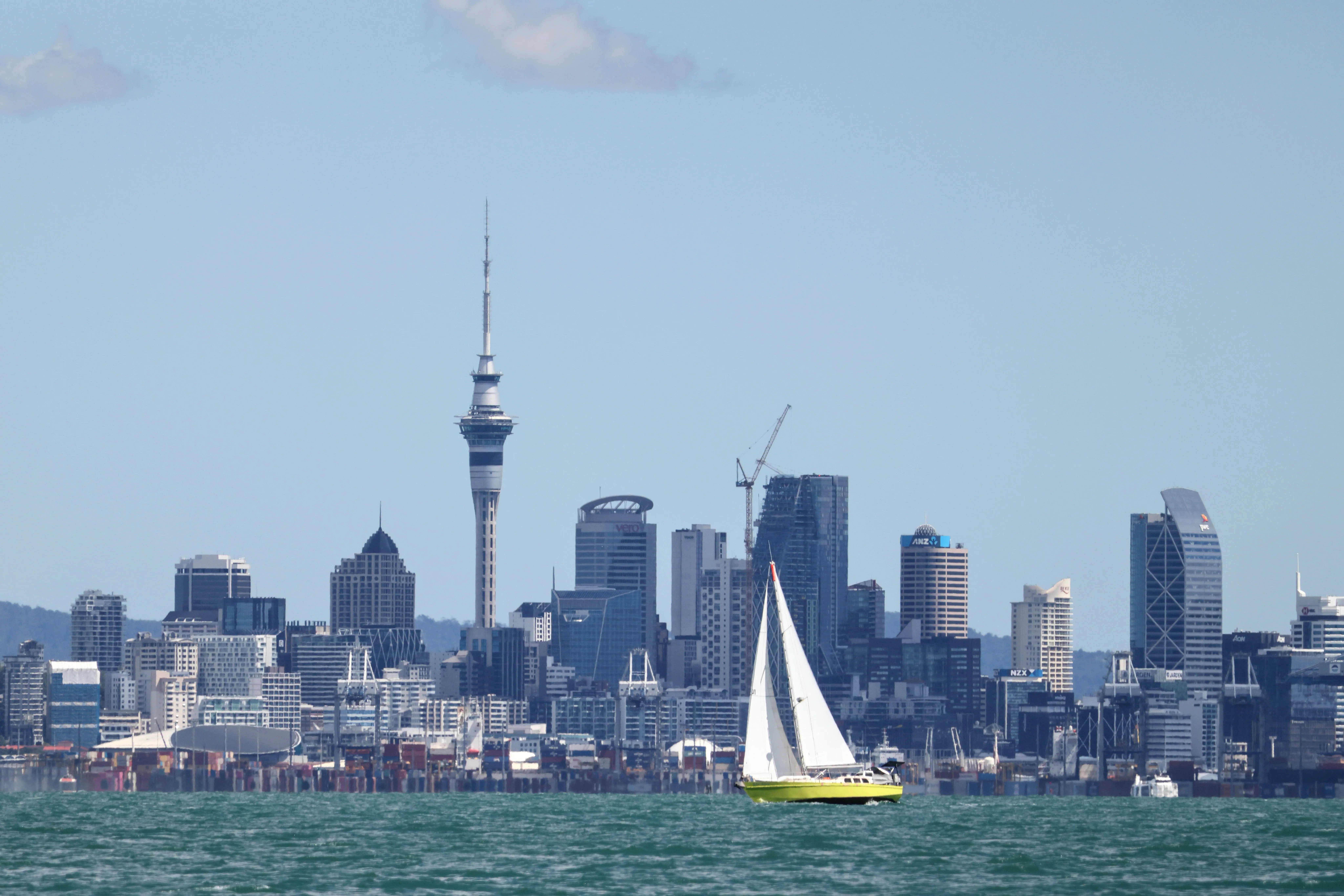
Groceries, Food, and Eating Out
The difference between cooking at home and eating out in Auckland is larger than most people expect, and it shifts your budget quickly if you default to restaurants.
Supermarket weekly shop for one: $120–$160 NZD — Pak'nSave Mt Albert is the cheapest of the main chains, worth the detour if you have a car
Lunch at a mid-range café: $18–$24 NZD — five days a week puts you at $400–$480 NZD before dinner
Otara Flea Market — Saturday mornings, fresh produce and Pacific food at a fraction of supermarket cost, genuinely worth building into your week
Dinner for two at a mid-range restaurant: $90–$130 NZD including drinks — Auckland restaurants are good, but this is not a city where you eat out five nights a week without feeling it
The people who manage the food budget well in Auckland are not the ones who stop eating well — they're the ones who find the right markets and cook four nights out of seven.
Transport Costs: Car vs. Public Transit
Auckland's public transport has improved, but owning a car still makes a material difference to how much of the city you can access without losing hours of your day.
AT HOP monthly public transport pass: $220–$260 NZD depending on zones — covers most of the city if you're based in an inner suburb
Petrol (fuel): $2.60–$3.00 NZD per litre — running a car through Auckland traffic adds up, particularly for North Shore commuters
Britomart Station — central rail hub; the Western, Eastern, and Southern lines have become genuinely reliable for inner-suburb runs
Car registration and WOF (warrant of fitness) annually: budget $600–$900 NZD on top of running costs and insurance
If your apartment is in Ponsonby, Grey Lynn, or the city fringe, you can live without a car and barely notice the absence — but if your work or family is spread across the region, the car is not optional, it's just a cost you absorb.
Auckland is consistently ranked among the top 15 most expensive cities in the Asia-Pacific region, with a one-bedroom apartment in Parnell averaging NZD $2,800 per month — so budgeting NZD $4,500 all-in for a single person is realistic.
Healthcare and Everyday Admin Costs
New Zealand's healthcare system covers you as a resident, but the first few months before you're registered with a GP feel more expensive than they need to be.
GP visit: $19–$25 NZD if enrolled at a low-cost practice — enrolment is free but takes time to arrange after arrival
Prescription medications: $5 NZD per item under the funded scheme once enrolled — this is one of the genuinely good deals in Auckland's cost structure
Grey Lynn Medical — takes new patients more readily than most central practices, walk-ins accepted some mornings
Dental: not publicly funded for adults — budget $150–$250 NZD per check-up, more if you've been putting it off
Sort your GP enrolment in the first few months — it takes one afternoon and it changes what healthcare actually costs you for the rest of your time here.
Working and Building a Life in Auckland
Auckland is an excellent place to build a career in certain industries — technology, healthcare, construction, and hospitality have had sustained demand for skilled workers — but the job market is smaller than arrivals from Europe or the UK often anticipate, and the competition for quality roles is real.
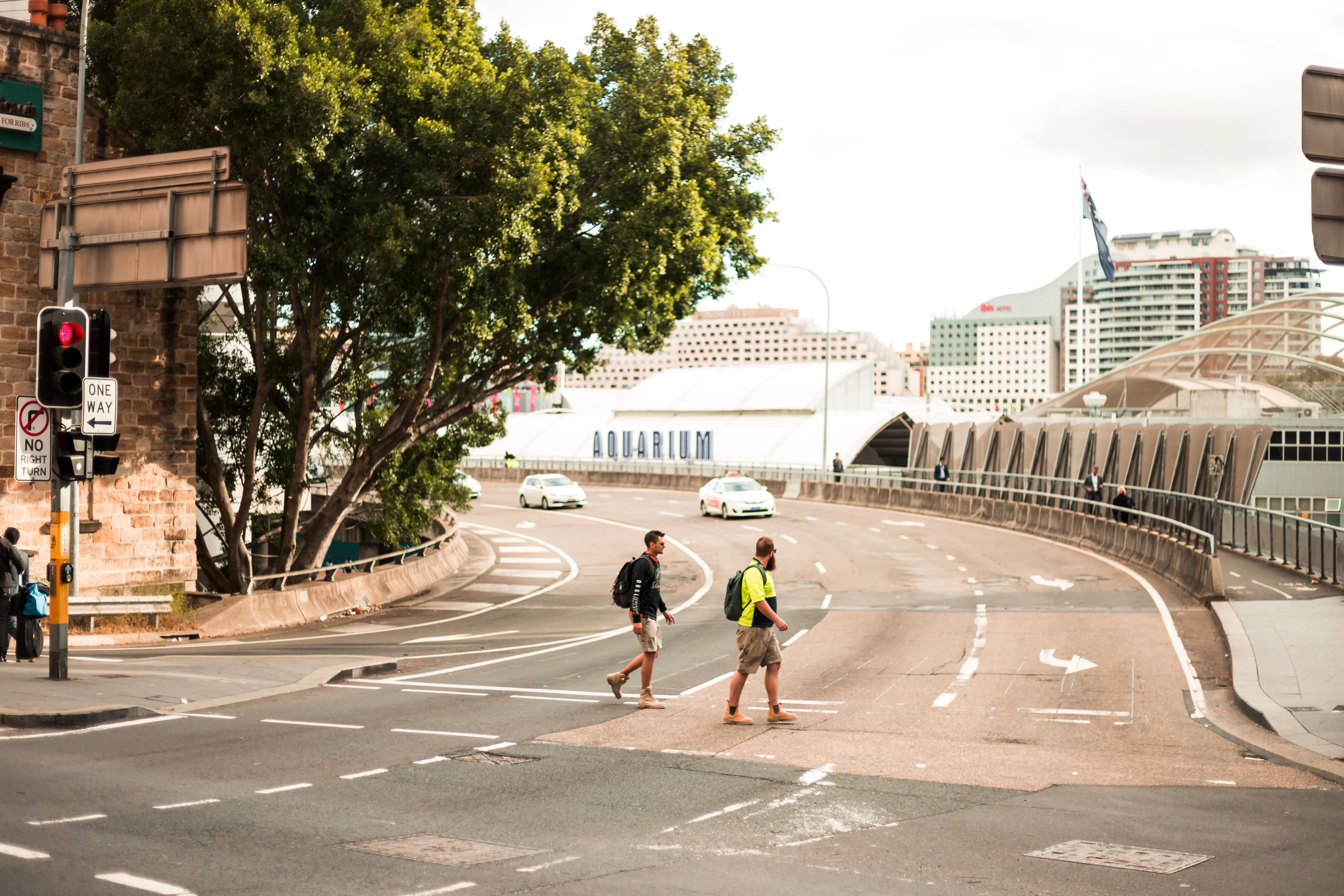
Where the Job Market Is and Isn't Strong
Most people who move here for work find the first job search takes longer than expected — not because they're unqualified, but because Auckland's economy is smaller than its quality of life would suggest.
Tech sector: concentrated around GridAKL at Wynyard Quarter — a genuine cluster of startups and scale-ups, worth attending open events before you arrive
Healthcare roles: consistently short-staffed; nurses, midwives, and GPs with overseas qualifications often find registration more straightforward here than in the UK or Europe
Construction and trades: one of the highest-demand sectors in the region; Auckland's housing shortage means this work is consistent and well-paid
University positions: University of Auckland and AUT both have active international academic hiring, though competition for permanent roles is as tight as anywhere in the world
The Auckland job market rewards patience and a specific skills profile — if you're arriving with generalist experience and no sector focus, the first few months will require more flexibility than you might plan for.
Social Life, Community, and the First Year
Auckland takes longer to feel like home than most cities its size — not because people are unfriendly, but because the city's geography works against the kind of accidental community-building that happens in denser places.
The Hive Bar & Restaurant — wine bar near Kumeu, the kind of place where you start recognising faces after a few visits; an hour from the CBD but worth the drive
Sports clubs (rugby, cricket, sailing) — more reliable than bars for building a consistent social group; the culture here is outdoor-first in ways that pay off once you're embedded
Karangahape Road — the best bar and live music strip in the city; more interesting than the Viaduct and less tourist-facing than the waterfront
Moving here without existing friends or family nearby is manageable — but it requires deliberately building routine in a way that feels awkward at first and then stops feeling awkward
Auckland consistently appears in the top 20 of the Mercer Quality of Living survey, ranking above most Australian cities for personal safety and urban infrastructure — a useful data point when negotiating a relocation package with an employer.
Māori culture is woven into daily life in Auckland in practical ways — te reo Māori is taught in public schools, street and suburb names carry te reo origins, and the Auckland Museum on the Domain dedicates an entire floor to Māori history that locals actually visit.
Comparing Auckland: Is It the Right City for You?
Auckland is not the obvious choice for everyone moving to New Zealand — Wellington suits some people better, Christchurch suits others, and for a slice of arrivals, the rest of the country makes more sense than the main city ever will.
Auckland vs. Wellington vs. Christchurch
The choice between New Zealand's three main cities comes down to what you weight most: career opportunity, cost, or lifestyle quality.
Wellington: smaller, denser, easier to navigate socially — the public sector and creative industries are stronger there, and the rent is lower; the wind is not a myth
Christchurch: the lowest cost of the three, North Island expats often underestimate how liveable it is — the rebuild has added genuinely good architecture and a food scene that didn't exist a decade ago
Auckland: the only city where a large private-sector technology or finance career is viable — if your job is here, you don't have a comparison to make
All three are safer and less congested than Sydney, London, or Singapore — but Auckland is the only one that feels like an international city in the way arrivals from those places expect
If your visa, job, or family is in Auckland, the comparison is academic — but if you have flexibility on location, it's worth spending a week in Wellington before you sign a lease anywhere.

Who Auckland Is a Great Place for — and Who It Isn't
Auckland is a great place to live if your priorities are outdoor access, quality schooling, physical safety, and a career in a high-demand sector — it is not a great place if your priority is urban density, a rich restaurant culture on a moderate budget, or staying close to Europe.
Families with children in the 5–15 age range get a disproportionate amount of value from Auckland — the school quality, outdoor access, and relative safety are hard to match at this price point in the world
Remote workers earning in USD, GBP, or EUR find Auckland's cost manageable in a way local-salary earners often don't — the city is affordable in foreign currency in a way it simply is not in NZD
Arrivals from the UK find the cultural adjustment gentler than almost any other international move — the legal system, driving side, and social norms are close enough that the first few months feel less disorienting
People who need the energy of a city that runs past 11pm will find Auckland frustrating — moving home at midnight is not the exception here, it's the norm
Auckland does not try to be Sydney or Singapore and it isn't trying to — the people who are happiest here are the ones who stopped making that comparison within the first six months.
Auckland placed in the top 10 of the Economist Intelligence Unit's liveability survey, scoring particularly well on infrastructure and stability — which puts it ahead of Sydney for overall day-to-day quality of life.
Is Auckland Worth It? A Verdict for Remote Workers and Expats
The Honest First Impression
Auckland will almost certainly cost more and feel lonelier than you expected in the first few months.
Rent regularly runs higher than pre-move research suggests, particularly for anything well-located or furnished
Commute times across the city stretch longer than the map implies — Auckland's geography works against it
Social life here is built deliberately, not stumbled into; it takes active effort in a way that denser cities don't demand
The adjustment period is real, and most people who leave early leave before it ends
Knowing this going in doesn't make it painless, but it does mean you won't mistake the difficulty of settling for the city's permanent character.
What Auckland Actually Delivers
Once you're through the adjustment, Auckland offers a quality of daily life that most cities its size can't match.
The harbour is a constant — genuinely present in everyday life, not just a weekend destination
Weekends open up to coastline, bush walks, and islands that simply don't exist as options in London or Singapore
For families, the pace and the school environment are noticeably calmer than comparable global cities
Remote workers earning in USD, GBP, or EUR absorb the cost of living far more comfortably than those paid in NZD
Auckland rewards people who moved for a reason — the harbour doesn't care whether you earned it, but it helps if you did.
The combination of a functioning job market, accessible beaches like Takapuna, and a 25-minute commute from the North Shore into the CBD is ultimately what makes Auckland worth the higher rent compared to Melbourne or Brisbane.
For anyone New Zealand thinking is already on the radar, Auckland is the easiest entry point — the airport connects to over 30 international destinations and most skilled-migrant visa applications are processed here first.
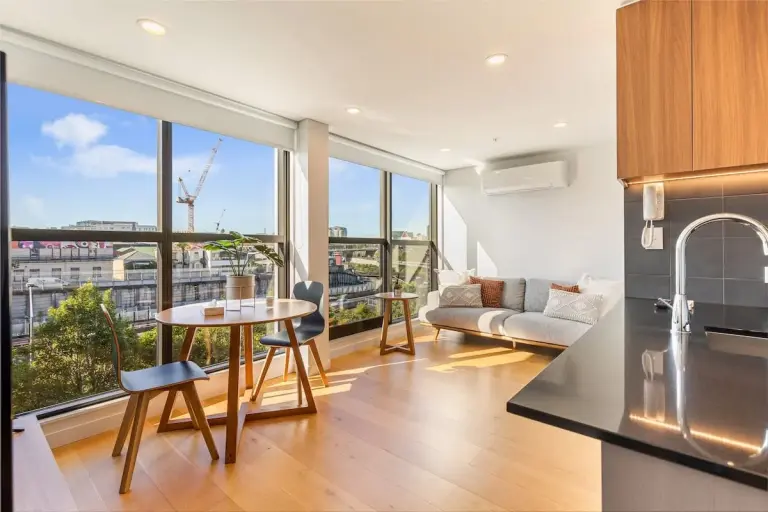
Who Should Actually Make the Move
Auckland is an excellent city to relocate to with a plan, and a difficult one to land in without one.
Moving with a job already lined up, or a remote income that converts well, makes the financial reality manageable
A realistic budget — one that accounts for rent, a car, and a slower-than-expected social build — changes the experience significantly
Arriving on a whim or a working holiday visa with no clear next step tends to produce the worst version of the city
Browse fully furnished apartments in New Zealand to start somewhere sorted while you find your footing
The people who end up staying are rarely the ones who loved it immediately — they're the ones who gave it enough time to show what it actually is.