
Daniel
Productivity & Remote Living Analyst ·
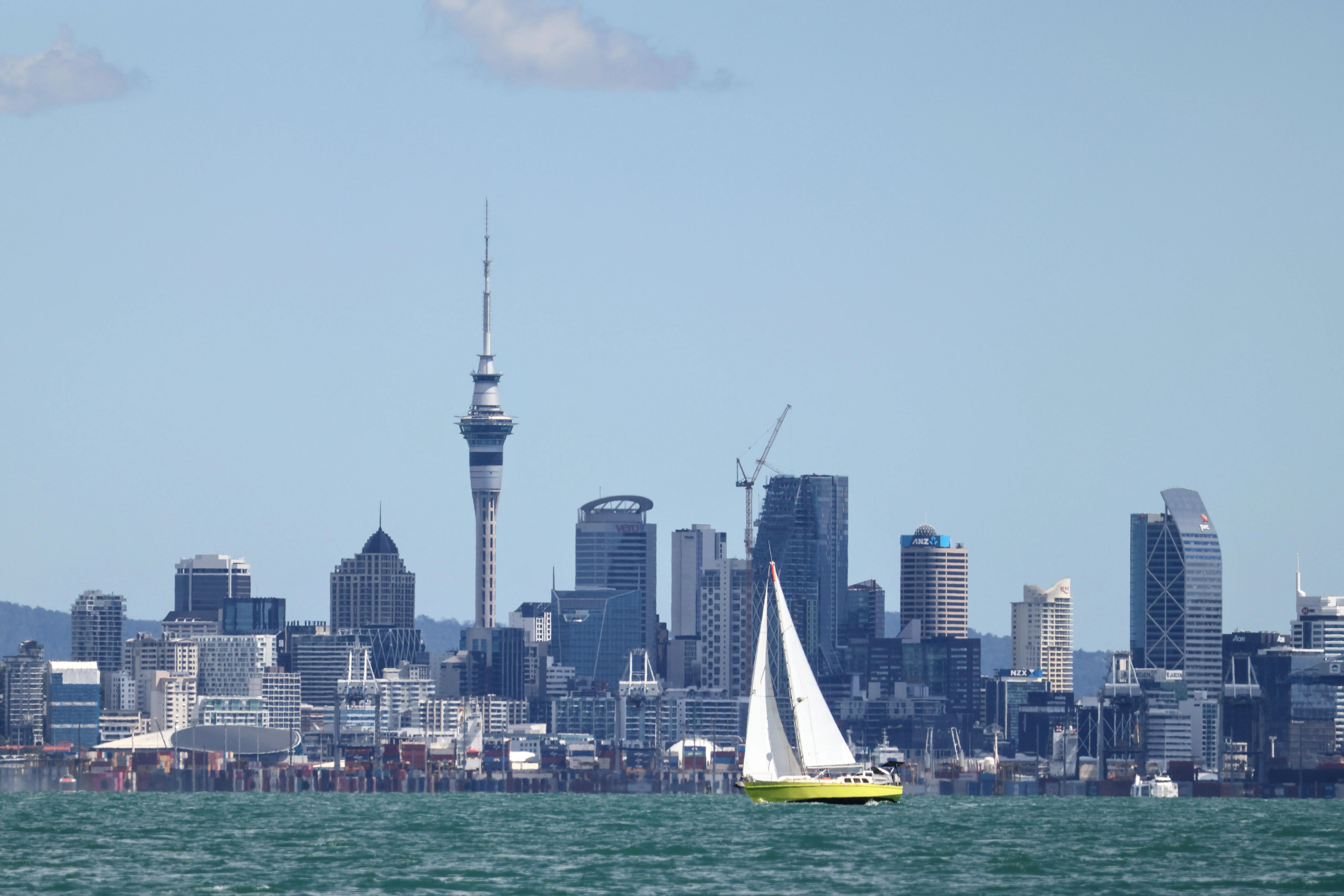
Auckland is not cheap. It never pretended to be, and the numbers have only moved in one direction over the past decade. The average monthly cost of living sits at NZD 3,662 for a single person — and that figure assumes you are making sensible decisions, not comfortable ones. The gap between what people expect to spend and what they actually spend is where most newcomers get caught. This guide gives you the real numbers, the trade-offs that matter, and the decisions that will save or cost you the most money.
What rent actually costs in central Auckland vs. the alternatives
Groceries, dining, and where the food budget compounds fastest
Transport: the monthly pass vs. owning a car, with honest numbers for both
Utilities, internet, and the bills most people underestimate
Healthcare costs and what New Zealand's public system covers
What a realistic monthly budget looks like for a single remote worker
The True Cost of Living in Auckland: What the Numbers Mean
NZD 3,662 a month sounds manageable until you remember that rent is not included in most cost-of-living estimates — and rent is the single largest expense you will have. Add a one-bedroom apartment in central Auckland and you are looking at NZD 5,500 to NZD 6,000 before you have eaten a meal or caught a bus. The cost of living in Auckland is not a surprise if you plan for it. It is only a surprise when you arrive with numbers from other countries and assume they translate.
Cost Breakdown: What a Single Person Actually Spends
The gap between budget and mid-range living in Auckland is wide enough to matter — and it is almost entirely driven by two line items: rent and food.
Rent for a one-bedroom apartment: NZD 1,850/month average — NZD 1,800–2,200 in the city center, cheaper further out, but the commute cost closes that gap faster than you expect
Groceries: NZD 935/month for a single person — weekly spend of NZD 60–90 if you shop at Pak'nSave Manukau rather than Woolworths, where the same basket costs 15–20% more
Transport: NZD 236/month average — monthly pass NZD 130–160 if you stay on public transit, NZD 400+ once you factor in fuel, parking, and registration if you own a car
Utilities: NZD 180–250/month for basic utilities, electricity NZD 80–220 depending on season and apartment insulation
The number that catches people out is not rent — they plan for that — it is the combination of everything else: a dozen eggs at NZD 5–7, a breakfast out at NZD 12–18, and imported goods priced at a premium because New Zealand's import costs are baked into every supermarket shelf.
Budgeting at least NZD 3,500 per month for a one-bedroom in the CBD is the baseline reality for anyone planning to live in New Zealand's largest city without sharing accommodation.
Category | Budget (Monthly) | Mid-Range (Monthly) | What Drives the Difference |
|---|---|---|---|
Rent (1-bed) | NZD 1,500 (shared flat, inner suburbs) | NZD 1,850–2,200 (own apartment, central) | Location and whether you share — shared flats cut this by NZD 600–800 |
Groceries | NZD 600–700 (Pak'nSave, meal prep) | NZD 900–1,000 (mixed shopping, convenience stores) | Which supermarket chain, and how often you buy imported goods |
Transport | NZD 130–160 (monthly pass, bus/train only) | NZD 350–450 (car ownership, fuel, parking) | Whether you need a car — suburbs with poor bus coverage force the decision |
Utilities | NZD 180–200 (small apartment, mild months) | NZD 220–250 (winter, older insulation) | Auckland's damp winters drive electricity bills up sharply — older buildings are the worst offenders |
Dining out | NZD 200–300 (one meal out per week) | NZD 500–700 (regular dining, weekend brunches) | Brunch culture in Auckland is real and it is expensive — NZD 25–35 per person before a drink |
Internet | NZD 50–60 (basic broadband plan) | NZD 70–80 (fibre, higher speeds) | Fibre availability varies by street — check before signing a lease |
Rent in Auckland and What It Costs to Live in New Zealand's Most Expensive City
Rent in New Zealand is quoted weekly — which means the NZD 425/week number you see on Trade Me Property listings translates to NZD 1,850/month, and that average is for a one-bedroom apartment that is not in central Auckland. City-center apartments run NZD 1,800–2,200/month, and the supply side is not improving: high demand and limited urban land have kept Auckland's rental market tight for years. This is not a temporary spike. It is structural.
Central Auckland: The Cost of Proximity
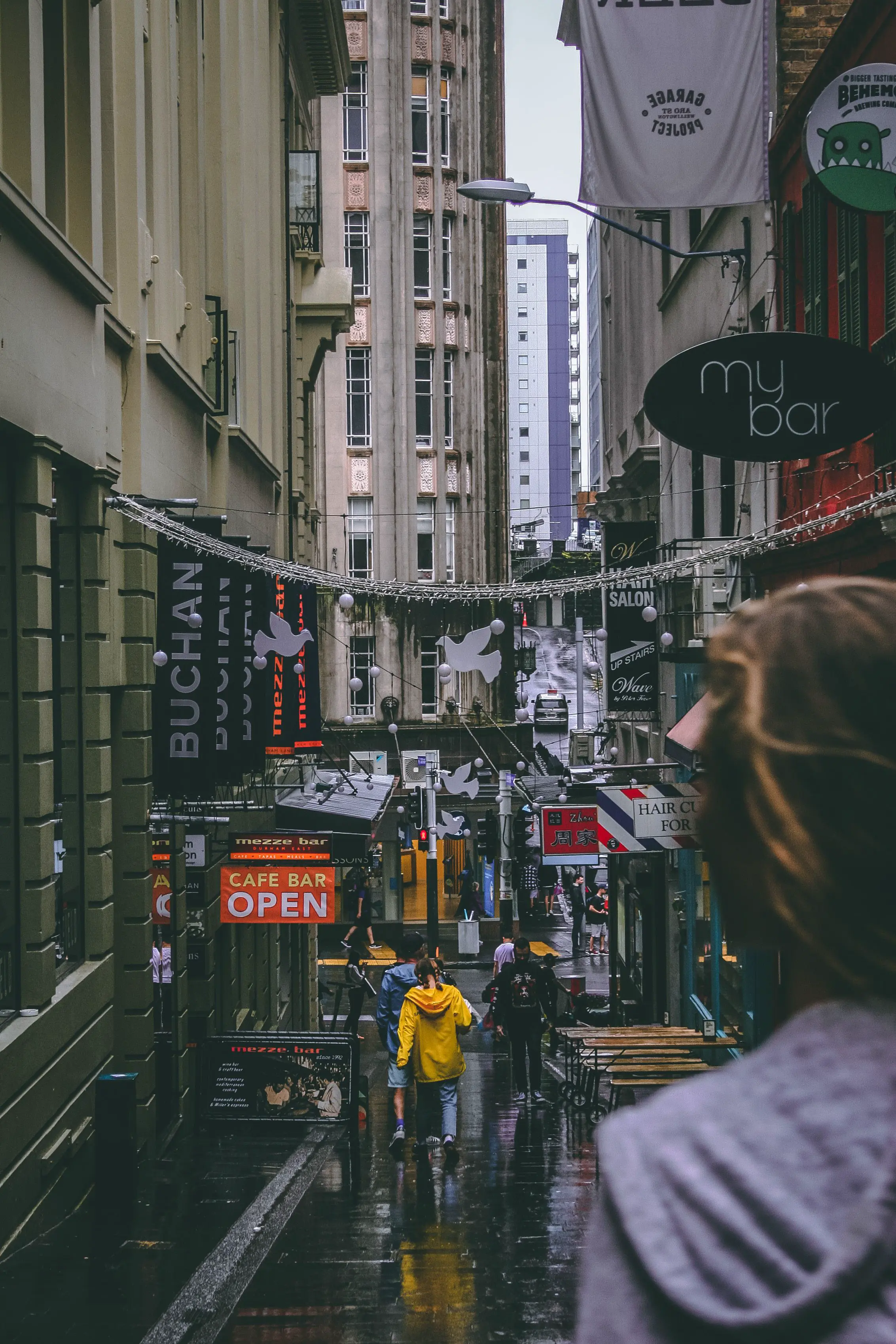
Living in the CBD or on its immediate fringes — Parnell, Ponsonby, Grey Lynn — gives you walkable access to work, food, and waterfront, but you pay for every square metre of that convenience.
One-bedroom apartment, Ponsonby: NZD 2,000–2,300/month — premium suburb, the weekly farmers market does not lower your rent
Studio in the CBD: NZD 1,600–1,900/month — smaller, louder on weekends, and often older stock with higher power bills in winter
One-bedroom in Parnell: NZD 1,900–2,200/month — quiet, walkable to the Domain, still central Auckland pricing
Shared flat, inner suburbs: NZD 850–1,100/month for a room — the realistic budget option if you want to stay close to the city center without spending two-thirds of your income on rent
The honest case for central Auckland is that you eliminate the transport cost and the time cost — but you need an income that justifies it, and the average salary in Auckland has not kept pace with what landlords charge.
Suburbs and Smaller Areas: Cheaper Rent, Real Trade-offs
Moving south to Manukau or west to Henderson cuts your rent by NZD 400–600/month — but Auckland's public transport coverage outside the inner suburbs is patchy enough that most people end up buying a car, which closes that gap quickly.
New Lynn: one-bedroom from NZD 1,400/month — train to the city, 25 minutes, but the neighbourhood has fewer cafés and coworking options
Manukau: NZD 1,200–1,500/month — southern Auckland, better for families, less suited to the working-remotely lifestyle where you need fast internet and coffee shops to default to
Three-bedroom apartment in central Auckland: NZD 2,995/month — if you are splitting with two others, that is NZD 1,000 each, which changes the maths considerably
Once you factor in rent, groceries, and transport, basic expenses for a single person in central Auckland typically land between NZD $2,800 and NZD $3,400 per month.
Monthly utilities in an Auckland apartment — electricity, gas, and internet — typically add NZD $180–$260 to your costs, with older villas in Ponsonby running higher due to poor insulation.
Shared flats are the move if you are arriving without a confirmed NZD 80,000+ income — and that is not a judgment, it is just what the numbers say when you run them honestly. Browse fully furnished apartments in Auckland to see what month-to-month options look like without a 12-month lease commitment.
Food, Groceries, and Dining: The New Zealand Cost That Compounds Quietly
Auckland's food costs are high relative to most countries because New Zealand depends on imported goods for a significant portion of its supermarket range, and local competition among grocery chains is limited enough that prices stay elevated across the board. The weekly grocery spend of NZD 60–90 for one person assumes you are buying staples and cooking most meals — it does not account for the specialist items, the wine, or the instinct to grab lunch near the office.
Supermarkets: Where You Shop Determines What You Pay
The difference between Pak'nSave and New World for the same basket is consistent enough that it is worth planning your shopping around, not just noticing once.
Pak'nSave Ōtāhuhu — the cheapest chain in Auckland, warehouse format, no loyalty program, genuinely lower prices; a dozen eggs NZD 5–6 here versus NZD 7 at New World Metro
Catalina Bay Farmers Market — produce quality is better, prices are not: budget NZD 100–120/week if this is your primary shop
Monthly grocery cost for a single person: NZD 935 average — you can get to NZD 700 with Pak'nSave and meal prep, or you can hit NZD 1,100 easily if you lean on convenience and buy imported goods regularly
A family of four spends NZD 2,428/month on groceries in Auckland — for context, that is more than a one-bedroom apartment in some New Zealand cities
The single biggest variable in your grocery bill is not what you buy — it is which supermarket you are willing to travel to, and whether the time cost of going to a cheaper store fits your week.
High prices at Auckland supermarkets — a block of cheese regularly costs NZD $8–$12 — reflect New Zealand's geographic isolation and duopoly between Countdown and Pak'nSave rather than luxury positioning.
Dining Out: Where Auckland's Inexpensive Restaurant Options Actually Exist
Breakfast out in Auckland costs NZD 12–18 at a standard café — and Auckland's café culture means that number comes up frequently if you work from coffee shops rather than home or a coworking space.
Ōtara Flea Market (Saturday mornings) — Pacific and Asian food from NZD 5–8 per dish, the most genuinely inexpensive restaurant alternative in Auckland; busy by 8am
Xinjiang Cuisine, Dominion Road — lunch under NZD 15, a street with some of the most consistent value dining in the city
Amano, central Auckland: NZD 25–35 per person — the food is good, the pricing is not a budget option, and the queue on Sunday mornings can be a pain but worth it
A meal at a mid-range restaurant: NZD 40–60 for two with drinks — dining out regularly adds NZD 500–700/month to a single person's budget without much effort
A single person spending carefully can cover food, dining out once a week, and household basics for around NZD $700–$900 per month excluding rent, which is tight but workable in suburbs like Māngere or Papatoetoe.
Your weekly grocery bill will vary depending on whether you shop at Countdown in Grey Lynn or the Ōtara Flea Market on a Saturday morning, where fresh produce can cost half the supermarket price.
Public Transport and Getting Around Auckland: Real Costs for a Single Person
Auckland's relationship with public transport is complicated in a way that matters for your budget. The network has improved significantly over the past five years, but the city's geography — spread across two harbours, built around cars for decades — means that public transportation works well if you live near a train or busway corridor, and poorly if you do not. Where you rent determines whether a monthly pass is enough or whether you end up owning a car anyway.

The Public Transport Case: Monthly Passes and What They Cover
If your apartment is within walking distance of an AT Metro rail station or the Northern Busway, the monthly pass argument is straightforward — NZD 130–160 covers everything, and you do not need to think about it again.
Monthly passes: NZD 130–160 for an AT HOP monthly pass — covers buses, trains, and ferries within Auckland; the Waitematā Train Station is the main hub and covers most inner-city routes
Single fare: NZD 2–5 per trip with an AT HOP card — the standard one-way fare is NZD 4.00; paper tickets cost more and are not worth it
Ferry to Devonport or Waiheke: NZD 8–36 return depending on destination — covered by AT HOP but Waiheke costs extra; budget separately if you are island-hopping regularly
Average monthly transport cost for a single person: NZD 236 — that number includes people who own cars, which pulls the average up considerably
The monthly pass at NZD 130–160 is genuinely good value if your daily life fits inside the inner suburbs — but Auckland's layout means a meaningful portion of the city simply does not have the bus frequency to make car-free living practical.
If your home country has an integrated metro system, Auckland's AT HOP bus and rail network will feel limited — the Western Line from Henderson to Britomart takes 45 minutes, and services stop well before midnight.
Car Ownership: Additional Costs That Most Guides Undercount
Buying a car in Auckland solves the coverage problem but introduces a set of additional costs that compound faster than people expect, especially if you are working remotely and parking near coworking spaces.
Fuel: NZD 2.20–2.50 per litre — NZD 7.60/gallon equivalent; a regular commuter fills up twice a month minimum, NZD 120–160/month in fuel alone
CBD parking: NZD 20–35/day at most central Auckland parking buildings — Wilson Parking is the main operator; monthly contracts available from NZD 280–380
Registration and warrant of fitness: NZD 100–150 per year for registration, NZD 60–80 for a WOF — not large individually, but they arrive whether or not you budgeted for them
Insurance: NZD 80–150/month for comprehensive car insurance depending on vehicle age and your own country driving history — insurers price imported-licence holders differently
The monthly bills for car ownership in Auckland add up to NZD 400–600 before anything goes wrong with the vehicle — compared to NZD 130–160 for a monthly pass, the cost case for avoiding a car is clear, as long as you choose your apartment with the bus or train map open, not closed.
Healthcare, Insurance, and Services: What International Students and Residents Pay in Auckland
Auckland's healthcare system is partly subsidised and partly not — and the gap between those two halves is where most newcomers get caught out.
GP Visits and Medical Costs for Non-Residents
If you are not a New Zealand resident or citizen, standard GP subsidies do not apply, and the difference in what you pay is significant enough to affect your monthly budget plan.
City Doctors on Queen Street — NZD 75–90 per consultation for non-enrolled patients; enrolled residents pay NZD 19.50 — the gap is not small
Prescription fees: NZD 5 per item for residents; full price for non-residents — common medications run NZD 15–60 per fill depending on the drug
Dental: no public subsidy for adults — a standard check and clean at most Auckland dental clinics runs NZD 120–180; a filling starts at NZD 180
ACC (Accident Compensation Corporation) covers injury treatment for everyone in New Zealand regardless of visa status — one genuine safety net that most people don't factor into their insurance calculus
Travel insurance that includes medical coverage is not optional in Auckland if you are on a visitor or remote worker setup — budget NZD 80–150/month for a policy that actually covers GP visits and hospitalisation, not just evacuation.
Most expats on a work visa take out private health insurance through Southern Cross for around NZD $80–$120 per month, which cuts specialist wait times from months to under two weeks.
Internet, Phone, and Utility Services
The utility infrastructure in Auckland is reliable, but the pricing for services reflects a small, geographically isolated market with limited competition.
Mobile SIM: Spark and 2degrees both offer prepaid plans from NZD 19–29/month for 5–10GB data — adequate for casual use, insufficient for video calls all day
Unlimited data mobile plan: NZD 55–75/month — necessary if your apartment's fibre connection goes down and you need a backup; this happens more in the outer suburbs than the inner city
Gas connection (where available): NZD 30–50/month in winter for heating and cooking — many Auckland apartments use electric only, which pushes electricity bills higher in colder months
Water and rates: typically included in rental properties — if they are not, budget NZD 50–80/month additional
The honest number for utilities, phone, and internet combined is NZD 220–350/month — higher than most listings imply, particularly in winter when electricity consumption rises sharply.
Auckland's leisure options outpace most regions in New Zealand — Waiheke Island is a 35-minute ferry from the city, and weekend tramping in the Waitākere Ranges is free apart from the petrol to get there.
Leisure, Lifestyle, and What Auckland Actually Costs to Enjoy
Auckland's lifestyle costs are where the budget expands fastest — not because the city is predatory about it, but because the culture here is genuinely outdoors, social, and food-forward in ways that cost real money to participate in.

Eating and Drinking: What Restaurants Actually Charge
The gap between a meal at a local Thai spot in Dominion Road and a dinner in Britomart is wide enough to restructure your weekly spending if you are not paying attention.
Dominion Road Thai and Malaysian restaurants — NZD 13–18 for a main, reliably good, no atmosphere tax; this strip is one of the few places in Auckland where the food quality-to-price ratio actually works in your favour
Mid-range dinner in the CBD: NZD 35–55 per person before drinks — restaurants like those around Viaduct Harbour price for tourists and after-work professionals, not residents eating twice a week
A beer at a central Auckland bar: NZD 12–16 for a pint — comparable to Sydney or London, not the cheaper end of the Asia-Pacific region
Coffee: NZD 5.50–7 for a flat white; Auckland's café culture is serious and the quality is high, but at NZD 7/day you are spending NZD 210/month before food
Most people who live in Auckland well spend selectively — Dominion Road once a week, a nicer restaurant twice a month, and coffee from home most mornings; the lifestyle is affordable at that rhythm, expensive if you treat restaurants as daily infrastructure.
Recreation and the Outdoors
The genuinely good news about Auckland's leisure life is that the things that make the city worth living in — the water, the regional parks, the volcanic cones — cost almost nothing to access.
Auckland Domain — free, large, centrally located; the Auckland Museum inside charges NZD 28 for non-residents (residents pay a suggested donation) — worth knowing before you walk in assuming it is free
Gym membership: NZD 30–80/month depending on chain — Les Mills Auckland City is NZD 39.90/week on short-term contracts; cheaper options exist in the suburbs
Waiheke Island day trip: NZD 36 return ferry plus NZD 20–40 on food and wine minimum — beautiful, but it is a half-day spend, not a free afternoon off
Regional parks and walking tracks: free, well-maintained, and genuinely accessible from the inner suburbs — Waitākere Ranges is under an hour from the CBD by car
Auckland is one of the few major cities where the best things to do on a weekend are largely free — the lifestyle cost comes from food and drink, not entry fees, and that is a distinction worth holding onto when you are planning the month.
Auckland vs. Australia and the World: Is the Average Salary Enough to Get By?
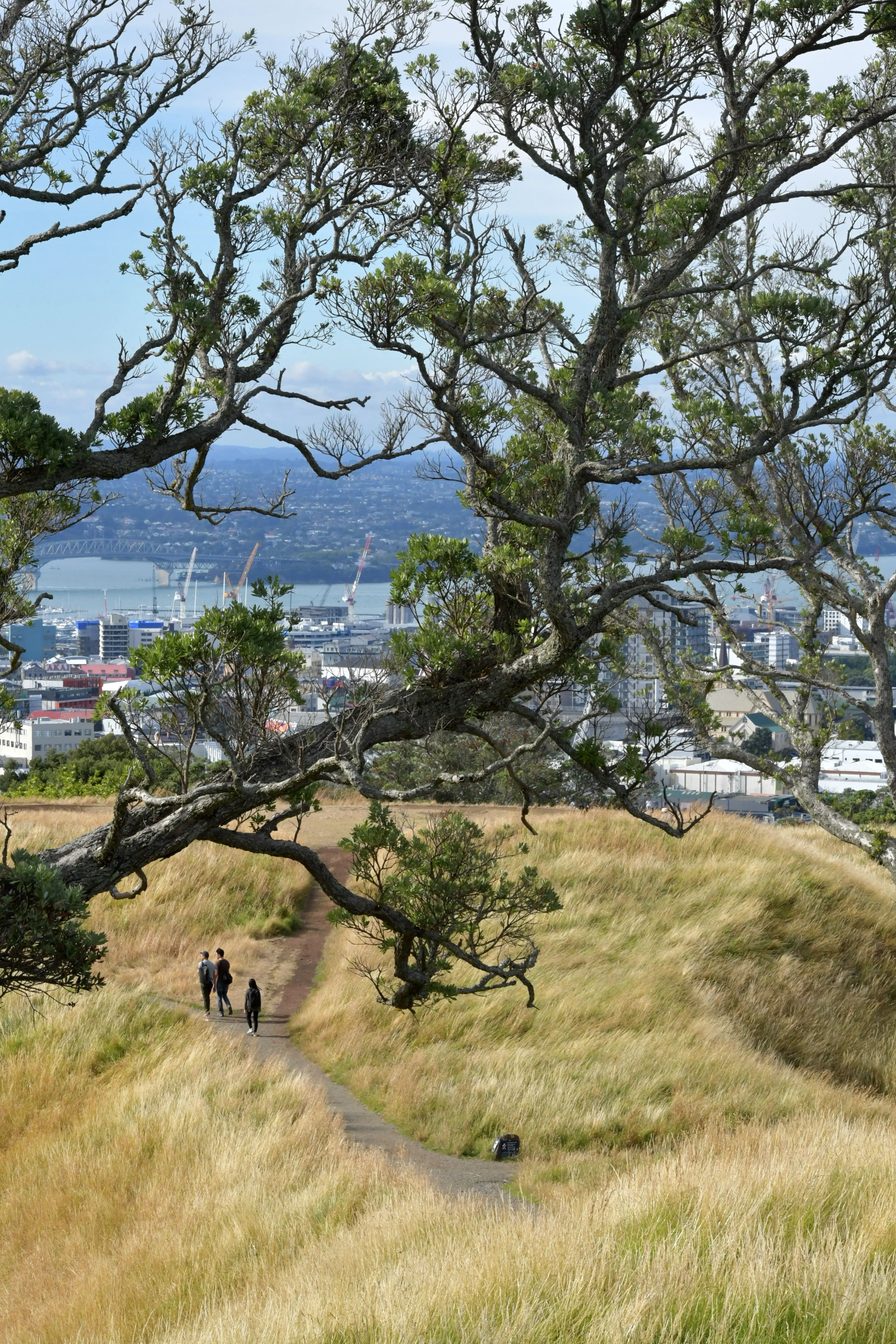
The question most people are actually asking when they research the cost of living in Auckland is whether it makes more sense than Sydney or Melbourne — and the honest answer is: not on price alone, but potentially on quality of life per dollar.
How Auckland Compares to Australia on Key Expenses
Auckland and Australia's major cities are close enough in cost that the difference rarely justifies a relocation decision on budget grounds — but the gap exists in a few specific categories.
Rent: a 1-bed in Auckland's CBD runs NZD 1,800–2,200/month; the same apartment in Sydney's inner suburbs starts at AUD 2,400–2,800/month — Auckland is cheaper on rent, but the NZD/AUD exchange rate narrows that gap if you earn in AUD
Groceries: broadly equivalent — Australia's supermarket duopoly has faced more pressure recently, and Woolworths/Coles prices are not dramatically lower than Auckland's New World or Woolworth's Mt Eden
Taxes: New Zealand's income tax tops out at 39% above NZD 180,000 — most remote workers land in the 30% bracket (NZD 70,000–180,000); comparable to Australia's marginal rates at similar income levels
Healthcare out-of-pocket: lower in New Zealand for residents, comparable for non-residents — but Australia's Medicare access for eligible visa holders is a genuine advantage Auckland cannot match
If you are comparing Auckland to the world's other English-speaking remote-work hubs, the honest assessment is that it sits at the expensive end — cheaper than London, roughly level with Sydney, noticeably more expensive than Lisbon or Medellín — but with a quality of outdoor life and population density that those cities cannot offer.
Who Pays What: Students, Families, and Long-Term Residents
The average monthly spend in Auckland means something very different depending on whether you are a student, a family of four, or a single remote worker — and most headline figures obscure those differences.
Students: fees for international students run NZD 25,000–35,000/year in tuition alone — living costs on top add NZD 1,500–2,000/month minimum; University of Auckland publishes NZD 20,000/year as a living cost estimate, which is optimistic for anyone not in halls of residence
Families: a family of four should expect NZD 7,500–9,500/month all-in — childcare alone runs NZD 300–450/week per child before the 20-hour ECE subsidy kicks in at age three
Long-term residents who own property: housing costs are fixed at the mortgage rate rather than market rent — those who bought before 2018 are insulated from the rental increases that now define the experience for newcomers
Remote workers earning in USD or EUR: the exchange rate provides meaningful cushion — USD 4,000/month gross translates to roughly NZD 6,600 at current rates, which covers a comfortable central Auckland lifestyle with room to save
The budget looks very different depending on which category you are in — and most people researching Auckland's cost of living are in the remote worker category, where a USD or EUR income makes the city significantly more liveable than the NZD figures suggest at first.
Auckland's tech and construction sectors are actively hiring, giving skilled migrants more job opportunities than comparable cities like Perth or Brisbane — without requiring an Australian visa.
The Real Cost of Auckland Life: A Summary Table
Category | Budget (per month) | Mid-Range (per month) | What Drives the Difference |
|---|---|---|---|
Rent (1-bed) | NZD 1,500 (shared flat, outer suburb) | NZD 2,000 (own place, inner suburb) | Location and whether you share — the gap between Ponsonby and Māngere is real |
Groceries | NZD 600–700 (Pak'nSave, meal planning) | NZD 900–1,000 (Countdown, convenience buying) | Store choice and how much you cook from scratch |
Eating out / restaurants | NZD 200–250 (local spots, twice a week) | NZD 500–700 (mid-range dining, regular) | Frequency and whether you avoid the CBD and Viaduct for daily meals |
Transportation | NZD 130–160 (monthly AT HOP pass, inner city) | NZD 450–600 (car ownership, fuel, parking) | Whether your neighbourhood has the bus frequency to make car-free life viable |
Utilities + internet | NZD 180–220 (summer, fibre, one device) | NZD 300–350 (winter, gas, backup mobile data) | Season and whether your building uses electric heating |
Insurance + services | NZD 80–120 (basic travel/health cover) | NZD 150–200 (comprehensive health + dental) | Visa status and whether ACC covers your most likely risks |
Leisure + lifestyle | NZD 100–200 (parks, home cooking, local spots) | NZD 400–600 (gym, Waiheke day trips, bar nights) | How much Auckland's outdoor and social life you actually participate in |
Is Auckland Worth It? A Conclusion for Remote Workers Making a Real Decision
Auckland is not the right city for everyone, and it is certainly not the right city for anyone optimising purely on cost. If your benchmark is a lean monthly budget in a European or Southeast Asian city, Auckland will not compete. The rent is high, the groceries are expensive, and the lifestyle culture here rewards spending. That is the honest starting point.
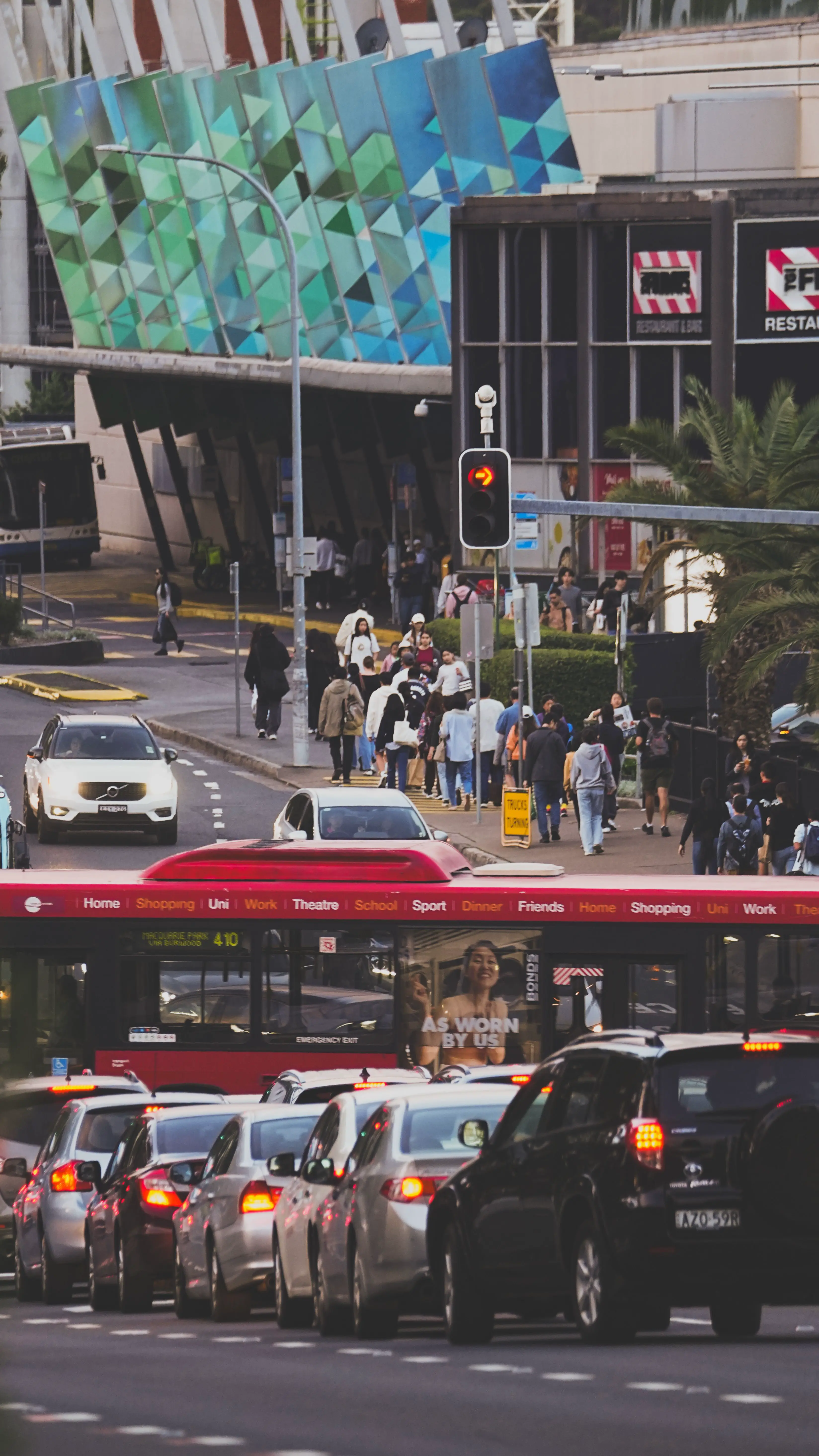
What Auckland offers instead is a high-quality, low-density city with genuine outdoor access, a stable infrastructure, and a population that has figured out how to live well without needing a metropolis of ten million people to do it. Remote workers earning in USD or EUR can live comfortably here for NZD 4,500–5,500/month all-in and feel like they are getting something for it — good coffee, clean air, fast internet, and access to water and parks that most cities cannot offer at any price.
The plan that works in Auckland is specific: rent in an inner suburb with good bus coverage, shop at the discount end of the grocery market, eat out selectively, and skip the car if your apartment choice allows it. Do those four things and Auckland becomes a different city financially. Ignore any one of them and the monthly number climbs quickly. Explore fully furnished apartments in New Zealand to find the base that makes the rest of the budget work.