Lukas
Tech & Digital Nomad Cultural Editor ·
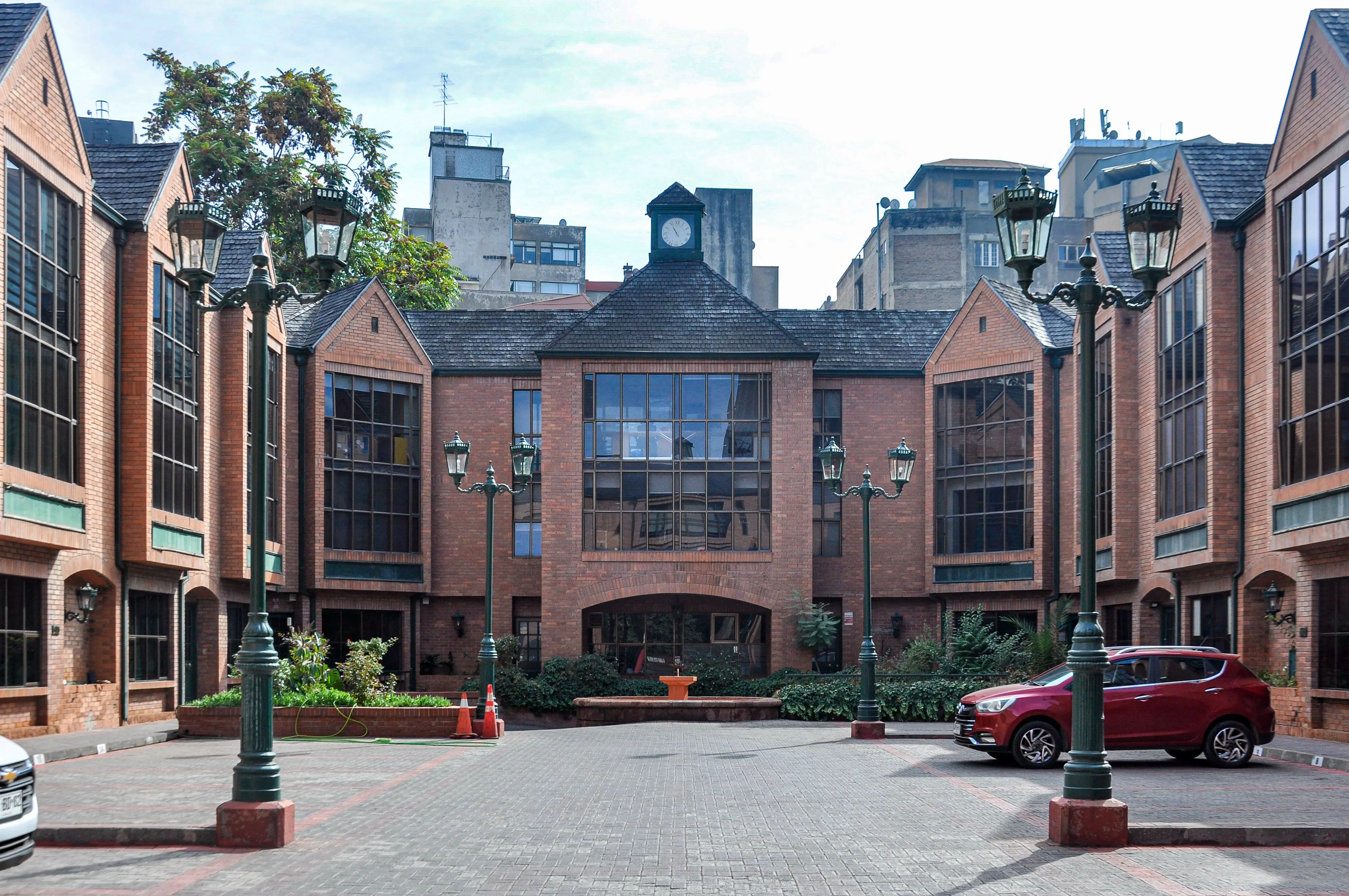
Providencia is the part of Santiago de Chile that rewards people who stay longer than a week. It sits east of downtown, covers 14km² of tree-lined streets and parks, and operates as a genuine 15-minute city — groceries, coffee, Metro, and the Andes visible from the end of the block. The trade-off is that it's not cheap by Chilean standards, and it's busy enough that "quiet neighbourhood" is a stretch on weekdays. But for remote workers who need infrastructure without chaos, it's the clearest answer Santiago offers.
This guide covers:
What Providencia actually feels like to live in versus visit
How it compares to Las Condes, Barrio Bellavista, and other Santiago neighbourhoods
Where to eat, work, and walk without getting it wrong
The green spaces that make a long stay bearable
Getting around — Metro stations, the Santiago cable car, and when you don't need either
Honest housing costs and what your money actually gets you
Why Providencia Santiago Works as a Base — and Who It Doesn't Suit
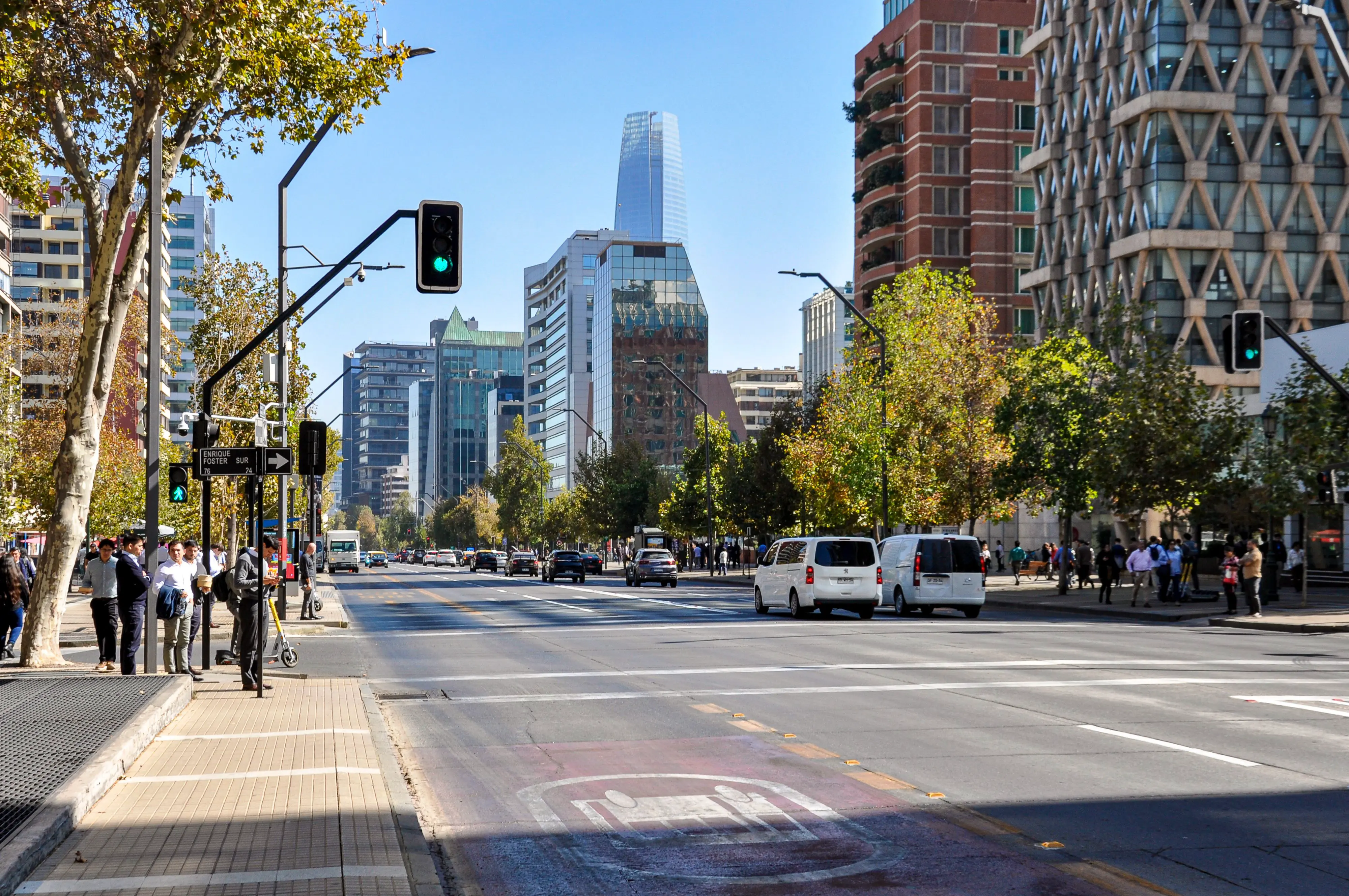
Providencia is a central, safe district that functions more like a self-contained town than a neighbourhood. Avenida Providencia and Avenida Nueva Providencia run its spine east to west, and almost everything a remote worker needs sits within a few blocks of one or the other. The population of around 120,000 keeps it dense enough to feel alive without the noise and congestion of Santiago Centro.
The Case for Staying in Providencia
The "15-minute city" label is accurate — not a marketing phrase someone pasted onto a map.
Metro Tobalaba, Metro Tobalaba — Line 1 and Line 4 intersection, puts you downtown in 12 minutes or in Las Condes in 8
Supermarkets, pharmacies, and banks cluster on Avenida Providencia — no planning required
Tree-lined residential streets behind the main avenue absorb most of the commercial noise
Middle-to-high-income residential mix means the streets are maintained and well-lit after dark
The honest version: Providencia is about comfort and convenience, and if you're looking for the cheapest base in Santiago, that's not what this district is selling.
Providencia sits close enough to Las Condes for business meetings yet far enough from the tourist grind of the historic centre that most long-term visitors to Santiago de Chile end up staying here rather than moving on.
Who Should Look Elsewhere
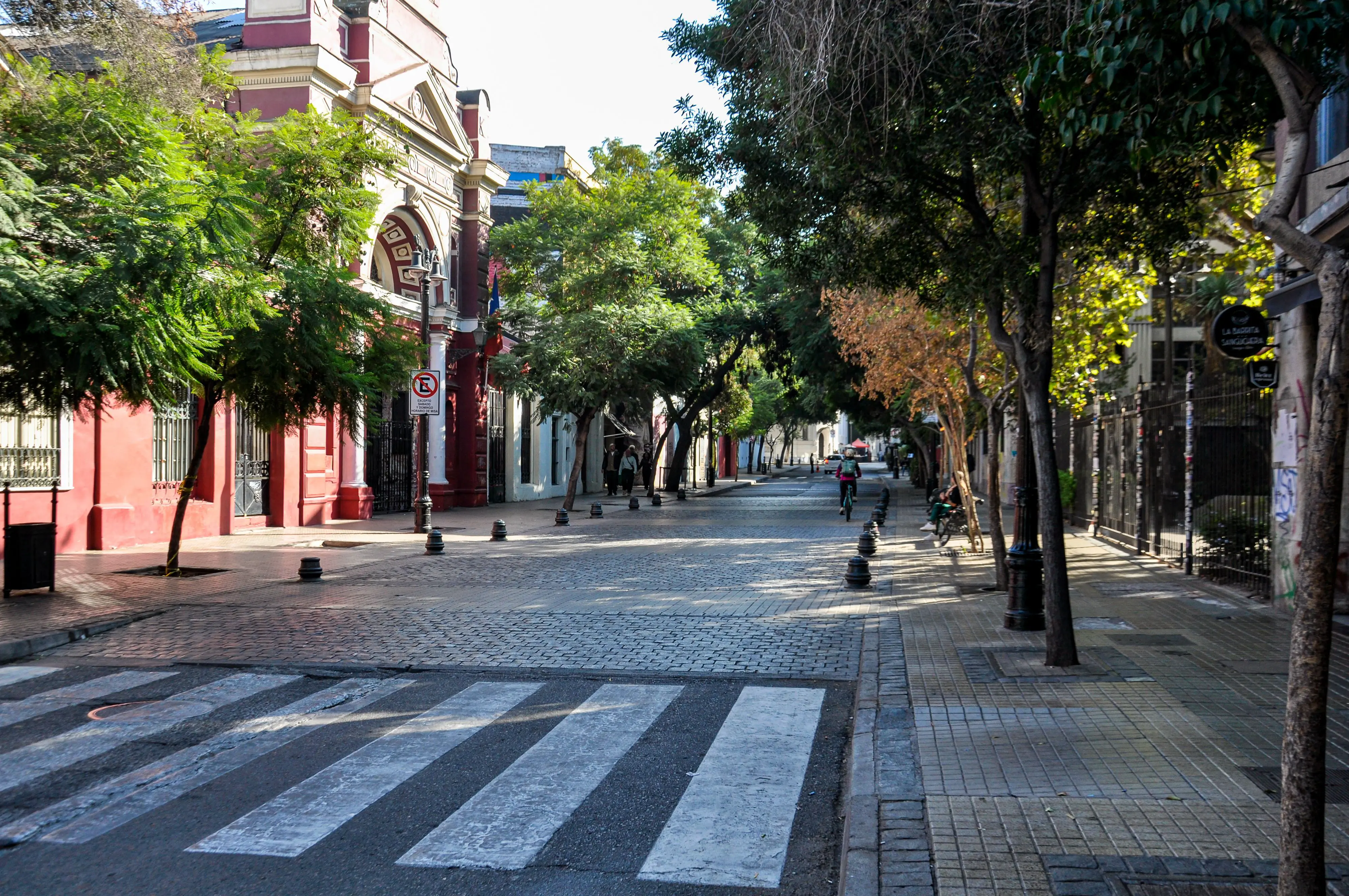
If your priority is cheap rent, Barrio Brasil is west of downtown and runs significantly lower on monthly costs — but it trades away the Metro density and park access that make Providencia functional for longer stays. If you want nightlife within walking distance every night, Barrio Bellavista is a 10-minute walk north across the Mapocho River and far louder. Providencia sits in the middle: better value than Las Condes, more polished than the centro, quieter than Bellavista after midnight.
Neighbourhood Comparison: Providencia vs Las Condes
The Neighbourhood Shortlist: What Each Area Actually Costs
Santiago's neighbourhoods aren't interchangeable — the rent gap between Barrio Brasil and Las Condes is real, and so is the lifestyle gap that comes with it.
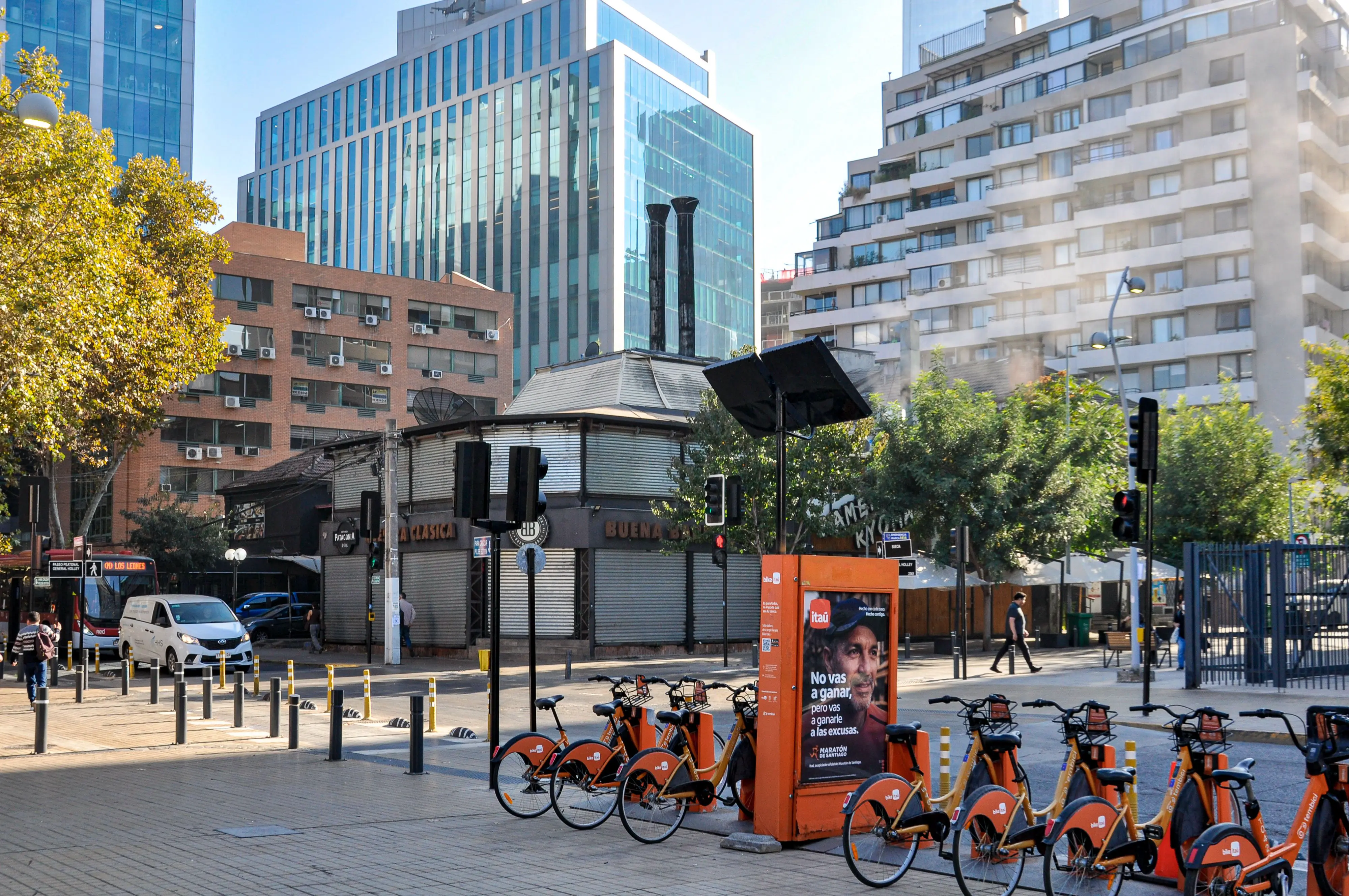
Providencia: $700–$1,100 USD/month — the sweet spot for remote workers who want metro access, parks, and errands on foot
Las Condes: $900–$1,500 USD/month — corporate and quieter, best for longer stays or anyone who needs proximity to the financial district
Barrio Bellavista: $500–$850 USD/month — cheap and creatively dense, but night-forward energy makes it better for short stays than focused work
Barrio Brasil and Santiago Centro: $400–$750 USD/month — the lowest rents in the city, with local character in Brasil and pure transit convenience in Centro
The table above is a decision tool, not a ranking — the right neighbourhood depends entirely on your budget and how much you value walking over cabbing.
Browse Santiago homes near this area
Providencia vs. Las Condes: The Real Trade-Off
Most remote workers eventually narrow the choice to these two, and the answer almost always comes down to how much you're willing to spend to avoid needing a taxi for daily life.
Providencia wins on walkability: groceries, cafés, gyms, and the metro are all reachable on foot — a genuine 15-minute errand radius
Las Condes wins on scale: Costanera Center, Sky Costanera, and a cluster of international businesses are within easy reach if that matters to your work
The rent premium for Las Condes is roughly $200–$400/month — worth it for families or longer-term business stays, harder to justify for solo remote workers
Providencia's mixed residential-commercial streets mean you live among locals running errands, not just expats commuting to glass towers
If you're working remotely and not expensing the rent, Providencia gives you more city for less money — Las Condes gives you more space and less spontaneity.
Browse Santiago homes near this area
Where to Start Your Apartment Search
Knowing the neighbourhoods is one thing — finding a furnished place that's actually available is another, and availability shifts faster than any static guide can track.
Providencia and Las Condes have the most consistent furnished inventory, with longer-stay apartments designed for remote workers
Barrio Bellavista skews toward short-term listings — good for a trial week, harder to secure for three months at a reasonable price
Barrio Brasil has the best value if you're patient — listings move quickly and unfurnished-to-furnished ratios are less favourable than in the east
Rent in Providencia runs CLP 600,000–900,000 per month for a one-bedroom, which is noticeably more than other places like Ñuñoa or Recoleta but buys you a meaningfully safer and more walkable street experience.
Browse fully furnished apartments in Santiago to see what's currently available across all five neighbourhoods.
Parks, Green Space, and the Santiago Cable Car: Outdoors in Providencia
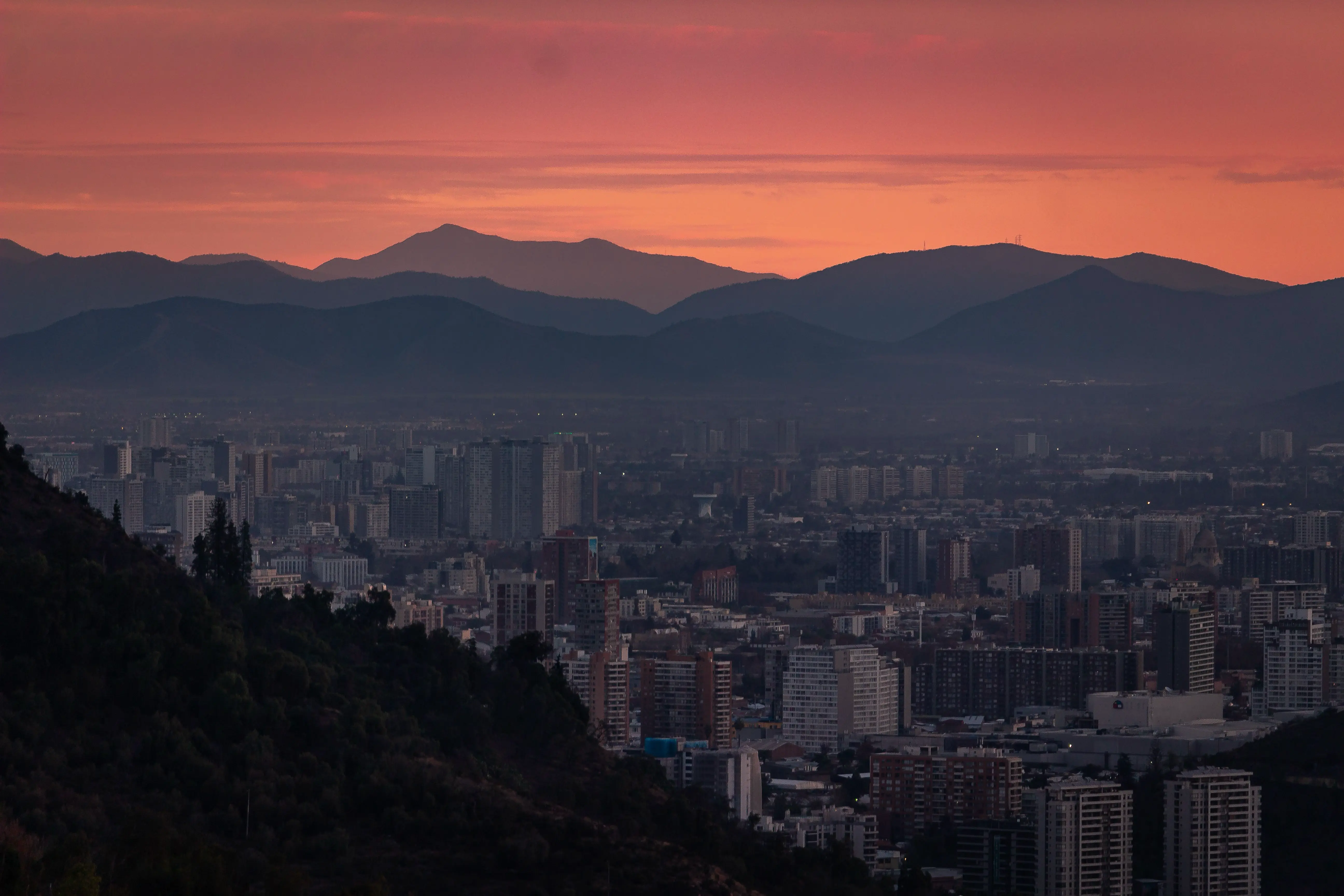
Providencia earns the "garden city" description — this isn't greenwashing. Parque Metropolitano alone covers 712 hectares on Cerro San Cristóbal, which sits at 880 meters above sea level and dominates the northern edge of the district. The Andes Mountains are visible from almost anywhere in Providencia on a clear day, which is most winter days and fewer summer ones.
Cerro San Cristóbal and the Santiago Cable Car
The cable car ride to the summit is the most efficient way up, and the view from the top — a beautiful view stretching across the city with the Andes as a backdrop — is one of the better arguments for choosing this part of Santiago over any other.
Cerro San Cristóbal — cable car tickets around CLP 4,500 one-way; hike takes one hour if you'd rather earn it
The Virgin Mary statue at the summit is the landmark you see from the city below — worth the visit once, especially at dusk
The santiago cable car runs Tuesday to Sunday; Monday closures catch visitors off guard — plan accordingly
Teleférico connects the summit to Parque Metropolitano's eastern section, giving you a cross-hill route
If you're working a compressed schedule, the cable car at 5pm on a Tuesday — light crowds, the Andes lit up behind you — is the kind of afternoon that makes a long remote work stay feel like it was worth it.
On a clear winter day, you can see the Gran Torre Santiago — the tallest tower in Latin America — from the upper paths of Cerro San Cristóbal, which makes the CLP 2,000 funicular ticket one of the best-value views in the city.
The Smaller Parks Worth Knowing
Parque Metropolitano is the headline, but the smaller parks are the ones you'll actually use on a Tuesday morning between calls.
Parque Bustamante — several cafés inside, a skate park, and enough shade to work from a bench without a screen glare problem
Parque de las Esculturas — open-air museum with over 30 sculptures by Chilean artists, free entry, good for a walking break that isn't just a loop
Parque Bicentenario — open-air art installations along the Mapocho River; the river path connects it to other green corridors without crossing a road
Parque Bustamante is located right on the border of Providencia and Santiago Centro, making it the easiest green escape if you need to decompress without paying for a taxi.
The park density is what separates Providencia from Las Condes for daily livability — Las Condes has money; Providencia has places to actually walk to.
Nightlife, Food, and Culture: Barrio Bellavista, Barrio Brasil, and Beyond
Providencia's nightlife scene is real, and Barrio Bellavista is the engine behind it — technically straddling the Mapocho River between Providencia and Recoleta, but functionally it's where Providencia residents go when they stop working for the day. The key is knowing which streets to be on and when.
Barrio Bellavista Nightlife: Where to Go After 9pm
Barrio Bellavista is the star of Santiago's nightlife, and the geography of it matters more than most guides admit.
Pío Nono street is lined with beer bars — good for a first night when you're still getting your bearings, avoid it on Friday when the tourist-to-local ratio tips
Antonia López de Bello — cocktail bars run the length of this street; better quality than Pío Nono and quieter until 11pm
Bombero Núñez hosts the best LGBT bars and clubs in Santiago — specifically in the blocks between Constitución and Loreto
Patio Bellavista — an open courtyard complex with restaurants and bars; convenient but skews toward visitors rather than locals after 8pm
The honest trade-off: Barrio Bellavista is a 10-minute walk from most of Providencia at night, which means you get the access without living above a bar — a real advantage over renting in Bellavista itself.
La Chascona and the Cultural Layer
La Chascona is Pablo Neruda's Santiago home and one of the most visited cultural sites in Chile — but it works better as a weekday morning visit than a weekend one, when the tour groups thicken.
La Chascona — entry around CLP 7,000; guided tours in Spanish and English; book ahead on weekends
Art galleries cluster along the streets between Bellavista and Santa Lucía Hill — no single institution dominates, which means you find things by walking rather than planning
Santa Lucia Hill itself sits southwest of Providencia proper — a 20-minute walk or one Metro stop; the viewpoint from the top is free and underused on weekday mornings
Providencia has the cultural infrastructure of a place that expects its residents to use it, not just admire it from the outside — and that's a different thing from a neighbourhood that calls itself "cultural" in a brochure.
Barrio Bellavista has a handful of Venezuelan and Colombian spots that bring Caribbean coastal cooking — think fried plantains and arepas — to a neighbourhood otherwise dominated by Chilean grills and Peruvian cevicherías.
pedro de valdivia and Barrio Italia: The Neighbourhood's Eating Heart
Pedro de Valdivia is both a Metro station and the axis around which much of Providencia's best eating is organised — the station at Pedro de Valdivia drops you into a cluster of restaurants and cafés that most Santiago guides underserve.
Barrio Italia, a short walk south, runs antique shops alongside intimate restaurants with international cuisine — the combination is genuinely unusual in Latin America
Mercado Barrio Italia — weekend food market, CLP 3,000–8,000 per dish, better before noon when the produce is fresh and the crowd is local
Traditional Chilean cuisine at local eateries near Pedro de Valdivia runs CLP 5,000–9,000 for a full lunch — the menú del día format is alive and well here
New dining spots open frequently on the streets between pedro de valdivia and Ñuñoa — walking this area without a plan is a reasonable Tuesday lunch strategy
Barrio Italia is the part of Providencia that feels most like it's still becoming something — which, if you're staying for a month, is the most interesting part of a neighbourhood to be near.
Want to know more about the best neighborhoods for digital nomads in Santiago? Explore Bellavista in our neighbourhood guide for street-level detail on the best blocks to rent on.
Getting Around Providencia: Metro Station Access, Day Trips, and More
Providencia's location means you can reach most of what makes Santiago worth living in without a car, a long commute, or a plan made the night before — and that changes how you use the city on days when you're not working.
Day Trips Within Reach
The Andes are visible from most of Providencia on a clear day, which makes it easy to forget they're also accessible — a ski resort or mountain hike is a 90-minute bus ride, not an expedition.
Cajón del Maipo — the closest serious hike from Santiago; buses leave from Bellavista Terminal, CLP 3,000 one way; go mid-week to avoid weekend crowds on the trails
Valle Nevado — ski season runs June to October; day passes start around CLP 60,000; the trip from Providencia is faster than most people expect and free of the airport-style queuing that Portillo draws
Pomaire — a pottery village 65km west; the bus from Pajaritos Terminal takes about an hour and costs CLP 2,500; the clay work here is the kind of local craft that hasn't been polished into a tourist market yet
Viña del Mar and Valparaíso are a 90-minute bus trip from the Alameda terminal — a reasonable Sunday if you want sun, coast, and a different atmosphere without booking anything in advance
The access Providencia gives you to these trips is part of what makes a longer stay worthwhile — this is not a city where the neighbourhood is everything and the surroundings are an afterthought.
Cerro Santa Lucía and the Central Green Belt
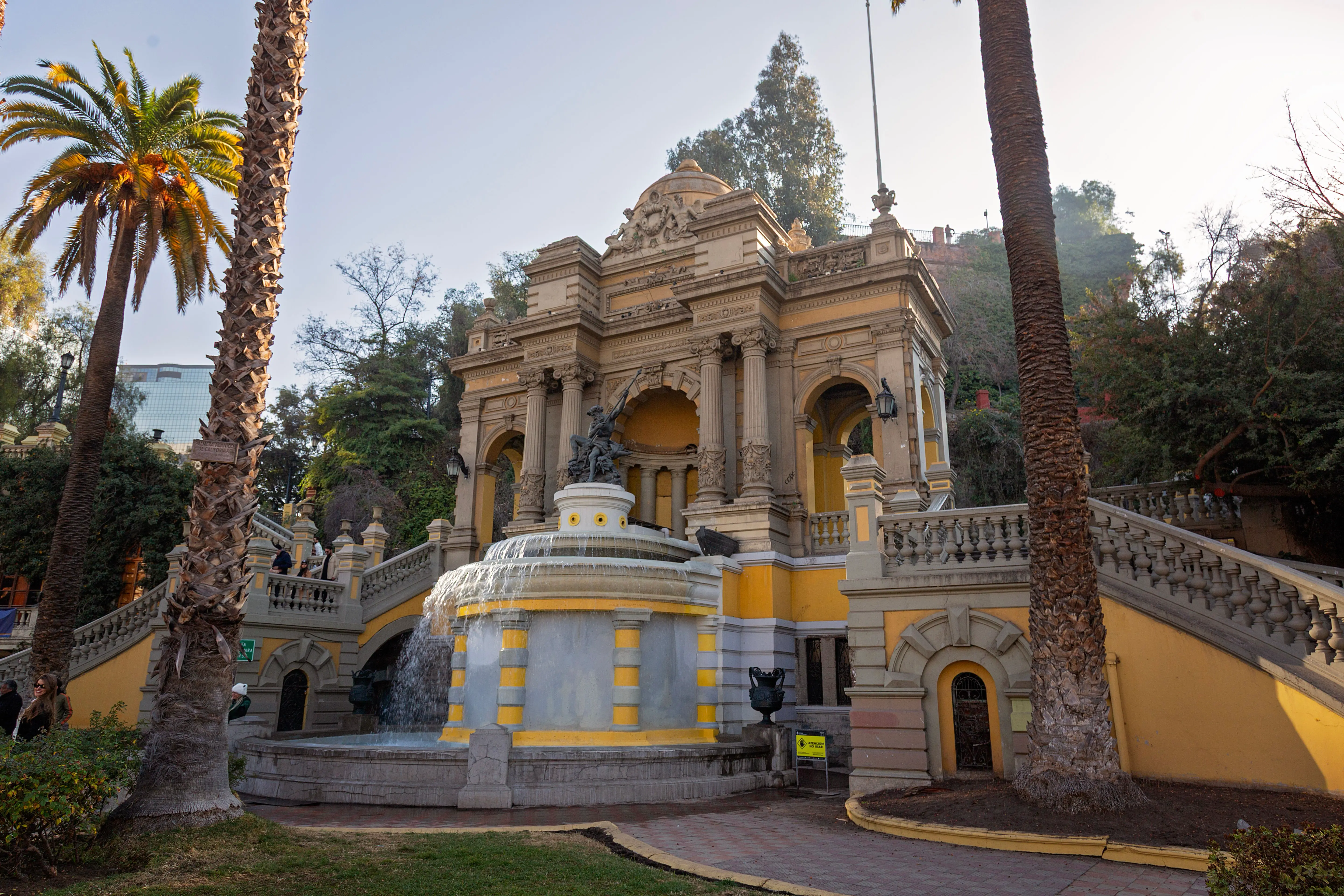
If Cerro San Cristóbal is the weekend destination, Cerro Santa Lucía is the Wednesday afternoon option — a free hilltop with city views that sits at the western edge of Providencia's walkable radius and gets overlooked precisely because it's not the famous one.
Entry is free; the top takes about 15 minutes to reach on foot; monuments and fortification walls make it more interesting than a plain viewpoint — the history of Santiago's founding is physically embedded in the stonework here
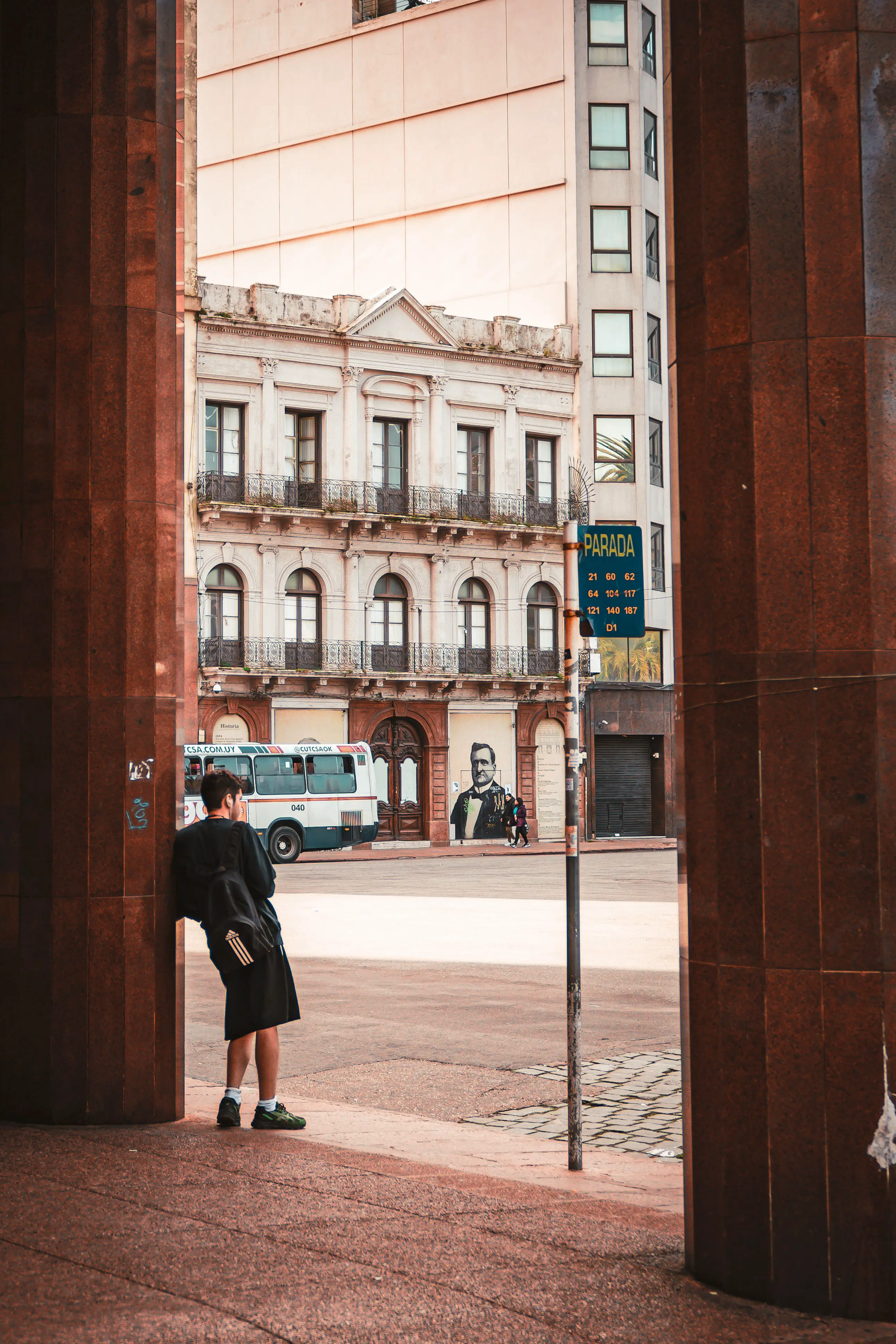
Plaza Italia (officially Plaza Baquedano) is the social and geographic cross point between Providencia and Santiago Centro — it marks the western edge of the neighbourhood and the place where the city's politics surface whenever something significant happens in the country
The pedestrian path along the Mapocho riverbank between Plaza Italia and Pío Nono runs about 1.5km; it's not scenic in the way European river walks are, but it's useful and used by locals daily
Cerro Santa Lucía's free access and central position make it the kind of place you visit once planning to spend 20 minutes and end up staying an hour — not because of any single thing but because the city view combined with the quiet makes it a great place to reset a slow afternoon.
Baquedano Metro is a good place to start if you are heading east toward Las Condes or west into Santiago Centro — the Line 1 train runs every 3 minutes during peak hours and costs CLP 800 flat.
Cinema, Culture, and Weeknight Options
Providencia has enough going on from Tuesday to Thursday that you won't be crossing into other neighbourhoods every time you want something to do after 8pm — which matters more than most people factor in when choosing a base.
Cineplanet Costanera Center — multiplex on Avenida Providencia; tickets CLP 5,000–7,500; international releases screened in original language with subtitles rather than dubbed — a small but real advantage if you're staying long-term
Teatro Oriente — mid-sized venue on the Avenida; tickets typically CLP 8,000–20,000 depending on the show; programming leans toward contemporary Chilean theatre rather than touring productions
The northern blocks between Avenida Providencia and Avenida Ossa have a cluster of wine bars and quieter restaurants that are better suited to a work-night dinner than anything near Bellavista — the atmosphere is slower and the noise level lets you have a conversation
The cinema and theatre circuit here won't compete with a major European capital, but it covers the basic cultural infrastructure that stops a long stay from feeling like you're just working in a nice apartment.
Practical Living in Providencia: Supermarkets, Safety, and What Actually Trips People Up
The things that make a neighbourhood genuinely liveable — where you buy groceries, how safe the streets feel at midnight, what the post-work hour actually looks like — are easier to answer for Providencia than for most Santiago neighbourhoods, and the answers are mostly good.
Supermarkets, Markets, and Daily Shopping
You will not struggle to find a supermarket in Providencia — the question is which one fits your cooking habits and budget, because the options cover a wider price range than the neighbourhood's mid-range reputation suggests.
Jumbo Providencia — the largest supermarket in the area, on Avenida Providencia near Manuel Montt; well-stocked with imported goods; prices run 15–20% higher than discount chains but the range is worth it if you cook internationally
Líder Express — the budget alternative; multiple branches across the neighbourhood; prices more comparable to what you'd pay in Santiago Centro; the produce quality is consistent
Feria Libre Manuel Montt — the street market running near Manuel Montt Metro on weekday mornings; fruit and vegetables at roughly half supermarket prices; it closes by 1pm, so this only works if your schedule has morning flexibility
Corner almacenes (small neighbourhood shops) are genuinely useful for basics — most blocks in Providencia have at least one, and they stock Chilean staples at local prices without the supermarket trip
The supermarket access in Providencia is one of the unsexy details that adds up: you can eat well here without a car, a 40-minute errand run, or a tourist-zone markup on basic groceries.
Safety, Street Reality, and What to Actually Watch For
Providencia is considered one of Santiago's safer districts, which is true — but it's worth being specific about what that means and what it doesn't, because "safe neighbourhood" can make people careless in ways that create the problems they were told to avoid.
Petty theft around Plaza Italia and the western edge near Baquedano Metro is more common than in the interior blocks — the boundary zone between Providencia and Santiago Centro is where most incidents happen
The luxury property and retail stretch along Avenida El Bosque Norte (technically bordering Las Condes) is well-lit and heavily trafficked until late; the streets behind it, less so
After midnight, stick to Avenida Providencia itself and the main perpendicular streets — not because the side streets are dangerous, but because they're empty, and empty streets in any city are a different calculation
Phone theft at busy intersections near Metro stations is the most common issue reported by visitors — the same caution that applies in any large Latin American city applies here, without the higher-stakes risk profile of Santiago Centro's busiest zones
Providencia won't require you to rebuild your habits around personal security the way some Santiago neighbourhoods will — but it will reward the basic awareness you'd apply in any city where you're obviously not a local.
The stretch of Avenida Andrés Bello between Manuel Montt and Pedro de Valdivia is dense with co-working offices charging around CLP 15,000 per day, so you are never more than a 10-minute walk from a professional workspace.
Coworking Alternatives and the Working-from-Café Reality
Working from cafés in Providencia is a viable daily strategy, not a compromise — but the options have real differences in noise level, WiFi reliability, and how long you can stay before someone needs the table.
Café Peumayen area on Barros Arana — the streets around Barros Arana between Providencia and Bellavista have a cluster of independent cafés where no one will move you on after an hour; best between 9am and noon
Haus Cowork — dedicated coworking on Avenida Providencia; day passes around CLP 12,000; quieter than café alternatives and more reliable for video calls; the community skews toward Chilean freelancers rather than international nomads, which is either a feature or not depending on what you want
The Office Providencia — hot-desk space near Manuel Montt; monthly membership from CLP 120,000; the building is older than the brand, which affects the air conditioning in summer more than the WiFi
If you're staying more than three weeks, a coworking membership pays for itself in productivity — the café strategy works until you have a call that matters, at which point you'll wish you'd set something up sooner.
Nightlife, Eating Out, and the Social Side of Providencia
Providencia is not Santiago's nightlife centre — that's Bellavista and, increasingly, Barrio Italia — but it has enough to sustain a social life without requiring you to cross the neighbourhood every time you want a drink after 10pm.
Where to Eat: The Streets Worth Knowing
The best eating in Providencia concentrates on a few specific streets rather than spreading evenly across the neighbourhood, and knowing which streets they are is more useful than any list of individual restaurants.
Avenida Suecia — the strip between Costanera and General Holley that the guidebooks call Providencia's bar street; the restaurants here skew international and the atmosphere is social rather than quiet; good for a group dinner, less suited to focused solo dining
El Huerto — vegetarian restaurant near Orrego Luco; a Santiago institution, open since 1985; lunch around CLP 9,000–14,000; the interior garden setting makes it one of the few lunch spots in the neighbourhood that genuinely earns the word "atmosphere"
Domino — Chilean fast-casual chain; a completo (Chilean hot dog) runs CLP 2,500–3,500; useful to know when you want food at 11pm and your other options have closed
The blocks around Orrego Luco have the highest restaurant density in Providencia and work better for dinner than lunch — the lunch crowd skews toward office workers, the dinner crowd toward people who live here
Eating out in Providencia won't empty your budget the way Las Condes will, but it's not Santiago Centro pricing either — budget CLP 8,000–15,000 for a sit-down dinner and you'll cover most of what this neighbourhood offers without surprises.
Bars, Nightclubs, and How Late Providencia Actually Goes
Providencia has bars; it does not have nightclubs worth staying in — the nightclubs that Santiago's population actually uses on a Friday night are in Bellavista and Ñuñoa, and the trip from Providencia is short enough that you don't need to live inside the noise to access it.
Insert Coin Bar — a long-standing neighbourhood bar on Calle Constitución; local crowd, no cover, beer from CLP 2,800; the kind of place that doesn't make any list but is where people who actually live in the area go on a Tuesday
S&S Bar — bar and small club near Avenida Suecia; one of the few Providencia venues that runs past 2am on weekends; entry typically CLP 5,000–8,000; the music policy is mixed enough that it doesn't commit to any one crowd
The nightclubs in northern Bellavista are a 15-minute walk from the eastern blocks of Providencia — if nightlife is a priority rather than an occasional interest, this proximity is worth factoring into which specific block you rent on
The W Hotel on Isidora Goyenechea runs a rooftop bar that locals actually use on Friday nights — a gin and tonic runs around CLP 9,000, which is steep by Santiago standards but worth it once.
Providencia's nightlife vibe is closer to a good neighbourhood in a European city — bars that stay open until 1am, restaurants that serve at 10pm, no noise ordinance anxiety — than to a Latin American party district, and that suits the majority of people who rent here for a month.
Is Providencia Right for You? The Honest View of Santiago de Chile
Who Providencia Actually Works For
This neighbourhood is built for people who treat remote work as a job, not a lifestyle experiment.
Stays of four weeks or more, where daily friction compounds into real cost
Workers who need coworking options, reliable supermarket access, and Metro connections without planning around them
Anyone who wants green space and the Andes visible from the street without sacrificing urban infrastructure
Remotes who want a base that functions consistently Monday to Sunday, not just on weekends
Providencia doesn't ask you to tolerate inconvenience in exchange for character — and that trade-off matters more than it sounds after week two.
Who Should Look Elsewhere
Providencia is a specific answer to a specific question, and if that's not your question, it will feel flat.
Nightlife-first travellers: Barrio Italia covers that ground better and at a lower price point
Budget-driven renters willing to trade polish for cost: Barrio Brasil makes that deal more honestly
People drawn to neighbourhoods still finding their identity — the creative friction of somewhere unfinished
Short-stay visitors passing through Santiago rather than using it as a working base
Providencia isn't competing with those neighbourhoods — it's answering a different question entirely, and mistaking one for the other wastes everyone's time.
If you need a good location that puts you within a 10-minute walk of Baquedano Metro and a 20-minute Uber to the airport highway, Providencia genuinely delivers in a way that Ñuñoa or Vitacura simply do not.
The Practical Case for Committing Here
One Metro line to the airport, the business district, and the beach bus terminal without switching — that detail alone settles the weekly logistics for most remote workers.
Direct Metro access to Arturo Merino Benítez Airport removes the transfer calculation from every trip
The same line reaches the business district for occasional client meetings or coworking alternatives
The Andes are visible from street level on clear days — orientation in the city is effortless
Fully furnished apartments in the neighbourhood are available through fully furnished apartments in Chile
When the infrastructure genuinely works, you stop noticing it — and that's exactly the point.