Lukas
Tech & Digital Nomad Cultural Editor ·
Barrio Italia rewards people who stay long enough to develop habits. The cafés are better than the guidebooks suggest, the apartments are cheaper than Providencia and more interesting than Las Condes, and the neighbourhood has the particular quality of feeling like it belongs to the people who live in it rather than to tourists passing through. The trade-off is that it isn't central — you will use the Metro, and you will plan your crossings. What follows is a practical guide to the neighbourhood as a place to live and work, not just visit.
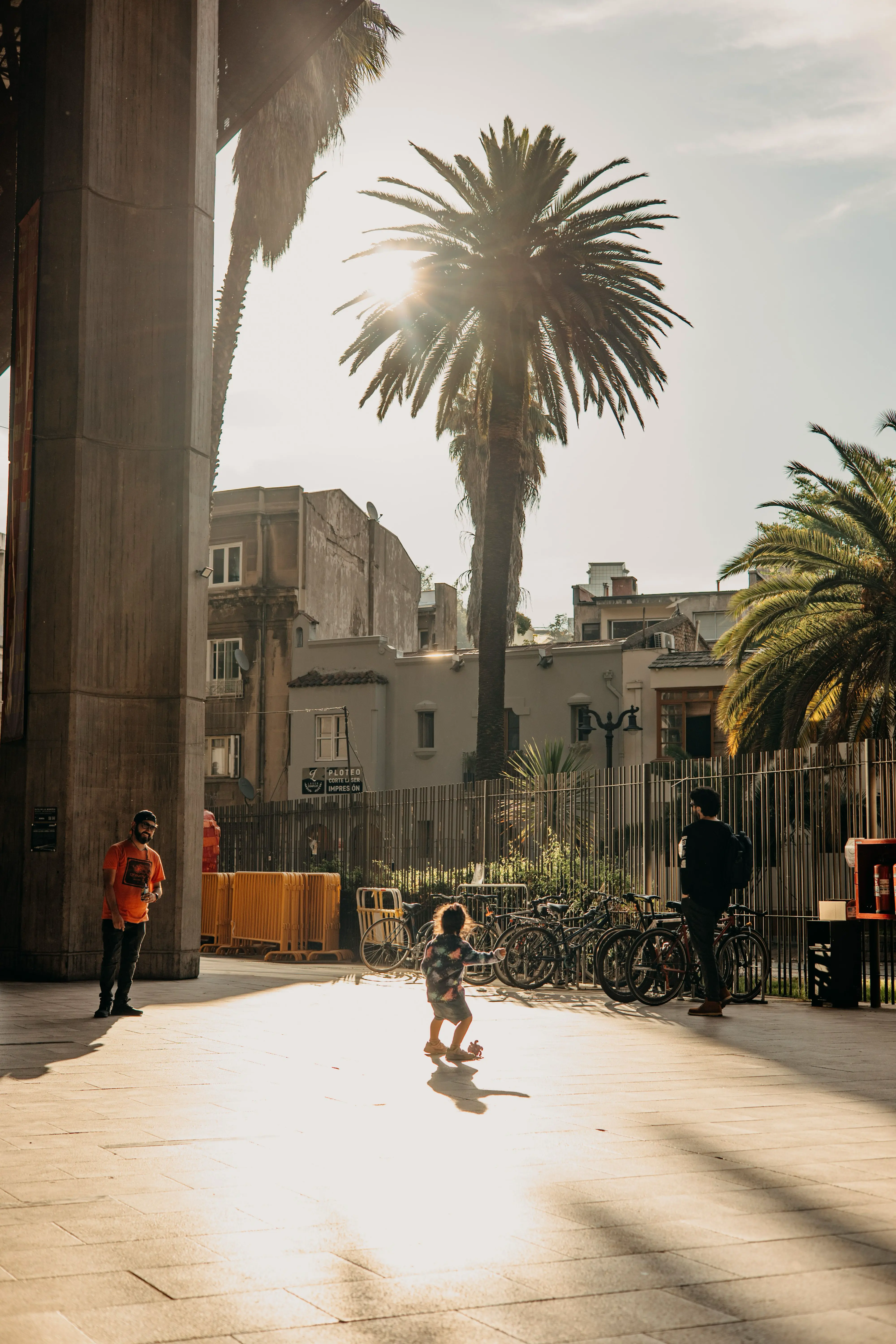
Where Barrio Italia sits in Santiago and what it actually costs to rent here
The best streets and corners to base yourself, including the stretch along Avenida Italia
Where to eat, drink, and find a decent coffee without paying Providencia prices
Coworking options, café work culture, and what the internet situation actually looks like
How the neighbourhood compares to Santiago's other main remote-work bases
What to know about furnished apartments and flexible stays of one month to nearly a year
What Barrio Italia Is and Why It Works as a Long-Term Base
The neighbourhood started in the 19th century as a settlement for Italian immigrant artisans — shoemakers, furniture makers, metalworkers — and that origin still shapes the texture of the streets. When factories downsized in the late 20th century, the industrial spaces didn't disappear. They became studios, galleries, and the kind of design businesses that attract a particular type of resident: people who work with their hands or their laptops and want a neighbourhood that reflects the same sensibility. Condé Nast Traveller included it in a list of the world's best neighbourhoods, which is the kind of recognition that raises rents and changes things — but slowly. For now, it hasn't been smoothed out.
The History You Can See From the Street
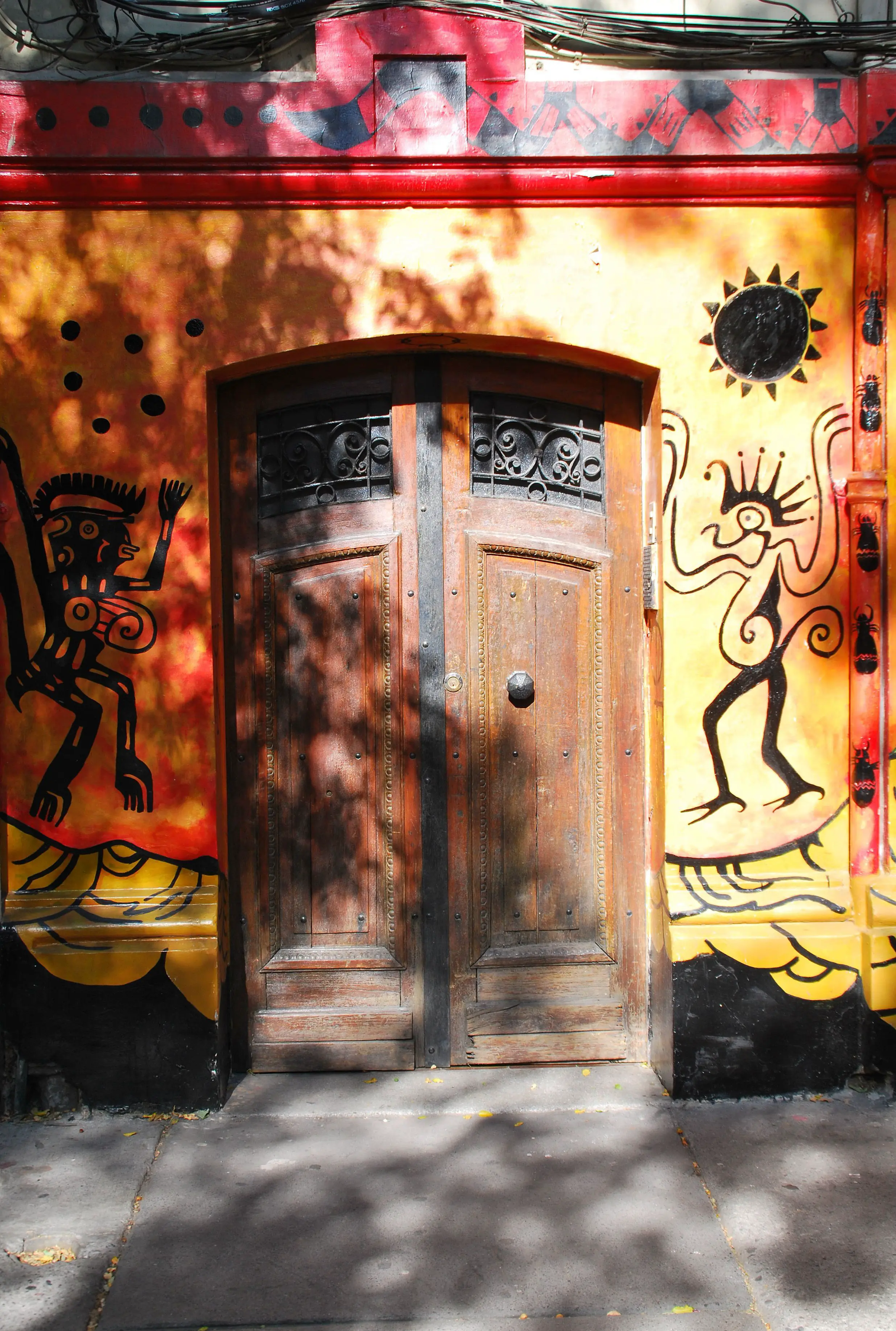
The physical evidence of Barrio Italia's past is not subtle — the 19th-century housing structures known as cités run off the main avenues, narrow internal courtyards with shared passages that were built for working families and now house designers, ceramicists, and the occasional café.
The cités along Calle Condell are the best-preserved — walk them slowly, not with purpose
Former workshops have been adapted into studios; look for hand-painted signs on heavy wooden doors
The mix of residential and industrial buildings is not decorative — it's structural, and it keeps the neighbourhood cheaper than areas with cleaner aesthetics
The immigrant artisans who built this barrio left behind a scale of building that still suits people who want space rather than polish
This is what Condé Nast Traveller was recognising — not a neighbourhood that has been finished, but one that is still in the process of becoming something.
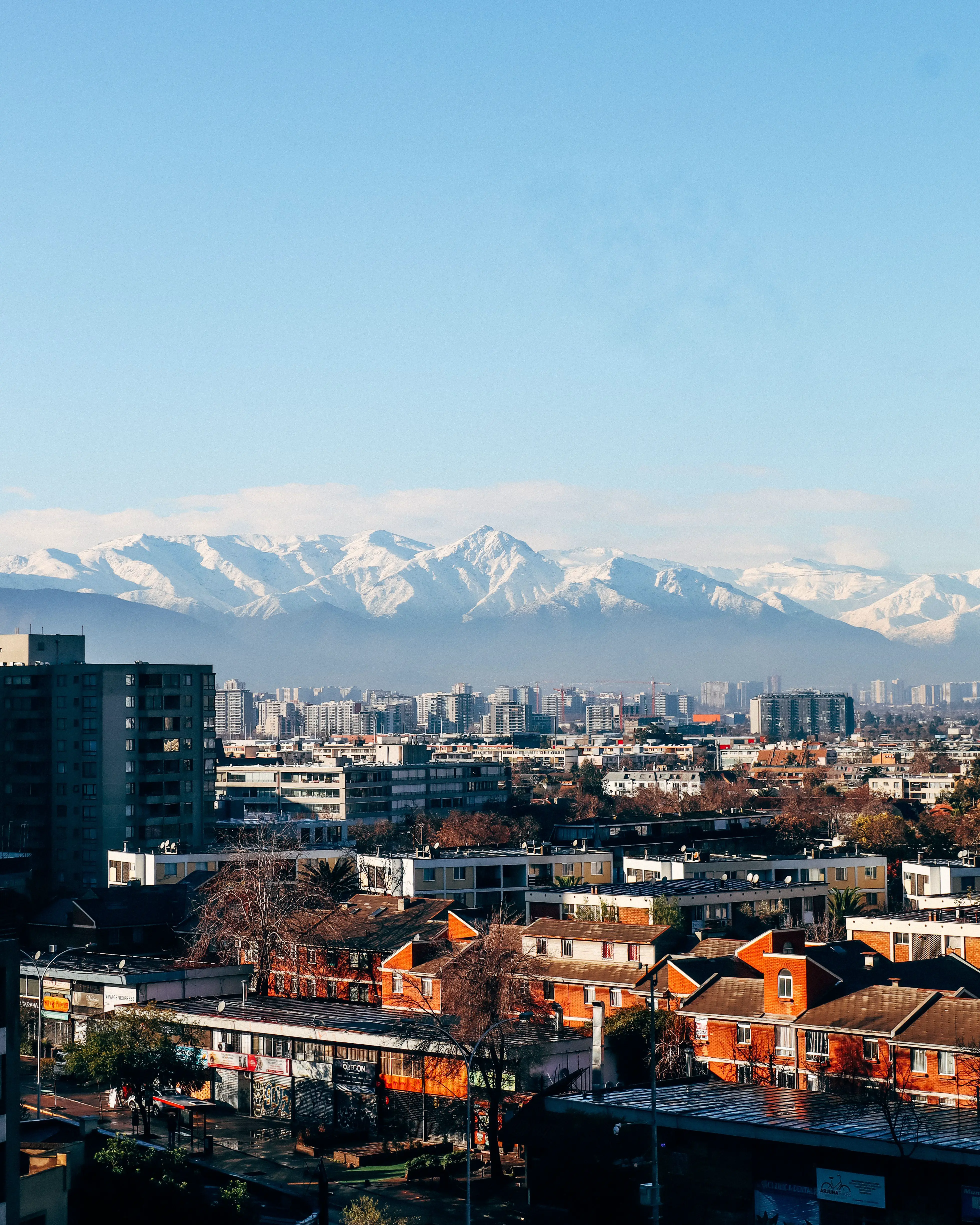
Who Actually Lives Here
The resident mix in Barrio Italia is less homogeneous than in Providencia or Ñuñoa, which is one of the reasons the culture here feels less performed and more lived-in.
Long-term Santiago residents who stayed when rents were low and have no reason to leave
Designer and maker businesses — shoes, ceramics, furniture, textiles — that occupy the ground floor of the cités
Remote workers and freelancers drawn by furnished apartments with ergonomic workstations and high-speed internet at prices that don't require a corporate expense account
Students from nearby Universidad de Santiago, who keep the cafés and bars honest on price
The result is a neighbourhood where you can eat delicious food for CLP 4,000 at lunch and spend the same evening at a restaurant where dinner costs ten times that — and both feel like the right choice.
Barrio Italia is the one neighborhood in Santiago where you can rent a renovated 1930s apartment, walk to a specialty coffee shop, and still pay less than you would in Providencia — which is why it keeps pulling in remote workers over Las Condes or Ñuñoa.
Renting in Barrio Italia: What You Pay and What You Get
Barrio Italia is not the cheapest place to rent in Santiago — that distinction belongs to neighbourhoods further out that are further from everything. But it is meaningfully cheaper than Providencia and Las Condes, and the apartments are more interesting. Many of the furnished apartments here occupy converted houses from the 1920s and 1930s, with high ceilings, tiled floors, and internal courtyards — the kind of place that costs three times as much in a European city with half the light.
Current Rental Ranges for Remote Workers
Prices have moved in the last few years — the Condé Nast Traveller effect is real — but the neighbourhood still offers genuine value relative to what you get.
Studios: CLP 450,000–600,000/month ($480–$640 USD) for a furnished apartment with high-speed internet and a dedicated workstation
One-bedroom apartments: CLP 650,000–900,000/month ($700–$960 USD) — the upper end buys you a courtyard or a terrace
Two-bedroom apartments suitable for a home office: CLP 900,000–1,300,000/month ($960–$1,380 USD)
Flexible rental stays typically range from one month to nearly a year — most landlords here are accustomed to remote workers and digital nomads who need that range without a penalty clause
The apartments with dedicated workstations and ergonomic furniture rent faster; if that is a hard requirement for your work setup, book earlier than you think you need to, especially for September–November when Santiago's spring brings a surge of new arrivals.
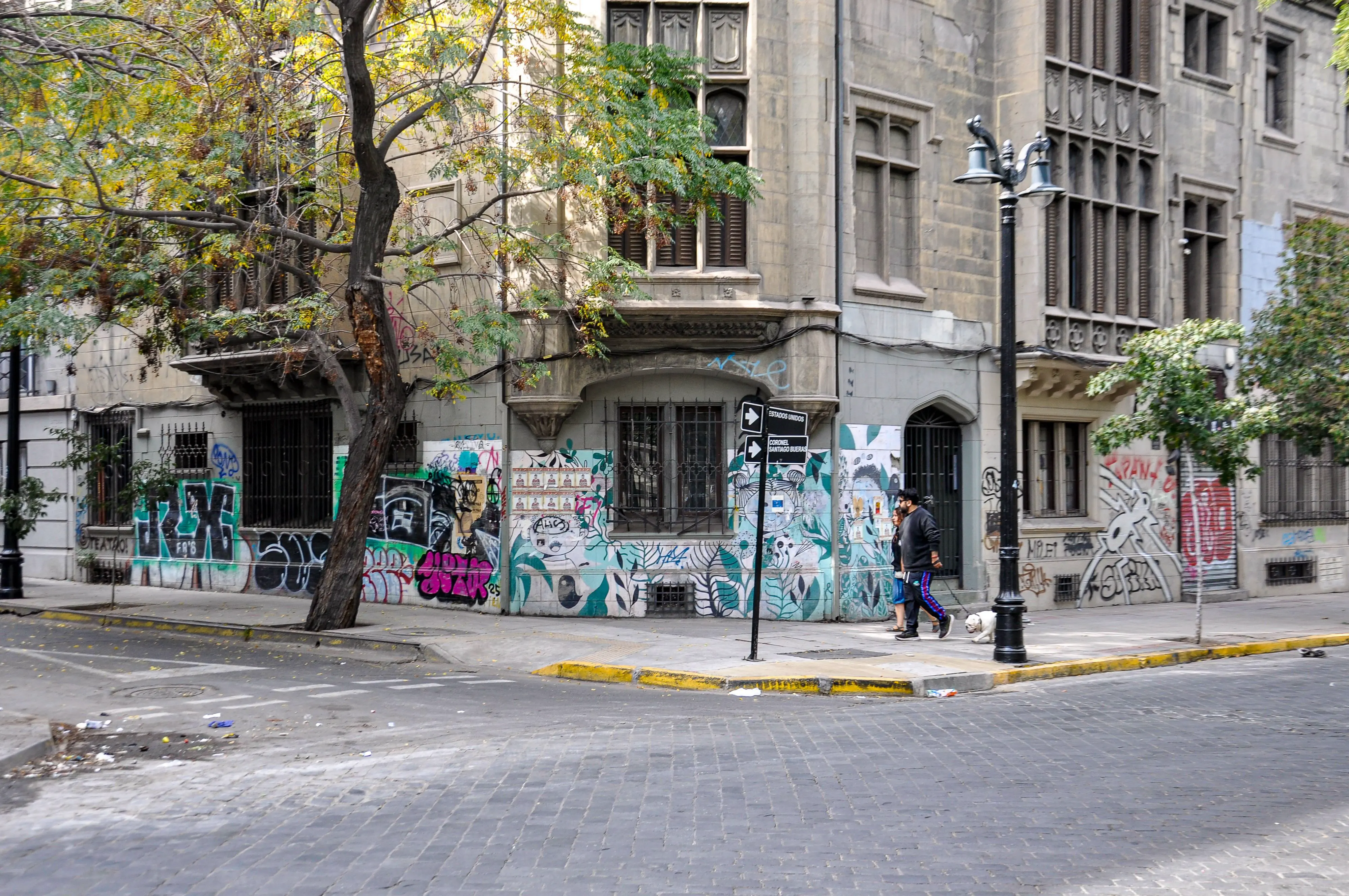
The Neighbourhood Comparison
Before committing to Barrio Italia, run it against the other areas where remote workers actually end up in Santiago.
Neighbourhood | Monthly Rent (1-bed, furnished) | Vibe | Best For | Key Advantage |
|---|---|---|---|---|
Barrio Italia | CLP 650,000–900,000 | Artisan, café-culture, unhurried | Creative freelancers, long stays | Character + price balance |
Providencia | CLP 850,000–1,200,000 | Professional, polished, convenient | Corporate remote workers | Metro access, restaurant density |
Las Condes | CLP 950,000–1,400,000 | Business district, modern | Short stays, US timezone calls | English-friendly infrastructure |
Ñuñoa | CLP 550,000–800,000 | Residential, quieter, local | Budget-conscious long stays | Cheapest with some walkability |
Bellavista | CLP 600,000–850,000 | Nightlife, loud on weekends | Short stays, nightlife access | Social scene, weekend energy |
If you are choosing between Barrio Italia and Providencia, the honest question is whether you want to live in a neighbourhood or use one. Barrio Italia takes slightly longer to know, but once you do, you won't miss Providencia's convenience as much as you expected.
Find fully furnished apartments in Santiago with flexible lease terms across all of these neighbourhoods.
Avenida Italia and the Streets That Actually Matter
Avenida Italia is the spine of the neighbourhood — the central street where the boutiques, galleries, and cafés concentrate — but it is not where you want to live if you value quiet mornings. The side streets are where the neighbourhood becomes something worth choosing: narrower, slower, and full of the kind of detail that takes a few weeks to fully read.
The Best Streets to Base Yourself Near Avenida Italia
The difference between a good Barrio Italia apartment and a mediocre one is often which street it sits on, not the apartment itself.
Calle Girardi — one block from Avenida Italia's shops and cafés, quiet enough to work from the table by a window
Calle Loreto — higher density of converted houses, more likely to find apartments with internal courtyards and terrace access
The corner of Avenida Italia and Avenida Pocuro is the unofficial centre — good for orientation, less good for sleeping with the window open on weekends
Avenida Italia itself works for apartments above the second floor; street level is commercial and loud after 6pm
Most people who stay a week here understand the map. Most people who stay a month understand the difference between a good corner and a difficult one.
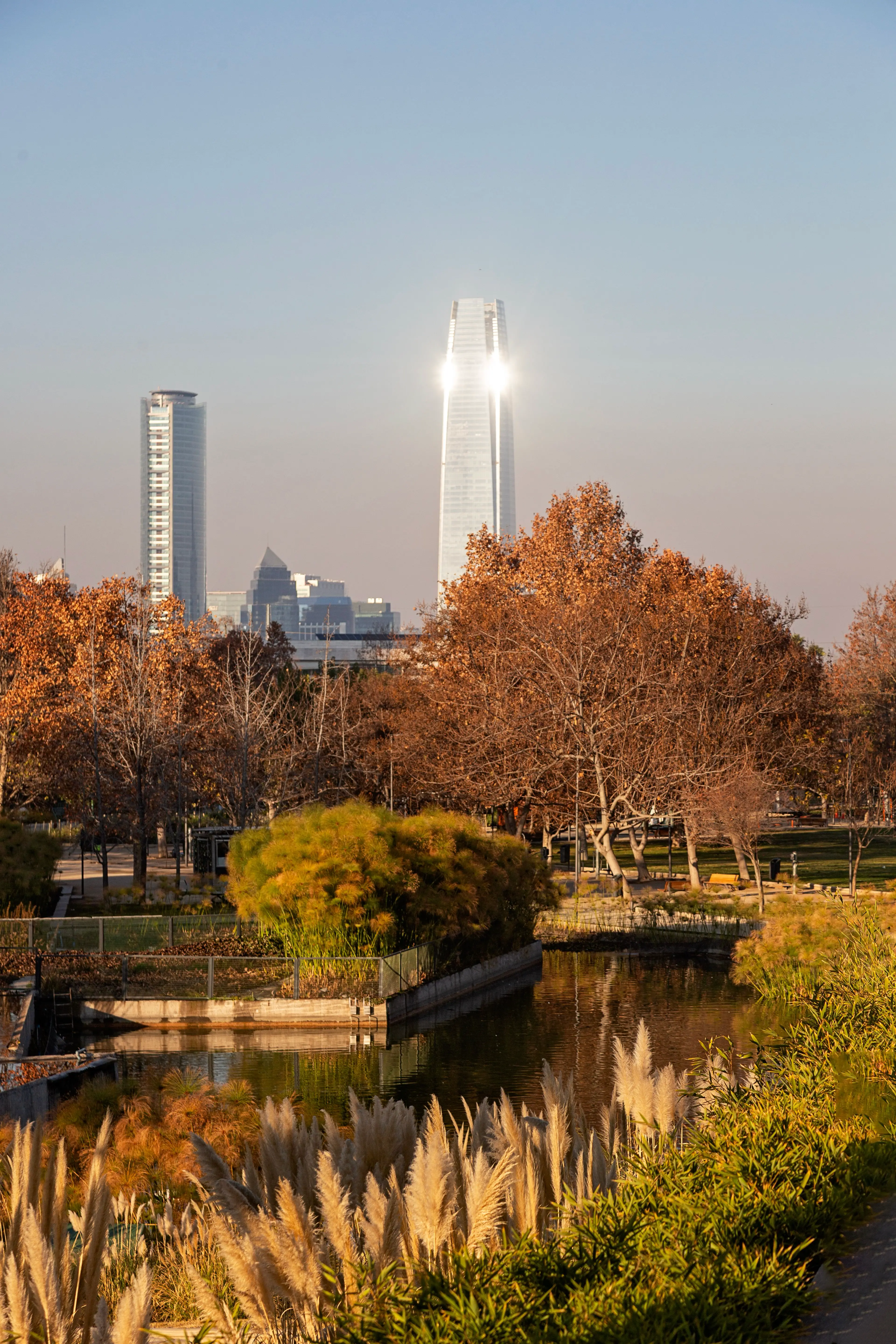
Santa Isabel and the Quieter Southern Edge
The Santa Isabel end of Barrio Italia is where the neighbourhood softens — fewer weekend tourists, more local businesses, the same walkability without the Saturday crowd noise.
Mercado Tirso de Molina is a 15-minute walk south — the freshest and cheapest produce market in this part of the city, open daily from early morning
Rental prices on the santa isabel edge run about CLP 50,000–80,000/month cheaper than the same apartment two streets north toward Avenida Italia
The sta isabel Metro station connects you west toward Baquedano in three stops, which solves most of Santiago's transit problems from this address
Workshops and small design businesses cluster here — useful for the neighbourhood's atmosphere, occasionally noisy during the working day
If you work mornings and want the neighbourhood's culture without its weekend foot traffic, the southern edge is where to look first.
Explore Santiago in our neighbourhood guide for street-level apartment listings updated monthly.
Where to Eat and Drink in Barrio Italia: An Honest Account
The food scene here has a particular character: a lot of it is genuinely delicious, some of it is priced for people who read about the neighbourhood in a magazine, and the best places are nearly always the ones that don't advertise. Knowing the difference takes a few days, but a few specific recommendations shorten that process considerably.
casa luz and the Café Culture Worth Building Your Morning Around
The morning café situation in Barrio Italia is one of the neighbourhood's strongest arguments — these are not hotel lobbies serving overpriced espresso, they are the kind of places where regulars sit for two hours and the staff knows their order.
Casaluz on Avenida Italia — the room has been carefully considered, the coffee is consistent, and the menu changes enough to make it a daily option; best before 10:30am before the weekend crowd fills every table
Café Mestizo — quieter, better for laptop work, the cortado is CLP 2,500 and worth it; the warm courtyard at the back seats eight and fills by 11am
Caracol Coffee House — straight espresso bar, no atmosphere pretension, the kind of great place you return to because it works rather than because it is photogenic
Pastries across all three are local bakers, not industrial — olives on the side with a savoury breakfast plate is the local morning move
The café culture here is what keeps Barrio Italia from feeling like a neighbourhood you are sampling. It makes it feel like one you belong to, which matters more than you think after week two.
bar de rené and Where to Drink Without a Tourist Tax
The bar scene in Barrio Italia is the kind of thing that feels like a local secret even after Condé Nast Traveller pointed at it — partly because the best places don't try to be anything more than what they are.
Bar de René is the neighbourhood's most beloved institution — a bar that functions as a favourite place for local regulars, with cold beers from CLP 2,800 and a pisco sour that does not compromise on pisco; the bar de rené corner fills early on Thursdays, later on weekends
Tio Tomate — live music on weekends, cocktails around CLP 6,500, the terrace is the reason to go; arrive before 9pm on a Friday if you want a table
La Feria — drinks are affordable, the crowd is mixed local and expat, and the design of the bar itself is the kind of quirky that doesn't announce itself; great for a Wednesday when the rest of the neighbourhood is quiet
Bar de René does not take reservations and the room is small — the bar counter is the only reliable seat on weekends, and it is not a miss
The dinner options around bar de rené are worth exploring on the same evening — the pasta at Pizzeria Alleria two streets over is CLP 7,500 for a main, straightforwardly delicious, and is the kind of local restaurant where you eat well without the neighbourhood's food reputation being used against your wallet.
What to Eat in Barrio Italia: Where the Neighbourhood Actually Feeds You
Barrio Italia has a food reputation that it has earned slowly — not through a chef moving in and opening a concept restaurant, but through the kind of quiet accumulation that happens when local owners run the same spots for fifteen years and their neighbours keep coming back.
Lunch Under CLP 5,000: The Spots Worth Finding
The best lunch in Barrio Italia is not the kind that gets photographed — it is the kind served fast, in large portions, to people who need to be back at their desk in forty minutes.
Donde Augusto — cazuela served from noon, CLP 4,500 for a full bowl, the kind of place where you order at the counter and the portions are sized for someone who did physical work that morning
El Rincón de Arriba — a rotating daily plate of rice, beans, and meat for CLP 3,800; fills up by 12:30pm, so head there before noon or accept a queue
Emporio Zunino — empanadas filled with cheese and onion from CLP 1,200, or the classic pino filled version with beef and olive for CLP 1,400; buy two and you have a complete lunch
Calle Condell and the streets running off Avenida Italia have the density — the quieter spots one block back tend to have better value than anything directly on the main strip
This is the kind of eating that makes a long stay financially sustainable — you can spend CLP 5,000 on lunch five days a week and eat well every single day without any planning required.
Browse Santiago homes near this area
Dinner and the Spots That Reward a Second Visit
The dinner scene in Barrio Italia works best when you treat it like a local rather than a visitor — the places with the most honest cooking are not the ones with the best Instagram presence.
El Huerto Italia — vegetable-forward plates with creative use of local produce, mains around CLP 9,000, the owners run it as a small operation and the quality shows; busiest on Thursdays and Fridays
Vapiano pasta y pizza — wood-fired, cheese-heavy, enormous in a way that makes splitting a pizza the only sensible move; CLP 11,000 for a large, served until midnight on weekends
Palacio Danubio Azul — Chinese-Chilean fusion that has been in the area for over a decade; the dish to order is the arroz chaufa, CLP 6,500, huge portions, and the kind of place where long-term residents bring guests to watch their expectations shift
The neighbourhood quiets down on Monday and Tuesday evenings — not every spot runs its full menu mid-week, so it is worth checking before you head out on a Monday
After a week of cooking at home, these three cover most evenings without ever feeling like you are repeating yourself — which is exactly the kind of variety that makes a month-long stay workable.
Working from Barrio Italia: Cafés, Coworking, and the Honest Daily Reality
Barrio Italia works as a remote base not because it has been built around remote workers, but because the café density, apartment sizes, and general rhythm of the area happen to suit people who need to actually get things done.
Cafés That Function as a Second Office
The café-to-reliable-WiFi ratio in Barrio Italia is high enough that you will find a workable spot within a five-minute walk of almost any apartment — the question is which ones hold up across a full work day.
Bar Radicales — named after the famous Chilean political magazine, good espresso from CLP 2,200, solid WiFi, and enough tables that you can find a seat on a Tuesday morning without arriving at 8am; fills by 10:30am on weekdays
Wonderland Café — laptop-friendly by design, power at most tables, flat whites around CLP 3,000; the noise level stays manageable through the afternoon, which is rarer than it should be
Salvador Cocina y Café — smaller, quieter, the spot to head when you need two uninterrupted hours; no food menu to speak of, but the coffee is worth the trip and the owner will let you work until close
Summer afternoons in Santiago push the temperature high enough that air conditioning becomes a real consideration — Workshop Café and Café Santos both manage it; the outdoor terrace options are better suited to morning work before noon
None of these require you to buy a second coffee to hold your table — which is the kind of unspoken policy that matters when you are in the middle of a focused work block and 2pm has arrived.
Coworking in and Around the Area
Barrio Italia does not have the coworking density of Las Condes, but what it does have is priced and sized for people who want a desk rather than a corporate campus experience.
Cowork del Centro — day pass CLP 9,000, weekly rates available, located on Avenida Condell and recognized among local freelancers for having the most reliable fibre connection in the area; book a day in advance for a dedicated desk
Patio Plus— monthly desk from CLP 85,000, the artist and design community uses it heavily, which makes it a genuinely useful place to find collaborators if your work overlaps with creative fields
The commute from Barrio Italia to the larger coworking hubs in Providencia is under fifteen minutes by Metro — if you need enterprise-level infrastructure for a specific week, you are not trapped
Most furnished apartments in the area come with a desk and usable WiFi — for many remote workers, the coworking spend stays low because the home setup actually works
The practical reality is that most people who base themselves in Barrio Italia find they split their work day between home and a café rather than paying for a dedicated desk — the neighbourhood is walkable enough that the café option never gets old.
Exploring Barrio Italia: Culture, Markets, and What to Do on a Free Day
Barrio Italia rewards the kind of exploration that has no fixed agenda — the neighbourhood is dense with small galleries, design shops, and market stalls that are easy to walk past and harder to leave once you have stepped inside.
Markets and Design Shops Worth Your Time
The antique and design market culture in Barrio Italia is its most recognized feature outside Chile, and it is genuinely worth a Saturday morning even if you have no intention of buying anything.
La vega italia — runs on Saturday and Sunday mornings along the main strip, a large outdoor market with antiques, ceramics, and handmade textiles; the quality varies by stall but the atmosphere is the point, and you will find something worth buying if you give it ninety minutes
Galería del Barrio — a converted warehouse running as a permanent indoor market for local designer-makers; open Tuesday through Sunday, and the ceramic and leather work in particular is the kind of thing you would pay three times the price for in a Providencia boutique
Bazar Italia — a curated home goods shop with a strong artist-run reputation; good for gifts, even better for understanding what the neighbourhood's design identity actually looks like up close
The Sunday market fills the pavement in a manner that makes it slow going — budget an hour and a half if you want to see all of it without rushing
The design density in this part of the neighbourhood is what keeps Barrio Italia from feeling like just another gentrified dining strip — the makers are still here, which is not something you can say about most neighbourhoods that earned a similar reputation five years ago.
Galleries, Walks, and How to Spend a Day Off Without Leaving the Area
A free day in Barrio Italia does not require a plan — it requires only that you start walking without a specific destination and accept that the afternoon will fill itself.
Matta Cultural Center Space — an independent gallery space on Avenida Italia showing Chilean contemporary work, entry free, the kind of place where the artist is often around on weekday afternoons and will talk to you about the work if you ask
Parque Inés de Suárez — a large green space fifteen minutes' walk from the centre of Barrio Italia, the best option for a summer afternoon when you need to be outside but not in direct sun; less visited than Parque Balmaceda and better for that
Calle Italia Booksellers — a cluster of second-hand bookshops along the southern end of the area; the Spanish-language selection is huge and the owners are the kind of people who have strong opinions about what you should read next
Watch the neighbourhood shift pace on Sunday afternoons — by 4pm the market crowd has thinned, the restaurants are half full, and the version of Barrio Italia you see is the one that locals actually live in the rest of the week
The neighbourhood has enough within walking distance that you can spend a full day without repeating yourself — which is the practical definition of a place worth living in rather than just visiting.
Is Barrio Italia the Right Base for Your Santiago Stay?
Who Barrio Italia Actually Works For
This neighbourhood rewards people who want a place that functions like a real home rather than a hotel district with better Wi-Fi.
Creative workers and freelancers who set their own schedule fit naturally into the neighbourhood's unhurried pace
Anyone keeping European or North American hours will find the late-evening café and bar culture genuinely useful rather than incidental
Remote workers who value daily texture — good coffee, independent shops, neighbours who actually talk to each other — over corporate polish
Long-stay renters on a real budget who are willing to spend time finding the right apartment rather than accepting the first listing
The people who came for a month and stayed for six are not here by accident — the neighbourhood has a way of making other parts of Santiago feel anonymous by comparison.
Where Barrio Italia Falls Short
Knowing what this neighbourhood cannot deliver will save you two weeks of frustration if your work life pulls in a different direction.
The Metro commute to Las Condes adds real friction if you have regular client meetings in the financial district
High-spec coworking infrastructure is inconsistent — the options here will occasionally test your patience if you need a reliable setup five days a week
The street-level energy after 9pm is present but not quiet; if you need a calm residential wind-down, Ñuñoa is the more honest recommendation
Apartment stock requires patience — the best places are not on the first page of results and rarely photograph as well as they live
None of these are dealbreakers for the right person, but they are real constraints worth naming before you commit to a lease.
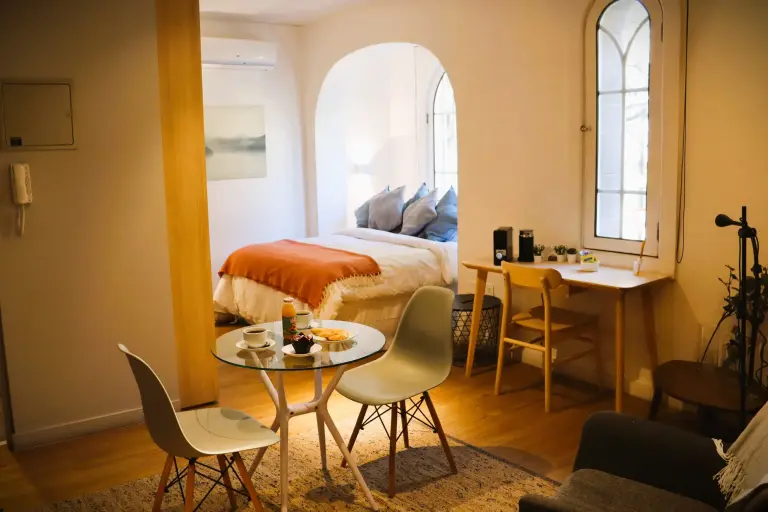
Making the Decision With Real Options in Front of You
The strongest argument for Barrio Italia is not any single feature but the daily rhythm it offers at a price point almost nothing else in South America can match.
Furnished apartments here consistently undercut comparable stock in Providencia and Las Condes while offering more neighbourhood character
A week on the ground is enough to understand the streets, the commute, and whether the texture suits the way you actually work
The resident base is genuinely invested in the area — the local businesses, the weekend markets, the slow improvement block by block
Find your fully furnished apartments in Chile and compare options before committing rather than deciding in the abstract
Barrio Italia is not the right base for everyone, but for the people it suits, it tends to be exactly right.