Maya
Culture & Exploration Editor ·
Malaga Historic Center is the cultural and architectural heart of the city, where centuries of Mediterranean history unfold across lively squares, museums, and pedestrian streets. Located in the city centre of Malaga on the Costa del Sol, this district blends ancient ruins, Renaissance landmarks, vibrant tapas culture, and world-class museums into one compact area that is easy to explore on foot.
The historic center is widely considered the perfect place to begin discovering the city. Within a short walk, visitors can move between Roman remains, Moorish fortifications, and elegant 19th-century buildings that reflect Malaga’s long history as a trading hub in southern Spain. The district also holds several museums dedicated to Pablo Picasso, the famous artist born here, along with many other cultural institutions that highlight Andalusian art and culture.
Some of the main attractions you’ll find while exploring Malaga's historic center include:
Plaza de la Constitución, the traditional meeting point of the old town
Calle Larios, the main shopping street in the city centre
The Roman Theatre and nearby Moorish fortress complex
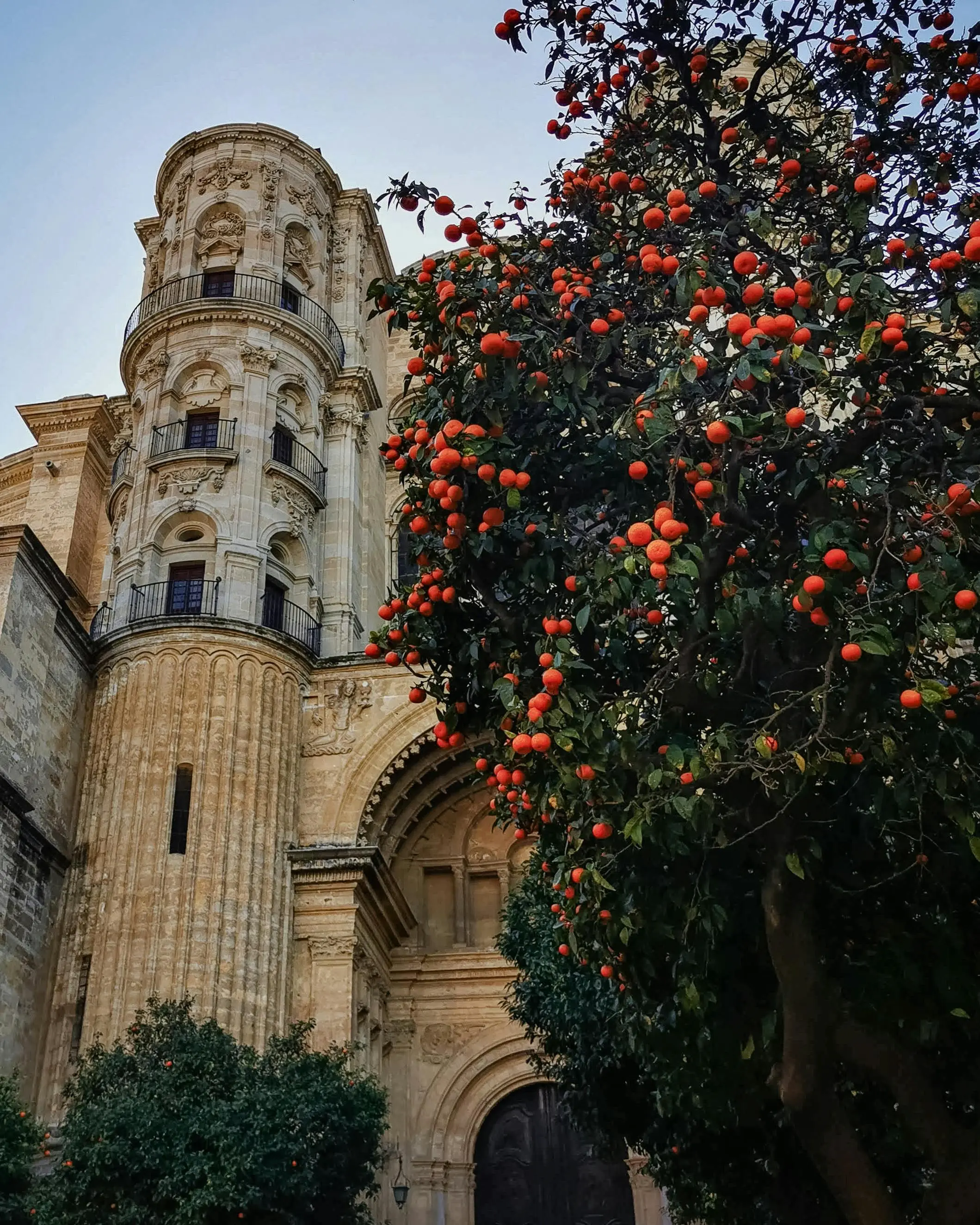
Málaga Cathedral, known locally as La Manquita
The Picasso Museum, located inside Buenavista Palace
Atarazanas Market, a historic market with tapas bars and fresh seafood
Today, the Malaga historic center offers a lively atmosphere where historic monuments, galleries, cafés, and rooftop terraces sit within the same walkable neighbourhood.
Walking Through the Historic Centre of Malaga: Streets, Squares, and Daily Life
The historic centre of Malaga is defined by its narrow pedestrian streets, open plazas, and lively cafés. Much of the old town was designed long before cars existed, which makes the district ideal to explore on foot. Visitors often begin their route in the city centre and simply walk between landmarks, discovering hidden courtyards, small bars, and boutique shops along the way.
Many of the most interesting parts of Málaga's historic center lie between the two major squares that anchor the district: Plaza de la Constitución and Plaza de la Merced. These plazas connect several of the area’s most famous streets and cultural landmarks.
Plaza de la Constitución and the Social Heart of the City Centre
Plaza de la Constitución sits at the center of the city centre, functioning as the historic meeting place of the town. The square has hosted public celebrations, markets, and festivals for centuries, and today it remains one of the liveliest parts of the historic center.
Surrounding the square are cafés and terraces where locals gather throughout the day.
Local spots worth stopping at include:
Café Central – a classic Malaga coffee bar known for its traditional coffee scale
Beluga Málaga – a refined restaurant offering modern Andalusian dishes
Casa Mira – famous for traditional Spanish ice cream and turrón
From here, most visitors continue their walk along Calle Larios, the elegant boulevard that links the square with the port area.
Calle Larios and the Main Street of the Old Town
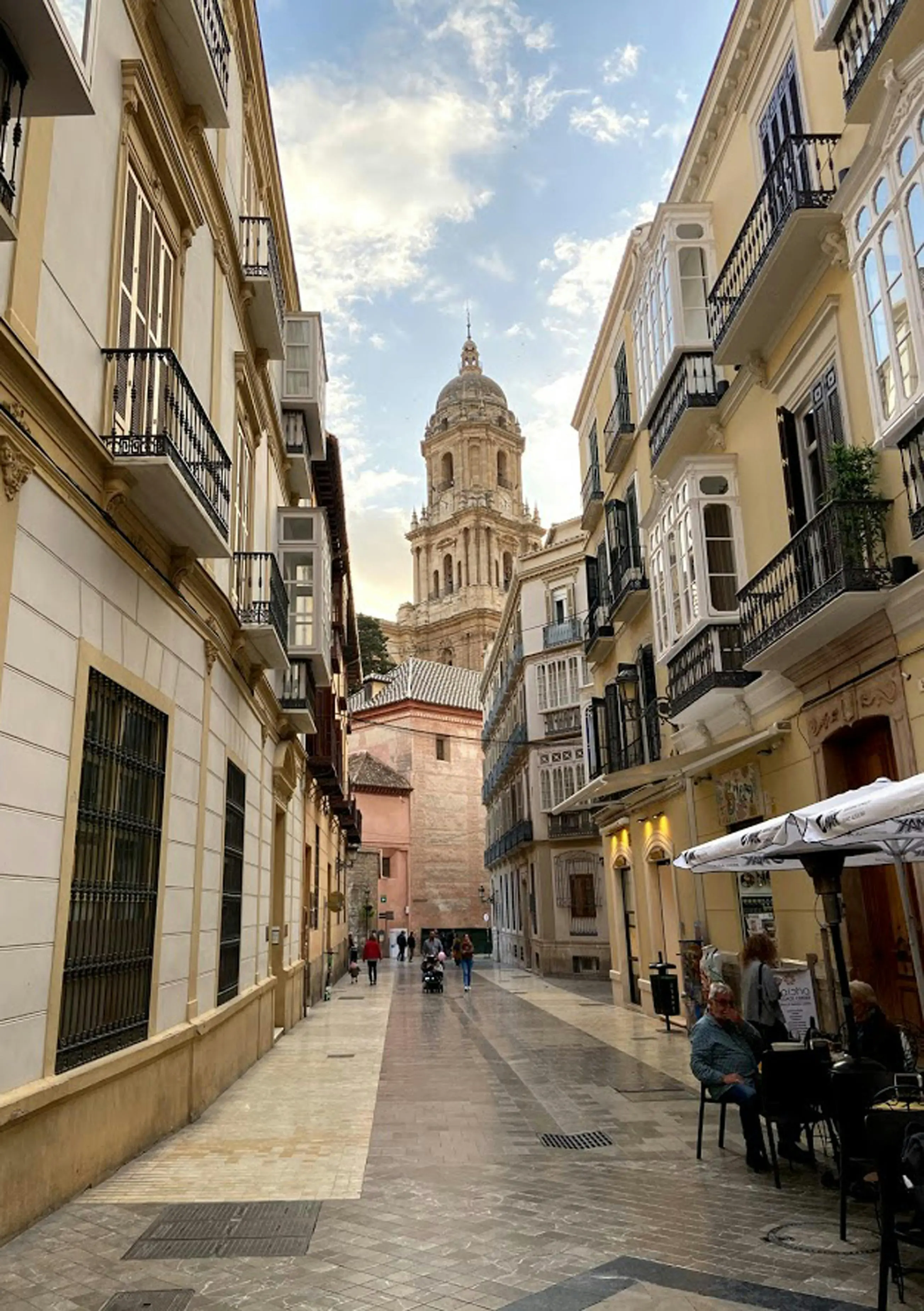
Calle Larios is the most famous street in the old town and one of the busiest pedestrian routes in the city centre. Built in the 19th century, the street is lined with symmetrical buildings and marble paving that create one of the most recognizable views in Malaga.
The street connects Plaza de la Constitución with the harbour district and fills with festivals during Holy Week, Christmas lights displays, and summer celebrations.
Some popular stops along Calle Larios include:
El Pimpi Store – a shop connected to the famous Malaga tapas bar
Massimo Dutti and Zara – well-known Spanish fashion brands
Antigua Casa de Guardia nearby – one of the oldest wine bars in the city
Plaza de la Merced and Picasso’s Birthplace
A short walk from the main shopping streets leads to Plaza de la Merced, another historic square in the old town and one closely associated with Pablo Picasso. The famous artist was born in a building overlooking the plaza, and the Picasso Birthplace Museum now occupies part of the site.
The square has a relaxed atmosphere and is surrounded by cafés, terraces, and tapas bars.
Good places to stop nearby include:
Cortijo de Pepe – a classic tapas bar serving traditional dishes
La Plaza Restaurant – known for grilled seafood and Andalusian cuisine
Canadu Vegetariano – a popular vegetarian restaurant in the square
Together, these plazas and streets capture the energy of Malaga's historic center, where daily life unfolds between cultural landmarks and busy café terraces.
Historic Landmarks of Malaga Historic Center: Roman Theatre, Cathedral, and Gibralfaro Castle
Many of the most important monuments in the historic center tell the story of the city’s layered history, from Roman foundations to Moorish fortifications and Renaissance churches. Within a short walk, visitors can see ruins from multiple civilizations that once ruled the region.
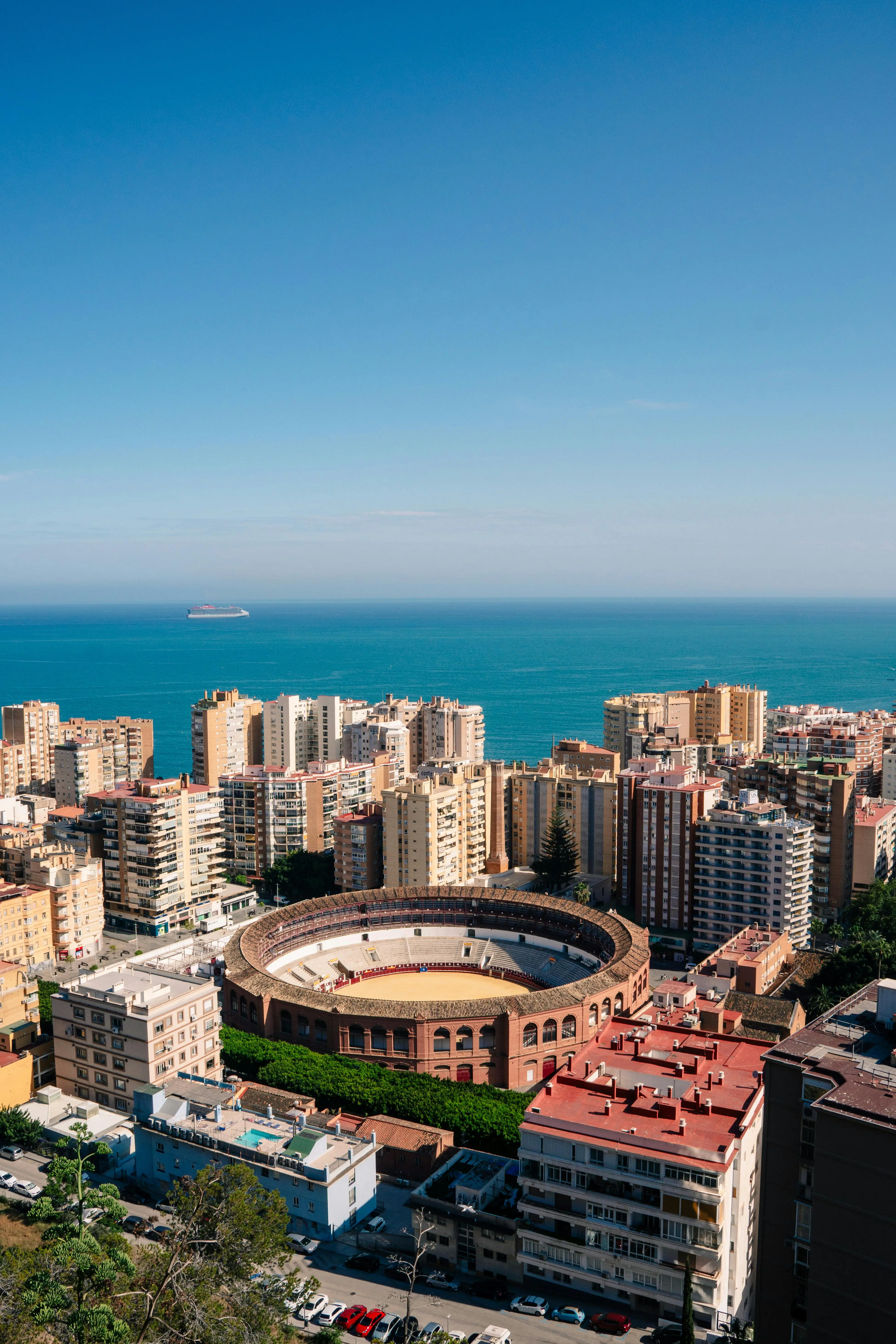
Roman Theatre and the Moorish Alcazaba
At the base of the Alcazaba fortress lies the Roman Theatre, one of the oldest surviving structures in the city. The Roman theatre was originally built in the 1st century BCE when Malaga was part of the Roman Empire.
The theatre remained hidden for centuries until it was rediscovered in the 20th century during construction work. Today the restored Roman theatre forms one of the most recognizable landmarks in the historic center.
Next to the theatre stands the Alcazaba, a large Moorish fortress built during the 11th century using stone from the theatre itself.
Visitors often enjoy this site because:
It offers insight into the history of Roman and Moorish Malaga
The ruins are located at the foot of the fortress walls
Evening lighting creates a dramatic atmosphere around the theatre
Málaga Cathedral, La Manquita, and Bishop's Palace
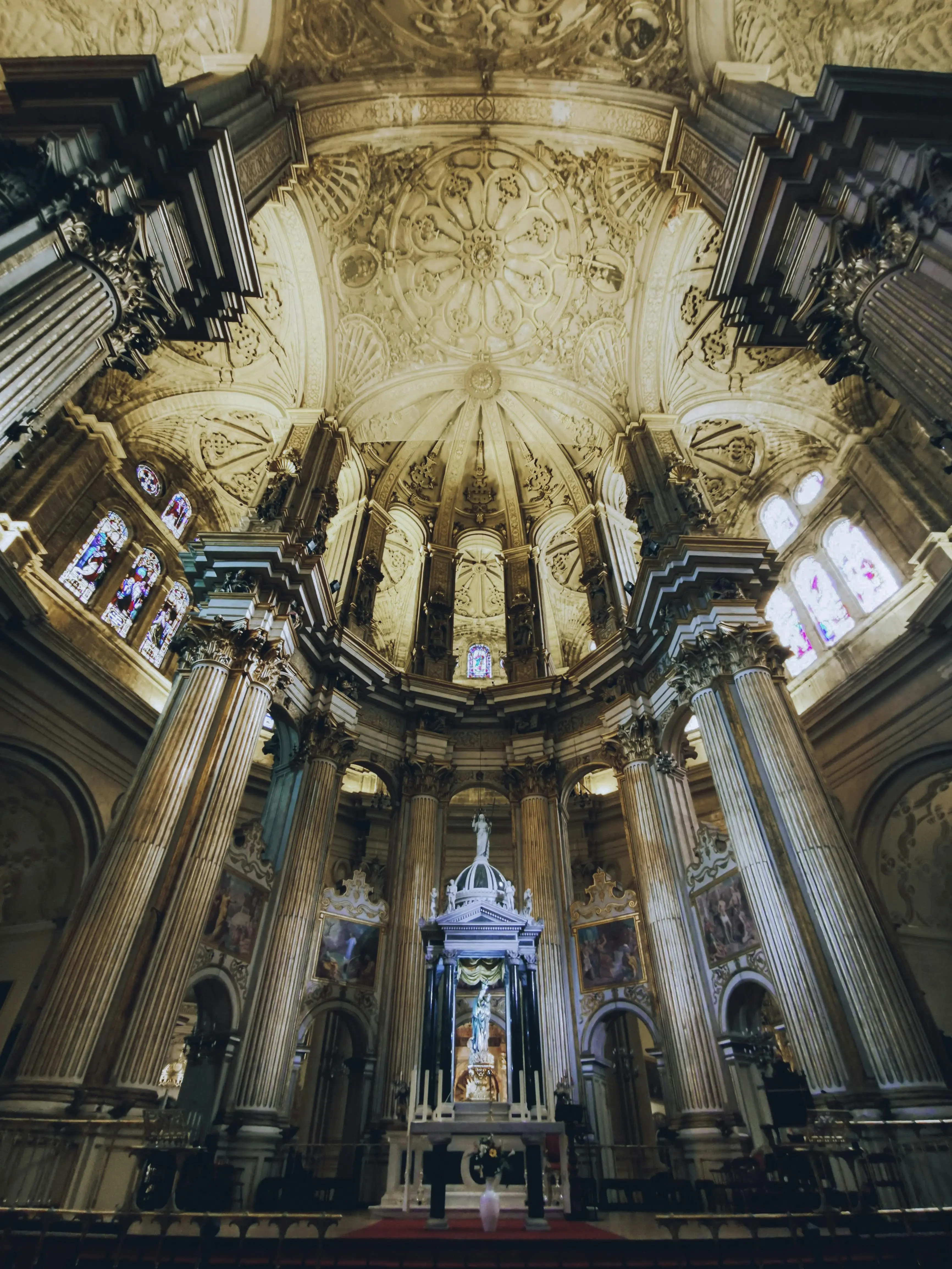
The towering Málaga Cathedral dominates the skyline of the historic center. Construction began in the 16th century during the Renaissance, and the cathedral remains unfinished today.
Because one of its towers was never completed, locals affectionately call it La Manquita, meaning “the one-armed lady.”
Highlights of visiting the cathedral include:
A richly decorated interior with high vaulted ceilings
Renaissance chapels and religious sculptures
Rooftop guided tours that reveal views across the city
The cathedral stands beside the Bishop's Palace, another historic palace that reflects the religious importance of the area.
Gibralfaro Castle and Panoramic Views of the City
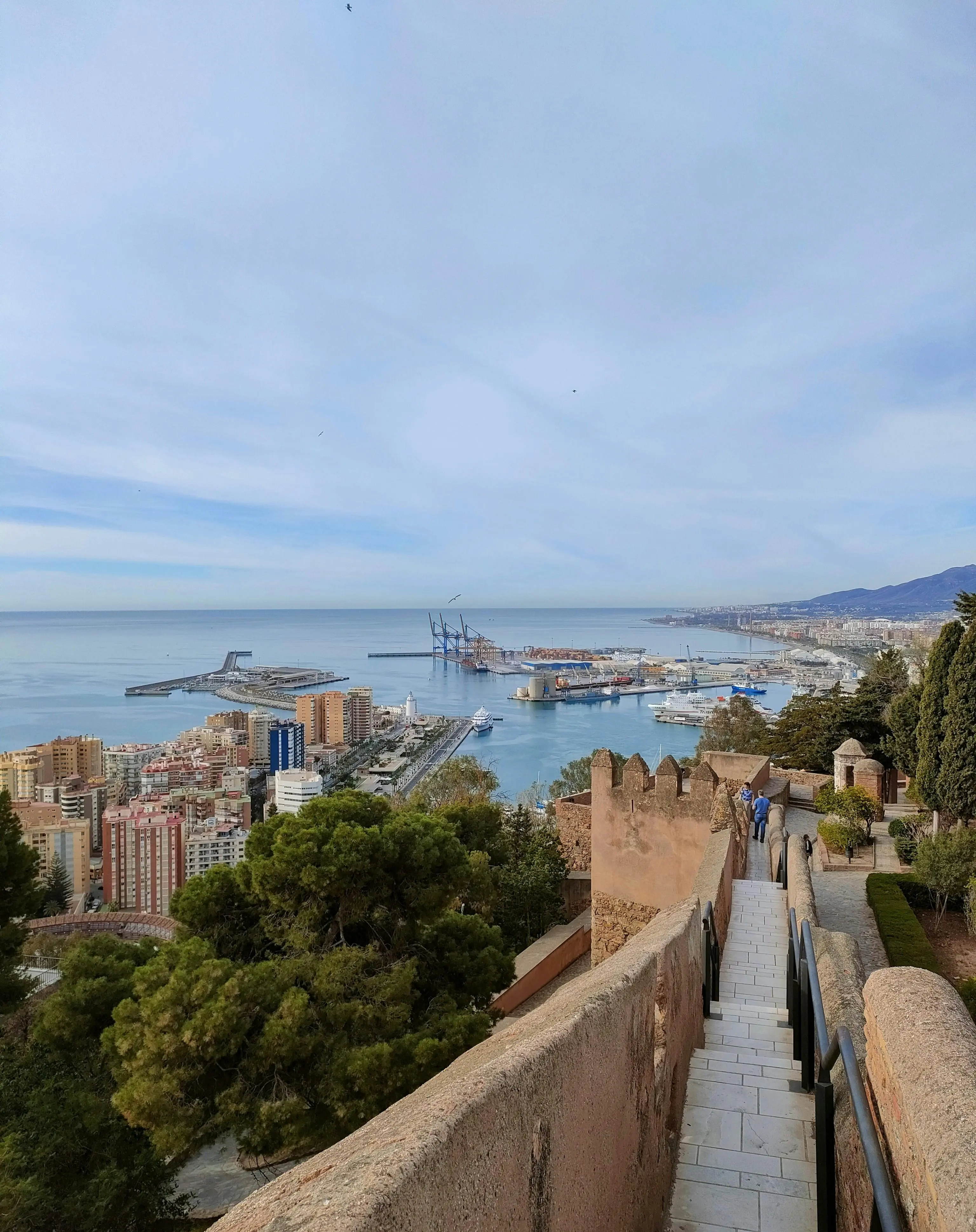
High above the historic center, Gibralfaro Castle sits on a hill overlooking the harbour and the town below. The fortress was built during the 14th century to defend the Alcazaba and remains one of the best viewpoints in the region.
From the walls of the castle, visitors enjoy panoramic views across Malaga, the Mediterranean coast, and the surrounding mountains.
The site is particularly popular at sunset, when the city centre and port glow with evening light.
Nearby viewpoints along the castle walls also provide sweeping views of the Costa del Sol, making it one of the most memorable stops when exploring the historic center.
Museums and Art in the Historic Center: Carmen Thyssen Museum and Centre Pompidou Málaga
The Malaga historic center has evolved into one of the most important cultural districts in southern Spain, with several museums located within a short walk of each other. This concentration of institutions makes the historic city centre a major destination for visitors interested in art, history, and the legacy of Pablo Picasso, the famous artist born in the city.
Within the old town, galleries and museums occupy restored palaces and historic buildings, creating a unique blend of architecture, fine arts, and urban life. Many of these venues focus on Andalusian identity and the evolution of Spanish painting, while others present international exhibitions of contemporary art.
Because the city centre is compact, visitors can easily explore multiple cultural attractions in a single afternoon.
Picasso Museum and the Artistic Legacy of Pablo Picasso
The Picasso Museum is one of the most visited cultural attractions in the historic center. Located inside Buenavista Palace, a beautifully restored Andalusian palace, the museum houses a major collection of works by Pablo Picasso.
The building itself reflects the layered history of the area, with architectural elements from different eras incorporated into the structure.
Inside the museum, visitors can see:
Paintings, drawings, and sculptures created by Picasso throughout his career
Exhibitions that explore how Pablo Picasso spent parts of his early childhood in Malaga
Archaeological remains beneath the building discovered during restoration
Nearby streets also contain smaller galleries and cultural venues dedicated to fine arts, making the surrounding area one of the most creative parts of Malaga's historic center.
Carmen Thyssen Museum and Spanish Painting
Another major cultural institution in the city centre is the Carmen Thyssen Museum, which focuses primarily on 19th-century Spanish painting and Andalusian regional art.
The Carmen Thyssen Museum is housed inside Villalón Palace, a historic building carefully restored to display the collection. The museum showcases works that capture rural landscapes, coastal life along the Costa del Sol, and everyday scenes from Andalusian society.
Visitors appreciate this museum because:
The collection highlights the traditions of Spanish painting
The palace architecture itself is part of the experience
Exhibitions offer insight into regional culture and social life
The museum is also located just a short walk from Calle Larios, making it easy to combine a gallery visit with shopping or a stop at nearby cafés.
Centre Pompidou Málaga and Contemporary Art by the Harbour
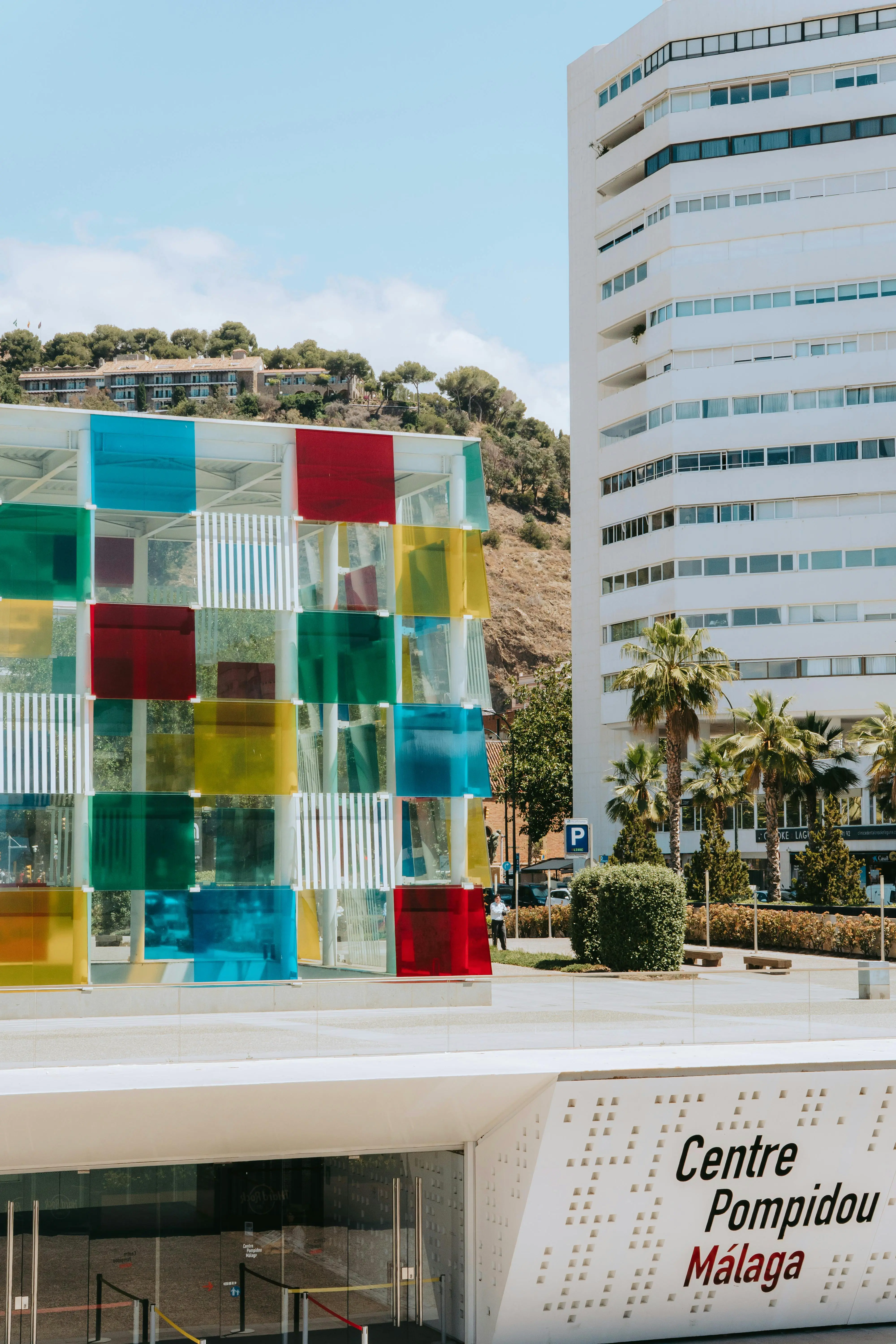
While most cultural institutions sit inside the historic center, the Centre Pompidou Málaga brings modern creativity to the waterfront area near the harbour. The museum is easily accessible from the city centre and often included in cultural walking routes through the old town.
Recognizable by its colorful glass cube, the Centre Pompidou Málaga presents rotating exhibitions dedicated to contemporary art, multimedia installations, and experimental works.
Visitors who visit the museum can expect:
Exhibitions from the international Pompidou collection
Installations and sculptures by major modern artists
Cultural programming that connects Malaga to the global art scene
Together, the Picasso Museum, Carmen Thyssen Museum, and Centre Pompidou Málaga demonstrate how Malaga's historic center has become a major cultural hub in Andalusia, where historic architecture and modern creativity coexist within the same walkable district.
Where to Stay in the Malaga Historic Center for a Walkable City Experience
Staying in the Malaga historic center allows visitors to experience the city at its most vibrant. The city centre places you within walking distance of the major attractions, restaurants, and museums that define the old town. Because most of the district is pedestrian-friendly, travelers can easily walk between plazas, markets, and cultural sites without needing a car.
Many accommodations in Málaga's historic center are located inside restored historic houses and small boutique buildings. These properties often combine traditional architecture with modern amenities, creating a relaxed experience for visitors who want to stay in the heart of the city while still enjoying comfort and convenience.
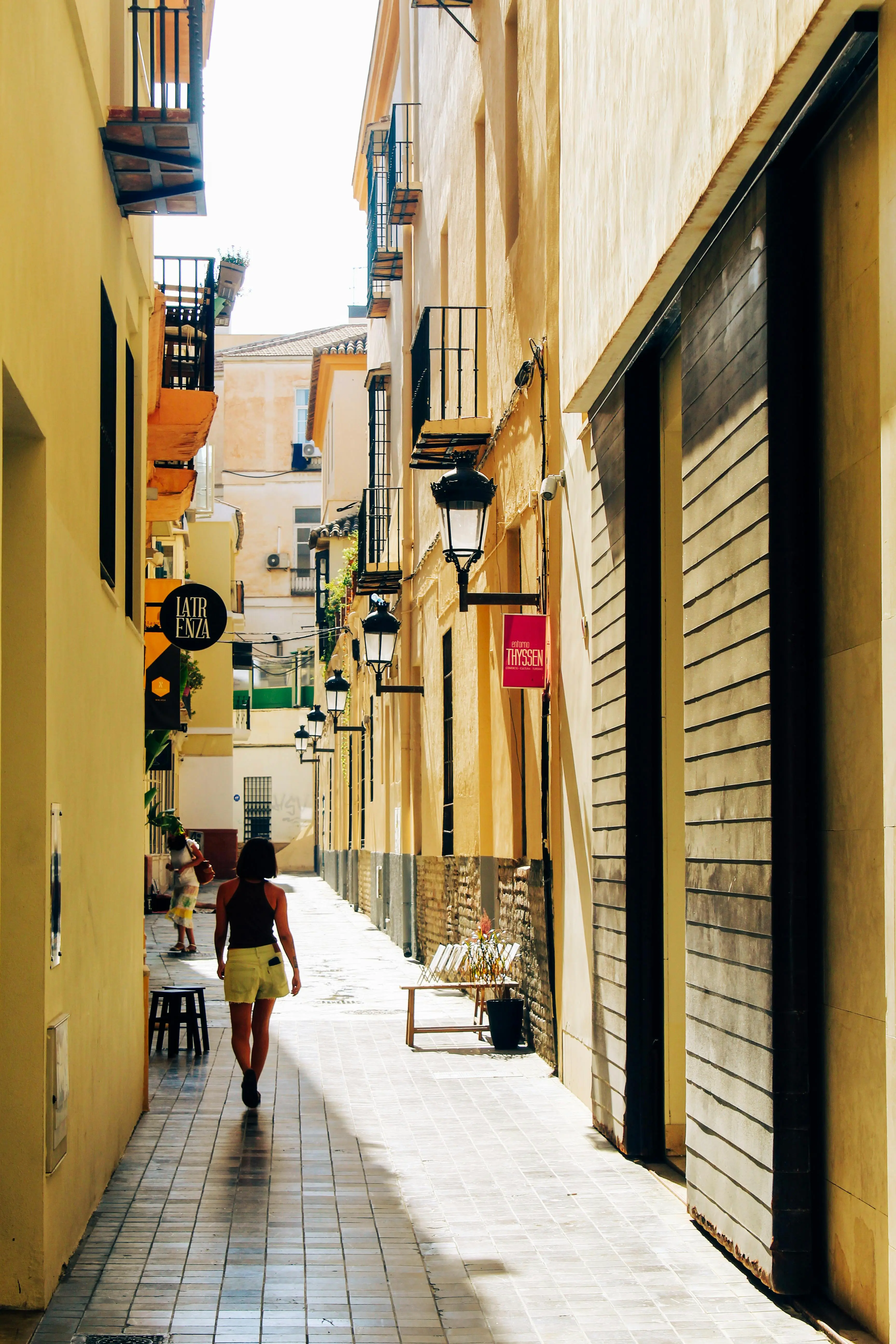
Popular areas of the historic center offer different atmospheres depending on what type of stay travelers are looking for.
Staying Near Calle Larios and the Main City Centre
The area around Calle Larios sits at the center of the city centre and offers some of the most convenient accommodation options in the old town. Because the street connects Plaza de la Constitución with the waterfront, it remains one of the most active parts of the town.
Visitors staying near Calle Larios benefit from:
Immediate access to shopping streets and historic monuments
Easy walk to the cathedral, museums, and tapas bars
Close proximity to the port and cultural venues near the harbour
Nearby restaurants worth visiting include:
Beluga Málaga – contemporary Andalusian cuisine in Plaza de la Constitución
Casa Lola – a lively tapas bar popular with locals
Los Marangós Molina Lario – one of the most acclaimed restaurants in the city
This area also provides a lively atmosphere in the evenings, especially during festivals such as Holy Week, when processions move through the historic streets.
Staying Near Plaza de la Merced and the Cultural District
Another popular place to stay in the historic center is around Plaza de la Merced, a square closely connected to Pablo Picasso and the artistic side of the city. The plaza sits close to the Picasso Museum, several galleries, and many smaller cultural venues.
Accommodation here offers a quieter setting than the commercial city centre, while still allowing visitors to explore the surrounding old town easily.
Nearby highlights include:
The Picasso Birthplace Museum, dedicated to the famous artist
Tapas bars around Plaza de la Merced and Santa María Street
Small independent shops selling local crafts and Andalusian products
Restaurants around the square include Cortijo de Pepe, known for traditional Andalusian cooking, and Canadu, a long-running vegetarian restaurant.
Short-Term Apartments and Remote Work Stays in Malaga
Many travelers now choose furnished apartments rather than traditional hotels when staying in the historic city centre. Apartments offer more space, kitchen facilities, and flexible layouts that work well for longer stays or remote work.
In Málaga's historic center, many properties provide:
High-speed internet suitable for remote work
Comfortable living areas in restored historic houses
Work-friendly environments near cafés and coworking spaces
Platforms like RentRemote specialize in helping travelers find fully furnished apartments designed for longer stays and remote work setups.
If you plan to stay longer in the city, you can browse fully furnished apartments in Malaga that include dedicated workspaces and fast internet connections designed for remote professionals.
These options allow visitors to experience the historic center like a local, with easy access to markets, cafés, and cultural landmarks throughout the city centre.
Food and Tapas in the Historic Center: Atarazanas Market and Local Restaurants
The Malaga historic center is widely considered one of the best places in Spain to experience Andalusian food culture. The old town combines traditional tapas bars, historic markets, and modern restaurants, creating a lively food scene that reflects the long culinary history of the city.
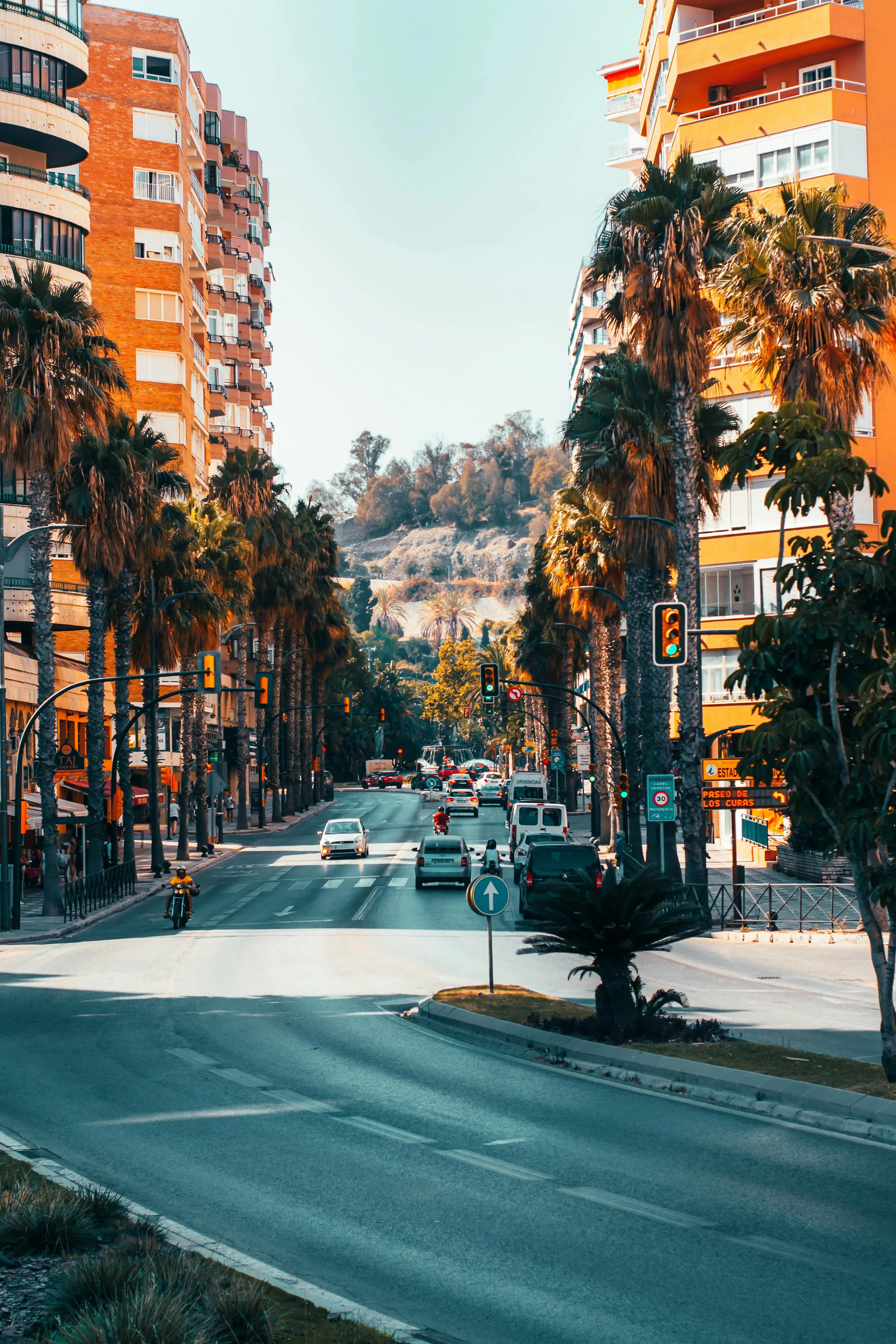
Walking through the streets of the city centre, visitors quickly notice how food is woven into everyday life. Small taverns spill onto plazas, seafood restaurants serve dishes inspired by the nearby Costa del Sol, and historic markets offer everything from fresh produce to casual tapas counters.
For travelers exploring Málaga's historic center, the best approach is simple: walk, stop frequently, and sample small plates at different venues across the town.
Atarazanas Market and the Nasrid Shipyard
Atarazanas Market is one of the most famous food destinations in the historic center. The market occupies the site of a medieval Nasrid shipyard, and its impressive iron-and-glass structure was built in the 19th century.
Inside the market, visitors will find stalls selling seafood, cheeses, olives, cured meats, and local produce from across Andalusia.
Food lovers often visit the market for:
Fresh seafood dishes prepared at small tapas counters
Local specialties like boquerones en vinagre (marinated anchovies)
Regional cheeses and Iberian ham
Informal lunches that create a relaxed experience in the middle of the city
The colorful stained-glass window at the main entrance depicts scenes from Malaga’s history, making the market both a culinary and cultural landmark.
Tapas Streets and Traditional Bars in the Old Town
Beyond the main plazas, some of the best food experiences in the old town happen along smaller pedestrian streets where locals move between historic taverns and relaxed wine bars. Areas around Santa María Street, Calle Granada, and the lanes near the Roman theatre are especially known for traditional Andalusian cooking and late-evening tapas culture.
Several lesser-known venues in this part of the district offer a more local atmosphere than the busiest tourist terraces.
Places worth visiting include:
La Tranca – A classic neighborhood bar famous for vermouth on tap, traditional music, and handwritten menus featuring local dishes.
El Tapeo de Cervantes – A small restaurant near Plaza de la Merced known for creative tapas and seasonal ingredients.
Los Patios de Beatas – A wine-focused restaurant and cellar offering regional wines paired with Andalusian tapas.
Mesón Mariano – A long-running tavern that specializes in traditional stews and grilled seafood dishes.
Many of these kitchens focus on ingredients sourced from the Costa del Sol, including grilled sardines, red tuna, and fresh shellfish. Dining here offers a slower, more authentic look at everyday food culture in the historic district.
Wine Bars and Late-Night Dining in the Historic District
While traditional tapas taverns dominate the daytime food scene, the historic district also has a growing number of wine bars and small restaurants that come alive later in the evening. Many of these spots are tucked along quieter streets branching off Calle Granada and the lanes surrounding the cathedral area.
This part of the district offers a slightly slower pace than the busiest plazas, making it a good place to settle in for a longer dinner or a relaxed evening drink.
A few places locals regularly recommend include:
La Odisea Vinos y Tapas – A small wine bar known for pairing regional wines with seasonal tapas.
Buenavista Gastrobar – A modern kitchen serving creative interpretations of Andalusian classics.
El Refectorium Catedral – A well-regarded restaurant near the cathedral that focuses on seafood and traditional regional recipes.
Many kitchens here highlight ingredients from coastal markets, including grilled fish, cured meats, and slow-cooked stews. Dining in these quieter streets often provides a more relaxed experience than the busiest terraces, especially later in the evening when locals begin moving between bars.
Views from Gibralfaro Castle and Day Trips Beyond the Historic Center
While the Malaga historic center offers a dense concentration of landmarks and cultural attractions, some of the most memorable perspectives of the city come from above. Just beyond the old town, Gibralfaro Castle rises on a hill overlooking the harbour, the city centre, and the Mediterranean coastline. The fortress is one of the most impressive historic monuments in the region and remains an essential stop when exploring the historic center and surrounding hills.
From the walls of the castle, visitors enjoy sweeping panoramic views across the city, the port, and the coastline of the Costa del Sol. The walk up to the fortress also reveals how the historic centre connects with the wider landscape that shaped Malaga’s long history as a Mediterranean trading port.
Gibralfaro Castle and the Best Panoramic Views of the City
Gibralfaro Castle was originally built in the 14th century to defend the Alcazaba fortress below it. Today, the castle stands as one of the most scenic vantage points in the city and a fascinating place to learn about Malaga’s Moorish past.
Visitors who visit the fortress can explore:
Defensive walls that stretch along the hillside
Watchtowers overlooking the harbour and the city centre
Historic ramparts that once protected the town from invasion
The route connecting the Alcazaba to Gibralfaro Castle is also a rewarding walk, passing shaded paths and viewpoints that reveal the layout of Málaga's historic center below.
Scenic Walks Above the Old Town
The hillside paths surrounding the castle provide a quieter alternative to the busy streets of the city centre. These walking routes allow visitors to explore the natural landscape while still remaining close to the historic center.
Along the way, travelers can discover:
Tree-lined viewpoints overlooking the old town
Elevated views of Málaga Cathedral and the surrounding city
Photo spots capturing the skyline of Malaga and the Mediterranean
Because the hill rises directly behind the historic center, the climb rewards visitors with a new perspective on the architecture and urban design of the city.
Easy Day Trips from Malaga to Other Historic Cities
Malaga’s position on the southern coast of Spain also makes it an ideal starting point for exploring other historic destinations across Andalusia and the Iberian Peninsula.
Popular day trips from the city include:
Granada, home to the famous Alhambra, one of the most iconic Moorish palaces in the world
Ronda, a dramatic mountain town known for its historic bridge and canyon views
Nerja, a coastal town east of Malaga known for beaches and sea caves
These destinations highlight the broader cultural and architectural influences that shaped the history of southern Spain.
Even for visitors who stay primarily within the Malaga historic center, a short tour up to Gibralfaro Castle offers a deeper understanding of how the city developed between sea, fortress, and hillside.
Travelers planning a broader trip across the region can also explore fully furnished apartments in Spain to maintain the same level of comfort and workspace amenities while moving between destinations.
Practical Tips for Visiting the Historic Center of Málaga
The historic district is easy to navigate, but a few practical details can make the experience smoother. From timing your visits to avoiding crowds and understanding how the area functions day to night, a bit of planning helps travelers make the most of their time in this part of the city.
Visit Major Landmarks Early in the Morning
Many of the most popular landmarks attract large crowds by late morning, especially during peak travel months. Visiting early in the day often provides a much calmer experience.
Sites that benefit from early visits include:
Málaga Cathedral, where rooftop access is limited to smaller tour groups
The Roman theater and nearby fortress complex
The Picasso Museum, particularly during weekends
Arriving shortly after opening hours usually means shorter lines and a quieter atmosphere for photos and sightseeing.
Expect Large Crowds During Holy Week
One of the most important cultural events in southern Spain is Holy Week, when large religious processions move through the district for several nights in a row. The celebrations are deeply rooted in local tradition and attract thousands of visitors each year.
While the processions are spectacular, they also mean that streets can become extremely crowded. Travelers visiting during this period should:
Reserve accommodation well in advance
Expect street closures in the evenings
Plan extra time when moving between areas
Despite the crowds, the event offers a fascinating glimpse into local culture.
Understanding Museum Locations
Several of the city’s major cultural institutions are clustered within a few blocks of each other, which makes museum-hopping easy.
Within the same general area, visitors will find:
The Picasso Museum inside Buenavista Palace
The Carmen Thyssen Museum, known for Andalusian fine arts
The waterfront Centre Pompidou Málaga, dedicated to contemporary art
Many museums offer guided tours or audio guides that provide deeper context about Málaga’s cultural history.
Moving Around the Historic District
Most of the district is pedestrian-only, so comfortable footwear is essential. Many streets are paved with stone, and some areas include gentle slopes leading toward the hillside fortress above the city.
Helpful tips for navigating the area include:
Use the cathedral and the nearby palace complex as orientation points
Take breaks in shaded plazas during the warm afternoon hours
Plan uphill visits, such as the route toward Gibralfaro Castle, earlier in the day
Following these simple strategies allows visitors to enjoy the area at a relaxed pace while avoiding the busiest crowds.
Discover the Cultural Heart of Málaga
The historic district of Málaga offers one of the richest cultural experiences in southern Europe. Within a compact area, visitors can discover layers of Mediterranean history, from Roman ruins and Moorish fortifications to Renaissance churches and vibrant public squares.
The district combines architecture, art institutions, markets, and traditional cuisine, making it a destination that rewards slow exploration. Museums dedicated to modern and classical art sit alongside centuries-old landmarks, while lively plazas and shaded terraces create an inviting atmosphere throughout the year.
Travelers who stay in this area benefit from immediate proximity to cultural institutions, historic monuments, galleries, and local food spots. Whether visiting for a few days or settling in for a longer stay, the district offers a dynamic blend of heritage and everyday life.