Jordi
Writer ·
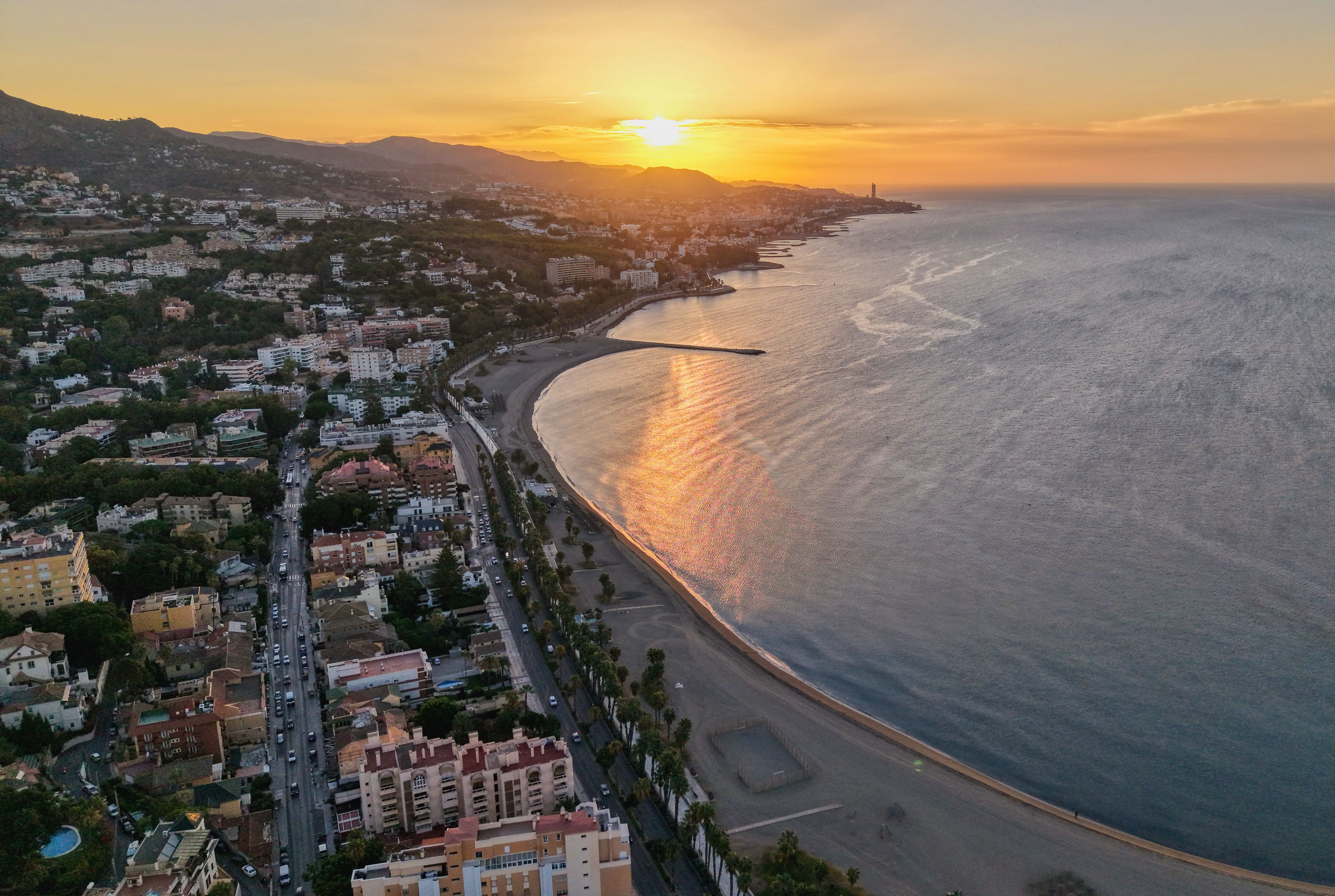
Pedregalejo is what Malaga looks like before it became a selling point. It's a former fishing village that never fully made the transition to tourist district, which is exactly why expats who find it tend to stay. The trade-off is real: you're a 4-kilometre bus ride from the centro, and the nightlife stops early. But if your priority is a walkable beach, a genuine local community, and rent that doesn't punish you for choosing the coast, Pedregalejo makes more sense than anywhere closer to the center.
This guide covers:
What Pedregalejo actually feels like to live in, not just visit
How rent and costs compare across Malaga's main expat districts
The best streets, restaurants, and markets in the neighbourhood
Getting around — buses, bikes, and the walk into central Malaga
Neighbouring El Palo and when it makes more sense than Pedregalejo itself
La Malagueta and La Merced for those who want to be closer to the cultural center
Moving to the Pedregalejo Neighborhood Malaga as an Expat: What to Expect Before You Arrive
Most expats moving to Malaga look at the centro first and end up in Pedregalejo. That's not an accident — it's the result of spending a week walking the beach promenade, eating fried fish at a chiringuito, and realising that city-center noise at 2am is not actually something they want to pay a premium for.
The Neighbourhood's Character: Traditional, Not Trendy
Pedregalejo has the feel of a traditional Spanish coastal barrio that hasn't been fully renovated for Instagram, and that's its main advantage over the center.
Paseo Marítimo de Pedregalejo — the main seafront promenade, quieter than La Malagueta beach, best on weekday mornings before summer crowds arrive
Street market on Calle Barcelona — open Saturday mornings, local produce and secondhand goods, nothing curated for tourists
El Cabra — chiringuito institution on the beach, espeto de sardinas around €8, cash preferred, go at lunch not dinner
Apartments here sit behind quiet streets lined with low-rise buildings — no hotel blocks, very few short-term rental towers
If you're seeking a lifestyle where the beach is a five-minute walk and your neighbours are actual Malaga residents rather than rotating Airbnb guests, Pedregalejo is the answer most expats land on after a month of looking.
Browse Malaga homes near this area
Who Actually Lives Here
The expat community in Pedregalejo skews toward people who have already lived somewhere in Spain — they're not making their first move abroad, they're making a considered one.
Retired northern Europeans who want the coast without tourist-resort noise — this is their district of choice in Malaga
Remote workers on longer stays (3–12 months) who've already done the centro experiment and want more space for the same money
Families with young children — the streets are calm, the schools are local, and the open beach is walkable rather than trafficked
Long-term Spanish residents who've lived here for decades and have no interest in leaving
The neighbourhood is genuinely mixed, which is rarer in Malaga's expat districts than you'd expect — and it's a large part of what makes daily life here feel less performative than the centro.
Pedregalejo has a rich fishing village history that still shapes the neighbourhood — the original boat sheds along the beach predate the tourism boom by decades, and several families have been grilling espetos here since the 1950s.
Rent, Costs, and the Neighbourhood Comparison Table
Malaga is cheaper than Barcelona and Madrid — that's known. What's less discussed is how much the price difference between districts within Malaga compounds over a three-month stay. Pedregalejo is not the cheapest district in the city, but it offers the best ratio of quality to cost for anyone who wants to live near the water without the short-term rental premium that pushes La Malagueta prices up in summer.
What You Actually Pay in Pedregalejo
The gap between furnished apartments in Pedregalejo and the centro is smaller than people expect — the difference is mostly in what you get for the price.
Studio furnished apartment: €700–€950/month depending on distance from the beach and time of year
1-bedroom with terrace or sea view: €1,000–€1,350/month — the terrace is worth prioritising over the sea view
Monthly bus pass for zones covering Pedregalejo to centro: €35–€40, covers the 11 bus route completely
Mercado de Pedregalejo — weekly shop for one person runs €60–€80 depending on how local you eat; fish here is notably cheaper than supermarkets
Budget roughly €1,400–€1,800/month all-in if you're eating mostly at home and using the bus — which is a realistic number, not an optimistic one.
The bus to the city center — line 11 from Paseo de Pedregalejo — costs €1.40 and takes around 20 minutes to reach Alameda Principal, which keeps the neighbourhood genuinely connected without requiring a car.
Neighbourhood | Monthly Rent (1-bed) | Vibe | Best For | Key Advantage |
|---|---|---|---|---|
Pedregalejo | €1,000–€1,350 | Traditional beach village, genuinely local | Long stays, families, remote workers wanting space | Beach walking distance, real neighbourhood feel |
El Palo | €750–€1,050 | Quieter, more residential, fewer expats | Budget-conscious expats, longer-term stays | Cheapest coastal option in Malaga |
La Malagueta | €1,100–€1,600 | Urban beach, close to centro, seasonal crowds | Short stays, easy access to cultural center | Walking distance to Malaga's historic center |
Centro / La Merced | €950–€1,400 | Cultural, busy, noisy evenings | People who want to be inside the city's cultural life | Everything walkable, best restaurant and art access |
Soho | €900–€1,250 | Street art, gentrifying, younger crowd | Creative workers, short-to-medium stays | Close to the port, growing art and café scene |
Find fully furnished apartments in Malaga across all these districts — filtered by length of stay and move-in date.
El Palo: The Neighbourhood Next Door That Most Expats Overlook
El Palo sits directly east of Pedregalejo and is easy to mistake for the same place. It isn't. El Palo is less polished, less photographed, and about 20 percent cheaper on rent — which at three months adds up to a real number. The question is whether you mind a neighbourhood that doesn't much care whether you're there or not.
El Palo for the Budget-Conscious Expat
The local character of El Palo is more intact than Pedregalejo's precisely because fewer expats have landed there yet — which cuts both ways.
Plaza de El Palo — the neighbourhood's social centre, cheap local bars, no tourist menus, best on Sunday afternoons when families fill it
Studio apartments: €650–€850/month furnished — the further from the beach, the lower the price, though distances here are small
El Tintero — seafood restaurant where waiters walk the room calling out dishes; pay per plate, no menu, no translation, arrive before 2pm for lunch service
English is less widely spoken here than in Pedregalejo — manageable with basic Spanish, harder without it
El Palo makes the most sense if you're making a longer commitment to Malaga and want lower rent while you figure out the city — the lifestyle is fundamentally the same as Pedregalejo, just with fewer people who look like you.
El Palo has great value for families specifically — the local state school, CEIP El Palo, has a strong reputation among expat parents and avoids the €400–€600 monthly fees of the international schools closer to the city centre.
Getting Between El Palo, Pedregalejo, and Centro
The bus situation between El Palo and central Malaga is straightforward enough that not having a car quickly stops feeling like a constraint.
Line 11 bus: El Palo to Malaga centro in 25–35 minutes depending on traffic, runs every 10–15 minutes during the day
Málaga en Bici rental point on Paseo Marítimo — bike hire from €1/hour, the coastal path to centro is flat and completely car-free for most of its length
Taxi or Cabify: El Palo to centro runs €8–€12 depending on time of day — useful at night, not a daily habit worth building
The walk from El Palo beach into Pedregalejo takes under 15 minutes along the seafront — most people do it daily without thinking of it as commuting
The distance from El Palo to the centro is genuinely fine for most people and genuinely annoying for a small number — you'll know which category you fall into within the first week.
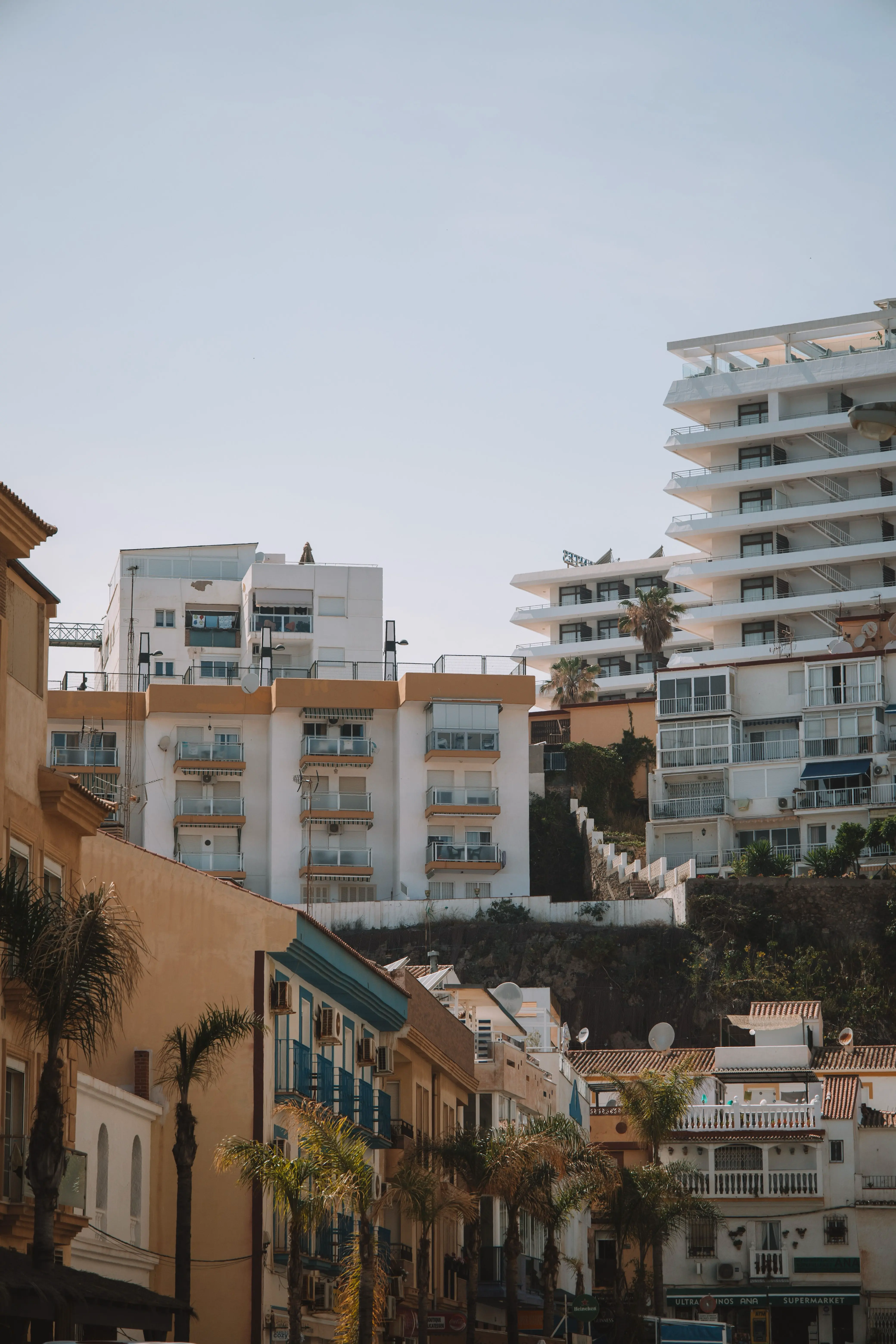
La Malagueta and la merced: When You Want to Be Closer to Malaga's Cultural Center
La Malagueta is the beach that appears in every Malaga photo and sits at the edge of the historic center. La Merced is the plaza and district directly inside it. Together they form the part of Malaga where culture, restaurants, and the art scene are most concentrated — and where the noise, the tourists, and the rent reflect that concentration.
La Malagueta: Urban Beach Living With a Trade-Off
La Malagueta is popular for obvious reasons and expensive for the same ones — the beach is beautiful, the centro is a 20-minute walk, and you pay for both facts in your rent.
La Malagueta Beach — the main city beach, busiest in summer, manageable before 10am, crowded by noon from June through August
1-bedroom apartment near the beach: €1,100–€1,600/month — price climbs sharply for sea-view floors, less sharply for second-floor facing inland
Restaurant El Balneario — historic beach restaurant at the east end of La Malagueta, traditional Malaga cuisine, set lunch around €16, avoid peak summer evenings
Short-term rental saturation is high here — in summer, your building will likely have Airbnb guests cycling through; factor that into the choice
La Malagueta is ideal for stays under six weeks where you want easy access to Malaga's cultural life — for anything longer, the summer noise and price premium start to work against you.
La Malagueta offers a city-beach combination that feels entirely different from Pedregalejo — the beach is wider and more maintained, but the neighbourhood behind it is denser and noticeably louder in summer.
La Merced: Inside the Cultural District
La Merced is where Malaga's art institutions, independent restaurants, and evening cultural life actually concentrate — it's also where Picasso was born, which tells you something about its relationship to the city's identity.
Plaza de la Merced — the neighbourhood's centrepiece, open and social most evenings, loud after 10pm on weekends — not a coincidence that studios nearby rent for less than La Malagueta
Museo Picasso Málaga — free entry Thursday evenings 5–8pm, worth timing your first week around it before the art becomes background
1-bedroom apartments in La Merced: €950–€1,350/month — quieter streets two blocks from the plaza are meaningfully cheaper than facing it
Bodega Quitapenas — traditional tapas bar on Calle Mármoles, vermouth from €2.50, locals-to-tourists ratio still tilted correctly
La Merced is Málaga's most vibrant square after dark — the bars around Plaza de la Merced stay open until 2am on weekdays, which is why Pedregalejo residents treat it as their go-to night out rather than staying local.
La Merced offers the best access to Malaga's cultural and restaurant scene of any district in the city — the question is whether you want that density as your daily environment or prefer to visit it from somewhere quieter.
Explore La Malagueta in our neighbourhood guide — including street-level detail on the best streets for long-term rentals and seasonal pricing patterns.
Malaga Beyond Pedregalejo: The Neighbourhoods Worth Comparing
You will not know whether Pedregalejo is right for you until you understand what you are trading away — and what you are not. The neighbourhoods below are not alternatives for everyone; they suit different rhythms, budgets, and relationships to Spanish city life.
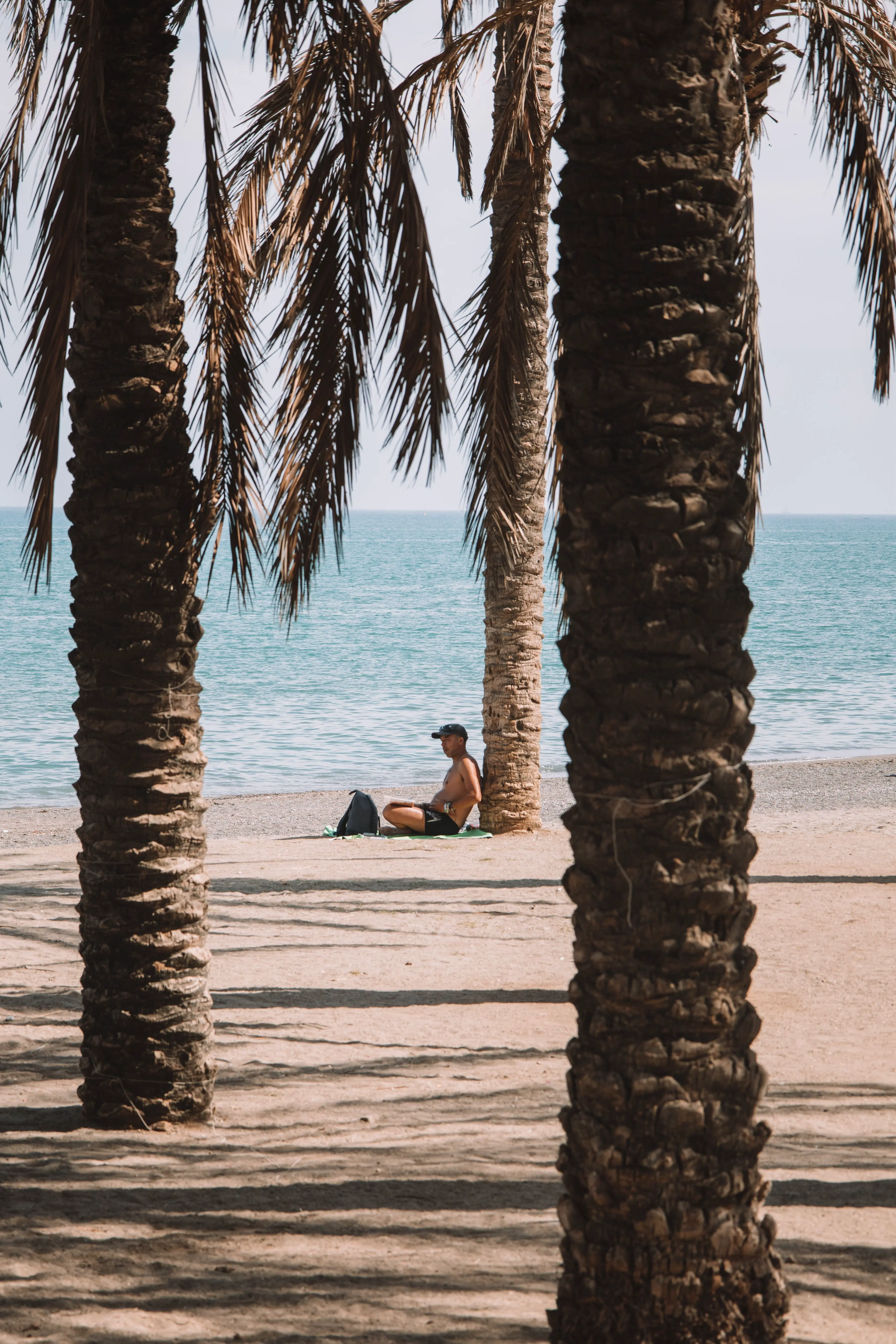
Soho: Malaga's Creative Quarter for Working Expats
Soho is where Malaga's art scene landed when the centro became too expensive — it is small, walkable, and noticeably younger than the tourist belt running east toward La Malagueta.
Centro de Arte Contemporáneo — free entry, open Tuesday to Sunday, two blocks from the main Soho street grid — the kind of institution that keeps a neighbourhood honest
1-bedroom apartments in Soho: €1,000–€1,400/month — modern builds have appeared along Calle Armengual de la Mota, which means newer infrastructure but less character per square metre
El Pimpi Soho — vermouth and shared boards from €4, good for solo lunches, reliable WiFi at the bar before the afternoon rush
Coworking at Andalucía Lab — publicly subsidised digital innovation space, day passes available, genuinely quiet on weekday mornings
Soho works if you want to be five minutes from the historic centre without paying La Malagueta prices — but it does not offer beaches, and the social scene among expats here skews toward the under-35 crowd.
Fuengirola, 30 minutes west by Cercanías for under €3, offers a large established expat community and a Friday market that many Pedregalejo residents make a weekly trip for — especially if they are looking for English-language books or British food products.
Browse Malaga homes near this area
La Malagueta: Beaches and Cultural Access, at a Price
La Malagueta is the obvious choice that experienced expats often reconsider once they factor in what summer actually costs — both financially and in terms of noise and tourist density.
Restaurante Vino Mío — international menu with Spanish anchors, mains €14–€18, reliable for a quiet dinner in shoulder season when the terrace empties out
Modern apartment blocks along Paseo de Sancha offer sea views but thin walls — ask about insulation before you sign anything for July or August
Real Club de Tenis de Málaga — private membership from €80/month, the social infrastructure here matters more than the courts if you are trying to meet Spanish professionals
Beaches are accessible on foot — La Malagueta beach itself is the closest to the centro, but it fills fast in summer and the chiringuito prices reflect the footfall
La Malagueta is ideal if you need both beach access and walkable distance to Malaga's cultural institutions — retirees on a comfortable budget and remote workers who bill in dollars or pounds often make it work; anyone watching euros carefully, less so.
Living in Pedregalejo puts you on the Costa del Sol's most liveable stretch — Nerja is 45 minutes east by bus and Torre del Mar is 30 minutes, both reachable on a single M-163 fare.
Neighbourhood | Monthly Rent (1-bed) | Vibe | Best For | Key Advantage |
|---|---|---|---|---|
Pedregalejo | €1,000–€1,350 | Quiet, residential, local | Long-stay expats, retirees | Walkable beach, genuine community |
Soho | €1,000–€1,400 | Creative, young, urban | Remote workers, creatives | Five minutes from historic centre |
La Malagueta | €1,100–€1,600 | Coastal, busy, polished | Retirees, short-stay expats | Beach and cultural access combined |
La Merced | €950–€1,350 | Cultural, social, lively | Younger expats, culture-first | Restaurant and art scene density |
El Palo | €750–€1,050 | Local, unpolished, cheap | Budget-conscious long-stayers | Lowest rents on the eastern coast |
Find fully furnished apartments in Malaga across all five neighbourhoods — filtered by minimum stay, move-in date, and distance from the coast.
Browse Malaga homes near this area
What Daily Life in Pedregalejo Actually Costs
The monthly budget figures tell you the floor — what you spend above that depends almost entirely on how often you leave the neighbourhood and whether you resist the tourist-facing bars along the seafront in favour of the Spanish bars one street back.
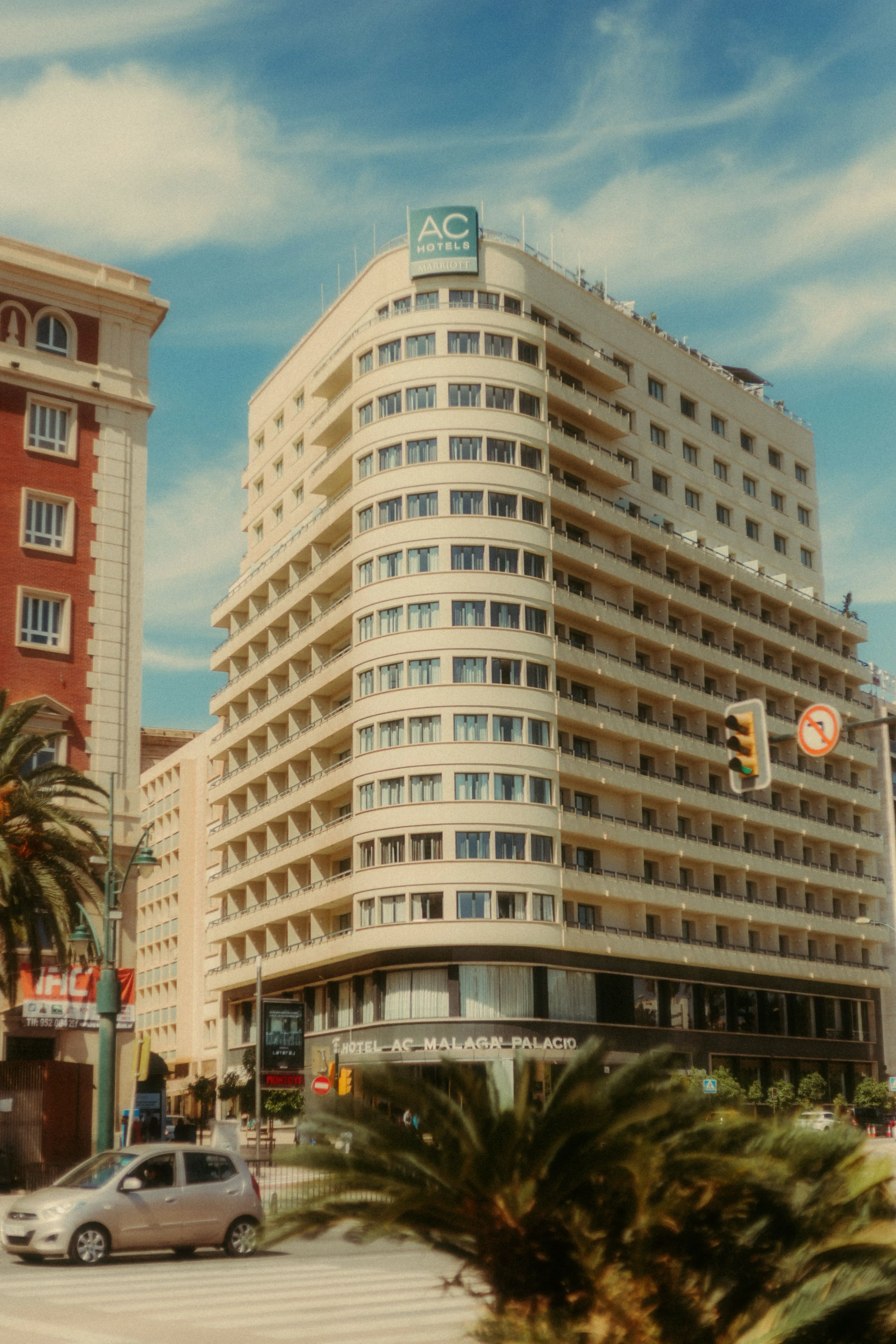
Food, Bars, and the Menú del Día
The single best financial decision you can make in Pedregalejo is to eat your main meal at lunch, not dinner — the Spanish menú del día culture here is still functioning properly, and it is not a tourist invention.
Bar Restaurante El Toro — menú del día €10.50 including wine, two blocks from the seafront, Spanish clientele at both the bar and the tables
Mercado El Palo — the market on the eastern edge of the district, seafood counters open from 8am, whole fish €4–€9/kg depending on the catch — cheaper than any chiringuito version of the same ingredient
Bars along Calle Conde de las Navas offer shared tapas from €2.50 — the difference between these and the seafront bars is around €6 per round and about 60% fewer tourists
Supermarket shop (Mercadona on Avenida Juan Sebastián Elcano) — weekly groceries for two: €70–€95, comparable to any mid-sized Spanish city outside Madrid or Barcelona
If you cook four nights a week, eat the menú del día twice, and save seafood restaurants for the weekend, you can eat well in Pedregalejo for under €300/month — and that is not austerity, it is just living the way the neighbourhood was designed to be lived in.
The daily fish market near El Palo offers a variety of fresh catch that changes by the day — local fishermen sell directly to residents most mornings before 10am, which genuinely changes how you cook at home.
Getting Around: Bus, Bike, and the Coastal Walk
The bus is not a compromise — Line 11 from Pedregalejo to Malaga's historic centre runs every 10–15 minutes and drops you at Alameda Principal in around 20 minutes, which is faster than driving and parking in July.
Single bus fare: €1.30; 10-journey card: €8.30 — if you are making four or more trips a week into the centre, the monthly pass is straightforwardly the better option
Coastal cycle path runs westward from Pedregalejo toward La Malagueta — flat, mostly sheltered, and genuinely usable for a morning commute if your coworking space sits between the two
Málaga Bici — the city's public bike share, nearest dock at Avenida Juan Sebastián Elcano, annual subscription €35 — day passes also available for guests or occasional use
Taxis and Cabify between Pedregalejo and Soho: €8–€12 depending on time of day — not a daily option at that rate, but useful for late evenings when the last bus is a gamble
Most expats who stay more than a month settle into a rhythm of walking or cycling locally and bussing into the centre two or three times a week — the neighbourhood is designed for that pace, and it works.
Pedregalejo offers very little for expats who need reliable evening public transport — the last bus 11 back from the city centre runs before midnight, which forces a €10–€15 taxi if you stay out late.
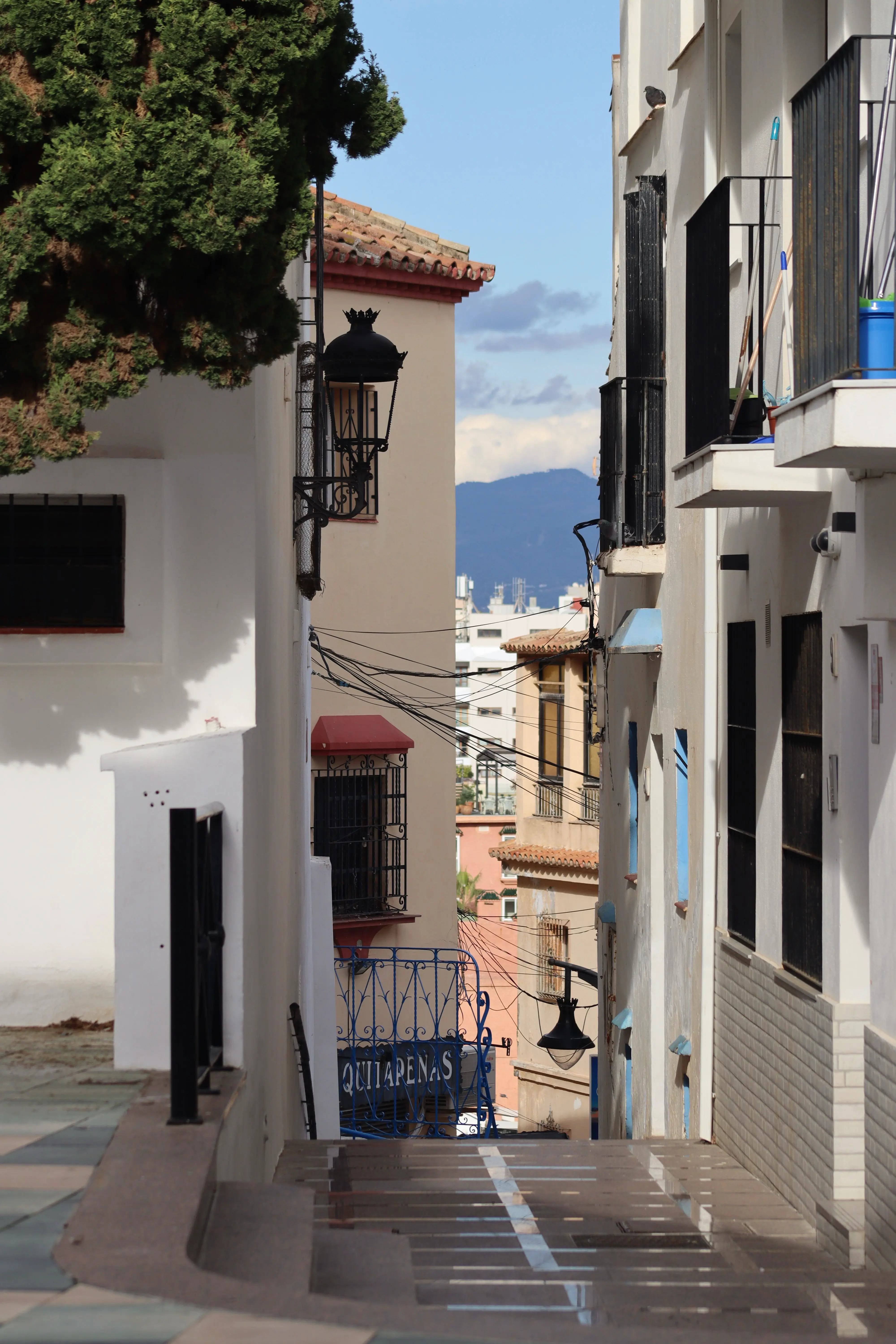
Healthcare, Practicalities, and the Spanish Bureaucracy Layer
Healthcare access in Pedregalejo is straightforward if you have registered on the padrón — and registering on the padrón is the first thing you should do, before you worry about anything else.
Centro de Salud Pedregalejo — the local public health centre on Calle Bolivia, covers the district's Spanish public healthcare catchment, appointment-based but same-week access for non-urgent issues
Private health insurance from providers like Sanitas or Adeslas: €50–€90/month for standard expat coverage, which most non-EU expats will need for their visa application regardless
Padrón registration at Junta Municipal de Pedregalejo — takes 20 minutes with a lease and passport, unlocks both public healthcare and local resident discounts on municipal services
Spanish language classes at Academia Enforex Málaga — group classes from €180/month, worth it not as a cultural exercise but as the single fastest way to stop overpaying for everything
The administrative side of settling in Pedregalejo is no harder than any other Spanish neighbourhood — but it does require doing things in the correct order, and that order starts with the padrón.
Who Pedregalejo Is Actually For — and Who Should Look Elsewhere
Pedregalejo has become one of the most recommended coastal neighbourhoods in Malaga among expat communities online — which means the gap between expectation and reality is widening. It is worth being direct about both sides.
The Expat Community: What It Looks Like on the Ground
The expat presence in Pedregalejo is real but not loud — you will find it at the weekend markets, in a handful of the bars near the seafront, and in the WhatsApp groups that share lease leads before they hit the rental portals.
Bar El Ancla — one of the few bars where the regular crowd is reliably mixed between Spanish locals and longer-stay expats; closes early by Malaga standards, which tells you the clientele
Internations Malaga meetups rotate between Soho and La Malagueta venues — Pedregalejo is not typically a meetup location, which means the social scene here is built through proximity, not organised events
Retirees from Northern Europe, particularly the UK and Germany, make up a significant share of the long-term expat base — the rhythm of the neighbourhood reflects that, which is either a feature or a warning depending on your age and schedule
Remote workers in their 30s are a growing presence but remain a minority — the neighbourhood does not yet have the coworking infrastructure of Soho or the café density of La Merced
The beach lifestyle here is not a weekend thing — on a Tuesday in October you will still find locals swimming at Playa de Pedregalejo at noon, which tells you everything about the pace of the neighbourhood.
Pedregalejo sits on the Costa with better bones than most — it has not been over-developed like Torremolinos or hollowed out by short-term rentals the way parts of the historic centre have been.
Long Stays vs. Short Stays: How the Maths Changes
Pedregalejo is not a neighbourhood that reveals itself in two weeks — the value of it is cumulative, and the first month is mostly logistics and calibration.
Short stays under four weeks: La Malagueta or Soho offer better access to Malaga's cultural life and beaches without the commute overhead — Pedregalejo's advantages are structural and only emerge over time
Stays of two to six months: Pedregalejo is where the numbers start to work — lower rents, a functioning local routine, and genuine access to Spanish daily life rather than the tourist-facing version of it
Full relocation or retirement: the neighbourhood's combination of sea access, a rich local social infrastructure, and Spanish residential character makes it one of the more coherent long-term choices on the Costa del Sol
Share apartments exist in Pedregalejo but are rare — this is a neighbourhood of couples, families, and solo long-stayers, not flat-shares; budget for a private unit from the start
The people who are happiest in Pedregalejo are almost always the ones who gave it three months rather than three weeks — the neighbourhood does not perform on demand, it compounds.
Pedregalejo is a great neighbourhood to arrive in during September or October — rents drop, the crowds thin out, and you get a realistic picture of what year-round life actually looks like before committing to a longer stay.
Is Pedregalejo Worth It? The Honest Answer for Expats in Malaga
Who Pedregalejo Actually Works For
This neighbourhood rewards expats who have already made their mistakes in more obvious cities and know what they are actually looking for.
Retirees who want a functioning coastal neighbourhood, not a resort village built around foreign visitors
Remote workers who have finished the nomad circuit and want to genuinely live somewhere rather than pass through it
Expats whose Spanish will improve by necessity, because most neighbours speak nothing else
Long-stay residents who value coastal access and local rhythm over central convenience
The expats who thrive here are not the ones chasing an idea of Spain — they are the ones who have already found out what that costs them elsewhere.
Expats who love eating lunch outside in January will find Pedregalejo genuinely hard to leave — the seafront terraces at restaurants like El Tintero get direct sun even in February.
Where Pedregalejo Falls Short
The neighbourhood's honest weaknesses are specific enough that they will only matter to certain people — but if they matter to you, they will matter every day.
The commute to Malaga's historic centre adds real friction for anyone who needs to be there daily
Coworking options are limited, which is a practical problem rather than a lifestyle complaint
There is no ready-made expat social scene, so integration requires actual effort and functional Spanish
Short-stay visitors testing Spanish life will find Soho or La Malagueta cheaper in friction, if not always in rent
If any of those constraints land badly on reading, Pedregalejo is probably telling you something worth listening to before you sign a lease.
Pedregalejo is the perfect base if you are arriving in Málaga for the first time and want to test the city before committing to a longer lease — most landlords here accept three-month contracts during the off-season.
The Honest Verdict
Pedregalejo is one of the few places in Malaga where the pitch and the reality share the same postcode — which is rarer than it should be in a city that markets itself aggressively to foreigners.
Coastal without operating as a resort, which keeps the streets and the prices closer to normal
Local without being inconvenient, provided your daily life does not depend on the city centre
Affordable without being compromised, but only if you go in clear-eyed about the trade-offs
A workable long-term base for remote workers and retirees who want to actually live in Spain rather than observe it
Find your base with fully furnished apartments in Spain, filtered by move-in date and minimum stay.
Making the Move to Pedregalejo, Malaga
Pedregalejo rewards the expats who actually commit to it. The neighbourhood has a rhythm that takes a few weeks to feel and a few months to fully appreciate — the morning fish market, the evening paseo along the seafront, the locals who gradually stop treating you like a tourist once they see you enough times. It is not a place you pass through; it is a place you settle into.
The practical side of relocating here is more straightforward than most Mediterranean neighbourhoods of this quality. Furnished apartments are available on flexible terms, the tram keeps you connected to central Malaga without needing a car, and the cost of living remains genuinely manageable compared to comparable coastal spots in France or Italy. If you have been circling the idea of basing yourself somewhere in southern Spain, Pedregalejo is worth moving from the shortlist to the decision column.
Whether you are planning a trial stay of a few months or arriving with a longer horizon in mind, the first step is finding the right apartment. Browse fully furnished apartments in Spain filtered by move-in date and minimum stay, and start your Pedregalejo chapter on solid ground.