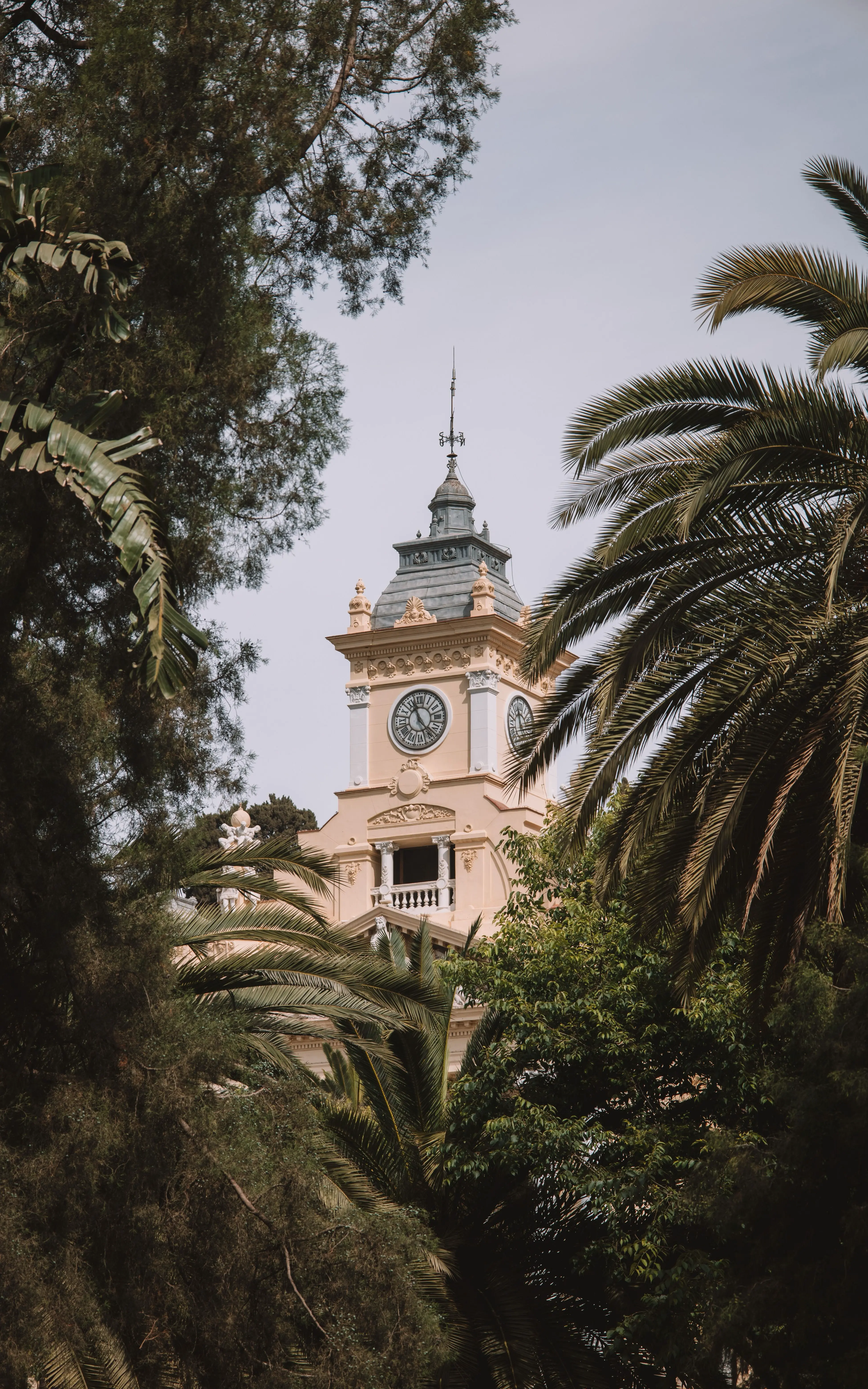

Daniel
Productivity & Remote Living Analyst ·
La Malagueta is the kind of place that looks like a holiday postcard but functions like a real neighbourhood — and that gap between appearance and daily reality is exactly what this guide is about. The beach is genuinely one of the most famous beaches on the Costa del Sol, the architecture carries weight, and the Paseo de Reding gives you a morning walk most cities can't match. The trade-off is that tourist infrastructure shapes everything here: prices, noise levels, and who you'll be sitting next to at the bar.
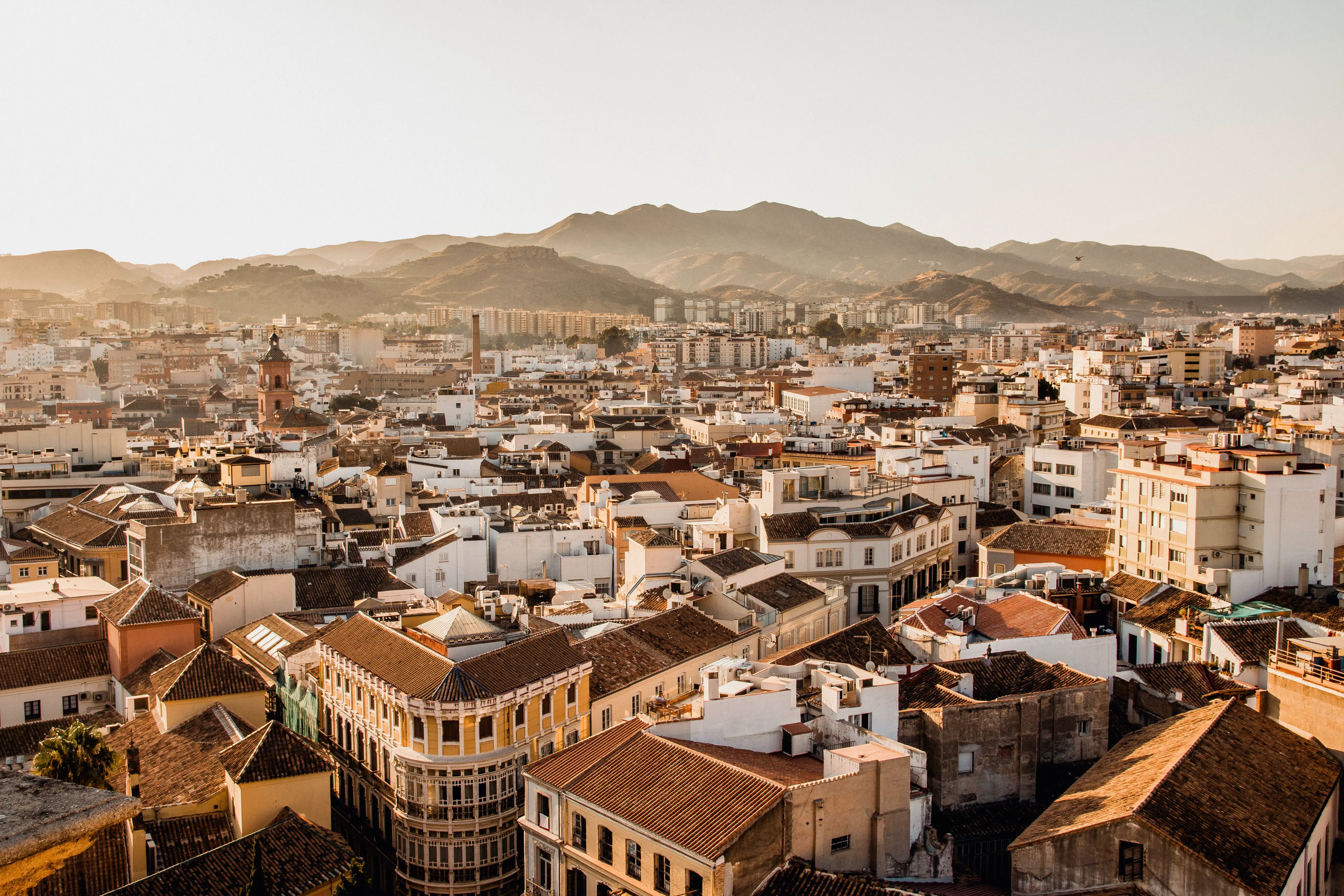
What La Malagueta neighbourhood actually feels like to live in month to month
La Malagueta Beach, its Blue Flag credentials, and what that means in August
The La Malagueta Bullring, its history, and why it's worth your time even if you have no interest in bullfighting
Where to eat, work, and spend an afternoon without defaulting to tourist traps
How La Malagueta compares to other Malaga neighbourhoods on rent, rhythm, and practicality
What kind of remote worker or long-stay visitor this neighbourhood actually suits
La Malagueta Neighbourhood: What It Actually Feels Like to Live Here
La Malagueta is Malaga's most iconic urban beach neighbourhood — and that status cuts both ways. You get proximity to the sea, a genuine residential community, and architecture that still carries the memory of the late-1800s industrial city it used to be. What you give up is anonymity and, in peak summer, any sense of quiet before 10am.
The Shape of the Neighbourhood and How You'll Move Through It
La Malagueta sits at the eastern end of Malaga's central waterfront, bookended by the port and the eastern area that stretches toward Pedregalejo.
Paseo de Reding — the main boulevard running inland from the bullring; tree-lined, walkable, and genuinely pleasant at 8am before the day heats up
The historic center is a 15-minute walk west, which means you can reach it on foot without thinking twice — but you will think twice in August
La Farola lighthouse — the eastern anchor of the neighbourhood; a useful orientation point and a good evening walk
Streets behind the beach are residential, with a mix of 1960s apartment blocks and earlier 19th-century buildings that survived the rapid urban development of that decade
The neighbourhood is compact enough to know within two days, which is both a comfort and a limitation if you need variety in your daily routine.
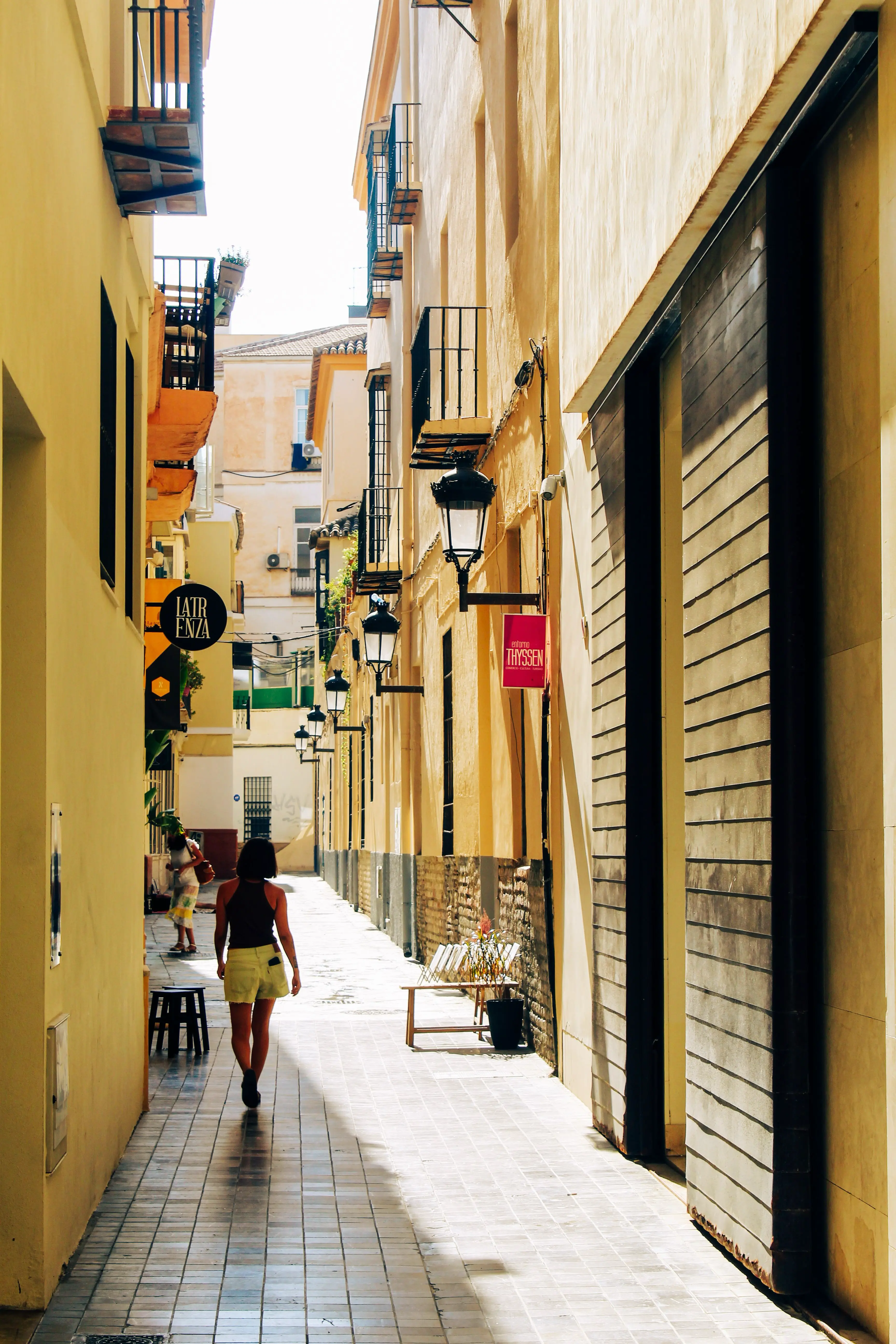
Who Lives Here and What That Means for You
La Malagueta has a real residential layer underneath the tourist surface, and the two don't always coexist comfortably.
Long-term Spanish residents, families, and older locals who've lived here for decades — they use the neighbourhood in the early morning and evening, when the tourists thin out
Short-term holiday renters concentrated in the blocks closest to the beach — noise on weekends reflects this directly
A growing number of remote workers drawn by the beach proximity and the 15-minute walk to the city centre's coworking infrastructure
Restaurant and bar workers who keep late hours — the neighbourhood doesn't fully go quiet on weekdays either
If you're here for a month and need consistent morning focus, the streets one or two blocks back from the shore are significantly calmer than anything with a sea view.
Neighbourhood Comparison: La Malagueta vs. Other Malaga Bases
La Malagueta sits at the premium end of Malaga's rental market, but each neighbourhood offers a distinct lifestyle trade-off.
La Malagueta: €1,100–€1,600/month for a 1-bed — beach-residential vibe, sea at your doorstep, walkable to the port and historic centre
El Centro (historic centre): €900–€1,300/month — immersive city-living with museums, tapas bars, and Picasso's birthplace on your doorstep
Soho / Arts District: creative, up-and-coming area popular with digital nomads and younger remote workers
Pedregalejo: quieter beach neighbourhood east of the centre, more local feel with lower tourist footfall
El Palo: furthest east along the coast, most affordable beach-adjacent rents, strong local community
Use the MAPS_PLACEHOLDER to compare walking distances between neighbourhoods and key coworking spaces
La Malagueta sits at the heart of Málaga's coastal identity, positioned between the cruise port and the Pedregalejo neighbourhood in a way that gives it a distinctly local character most beach districts in Andalucía have lost.
What makes La Malagueta interesting compared to the Centro is the mix of early 20th-century residential blocks alongside beach bars — you get genuine neighbourhood life rather than a strip built entirely for tourists.
Browse Malaga homes near this area
La Malagueta Beach: Blue Flag, 1,200 Metres, and What to Expect in Each Season
La Malagueta Beach is the most popular beach in the city — Blue Flag certified, over 1,200 metres long, and located just metres from the city centre in a way that still feels slightly improbable when you first arrive. It is also, from late June to early September, one of the busiest beaches on the Costa del Sol. These two facts are inseparable.
The Beach Itself: Facilities, Access, and Honest Conditions
The beach earns its Blue Flag status — the cleanliness is consistent even under peak tourist pressure, and the accessibility infrastructure is better than most Spanish urban beaches.
Wheelchair access points and adapted facilities throughout — one of the few popular beach stretches in Spain where visitors with disabilities can use the full length of the shore without major obstacles
Lifeguard coverage runs May through October; outside that window the beach is quieter and unguarded
The eastern area of the beach, away from Muelle Uno, is consistently less crowded — worth the extra 300-metre walk in July and August
Sun lounger hire runs €6–€10 per person per day depending on proximity to the waterline; the southern end of the beach is where you pay the premium
The beach is genuinely good infrastructure for a city beach — what it is not, at peak season, is somewhere you go for solitude.
Chiringuitos and Eating on the Shore
The traditional beach bars along La Malagueta Beach are not all equal, and the difference between a tourist trap and a decent chiringuito is usually one block and about €4 per dish.
El Tintero — famous for its auction-style service where waiters shout the dishes as they carry them past; chaotic, fun, and worth it once — arrive before 2pm or wait 45 minutes
El Fogón de Carmen — traditional espeto de sardinas (spit-roasted sardines) over a boat fire, the specifically Málaga preparation that distinguishes it from grilled fish anywhere else; around €8–€10 for a full portion
The chiringuitos closest to Muelle Uno skew toward the tourist end — cocktails at €10 and menus translated into four languages
El Fogón de Carmen is worth noting twice: it is the clearest example of the beach bar tradition done without compromise, and it's the place locals still go
The sardine espeto tradition is a Málaga-specific form — it's not something you'll find done the same way anywhere else on the Costa del Sol, and La Malagueta Beach is one of the best places to have it.
The western end of the beach near the Baños del Carmen is calmer and shallower than the stretch near the port, which makes it the section most local family groups gravitate toward on weekday mornings.
Muelle Uno and the Port Edge
Muelle Uno sits adjacent to La Malagueta Beach and functions as a completely different proposition — modern, upscale, port-facing, and better for an evening than a lunch.
Muelle Uno — the port promenade with upscale dining, shops, and an open-air atmosphere; restaurant mains start around €16 and the sea views earn a portion of that price
Better suited to an evening walk than a working lunch — the daytime vibe is firmly tourist-facing
The waterfront between Muelle Uno and the beach is one of the cleanest transitions from port to sand you'll find in any Spanish city
Muelle Uno is infrastructure for a good evening, not a place to build your daily routine around — but as a one-hour reset walk at sunset, it earns its place.
La Malagueta is consistently ranked among the most famous beaches on the Spanish Mediterranean coast, drawing visitors who specifically choose it over busier resort strips like Torremolinos.
La Malagueta Bullring and the Malagueta Bullring: History, Architecture, and de la Malagueta's Cultural Interest
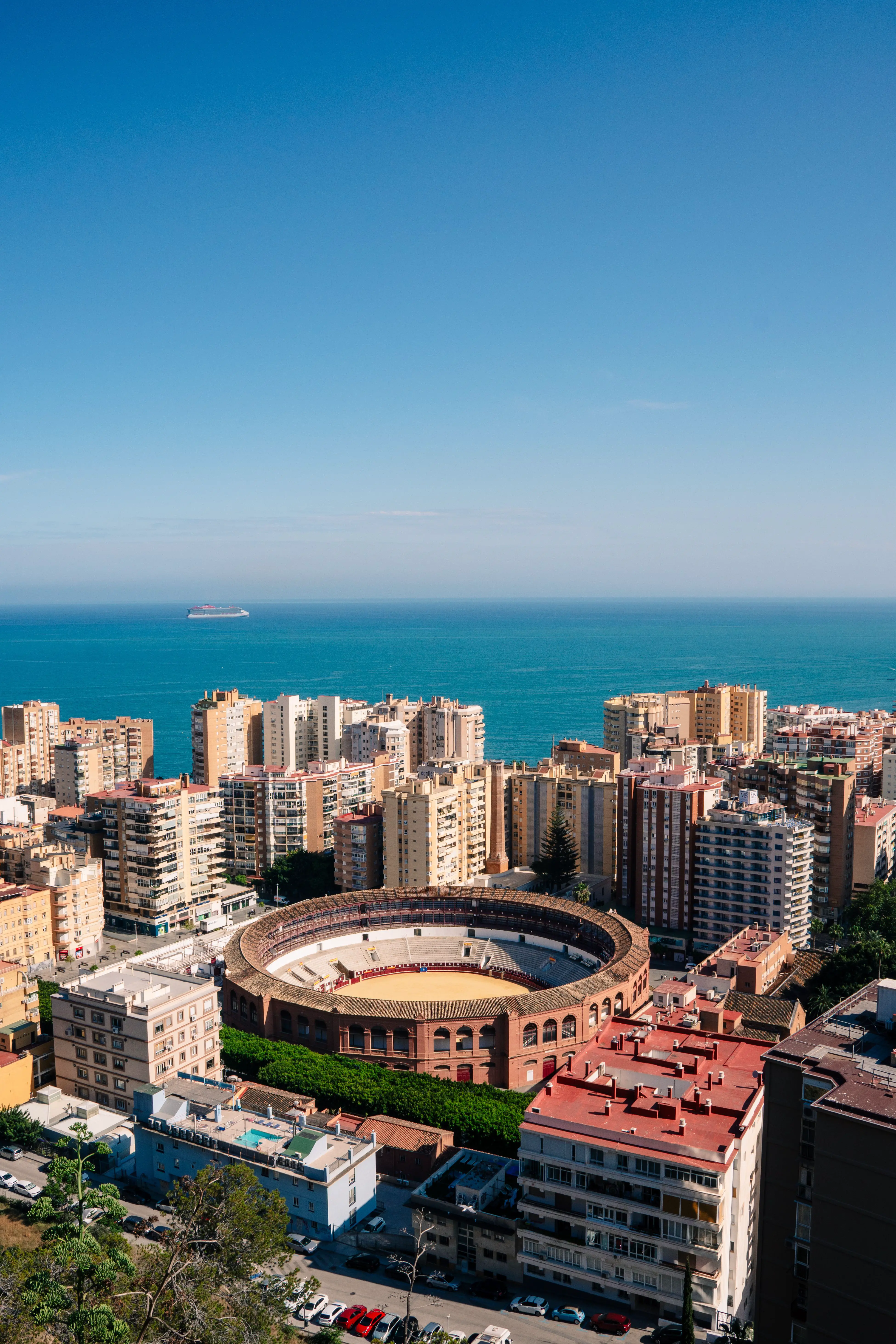
The La Malagueta Bullring is the kind of building that commands attention whether you care about what happens inside it or not. Built in 1876, declared an Asset of Cultural Interest in 1981, and still one of the most architecturally distinctive structures in the city — it anchors the western edge of the neighbourhood with a weight that the beach apartments nearby simply don't have.
The Architecture and What Makes It Worth Your Time
The bullring's 18-sided polygonal structure is unusual even by the standards of historic Spanish plazas de toros, and the exterior reads differently depending on which angle you approach from.
The Paseo de Reding approach gives you the full facade — best in the morning when the light comes from the east and the stone colour is at its most striking
Built during the late 1800s construction boom that also produced the Gran Hotel Miramar and reshaped the neighbourhood's architectural identity
The 18-sided form is visible from above — if you're walking the Paseo de Reding at street level, the curve of the exterior gives you a sense of the scale before you reach the entrance
Declared an Asset of Cultural Interest since 1981, which affects how the building can be altered — a protection that has kept the exterior largely intact
Even at street level, without entering, the Malagueta Bullring is one of the most coherent pieces of 19th-century architecture left in Malaga — and in a city that has lost a considerable amount of its built history to 20th-century development, that matters.
The neighbourhood itself takes its name from a former garden that was planted in honour of a colonial-era governor, a detail most visitors walking past the bullring never learn.
The Immersive Experience and Visiting Practically
The bullring's cultural interest extends beyond the facade — the interior now houses what the venue describes as the most technologically advanced bullfighting immersive experience center in existence, which is either a compelling reason to visit or a reason to stay outside depending on your position on the tradition.
Six thematic rooms take you through the history of bullfighting in a format designed for people with no prior knowledge — the immersive presentation works regardless of your view on the sport itself
Special discounts available for children, families, and group tours — worth checking the current schedule before visiting, as hours shift seasonally
Guided tours of the ring itself run on non-event days; the scale of the arena from the sand level is genuinely different from the view in the stands
La Malagueta Bullring — entrance on Paseo de Reding; museum entry around €8 per person, with reduced rates for children and special discounts for groups
The Plaza de Toros de La Malagueta, inaugurated in 1874, is one of the oldest bullrings in the world and remains an architectural landmark even for visitors who have no interest in bullfighting itself.
Whether you engage with the cultural context or treat it purely as architecture and spectacle, the bullring gives La Malagueta a layer of history that most beach neighbourhoods on the Costa del Sol simply don't have.
Getting Around La Malagueta: The Paseo del Parque, Paseo de Reding, and What's Nearby on Foot
La Malagueta's walkability is one of its strongest arguments — but it's worth being specific about what "walkable" means here, because the distances that feel easy in October feel different in July at 2pm.
The Main Walking Routes and What They Connect
The neighbourhood sits on a natural pedestrian axis that connects the beach, the port, and the historic center without requiring a bus or taxi at any point.
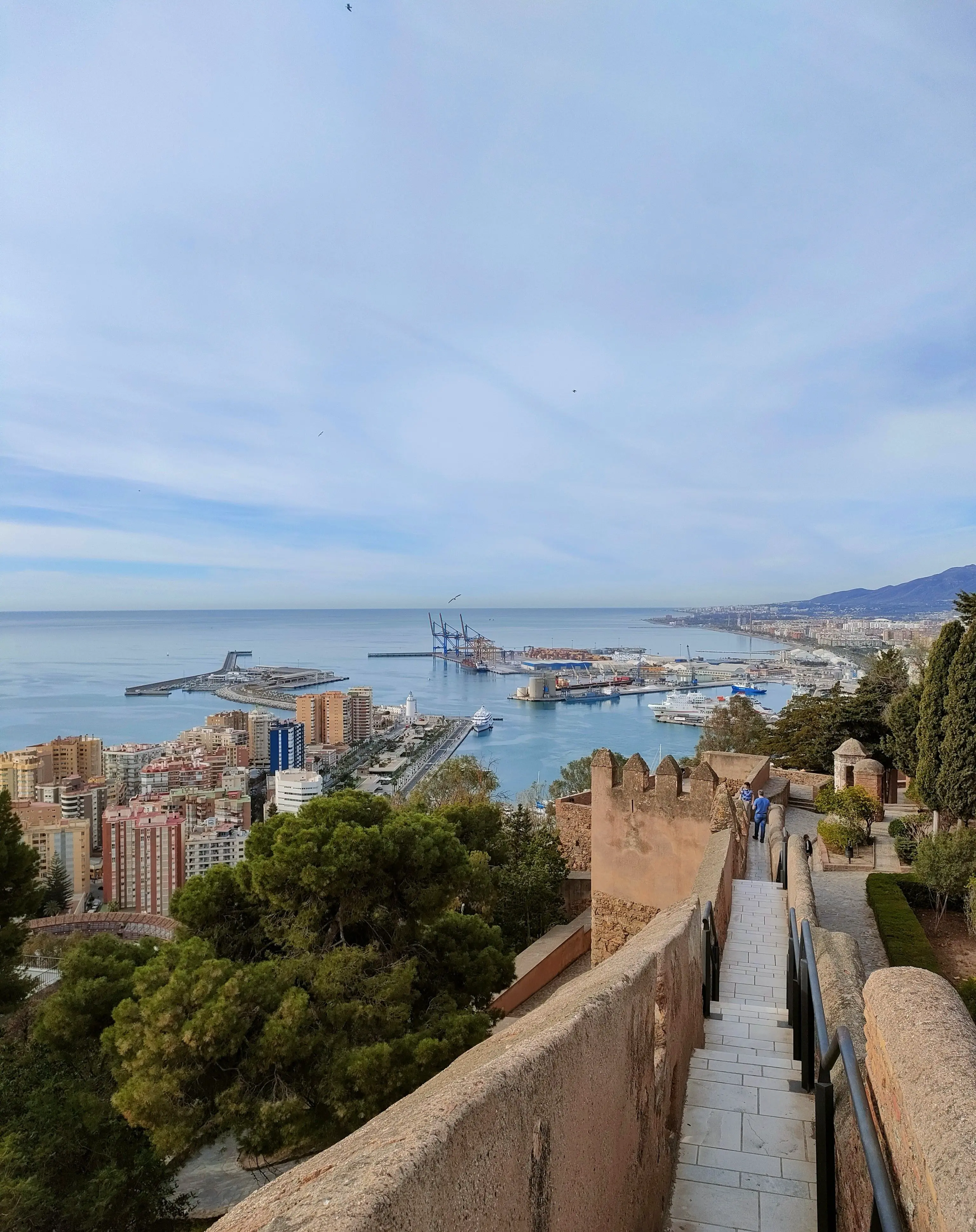
Paseo del Parque — the palm-lined promenade running west from La Malagueta toward the city center; a 10-minute walk that functions as Malaga Park at street level, with botanical gardens alongside the path
The Paseo de Reding connects the bullring to the Paseo del Parque in a straight line — this is the neighbourhood's main artery, and it's the route you'll use most if you're heading into the historic center
The port and Muelle Uno are a short walk east of the beach — under 10 minutes from the central section of La Malagueta Beach
The Malaga Park that lines the Paseo del Parque has free benches, shade, and WiFi in sections — a practical option for outdoor working in spring and autumn when the temperature cooperates
The 15-minute walk to the historic center is genuine — flat, well-paved, and shaded for most of the route along the Paseo del Parque — and it's the connection that makes La Malagueta work as a base rather than just a beach address.
Day Trips and What's Accessible from the Neighbourhood
La Malagueta sits on the Costa del Sol in a position that makes day trips straightforward — but the neighbourhood's transport connections are not its strongest feature.
Málaga María Zambrano station — 25-minute walk or 10-minute taxi from La Malagueta; connects to Seville, Granada, and Madrid for longer trips without needing a car
The coastal towns east toward Nerja are accessible by bus from the city center — the nearby bus connections from La Malagueta itself are limited, so factor in the 15-minute walk to the center before planning day trips
Torremolinos and Fuengirola are on the Cercanías train line from María Zambrano — useful if you want to explore other famous beaches on the Costa del Sol without driving
Paseo de Reding bus stops — the most convenient public transport access point from La Malagueta for the city center and beyond
La Malagueta is a better base for staying put than for constant movement — the walk to transport is manageable, but it's not a neighbourhood where you step outside and find yourself instantly connected to the rest of Spain.
Málaga Centro Alameda station is about a 20 minutes walk from the eastern end of the beach, which is fast enough to reach it without a taxi but far enough that you will feel the heat in August.
Explore other Malaga neighborhoods in our neighbourhood guide for a closer look at street-level detail, current listings, and what's changed in the last 12 months.
La Malagueta Beach: What the Waterfront Actually Costs You Day to Day
The beach is free. Everything immediately adjacent to it is not, and the gap between those two facts is where your monthly budget either holds or quietly dissolves.
Sunbeds, Chiringuitos, and Where Your Money Goes
The beach itself costs nothing, but the infrastructure around it charges tourist prices — and if you're living here for a month, you'll stop being able to ignore that arithmetic.
Chiringuito La Moraga — beachfront, cold beer €3.50, grilled fish from €12; fine once a week, expensive as a habit
Sunbed and parasol hire runs €8–€12/day on the main strip — if you go every day in July, that's €250–€370 before food; bring your own towel and stay near the east end where the hire density drops
Mercado del Carmen on Calle Trinidad Grund — 20-minute walk inland, fresh produce at market prices, the counter to every €4 coffee on the promenade
The Paseo Marítimo del Este running east from La Malagueta is lined with chiringuitos at tourist-facing price points; walking five minutes further east changes the clientele and the bill
La Malagueta beach is one of Málaga's great assets precisely because it's a public space — but the commercial layer wrapped around it means you need a deliberate strategy if you want to enjoy it without it consuming your budget.
Eating and Drinking Without the Beachfront Premium
There are restaurants in La Malagueta that charge for the view, and there are restaurants one street back that charge for the food — they are not the same places.
Marisquería Casa Vicente on Calle Compositor Lehmberg Ruiz — menú del día €13, locals outnumber tourists, closes Sunday evenings so plan accordingly
Lo Güeno Mesónnear the junction of Calle Cervantes — tapas from €2.50, pescaíto frito worth ordering twice, cash preferred
The supermarket cost of living in La Malagueta is the same as anywhere in Málaga: a Supermercado DÍA on Calle Comandante Benítez handles staples without beachfront markup
Breakfast on the promenade at €6–€8 is a tourist price; the same tostada con tomate costs €2.20 in any bar two streets inland — that's a €120/month difference if it becomes your daily habit
The money you save by eating one street back from the promenade is real money — not a small optimisation, but the kind of decision that determines whether La Malagueta is genuinely affordable or just expensive with a better view.
La Malagueta's Cultural Layer: What the Costa del Sol's Most Historic Corner Offers
La Malagueta has more cultural density than its beach reputation suggests — the neighbourhood's history is built into its architecture, and you notice it once you stop looking at the water.
The Bullring Quarter: Architecture and Identity
The arena that anchors the neighbourhood's western edge is more than a landmark — the Plaza de Toros de La Malagueta was built in 1876 and declared a Historic Artistic Monument, which means the street around it carries a specific kind of weight that the beach strip doesn't.
Museo Taurino de Málaga inside the bullring complex — entry €2, a genuine tribute to the corrida tradition and to the city's relationship with it; open Tuesday to Sunday, closed Monday
The ring itself hosts events across ages — not exclusively bullfighting; concerts and cultural events fill the arena across summer, and tickets sell in advance so check the schedule when you arrive
The streets immediately north of the bullring — Calle Doctor Marañón and the surrounding grid — are quieter residential streets that sign the neighbourhood's actual character: wide pavements, older residents, no souvenir shops
The exterior of the bullring is worth a slow walk in the evening when the light sits at the right angle — a sign of Andalusian civic architecture that gets overlooked when people come only for the beach
The bullring quarter is the closest La Malagueta gets to its own distinct identity separate from the coast — it's the part of the neighbourhood that tells you something about Málaga rather than just about the sea.
Residential Streets and the Architecture of Daily Life
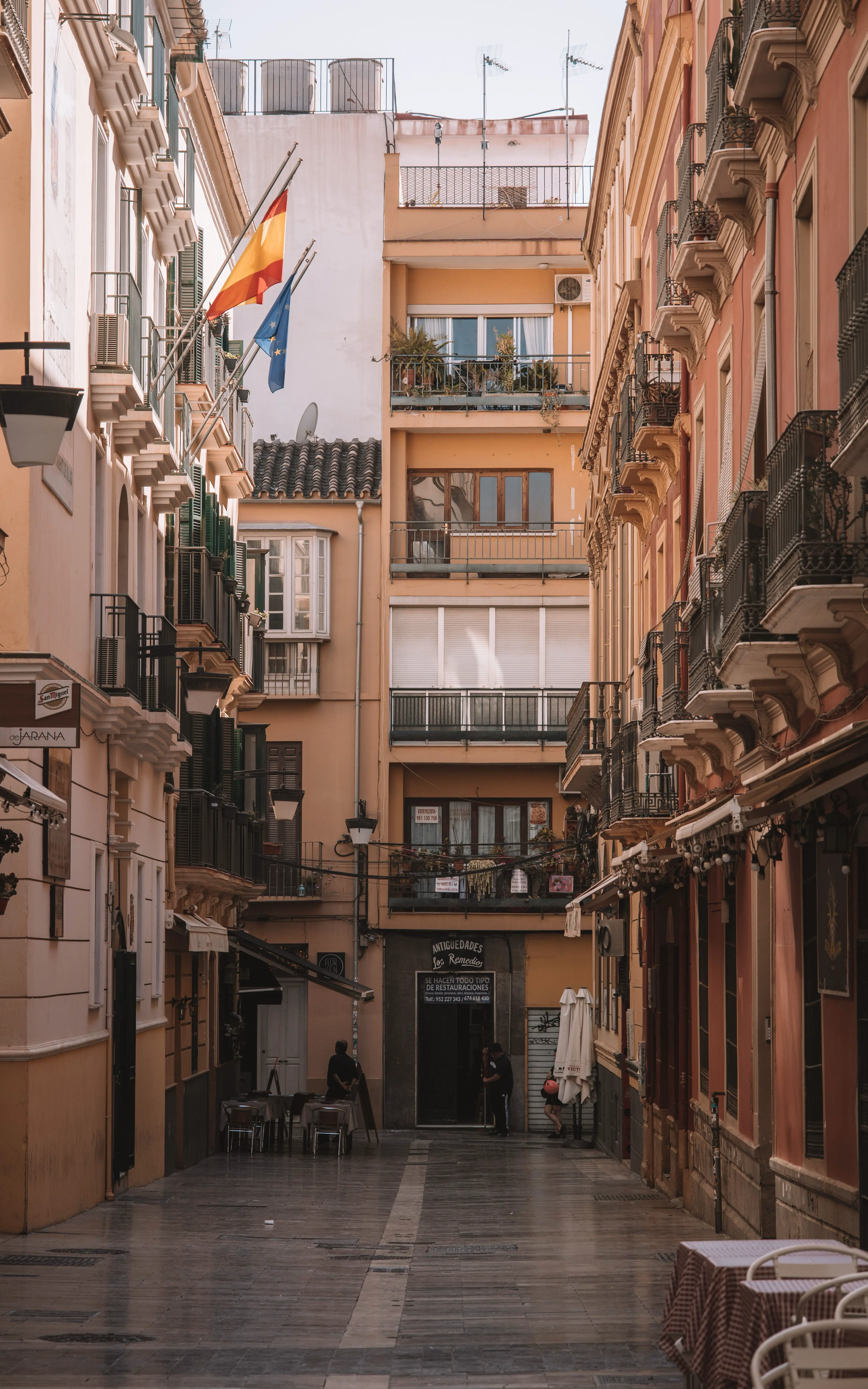
The residential fabric of La Malagueta — its balconied apartment blocks, corner bars, and the rhythm of a functioning city neighbourhood — is the part that doesn't photograph well but matters enormously when you're living here for a month.
Calle Fresca and the streets running north from the promenade hold the neighbourhood's day-to-day life: pharmacy, fruit stall, dry cleaner, the infrastructure of a place people actually live rather than visit
The Limonar side of La Malagueta — where the neighbourhood blurs into the hillside residential zone — is noticeably quieter and the architecture shifts to early 20th-century villas; the cost of space here reflects the quiet
Parroquia San Pablo on Avenida Cánovas del Castillo — not a tourist site, but a neighbourhood anchor that gives the surrounding streets a different pace on Sunday mornings
The balconies in La Malagueta are not decorative — residents use them, and the street-level noise at 11pm in July is the direct consequence; an apartment on the second floor facing the promenade is a different experience than one on the fourth floor facing north
The physical space of La Malagueta rewards attention to orientation and floor level more than most Málaga neighbourhoods — which floor you're on and which direction you face determines whether you're living in a beach neighbourhood or just sleeping in one.
Living in La Malagueta: What Remote Workers Should Weigh Before Committing
La Malagueta is easy to fall for on a Thursday in May. The question worth asking is whether it still works in the second week of August, or in a rainy November when the beach is closed and the chiringuitos are shuttered.
Coworking and Working From the Neighbourhood
La Malagueta doesn't have a coworking scene of its own — if you need reliable structured workspace, you're relying on the 15-minute walk to El Centro or the quality of your apartment's internet connection.
The Living Lab Málaga in the adjacent Soho district — day pass around €15, reliable connection, air-conditioned in summer; the closest real coworking option to La Malagueta without going into the full city center
Apartment WiFi in La Malagueta is generally strong in newer builds and unreliable in older ones — ask for a speed test result before signing anything, especially in the converted 1970s blocks near the promenade
Q Pro Quo Coffee library near Calle Alemania — independent café, laptop-friendly before noon, good coffee at €2.20; afternoon fills with university students which changes the noise level
The beach itself is only a working space in spring and autumn — in July and August the noise and direct sunlight make outdoor work impractical for most of the day
If your work requires silence, video calls, and a consistent environment, La Malagueta will push you toward the city center more days than you'd expect — which is worth factoring into your decision about where to stay.
Mobile data coverage in La Malagueta is strong across all three major Spanish carriers, but if you are working from a café rather than your apartment, Café Central on Plaza de la Constitución — ten minutes away on foot — has more reliable Wi-Fi than most beachfront spots.
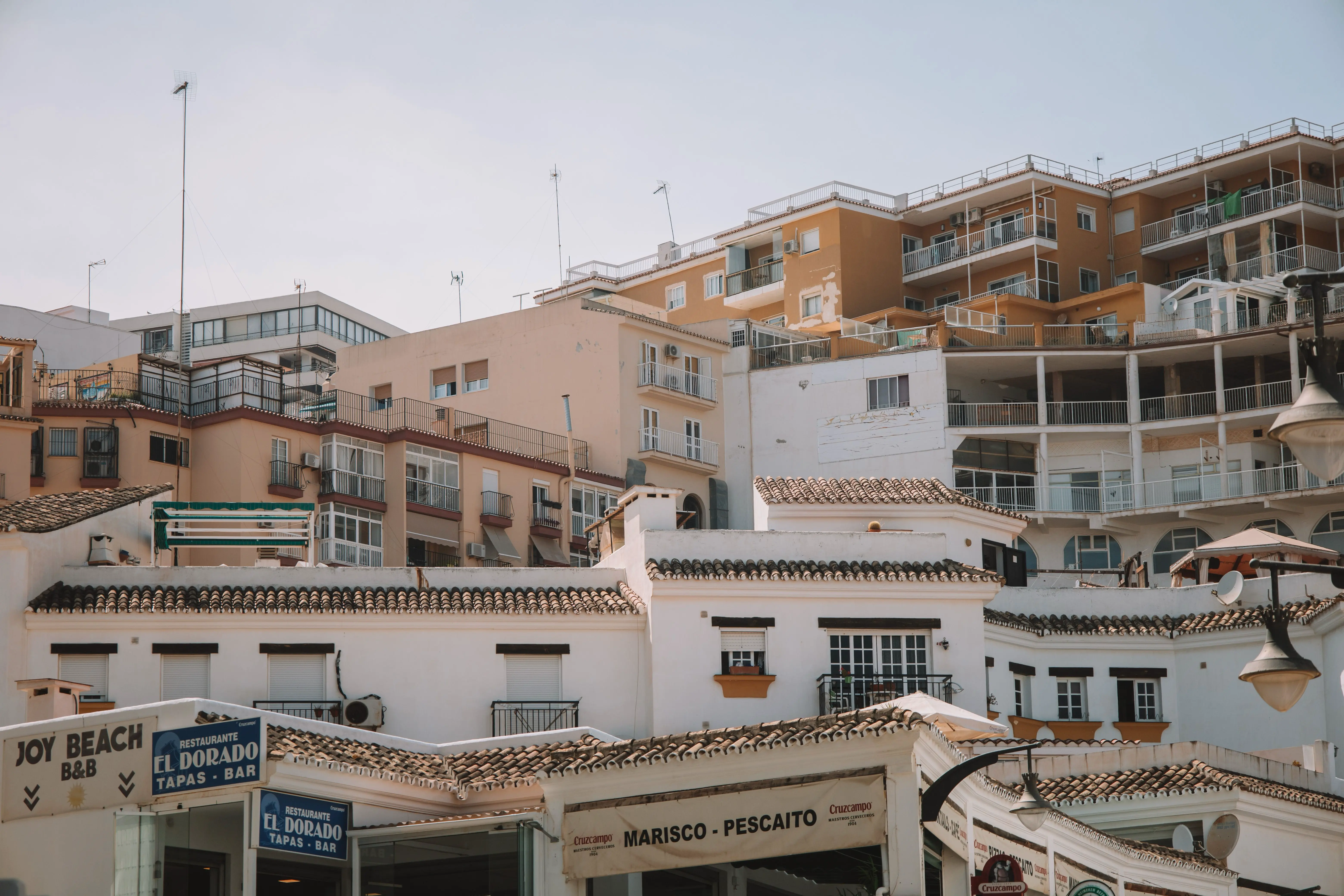
The Seasonal Reality: What Changes and What Stays the Same
The neighbourhood's personality shifts more dramatically with the season than most areas of Málaga — which is either a feature or a problem depending on when you arrive and how long you stay.
June through August: the promenade is loud until midnight, sunbed queues begin at 10am, and the cost of everything on the beach strip rises by roughly 20–30% relative to the shoulder months
October through February: the beach empties, the chiringuitos close or reduce hours, and La Malagueta becomes a genuinely quiet residential neighbourhood — some people prefer it, some find it under-stimulating
March, April, May and September are when La Malagueta earns its reputation — warm enough for the beach, cool enough in the evenings for long dinners, and the tourist volume stays at a level that doesn't disrupt daily life
Andalusia's south coast gets strong south wind periods — the Levante — that make the beach unusable for days at a time regardless of season; note this if you're planning beach access as a primary reason to stay
La Malagueta in late September, when the families have left and the temperature still hits 26°C, is a genuinely different neighbourhood from La Malagueta on the 15th of August — if you have flexibility on timing, that choice is worth making deliberately.
If you're ready to commit, browse fully furnished apartments in Málaga and filter by neighbourhood to see what's currently available in La Malagueta and the surrounding areas.
Is La Malagueta Right for Your Stay in Málaga?
Who Actually Thrives in La Malagueta
This neighbourhood rewards a particular kind of remote worker — one who treats the beach as a daily routine rather than an occasional reward.
Works best for those with flexible or asynchronous schedules who aren't chained to quiet morning focus blocks
Suits visitors staying long enough to absorb the rent premium across weeks, not a rushed ten-day trip
Ideal if sea air and a morning swim genuinely improve your working day rather than just sounding good in theory
Less suited to anyone who needs consistent calm at home — promenade-facing apartments carry real ambient noise
The people who stay here longest aren't beach tourists; they're people who stopped thinking of the beach as a treat.
When La Malagueta Works Against You
The neighbourhood is honest about its flaws, and ignoring them will cost you both money and productive weeks.
High summer turns 1,200 metres of sand into a competition with every tourist in Andalusia — it's not a peaceful retreat from June to August
Promenade-facing apartments that photograph beautifully often come with noise that disrupts morning work without warning
The seasonal character of the area means amenities and atmosphere shift dramatically between winter and peak season
If the beach is an occasional bonus rather than daily infrastructure, the rent premium is simply hard to justify
An apartment that looks ideal on a listing can wear you down inside a fortnight if your working patterns don't match the neighbourhood's rhythm.
If you want to eat grilled sardines at El Cabra for under €15 and be back at your apartment before sunset, La Malagueta is the perfect place to base yourself without surrendering walkability to the old town.
How La Malagueta Compares to Staying Inland
The honest calculation is simple: the same budget one or two neighbourhoods inland gets you more space, more quiet, and no seasonal crowds.
La Malagueta rents carry a beach premium that only pays off if you use that beach consistently and deliberately
Inland neighbourhoods offer comparable access to Málaga's amenities without the promenade noise trade-off
For workers who need reliable focus time at home, the quieter streets of Soho or El Ejido offer better value day-to-day
Explore fully furnished apartments in Spain to see how La Malagueta compares across the range
If you're genuinely a beach-every-morning person, La Malagueta is one of the more liveable coastal addresses in southern Spain — for everyone else, the premium is a tax on a view you'll stop noticing.