Maya
Culture & Exploration Editor ·
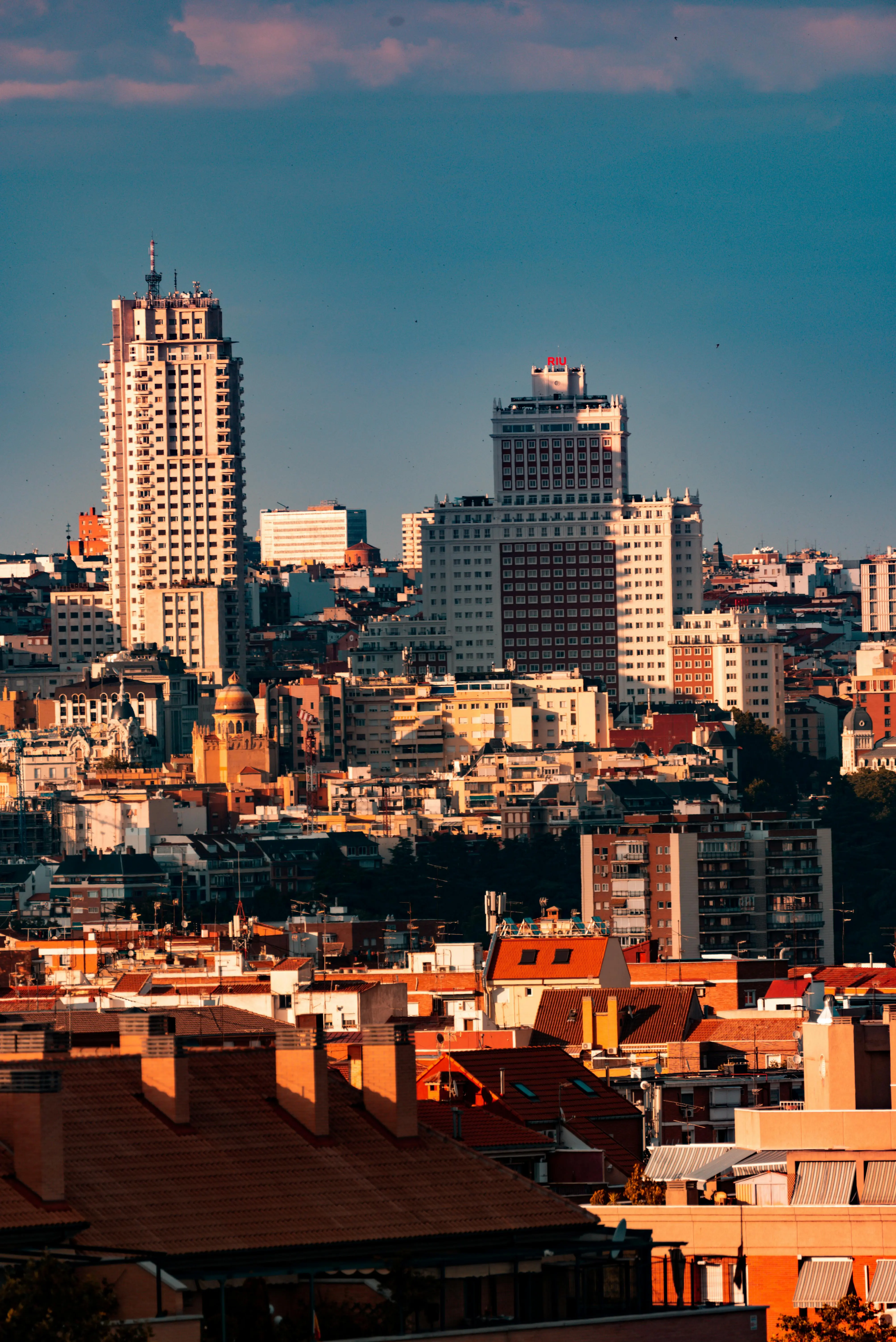
Barrio de las Letras works if you want to feel like you live in Madrid, not just visit it — but it comes with trade-offs. The narrow streets between Puerta del Sol and Paseo del Prado hold some of Spain's best history, but they also fill with tourists every evening. You will share the neighbourhood with people who came to see where Cervantes lived, and you will share your favourite café with locals who have been coming for decades. The question is not whether the area has character — it does — but whether you can build a routine around the crowds.
Where to rent if you need quiet versus proximity to nightlife
Which cafés work for laptop sessions and which have cutoff times
How the literary heritage affects daily life in practical terms
What the monthly cost actually looks like for a remote worker
Why metro access matters more here than in other central barrios
Why Remote Workers Choose Barrio de las Letras Madrid
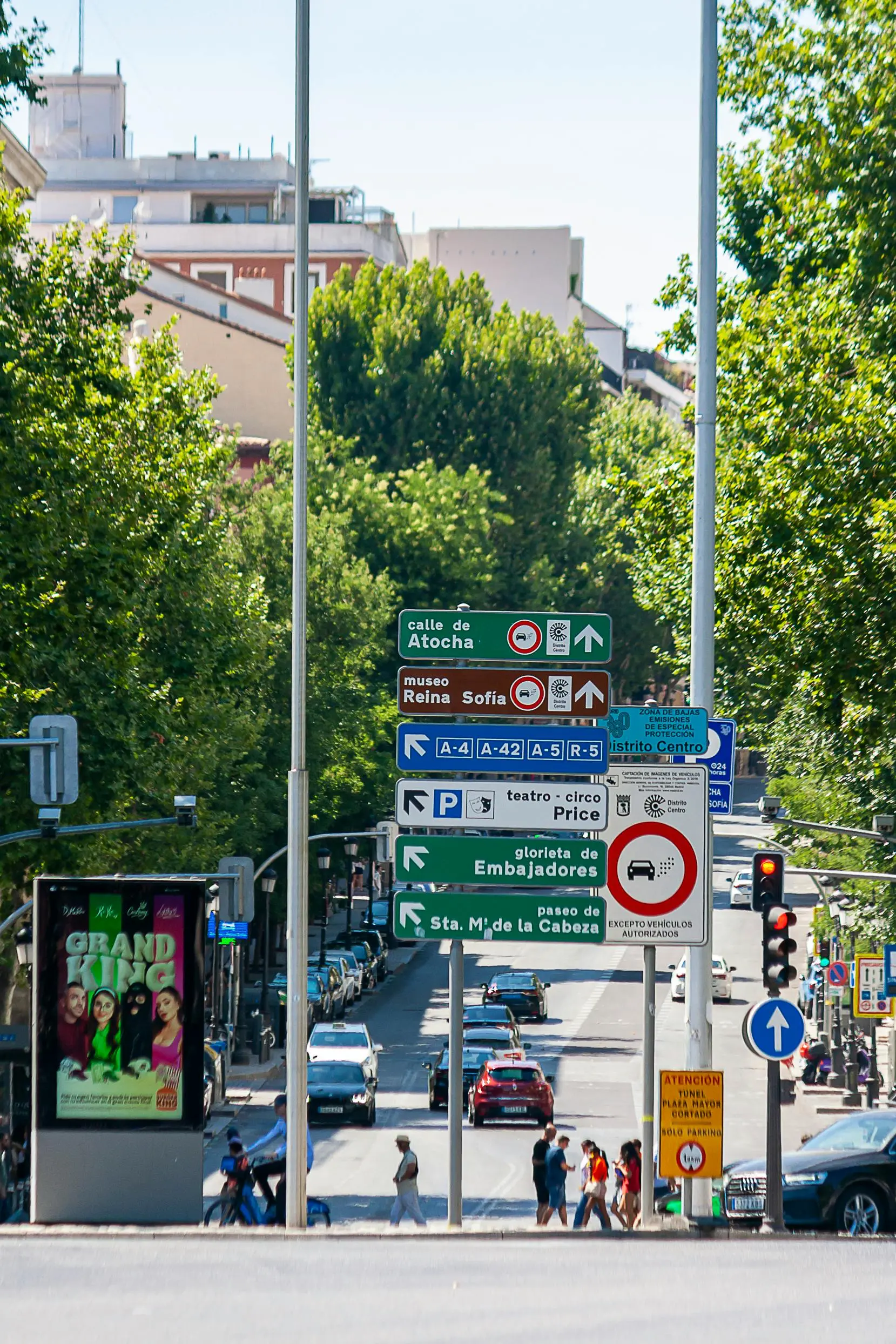
The barrio de las letras sits in the exact centre of Madrid, bordered by major arteries like Carrera de San Jerónimo and Calle de Atocha, which means you walk to three different metro stations in under eight minutes. Remote workers pick this area because everything is close — Retiro Park is a 10-minute walk, Sol is five minutes, and Atocha station connects you to the rest of Spain when you need a weekend break. But proximity has a cost: the streets around Plaza de Santa Ana turn into open-air bars after 10pm, and Calle Huertas becomes a pedestrian highway on Friday nights.
See Barrio De Las Letras homes
Literary History That You Actually Notice
Home to some of the great writers and literary heroes of the Spanish language, The Spanish Golden Age is not just a museum exhibit here — quotes from Lope de Vega, Calderón de la Barca, and Quevedo are carved into the pavement on every block, and you walk past the house where Miguel Cervantes wrote Don Quixote at Juan de la Cuesta's printing house on Calle de Atocha in 1605.
Casa de Lope de Vega — the restored 17th-century home where the playwright lived, entry €4, closed Mondays
Convento de las Trinitarias Descalzas — where Miguel Cervantes is buried, on Calle de Huertas, open for mass only
Calle de Álvarez Gato — the narrow street with concave mirrors that inspired the esperpento literary genre, worth a quick detour
Literary quotes underfoot on Calle de las Huertas and Calle del León — from Tirso de Molina, Federico García Lorca, José Echegaray, entre otros
You notice the history because it interrupts your commute — not because you went looking for it.
Central Location With Three Metro Lines
The barrio de las letras does not have its own metro station, but it borders three: Antón Martín (Line 1), Sol (Lines 1, 2, 3), and Atocha (Line 1 and Cercanías trains).
Antón Martín — Line 1, southeast corner of the neighbourhood, connects to Gran Vía in four stops
Puerta del Sol — three lines converge here, north edge of las letras, always crowded but connects everywhere
Atocha — Cercanías trains to Toledo, Segovia, and southern suburbs, plus Line 1 metro, 7-minute walk from Plaza Santa Ana
Walk score is 98 — you rarely need transport within central Madrid from here
Most remote workers walk everywhere during the week and use metro only for airport runs or day trips outside the city.
Compact Pedestrian Streets That Work on Foot
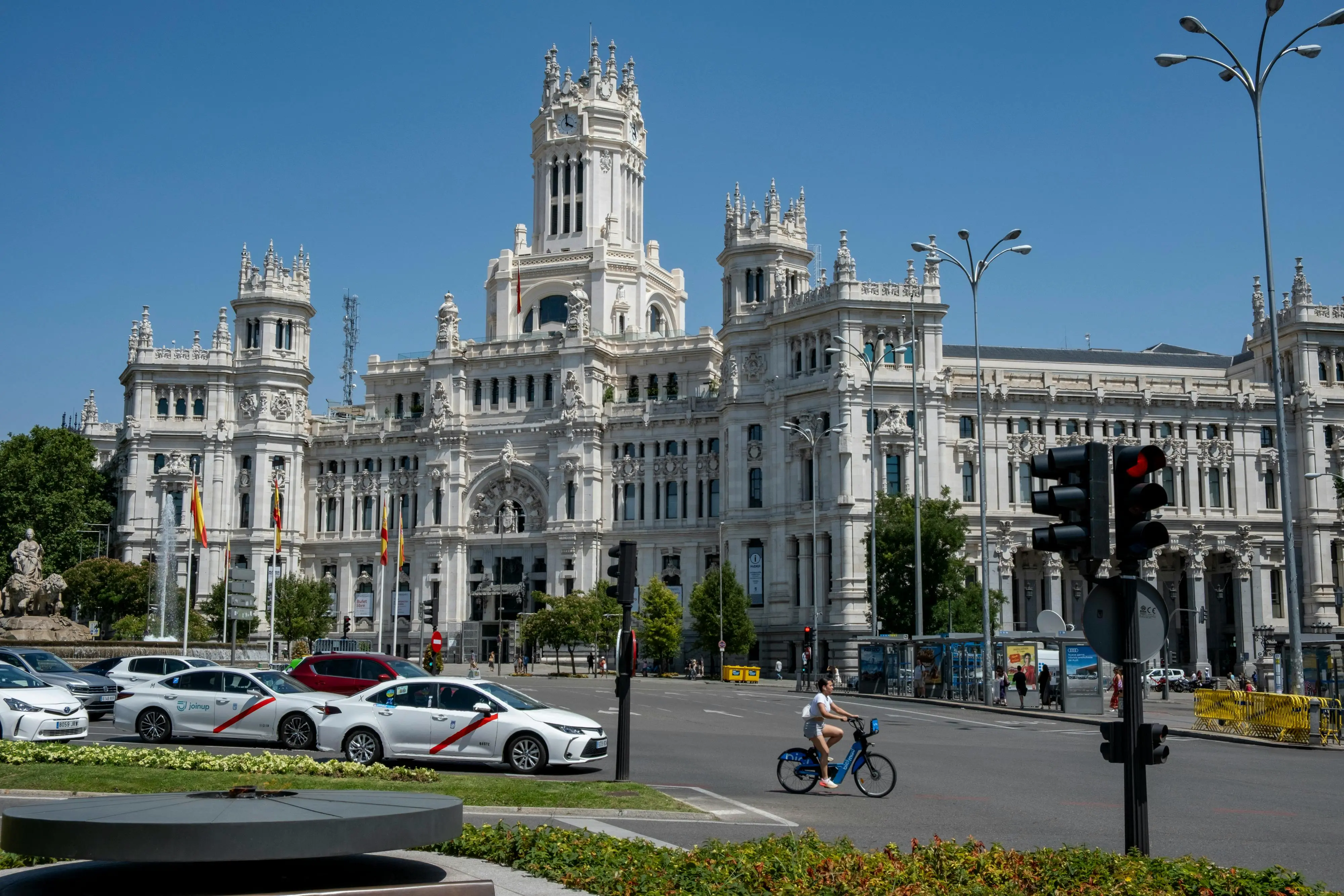
The entire barrio de las measures roughly 600 meters across, and most streets ban cars during evening hours, which makes it easy to walk home from dinner without checking Google Maps.
El Paseo del Prado — wide tree-lined boulevard on the east edge, separates the neighbourhood from Retiro Park
Calle de Atocha — southern border, busy with traffic but lined with tapas bars and budget shops
Calle del León and Calle del Prado — quiet residential streets inside the barrio, good for short-term rentals
Pedestrian-only zones after 8pm around Plaza de Santa Ana and la calle Huertas
Walking is faster than any other option here, which matters when you are running to a coworking space or meeting someone for lunch.
Where to Rent in Barrio de las Letras
Apartments in the barrio de las letras split into two categories: renovated studios in old buildings on the main drags, and unrenovated one-bedrooms on the side streets. You pay more for quiet, and you pay more for modern plumbing. Most buildings date from the 19th century, which means high ceilings and thin walls — you hear your neighbours, but you also get natural light. Short-term rentals dominate the market here, so monthly rates often include utilities and WiFi, but landlords expect you to book for at least 32 days to avoid hotel tax.
Neighbourhood | Monthly Rent | Vibe | Best For | Key Advantage |
|---|---|---|---|---|
Plaza de Santa Ana | €1,200–€1,600 | Tourist-heavy, lively nights | Social remote workers | Cafés and bars at your doorstep |
Calle Huertas | €1,100–€1,400 | Loud after 10pm, pedestrian-only | Night owls who sleep late | Walkable to everything |
Calle del León / Calle del Prado | €950–€1,250 | Quieter, residential pockets | Focus work, early mornings | Residential calm, still central |
Near Antón Martín | €900–€1,150 | Local shops, fewer tourists | Budget-conscious nomads | Cheaper, authentic Madrid feel |
Studios Around Plaza de Santa Ana
Plaza Santa Ana is the centre of the barrio de las nightlife — Teatro Español anchors one side, and the square fills with terrace drinkers every evening, which means noise until 2am on weekends.
Studios €1,200–€1,400/month for 30-35m², often in buildings with no elevator
Idealista and Spotahome list most short-term options, book 4-6 weeks ahead
Buildings on the plaza itself are loudest — Calle del Príncipe (one block east) is quieter but still close
Expect older kitchens and bathrooms unless the listing explicitly says "reformado"
You trade sleep for location here — if you are sensitive to street noise, look one block further from the plaza.
One-Bedrooms on Calle del León and Side Streets
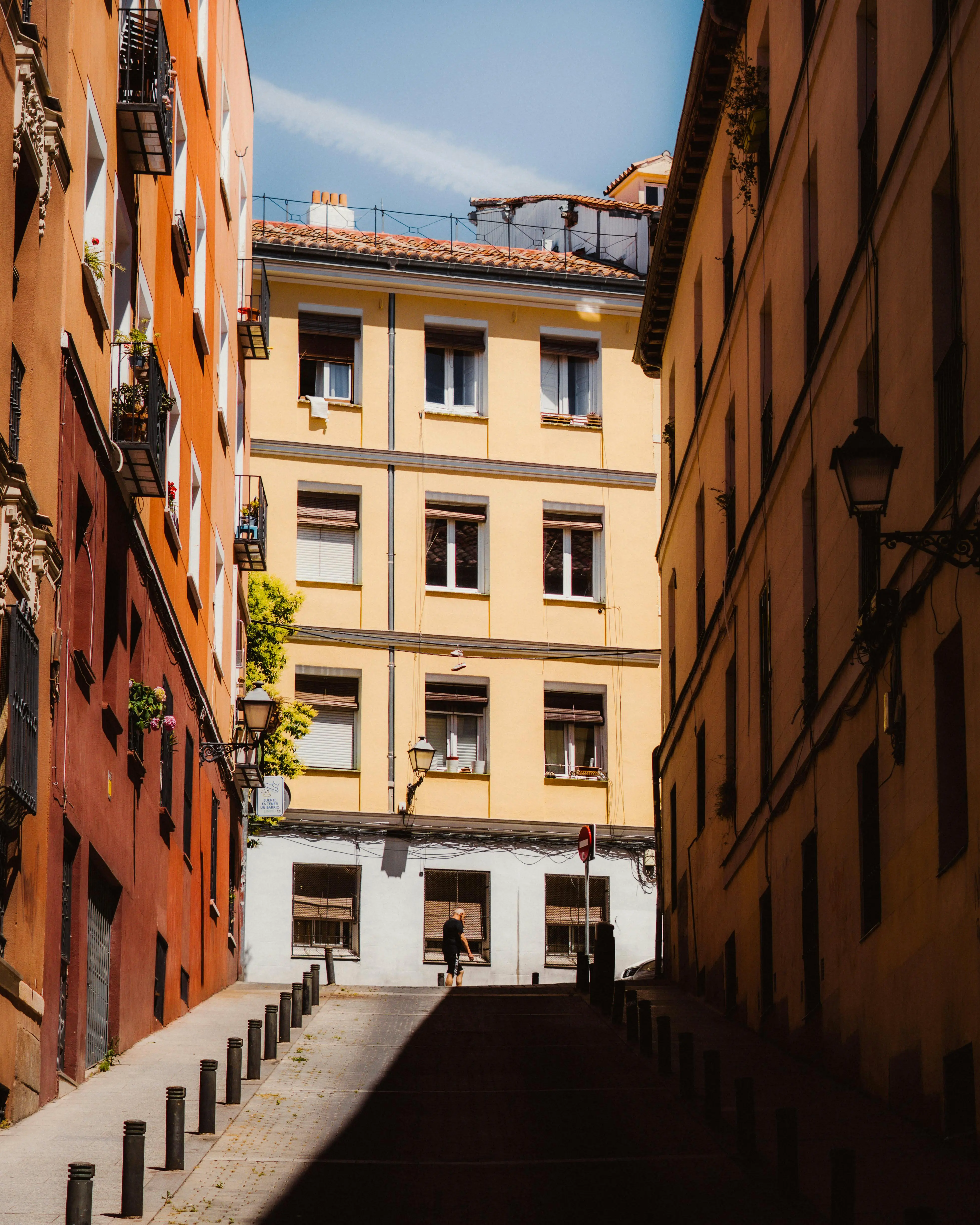
The residential streets inside the barrio — Calle del León, Calle de Cervantes, Calle de Quevedo — have fewer bars and more grocery stores, which makes them better for remote workers who need consistent morning routines.
One-bedrooms €1,100–€1,350/month for 40-50m², quieter after 11pm than the main streets
Explore RentRemote's listings for fully furnished apartments in Madrid that include WiFi and utilities
Buildings often lack elevators — fourth or fifth floor walk-ups are common
WiFi speeds average 100-300 Mbps in renovated units, slower in older buildings
These streets give you access to everything in the barrio without living on top of the nightlife.
Budget Options Near Antón Martín and Mercado de las Ranas
The southeast corner of the neighbourhood, around Antón Martín metro and the monthly Mercado de las Ranas street market, attracts fewer tourists and offers lower rents.
Studios from €900/month, one-bedrooms €1,000–€1,200/month, older buildings, less polished
Mercado de Antón Martín — covered food market with fresh produce, open daily except Sundays
Mercado de las Ranas — first Saturday of every month, local vendors sell art, clothing, and secondhand books on the sidewalk
More local bars than tourist traps — La Venencia on Calle de Echegaray serves cold sherry and has banned photos since 1929
This corner feels more like a neighbourhood and less like a UNESCO site, which some people prefer. Explore our Madrid neighborhood guide to find a location that best suits your workation needs.
Coworking Spaces and Cafés in Barrio de las Letras
The barrio de las does not have large coworking chains — most remote workers use neighbourhood cafés during the day and book coworking day passes in nearby Lavapiés or Sol when they need meeting rooms. The challenge is not finding a café with WiFi — almost all of them have it — but finding one that does not fill with tourists by 11am or enforce a laptop cutoff during lunch. Expect to rotate between three or four spots depending on the day of the week and time of morning.
Best Cafés for Laptop Work
Cafés here fall into two categories: the ones that tolerate laptops all day, and the ones that politely ask you to close them during peak hours (1pm–4pm).
La Rollerie — Calle de Amor de Dios, cortados €2.50, quiet until noon, no enforced cutoff but fills fast on weekends
Lolina Vintage Café — Calle del Espíritu Santo (north edge), €3 flat whites, antique furniture, popular with freelancers, power outlets limited
Federal Café — Plaza de las Cortes, Australian-run, €4 lattes, reliable WiFi, closes laptops during weekend brunch
Ojalá — Calle de San Andrés (near Malasaña border), indoor beach vibe, €3.50 coffee, stays quiet until 3pm
Most cafés in the barrio do not advertise coworking — if you order a second drink every two hours and avoid lunch rush, they tolerate it.
Coworking Day Passes Near the Barrio
Dedicated coworking spaces sit just outside the neighbourhood boundaries, which means a 10-minute walk from most apartments in las letras.
Utopic_US Atocha — Calle de Atocha 6, day pass €20, quiet desks, meeting rooms, walking distance from southern edge of the barrio
Monday Spaces — near Tirso de Molina metro, €18/day, 24-hour access, more corporate feel
Impact Hub Madrid — Calle de la Alameda, day pass €22, community events, 15-minute walk from Plaza Santa Ana
Most spaces require advance booking online — walk-ins are not guaranteed a desk
You use coworking for video calls and meetings, not daily work — cafés handle most remote workers' needs here.
Late-Night Work Options - Ateneo de Madrid and Beyond
If you work U.S. hours or prefer evening focus time, the barrio has a few spots that stay open past 9pm without turning into bars.
El Imparcial — Calle del Duque de Alba, café until 8pm then transitions to restaurant, WiFi stays on, €4 coffee, book-lined walls
Fábrica Excepcional — craft beer bar on Calle de la Cabeza, tolerates laptops until 10pm, €5 pints, locals-only vibe
Ateneo de Madrid — Calle del Prado 21, historic cultural centre, €15/month guest membership gives library access until 11pm, no café inside but quiet desks
After 10pm, most cafés close or fill with dinner crowds — plan your evening work around that.
Daily Life and Neighbourhood Rhythm in the Barrio de las
The barrio de las runs on two schedules: the local rhythm, where shops open at 9am and close for siesta between 2pm and 5pm, and the tourist rhythm, where restaurants stay open all day and bars do not close until 3am. Remote workers adapt by doing morning work in residential cafés, avoiding the main streets during peak evening hours, and learning which tapas bars serve locals instead of tour groups. The gastronomic boom in the area means new restaurants open every month, but it also means your favourite lunch spot might double its prices or turn into a cocktail bar within a year.
Morning Routine: Markets and Quiet Cafés
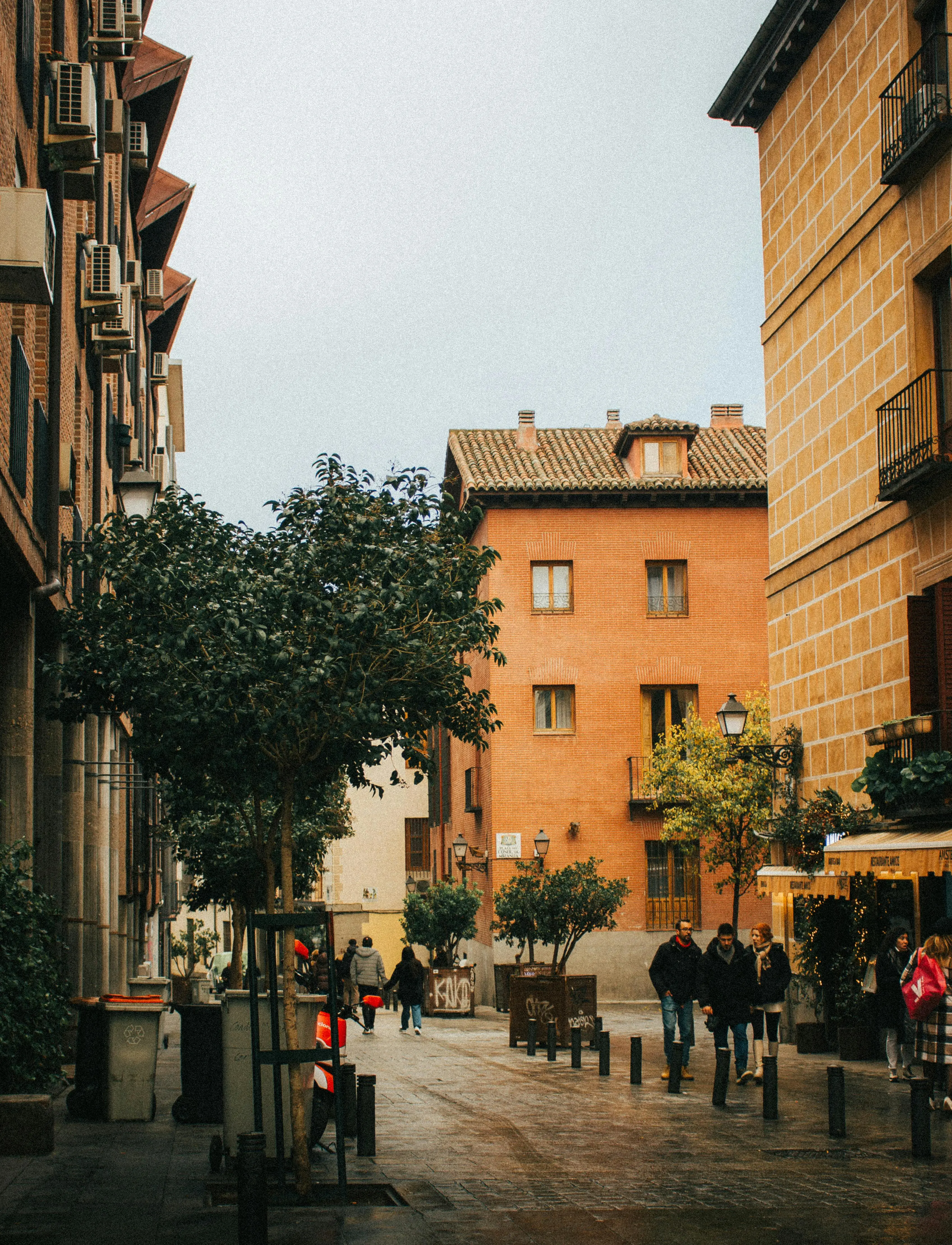
Mornings belong to locals — the streets empty by 10am after the breakfast rush, and you can walk into any café without waiting.
Mercado de Antón Martín — fresh produce, prepared foods, coffee kiosk inside, open 9am–2:30pm and 5:30pm–8pm weekdays
Casa González — Calle del León 12, century-old deli with morning coffee and pastries, €2.50 cortados, locals only before 11am
La Mucca— Calle del Prado, Italian café with strong espresso, €2 standing at the bar, no seating
Panadería at Calle de Fomento — cash-only bakery, croissants €1.20, opens at 8am, closes when they sell out
The morning window lasts until noon — after that, the tourist crowds arrive and the neighbourhood changes tempo.
Browse Madrid homes near this area
Lunch and Siesta: Navigating Menu del Día
Traditional Spanish restaurants serve menú del día between 1pm and 4pm — three courses with drink for €12–€18, which is the best value in the neighbourhood if you align your schedule with local mealtimes.
Casa Alberto — Calle de las Huertas 18, menú del día €16, vermut on tap, been here since 1827, packed by 1:30pm
Taberna La Dolores — Plaza de Jesús 4, standing-room tapas bar, €3 calamari bocadillos, cold beer in historic tile-lined space
Vinos González — attached to Casa González deli, wine and cheese plates €12, quieter than surrounding spots
Most shops close 2pm–5pm for siesta — plan errands before lunch or after 5pm
Remote workers who skip the menú del día pay double for the same food at dinner — it is worth shifting your lunch break to 1:30pm.
Browse Madrid homes near this area
Evening and Night: When the Tourists Arrive and Live Music Keeps you Company
After 8pm, the barrio transforms — Calle Huertas becomes pedestrian-only, Plaza Santa Ana fills with terrace drinkers, and live music spills from basement bars along Calle de Echegaray.
Cardamomo — Calle de Echegaray 15, flamenco shows €40 with drink, touristy but well-produced, shows at 9pm and 11pm
Teatro Español — Plaza Santa Ana, one of Europe's oldest theaters active since 1583, tickets €15–€40 depending on production
Populart — Calle de las Huertas 22, live jazz every night, free entry, €5 drink minimum, music starts 10pm
Side streets like Calle del León and Calle del Prado stay quieter — retreat here if you need to walk home without navigating crowds
The night scene here is loud, late, and unavoidable if you live near the main squares — the perfect place for socialising, less so for sleeping before midnight.
Weekend Life: Mercado de las Ranas and Paseo del Prado
Weekends amplify everything — more tourists, longer waits at restaurants, and outdoor markets that take over entire streets on Saturday mornings.
Mercado de las Ranas — first Saturday monthly, local vendors on the sidewalk, secondhand books and art, Calle de Argumosa near Antón Martín
Retiro Park — 10-minute walk from Plaza Santa Ana, quieter on Sunday mornings before noon, free entry, rowboat rentals €6
Museo del Prado — Paseo del Prado, free entry 6pm–8pm weekdays and 5pm–7pm Sundays, expect lines
Sunday afternoons in España — shops stay closed, locals gather at terraces, the neighbourhood slows down briefly before Monday
If you want quiet weekend mornings, leave the barrio — Retiro Park or a café in Lavapiés will serve you better than staying in las letras on Saturday night.
Browse Madrid homes near this area
Where to Eat and Drink Without Falling Into Tourist Traps
Barrio de las Letras sits on a fault line between locals eating well and tourists paying double for mediocre tapas — knowing which streets and which hours separate the two makes the difference between frustration and discovery.
Restaurants That Locals Actually Use
The best restaurants in las letras son not on Calle Huertas — they are one street over, where rent is lower and menus are not translated into six languages.
Inclan Brutal Bar — Calle de Álvarez Gato, modern tapas served in a whimsical style, €8–€15 plates, baos and special cocktails are worth the detour
Casa Lucio — Cava Baja 35 just outside the barrio, famous for huevos rotos, €40–€50 per person, book in advance or miss out
Lateral — multiple locations including Paseo del Prado, reliable modern tapas, breakfast croissants €2.50, open 8am which most traditional bars are not
La Finca de Susana — Calle Arlabán 4, three-course lunch €11, popular with office workers, no reservations so arrive before 1:30pm
If you eat dinner before 9pm, you will dine alone or with other foreigners — locals do not sit down for dinner until 9:30pm at the earliest, which means better service and fresher food if you adjust your schedule.
Bars for Vermut and Standing-Room Tapas
The bar culture here rewards standing at the counter with a caña and a tapa — sitting at a table costs more and distances you from the rhythm of the place.
Cervecería Cervantes — Plaza de Jesús 7, famous for mojitos de salmón, €6 plate of smoked salmon with cream cheese, standing room only after 8pm
La Venencia — Calle Echegaray 7, sherry bar since 1929, €3 manzanilla, no photos allowed, no credit cards, locals mix with tourists who read the guidebooks
El Lacón — Calle Manuel Fernández y González 8, Galician bar with €3 cañas and free tapa with each drink, pulpo on Thursdays
Vermut hour runs 1pm–3pm on Sundays — this is when you see locals out, not tourists doing a pub crawl
The free tapa with each drink is real in some bars but not others — ask before ordering a second round if you want to avoid paying for what you thought was complimentary.
Where to Get Breakfast That Is Not a Croissant
Madrid breakfast culture leans toward coffee and a pastry at the bar, but remote workers who need protein and a table will struggle on Calle Huertas before 10am.
Federal Café — Plaza de las Cortes 10, avocado toast €9, flat whites made correctly, Australian-run so breakfast is taken seriously, WiFi works
Ojalá — Calle San Andrés 1 in Malasaña, 15-minute walk but worth it for full breakfast plates €10–€12, opens 10am weekdays
La Rollerie — Calle Amor de Dios 13, cinnamon rolls €3.50, cortados €1.60, small space fills fast on weekends
Most Spanish breakfast is eaten standing — if you want a sit-down breakfast with eggs and toast, target cafés with foreign ownership or modern brunch menus
Traditional Madrid breakfast — a tostada con tomate and a café con leche at the bar — costs €3 and takes five minutes, which is what most locals prefer over a €12 brunch plate that takes an hour.
What to See and Do When You Are Not Working
The barrio earns its literary name — Cervantes died here in 1616, Lope de Vega lived on Calle Cervantes, and bronze quotes from Spanish writers are embedded in the streets themselves, though most visitors walk past them without noticing.
Museums Within Walking Distance
Three of Europe's major art museums sit within 10 minutes of Plaza Santa Ana — the so-called Golden Triangle of Art — which means you can visit the Prado on a lunch break if you time it right.
Museo del Prado — Paseo del Prado, free entry 6pm–8pm weekdays, Velázquez and Goya collections, 2-hour visit minimum, go Sunday evening to avoid tour groups
Museo Reina Sofía — Calle Santa Isabel 52, modern art including Picasso's Guernica, free entry 7pm–9pm except Tuesday, WiFi in the courtyard café
Museo Thyssen-Bornemisza — Paseo del Prado 8, smaller than the Prado but less crowded, €13 entry, Monday free entry 12pm–4pm
All three museums in one day is exhausting and wasteful — pick one, spend two hours, leave before fatigue sets in
The free entry hours are crowded but short enough that you can see key works without paying — though if a museum matters to you, pay for morning entry when the light and crowd levels are better.
The Casa-Museo Lope de Vega and Literary Landmarks
The neighbourhood's literary history is real, not a marketing invention — Lope de Vega's house at Calle Cervantes 11 has been preserved as a museum, and the Convento de las Trinitarias on the same street holds Cervantes' remains.
Casa-Museo Lope de Vega — Calle Cervantes 11, €3 entry, guided tours only in Spanish, 17th-century house with original furniture, closed Mondays
Convento de las Trinitarias — Calle Lope de Vega 18, church where Cervantes was buried in 1616, free entry, quiet courtyard
Bronze literary quotes — embedded in sidewalks on Calle Huertas, Quevedo and Góngora among them, easy to miss if you are looking at your phone
The Ateneo de Madrid — Calle del Prado 21, private club but public library access €6 day pass, beautiful reading rooms, locals use it for quiet work
If Spanish literature means nothing to you, skip the house museums — but the streets themselves are worth a slow walk just to see how a 21st-century neighbourhood has preserved 17th-century architecture without turning it into a theme park.
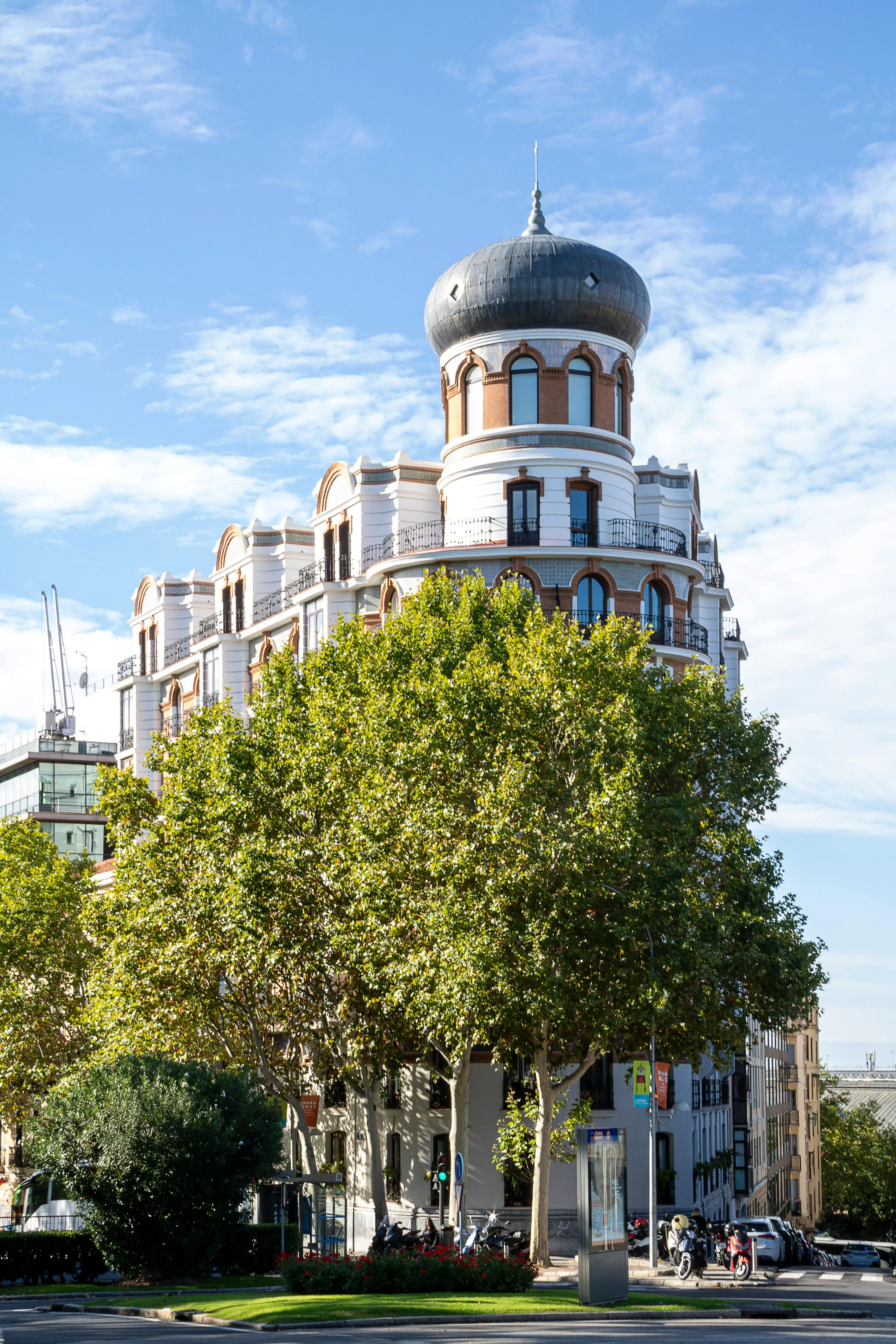
Art Galleries and Small Shops on Side Streets
The gallery scene here is smaller than Chueca or Malasaña, but the mix of contemporary art spaces and antique shops on Calle del Prado and Calle Moratín rewards an afternoon of walking without a map.
Galería Moriarty — Calle de Fernández de los Ríos, contemporary photography, free entry, rotating exhibitions, closed Mondays
Cuesta de Moyano — outdoor book market near Retiro, secondhand books in Spanish and English, open daily, prices negotiable on weekdays
Calle del Prado — antique shops and design stores between Plaza Santa Ana and Paseo del Prado, higher prices than Rastro but better curation
Sundays close most shops except restaurants and tourist-facing businesses — plan shopping for weekdays if you want selection
The antique shops on Calle del Prado son expensive but not inflated for tourists — locals buy here too, aunque you will pay Madrid prices which are higher than smaller Spanish cities.
Walking Routes and Green Space Escapes
The barrio itself has no parks — Plaza Santa Ana is the largest open space — which means you walk 10 minutes east to Retiro or south toward the river if you need trees and quiet.
Parque del Retiro — 10-minute walk from Plaza Santa Ana, 125 hectares, free entry, rowboat rentals €6, Crystal Palace hosts rotating art exhibitions
Real Jardín Botánico — Paseo del Prado, next to the Prado Museum, €6 entry, quieter than Retiro, closes at sunset
Walk from Plaza Santa Ana to Atocha station — 15 minutes, passes the CaixaForum and vertical garden, flat route good for morning coffee walks
The Paseo del Prado is wide and tree-lined but heavy with traffic noise — better for purposeful walking than relaxing
If you spend more than a few weeks here, the lack of green space in the immediate surroundings will send you to Retiro regularly — it is not optional for sanity, it is required.
Practical Details: Booking, Safety, and What to Expect
Barrio de las Letras operates on Madrid time, not remote worker time — which means adapting to late dinners, August closures, and the reality that some services simply do not exist here the way they do in Berlin or Lisbon.
When to Book and What to Avoid
The neighbourhood does not have a low season — tourism is year-round — but August empties out as locals leave and half the restaurants close for holidays.
Book apartments 4–6 weeks in advance for stays under a month — shorter lead times mean higher prices or limited options, especially near Plaza Santa Ana
Avoid booking anything the first two weeks of August unless you are fine with closed shops and reduced restaurant options — locals call this period "vacaciones" and the barrio feels half-deserted
December and January are cheaper but colder than expected — Madrid is high altitude and heating is not always included in older apartments
Events like Madrid Fashion Week (February and September) and art fairs fill hotels, which pushes up short-term apartment prices even though they are not tourist-facing events
If your dates are flexible, avoid the last week of December through early January — prices spike for New Year and the neighbourhood is loud with celebrations that stretch into early morning.
Safety and Street Awareness - Beware of Calle Huertas
The barrio is safe in the sense that violent crime is rare, but petty theft is common enough that you will hear about it from other remote workers within your first week.
Pickpockets work Plaza Santa Ana and Calle Huertas after 9pm — keep your phone in a front pocket, not a back pocket or open bag
Bag snatching from café tables happens — loop your bag strap around your chair leg or keep it on your lap, not hanging on the chair back
The area near Atocha station at night feels emptier and less comfortable for solo walking — stick to Calle Atocha or take a taxi if you are out late near the station
Scams are rare but beggar interactions are daily — a firm "no" works, although persistent beggars on terraces will return every 10 minutes
Women walking alone at night report feeling safe on main streets but less so on dark side streets near Lavapiés — trust your instinct and reroute if a street feels empty or poorly lit.
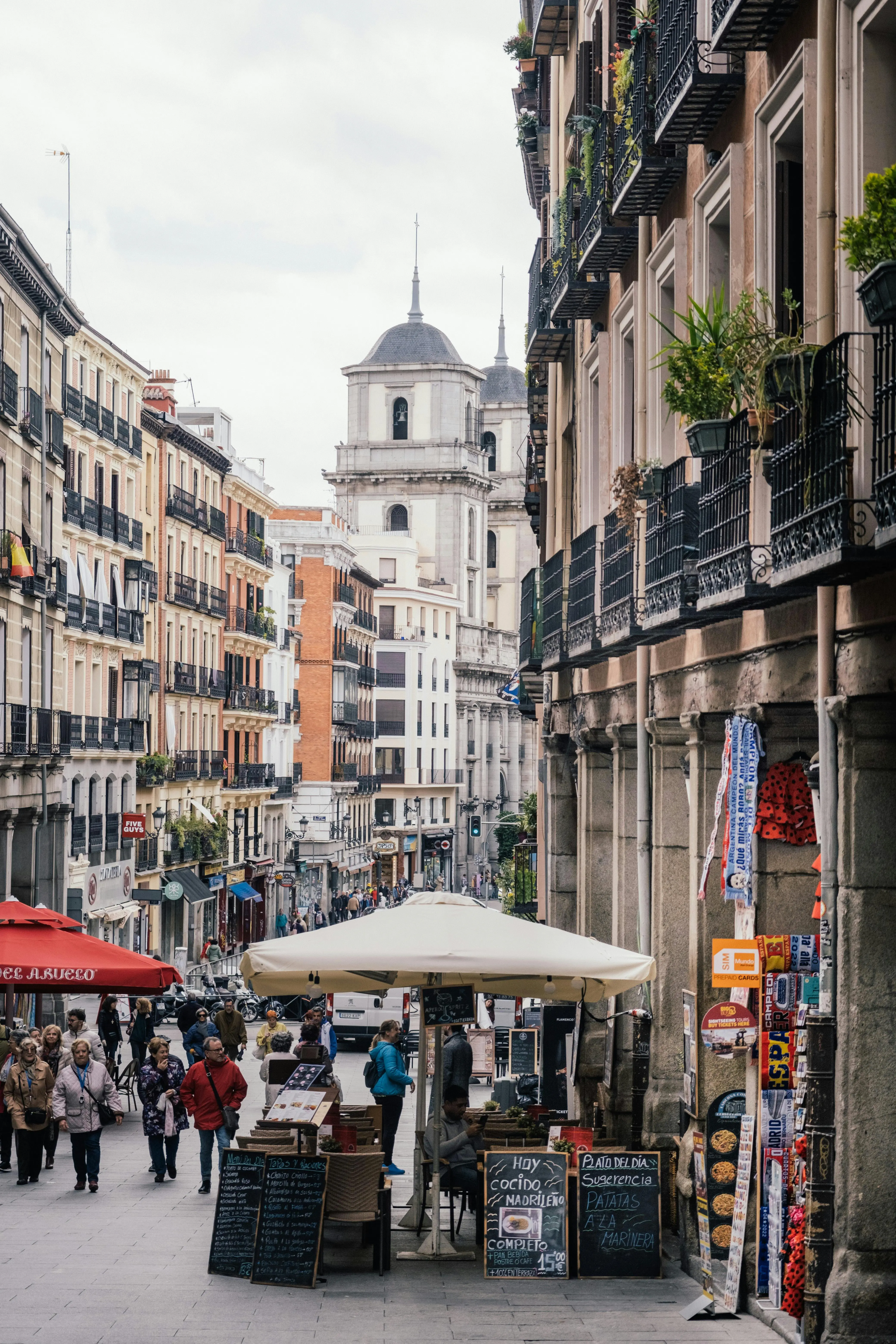
What You Will Miss Compared to Other Madrid Neighbourhoods
Living here means trading modern conveniences for central location — coworking density is lower, supermarkets are smaller, and the pharmacy options are limited compared to Chamberí or Salamanca.
No major supermarket chains in the barrio — nearest Carrefour Express is on Calle Atocha, Mercadona requires a 10-minute walk to Lavapiés
Limited coworking spaces — nearest WeWork is in Chamberí, although Impact Hub Alameda is 12 minutes south near Atocha
Fewer English-speaking services — hair salons, tailors, and repair shops operate in Spanish, aunque younger staff in modern cafés speak English
No late-night grocery stores — the nearest 24-hour convenience store is at Atocha station, and selection is limited to snacks and basics
If you need regular access to an English-language bookstore, a large gym, or a coworking space with dedicated desks, you will commute out of the neighbourhood — las letras rewards location and history, not modern infrastructure.
Hidden Costs and Budget Realities
The neighbourhood does not advertise its hidden costs — terraces charge sitting fees, coffee is more expensive than Malasaña, and August rent does not come with a discount even though half the services close.
Terrace surcharge — same drink costs €1 more sitting outside than standing at the bar, although the price is listed on menus if you check
Tourist tax does not exist in Madrid, but short-term apartment platforms add cleaning fees €40–€80 and service fees that stack quickly
Gym memberships — neighbourhood options are limited, expect €40–€60/month for basic gym access, although Retiro is free for outdoor exercise
Tipping is not required but rounding up to the nearest euro is normal — leaving 10% marks you as foreign, aunque servers appreciate it
Budgeting €100–€150/month for the small markups from living in a central tourist neighbourhood is realistic — you pay for proximity, not for value, and the alternative is commuting daily from a cheaper barrio.
Who Barrio de las Letras Actually Suits
This neighbourhood works for remote workers who want to feel like they are living in Madrid, not next to Madrid — the trade-off is noise, crowds, and higher costs, but the reward is walking to three world-class museums, dozens of historic bars, and a different restaurant every night without needing a metro card. If you value convenience over quiet and can afford the premium, las letras delivers on the promise of central Madrid life. If you need silence, coworking space, or modern amenities within arm's reach, Chamberí or Salamanca will serve you better.
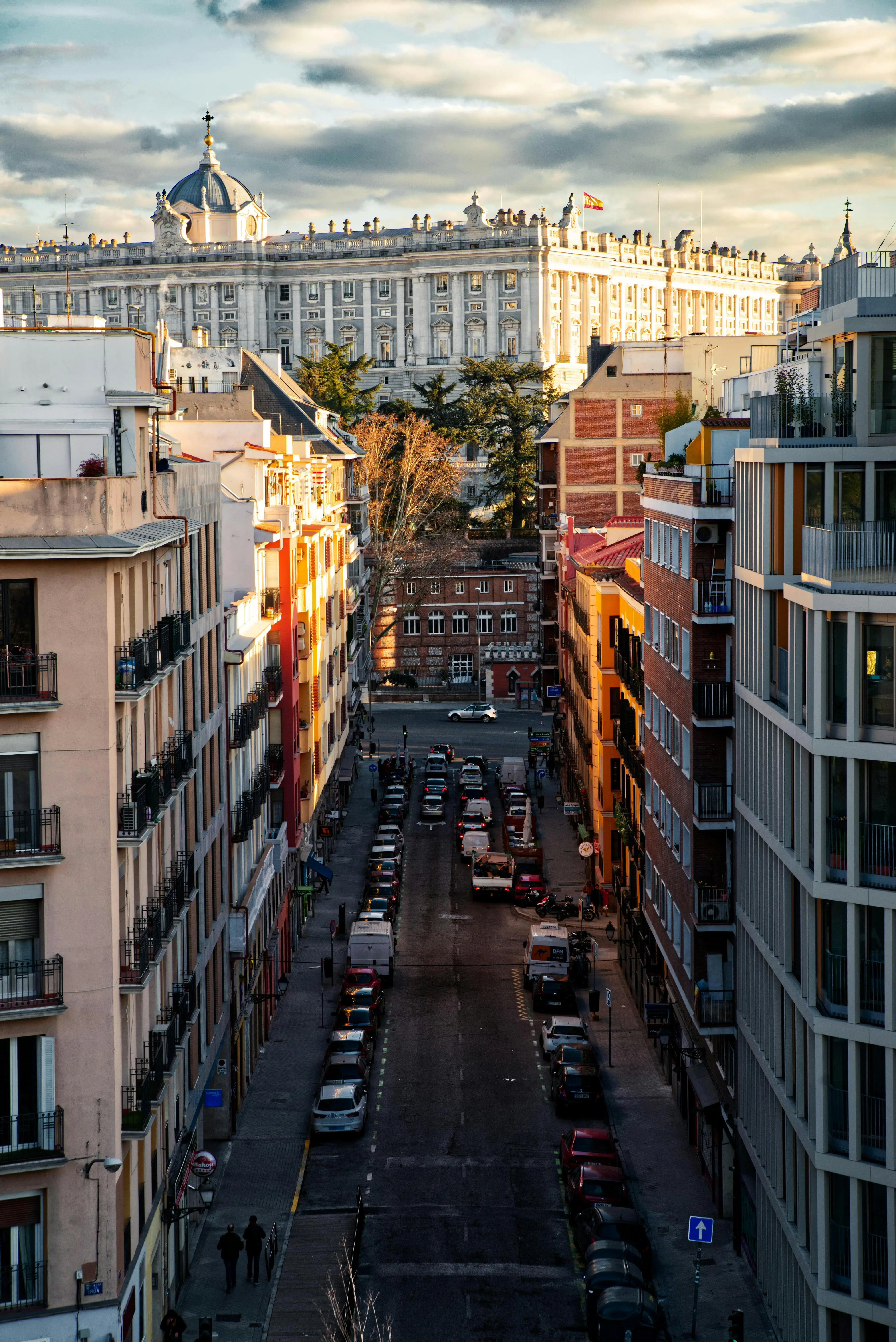
The barrio does not reward improvisation the way other neighbourhoods might — August closures, late dining hours, and limited supermarkets mean you adapt to local rhythms or spend time frustrated. But if you align with those rhythms, the neighbourhood opens up in ways that feel less like visiting and more like temporary residency. For a month or two, that feeling justifies the noise and the cost. For longer stays, you will need to decide whether the location is worth the compromises, because the compromises are real and daily.
If you are testing Madrid for the first time, start here — the density of experience in a 10-minute radius gives you a full picture of what the city offers, and you can always move to a quieter neighbourhood once you know where you want to spend your time. Explore fully furnished apartments in Spain to compare other cities and neighbourhoods that might suit different priorities.