Lukas
Tech & Digital Nomad Cultural Editor ·
Mouraria is not Lisbon's easiest neighbourhood to live in, and that is precisely why it suits a certain kind of person. The streets are steep, the wifi in cafés is inconsistent, and the tourist infrastructure that smooths out places like Chiado simply does not exist here. What you get instead is a neighbourhood that has been home to over 50 nationalities and counting — one that has absorbed Moorish settlers, Christian reconquerors, and waves of immigrants without losing the texture that makes it worth staying in. If you want a postcard version of Lisbon, this is the wrong hill. If you want the real one, read on.
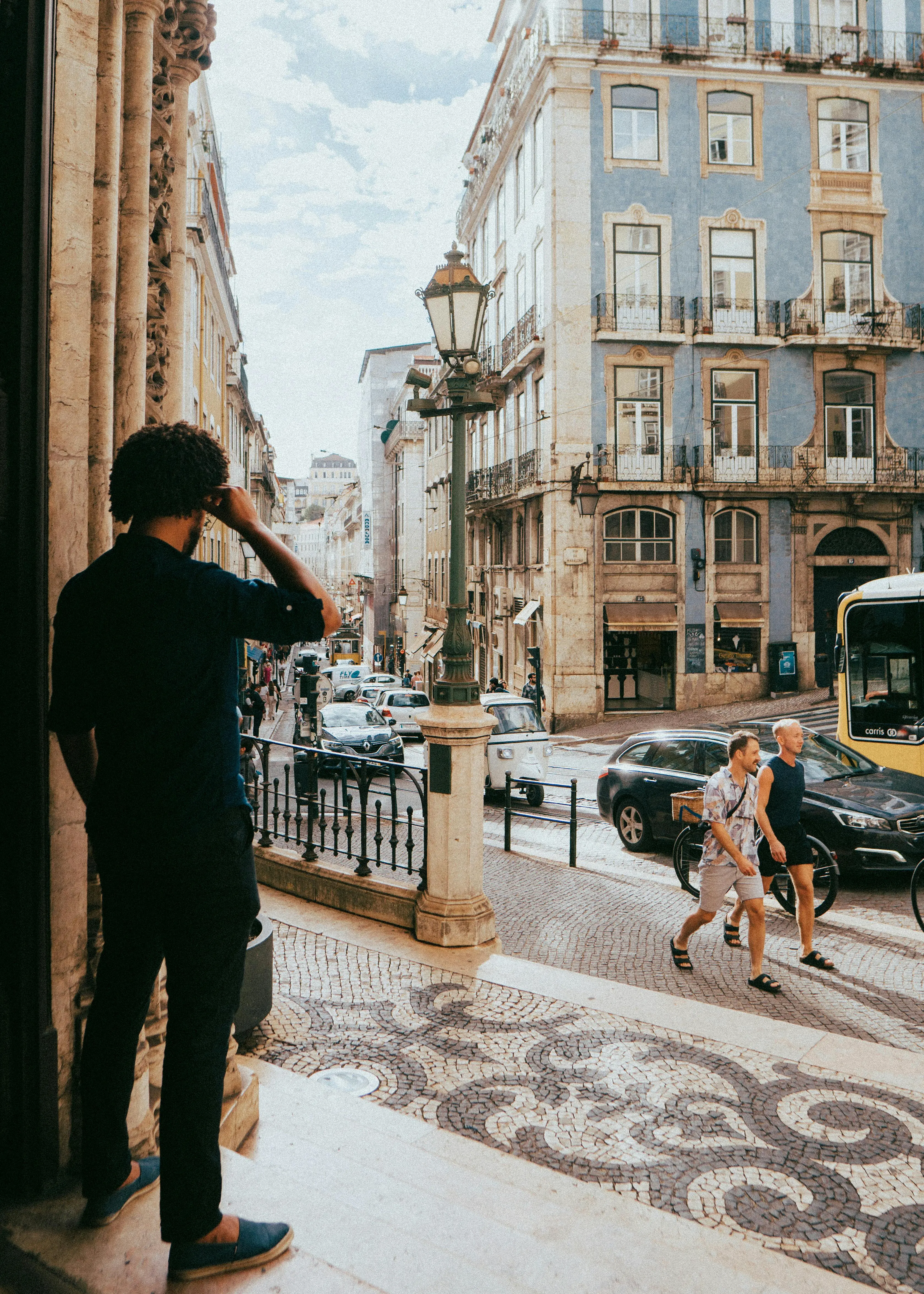
This guide covers:
The history behind Mouraria's streets and why it still shapes daily life
Where to eat, drink, and find live fado without stepping into a tourist trap
What the neighbourhood comparison looks like against Alfama, Intendente, and Príncipe Real
How the street art scene works and which walls are worth your time
What remote workers actually pay to live here month to month
Mouraria Lisbon Portugal: A Historic Neighborhood That Has Never Quite Been Discovered
Mouraria is the kind of place where the history is embedded in the shape of the streets, not in the signs explaining them. The medieval layout survived the 1755 earthquake that flattened most of Lisbon — which is why these alleys still bend and narrow the way they do, following paths that predate every other neighbourhood you will walk through in this city.
The Moorish Quarter and What Its Name Actually Tells You
The name Mouraria translates directly to "place where Moors live," and it was established as a distinct quarter after the Christian reconquest of Lisbon in 1147 — a fact that shapes the architecture you see now.
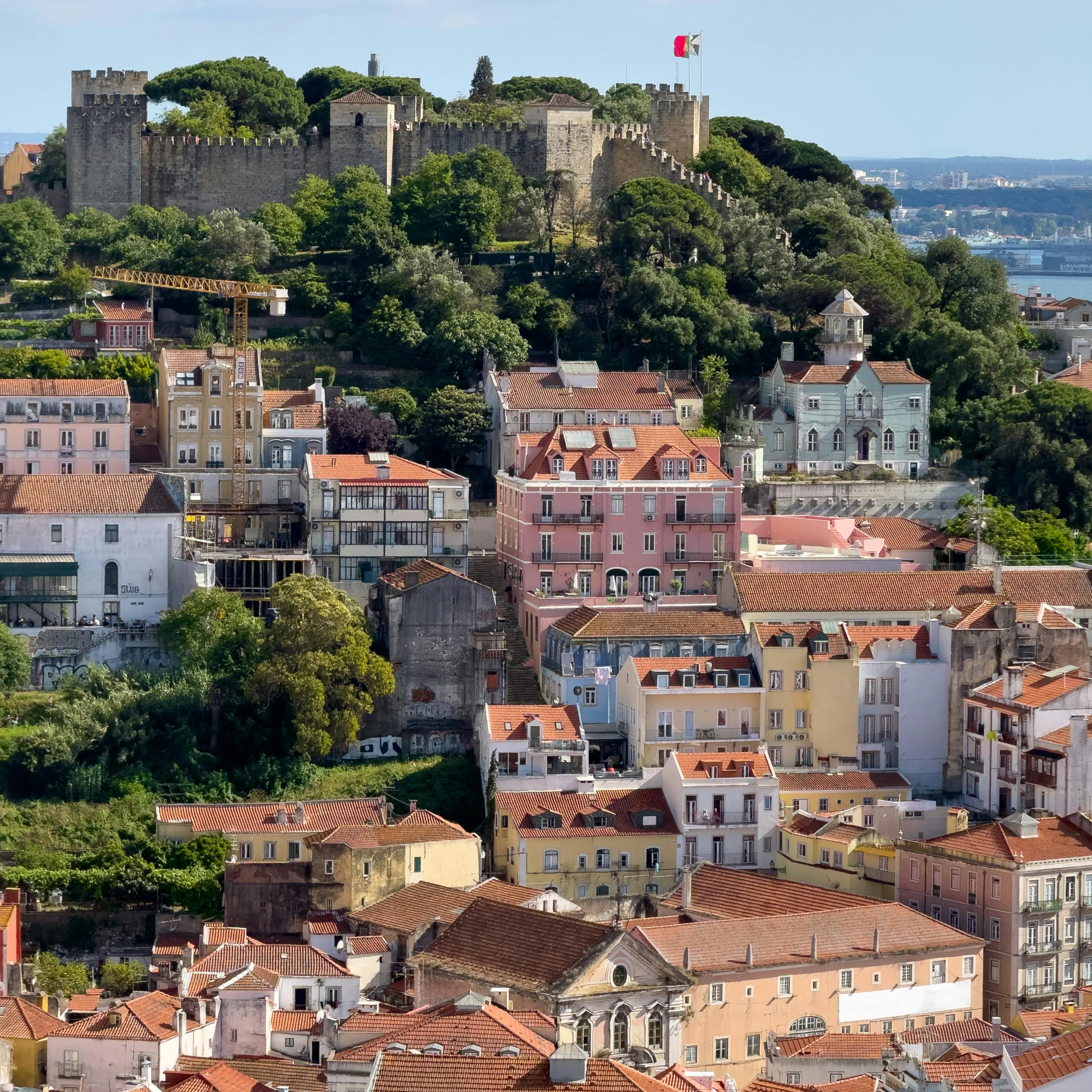
São Jorge Castle — free entry on Sundays before 10am, sits directly above the neighbourhood and gives you the clearest sense of why this hill was worth fighting over
Igreja de São Cristóvão — built in the 13th century, 36 paintings by Bento Coelho da Silveira inside, currently in urgent need of restoration and often partially closed
Rua do Capelão — one of the best-preserved examples of narrow streets in the moorish quarter, worth walking slowly on a weekday morning before the tour groups from São Jorge Castle filter down
The azulejo-tiled façades here are not decorative additions — they are structural, part of buildings that predate every renovation project the city has attempted
Three days in Mouraria and you start to understand that the hill is not a backdrop — it is the reason the neighbourhood exists and the reason it stayed working class long after other Lisbon hilltops became desirable.
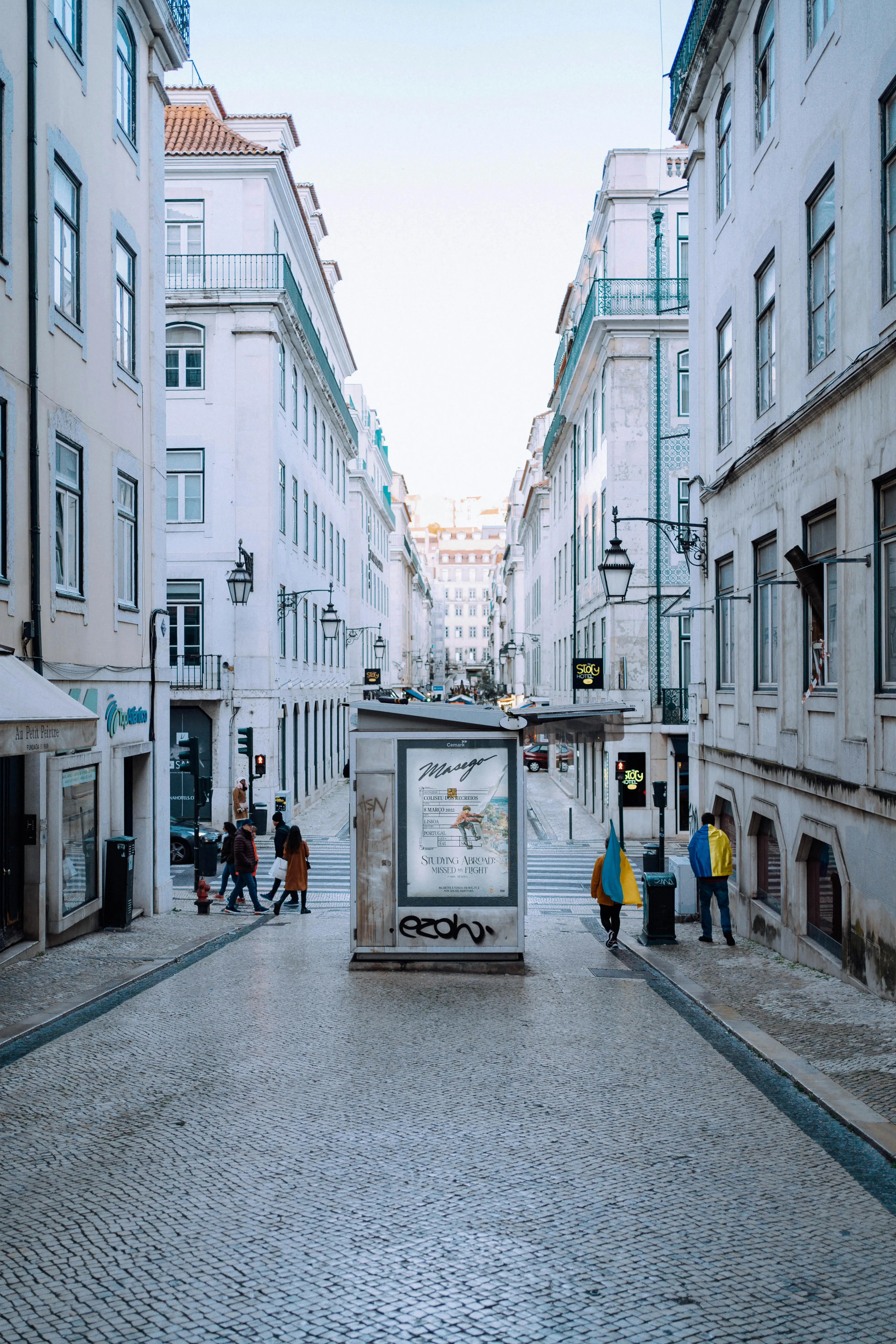
The Working Class Neighborhood That Tourism Has Not Absorbed
Mouraria is the working class neighborhood that adjacent Alfama ceased to be about fifteen years ago — residents here still buy goods from one another, and the businesses that line these streets still exist because locals use them, not because tourists photograph them.
Martim Moniz Square — the flat entry point into the neighbourhood from downtown, loud and slightly chaotic in a way that tells you immediately you are not in Chiado
Praça Martim Moniz Market — the weekend market here is where you see the neighbourhood's immigrant communities most clearly, vendors selling South Asian spices, African fabric, and Vietnamese street food within twenty metres of each other
The buildings on the upper slopes show the gap between urban renewal funding and actual maintenance — tiled exteriors, interior staircases that have not been touched in decades
Locals here are friendly but not oriented toward helping tourists — a distinction that matters if you are planning to ask your neighbours for restaurant recommendations
The cultural diversity of Mouraria is not a branding exercise — it is the economic reality of a neighbourhood where rents stayed low enough that immigrants could actually settle, and where a community built around that fact has been running for decades.
The Mouraria Neighborhood Compared: Where It Sits Against the Rest of Lisbon
Mouraria is not the right choice for everyone staying in Lisbon for a month, and the table below tells you why. The question is not just rent — it is whether you can handle a neighbourhood where the infrastructure is real but not optimised, and where your daily walk involves a hill in both directions.
Neighbourhood | Monthly Rent (1-bed) | Vibe | Best For | Key Advantage |
|---|---|---|---|---|
Mouraria | €900–€1,200 | Multicultural, lived-in, steep | Long stays, culture-first remote workers | Authentic community, lowest tourist density |
Alfama | €1,100–€1,500 | Scenic, tourist-heavy, fado-forward | Short stays, fado enthusiasts | Views, proximity to waterfront |
Príncipe Real | €1,400–€1,900 | Quiet, upscale, design-led | Remote workers who need calm and reliable cafés | Best café infrastructure in the city |
Intendente | €850–€1,100 | Transitional, scrappy, improving | Budget-first stays, longer-term renters | Cheapest rents close to the centre |
Bairro Alto | €1,200–€1,600 | Nightlife-heavy, flat, convenient | Sociable remote workers, short rotations | Best nightlife access, flat terrain |
Mouraria sits at the crossroads of affordability and authenticity — cheaper than Príncipe Real, more interesting than Intendente, and less overrun than Alfama. The trade-off is that nothing here is optimised for your convenience. Explore fully furnished apartments in Lisbon to see what is currently available across all five of these neighbourhoods before you commit.
Who Mouraria Is Actually Right For
The neighbourhood rewards people who want to feel embedded in a place, not serviced by it — and penalises anyone who needs fast, reliable coworking infrastructure within walking distance.
Remote workers on stays of four weeks or more: the community rhythm makes sense once you know it, but it takes two weeks to learn it
Anyone who has already done Lisbon once and knows that Chiado and Bairro Alto are not the whole city
People who work mornings and want evenings free — the neighbourhood comes alive after 6pm in a way that most of Lisbon does not
Budget-conscious renters who want a real apartment, not a modern hotel room with a city view and nothing below it
Want to find a full-fledged expat base in Lisbon? Explore Marquês de Pombal in our neighbourhood guide for a deeper breakdown of streets, building quality, and what a month here actually feels like week by week.
Fado, Maria Severa, and the Cultural History Embedded in Mouraria's Narrow Streets
Fado did not happen in Mouraria by accident. The music emerged from these narrow streets in the 1820s in a neighbourhood that was poor, dense, and already carrying the weight of centuries of displacement — which is audible in every song. The famous fado singer Maria Severa was born and died here in the 19th century, and the neighbourhood still treats her as its own in a way that Alfama, which markets fado more aggressively, simply does not.
The Birthplace of Fado: Where to Hear It Without Paying Tourist Prices
Mouraria is the birthplace of fado and the only place in Lisbon where you can hear it in a room where the audience is mostly Portuguese — a distinction that matters more than the setting does.
Tasca do Chico — fado nights Tuesday through Saturday, no cover charge, reservations essential, fills by 8:30pm; the food is secondary to the music but it is good
A Severa — named directly for the famous fado singer Maria Severa, on Rua do Capelão, entry from €15; more formal than Tasca do Chico but historically significant given the connection to fado's origins
Largo do Intendente — occasional free open-air fado performances on weekend evenings through summer, informal enough that you can come and go without commitment
The taverns in the upper alleys above Praça Martim Moniz sometimes host impromptu sessions mid-week — the kind that do not appear on any booking platform
The distinction between fado in Mouraria and fado in Alfama is the difference between music that exists because the community still wants it and music that exists because tourists have paid for it — and you can hear that difference within about thirty seconds.
Mouraria's Open Air Gallery: Street Art Across the Back Alleys
The urban renewal projects that came through Mouraria in the last decade did something smarter than most: instead of replacing the neighbourhood's texture, they layered art directly onto it, including large-scale work by local artist Bordalo II that turns recycled waste into sculptures mounted on deteriorating walls.
Bordalo II murals — concentrated in the back alleys between Rua da Mouraria and Rua do Benformoso; local artist Bordalo II uses car bumpers, plastic bottles, and found materials; the work is identifiable from twenty metres and still genuinely surprising up close
Rua do Benformoso — the longest single stretch of open air gallery work in the neighbourhood, best walked between 9am and noon before the light flattens
Large-scale photography panels documenting the neighbourhood's immigrant communities are mounted on building walls throughout the area — not curated museum pieces, but street-level documents of the people who actually live here
The murals are not a tourist circuit with a map — which is either the problem or the point, depending on why you are there
The art here does not announce itself, which is appropriate for a neighbourhood where cultural diversity is not an event but an operational reality of daily life.
Food in Mouraria Lisbon: Where to Eat in a Neighbourhood With 50 Nationalities
Mouraria has the most genuinely diverse restaurant scene in Lisbon, and also some of the worst options for remote workers who need to eat quickly between calls. The trade-off is that the food rewards time — long lunches in family-run places where the menu is handwritten and the cook is also the owner.
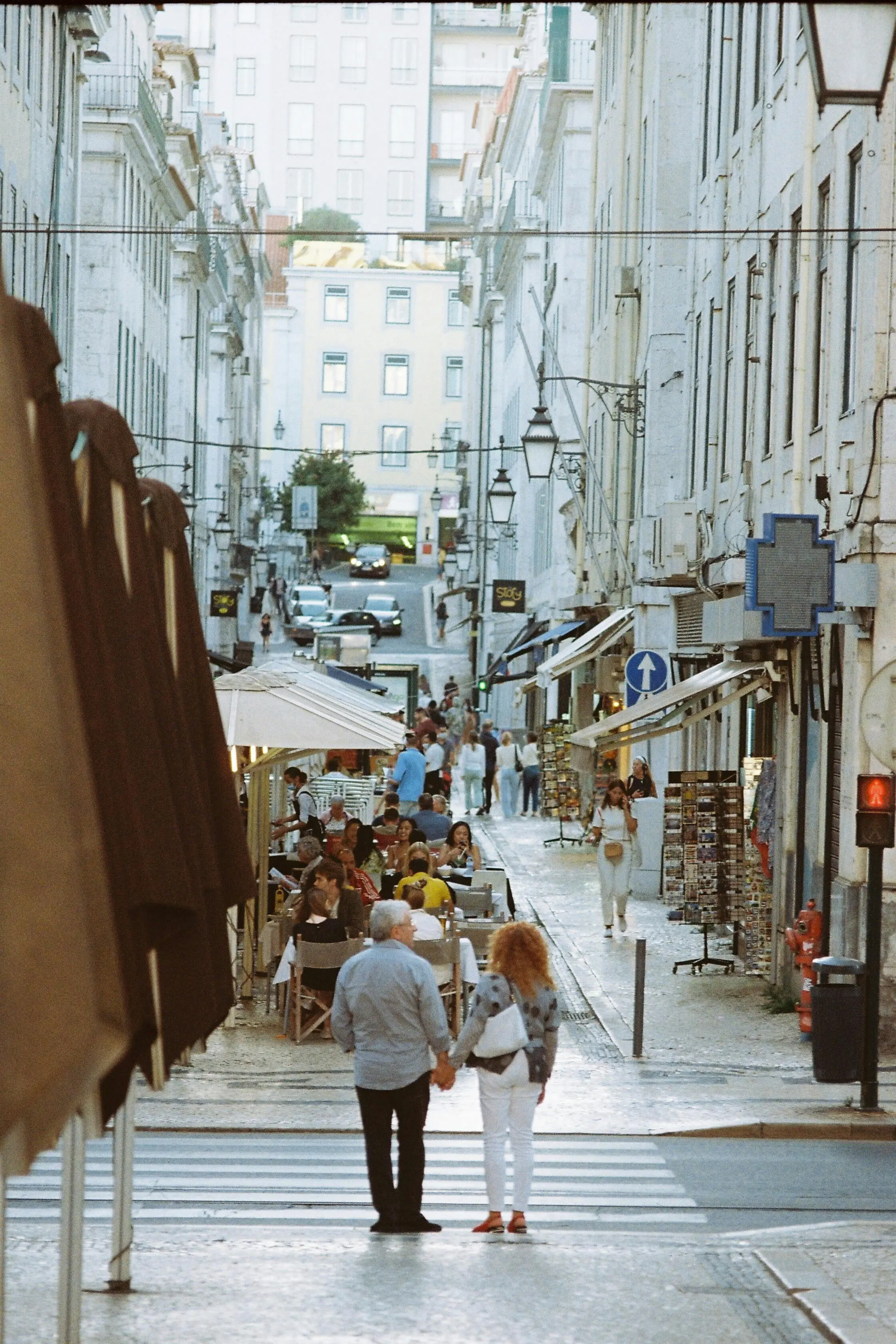
Portuguese Dishes Worth Sitting Down For
The Portuguese restaurants in Mouraria are the working class neighborhood version — small portions of honest food at prices that have not yet been adjusted for tourism.
O Velho Eurico — petiscos from €3, order the bacalhau à brás and something fried; always full by 1pm, go at 12:15 or wait
Zé da Mouraria — roasted codfish and garlic steak are the dishes people come back for; lunch menu around €10, dinner slightly more; locals only after 8pm on weekdays
Taberna da Mouraria — one of the few places where the taverns tradition of standing at the counter and eating is still genuinely practised; wine by the glass from €1.50
The menú del día equivalent here — called the prato do dia — runs €7 to €9 and is almost always the right choice if you are eating before 2pm
The food here is not fashionable and it is not trying to be — which is a relief in a city where a lot of the best-reviewed restaurants are now priced for tourists who read the same three guides.
International Food from the Neighbourhood's Immigrant Community
The immigrant communities in Mouraria have created a food landscape that exists nowhere else in Lisbon — Nepali, Vietnamese, and Indian restaurants that are not fusion experiments but actual community kitchens running on the logic of feeding people, not impressing them.
Miteri Restaurant — momos from €6, thali from €9; run by the Nepali community that has been in the neighbourhood for over a decade; small, cash preferred
Sabores da Goa — lunch thali €8, reliably spiced, one of the few Indian restaurants in the city where the heat is not calibrated for Portuguese palates
Martim Moniz Square food stalls — weekend only, Vietnamese banh mi from €4, Chinese dumplings from €3; arrive before noon or the best options are gone by the time the afternoon crowd arrives
The restaurants along Rua do Benformoso shift nationality almost building by building — Bangladeshi, Chinese, and Cape Verdean places within a hundred metres of each other
This is what cultural diversity looks like when it is economic rather than curatorial — nobody opened these restaurants to create an experience; they opened them because the community needed to eat.
What Daily Life in Mouraria Actually Looks Like
The rhythm of life in Mouraria is not designed around you, which is either the appeal or the problem depending on what you are looking for in a long stay.
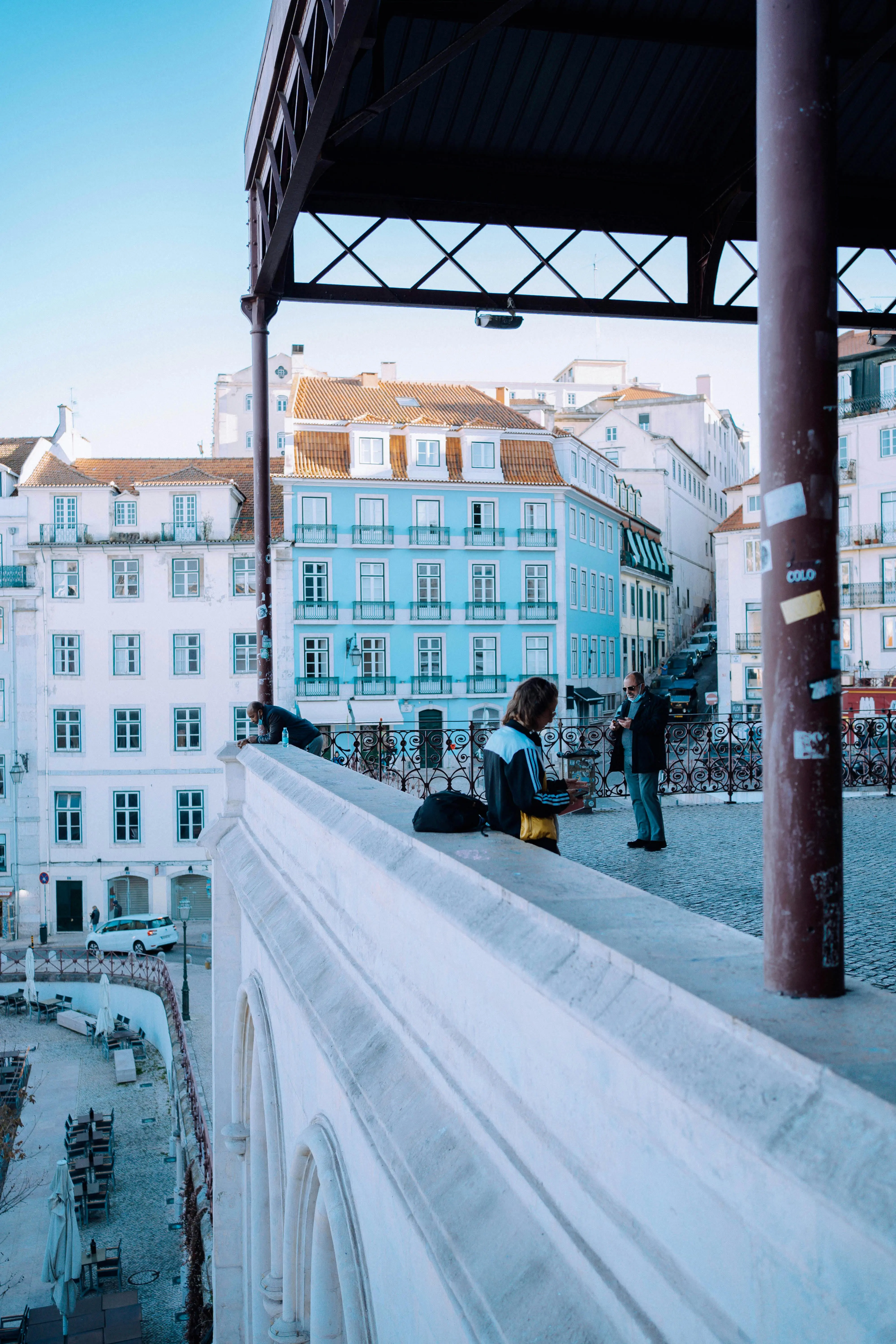
Mornings: Where to Start Your Day
The best café options in Mouraria are small, fast, and not set up for laptop work — which means you need a plan before 9am if you want to work from one.
Café Zé dos Cornos — coffee €0.80, pastéis de nata €1.20, six tables maximum; arrives early, fills by 9am, no WiFi and nobody apologises for it
A Mercearia do Pai Júlio — part corner shop, part café; espresso €0.70, toasted sandwich €2.50; the kind of place where regulars settle bills weekly
Ai Mouraria — opens at 9am, strong coffee, few tables outside on the square; the view from that table justifies the walk to find it
The streets between Rua da Mouraria and Rua dos Cavaleiros get direct morning sun until about 11am — if you work on a laptop, this is the window before it becomes uncomfortably warm in summer
Mouraria mornings are genuinely quiet in a way that the center of Lisbon rarely is — that changes by 11am, so the people who work well here tend to front-load their deep work hours.
Evenings: Music, Bars, and the Largo da Severa
The famous connection between fado music and Mouraria is not a tourist invention — this is the neighbourhood where fado is said to have begun, and Largo da Severa still hosts informal performances that bear no resemblance to the ticketed fado dinners in Alfama.
Jasmim da Mouraria — no cover, wine from €2.50, live fado most Thursday evenings; small enough that you are never more than four metres from the singer
Chapitô — bar and restaurant on the hill above the neighbourhood; drinks from €4, terrace view over the Tagus; busier at weekends, manageable mid-week
The mural work along Rua da Mouraria and the streets feeding into Largo da Severa changes every few months — not a dedicated street art tour, just what the neighbourhood looks like when people have been painting the same walls for a decade
Avoid the bar options directly on Rua de São Lázaro after 11pm on weekends — the crowd is younger and louder than the rest of the neighbourhood, and the streets are narrow enough to carry every decibel
The music here is not a show put on for visitors — it is what people in this neighbourhood do on a Thursday evening, and sitting in a bar where that is the default activity is a different experience from watching a €45-a-head fado performance two streets over in Alfama.
Food, Markets, and the Tasting Culture of a Real Neighbourhood
Part 1 covered the immigrant restaurants along Rua do Benformoso — but the food story in Mouraria does not stop there, and the tasting opportunities that do not make it onto food tour maps are often the better ones.
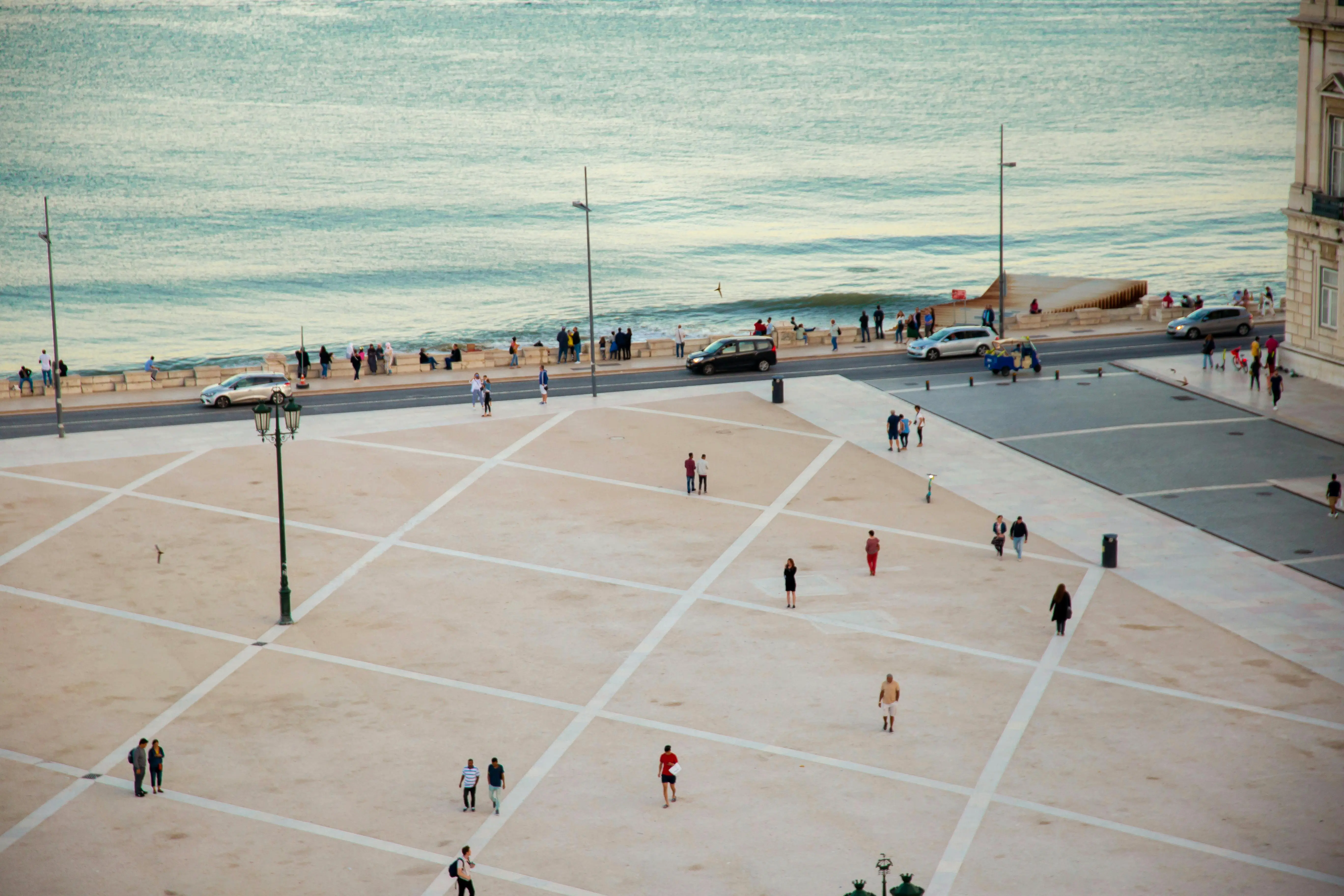
The Market at Mouraria and What to Buy There
The Baixa Market is the closest to Mouraria and is a working-class market in the most literal sense — it is not a gourmet food hall, and its prices reflect that.
Fresh produce stalls open from 7am; tomatoes €1.20/kg, peppers €1.50/kg — prices that make supermarket shopping feel slightly absurd once you have discovered it
The dried goods section has spices sourced from the neighbourhood's India and China trade connections — cardamom, star anise, and dried chillies at prices you will not find in any shop targeting tourists
A Padaria Portuguesa on Rua dos Cavaleiros — bread from €1.20, opens 7am; the sourdough sells out by 10am without exception
Saturday is the best day to visit the market for range; Sunday it runs at about half capacity and closes earlier than the posted hours suggest
If you are staying for more than two weeks, the market rhythm becomes a natural anchor to the week — and the €40 weekly grocery budget that feels optimistic in Príncipe Real is realistic here.
Wine Tasting and the Stories Behind the Bottles
A proper tasting of Portuguese wine does not require a tour operator — it requires knowing which wine bar in Mouraria still prices by the glass for locals rather than by the flight for visitors.
Adega das Gravatas — house red €1.80/glass, Douro regional wine from €3.50; the owner will talk about the bottles if you ask and stop if you do not; no tasting menu, just wine and cheese boards from €8
Jasmim da Mouraria — focused on Alentejo producers, glass from €3.50; small shop at the front, four bar stools at the back; natural wines available but not the point of the place
The course of a good evening here usually starts at one of these and ends at Largo da Severa — the walk between them takes three minutes and the elevation change is enough to clear your head between glasses
The wine culture in Mouraria is not a dedicated tourism product — it is what happens when a neighbourhood with low rents and a long history of taverns has never had to reinvent itself for an outside audience.
Gentrification, Diversity, and What Mouraria Is Becoming
Gentrification in Mouraria is real and it is accelerating — the question for anyone planning a longer stay is not whether it is happening but what it means for the neighbourhood you will actually live in.
What Has Changed and What Has Not
The houses on the steeper streets above Rua da Mouraria are still unrestored, still occupied by long-term residents, and still completely off the radar of the hotel and short-let market — for now.
Rua dos Lagares — one of the last streets in the neighbourhood where almost every building is still in its original state; the stairs to reach it deter most people, which is precisely why it has been left alone
The number of tourist-facing shops on Rua da Mouraria has doubled in the past three years — azulejo shops, fado souvenir stores, and one hotel that opened in a converted tile factory in 2022
Centro Cultural Dr. Magalhães Lima — a community arts space that is genuinely dedicated to the neighbourhood's diversity rather than performing it; free entry, hosts exhibitions by local artists from the immigrant community, open Tuesday to Saturday
The Bangladeshi and Chinese communities along the east end of Rua do Benformoso have not moved — the rents in that corridor are still low enough that the community anchor is intact, though that situation is not permanent
Mouraria is not Alfama yet — but if you come back in five years, the comparison will be less comfortable to make.
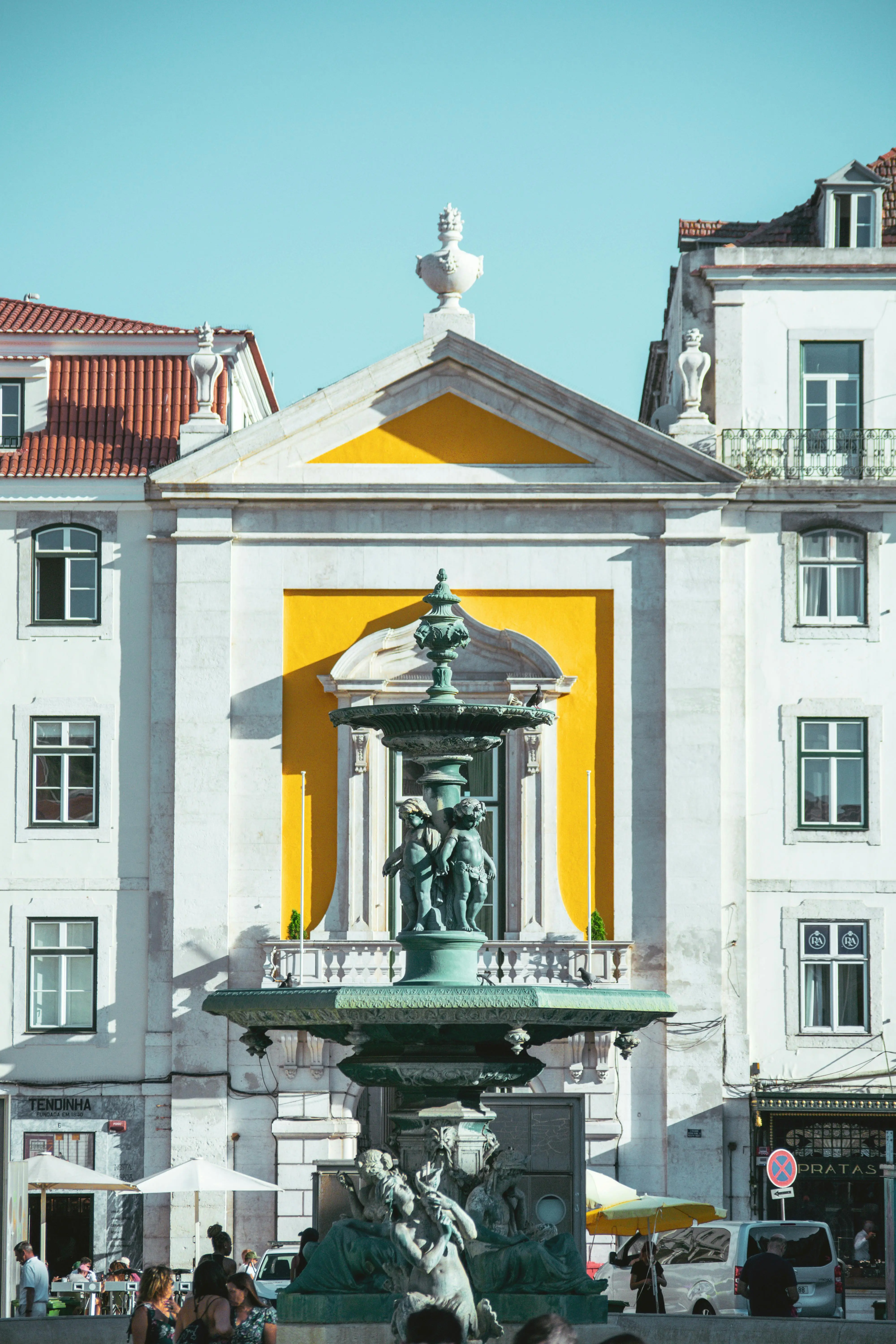
What This Means If You Plan to Stay Long-Term
The gentrification trajectory affects remote workers practically as well as philosophically — if you are here to explore an authentic neighbourhood rather than a theme park version of one, where you live within Mouraria matters more than it did three years ago.
Apartments on Rua da Mouraria itself are now mostly short-let stock; for a furnished flat that is actually in the neighbourhood rather than performing it, look at the streets feeding north toward Intendente — rents are €850–€1,050 for a 1-bed and the tourist pressure is lighter
The streets around Largo do Contador Mor represent the quieter, less visited edge of Mouraria — the map puts them at five minutes from the neighbourhood centre, but in practice they feel like a different city
Host platforms like Airbnb have reduced the available long-let stock by an estimated 30% since 2019 — which means the apartments that remain on month-to-month leases go quickly; if you find one, commit fast
Furnished apartments suited to remote workers — reliable WiFi, a desk, a kitchen — exist here but are not the default; most long-let stock in the neighbourhood is unfurnished, because the people who historically rented here brought their own furniture
If you want to be in Mouraria rather than adjacent to it, the window to live here on local terms is narrowing — and that is not a reason to avoid it, but it is a reason to be deliberate about where you rent and how long you commit.
Mouraria pulls in residents from over 50 countries, making it one of the most internationally mixed neighbourhoods in the Portuguese-speaking world — a fact that shows in every block between Rua do Benformoso and Largo do Intendente.
For a curated selection of long-stay options in this part of the city, fully furnished apartments in Lisbon on RentRemote filters by neighbourhood, which saves the week of back-and-forth that local platforms tend to require.
Is Mouraria the Right Base for You?
Who Actually Thrives in Mouraria
Mouraria rewards remote workers who treat friction as signal rather than failure.
You do your best thinking when the environment has texture — uneven streets, ambient noise, real neighbourhood rhythms
You are not dependent on a coworking space three minutes from your front door
You want cultural diversity at street level, not as a weekend excursion
You can bill enough to cover modest rent without needing to optimise every hour of the day around output
The neighbourhood does not perform Lisbon for you — it just is Lisbon, and that distinction matters more than it sounds.
The Real Trade-Offs Before You Commit
The friction here is specific and worth naming clearly before you sign a lease.
The stairs are physical and daily — this is not a complaint worth filing, but it is a fact worth knowing
WiFi in older buildings is inconsistent; budget for a backup SIM or a router upgrade from day one
There is no concentration of third-wave coffee bars calibrated for long laptop sessions
You will adapt to the neighbourhood more than it adapts to you — that asymmetry is the whole point
More polished neighbourhoods absorb you into a comfortable routine faster; Mouraria makes you build one yourself.
Staying in Mouraria puts the São Jorge Castle entrance roughly 10 minutes from your front door on foot, which means you skip the tram queues that trap visitors staying near Baixa.
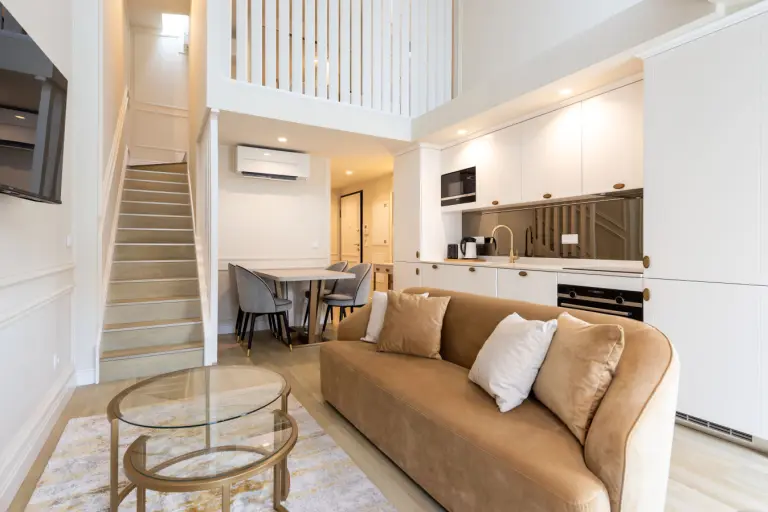
Whether Mouraria Is Your Base or Your Beginning
Most people who stay here leave with a clearer idea of what they were actually looking for in a European base.
Morning quiet is genuine, not manufactured — the streets settle in a way that central tourist zones never do
The historic centre is walkable without being the thing you look at from your window every day
Long stays here tend to clarify priorities rather than just satisfy them
If Portugal turns out to be the answer, fully furnished apartments in Portugal on RentRemote covers options across the country for every stage of that process
Mouraria is not where the search ends — it is where you start to understand what you were searching for.