Lukas
Tech & Digital Nomad Cultural Editor ·
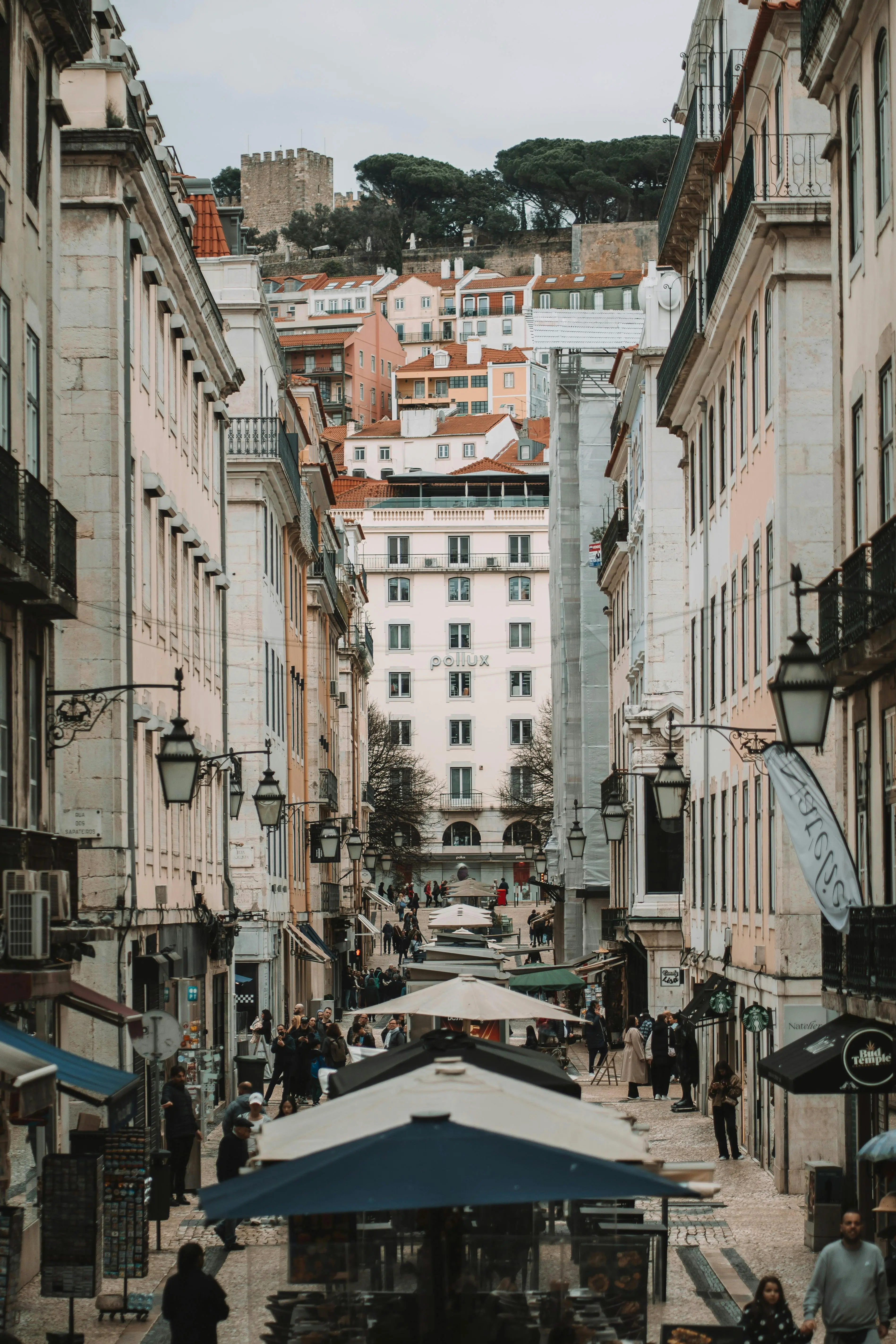
Anjos doesn't appear on most shortlists for where to stay in Lisbon — and that's exactly why it works. The neighbourhood sits close enough to the city center to matter, far enough from Alfama's tourist economy to breathe, and at a price point that extends your runway by weeks. The trade-off is that it asks something of you: it's a working neighbourhood with a complicated recent history, and you'll need to walk into it with clear eyes rather than postcard expectations.
This guide covers:
What Anjos actually feels like to live in versus visit
Where to work, eat, and spend time without defaulting to tourist infrastructure
How Anjos compares to neighbouring areas on rent, noise, and daily rhythm
The honest safety picture — what's changed and what hasn't
Hotel Anjos options for short stays before committing to a longer rental
Getting around from Intendente metro station and what's within walking distance
What Anjos Lisbon Actually Feels Like to Live In
Anjos is one of those neighbourhoods where the story people tell about it is always slightly behind what it actually is. If you've heard it described as rough, you've probably heard a story from five years ago. If you've heard it described as the next Príncipe Real, that's wishful thinking too.
The parish name itself comes from a 16th-century chapel — the very name of the central parish Anjos originates from that devotional history, and Igreja dos Anjos still stands on Avenida Almirante Reis as a reminder of the neighbourhood's long continuity with the rest of the city. Angels hold a profound place in Lisbon's history, and you'll feel that in the architecture more than most places — the National Pantheon, a short trip east, features grand statues and the coat of arms of Portugal upheld by angels, and Graça Street Art frequently incorporates angelic themes.
What the neighbourhood actually feels like on a Tuesday at 10am: quiet streets, a retired local walking a small dog past a tiled pharmacy, two or three people having breakfast at a counter café, a scooter accelerating up toward Intendente. It doesn't perform for anyone.
The Daily Rhythm: What a Normal Week Looks Like Here
Anjos runs on local time, which means mornings are slow and evenings arrive quickly — if you keep a 9-to-5 schedule, the neighbourhood fits around it without friction.
Fauna & Flora near Rua dos Anjos — espresso under €1.20, counter seating, genuinely crowded with regulars before 9am, quiet by 10am
Stack Smash Burgers — popular local meeting place in the neighbourhood, lunch crowd peaks around 1pm, worth arriving just before
Retro City — stylish second-hand clothes shop in Anjos, open afternoons, doubles as a good indicator of the neighbourhood's younger, creative shift
Jardim do Caracol da Penha — the city's newest park in the area, opened July 14, 2023; small, not crowded yet, a genuinely useful place to decompress between calls
By 6pm the bars open properly, drinks are €2–3 a glass, and the streets take on a different feel — not loud, but alive in a way that tourist-facing Lisbon rarely is after dark.
Multicultural Streets and Who Actually Lives Here
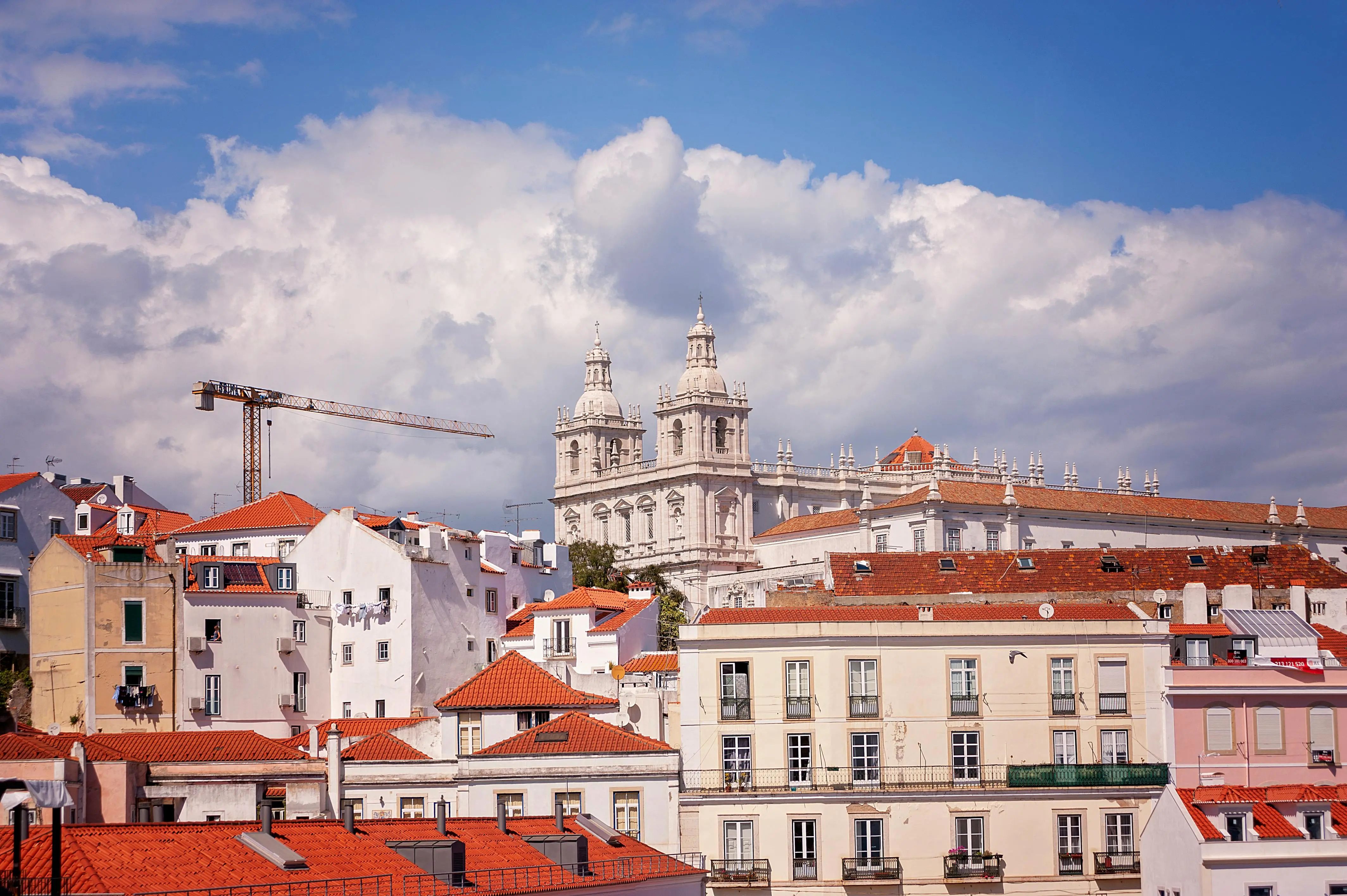
Anjos is one of the more genuinely multicultural neighbourhoods in the city, and that's not a real-estate talking point — it's a fact that shapes what you eat, what language you hear, and what the local economy actually runs on.
Significant South Asian, Cape Verdean, and Brazilian communities — Portuguese is the common language but you'll hear half a dozen others on any given walk
Restaurants range from Indian and Bangladeshi to traditional Portuguese tascas — dinner for two rarely exceeds €20 at the neighbourhood spots
The multicultural character makes the neighbourhood more welcoming to newcomers than more homogeneous Lisbon parishes — fewer stares, less performance required
Local services — grocery stores, pharmacies, laundrettes — are priced for residents, not visitors
Anjos is ranked 12th among 39 neighbourhoods worldwide on certain liveability indices, which tells you more about its infrastructure than its atmosphere — the atmosphere you have to come and find yourself.
Anjos is the kind of neighborhood where you will find a €1.20 espresso at a counter next to a retired Lisboeta and a newly arrived Brazilian family, all within the same 10-minute morning walk.
Intendente Metro Station and What's Within Walking Distance
Your access to the rest of Lisbon depends almost entirely on Intendente metro station, and the news here is straightforwardly good. The Green Line puts you in Rossio in two stops and Cais do Sodré — where you pick up the train to Cascais or the ferry to Cacilhas — in four. From the moment you step off the metro, the city is genuinely open.
Intendente metro station also anchors the neighbourhood's geography. Everything worth knowing in Anjos is within a 12-minute walk of that station — which means if you miss the metro, you can walk to the next station at Anjos metro stop on the same line without thinking about it twice.
What Intendente Metro Station Connects You To
Two stops in either direction changes your entire day — this is a better-connected location than its rent would suggest.
Rossio / Baixa-Chiado: 2 stops south — the city center, tourist attractions, the main bookshops and business infrastructure
Odivelas line north: direct access to university areas and quieter residential zones without changing trains
Anjos metro station: one stop south on the same Green Line, useful if you're walking up from Almirante Reis and want to cut the trip short
Viva Viagem card monthly pass: around €40 — after day three of using it daily, you stop thinking about the money
The metro frequency during work hours is every 4–6 minutes, which means you plan your day around your schedule, not the timetable.

Attractions and Daily Errands Within Walking Distance
Most of what you need on an ordinary day is within a 15-minute walk, which removes a category of friction that drains more time than people account for.
Time Out Market — renovated market hall five minutes from the station, good for breakfast and fresh produce, less crowded than Mercado da Ribeira
Praça do Intendente Pina Manique — the neighbourhood's central square, bars and restaurants on three sides, tiled kiosk open from morning
Hospital dos Candeeiros — established in 1968, located in the neighbourhood, relevant if you're staying long-term and need to know where the nearest medical facilities are
Mouraria and the castle: 15 minutes on foot — these are genuine Lisbon attractions, and reaching them from Anjos without getting on public transport is a real advantage
Intendente was visited by almost nobody outside Lisbon 15 years ago, but since the square's renovation in 2014 it has become a genuine gathering point — and the metro connection puts you at Marquês de Pombal in under 10 minutes.
The walking distance argument for Anjos is underrated — most people staying here realise within a week that they're using the metro less than they expected.
Neighbourhood Comparison: How Anjos Fits into the City Center
What You're Actually Paying Across Lisbon's Central Neighbourhoods
The rent gap between Anjos and Príncipe Real isn't a small rounding difference — it's often €400–€600 a month, which over a three-month stay becomes a meaningful sum.
Anjos: €850–€1,100/month for a furnished 1-bed — local pricing, metro access, more floor space than the price suggests
Príncipe Real: €1,400–€1,900/month — you're paying for café density and a polished expat scene that makes short stays easy
Mouraria: €1,000–€1,300/month — central and atmospheric, but loud on weekends in a way that wears thin if you're working from home
Arroios: €950–€1,200/month — the best space-per-euro ratio in central Lisbon, useful if you need a real desk and a second room
Browse fully furnished apartments in Lisbon to see current availability across all of these neighbourhoods and judge the gap yourself.

What Anjos Is and Isn't Good For
Anjos is a deliberate choice, not a fallback — but it asks you to give certain things up, and you should know what those are before committing.
Good for: long stays where monthly rent matters, remote workers who need quiet during the day, and anyone who wants to feel like a resident rather than a tourist
Less good for: social networking and café-hopping — Príncipe Real wins that comparison without argument
Intendente sits immediately adjacent and shares Anjos's pricing (€900–€1,150/month) but gives you one of the best squares in the city as your front yard
If atmosphere and postcard streets are the priority, Mouraria delivers those things — Anjos trades them for space and calm
The neighbourhoods that beat Anjos on price or space — Arroios, Intendente — tend to be less convenient on the metro, which is the one practical edge Anjos holds over both.
Hotel Anjos Lisboa: What to Expect If You're Testing the Neighbourhood First
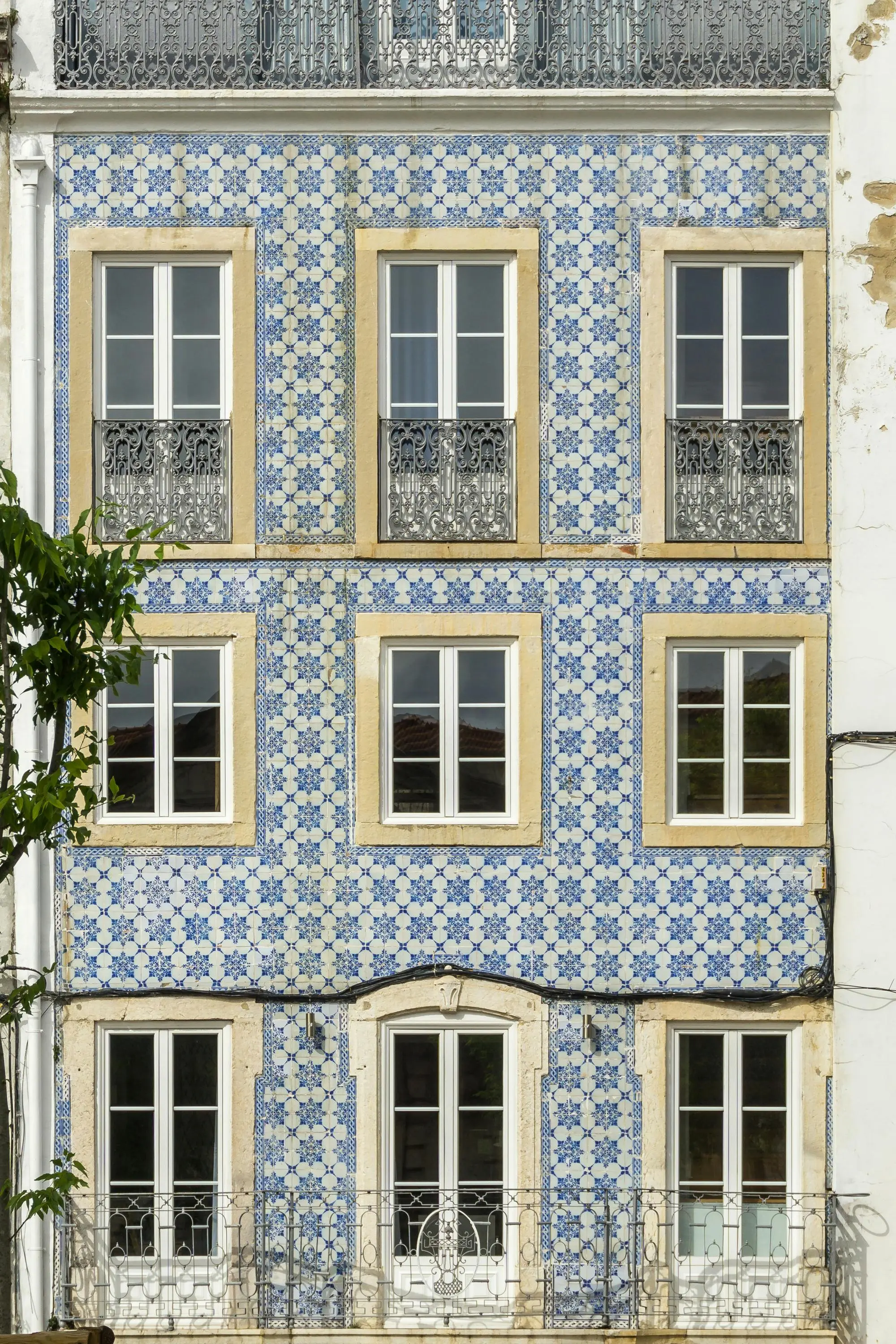
Spending a week in a hotel before signing a month-long rental is one of the smarter moves you can make in any unfamiliar city, and the hotel anjos option in this neighbourhood makes that feasible without draining your budget before you've even started.
Hotel Anjos Lisboa sits close to Intendente metro station, which means you're testing the actual commute and the real street noise from day one — not from a serviced apartment in a different part of the city pretending to represent the neighbourhood.
What Hotel Anjos Lisboa Actually Offers
This isn't a boutique hotel with a rooftop bar — it's a clean, functional base that does what it needs to do and charges accordingly.
Hotel Anjos Lisboa — affordable rates, spacious rooms cleaned daily, good-looking bathrooms; a reliable choice without the upcharges of tourist-facing hotels further south
Location within walking distance of Praça do Intendente — you can trial the square, the restaurants, and the metro in your first 24 hours
Booking is straightforward — standard booking platforms carry it, no advance deposit surprises on most rate types
No breakfast included on base rates — the corner café options nearby cost €3–4 and are a better experience anyway
A week here answers the question of whether the neighbourhood fits your rhythm before you make a financial commitment — and at these rates, that week costs less than two nights in Chiado.
When a Hotel Makes More Sense Than Going Straight to a Rental
If you're arriving in summer without a confirmed apartment, the hotel-first approach is more than just a safety net — it's a practical strategy.
Lisbon's furnished rental market moves fast in summer; viewing apartments in person still beats booking blind, and you need a local address to do that effectively
A hotel gives you a legitimate address for business correspondence and service registrations during your first week — useful if you're setting up a Portugal NHR tax account or registering for local services
Hotel rooms are not a replacement for a proper house over more than two weeks — the lack of a kitchen and workspace compounds quickly, and the money math shifts decisively toward apartments from day 15 onward
Groups and families will find hotel rooms in this part of the city limited in size — the hotel is better suited to solo travellers or couples on reconnaissance
The rooms at Hotel Anjos Lisboa are fine for a two-night stopover — clean, functional, and priced around €80 per night — but the thin walls mean you will hear the trams on Rua Morais Soares earlier than you might like.
The hotel earns its place in Anjos precisely because it doesn't oversell itself — it's a clean, fairly priced base in a neighbourhood where the rest of the picture requires you to show up and see it.
Shopping, Food, and Daily Life in Anjos
The daily texture of Anjos is where the neighbourhood earns its case — not in what it promises, but in what you find when you leave your door in the morning with no particular plan.
Where to Eat When You're Not Looking for a Restaurant
Anjos rewards the kind of eating that happens when you're actually living somewhere — not dining out, but feeding yourself well for very little.
Tasca do Chico — lunch plates €7–9, rotating daily specials chalked on a board, packed with regulars by 12:30 pm; arrive before noon or check back after 1:30 pm
A Padaria Portuguesa on Avenida Almirante Reis — pastries under €1.50, filter coffee €1.10, open early; the best start to a day if you're working European hours and need something before your screen
Mini Mercado São Sebastião — a small store on Rua dos Anjos with Portuguese staples, decent produce, and prices that don't adjust for the neighbourhood's growing profile
Plenty of tascas along Rua do Benformoso where a full lunch — soup, main, bread, drink — runs €6 to €8 without any performance of it being a bargain
You will spend less on food here in a week than you would on two dinners in Príncipe Real — and the food is not worse, it's just honest.
On Sunday mornings, locals enjoy the Feira de Ladra flea market on Rua Campo de Santa Clara, where you can pick up vintage Portuguese ceramics for €5 to €20 before the tourist crowds that descend on Feira da Ladra arrive.
Vintage, Independent, and Local Shops Worth Knowing
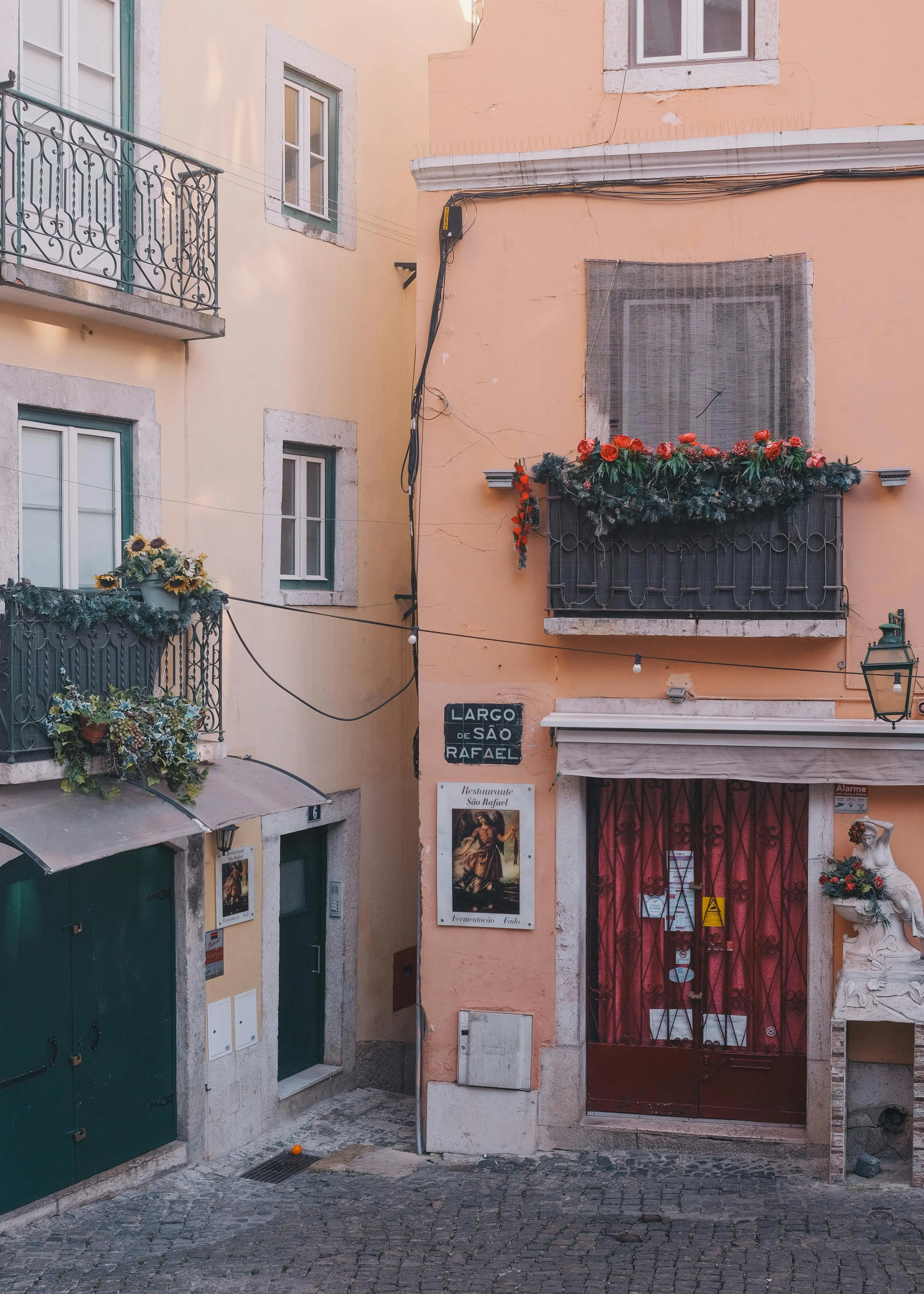
The area around Largo do Intendente and Rua dos Anjos has a genuinely eclectic mix of independent retail — not curated for tourists, which means prices are real and the authenticity of what you find is unambiguous.
Velha Alfaia — a secondhand store on Rua da Palma with ceramics, old glassware, and furniture that people actually live with; glasses and tableware from €2
Ótica Central near Anjos metro — if you need prescription glasses, Portugal's opticians are significantly cheaper than London equivalents; frames and single-vision lenses from €80 total
Independent tabacarias along Almirante Reis that carry foreign press, phone top-ups, transit cards, and the kind of practical info that makes arriving somewhere feel manageable
A cluster of African and South Asian grocery stores on Rua do Benformoso — the best options for spices, dried goods, and produce at prices that stay flat regardless of season
Shopping in Anjos is not a leisure activity in the way it might be in Chiado — it's more functional, and that's exactly what makes it useful for anyone who's actually living here.
Safety, Community, and What It Actually Feels Like to Live Here
Anjos is safe. That needs to be said plainly, because the neighbourhood's older reputation still colours how people talk about it — and those people are usually describing somewhere that no longer exists in that form.
What "Safe" Looks Like on the Ground
The neighbourhood feels calm in a way that isn't performed — residents walk, shop, and sit outside without the hyperawareness you sometimes feel in areas that are actively transitioning.
Largo do Intendente is well-lit and populated until late; the square has been anchored by a resident community long enough that it doesn't feel provisional
Rua dos Anjos and the streets close to the metro are busy during the day and quieter but not empty after 10 pm — the kind of quiet that's just a neighbourhood going to sleep, not a warning
Petty theft follows the same rules it does anywhere in Lisbon: crowded tram stops near Rossio are a bigger risk than Anjos itself — your bag is safer here than in the tourist corridors further south
Staff at local cafés and shops are consistently friendly and used to newcomers — the multilingual reality of the area means you won't feel conspicuous as an outsider trying to find your footing
The honest reassurance about safety in Anjos is that it doesn't need much reassurance — a day here makes the point more effectively than any description can.
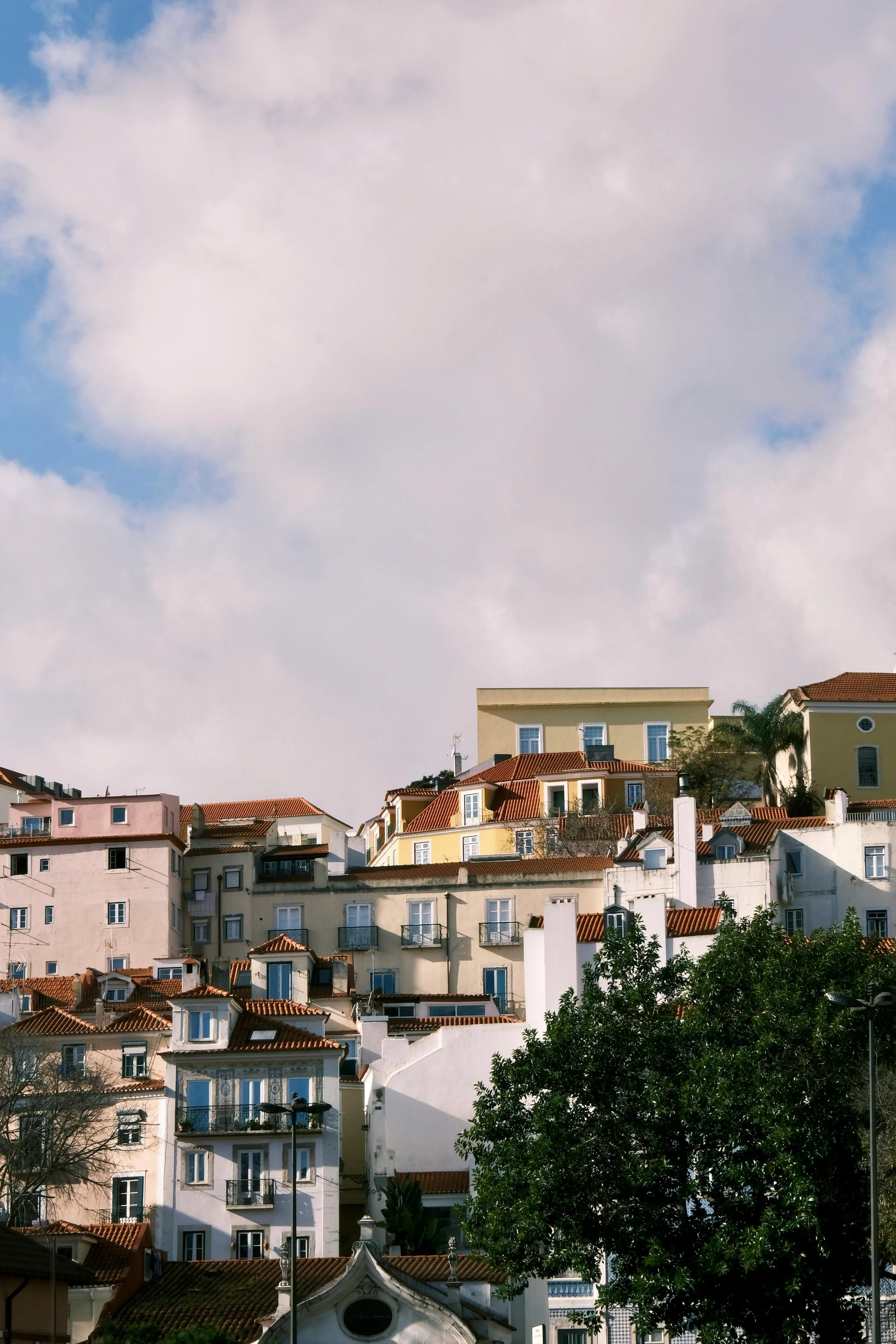
The Social Reality of a Genuinely Mixed Neighbourhood
Anjos has the kind of community texture that you can't engineer — it's the product of decades of immigration from Portugal's former African territories alongside newer arrivals from South Asia, Brazil, and more recently, from across Europe.
The neighbourhood's multiculturalism is not decorative — it means you can live here for months and continue to feel like a resident rather than an intrusion on a static local identity
Espaço Intendente near Largo do Intendente runs community events and cultural programming through the year — check the schedule if you want to engage with the area beyond cafés and coworking
English is spoken more widely than you might expect, but the neighbourhood does not reorient itself around English speakers — which is a feature, not a problem, if you're trying to actually live somewhere rather than just stay in it
Anjos is friendly to solo arrivals specifically because it's used to people arriving alone and building a life — the social infrastructure is there if you want it, and absent if you don't
If you want a neighbourhood that asks something of you — a bit of curiosity, some basic Portuguese, a willingness to eat where no one else is photographing the food — Anjos will give you plenty in return.
Walking back from a late dinner at Tasca do Chico toward Anjos at midnight, most residents say they do not feel unsafe — but the stretch past Intendente near Rua do Benformoso is worth avoiding if you are alone and unfamiliar with the area.
Finding a Long-Term Apartment in Anjos
Anjos offers some of the most realistic long-stay rental prices in central Lisbon — but "realistic" still means Lisbon prices in 2024, and that requires a clear-eyed approach to what's available and when to move.
What Prices Actually Look Like Right Now
The gap between Anjos and the tourist-facing neighbourhoods to the south is meaningful, and it shows up immediately when you start to check listings seriously.
Studios in Anjos: €750–950/month furnished, depending on the floor, the building condition, and how recently the landlord checked what Príncipe Real charges
One-bedroom apartments: €1,000–1,300/month for something well-located and properly furnished — tight by European standards in mid-tier cities, but half what the same floor plan costs in Chiado
Bills — electricity, water, internet — typically add €80–120/month; high-speed fibre is available across the area and connectivity is not a meaningful concern
Furnished options with a proper workspace, a decent kitchen, and natural light do exist here — they just require you to start your search at least three to four weeks before you plan to arrive, particularly if you want to enter Lisbon in summer
If you're comparing Anjos to what you'd pay in London or another Northern European city, the numbers still land well — but the expectation should be adjusted for Lisbon's current market rather than the prices that made it famous five years ago.
Most long-term tenants in Anjos have stories about landlords who started at €900 per month on Idealista but settled at €750 after a polite in-person conversation — showing up matters more here than it does in Príncipe Real.
How to Approach the Search from Abroad
Finding a furnished apartment in Anjos before you arrive is possible but requires you to be specific about what you need — vague enquiries get generic responses.
RentRemote lists fully furnished apartments in Lisbon with verified photos, accurate availability, and lease terms suited to remote workers — a more reliable starting point than trawling local classifieds
Airbnb monthly rates in Anjos run €1,100–1,600 for a studio, which is significantly above the long-term rental rate — the premium exists because of flexibility, but it's a high premium if you plan to stay more than six weeks
Facebook groups for Lisbon expats move fast and carry genuine listings — the signal-to-noise ratio is lower than a curated platform, but so are some of the prices, and occasionally so is the due diligence of the landlord
A useful local option: CoWork Anjos on Rua Antero de Quental — day passes from €15, and the staff often know who in the area has apartments coming available before those listings go online
Want to see other neighborhoods? Explore Barrio Alto in our neighbourhood guide which covers the culture, rental conditions, closest cowroking spaces — which blocks to prioritise and which to approach with lower expectations.
Is Anjos the Right Base in Lisbon for You?
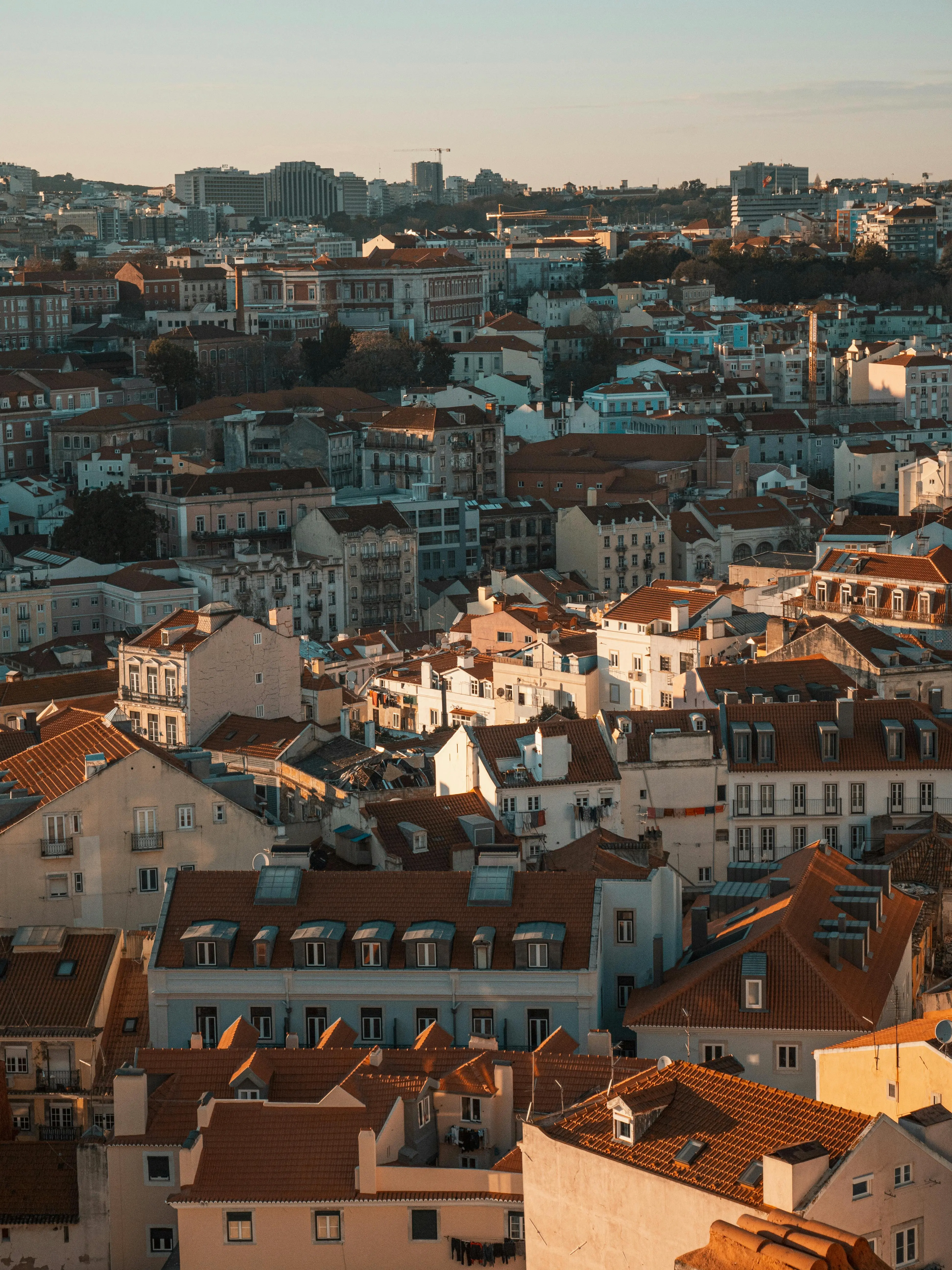
What Anjos Gets Right for Remote Workers
If your working requirements are practical rather than aesthetic, Anjos covers the essentials without asking you to overpay for them.
Clean, furnished apartments at prices that undercut most of central Lisbon
Metro access from Anjos station puts the rest of the city within easy reach
Cafés within a few minutes' walk that function as actual neighbourhood spots, not tourist traps
Reliable internet infrastructure in the kind of residential buildings that long-stay renters actually occupy
The neighbourhood has its own rhythm that makes it easier to settle into a working routine than somewhere built around visitors.
Who Should Look Elsewhere
Anjos is not the right fit for every remote worker, and being honest about that saves you a bad month.
If you want visible co-working culture and regular networking events, Cais do Sodré has more of that
If a curated, finished-feeling neighbourhood matters to your day-to-day mood, Príncipe Real is the closer match
If social infrastructure around other remote workers is your priority, the clusters near Bairro Alto serve that better
Anjos is a working neighbourhood in Portugal — not a lifestyle product designed around you
Knowing what Anjos is not makes it easier to commit to it when it genuinely is the right call.
If you are travelling with a child under 10, the Jardim do Torel is a 12-minute walk from Anjos and gives you a proper green space that Alfama simply does not offer at the same proximity.
The Case for Basing Yourself in Anjos Long-Term
For stays of a month or more, the financial logic of Anjos is difficult to argue against.
Monthly rental rates stay low enough to extend your runway without sacrificing central access
Day-to-day practicalities — groceries, transport, coffee — are easier than most newcomers expect
Lower costs mean you can commit to a longer stay and actually get settled, rather than rushing to justify the expense
Explore fully furnished apartments in Portugal and price Anjos before assuming you need to spend more elsewhere in the city
Most people who try Anjos first stop wondering whether they should have chosen somewhere else.