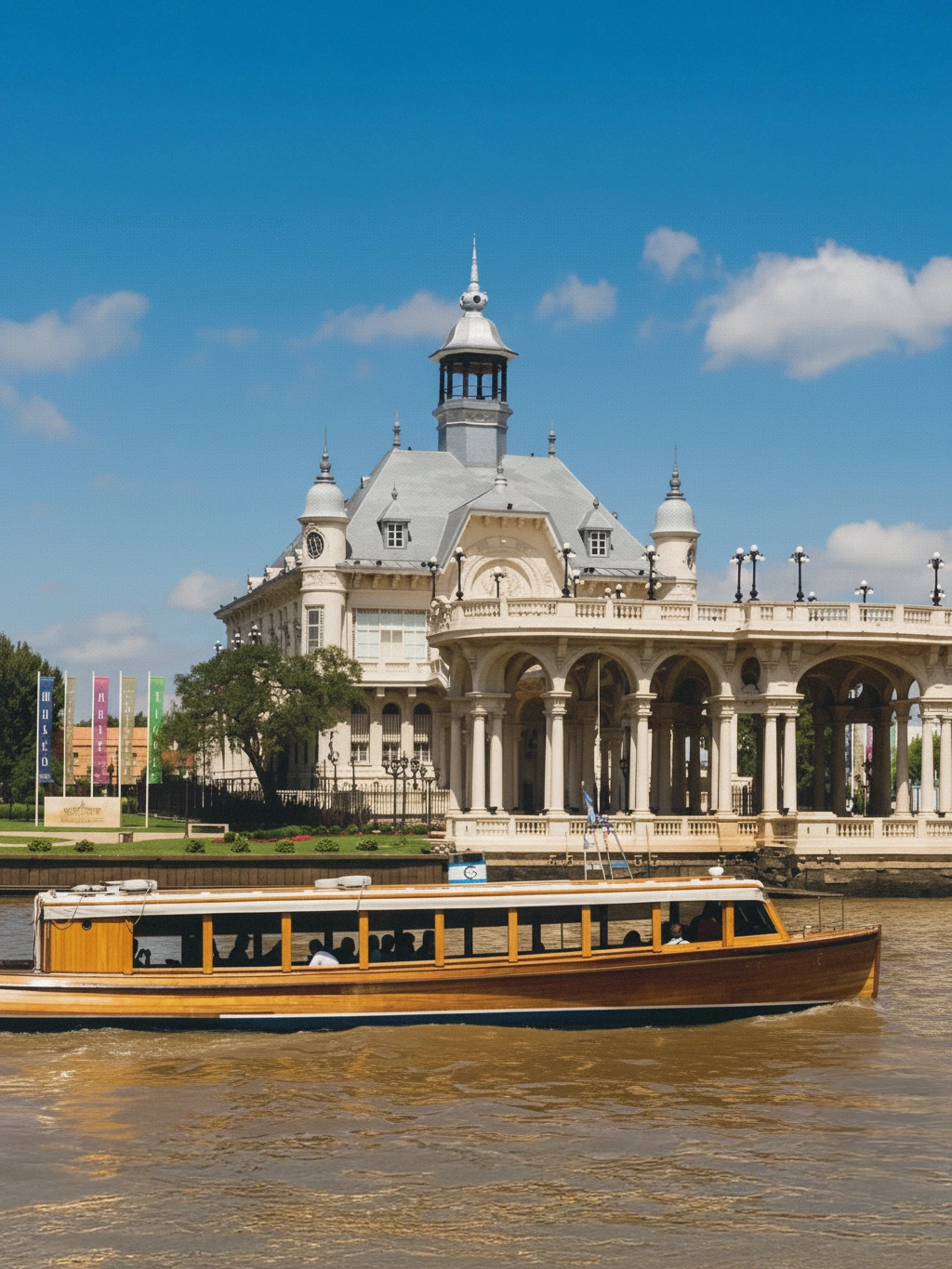
Tigre, Buenos Aires: The Easy Escape Just Outside the City
Only an hour from Buenos Aires by train, visiting Tigre feels like stepping into a different rhythm. The Tigre delta stretches out with fresh water canals, wooden docks, and islands that trade traffic noise for rowing clubs and quiet weekends.
It’s where porteños head when they want to swap city rush for riverside calm.
A visit here can be as simple as wandering through Puerto de Frutos — Tigre’s bustling market filled with crafts, food stalls, and furniture — or lingering over lunch in one of the riverside restaurants.
Most activities cost under $20, making it an affordable getaway. Check google maps and you’ll see how seamlessly it fits into any Buenos Aires stay.
Tigre isn’t a far-off destination; it’s the city’s built-in reset button, waiting just upriver with all the information, color, and calm you need for a day out.

What the Tigre Delta Is Known For
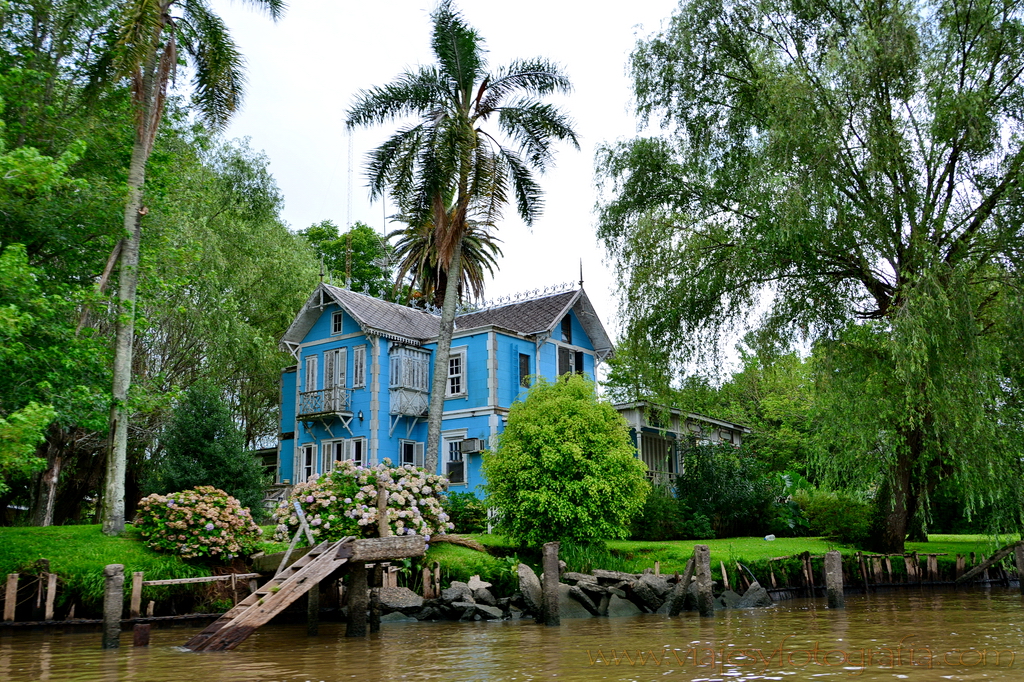
The Tigre delta sits just outside Buenos Aires, a maze of waterways that branch from the Paraná River. Once a busy port, today it’s a favorite weekend escape for anyone who wants a break from the city.
A short trip from Retiro drops you in the middle of a relaxed town where life moves slower, boats replace buses, and the fresh air feels like the perfect way to reset.
Locals and visitors alike come here to spend a day exploring the markets, rowing clubs, and museums. The highlight is the Puerto de Frutos, a lively spot for crafts, food, and furniture that still carries the flavor of old Argentina.
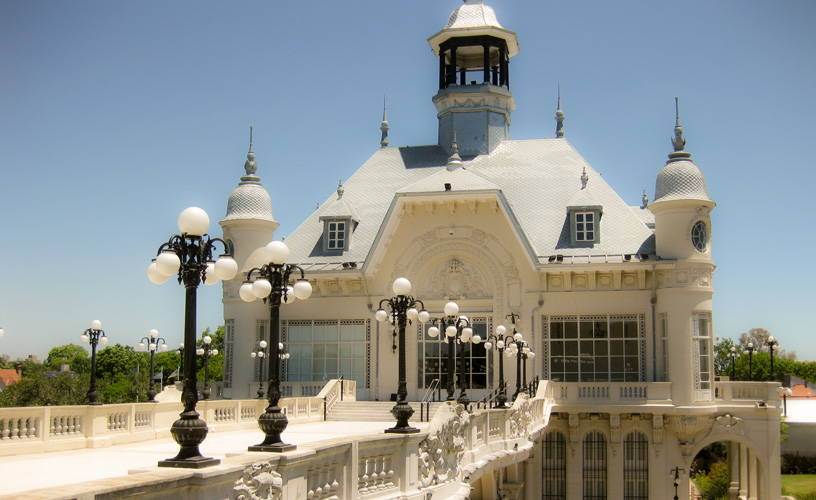
Just a few blocks away, the elegant Museo de Arte Tigre shows off the region’s artistic side, all housed in a stunning riverside building.
Main Attractions in Tigre
Here’s what most travelers make time for during a visit:
-
Puerto de Frutos – A market located near the water, perfect for crafts and snacks.
-
Museo de Arte Tigre – Beautiful architecture and Argentine art exhibits.
-
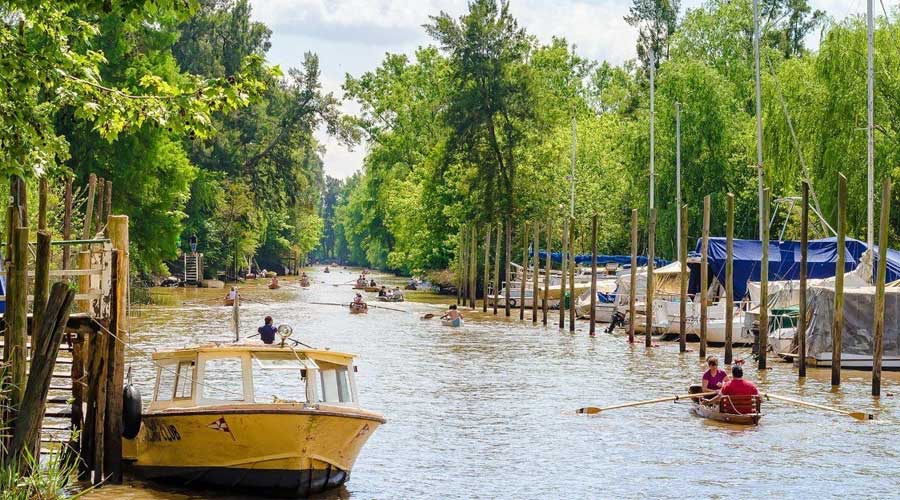
Rowing clubs and boat tours – The best way to see the rivers is on a guided ride or by joining locals at a rowing dock.
-
Parque de la Costa – An amusement park for families looking for something playful.
Slower Than the City
Compared to Buenos Aires, Tigre is greener, calmer, and easier to navigate. Public transport connects you quickly, but once you arrive, you’ll feel like you’ve traveled further than you really have.
It’s a reminder that sometimes the best attractions in South America aren’t the flashiest—they’re the ones just waiting a short train ride away.
Getting to Tigre: Your Gateway to the River Delta
Reaching Tigre is part of the fun. The town is tucked into the river delta, and every route in gives you a glimpse of life outside Buenos Aires.
The most common choice is the Mitre line from Retiro station — about 50 minutes, cheap (under $1 USD), and easy enough even if your Spanish is limited.
You’ll step off right at the Tigre train station, a short walk from shopping centers, docks, and the port where boat rides begin.
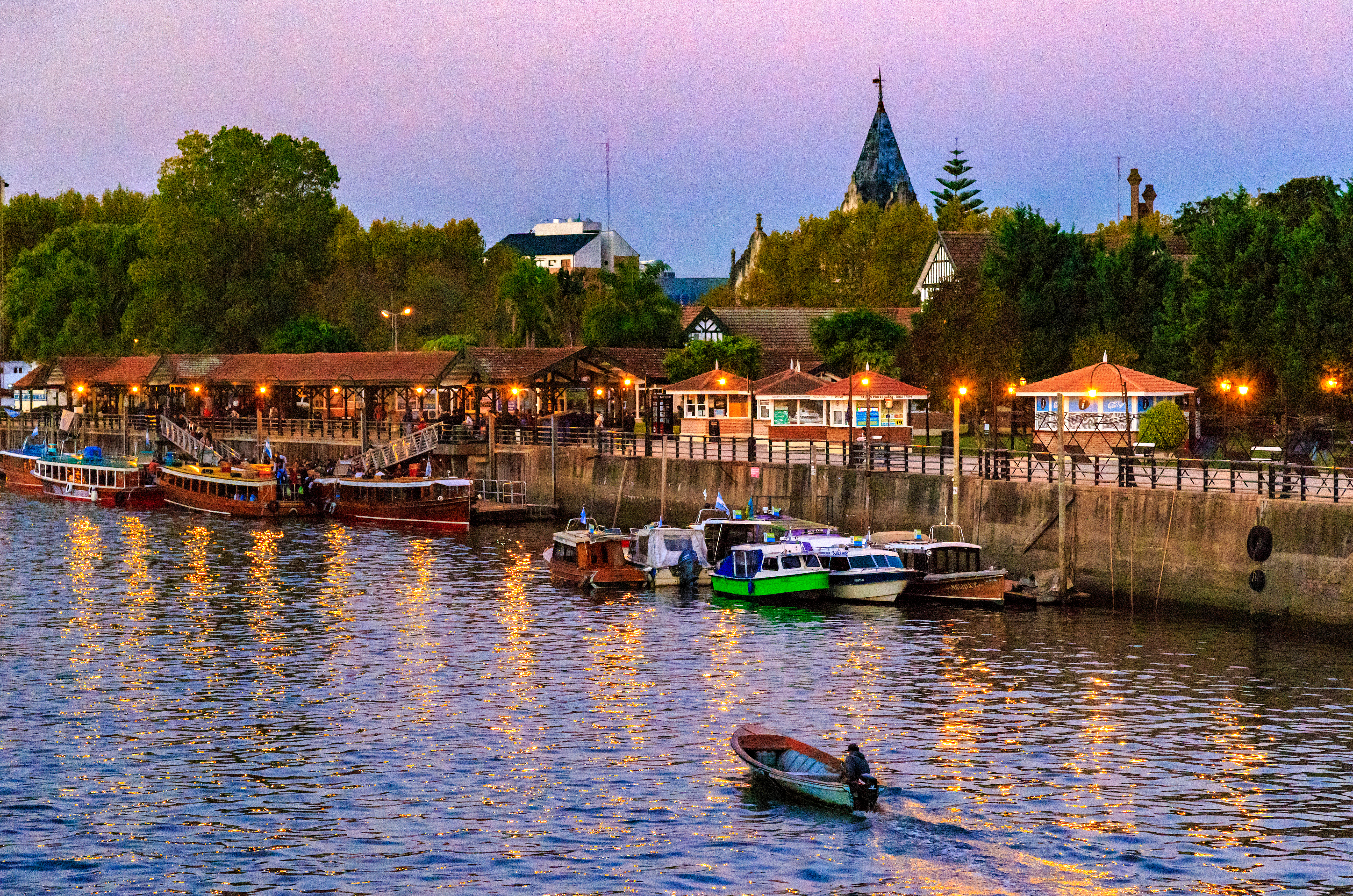
Scenic Detour: Tren de la Costa
For travelers who want more than just a commute, try the Tren de la Costa. Start at Maipú station, ride along the waterfront, and connect into Tigre train station after passing leafy suburbs and old bridges.
It’s slower than the direct line, but if you’ve got time, it’s a great way to see Buenos Aires’ north side before the delta opens up.
Other Ways to Reach Tigre
-
Boat from Puerto Madero – A scenic ride through the waterways, pricier but memorable.
-
Bus lines – Reliable and budget-friendly, though slower than the rail.
-
Private tours or cars – Door-to-door convenience, with guides who explain the attractions along the way.
Day Trip or Overnight?
Most travelers choose a day trip, but staying overnight in the delta means quieter evenings, starlit skies, and time to cross the bridge into Tigre’s smaller islands.
Looking to balance productive weekdays in Buenos Aires with quick getaways? Discover RentRemote apartments in Buenos Aires with dedicated workspaces — the best base for mixing focused work and weekend trips to riverside retreats.
Top Things to Do in Tigre Buenos Aires
Step off at the train station (end of the Mitre line) and you’re a few minutes from boats, markets, and museums. Tigre Buenos Aires is compact, easy for bikers, and perfect for a sunny day along the rivers that meet the Río de la Plata. Start at the port, take a slow stroll by the water, then hop between culture and nature without rushing.
Paraná River: Boat Tours & Delta Views
Lancha colectivos leave from the central port and glide through the Paraná River maze, with side channels toward the Luján River. It’s the simplest way to understand the delta lifestyle—stilt houses, weekend cabins, and quiet docks.
-
Typical cost: a few USD for short loops; longer routes run higher.
-
Closest access: docks near the Tigre Station.
-
Tip: bring small cash; some kiosks speak basic Spanish only.

Puerto de Frutos: Tigre’s Open-Air Fruit Market
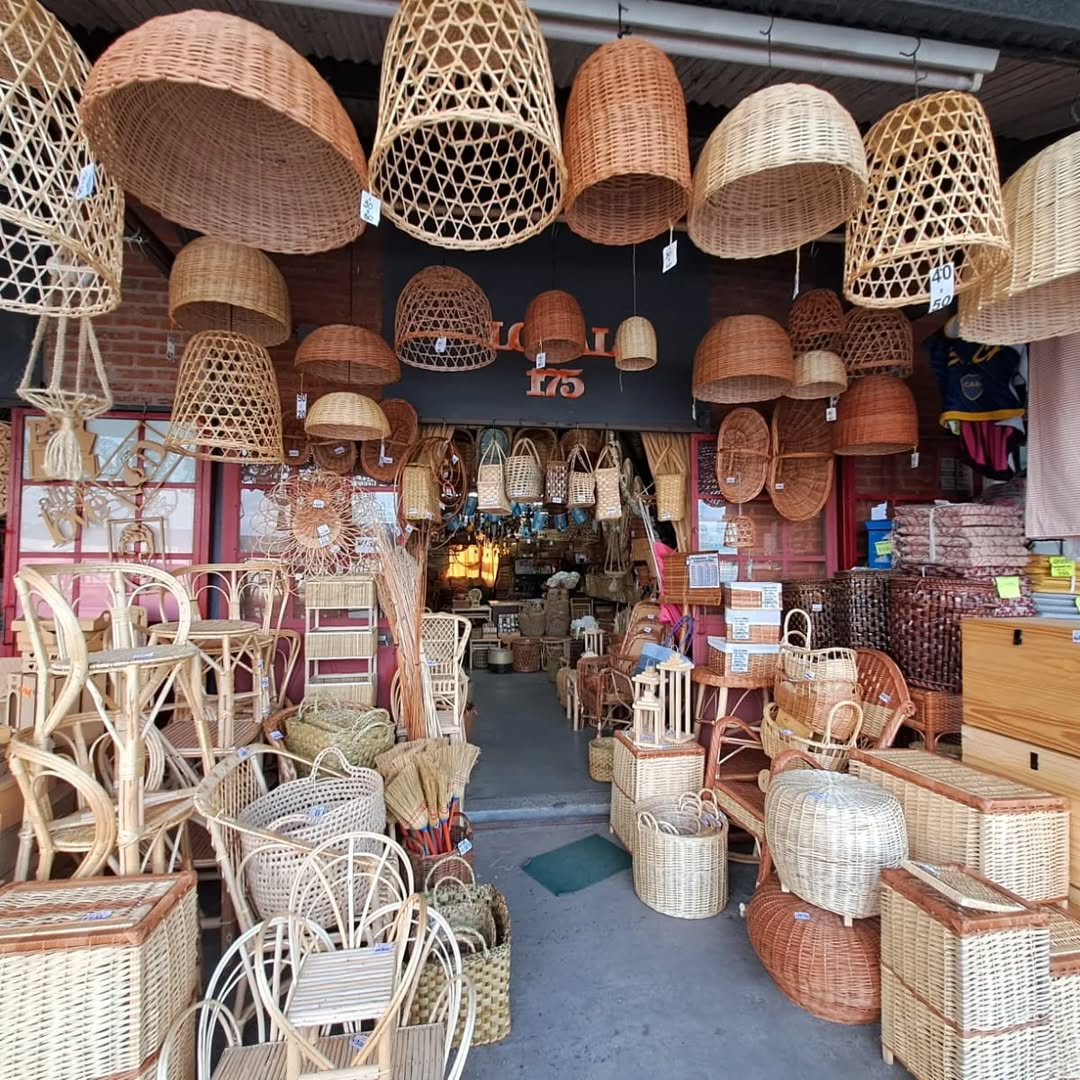
Once the area’s produce hub, Puerto de Frutos is now a lively fruit market for crafts, furniture, baskets, and snack stops located right by the water.
-
Go early on weekends to avoid crowds.
-
Prices are friendly; haggling is light and polite (in Spanish if you can).
-
Great add-on to a boardwalk stroll.
Museo de Arte Tigre (Tigre Art Museum)
The Museo de Arte Tigre—the elegant Tigre Art Museum—sits on the riverfront in a Belle Époque mansion. Inside: 19th–20th-century Argentine works; outside: balconies with river breezes.
-
Entry is inexpensive (think a couple of USD).
-
Don’t miss the terrace for views toward the Paraná River.

Parque de la Costa: Coasters by the Water
Parque de la Costa is the classic family stop near the Mitre line tracks. Expect coasters, shows, arcades, and plenty of quick eats.
-
Day passes commonly range around $20–30 USD.
-
Easy in/out if you’re mixing it with the museum and market.

Rowing on the Luján River & Waterfront Bars
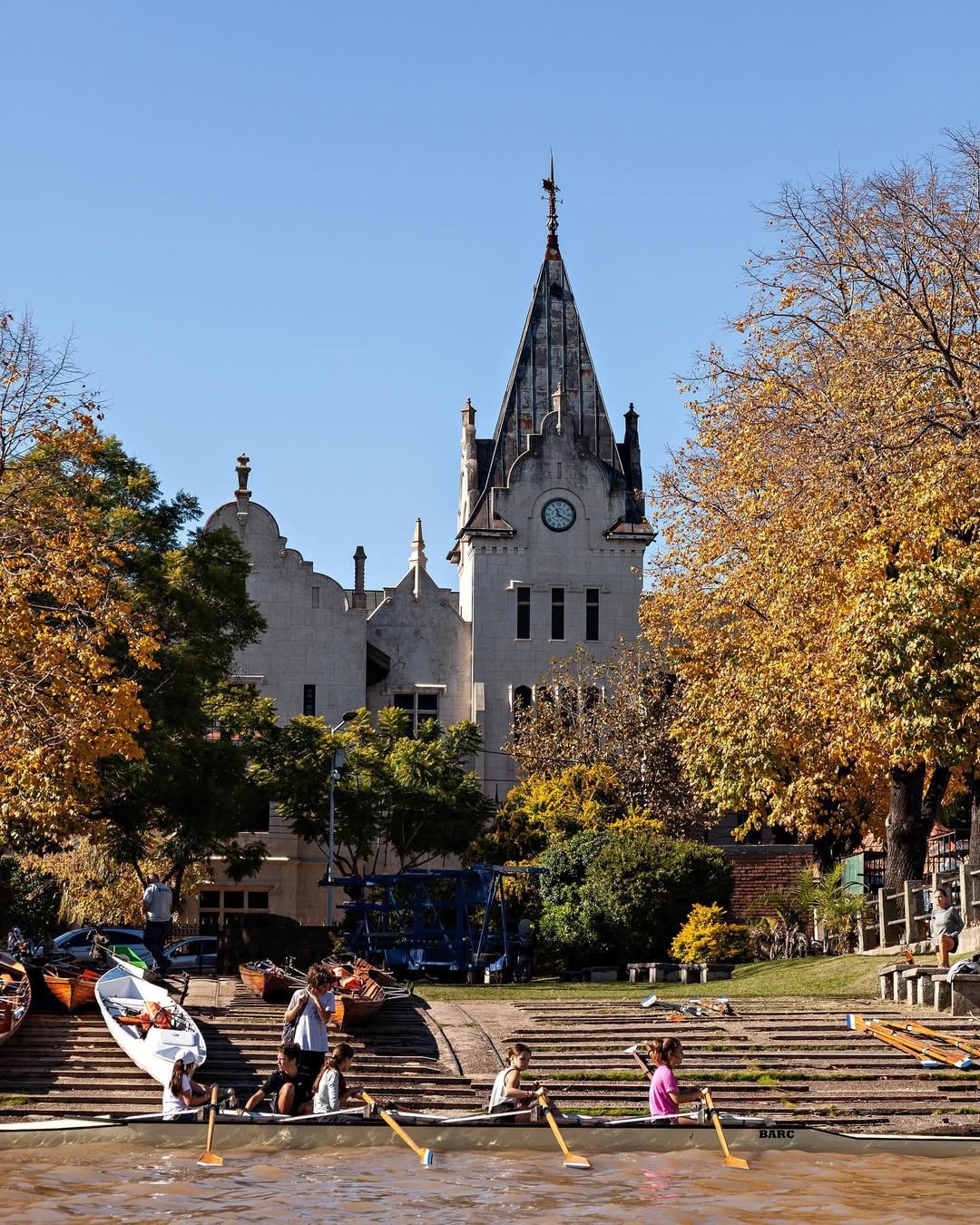
Rowing is part of local identity here—clubs line the Luján River and welcome visitors for short sessions. Not paddling today? Keep it to a stroll and people-watch with a soda or mate at casual bars.
-
Rentals/lessons available most weekends.
-
Golden hour along the embankment is prime walking time.
Delta Islands for Lunch (or a Nap)
Boats from the main docks connect to quiet islands sprinkled with parrilla spots and simple eco-lodges. It’s an easy half-day escape when you want fewer crowds and more birdsong.
-
Plan a later return if you find a sunny deck you love.
-
Bring insect repellent and small cash; card readers can be spotty.
Is Tigre Worth a Day Trip or Overnight Stay?
Tigre is close enough to Buenos Aires that you can spend half a day exploring its canals, museums, and cafés — but it also has the kind of quiet charm that makes you want to linger. The choice depends on your pace, your budget, and how you like to eat, relax, and your choice to stay over.
Why a Day Trip Works
-
Fast access from Buenos Aires by bus or train in under an hour.
-
Enough attractions to fill 6–8 hours without rushing.
-
Budget-friendly: you can eat well for under $15 USD at local parrillas.
-
A good option if you want to return to Tigre for dinner or nightlife.
Reasons to Stay Overnight
-
Boutique inns and delta lodges give you a slower look at the waterways.
-
Evenings are calm: sunset on the water, early dinners, and quiet walks.
-
Mid-range double rooms average $60–120 USD.
-
Staying overnight gives you time to spend the next morning on island eateries or kayaking.
Who Will Love It (and Who Won’t)
Best for:
-
Families who want easy access to nature without leaving the capital.
-
Couples looking for calm sunsets and slow mornings.
-
Digital nomads who prefer a reset before diving back into town.
Not ideal for:
-
Travelers seeking clubs, cocktails, or a buzzing night scene.
-
Luxury-focused visitors who expect polished cosmopolitan energy.

Costs and Practical Info in Tigre Buenos Aires
Tigre is one of the easiest places to enjoy without draining your wallet. Between the canals, the rivers, and its relaxed pace, you can spend a full day here for less than $30 USD.
Transport is cheap, food is flexible, and activities scale to your budget. Whether you hop on the train or bus, time it right and you can be back in Buenos Aires before night.
Getting Around Without Breaking the Bank
The train from Buenos Aires costs under $1 USD — by far the cheapest option. Bus fares are similar but slower, so most people stick with the rails. If you want to explore the canals more freely, private transport on the water costs extra but works well for groups.
Food Costs Along the Waterways
Menus del día at small restaurants usually run $8–12 USD. If you’d rather linger at a table, expect to spend $20–30 USD per person for mains and drinks. For something light, empanadas, sandwiches, or mate are easy finds for $2–5 USD.
The most popular choice is to grab a table by the water. Spots like Vivanco Parrilla serve traditional Argentine steak with wine, while Maria Luján is a long-time favorite for pasta, fish, and sunset views. Expect to pay around $20–30 USD per person for mains and drinks.
Tours on the Water
Shared group tours along the waterways are budget-friendly at $5–10 USD. Longer or private options range $15–20 USD. If you’re with friends, splitting a private boat often makes sense for comfort and flexibility.
Safety Notes
By day, Tigre feels safe and welcoming, especially around the port and boardwalks. After night, things quiet down. Stick to well-lit areas and use common sense — the same as you would in any city in Argentina.
Best Time to Visit for Comfort
Spring (September–November) and autumn (March–May) are ideal for mild temperatures and lighter crowds. Summer weekends are busier, and winter brings calmer streets but fewer tours on the canals.
Quick Cost Snapshot
Transport
-
Train: under $1 USD
-
Bus: under $1 USD, slower option
-
Private trip on the canals: $15–30 USD depending on group size
Food
-
Menú del día: $8–12 USD
-
Local restaurants: $20–30 USD per person
-
Snacks: $2–5 USD
Boat trips and tours
-
Shared tours: $5–10 USD
-
Private/longer circuits: $15–20 USD
Safety
-
Day: lively and safe
-
Night: quiet, better to stay on main streets
Best Seasons
-
Spring & Autumn: best balance of weather + crowds
-
Summer: busier weekends
-
Winter: calmer, but less activity on the rivers
Tigre for Digital Nomads: Remote Work Possibilities
If you’re considering swapping your day in the city for fresh air along the rivers, Tigre has appeal — but it’s not a full-on nomad hub. Think of it as a reset, not your main base. Internet connections can be spotty, coworking options are minimal, and commuting back by bus or train is the norm. That said, a weekend in the canals is often exactly the balance you need after a heavy week of calls and deadlines.
Remote Work Reality Check
-
WiFi: Reliable enough in central hotels like Hotel Wyndham Nordelta (stronger connections, though technically a bit outside Tigre proper). Island lodges such as La Becasina Delta Lodge are stunning but expect slower speeds.
-
Coworking: Dedicated spaces are rare. Espacio Tigre sometimes doubles as a gallery and community hub where you can perch with a laptop, but most cafés aren’t built for workdays.
-
Budget: Mid-range stays with decent WiFi run $50–70 USD per night. Boutique guesthouses on the delta are more ($120+), but you’re paying for quiet sunsets, not bandwidth.
Why It’s More of a Weekend Escape
Tigre works best as a short recharge. A couple of days here lets you kayak, take in the Museo de Arte Tigre, or just unplug at riverside inns like Delta Eco Hotel. Longer stays are harder to manage without strong internet, so most nomads treat it as a complement to their Buenos Aires apartment.

Work Week in the City, Reset in Tigre
The sweet spot is splitting your time: productive weekdays in Buenos Aires, then a two-day escape in Tigre. Set yourself up with an ergonomic workstation in the capital, then log off Friday and check into a delta lodge. It’s a routine that keeps your workflow intact while giving you the kind of pause you actually feel.
Who Will Love Tigre?
Tigre appeals to different types of travelers in different ways. Some come for the calm of the rivers, others for a cultural reset after a week in the city.
Families can spend a full day exploring safely, couples often stay over, and digital nomads tend to treat it as a weekend recharge rather than a long-term base. Here’s how it breaks down:
Families Looking for Easy Days Out
Parents appreciate the safe, walkable center and the mix of activities. You can hop between the canals, amusement parks, and casual restaurants without stress.
Budget-wise, a day here is lighter than most big-city outings.

Couples Wanting a Romantic Escape
Tigre’s slower rhythm makes it ideal for two. Watching the sun set over the rivers, staying in a boutique inn, or sharing time on the canals gives the trip a quiet intimacy that’s rare so close to Buenos Aires.
Digital Nomads in Need of a Reset
This isn’t a spot for long work weeks, but as a weekend getaway, it shines.
Reliable enough WiFi in central hotels, nature walks, and water views are often exactly what you need after days of screens in the city.
Culture Seekers With Curiosity
Art museums, rowing traditions, and waterfront cafés make Tigre more than a sleepy delta. Those who like to spend their time learning about history and traditions will find plenty to explore.
Who It’s Not For
-
Travelers chasing heavy nightlife
-
Luxury-first guests who prefer polished cosmopolitan experiences
-
Anyone wanting non-stop busy energy of a capital
Tigre as Buenos Aires’ Riverside Reset
Tigre is the kind of place that reminds you why balance matters. Close enough for a quick trip yet far enough to feel different, it offers a blend of culture, fresh air, and calm that doesn’t require much planning or money.
For digital nomads, it’s not about setting up your desk here long-term — it’s about pressing pause. The shift in pace is what makes it valuable: one weekend away, and the next week back at work feels lighter.