









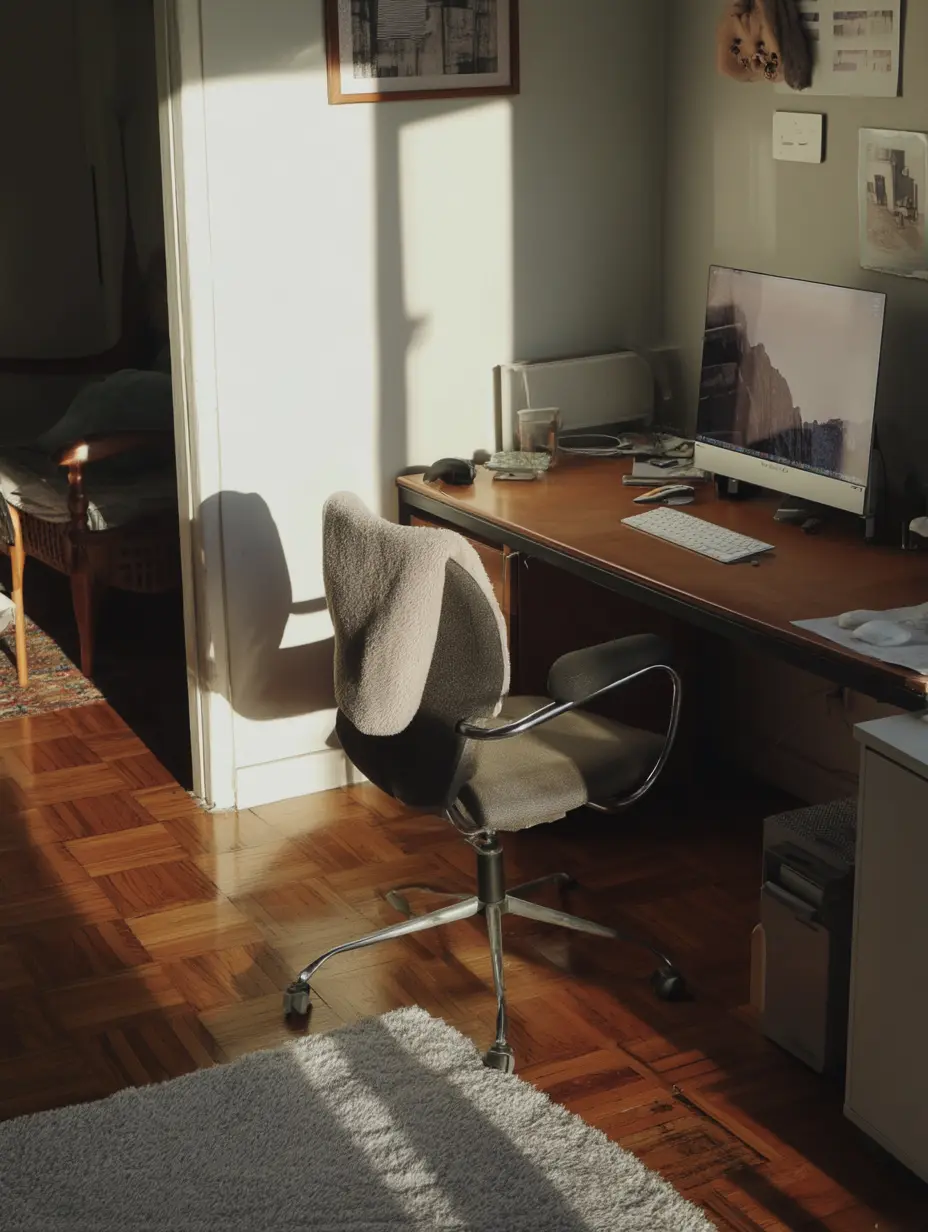
The Limits of 'Work From Anywhere'
Digital nomad visas now exist in more than 46 jurisdictions, but most places are not set up for a full working week. What remote work actually needs.
The phrase "work from anywhere" has become official policy in a growing number of countries. As of November 2025, more than 46 jurisdictions offered digital nomad or remote work visas or permits, according to EY's Global Immigration Index, with Europe accounting for 38 percent of the programs. In the United States alone, 18.1 million people were counted as digital nomads in 2024, according to research released by MBO Partners in August of that year.
The policies and the numbers describe a real shift. But the slogan implies something the infrastructure often does not deliver: that any location with a signal is a viable place to work. For people who lead teams, take client calls and ship work on deadlines, the gap between a place where one can check email and a place where one can work a full week is wide. Understanding that gap is the difference between remote work that lasts and remote work that wears people down.
The legal layer is improving
Governments have done much of the groundwork. Spain's digital nomad visa, for example, required applicants in 2025 to earn at least 2,762 euros a month, a threshold set at 200 percent of the country's minimum wage, according to The Local Spain. EY reported that four more countries, Bolivia, Georgia, the Philippines and Senegal, were preparing to launch programs in 2026.
The visa schemes have also raised the bar for who qualifies. Income thresholds tied to national minimum wages, requirements for health insurance and proof of employment abroad mean that the programs are aimed at established professionals rather than casual travelers. Those are precisely the people whose work depends most on reliable conditions.
Visas settle the question of whether a person may stay. They do not settle whether a person can work productively once there. That depends on housing, connectivity and the physical setup of the place where the work happens, all of which visa programs leave to the individual.
Where the setup breaks down
Connectivity is the most visible failure. A connection that handles streaming may still drop during a video call, and many short-term listings advertise Wi-Fi without stating speeds. Portable alternatives carry their own limits. Satellite services such as Starlink have tightened their roaming terms in Europe, as RentRemote has reported, and mobile data plans vary widely in their caps and coverage.
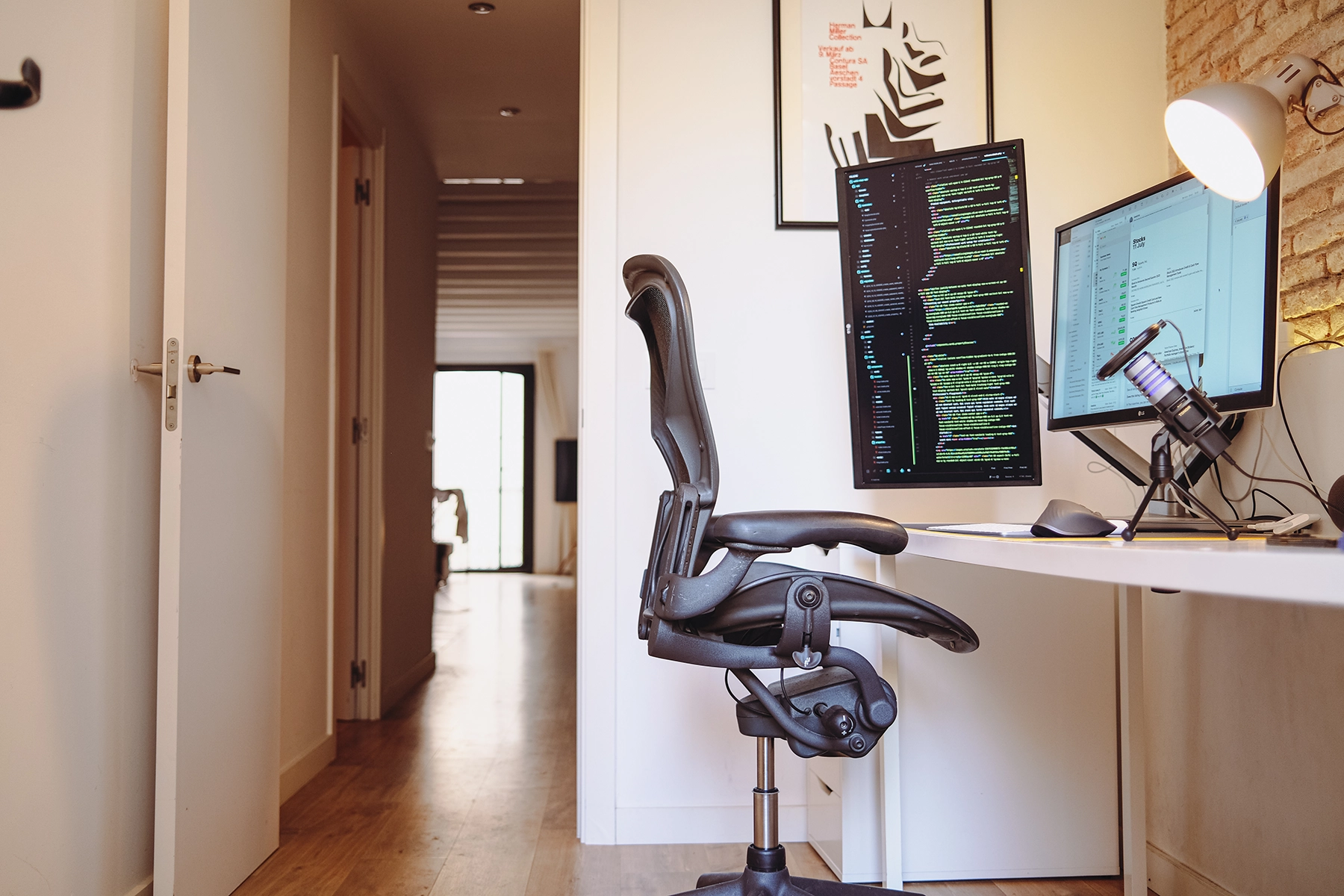
Furniture is the less visible failure, and over time arguably the more serious one. About three in five workers in the European Union report musculoskeletal complaints, according to the European Agency for Safety and Health at Work, citing the European Working Conditions Survey. In the agency's 2019 survey of workplaces, 61 percent of establishments identified prolonged sitting as a risk factor. A stool at a café counter or a sofa in a holiday flat adds to that risk rather than reducing it.
Focus is the third constraint. In Microsoft's 2023 Work Trend Index, 68 percent of respondents said they did not have enough uninterrupted focus time during the workday, and the company's usage data showed workers spending 57 percent of their time communicating rather than creating. Noise, shared spaces and a daily search for somewhere to sit cut further into the time that remains.
Who the model serves
The "anywhere" framing fits some work better than others. Someone who checks in a few times a week can work from almost any location. Someone managing a team across time zones, running long calls or producing detailed work needs predictable conditions every day.
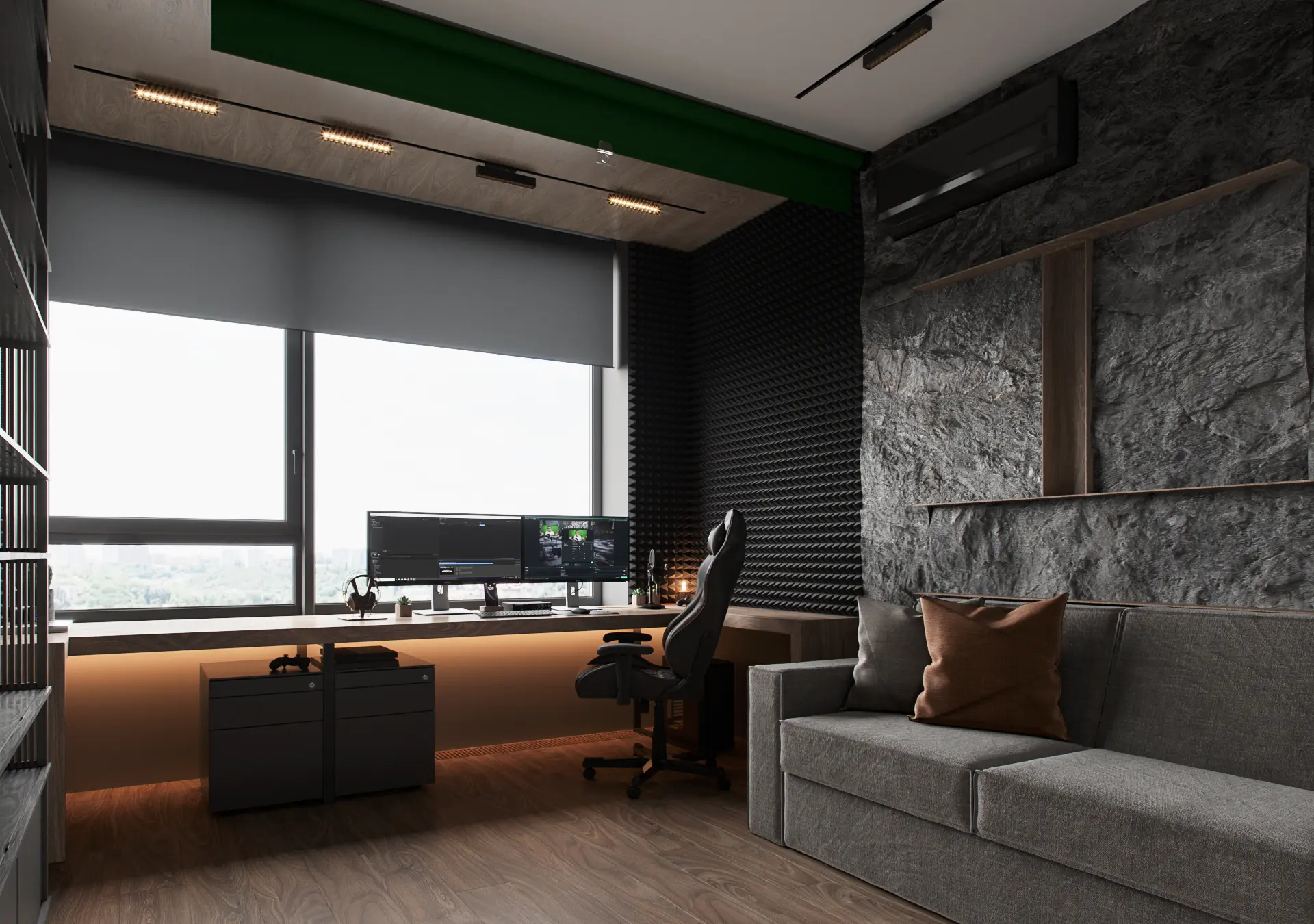
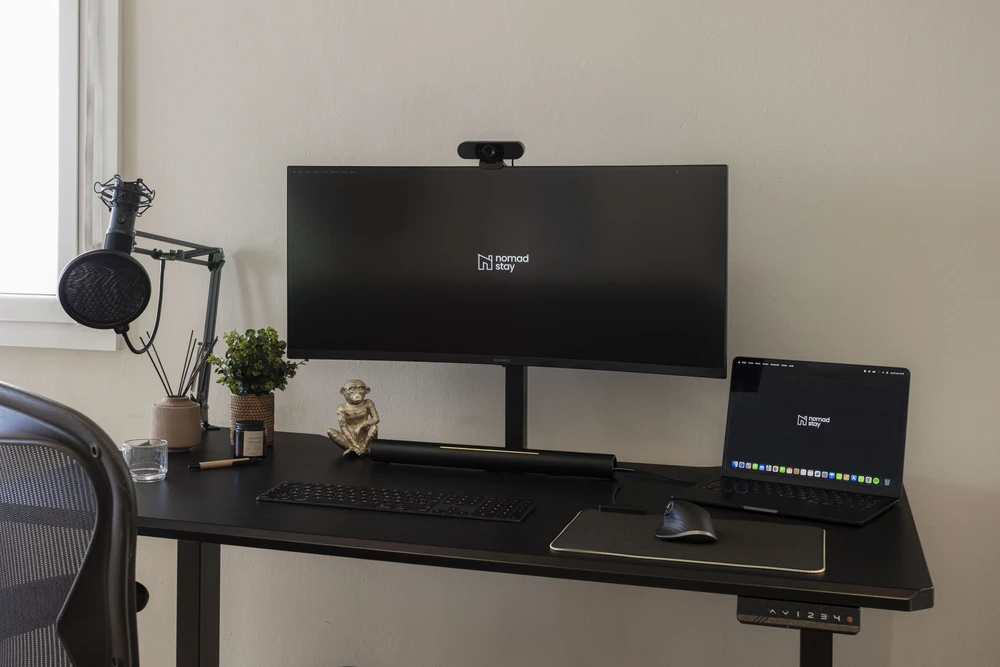
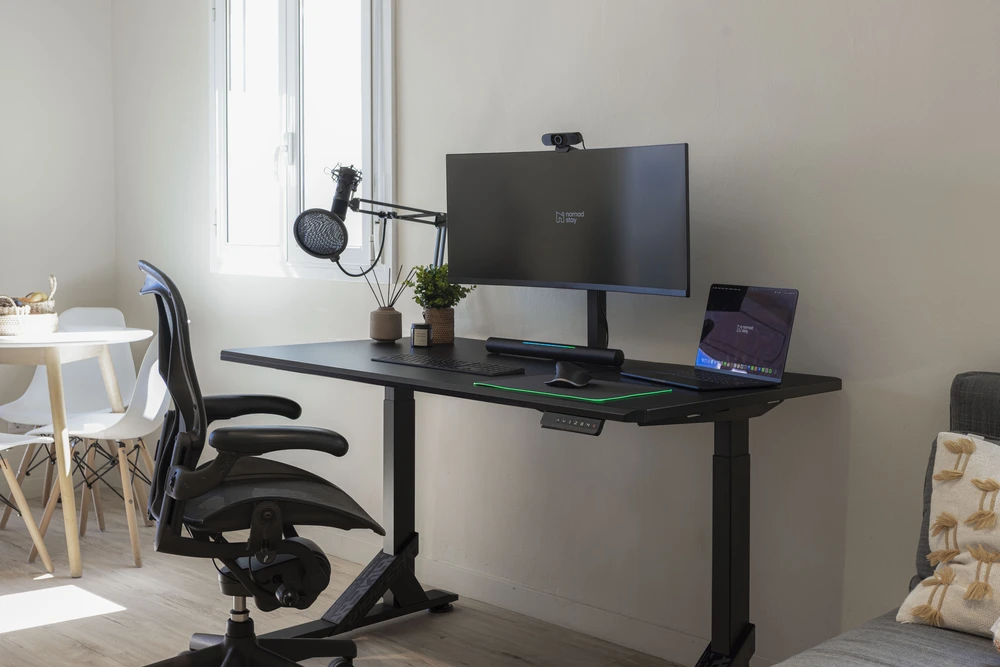
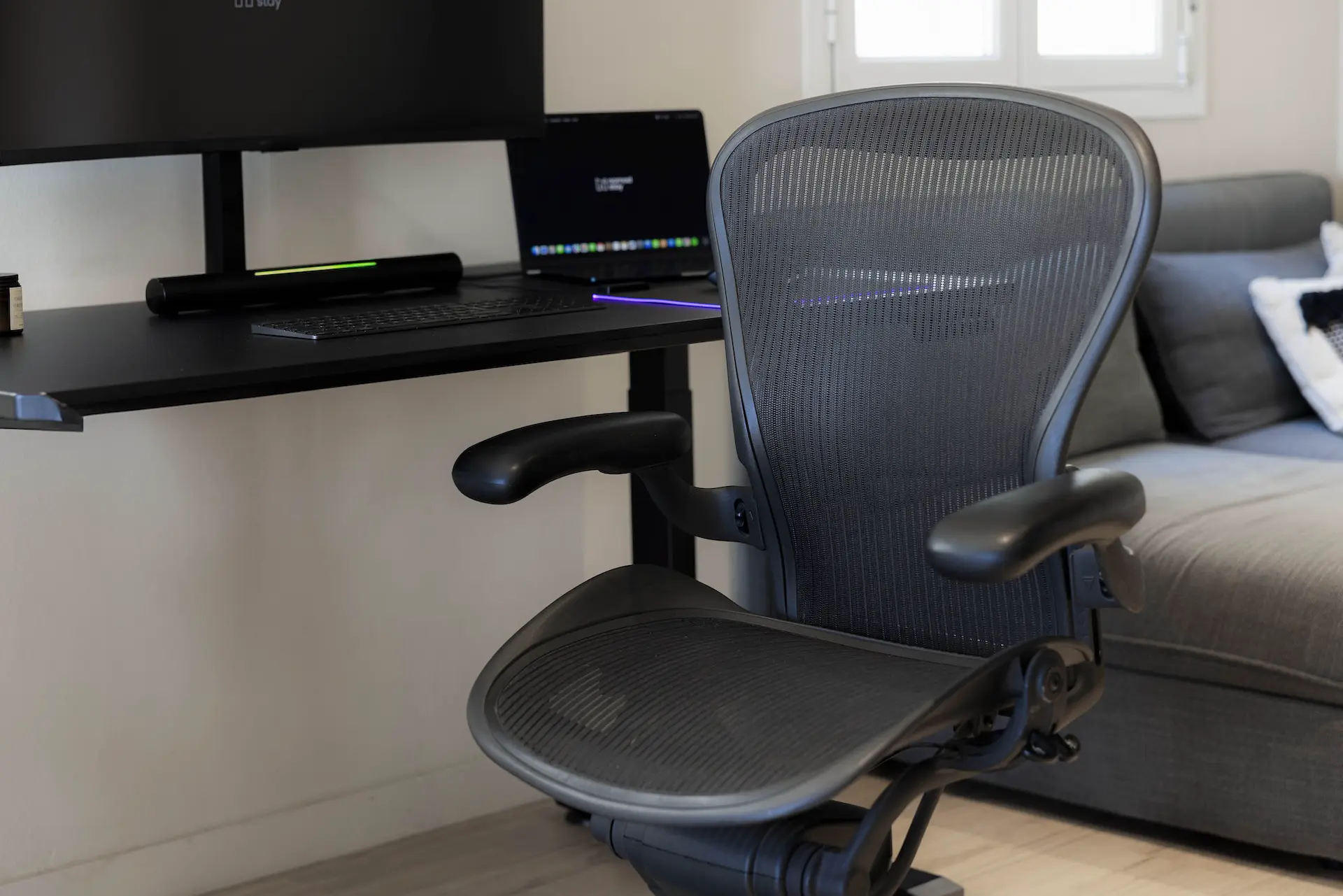
For that second group, which includes many of the professionals that visa programs are designed to attract, the relevant question is not whether a destination is attractive but whether a specific apartment supports a full working day. The answer depends on details that rarely appear in travel coverage: desk height, chair adjustment, upload speed and whether there is a door to close during calls.
From anywhere to somewhere
A more realistic version of the idea is emerging among remote workers who stay longer in fewer places. Slower travel, with stays of one to three months, makes it worth investing time in a proper setup and allows routines to form. It also reduces the logistical load of constant moves, which otherwise competes with work for time and attention.
In practice, that means choosing accommodation for the working day first and the view second. A rental with a proper desk, an adjustable chair, a verified internet connection and a quiet room for calls will support months of work. One without them will require constant improvisation, however attractive the setting.
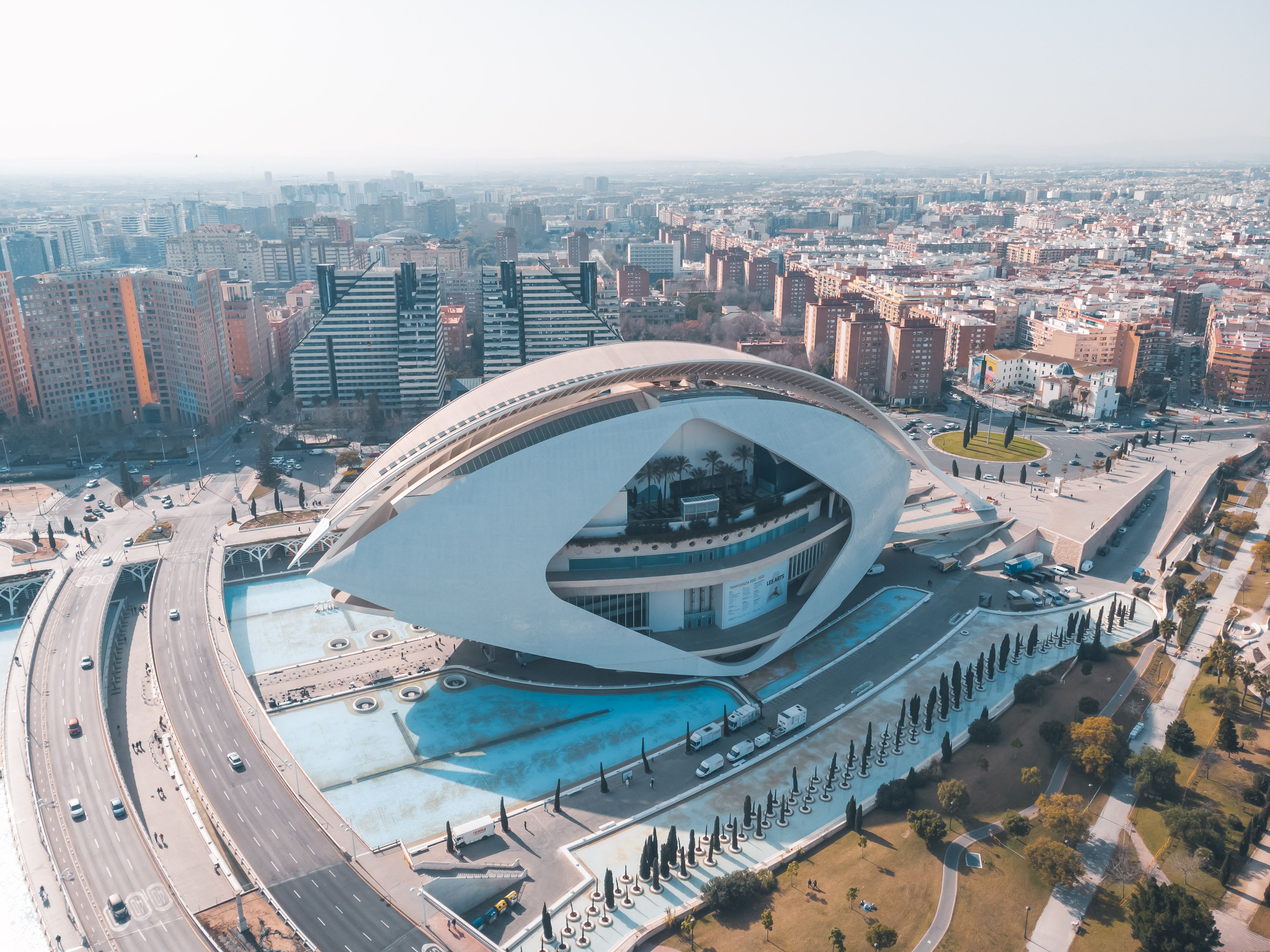
The housing market has started to reflect that preference, with more furnished apartments let by the month and equipped for work rather than for holidays. RentRemote lists furnished monthly rentals in cities including Valencia and Lisbon, built around a working setup.